
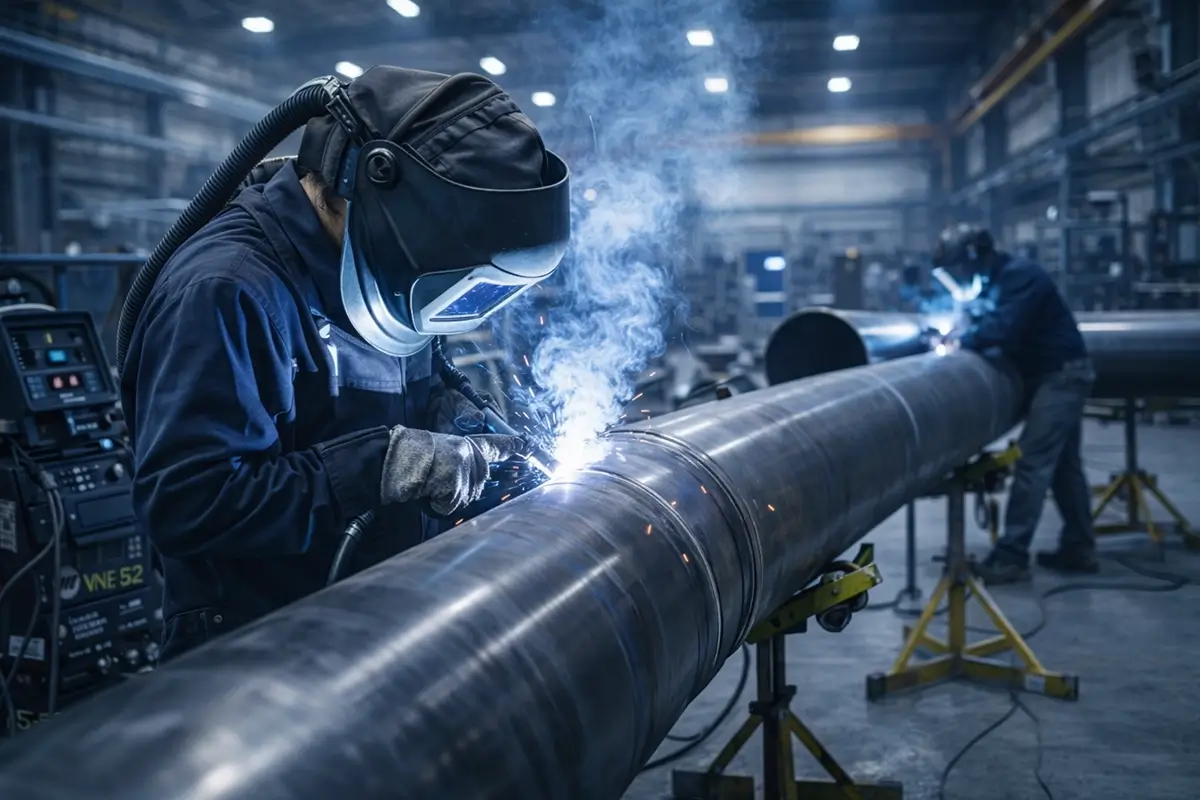
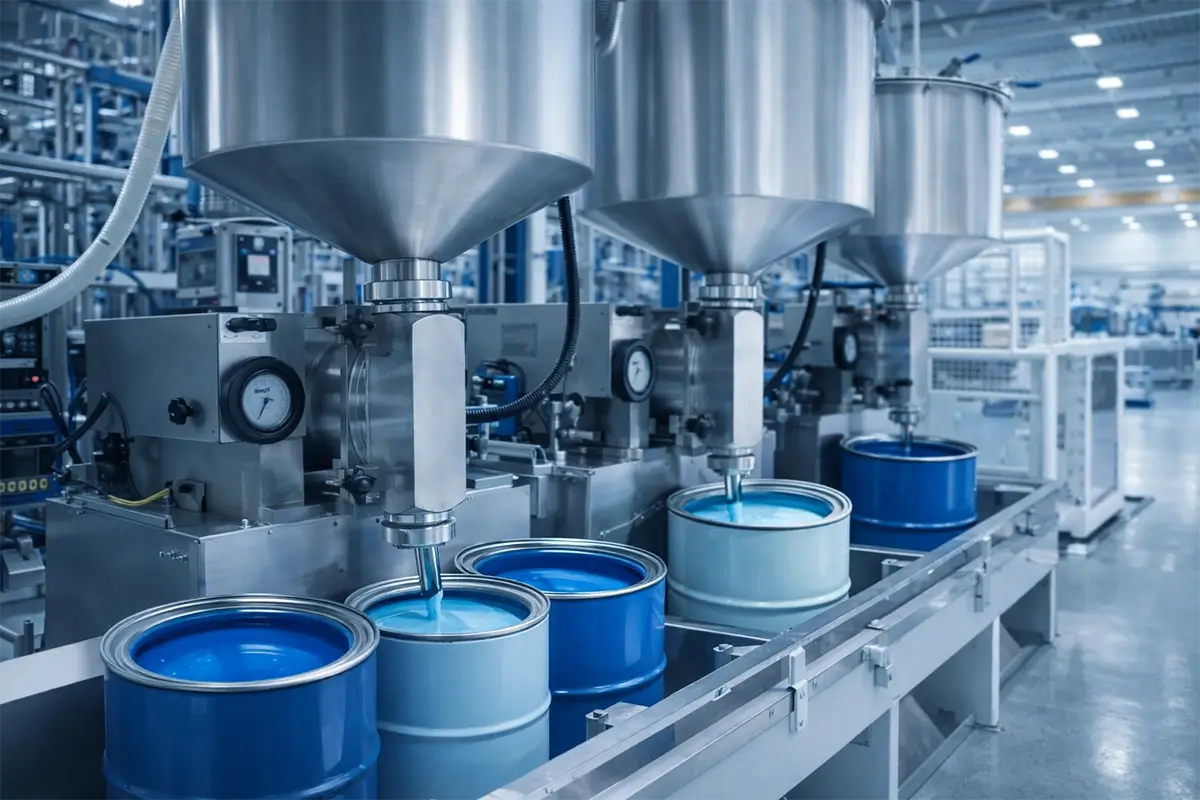
From food and beverage to pharmaceuticals, chemicals, automotive and marine, we design filtration systems around each industry’s hygiene, corrosion and micron requirements.
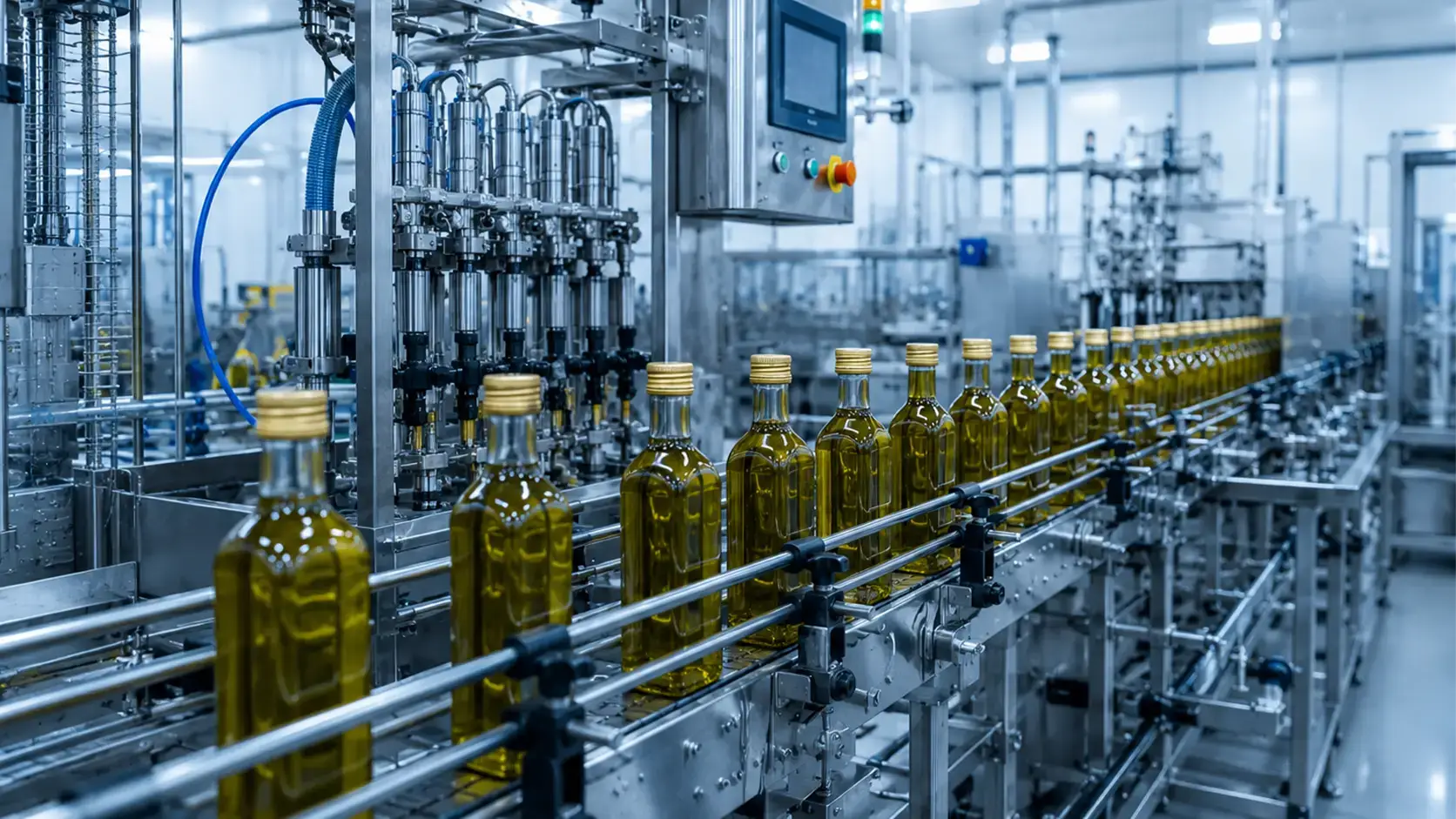
In vegetable oil production, filtration improves product quality by removing sediment, suspended solids and process contaminants. Polishing filtration before refining and filling gives the oil a clearer, more uniform appearance, while food-contact-compliant filter materials support safe production.
Large volumes of clean water are critical for post-extrusion cooling. Prosestim removes sediment and dust from cooling baths to prevent nozzle clogging. Inline cleaning of leak-test water protects equipment precision while reducing water consumption.
Water quality in dialysis centers is a key factor in patient safety and treatment effectiveness. Pre-filtration, cartridge filtration and membrane protection remove particles, sediment and process contaminants, protecting system integrity and ensuring long-term operational continuity.

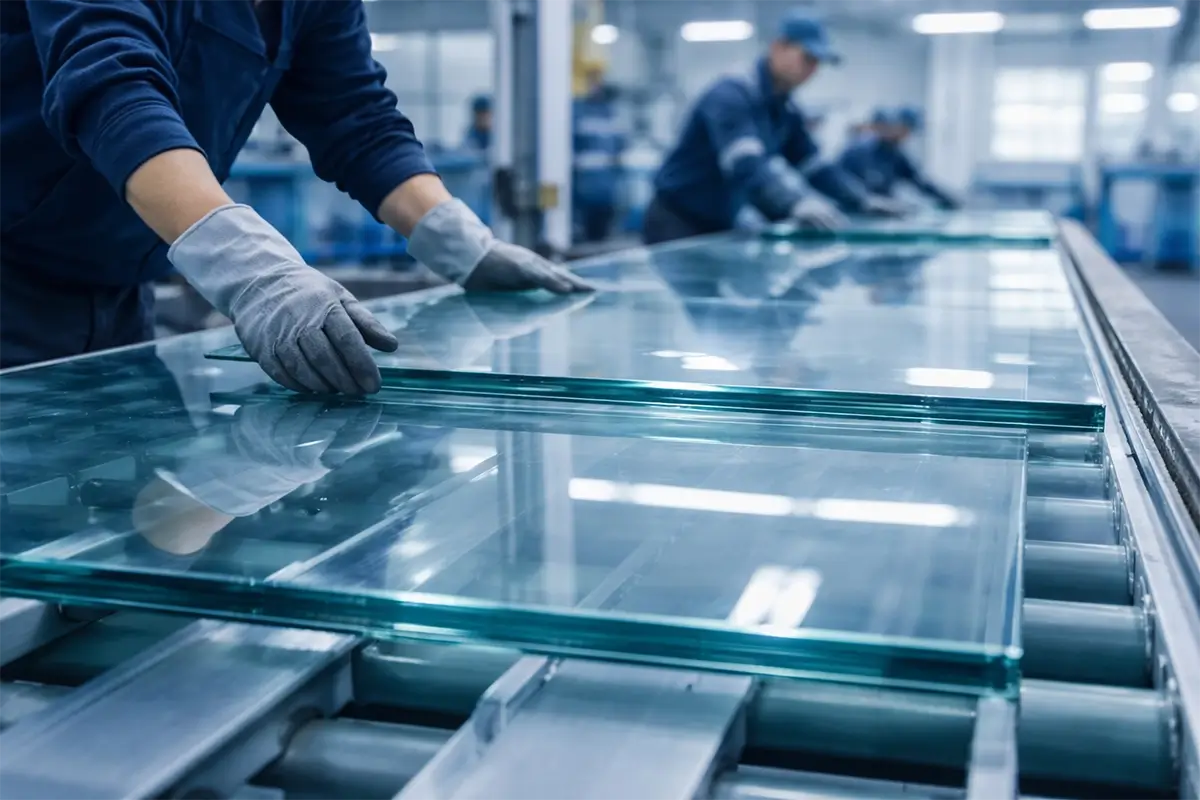
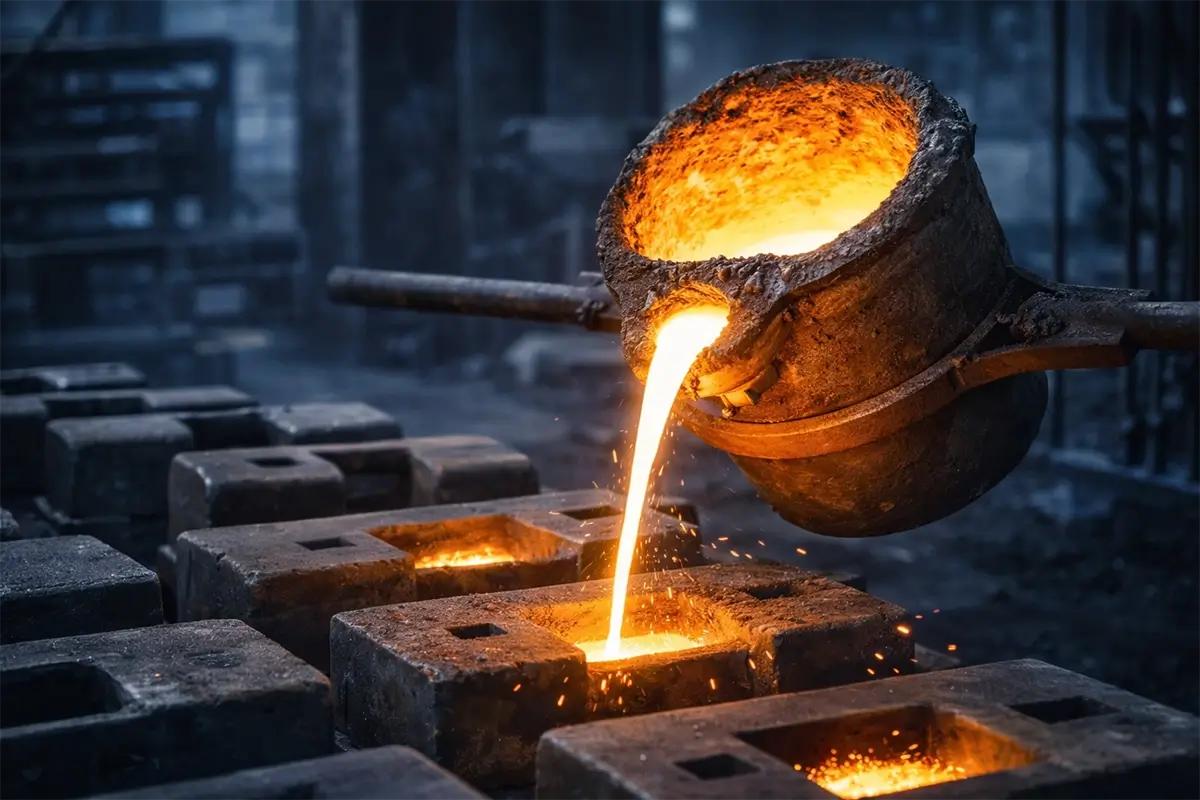
Filtration is a strategic requirement for high-temperature furnace operations and optical quality. Particle control in furnace gas, process air and cooling water systems prevents efficiency losses in heat exchangers and micro-defects on the glass surface, ensuring operational stability.
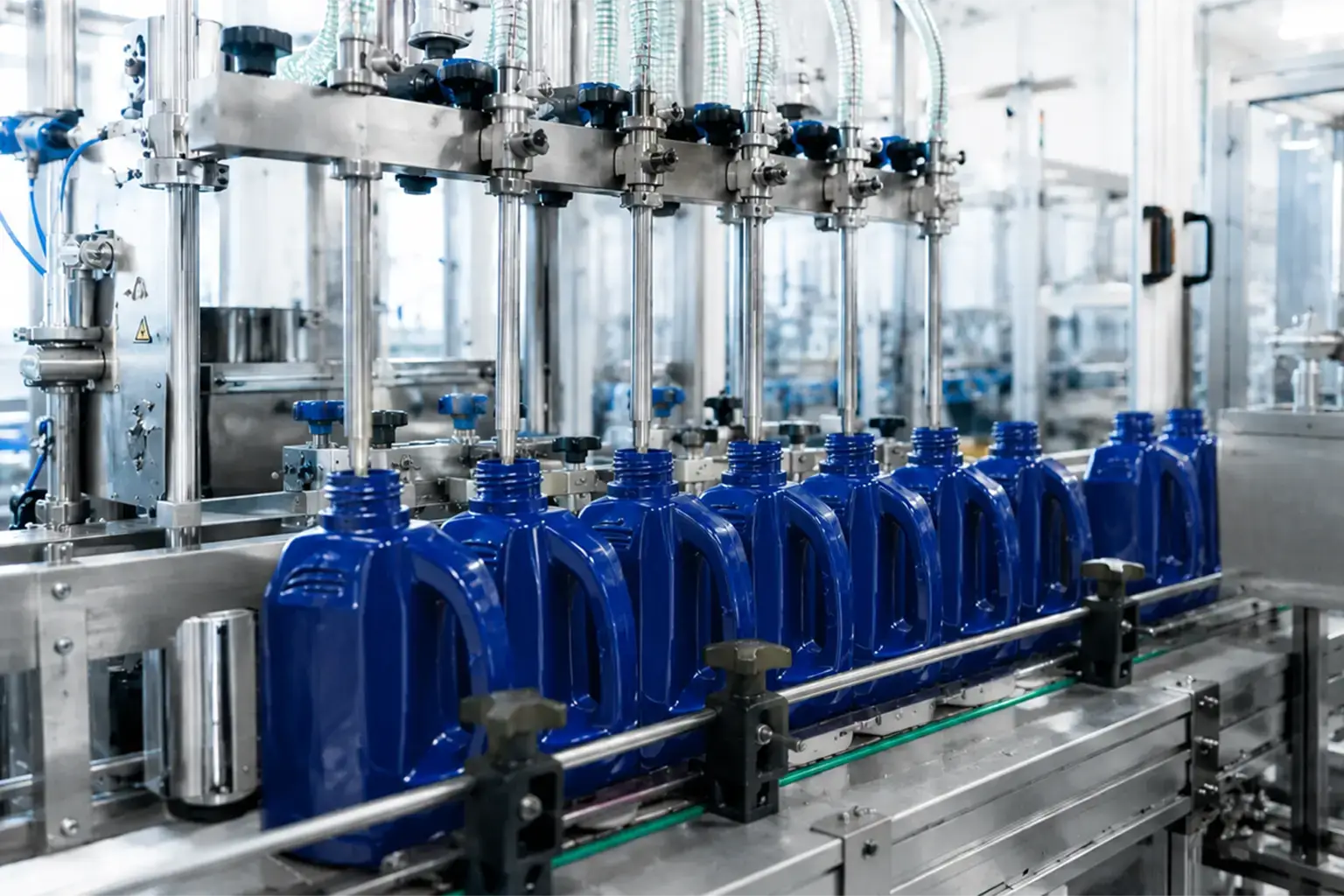
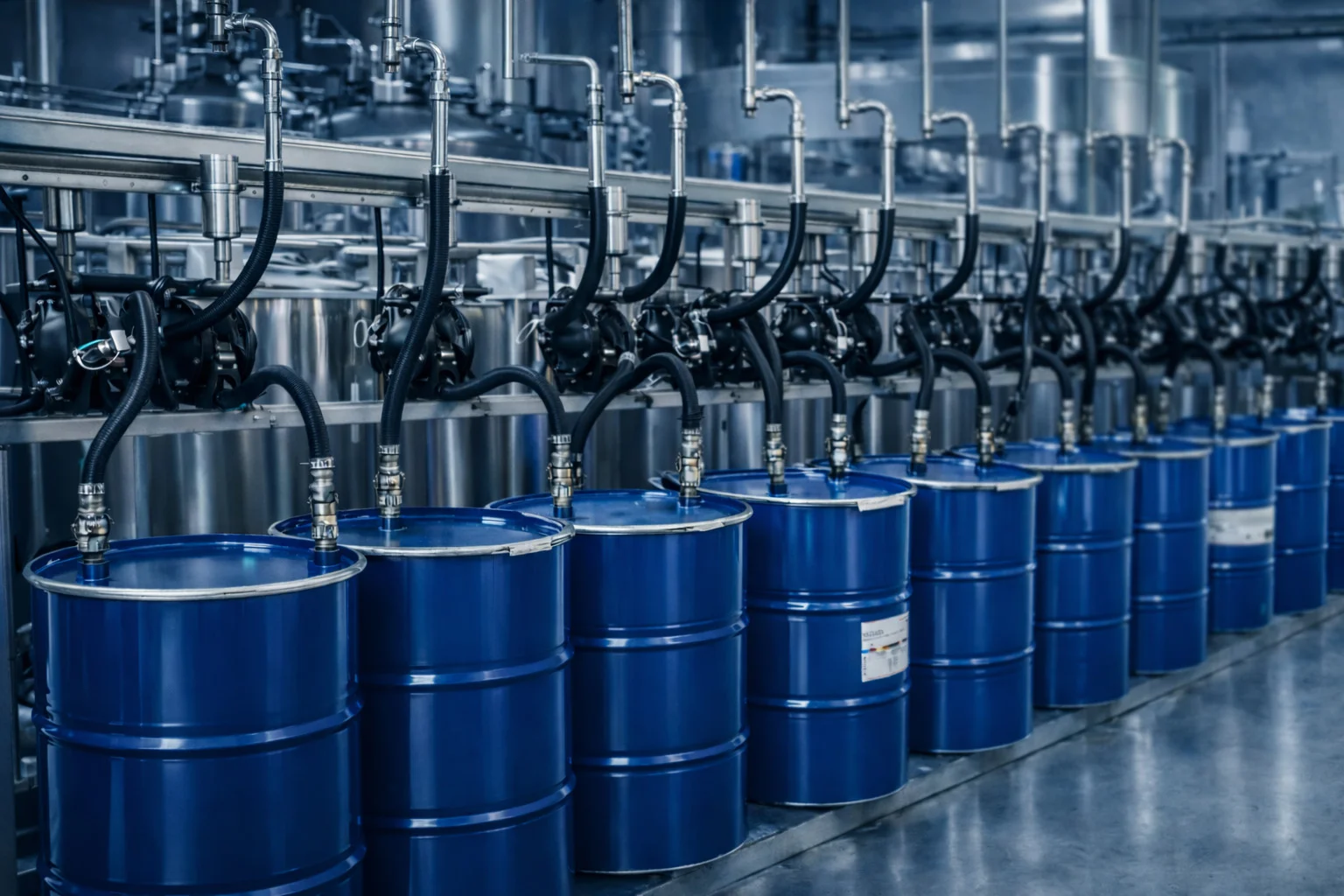
In industrial oil production, particle and contamination control is a critical engineering step in base oil processing, additive dosing and blending. Precision filtration on the production line directly affects the viscosity stability, purity and performance of the final product.
Multi-stage filtration from raw material intake to filling eliminates sediment, gel formation and microparticles, standardizing production quality and improving process reliability.
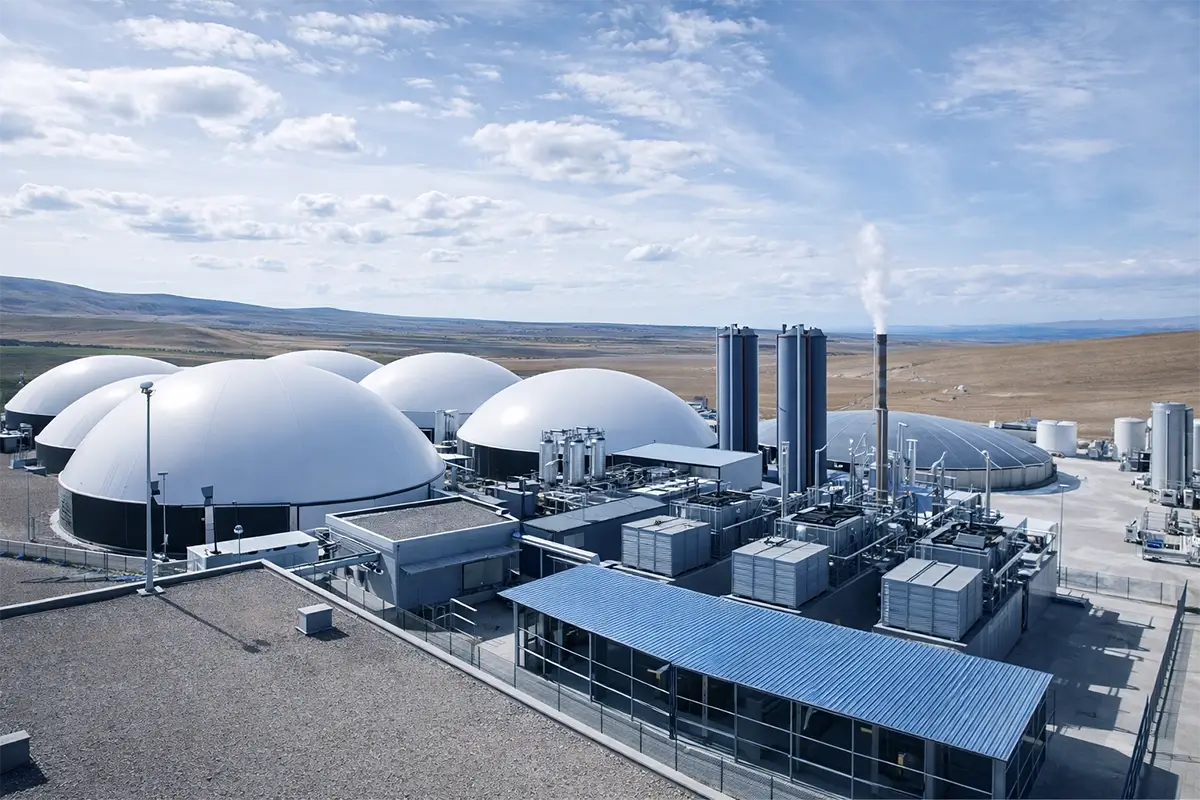
Filtration is a strategic requirement for turbine protection and uninterrupted energy supply. Particle control in gas lines prevents blade corrosion and imbalance, while siloxane and H₂S removal in biogas plants safeguards engine life.
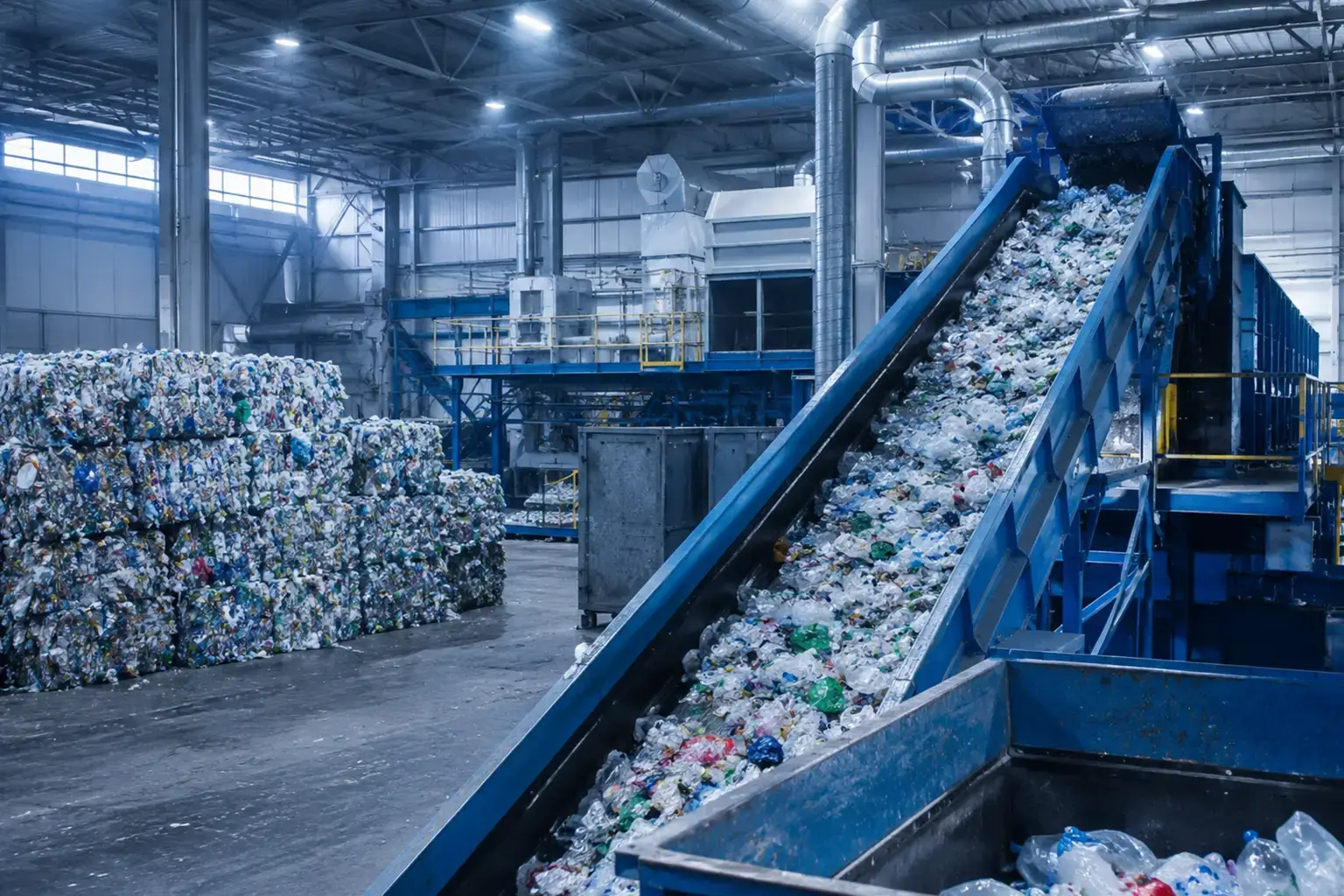
The recycling industry relies on precise separation and purification technologies to return plastic, metal, paper, textile and industrial waste to the economy. Filtration systems on collection, shredding, washing and reprocessing lines remove foreign particles, contaminants and process residues, improving the quality of recovered material.
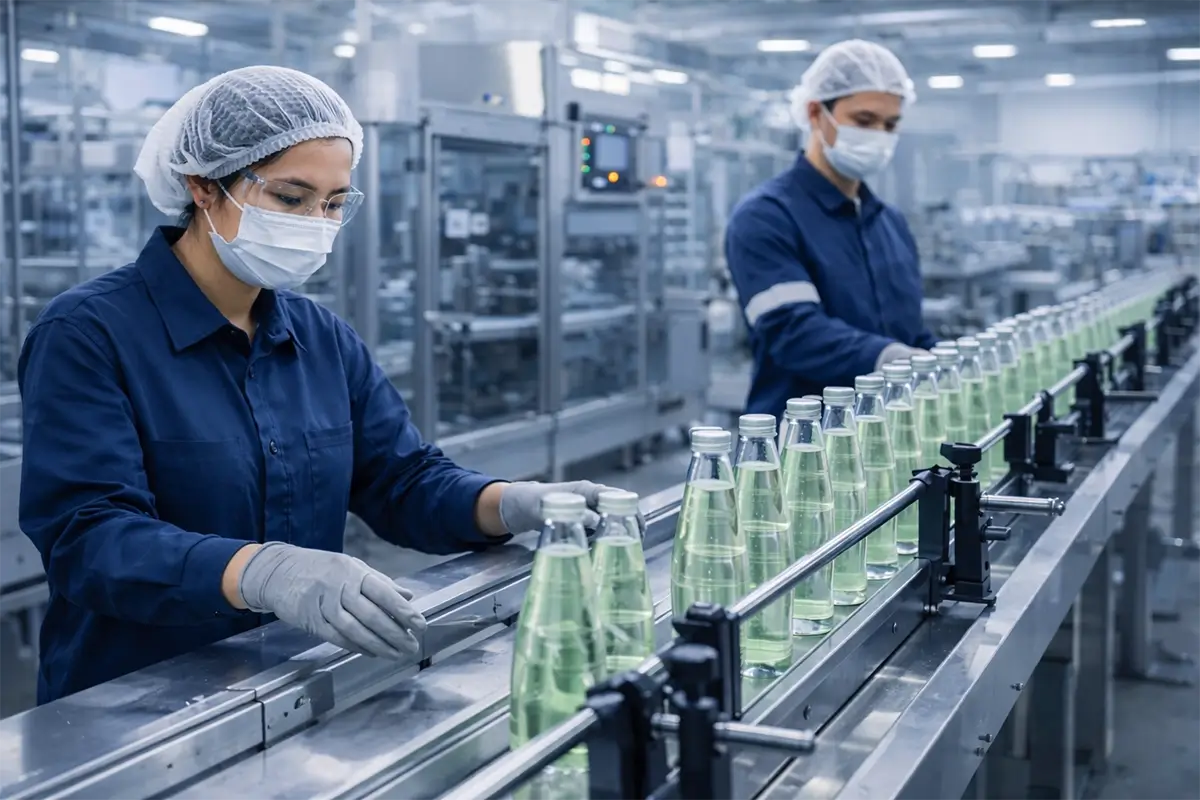
Our sterile filtration solutions, critical in pharmaceutical manufacturing, offer full GMP compliance and validatable performance. With absolute retention down to 0.11 micron on liquid lines, our systems meet the industry’s strictest standards with their Beta ratio values.

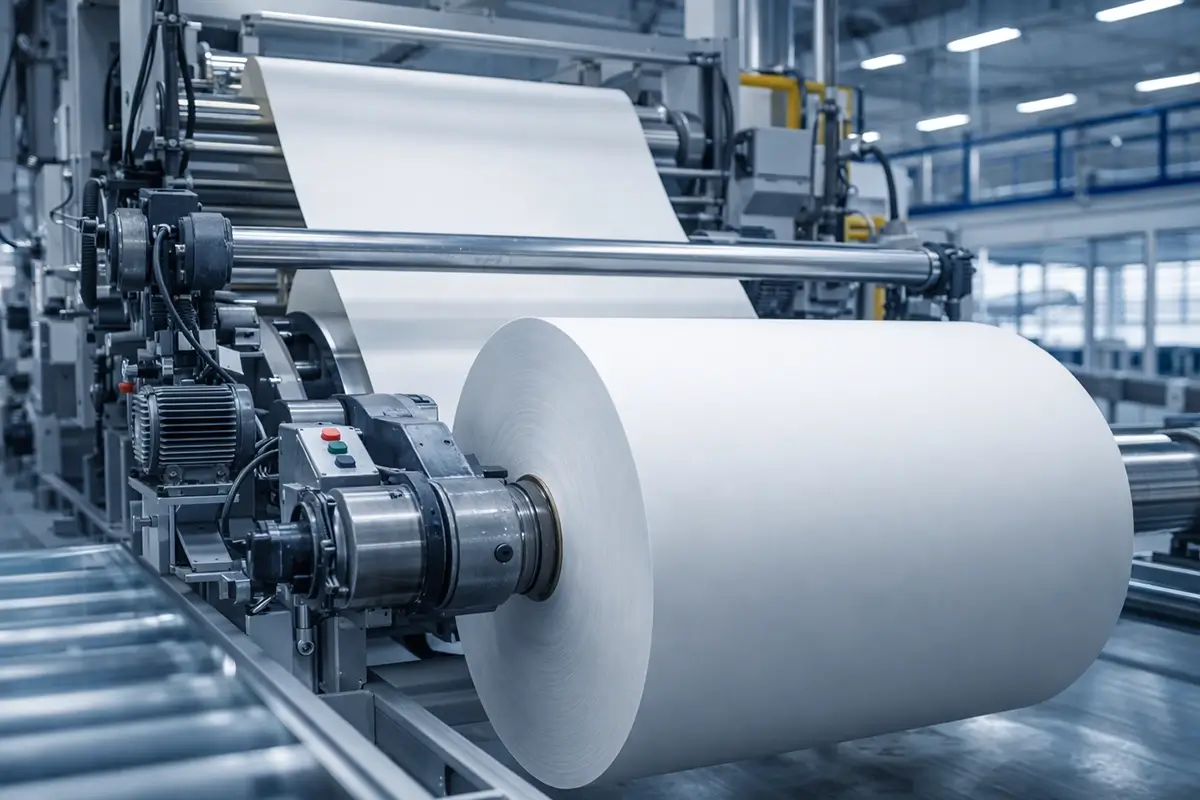
Filtration is critical for process stability and surface quality. Particle control in water circuits, starch lines and coating fluids prevents screen clogging and felt wear, and ensures impurities are removed when recycled fiber is used.
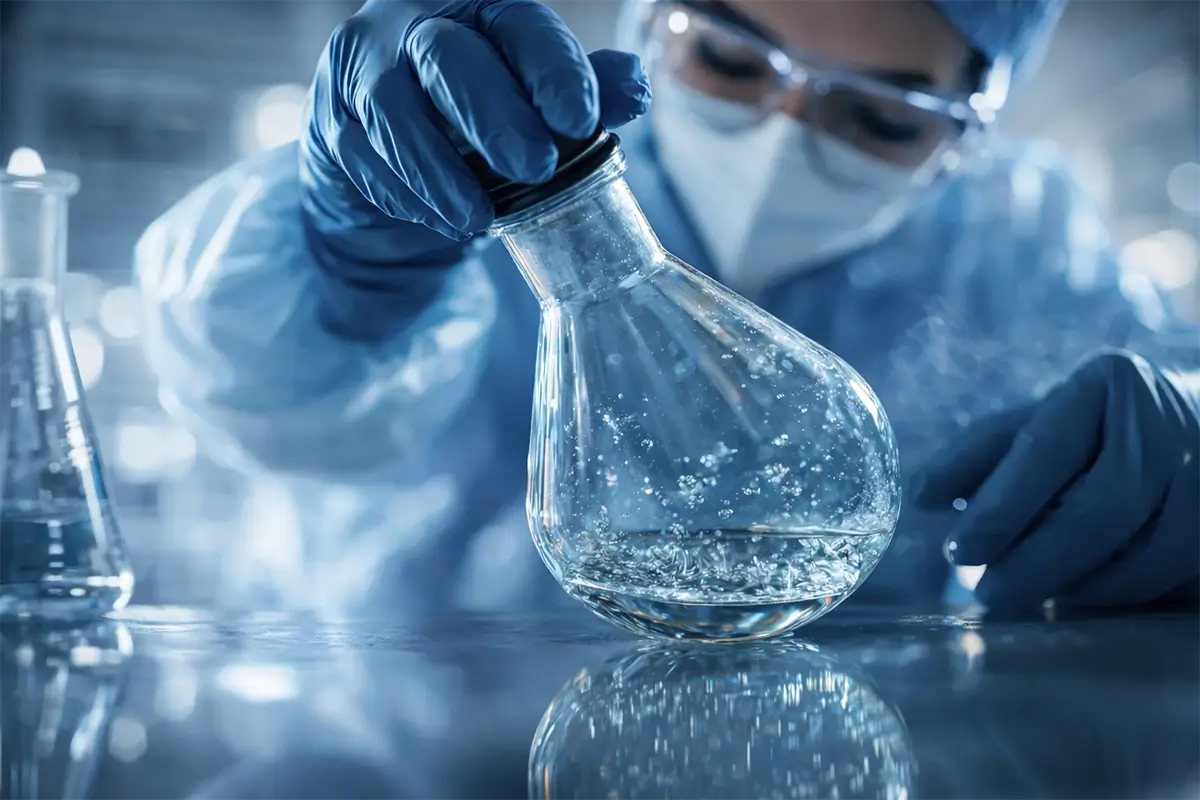
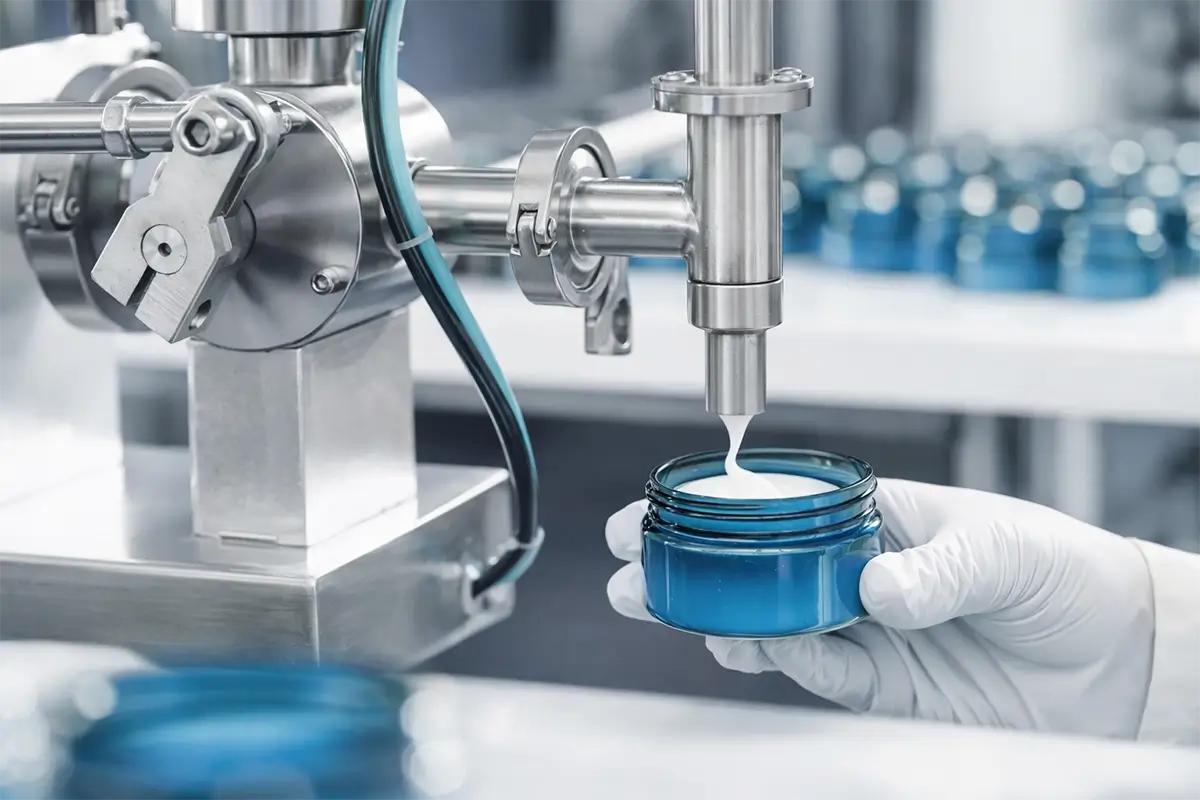
Microbiological control is essential for stability in cosmetics manufacturing. Prosestim solutions prevent contamination from water purification through to filling. They deliver optical clarity in perfumes and lotions and provide safe systems that manage static charge on alcohol-based lines.
Filtration is a strategic requirement for color stability and high print resolution. Particle control in ink formulation and filling lines prevents pigment agglomeration and print head clogging, while ensuring flow performance in high-speed systems.
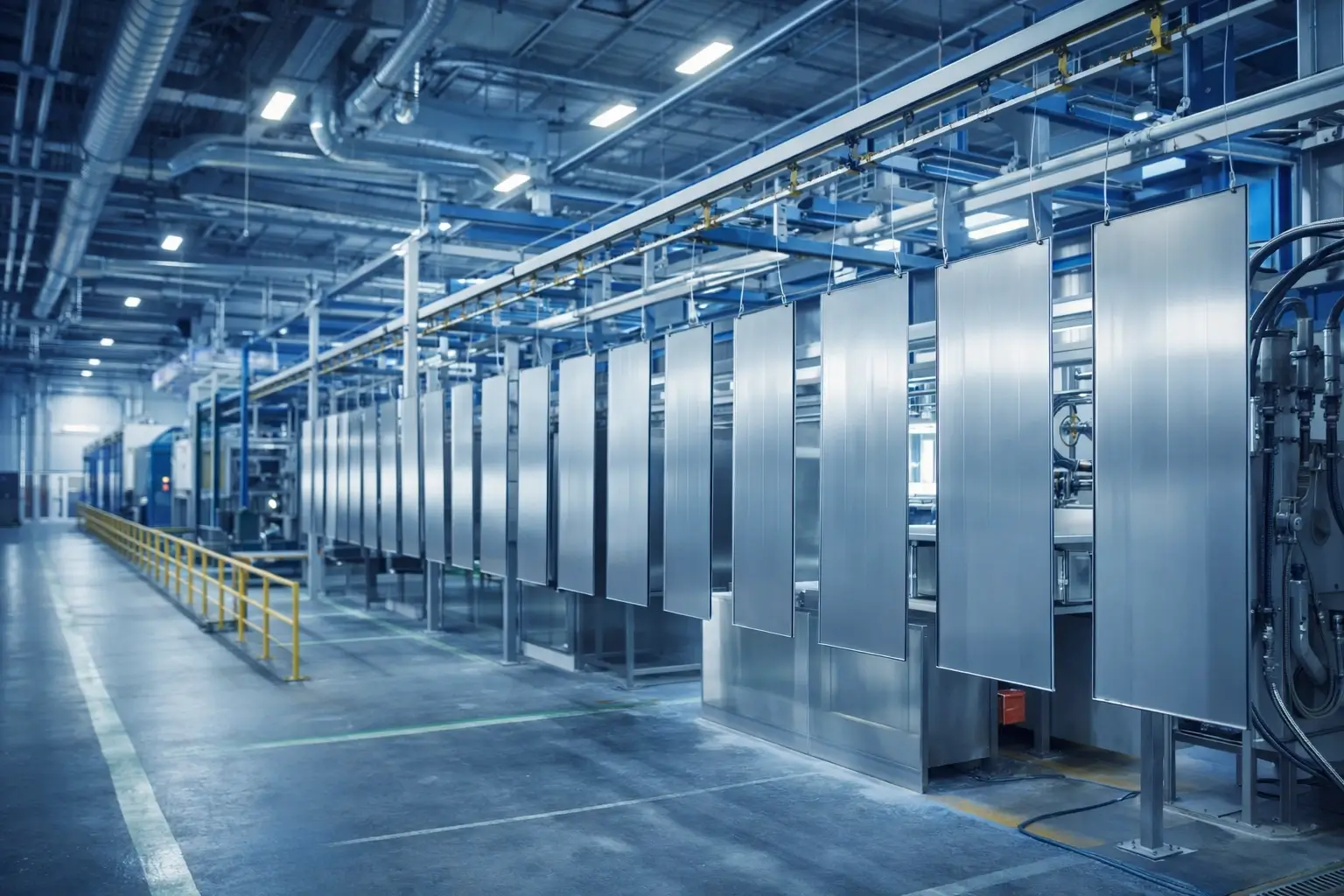
Filtration is critical for operational precision and a flawless surface finish. Particle control in plating baths and rinse circuits prevents roughness and pinhole defects, while removing anode sludge in anodizing extends bath life.
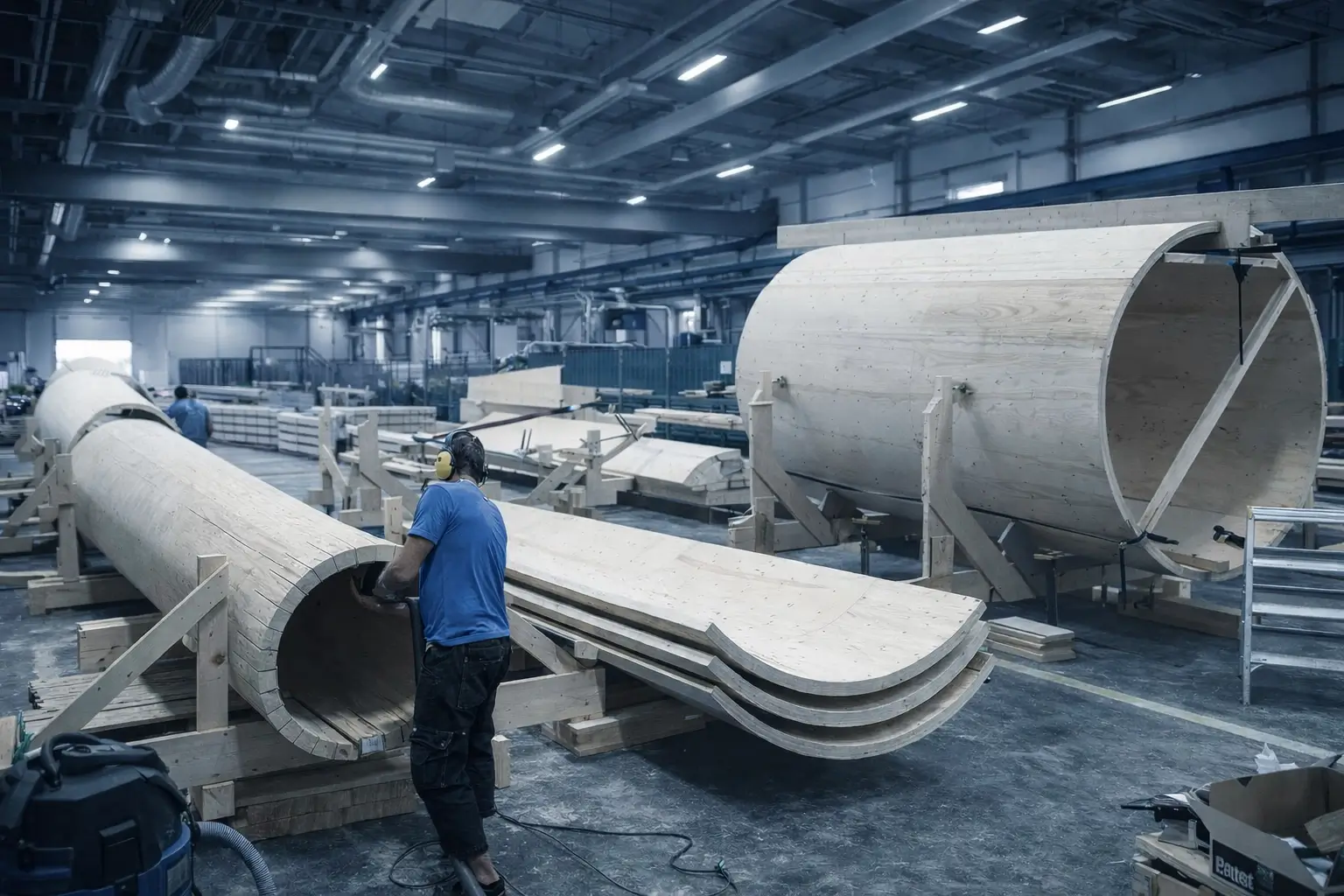
Glue and resin lines in particleboard and MDF production require special expertise because of their high viscosity. Our solutions remove agglomerates from these lines to protect surface quality, while high-temperature dust filtration lowers emissions and reduces fire risk.
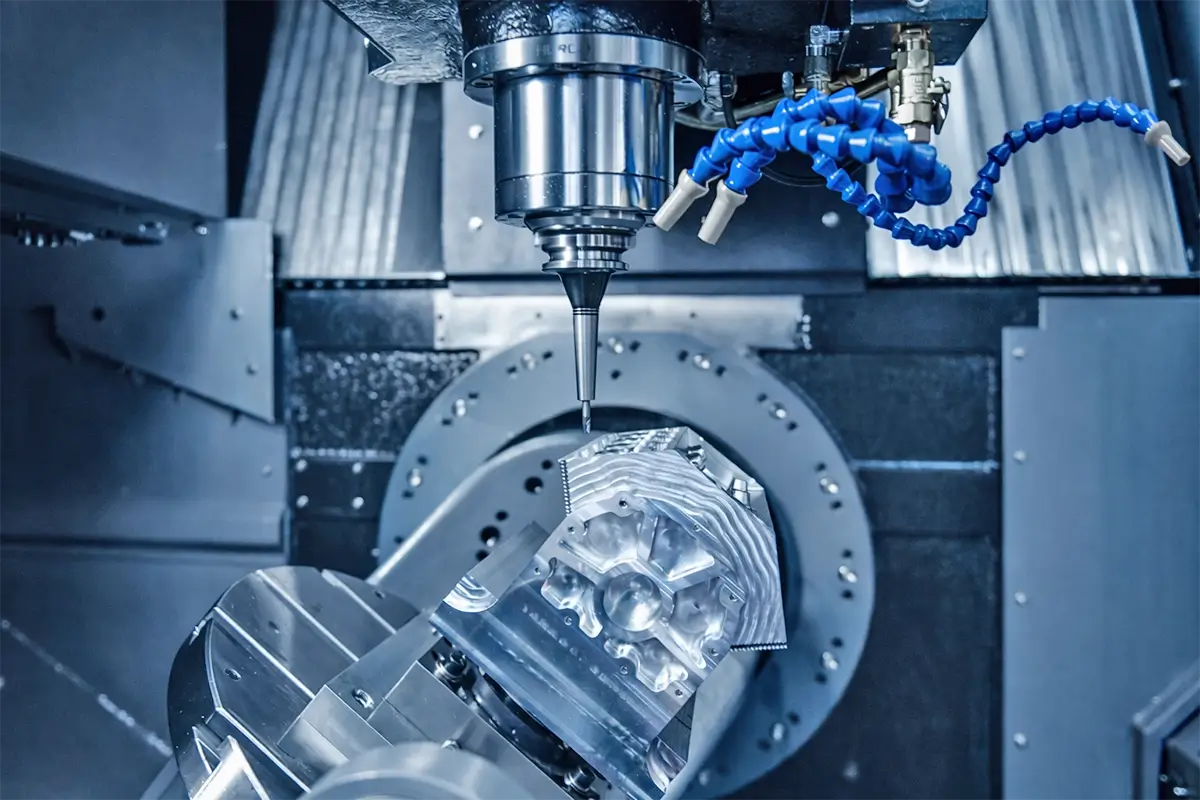
Filtration is a strategic component of production precision and quality standards. Particle control in hydraulic oil, cutting fluid and paint lines prevents CNC tolerance deviations and surface defects, and ensures sub-micron impurities are removed in engine part production.

In oil and petrochemical plants, filtration plays a critical role in controlling particles and contamination in feedstocks, intermediates and process fluids. The right filtration solutions protect equipment, improve process efficiency and maintain product quality over the long term.

Maintaining process stability and preventing surface defects on extrusion and injection lines is a critical engineering step. Particle control in cooling water and pellet feed systems prevents mold wear, production fluctuations and structural weaknesses in the final product.
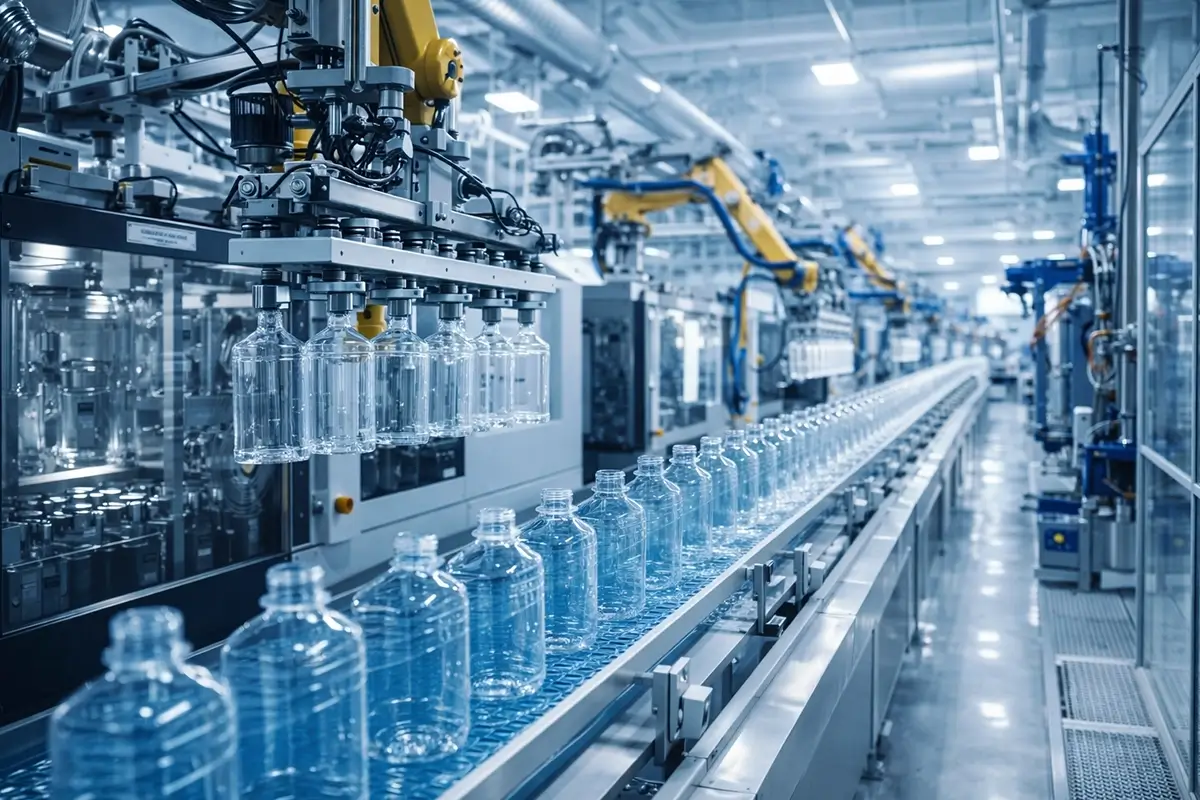
In plastic injection molding, raw material purity and process control directly affect final product quality. Filtration systems control contaminants in pellets, additives and process fluids, helping reduce surface defects, black specks and production flaws.
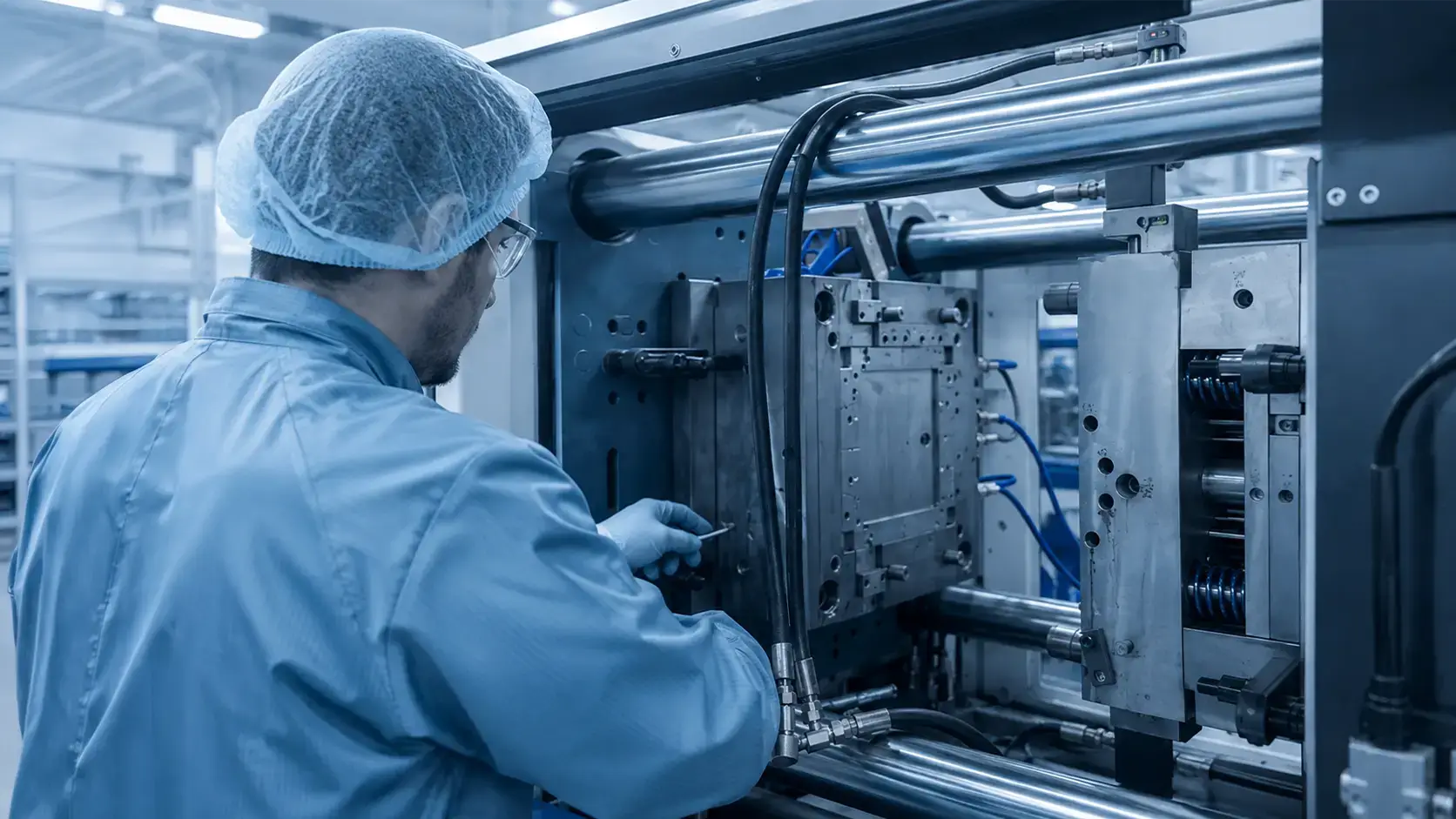
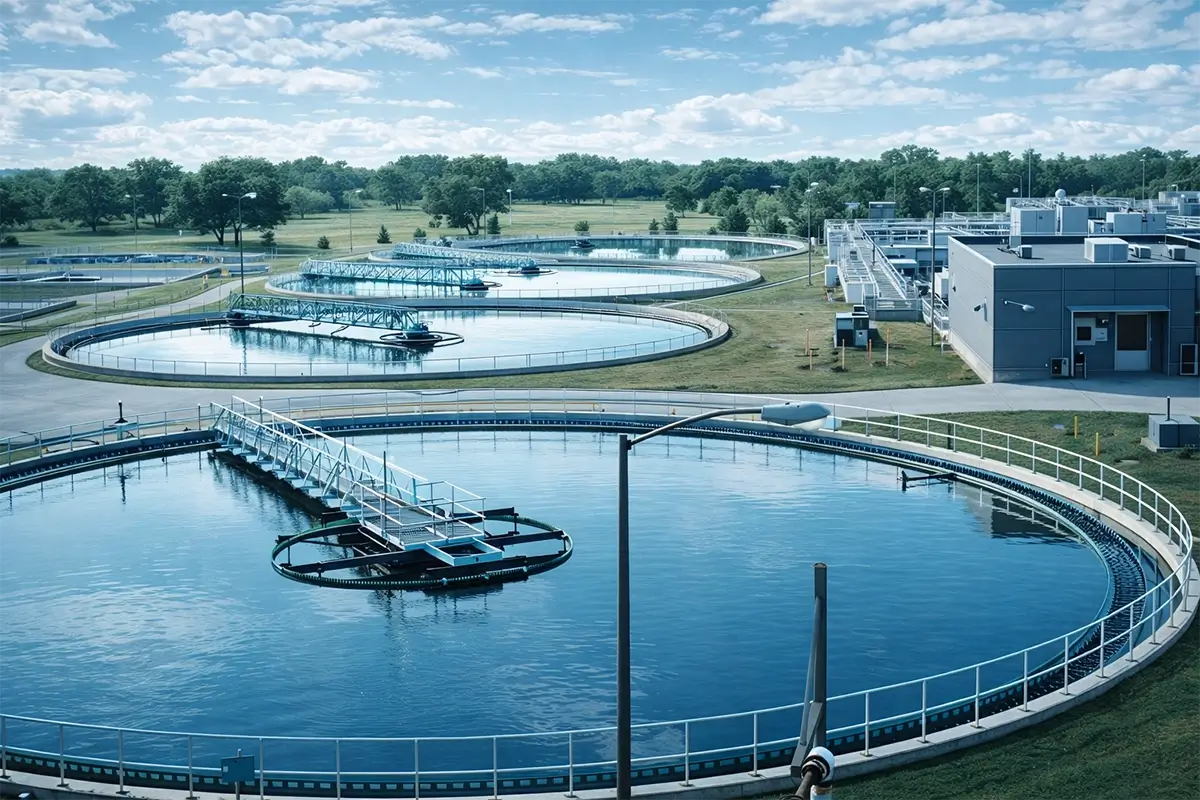
Developed for the highly corrosive effects of seawater and tough offshore conditions, our filtration solutions protect main engines, generators and critical equipment from wear, while ensuring full compliance with international environmental regulations for ballast water treatment and bilge discharge.

Prosestim offers filtration systems optimized for 24 industries: vegetable oil, pipe and profile, paint, dialysis, glass, foundry, industrial oil, energy and biogas, recycling, food and beverage, pharmaceuticals and biotechnology, paper and packaging, chemicals, cosmetics, machinery, printing and ink, metal and surface treatment, forest products, automotive, oil and petrochemicals, plastic packaging, plastic injection molding, water and environment, and shipyards and marine. Each industry has its own chemical compatibility, micron rating and housing material configuration.
A physically similar filter housing can be used in different industries. However, material compatibility, micron selection and certification requirements vary significantly from one industry to another. For example, food-contact materials and CIP compatibility are mandatory in the food industry, while corrosion resistance and sealing are the priorities in chemicals. That is why filter selection should always be assessed separately for each set of process conditions.
Just share your process conditions: fluid type, temperature, pressure, flow rate and target micron rating. Prosestim’s engineering team will prepare a recommendation for filter type, material and system configuration specific to your industry and application. We can also carry out a technical assessment based on a sample or your current filter details.
In high-hygiene industries such as food, beverage, pharmaceuticals, cosmetics and hospitals, filtration systems are expected to be made of food-contact materials, be GMP-compliant and withstand CIP/SIP processes. For these industries, Prosestim offers filters manufactured in an ISO 9001:2015 certified facility that carry international barcodes, are registered in ÜTS (Product Tracking System), are CE marked and are approved by the Ministry of Health of the Republic of Türkiye.
Accounting
Copy our registered company name, tax and e-invoice details with one click using the button on each row.
Invoice name (registered company name)
Please send BA/BS forms, current account reconciliations and any other emails for our Finance and Administrative Affairs Department to [email protected].