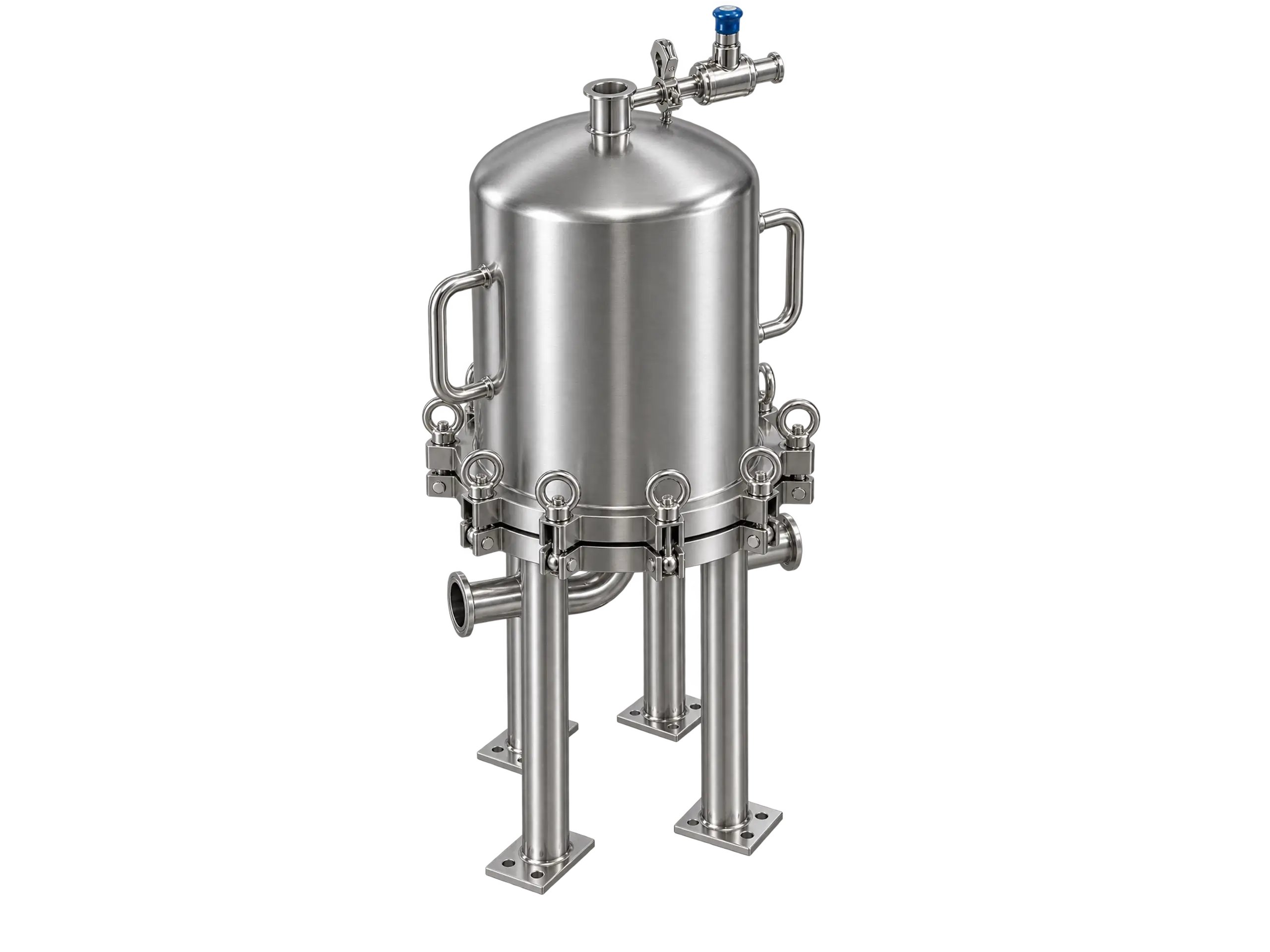
Stacked Disc Filter Housing (Lenticular Module Housing)

AISI 316L / 304 Stainless Steel Hygienic Body, 1–4 Module Capacity and High Solids-Holding Volume

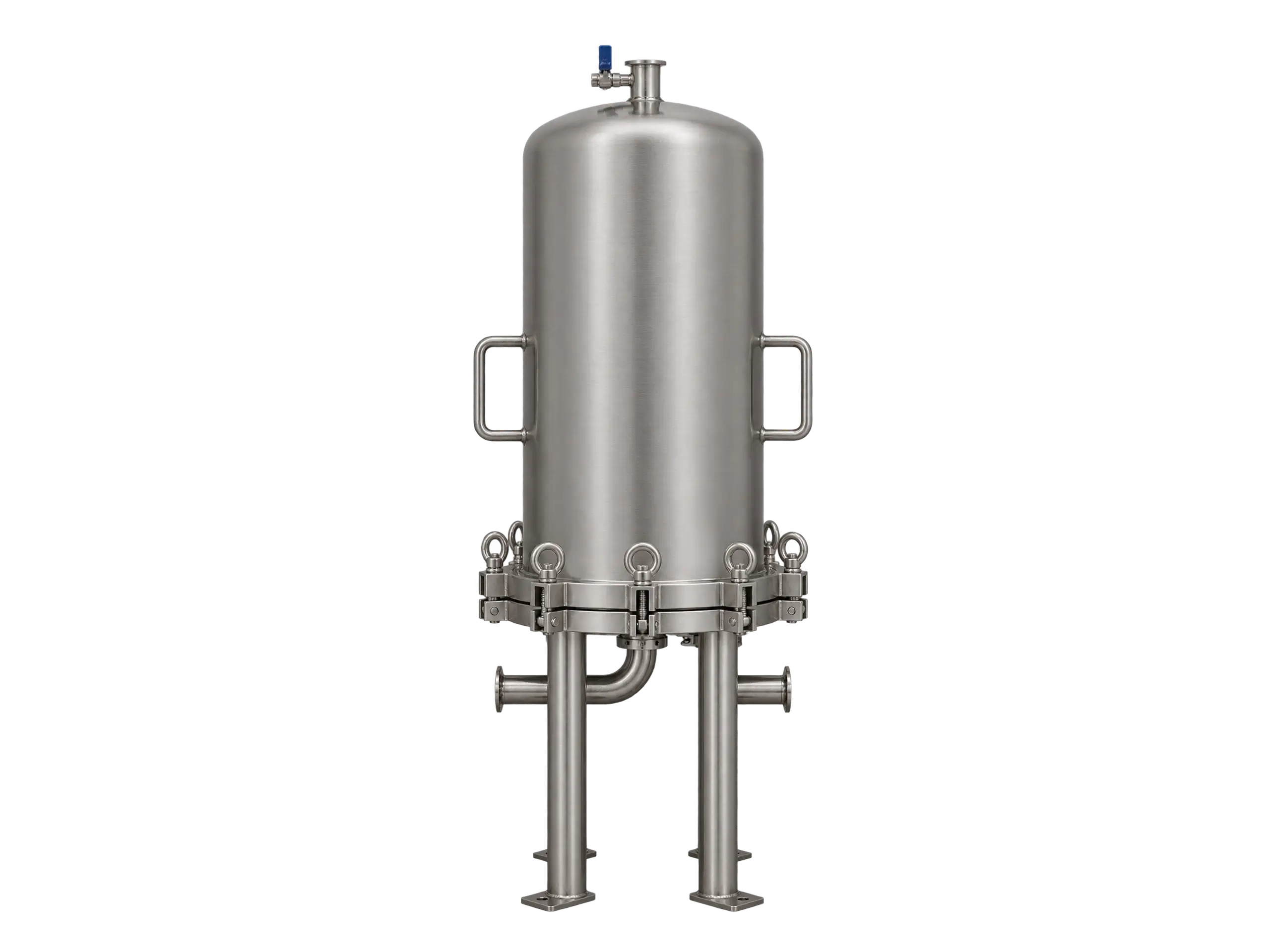
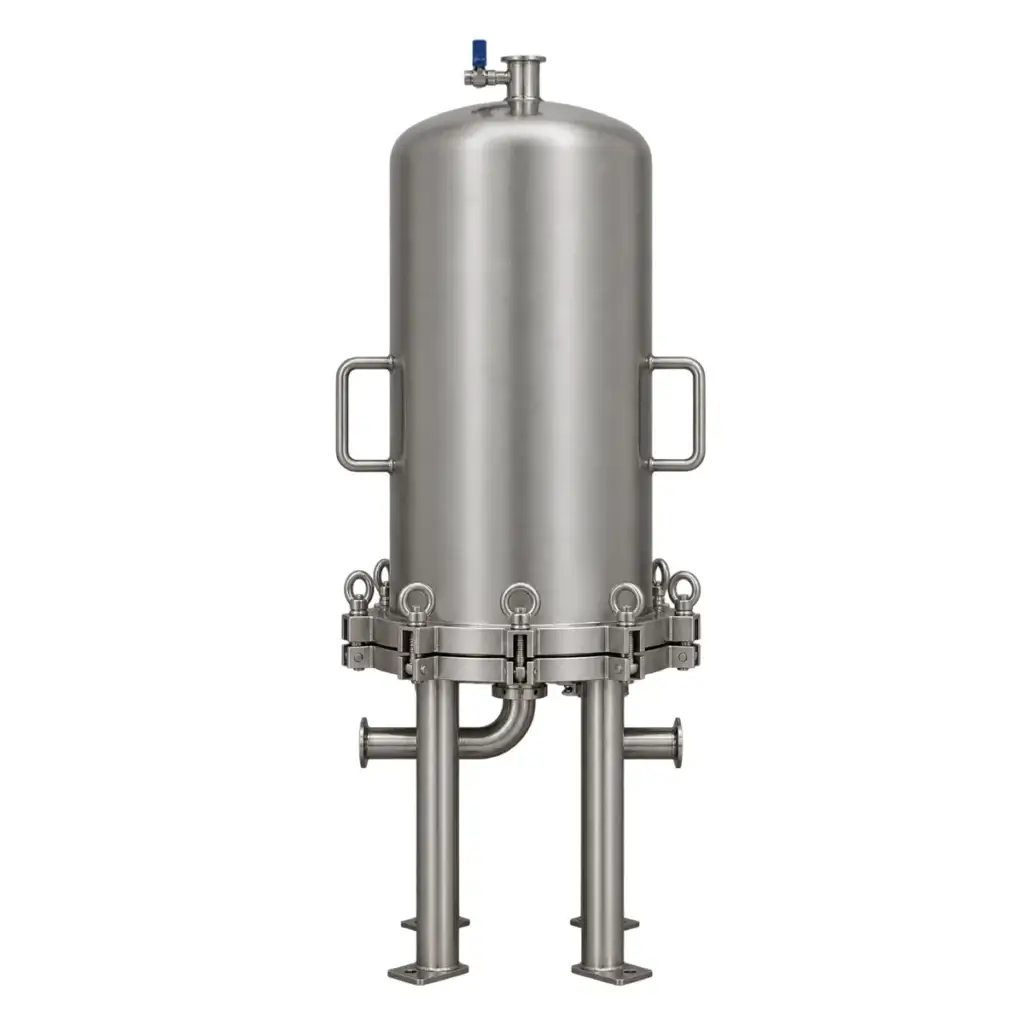
A stacked disc filter housing is a hygienic (sanitary) filter housing that stacks depth filter modules in a single body. With crevice-free welds, a co-linear inlet and outlet and sealing that keeps the clamping force constant, it delivers bypass-free filtration in pharmaceutical, beverage and chemical processes.

Easy Replacement

Segmented Module

Max. Operating Pressure

10 bar

Module Options

8" · 12" · 16"

Body Material

304 · 316L

Stacked Disc Module Filter Housing

What Is a Stacked Disc Module Cartridge Filter Housing?

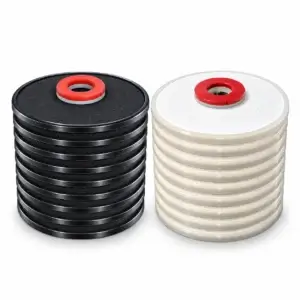
A stacked disc module cartridge filter housing is a hygienic AISI 304 or 316L stainless steel filter housing in which disc-shaped depth filter modules are stacked on top of one another. In the industry it is also known as a lenticular filter housing or a depth module housing. The fluid rises to surround the module stack, filters inward through the thickness of each module, and collects in the central channel before flowing to the outlet.

The difference from a conventional cartridge filter housing is that the filter element is a depth module rather than a pleated cartridge. A depth module retains particles not only at the surface but throughout the thickness of the material, which significantly increases dirt-holding capacity before clogging with high-solids, viscous or gelatinous fluids.

The body is made with smooth, crevice-free weld seams, TC-type sanitary connections and an inner surface polished to Ra ≤ 0.3 µm. It is easy to clean and dismantle, and the co-linear inlet and outlet flow paths at the bottom of the body keep liquid turbulence to a minimum. With 8″, 12″ and 16″ module diameters, up to four modules can be stacked to meet high flow requirements.

Product Identity and Technical Summary

Body Material
  • AISI 304 Stainless Steel
  • AISI 316L Stainless Steel
Body Diameter
  • 8" Module Diameter
  • 12" Module Diameter
  • 16" Module Diameter
Module Stacking Capacity
Vertical stacking of 3 modules in an 8" housing; up to 4 modules in 12" and 16" housings
Number of Cells
  • 8" Housing: 8 · 16 · 24 Cells
  • 12" and 16" Housing: 16 · 32 · 48 · 64 Cells
Operating Pressure
Max. 1.0 MPa (10 bar / 150 psi). Design pressure 1.0 MPa.
Operating Temperature
Max. 80 °C (176 °F). Hot water sanitisation must be planned within this limit.
SIP (Steam-in-Place Sterilisation)
Depends on the model; SIP conditions are given in the technical data sheet of the selected model.
Inner Surface Roughness
Ra ≤ 0.3 µm (ultra-high polish)
Outer Surface Roughness
Ra ≤ 0.4 µm
Surface Finish
  • Electropolishing (Ra ≤ 0.3 µm)
  • Mechanical Polishing
Weld Construction
Smooth, crevice-free welds, suitable for cleaning validation
Inlet / Outlet
TC-type tri-clamp sanitary connection; lid with eyebolts
Pressure Gauge Port
1.5" TC
Vent Port
Sanitary hose-barb valve, compatible with integrity test interfaces
Drain Port
Sanitary hose-barb valve for 8 mm ID hose
Sampling Port
Optional. Sanitary hose-barb valve, 8 mm ID hose. Specified with the body type; cannot be added later.
Drain Valve
Can be fitted to the inlet and outlet ports on request, for easy draining of liquid left in the line
Vent Port Material
AISI 304 / 316L
Eyebolts / Legs
AISI 304
Gasket Material
  • Silicone
  • FKM (Viton)
  • EPDM
Sealing System
Sealing that prevents filter bypass with constant clamping pressure
Module Arrangement
DOE (double open end) arrangement; stack with support plates and arms
Flow Path
Co-linear inlet and outlet at the bottom of the body, minimising liquid turbulence
Filtration Direction
Outside to inside: from around the module into its depth, then out through the central channel

Filtration Architecture and Working Principle

The stacked disc module filter housing works on the principle of outside-to-inside depth filtration: the fluid enters through the inlet port at the bottom of the body, spreads upward to cover the outer surface of the stacked modules, filters inward through the thickness of each module, and collects in the central channel before flowing to the outlet port at the bottom. Because the inlet and outlet ports are positioned on the same axis (co-linear) at the bottom of the body, the fluid does not change direction abruptly inside the housing; turbulence and uneven hydraulic loading on the modules are reduced.

  1. Step 01

    Inlet

    The fluid to be filtered enters the system through the co-linear inlet port at the bottom of the body and is directed along the vertical axis of the body.

    What does it deliver? Low turbulence, low shear stress
  2. Step 02

    Distribution

    The fluid rises into the annular space between the module stack and the body and is distributed over the entire module surface at equal pressure.

    What does it deliver? Even loading, no channelling
  3. Step 03

    Depth Filtration

    The liquid filters from outside to inside through the thickness of each module; particles and haze are retained deep within the fibre matrix.

    SIP must be applied only to SIP-capable models and within the limits given in the product's technical data sheet.

    What does it deliver? High dirt holding, long service life
  4. Step 04

    Collection

    The filtered clean liquid collects in the central channel and is discharged through the outlet port at the bottom without bypass.

    What does it deliver? Bypass-free, single-axis discharge

Advantages of the Stacked Disc Module Filter Housing

Combining a hygienic stainless body with depth module technology contributes directly to your process:

 
Ultra-High Surface Polish
Electropolished finish of Ra ≤ 0.3 µm inside and Ra ≤ 0.4 µm outside minimises biofilm and residue adhesion.
Crevice-Free Weld Architecture
There are no dead spaces (crevices) in the weld seams; CIP/SIP solutions reach the entire surface, making validation easier.
Low-Turbulence Flow Geometry
The co-linear inlet and outlet design at the bottom of the body minimises fluid turbulence and avoids pressure loss.
Anti-Bypass Sealing
A sealing system that provides constant clamping pressure prevents filter bypass even when temperature and pressure fluctuate.
High Vertical Flow Capacity
A vertical stacking architecture of up to four modules delivers high flow and retention efficiency without increasing the footprint.
Easy Segmented Module Replacement
Modules are replaced vertically, independently of one another; maintenance is ergonomic and liquid loss is minimised.
Fast Sanitary Dismantling
TC-type tri-clamp connections and an eyebolt lid design allow fast, tool-free inspection.
Process-Specific Integrated Ports
A sampling port, integrity test nozzle and inlet/outlet drain valves can be added as process-specific options.

Body Types

Two body types are made. The difference is whether there is a sampling port, which is a permanent manufacturing decision that must be specified when ordering.

Standard Body without Sampling Port
Has no separate sampling port; preferred in closed industrial processes where samples are taken from the line.
Hygienic Body with Sampling Port
Aseptic samples can be taken directly from the body; ideal for batch production and lines that require filtration validation.
AISI 304 / 316L Material Options
304 body configuration for general processes with a low chloride load; 316L for pharmaceuticals, WFI, saline and acidic environments.

Body Dimensions and Capacity

H is the body height and L the total height including legs. Height increases in fixed steps as the number of modules increases; confirm this table before planning the layout.

Body Cells Modules H (mm) L (mm) Flange Ø Legs
8" housing: 8 cells per module · max. 3 modules · height step 140 mm
8" 8 1 337 ±3 572 ±5 350 ±2 150 ±2
8" 16 2 477 ±3 712 ±5 350 ±2 150 ±2
8" 24 3 617 ±3 852 ±5 350 ±2 150 ±2
12" housing: 16 cells per module · max. 4 modules · height step 280 mm
12" 16 1 512 ±3 825 ±5 500 ±2 220 ±2
12" 32 2 792 ±3 1,105 ±5 500 ±2 220 ±2
12" 48 3 1,072 ±3 1,385 ±5 500 ±2 220 ±2
12" 64 4 1,352 ±3 1,665 ±5 500 ±2 220 ±2
16" housing: 16 cells per module · max. 4 modules · height step 280 mm
16" 16 1 537 ±3 915 ±5 550 ±2 270 ±2
16" 32 2 817 ±3 1,195 ±5 550 ±2 270 ±2
16" 48 3 1,097 ±3 1,475 ±5 550 ±2 270 ±2
16" 64 4 1,377 ±3 1,755 ±5 550 ±2 270 ±2

Industry Applications

With its hygienic construction, high dirt-holding capacity and easy cleanability, it is used in industries ranging from pharmaceuticals to beverages and from chemicals to cosmetics:

1–6 / 24
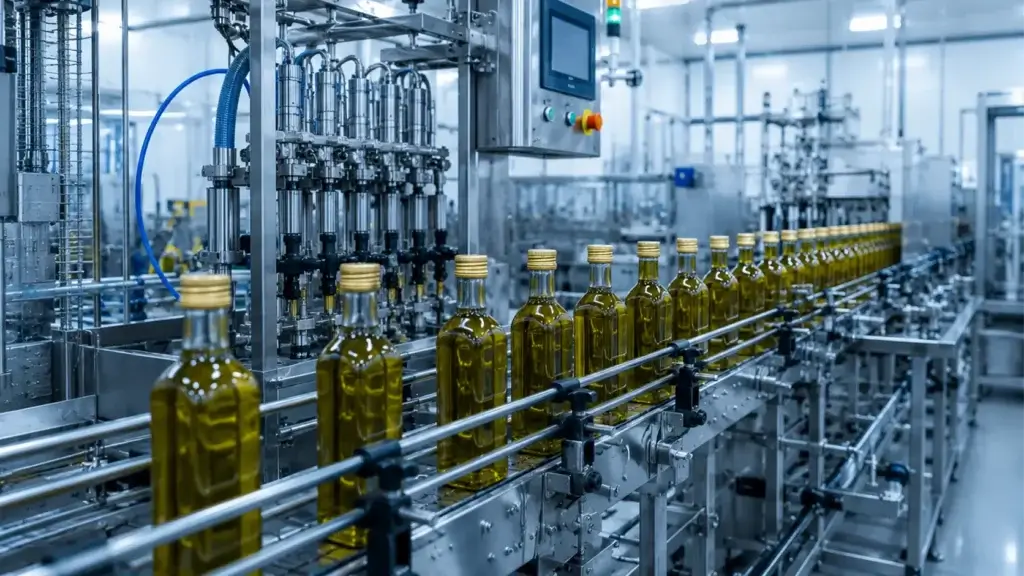
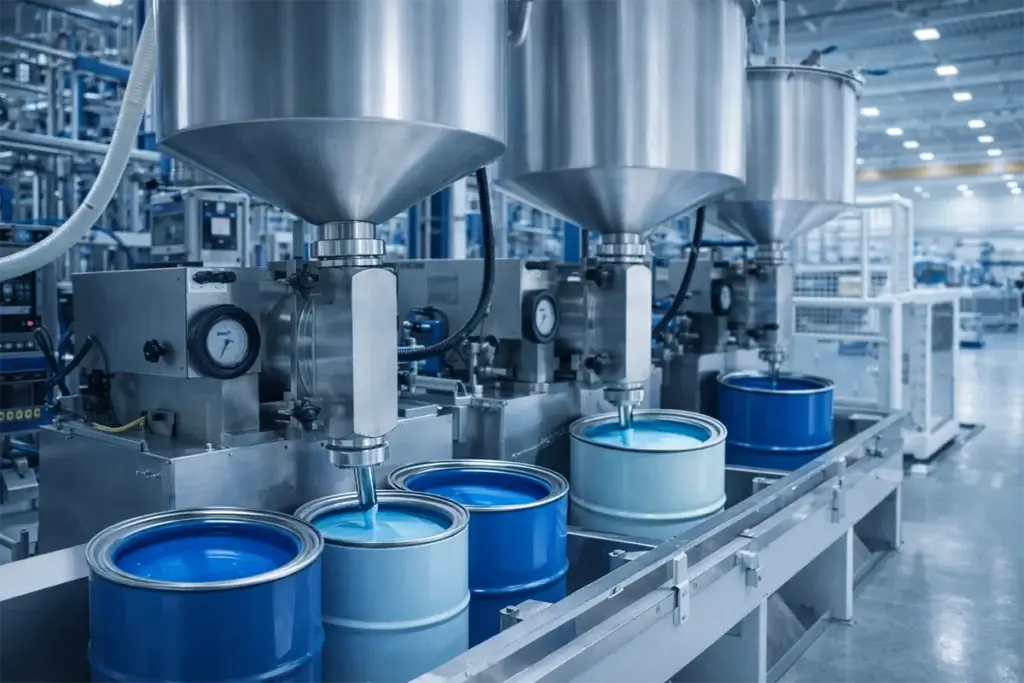
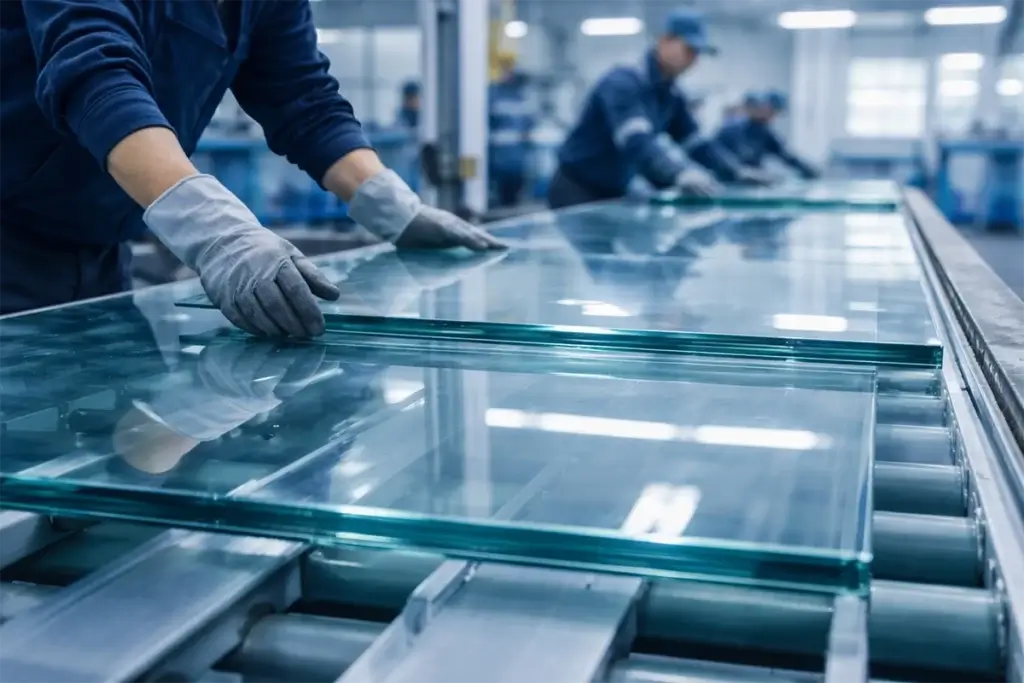
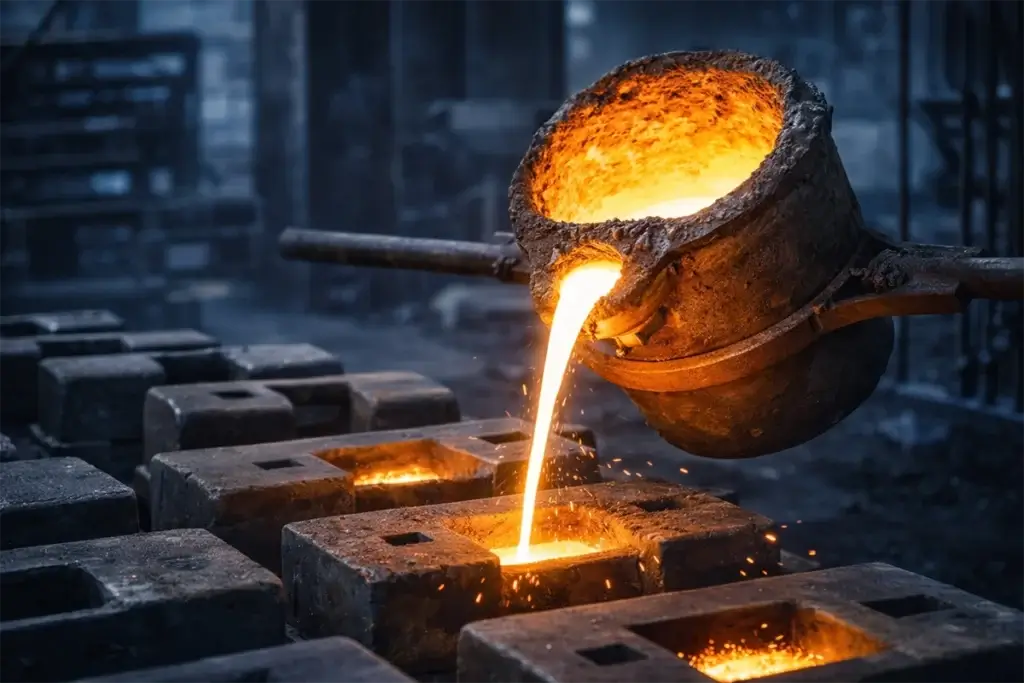
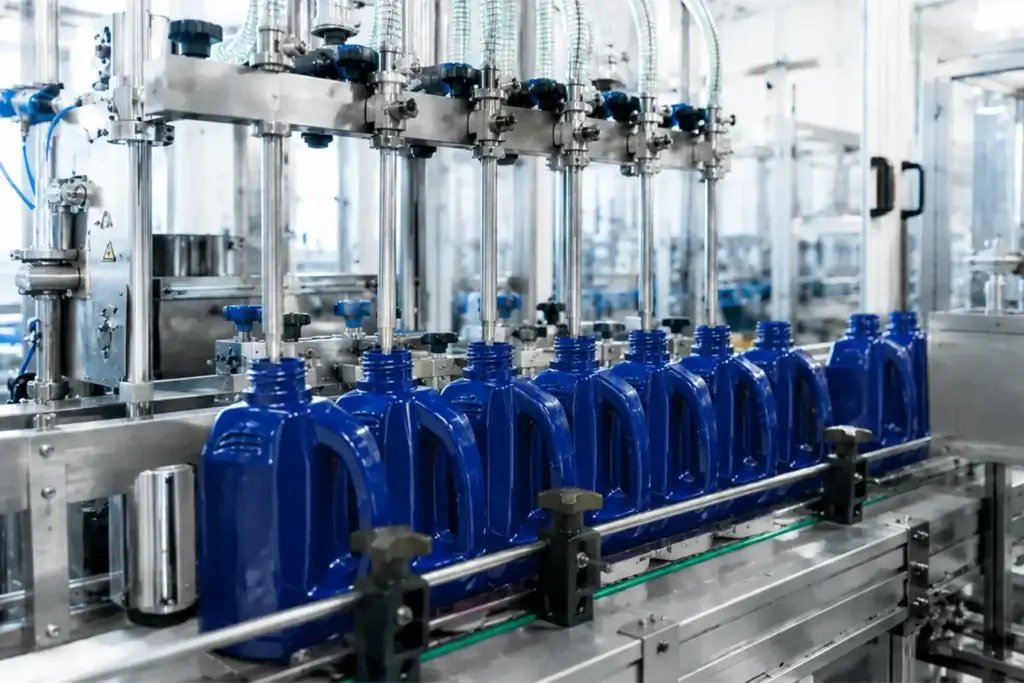
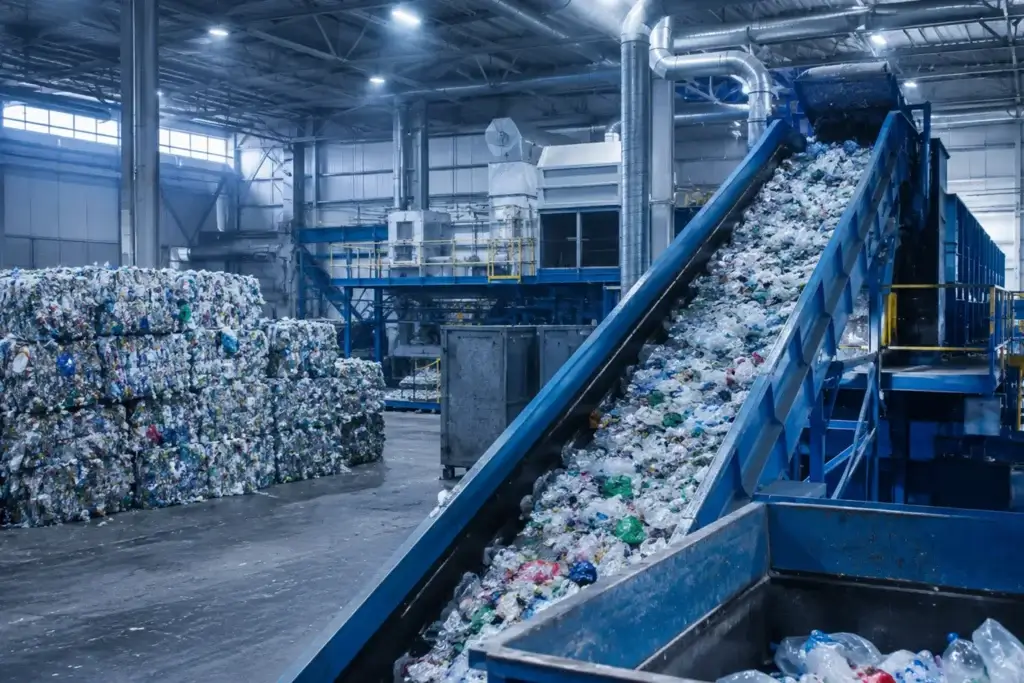
Vegetable Oil 01 Vegetable Oil Clarity, purity and shelf life in vegetable oil and refining. Explore solutions Pipe and Profile 02 Pipe and Profile Cooling water filtration in pipe and profile extrusion. Explore solutions Paint Industry 03 Paint Industry Surface quality and pigment filtration in the paint industry. Explore solutions Glass Industry 04 Glass Industry Furnace and process filtration in the glass industry. Explore solutions Dialysis Centers 05 Dialysis Centers Water preparation and process filtration in dialysis centers. Explore solutions Foundry Industry 06 Foundry Industry Equipment protection and dust filtration in foundries. Explore solutions Industrial Oil 07 Industrial Oil Filtration in industrial oil production and recovery. Explore solutions Energy and Biogas 08 Energy and Biogas Maximum efficiency and turbine protection in energy and biogas. Explore solutions Recycling 09 Recycling Filtration for efficiency and environmental compliance in recycling. Explore solutions Food and Beverage 10 Food and Beverage Hygienic filtration in food and beverage. Explore solutions Pharmaceuticals and Biotechnology 11 Pharmaceuticals and Biotechnology GMP-compliant sterile filtration in pharmaceuticals and biotechnology. Explore solutions Paper and Packaging 12 Paper and Packaging Process water filtration in paper and packaging. Explore solutions Chemical Industry 13 Chemical Industry Corrosion-resistant, safe filtration in the chemical industry. Explore solutions Cosmetics 14 Cosmetics Microbiological safety and precision filtration in cosmetics. Explore solutions Machinery 15 Machinery Precision and technical filtration in the machinery industry. Explore solutions Printing and Ink 16 Printing and Ink Flawless color and print quality in printing and ink. Explore solutions Metal and Surface Treatment 17 Metal and Surface Treatment Flawless surfaces and bath stability in metal and surface treatment. Explore solutions Forest Products 18 Forest Products Resin and glue filtration in forest products and furniture. Explore solutions Automotive 19 Automotive Precision process filtration for zero defects in automotive manufacturing. Explore solutions Oil and Petrochemicals 20 Oil and Petrochemicals Equipment protection and process safety in oil and petrochemicals. Explore solutions Plastic Packaging 21 Plastic Packaging Precision process filtration and raw material purity in plastic packaging. Explore solutions Plastic Injection Molding 22 Plastic Injection Molding Cooling and hydraulic filtration in plastic injection molding. Explore solutions Water and Environment 23 Water and Environment Recovery filtration in water and environmental technologies. Explore solutions Shipyards and Marine 24 Shipyards and Marine Operational safety and efficiency in shipyards and marine. Explore solutions









Engineer's Note

TECHNICAL ASSESSMENT BASED ON FIELD EXPERIENCE

Housing selection comes after module selection

First determine the character of the particles to be retained from your fluid and the target clarity, and choose the module type; the body diameter and number of modules follow from that. Plants that do it the other way round put the wrong module in the right housing and then blame the housing for the performance problem.

Material selection

Choosing a 304 body for fluids containing chlorides, salt or acid is the most common mistake in the field; pitting corrosion starts in these environments. 316L must always be chosen for pharmaceutical, WFI and corrosive processes.

Choose the gasket for the product + CIP pair, not for the product alone

Most gasket failures we see are caused not by product incompatibility but by incompatibility with the cleaning chemical. A gasket that suits the product but not your CIP solution looks fine for the first few months, then hardens and leaks.

Add a service allowance to the height calculation

The 16″ / 4-module configuration alone takes up 1,755 mm. Extra clearance is needed above it to lift the module out. If ceiling height is left out of the calculation, the housing fits into the plant but cannot be serviced.

The sampling port cannot be added later

If your process requires batch sampling or sterility checks, the body with a sampling port must be chosen at the time of ordering. Drilling and welding a port onto a hygienic electropolished stainless body in the field ruins the surface roughness and invalidates sterility validation.

Filter Housing Selection Technical Checklist

The wrong choice means early clogging, corrosion, validation problems and unnecessary cost. To choose the right stacked disc module filter housing, the following seven parameters should be considered together. (Retention precision is a property of the depth module placed inside, not of the housing; the module is selected separately.)
Chemical Nature of the Fluid
316L if chlorine, acid or salt is present; 304 is suitable for neutral, low-corrosion environments.
Flow Rate (m³/h)
Determines the body diameter (8"/12"/16") and the number of modules to be stacked.
Contamination Load and Viscosity
With a high solids load, service life is extended by increasing the number of modules.
Operating Pressure
System pressure must be kept below the 1.0 MPa (10 bar) limit.
Operating Temperature
The 80 °C limit must not be exceeded; CIP and sanitisation recipes must be designed around this limit.
CIP / Sanitisation Chemical
Determines the gasket choice: silicone, EPDM or FKM. The product and the cleaning chemical are assessed together.
Hygiene Class
Electropolishing is common for pharmaceuticals, WFI and biological products; mechanical polishing for food and beverage and chemicals.

Points to Watch During Use

Maximum efficiency, hygiene and service life depend on correct installation and operating practices. To avoid mistakes frequently seen in the field:
Tighten the Module Stack Correctly
Modules must be fully seated on the support plate, and the module stack must be fully clamped. Insufficient tightening means bypass, directly.
Bleed Air Through the Vent
Air must be bled during start-up; an air pocket left in the housing reduces the filtration area.
Monitor Differential Pressure
Monitor pressure with the gauge; plan module replacement when the differential pressure rises.
Soft Start-Up
Avoid sudden pressure surges (water hammer) at first start-up and increase flow gradually.
Limit the CIP Temperature
Keep the cleaning solution below 80 °C; verify gasket compatibility in alkaline and acidic cycles.
Drain Completely
Empty the housing completely through the drain port after each cycle; dead volume compromises cleaning validation.
Gasket and O-Ring Check
Check gaskets and O-rings periodically and replace them if hardened or worn.

Products that work with this product

Filters that fit this housing, alternative housing options and the parts needed for connection.
This product
Flanged stainless steel stacked disc module filter housing

Stacked Disc Module Filter Housing

Filter Housings
Stainless steel multi-cartridge filter housing

Cartridge Filter Housing

Stainless multi-cartridge housing.

View →
Request everything in one quote: let’s size the product, housing and connection parts together.

Your Questions Answered

Frequently Asked Questions

At Prosestim, we are committed to answering your questions and providing technical support for our filtration solutions.

It is a hygienic AISI 304/316L stainless steel filter housing in which disc-shaped depth filter modules are stacked on top of one another; it is also known as a lenticular filter housing. The fluid enters through the inlet port at the bottom of the housing, rises to surround the module stack, filters inward through the thickness of each module, collects in the central channel and continues into the line through the outlet at the bottom.
The filter element is different. A cartridge filter housing uses pleated or wound cartridges, and retention takes place mainly at the surface. In a stacked disc module housing, the fluid passes through the full thickness of the depth module, which gives a much higher dirt-holding capacity with high-solids, viscous or gelatinous fluids.
Up to 3 modules are stacked vertically in an 8″ housing, and up to 4 modules in 12″ and 16″ housings. Stacking increases flow capacity while maintaining high retention efficiency.
In an 8″ housing one module contains 8 cells; in 12″ and 16″ housings one module contains 16 cells. Divide the cell count in the catalogue by the cells per module to find the number of modules; for example, 48 cells in a 12″ housing means 3 modules.
Height increases in fixed steps: +140 mm for each additional module in an 8″ housing and +280 mm in 12″ and 16″ housings. The largest configuration, 16″ / 4 modules, requires a total height of 1,755 mm including the legs. Additional clearance must be left above the housing for module replacement.
304 offers a cost advantage in general processes with a low chloride load. Thanks to its molybdenum content, 316L provides higher corrosion resistance in chlorinated, saline and acidic environments, and its low carbon content reduces the risk of corrosion in the weld zone. 316L is chosen for pharmaceutical, WFI and biological product applications.
As surface roughness decreases, there are fewer micro-pits where bacteria can attach, the risk of biofilm formation drops, and the CIP cycle cleans the surface in less time. In plants that perform cleaning validation, this is not a preference but an acceptance criterion.

Both reach the same surface target (inner Ra ≤ 0.3 µm, outer Ra ≤ 0.4 µm). Electropolishing leaves a non-directional microstructure and a chromium-enriched passive layer on the surface; it is preferred for pharmaceutical, biological product and WFI lines. Mechanical polishing is common in food and beverage and chemical applications.

Because the inlet and outlet flow paths are on the same axis at the bottom of the housing, the fluid does not change direction abruptly inside the housing. Liquid turbulence is reduced, which limits uneven loading on the module surface and mechanical damage to shear-sensitive products (biological products, beverages containing live cultures).
It keeps the clamping force on the module stack constant. When materials expand and contract with temperature changes, or when pressure fluctuates, the clamping does not loosen. This prevents the fluid from flowing around the module and reaching the outlet unfiltered (bypass). Bypass is an insidious failure: the pressure gauge and flow rate look normal while outlet quality quietly deteriorates.
It is necessary if you run batch production, compare before and after filtration, or process a product that requires sensory checks. Housings with and without a sampling port are manufactured differently; the port cannot be added later and must be specified when ordering.
Yes. The vent port is designed to be compatible with integrity test interfaces; you do not need to prepare a separate connection for system integrity testing before putting the housing into service.
Silicone is preferred for pharmaceuticals, biological products and dairy (low extractables, wide temperature range); EPDM for hot water and alkaline CIP cycles; FKM for oils, hydrocarbons and acidic environments. Make the choice based not only on the product but also on the CIP chemical you use.

Steam-in-place sterilisation (SIP) is not suitable for every stacked disc module. Suitability depends on the filter media, gasket material and module construction. SIP temperature, duration, number of cycles and the maximum differential pressure (ΔP) during sterilisation are given in the technical data sheet of the model you choose. Contact our technical team to determine the right model and SIP conditions for your application.

The maximum operating pressure is 1.0 MPa (10 bar / 150 psi). The design pressure is also 1.0 MPa. Your system pressure must be kept below this value.
It is used to filter injectable solutions, LVPs, WFI and biological products in pharmaceuticals and biotechnology; beer, wine, spirits, fruit juice, syrup and edible oils in food and beverage; and oils and dirt, sludge and gelatinous materials in chemicals.
Yes. The body material (304/316L), body diameter, number of modules, sampling port, gasket material and inner/outer surface finish are specified for each application. For different connection sizes and custom layouts, please contact our technical team.
Fast Quote & WhatsApp Consultation

Stacked Disc Module Filter Housing RFQ Configurator

Configure your variation dimensions and technical specifications to receive an instant quote directly on WhatsApp and via email.

1 Select Variation Type
2 Dimensional & Technical Specifications
Module Length:
8 Inch
12 Inch
16 Inch
8 Cell
8 Cell 16 Cell
0.2 Micron
0.2 Micron 60 Micron
3 Required Quantity
QUICK QUOTE FORM

Stacked Disc Module Filter Housing

Variation Type: Activated Carbon Stacked Disc Module Cartridge Filter
Module Length: 8 Inch
Number of Cells: 8 Cell
Micron Rating: 0.2 Micron
Gasket Type: Silicone Gasket
Request Quantity: 10 Units
ISO 9001:2015 Certified Production
Reply from Our Technical Team
Delivery Across Türkiye and Export

Accounting

Billing Details

Copy our registered company name, tax and e-invoice details with one click using the button on each row.

Invoice name (registered company name)

PROSES TİCARET, İMALAT, MÜHENDİSLİK ENDÜSTRİYEL MADDE VE MALZEME İMALATI İNŞAAT VE SANAYİ LİMİTED ŞİRKETİ

Billing address

Musa Gündüz Cad. No:14 Taşköprü – Çiftlikköy – YALOVA, TÜRKİYE

E-invoice / e-archive email address

Tax office

Yalova Tax Office (Yalova V.D.)

Tax ID number

7330379514

MERSIS number

0733037951400013

Please send BA/BS forms, current account reconciliations and any other emails for our Finance and Administrative Affairs Department to [email protected].

Invoice name (registered company name): PROSES TİCARET, İMALAT, MÜHENDİSLİK ENDÜSTRİYEL MADDE VE MALZEME İMALATI İNŞAAT VE SANAYİ LİMİTED ŞİRKETİ Billing address: Musa Gündüz Cad. No:14 Taşköprü – Çiftlikköy – YALOVA, TÜRKİYE E-invoice / e-archive email address: [email protected] Tax office: Yalova Tax Office (Yalova V.D.) Tax ID number: 7330379514 MERSIS number: 0733037951400013