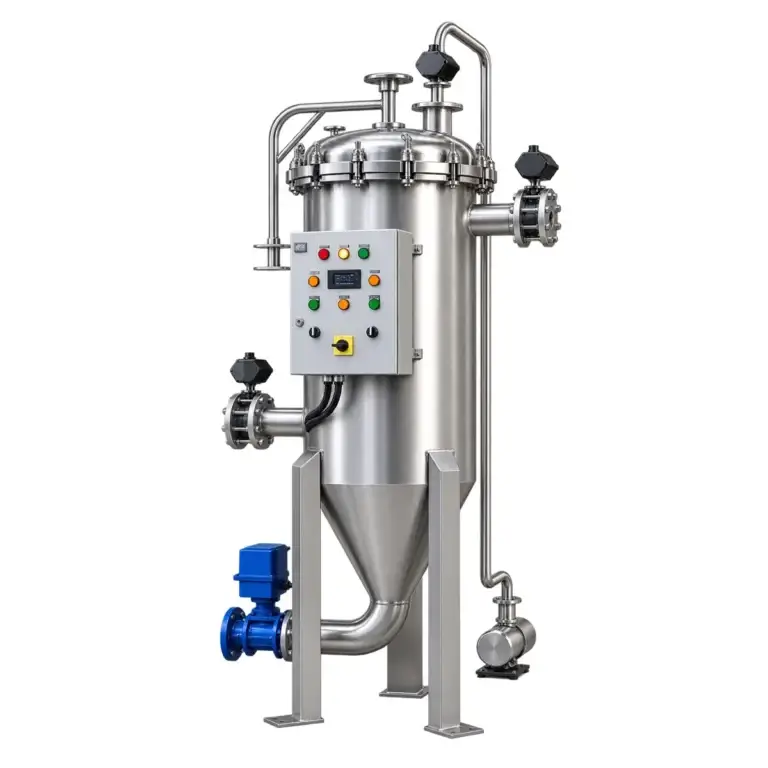
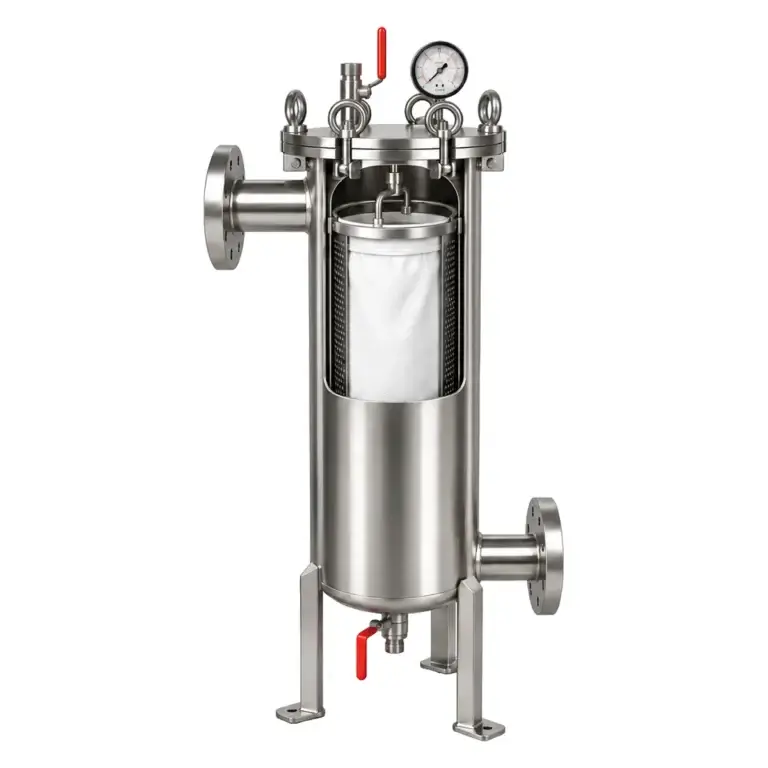
Precision and technical filtration in the machinery industry
From coolant to hydraulic systems, from chip separation to through-spindle cooling lines: filtration engineering that determines the efficiency, tool life and dimensional accuracy of CNC machines and central cooling systems.
Points where filtration is decisive in machinery processes
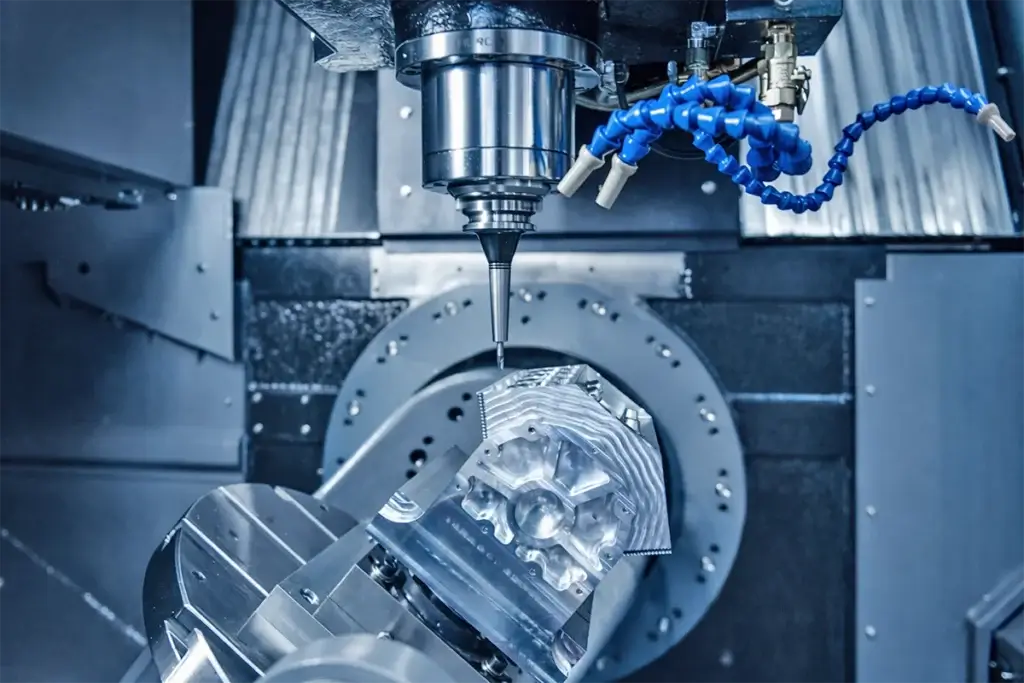
In machining, sustainability and high quality standards come not only from machine power but from the cleanliness of the coolant and hydraulic systems that feed those machines. Micro metal particles in coolant, invisible contamination in hydraulic oil and chips returning to the cutting zone trigger chains of problems ranging from tolerance errors to tool breakage.
Coolant Management: Bacteria and Odor Control
Coolants are the fluids most prone to bacterial growth on production lines. The source of the bad odor is anaerobic bacteria that grow in stagnant fluid. Continuous circulation and filtration eliminate the environment these bacteria need; together with tramp oil removal, coolant life is extended three- to fourfold, lowering waste and replacement costs. Filtering micro metal particles out of the fluid prevents insert wear and keeps surface roughness (Ra) within standards. In through-spindle cooling systems this precision is even more critical: micron-level particles in the fluid passing through the tool’s fine channels block them instantly and cause both tool breakage and spindle damage.
Solution: Continuous circulation and tramp oil separation
Tribological Control and Valve Safety in Hydraulic Units
The hydraulic systems in modern CNC machines and presses are extremely sensitive to micron-level contamination. Clear-looking hydraulic oil is not necessarily clean; invisible particles below 5–10 microns act like an abrasive paste in the system. The real cleanliness of the oil can only be determined with ISO 4406 particle count tests. Filtration that meets NAS or ISO cleanliness classes minimizes friction in precision bearings and hydraulic components and prevents valve seizure and seal wear. Clean hydraulic oil also prevents pressure fluctuations in the system and preserves the machine’s repeatability.
Solution: Filtration to ISO and NAS classes
Chip Separation and Surface Precision
Quickly removing the metal chips formed during machining from the fluid is the basis of dimensional conformity and surface quality. Chips returning to the cutting zone cause scratches and tolerance errors on machined parts. High-capacity magnetic or centrifugal separators provide continuous cleaning without human intervention and eliminate this risk at the source.
Solution: Magnetic or centrifugal separator
CNC line
Which filter at which stage?
Select a stage on your line to see the Prosestim filters and micron range used at that point.
01 · Coarse separation
Keep chips out of the cutting zone
Quickly removing chips from the fluid prevents scratches and tolerance errors.
Please send BA/BS forms, current account reconciliations and any other emails for our Finance and Administrative Affairs Department to [email protected].
Invoice name (registered company name): PROSES TİCARET, İMALAT, MÜHENDİSLİK ENDÜSTRİYEL MADDE VE MALZEME İMALATI İNŞAAT VE SANAYİ LİMİTED ŞİRKETİ
Billing address: Musa Gündüz Cad. No:14 Taşköprü – Çiftlikköy – YALOVA, TÜRKİYE
E-invoice / e-archive email address: [email protected]
Tax office: Yalova Tax Office (Yalova V.D.)
Tax ID number: 7330379514
MERSIS number: 0733037951400013