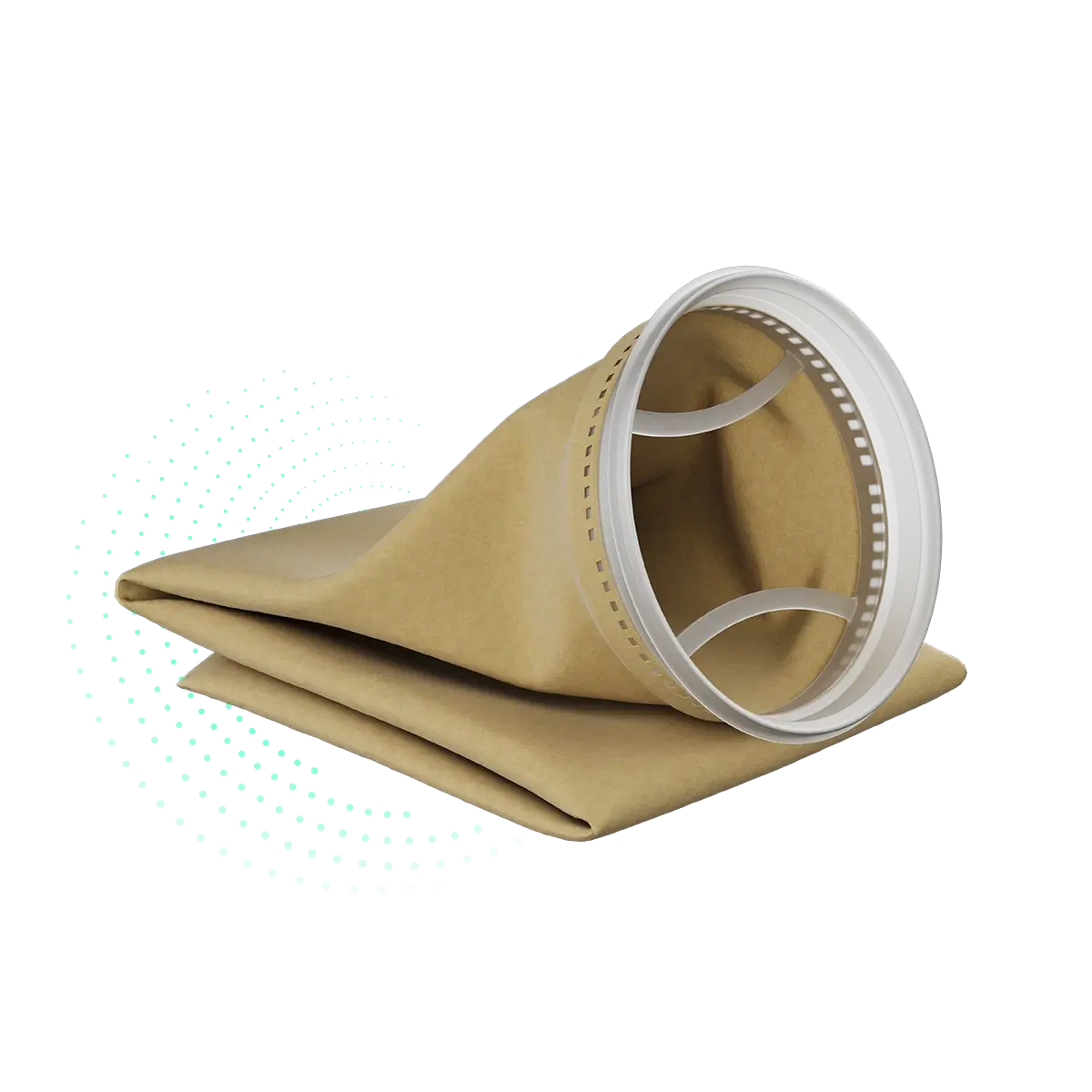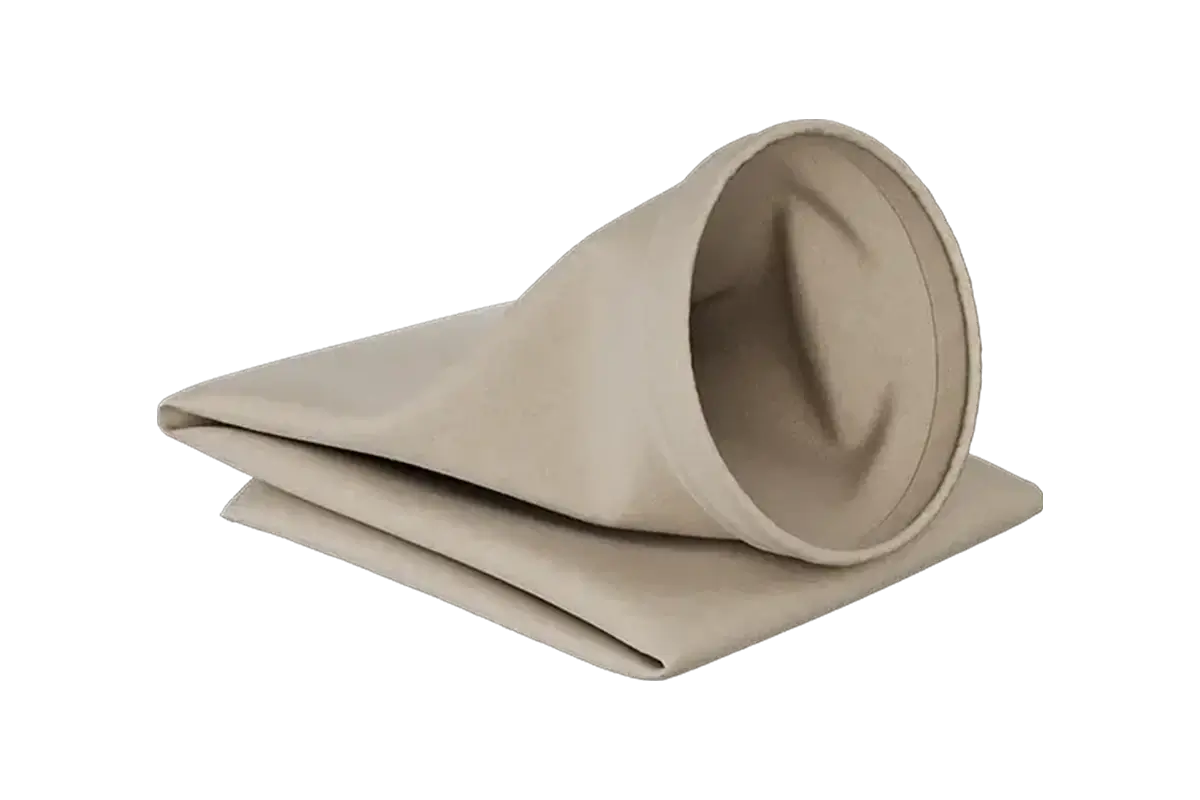
PPS Bag Filter (Ryton)
190 °C Continuous Operation, High Resistance to Acid Gases and Hydrolysis
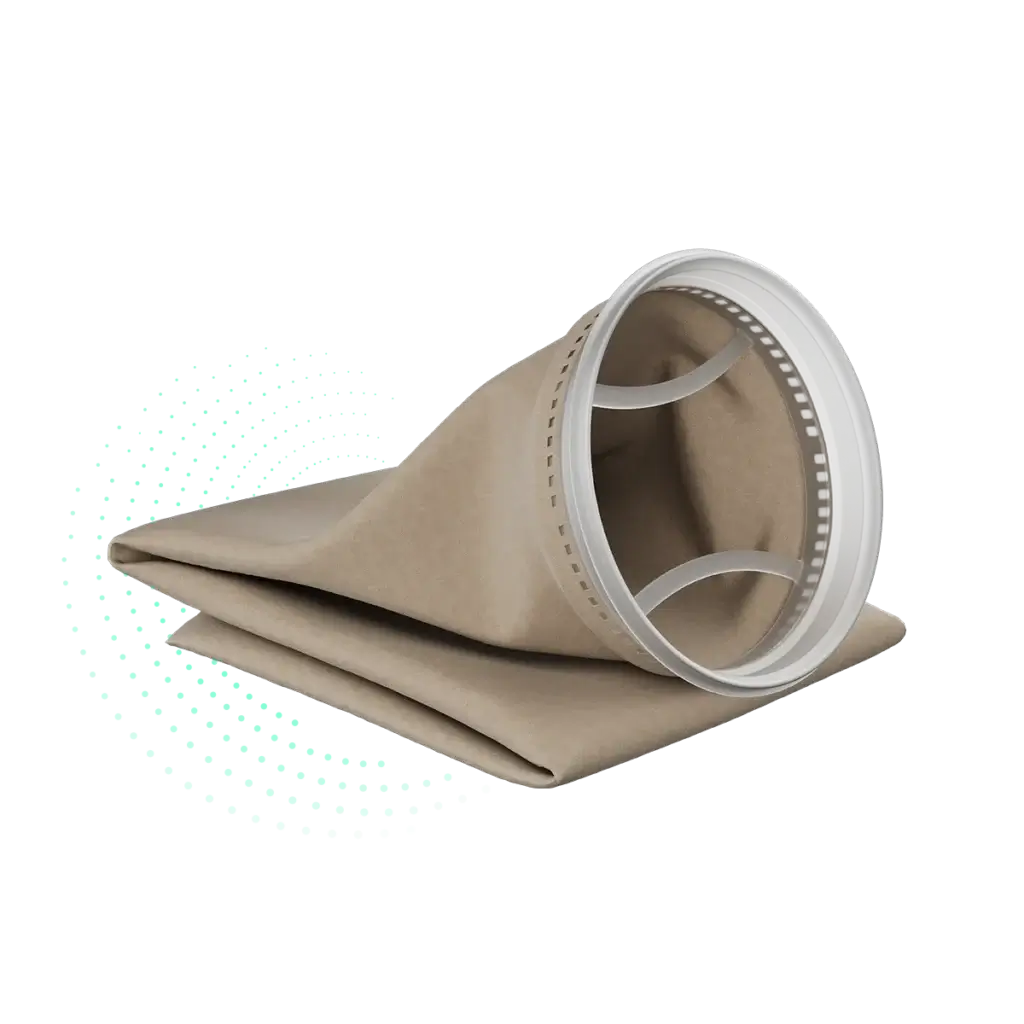
The PPS bag filter (Ryton) is a needle-punched felt dust filter that operates continuously up to 190 °C with high resistance to acid gases and moisture; it is used for acidic and humid flue gases.
540 g/m²
190 °C
220 °C
285 °C
What Is a PPS (Ryton) Bag Filter?
PPS (polyphenylene sulphide) bag filters are a dust filtration medium made by the needle-punched felt method at 540 g/m² from a high-performance thermoplastic that offers natural chemical resistance to acid gases thanks to its sulphur-containing molecular structure. “Ryton” is the best-known brand name for this fibre type. Its durable, stable structure, which stands out for alkali and chemical resistance in high-temperature chemical environments, has made it the industry’s standard filtration medium for acid-laden flue gas environments.
PPS’s most important advantage is its resistance to moisture and dew point transitions. In high-humidity, SO₂-containing flue gas environments where polyester and acrylic hydrolyse and break down early, PPS keeps its dimensional stability and mechanical strength. Thermal power plants, waste incineration plants, chemical plants and coal-fired boilers are the most common applications.
Product Identity and Technical Summary
Key Technical and Structural Features
- Fibre Type
- PPS (Polyphenylene Sulphide / Ryton®) Needle-Punched Felt
- Weight
- 540 g/m²
- Continuous Operating Temperature
- 190 °C (under dry operating conditions)
- Peak (Surge) Temperature
- 220 °C (under dry operating conditions)
- Chemical Resistance
- Outstanding resistance to acids and alkalis; safe operation across a wide pH range.
- Hydrolysis Resistance
- High; stable performance in humid processes and through dew point transitions.
- Flame Resistance
- Self-extinguishing; LOI value of 34.
- Surface Treatment Options
- Sintering & Calendering
- PTFE Impregnation
- ePTFE Membrane Lamination
- Water and Oil Repellent Treatment
- Emission Performance
- ≤ 5 mg/Nm³ with ePTFE membrane
- Cleaning System Compatibility
- Pulse-Jet
- Reverse Air
- Shaker
PPS (Ryton) Bag Filter Surface Treatment Options
| Surface Finish | Property | Recommended Application |
|---|---|---|
| Singeing | Smooths the surface and improves dust release. | General high-temperature applications |
| Calendering | Smooths the surface and is compatible with pulse-jet cleaning systems. | Coal boilers and cement plants |
| Water and Oil Repellent | Helps protect the filter surface in processes involving moisture and sticky dust. | Chemical processes and wet flue gas applications |
| PTFE Coating | Provides additional chemical protection against acid condensation. | SO₂-intensive thermal power plant applications |
| ePTFE Membrane | Provides surface filtration and ≤ 5 mg/Nm³ emission performance. | Applications requiring strict emission limits |
| Antistatic | Helps dissipate static charges in a controlled way. | Applications involving combustible dust |
Advantages of the PPS (Ryton) Bag Filter
- Outstanding Acid and Alkali Resistance
- Strong chemical resistance across a wide pH range; stable performance in flue gas environments containing SO₂ and HCl.
- High Hydrolysis Resistance
- The fibre structure does not break down through moisture and dew point transitions; works reliably in wet environments where polyester and acrylic fall short.
- High Temperature Resistance
- Withstands 190 °C continuously and 220 °C peaks.
- Proven Weight Balance
- A weight of 540 g/m² balances high mechanical strength with suitable air permeability, giving stable long-term performance in chemical processes and similar industrial applications.
- Flame Resistance
- Its self-extinguishing structure (LOI 34) prevents flame spread.
- Low Emissions
- Emission values of ≤5 mg/Nm³ with an ePTFE membrane.
Industry Applications
Bag filters suited to different process needs are used across a wide range of industrial applications to protect product quality and production continuity.
01
Vegetable Oil
Vegetable Oil
Clarity, purity and shelf life in vegetable oil and refining.
Explore solutions

02
Pipe and Profile
Pipe and Profile
Cooling water filtration in pipe and profile extrusion.
Explore solutions
03
Paint Industry
Paint Industry
Surface quality and pigment filtration in the paint industry.
Explore solutions

04
Glass Industry
Glass Industry
Furnace and process filtration in the glass industry.
Explore solutions

05
Dialysis Centers
Dialysis Centers
Water preparation and process filtration in dialysis centers.
Explore solutions

06
Foundry Industry
Foundry Industry
Equipment protection and dust filtration in foundries.
Explore solutions
07
Industrial Oil
Industrial Oil
Filtration in industrial oil production and recovery.
Explore solutions

08
Energy and Biogas
Energy and Biogas
Maximum efficiency and turbine protection in energy and biogas.
Explore solutions
09
Recycling
Recycling
Filtration for efficiency and environmental compliance in recycling.
Explore solutions

10
Food and Beverage
Food and Beverage
Hygienic filtration in food and beverage.
Explore solutions

11
Pharmaceuticals and Biotechnology
GMP-compliant sterile filtration in pharmaceuticals and biotechnology.
Explore solutions

12
Paper and Packaging
Paper and Packaging
Process water filtration in paper and packaging.
Explore solutions

13
Chemical Industry
Chemical Industry
Corrosion-resistant, safe filtration in the chemical industry.
Explore solutions
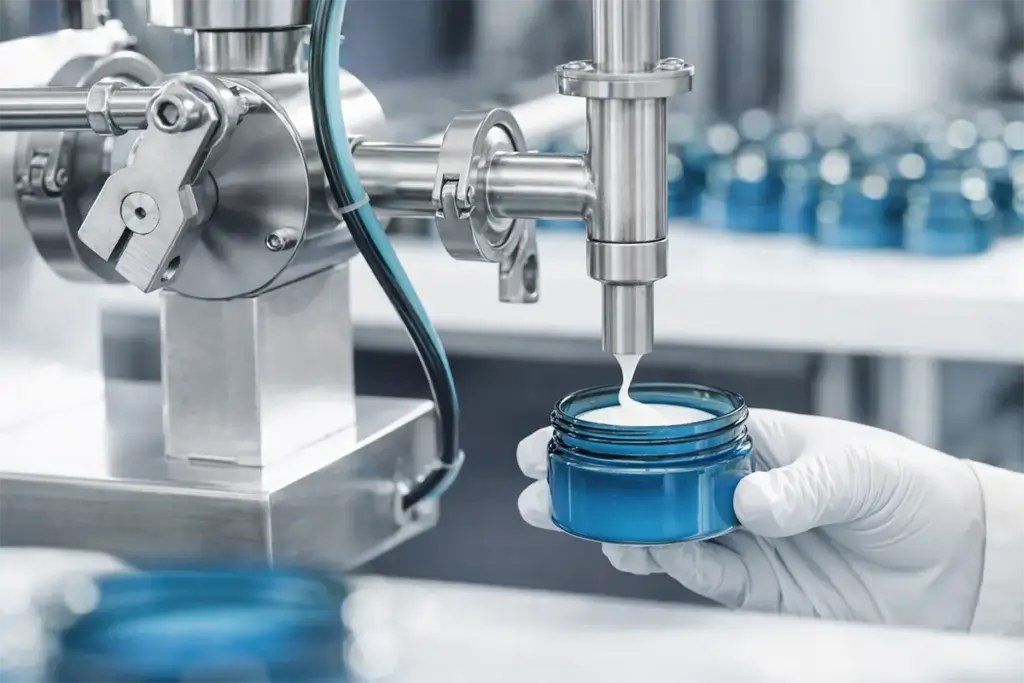
14
Cosmetics
Cosmetics
Microbiological safety and precision filtration in cosmetics.
Explore solutions
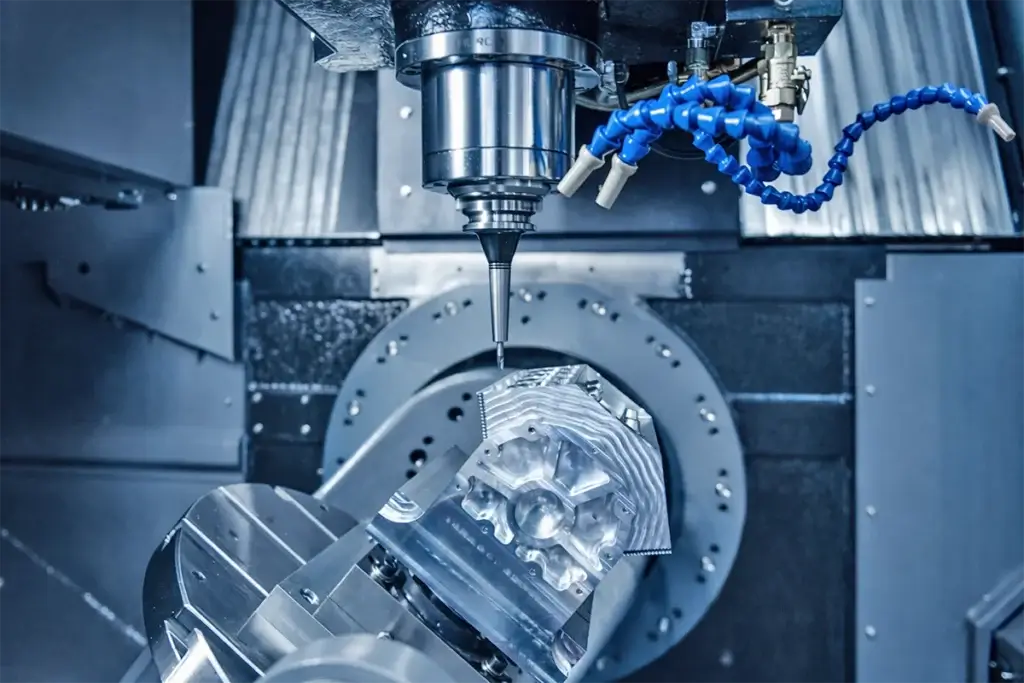
15
Machinery
Machinery
Precision and technical filtration in the machinery industry.
Explore solutions
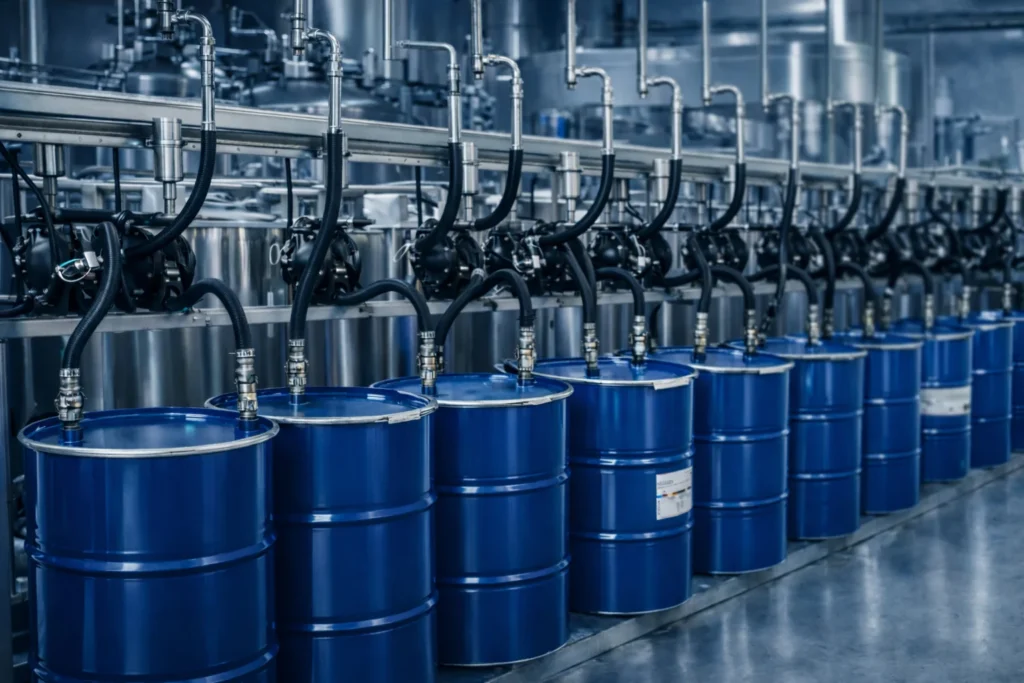
16
Printing and Ink
Printing and Ink
Flawless color and print quality in printing and ink.
Explore solutions

17
Metal and Surface Treatment
Flawless surfaces and bath stability in metal and surface treatment.
Explore solutions
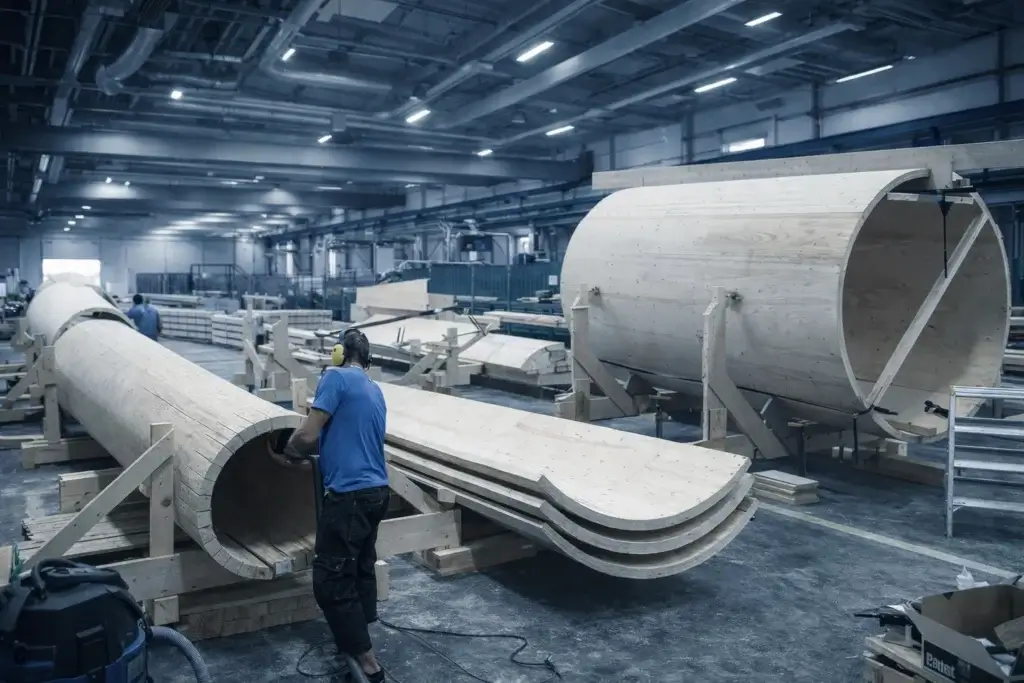
18
Forest Products
Forest Products
Resin and glue filtration in forest products and furniture.
Explore solutions

19
Automotive
Automotive
Precision process filtration for zero defects in automotive manufacturing.
Explore solutions

20
Oil and Petrochemicals
Equipment protection and process safety in oil and petrochemicals.
Explore solutions

21
Plastic Packaging
Plastic Packaging
Precision process filtration and raw material purity in plastic packaging.
Explore solutions

22
Plastic Injection Molding
Cooling and hydraulic filtration in plastic injection molding.
Explore solutions
23
Water and Environment
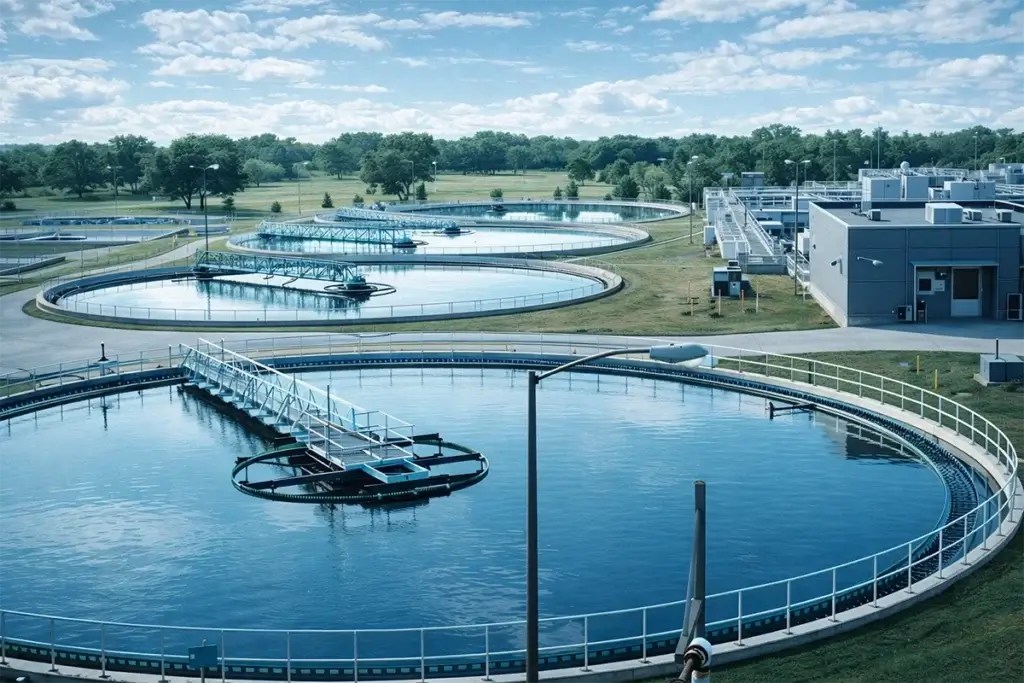
Recovery filtration in water and environmental technologies.
Explore solutions

24
Shipyards and Marine
Operational safety and efficiency in shipyards and marine.
Explore solutions
Alternative media for the same application
PPS (Ryton) Bag Filter
Your Questions Answered
Frequently Asked Questions
At Prosestim, we are committed to answering your questions and providing technical support for our filtration solutions.
What is a PPS (Ryton) bag filter?
What is the difference between Nomex and PPS?
PPS offers wider chemical resistance and higher hydrolysis resistance, but its temperature limit (190 °C) is slightly lower than that of Nomex (204 °C). PPS is preferred in processes involving acids and moisture, and Nomex in dry applications where mechanical stress is the main concern.
What is the operating temperature limit?
Can it be used in humid environments?
Yes. PPS’s high hydrolysis resistance keeps its performance through moisture and dew point transitions; this is the key property that makes PPS clearly superior to polyester and acrylic.
Do you manufacture custom sizes?
Yes, custom production is available in non-standard diameter, length and surface treatment combinations.
PPS (Ryton) Bag Filter RFQ Configurator
Configure your variation dimensions and technical specifications to receive an instant quote directly on WhatsApp and via email.