Stainless Steel Bag Filter Housing
AISI 304, 304L, 316, 316L, 316Ti and 904L Stainless Steel Body, 1–8+ Bag Capacity and 0.5–1,500 µm Filtration Precision
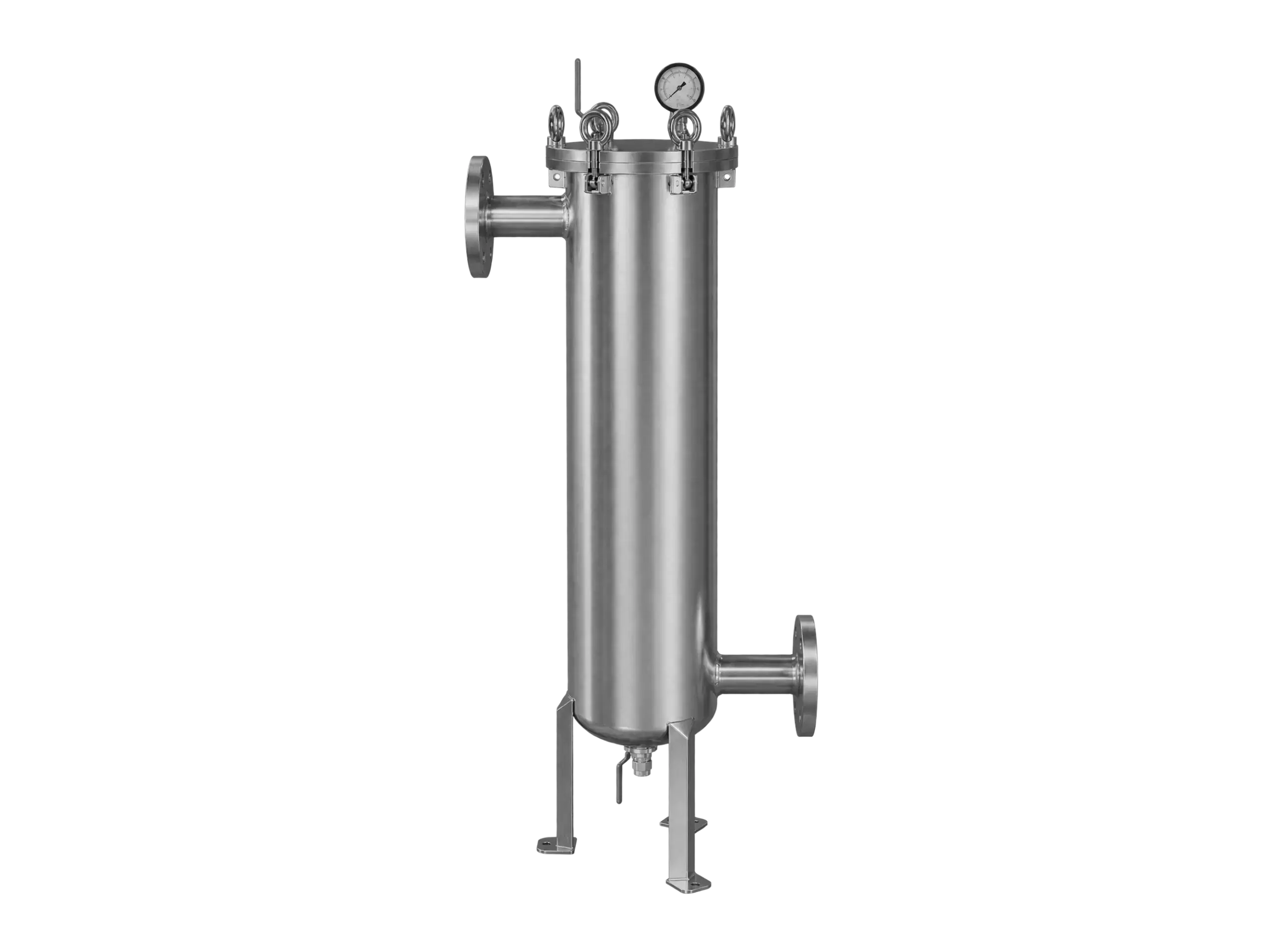
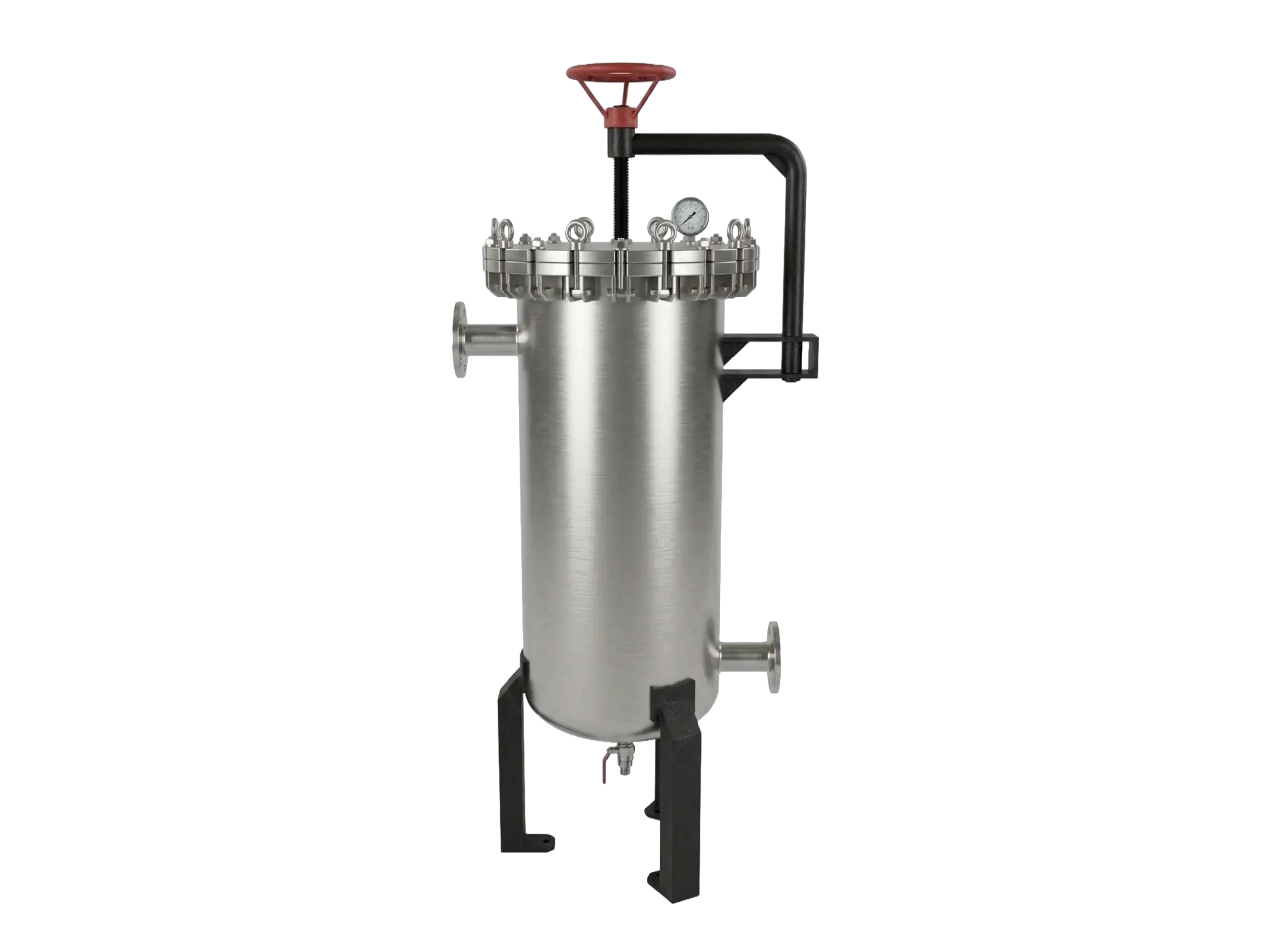
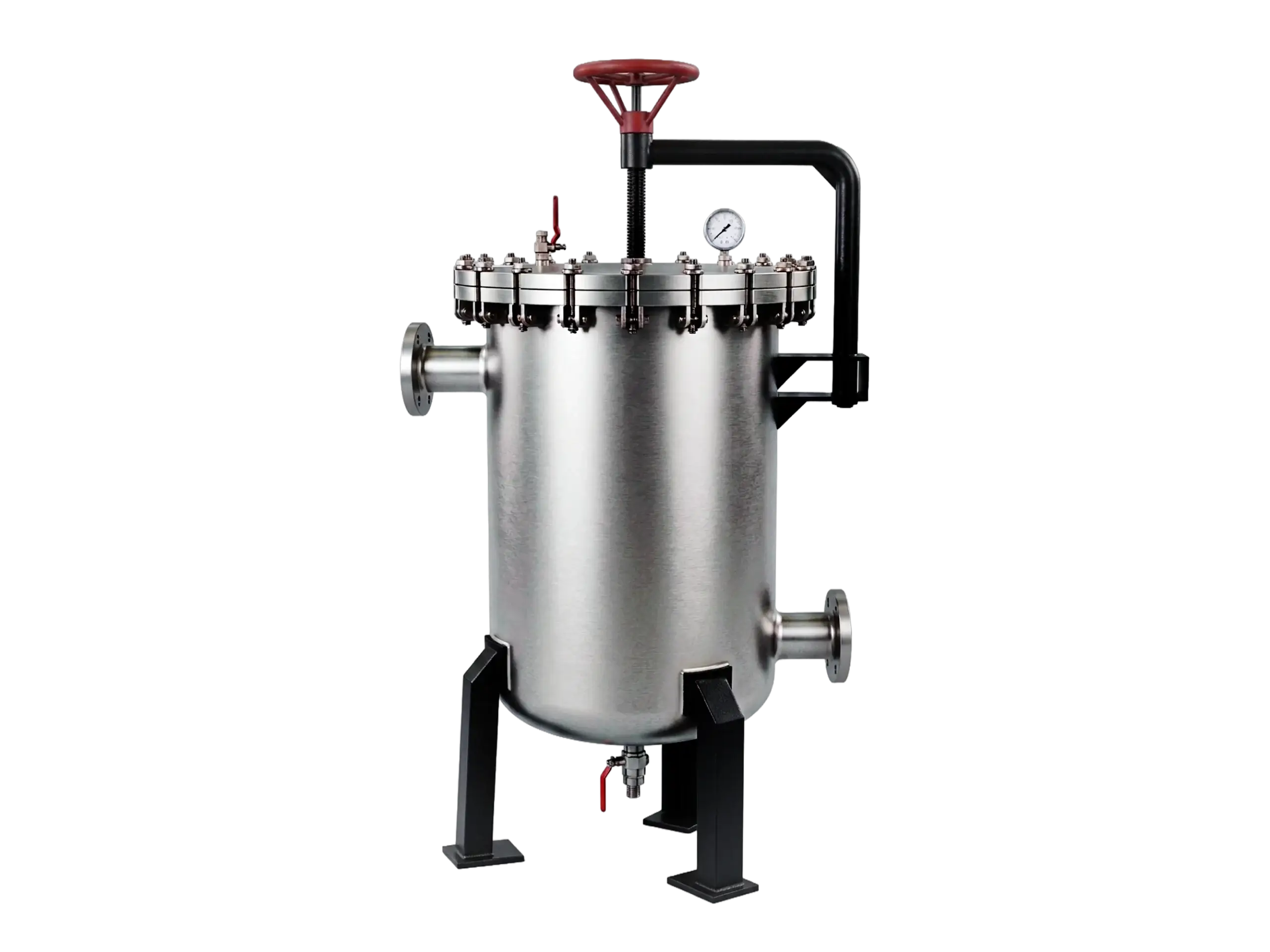
A bag filter housing is pressurised filtration equipment with an AISI 304, 304L, 316, 316L, 316Ti or 904L body that holds a replaceable bag filter. Single and multi-bag models deliver high flow and low pressure drop.
AISI 304 · 304L · 316 · 316L · 316Ti · 904L
ISO 9001
Tailored to Your Process
Long Service Life
What Is a Stainless Steel Bag Filter Housing?
A stainless steel bag filter housing is pressurised filtration equipment with an AISI 304, 304L, 316, 316L, 316Ti or 904L body in which a replaceable bag filter is placed. As the liquid passes from the inside of the bag to the outside, particles, sediment and contaminants are retained in the bag; a loaded bag is replaced in minutes. Thanks to its high flow, low pressure drop and corrosion resistance, it is used in chemicals, water treatment, paint, pharmaceuticals, food and many other industries.
Because the body is made entirely of stainless steel, it is hygienic, chemically resistant and lasts for years; only the bag is replaced as a consumable. It offers a much higher dirt-holding capacity compared with cartridge filters, making it an economical solution on lines with heavy sediment and high flow requirements.
All universal standard sizes are available; for a non-standard line, the housing and bag are custom-made together to the required size. A vent nozzle on the lid, a body drain nozzle and a Pakkens pressure gauge are supplied as standard.


Product Identity and Technical Summary
Prosestim stainless steel bag filter housings are built to heavy-duty standards to provide low pressure drop and maximum dirt-holding volume on high-flow industrial process lines with heavy particle loads.
- Body Material
- AISI 304 / 304L Stainless Steel
- AISI 316 / 316L Stainless Steel
- AISI 316Ti (Titanium-Stabilised)
- AISI 904L Super Austenitic
- Number of Bags & Capacity
- Single Body (1 Bag)
- Multi-Bag Body: 2–8+ Bags
- Housing Sizes / Bag Length
- 230 mm (Size 3) · 380 mm (Size 4)
- 430 mm (Size 1) · 810 mm (Size 2)
- Process-Specific Custom Sizes
- Compatible Bag Diameter
- Ø100 mm (Size 3 / Size 4)
- Ø180 mm (Size 1 / Size 2)
- Inlet / Outlet Connection Diameter
- Wide connection range from DN8 to DN450 (special DN classes are made for high flows).
- Connection Type
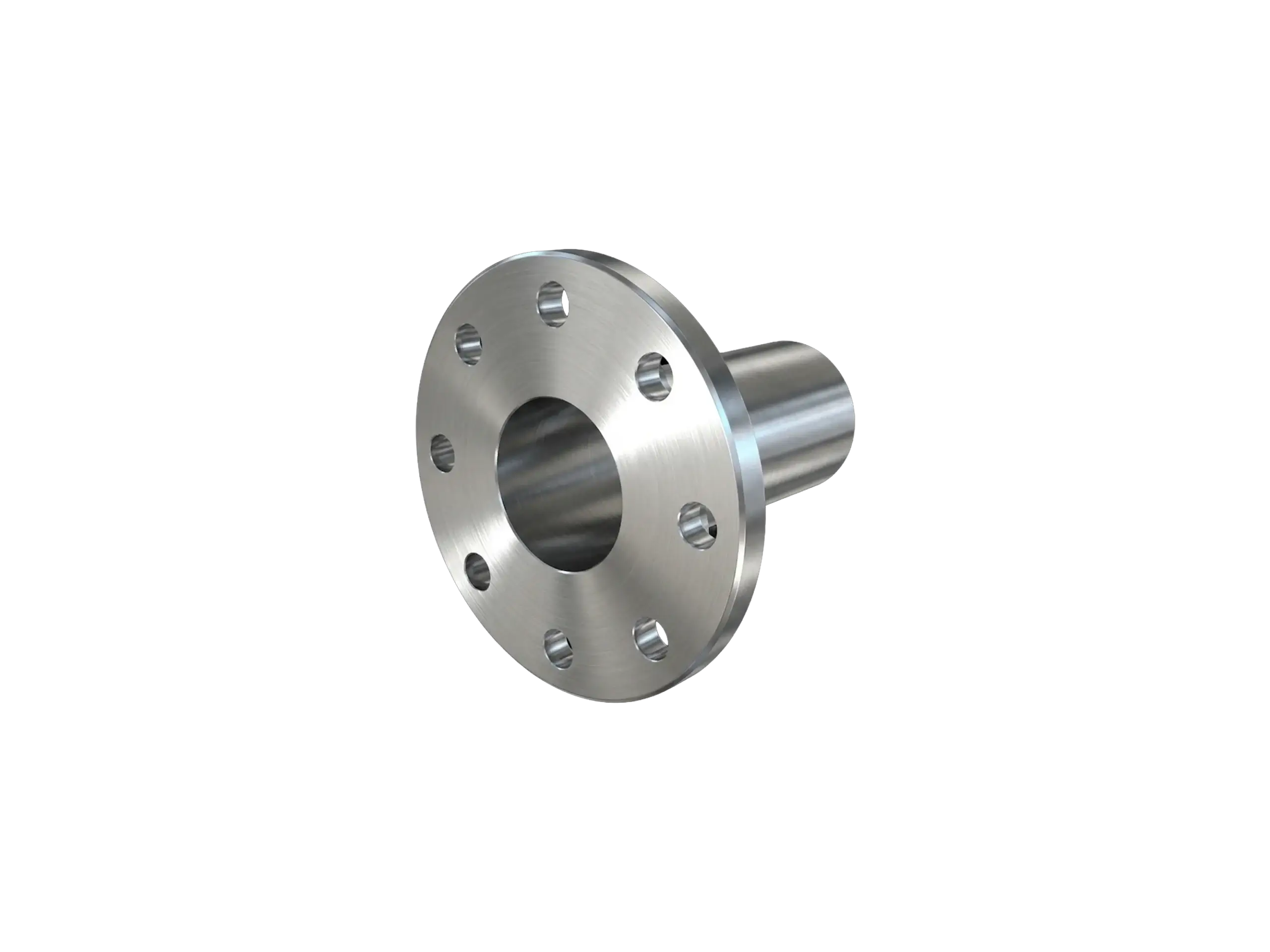
- DIN / ANSI Flanged
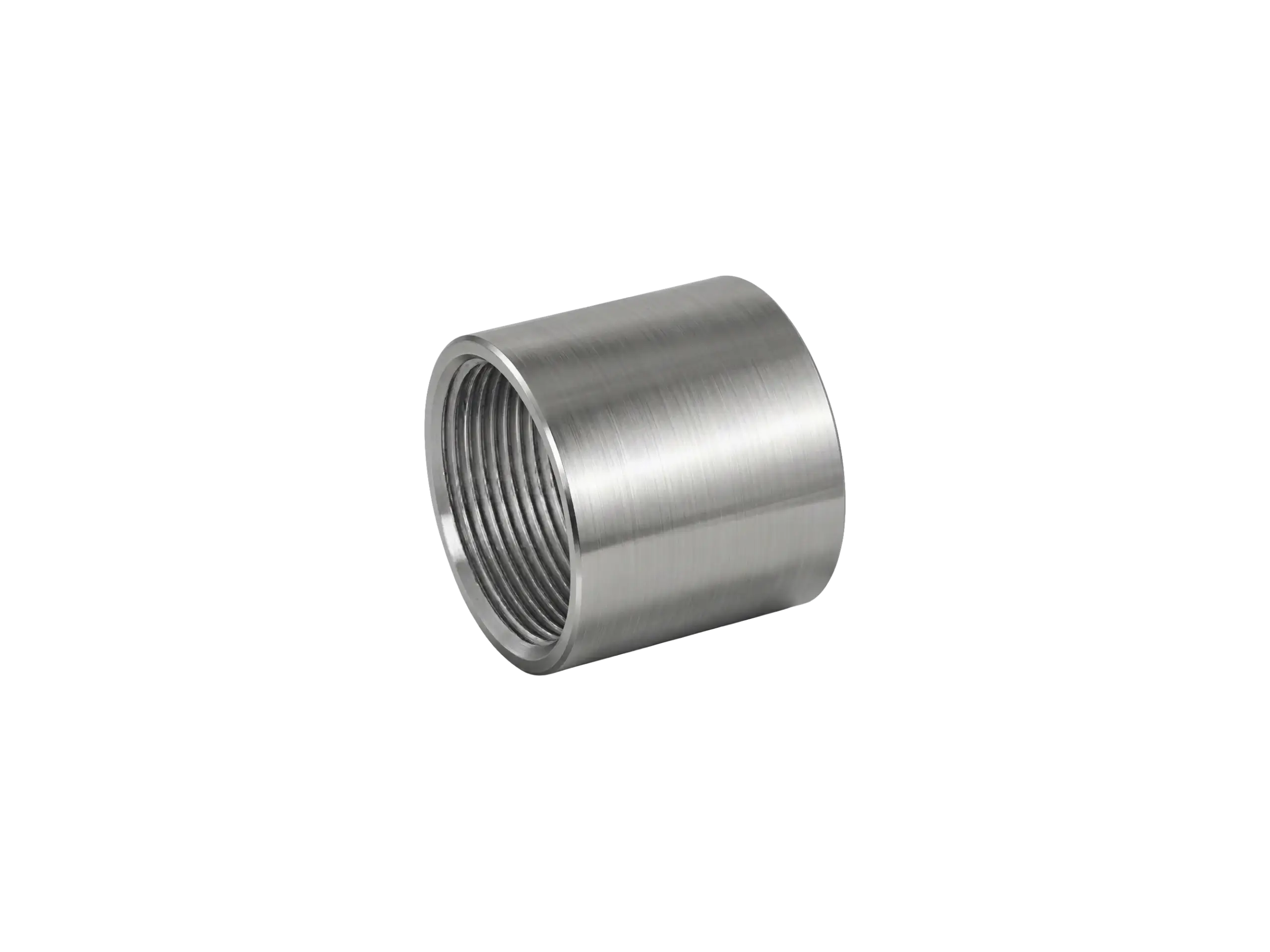
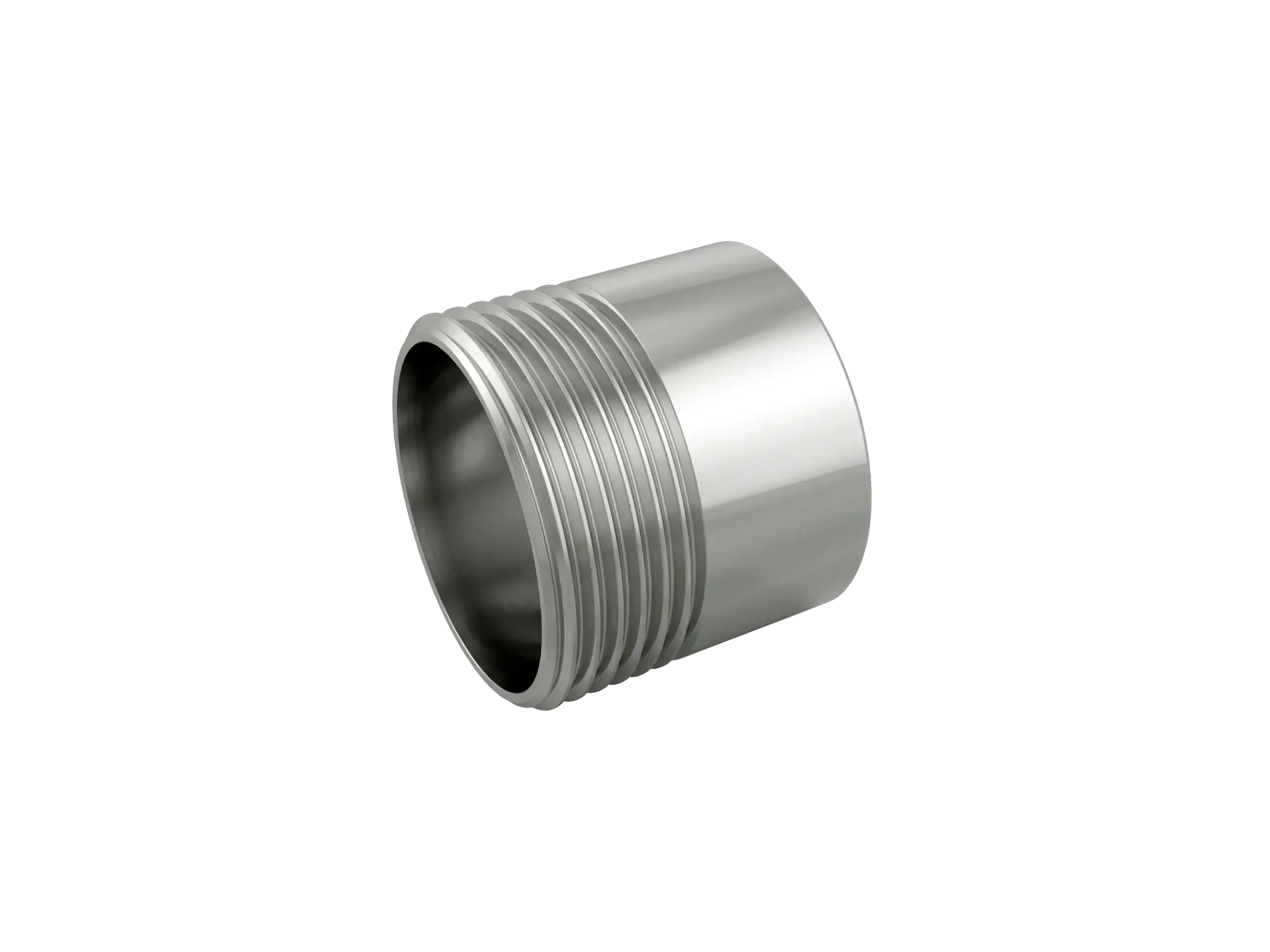
- Muff & Nipple
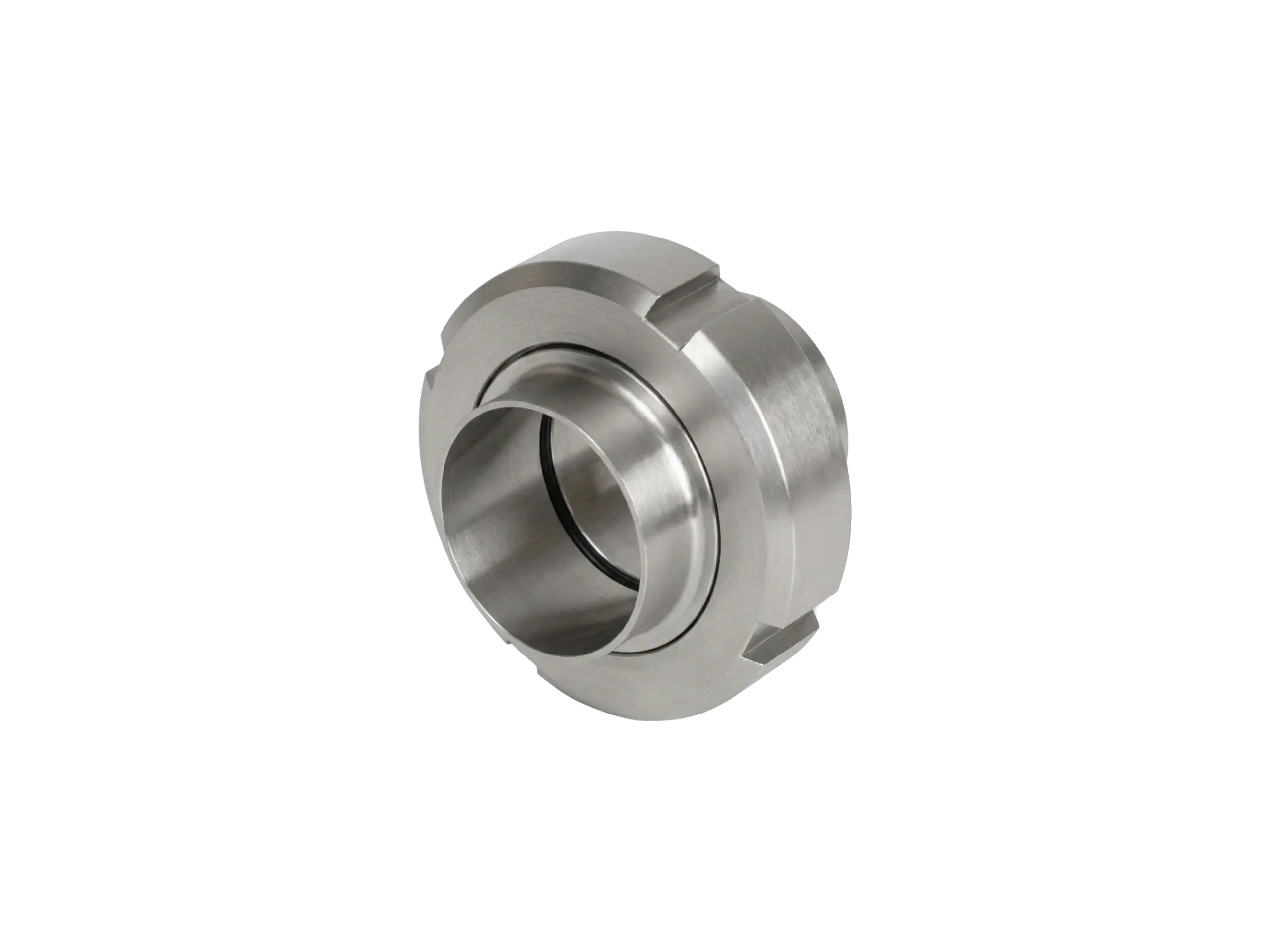
- Union
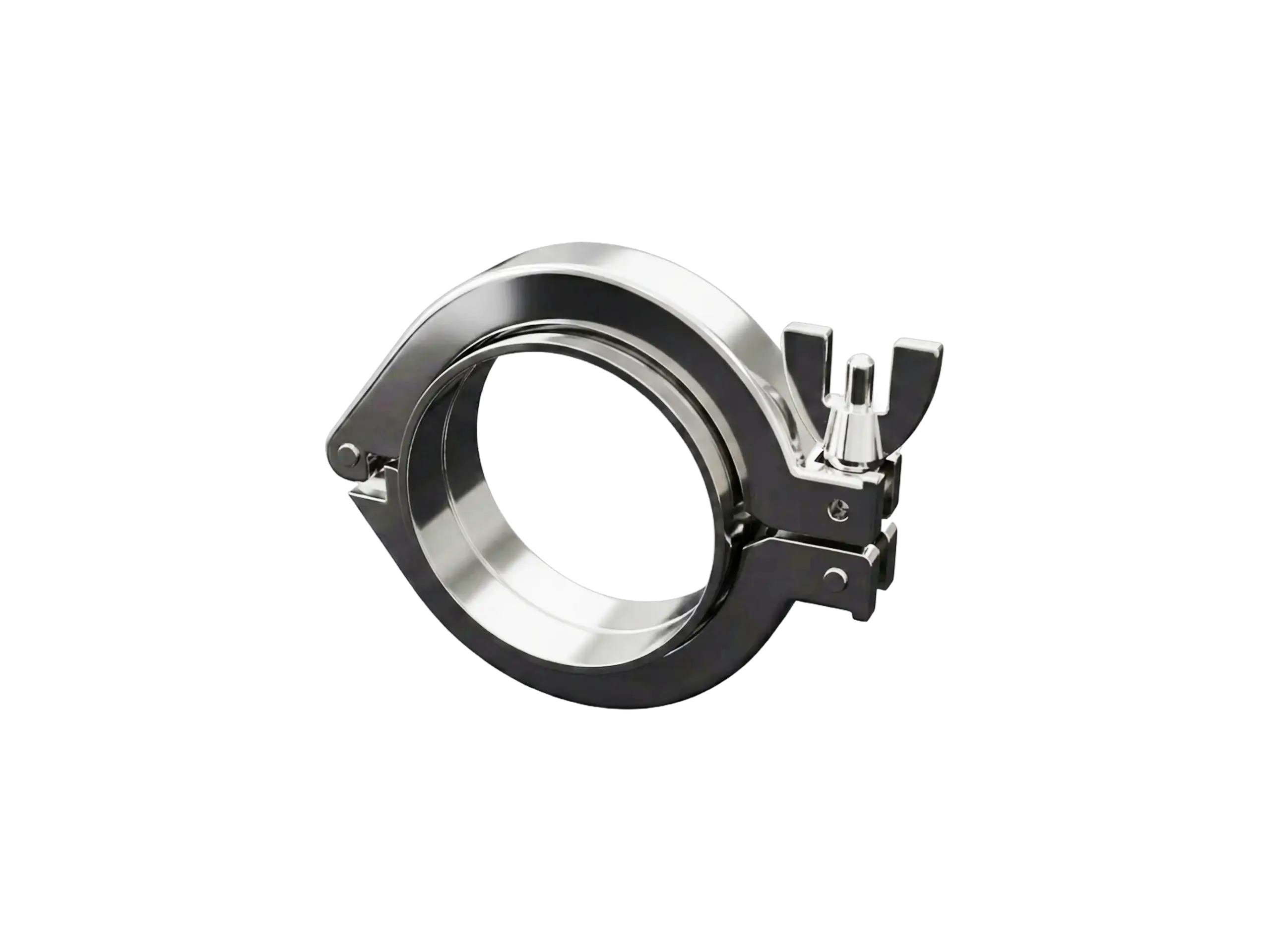
- Hygienic Clamp (Tri-Clamp)
- Operating Pressure
- Standard PN16 (16 bar); custom builds for high-pressure process lines on request.
- Support Basket (Inner Element)
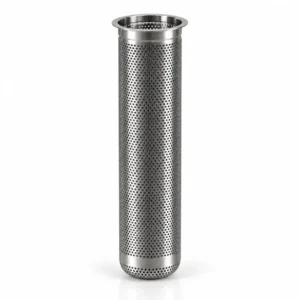
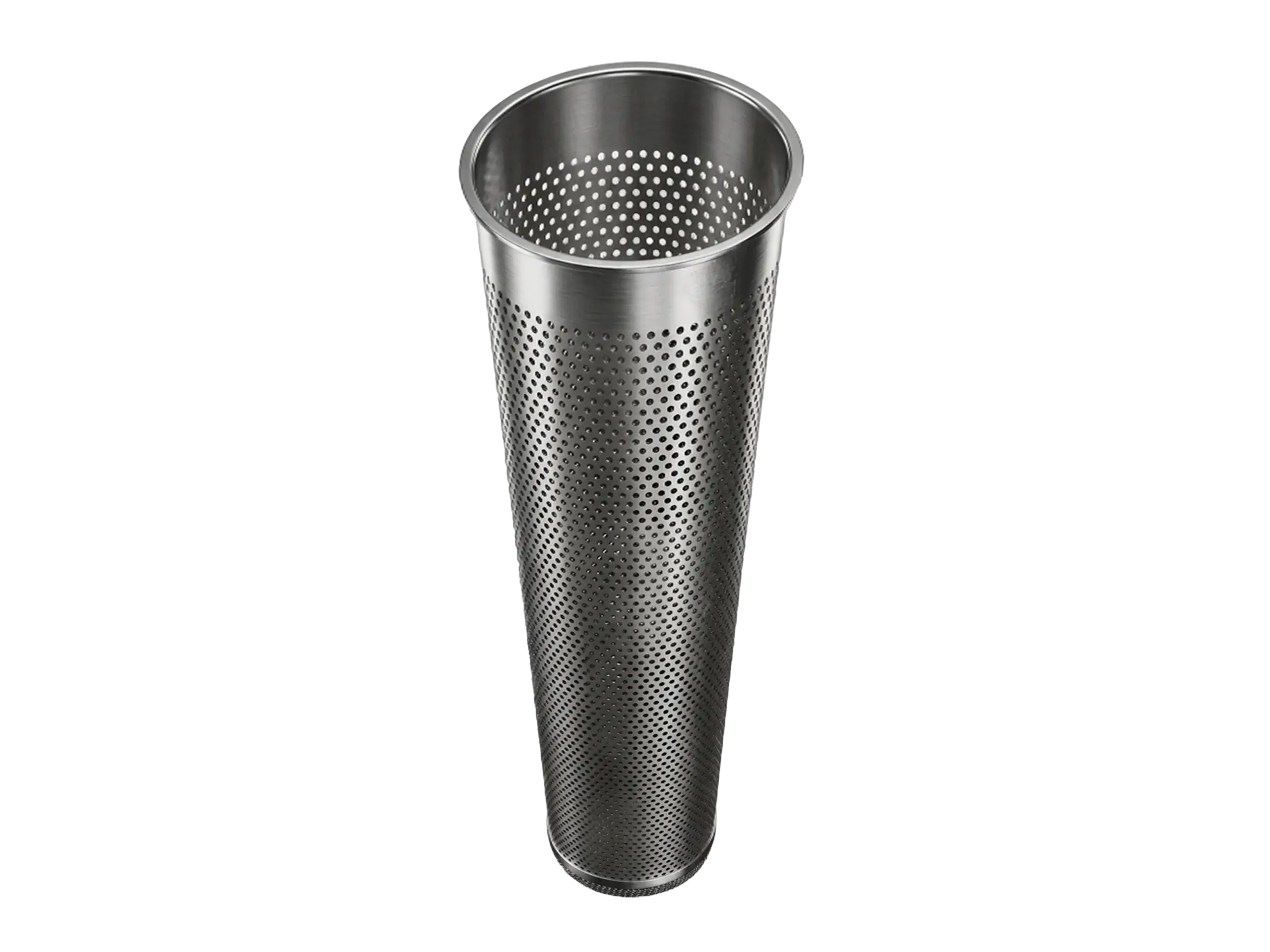
- 4 mm perforated stainless sheet basket; protects the bag against differential pressure and prevents tearing.
- Lid Design
- Flanged, ergonomic swing-bolt quick-opening lid for fast, tool-free bag changes.
- Body Wall Thickness
- Standard 2 mm; reinforced wall thickness options for high pressure and aggressive conditions.
- Flow Direction & Geometry
- Inside-out filtration; dirty liquid enters at the top and clear, clean liquid leaves at the bottom.
- Vent & Drain
- Standard 1/2" vent nozzle on the lid; 1/2" drain nipple at the base of the body.
- Pressure Indicator (Gauge)
- Pakkens stainless pressure gauge as standard; optional second gauge on the outlet for differential pressure (ΔP) monitoring.
- Installation & Legs
- Standard adjustable 3-leg stand; secure fixing to the floor or a platform.
- Sealing Gaskets
- EPDM
- Nitrile (NBR)
- Viton (FKM)
- PTFE
- Silicone
- Surface Finish
- Smooth inner and outer surfaces with mechanical buffing.
- Custom Manufacturing Options
- Besides universal standard sizes, made-to-measure production for your plant's specific flow, length, diameter and connections.
Filtration Architecture and Working Principle
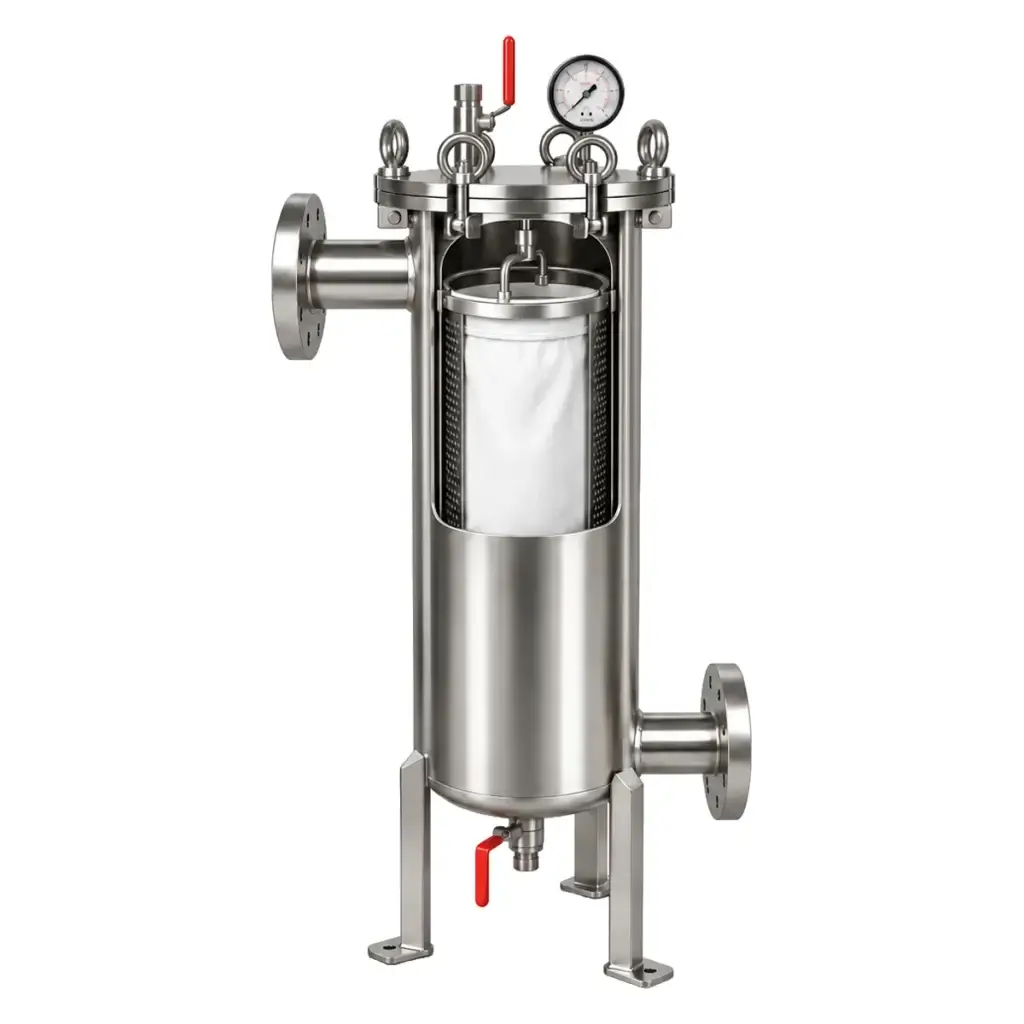
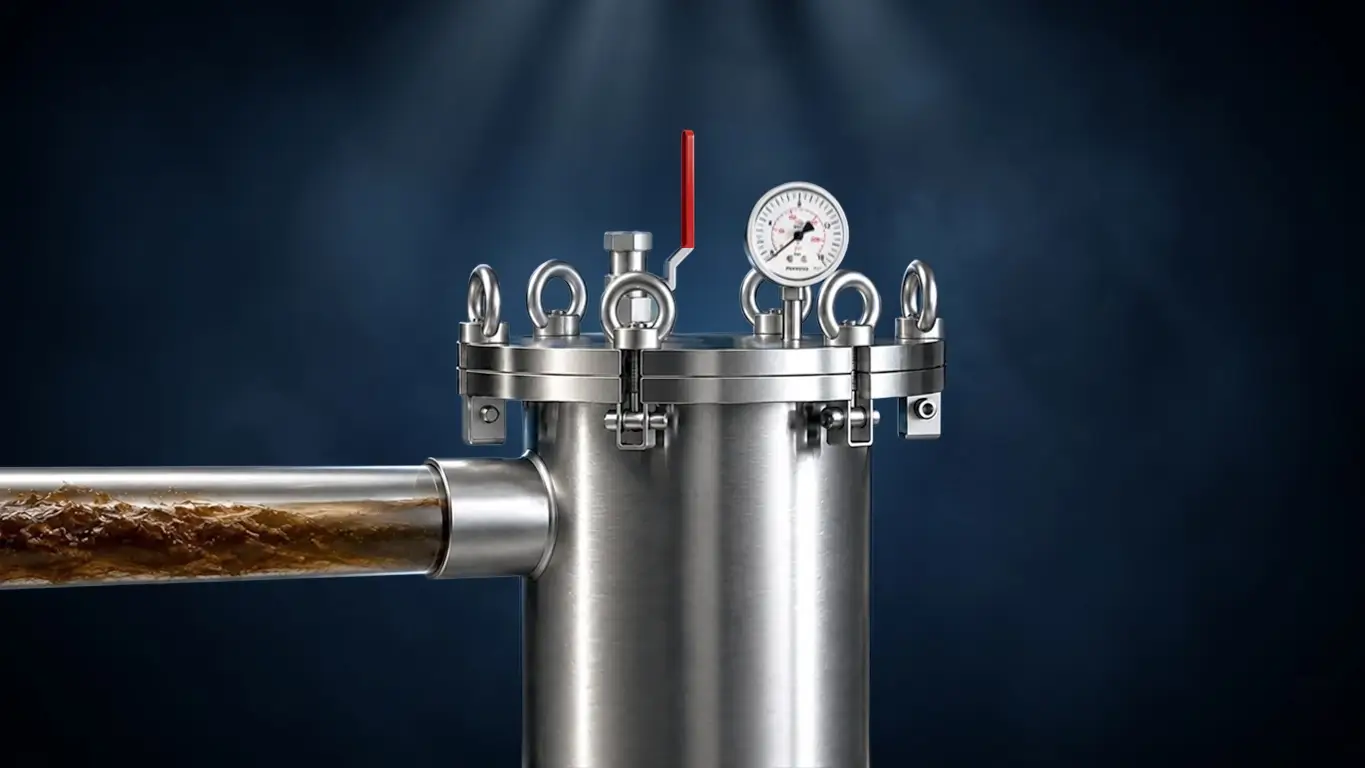
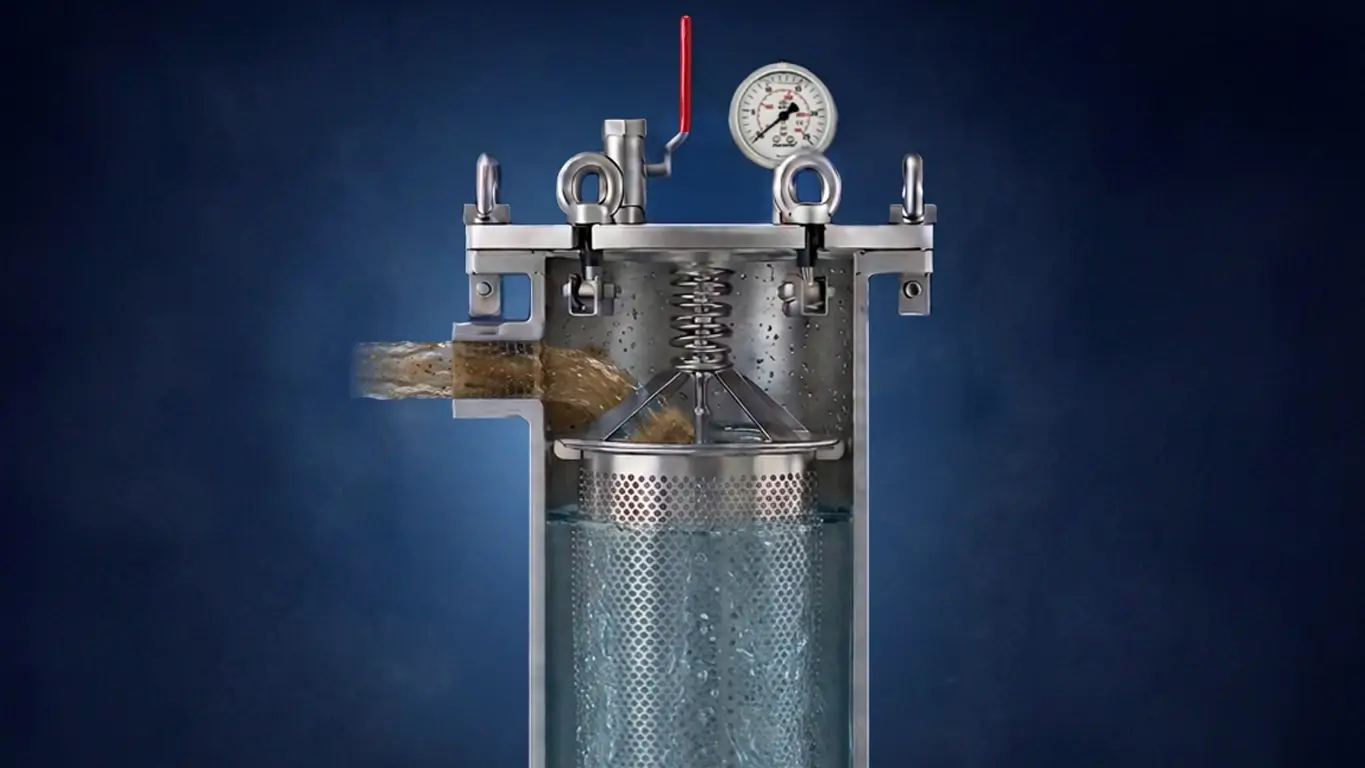
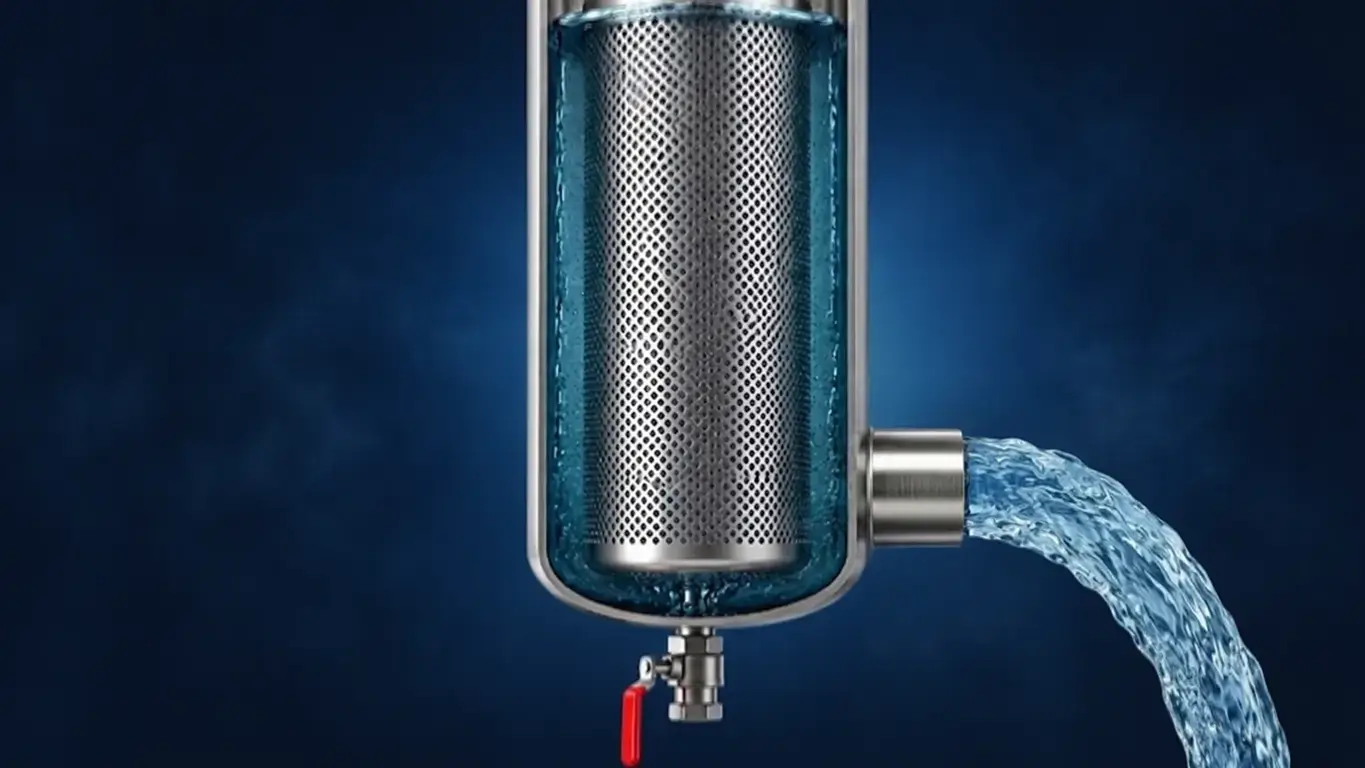
A bag filter housing works on the inside-out filtration principle: the liquid enters the bag, passes out through its pores, and solids above the micron rating of the selected bag stay inside the bag. The flow direction is dirty inlet at the top, clean outlet at the bottom; dirty liquid pours into the bag from the top of the housing, and the filtered clean liquid continues into the line through the outlet connection at the bottom. The stainless basket made of 4 mm perforated sheet that supports the bag stops it collapsing or deforming even at high differential pressures.
Inlet & Distribution into the Body
Dirty process liquid enters the body through the upper inlet connection and fills the bag, carried by the stainless 4 mm perforated support basket, evenly.
Precision Bag Filtration
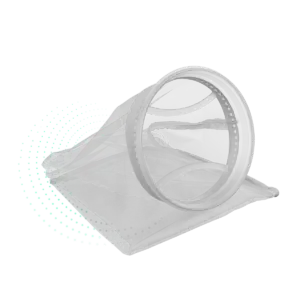
As the liquid passes inside-out through the micron pores of the bag fabric, solids above the target micron threshold are trapped inside the bag.
Clean Liquid Outlet & Line Protection
The filtered, particle-free process liquid flows continuously through the space between the inner wall of the body and the bag to the bottom outlet connection.
Advantages of the Stainless Steel Bag Filter Housing
Combining a stainless steel body with bag filter technology contributes directly to your plant:
- High Flow Throughput
- The large filtration surface delivers a high flow through a single bag and puts minimal back pressure on booster and process pumps.
- Wide Corrosion Resistance
- Body options in AISI 304, 304L, 316, 316L, 316Ti and super austenitic 904L give outstanding resistance on chemical, acidic, saline and high-temperature lines.
- High Solids-Holding Capacity
- Holds many times more solids and sludge than cartridge filters, minimising consumable change frequency and line stoppages.
- 4 mm Perforated Sheet Support Basket
- The 4 mm perforated stainless sheet basket supports the bag filter against high differential pressure and reliably prevents the bag from tearing or collapsing.
- Zero Bypass & Complete Sealing
- Nitrile (NBR), EPDM or Viton gasket options and the swing-bolt lid's hold-down ring give complete sealing with no particle escape.
- Hygienic, Buffed Surface
- The buffed, smoothed inner surface reduces residue build-up and makes cleaning easier on hygienic lines such as food and pharmaceuticals.
- Modular, Expandable Capacity
- A flexible architecture that adapts to plant growth, from single-bag bodies to 2–8+ bag multi-bag systems.
- Fast, Ergonomic Maintenance
- Thanks to the ergonomic swing-bolt lid design, maintenance staff complete a bag change in minutes without any extra tools.
Models
Our bag filter housings are made in single or multi-bag body options depending on your process’s flow requirement and particle load. Our stainless steel models, fully suited to different operating pressures and aggressive fluid conditions, deliver uninterrupted, safe filtration performance.
- Single Bag Filter Housing
- A compact single-bag design; a reliable solution in the standard PN16 pressure class for low- and medium-flow lines and precision pre-filtration.
- Multi-Bag Filter Housing
- With a capacity of 2–8 bags and more, maximum flow in a single body and an expandable architecture for high-flow industrial plants.
- 304 · 304L · 316 · 316L · 316Ti · 904L Options
- AISI 304, 304L, 316 or 316L depending on process corrosion severity, 316Ti for high temperatures, or a 904L super austenitic body for aggressive acidic environments.
Filter Housing Types
We make our stainless steel bag filter housing in four different body materials according to the corrosion severity and operating temperature of the fluid to be filtered. The right material choice directly determines the body’s service life and operating safety.
- Stainless Steel 304 / 304L
- Standard austenitic stainless body. An economical solution with high mechanical strength for neutral water, low-corrosion fluids and general industrial processes.
- Stainless Steel 316 / 316L
- Molybdenum-alloyed body. Superior corrosion resistance on aggressive chemical, food, pharmaceutical and seawater lines containing chlorine, salt, acids and solvents.
- Stainless Steel 316Ti
- A special titanium-stabilised alloy. Extra protection against intergranular and weld-zone corrosion in high-temperature processes.
- Stainless Steel 904L
- High Ni-Cr-Mo super austenitic body. Maximum resistance under the toughest chemical conditions, against sulphuric acid, phosphoric acid and high-chloride environments.
Bag Diameter and Length Options
- Size 1 (Ø180 × 430 mm)
- Basket Volume: ~9.5 L · Approximate Flow: 20 m³/h · Standard-diameter, short industrial process housing.
- Size 2 (Ø180 × 810 mm)
- Basket Volume: ~18 L · Approximate Flow: 40 m³/h · The most widely used standard housing for high flow and capacity.
- Size 3 (Ø100 × 230 mm)
- Basket Volume: ~1.6 L · Approximate Flow: 6 m³/h · Compact in-line type for laboratory and pilot filtration systems.
- Size 4 (Ø100 × 380 mm)
- Basket Volume: ~2.6 L · Approximate Flow: 12 m³/h · Medium-length compact housing for low-flow precision lines.
Engineer's Note
- Senior Process Engineer
- 15+ Years of Field Experience
- Field-Test Approved
Material selection
The most common mistake in the field is choosing a 304L body in chlorinated or acidic environments. Pitting corrosion soon starts in these environments; 316L must always be chosen for such processes.
Support basket
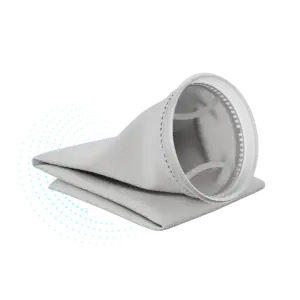
The bag must sit fully in the basket made of 4 mm perforated sheet. Bag filters are made about 10 cm longer than the basket; this allowance lets the bag rest against the basket under pressure and stops it bursting. Running without a basket, or with a damaged one, causes the bag to deform and tear.
When to choose it
On lines with high flow, thick consistency and high particle density, a bag filter housing gives much longer service life and lower cost than cartridges.
When not to choose it
If fine filtration below 0.5 µm with a low contamination load is required, a cartridge filter housing may be more suitable.
Industry Applications
01
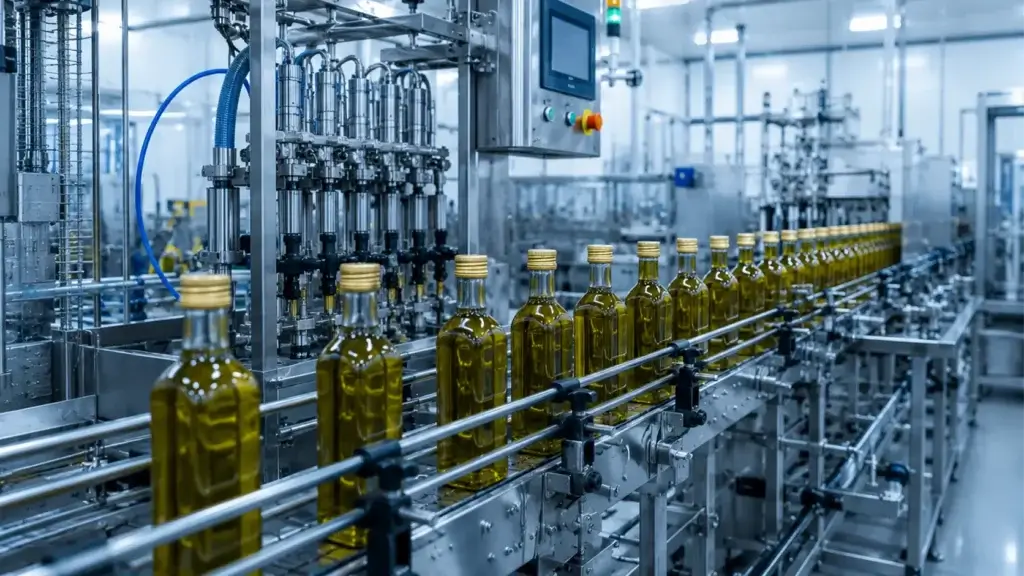
Vegetable Oil
Vegetable Oil
Clarity, purity and shelf life in vegetable oil and refining.
Explore solutions
02
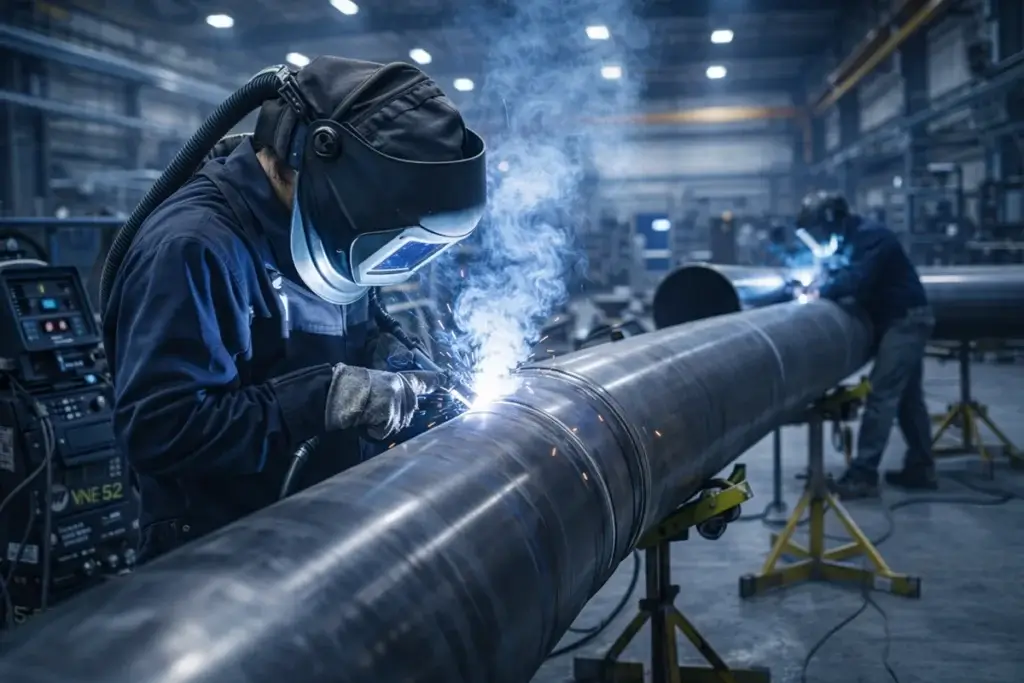
Pipe and Profile
Pipe and Profile
Cooling water filtration in pipe and profile extrusion.
Explore solutions
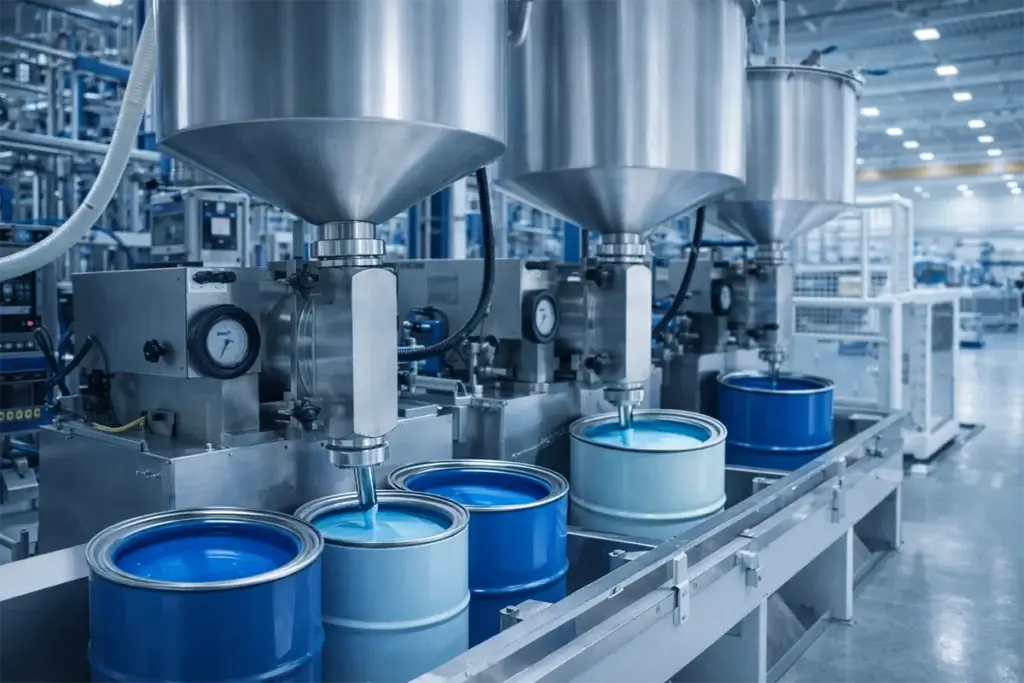
03
Paint Industry
Paint Industry
Surface quality and pigment filtration in the paint industry.
Explore solutions
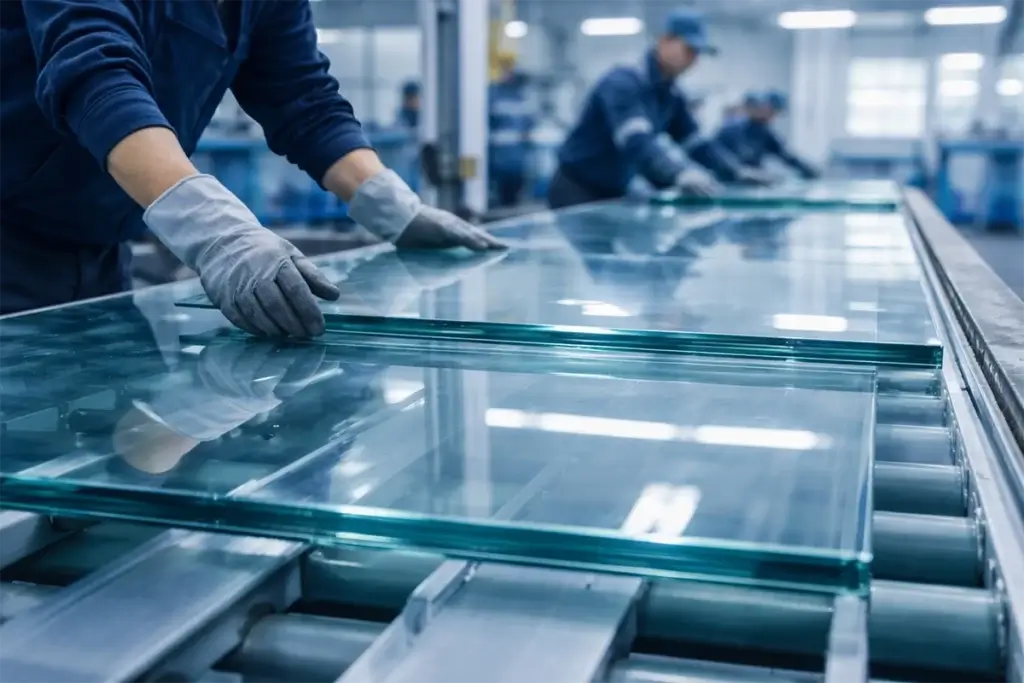
04
Glass Industry
Glass Industry
Furnace and process filtration in the glass industry.
Explore solutions

05
Dialysis Centers
Dialysis Centers
Water preparation and process filtration in dialysis centers.
Explore solutions
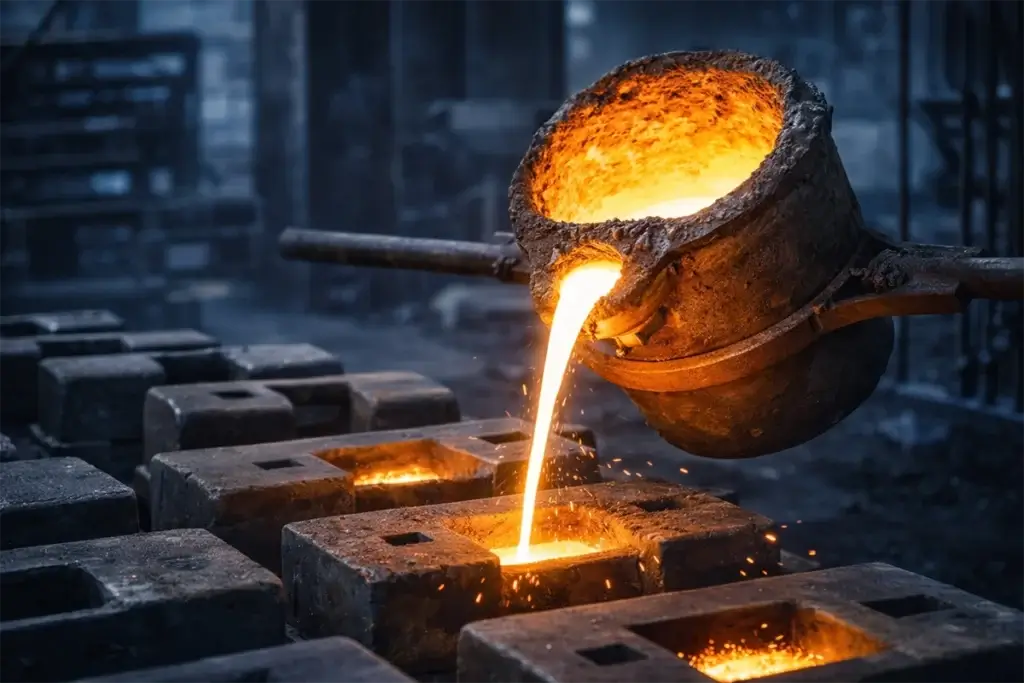
06
Foundry Industry
Foundry Industry
Equipment protection and dust filtration in foundries.
Explore solutions
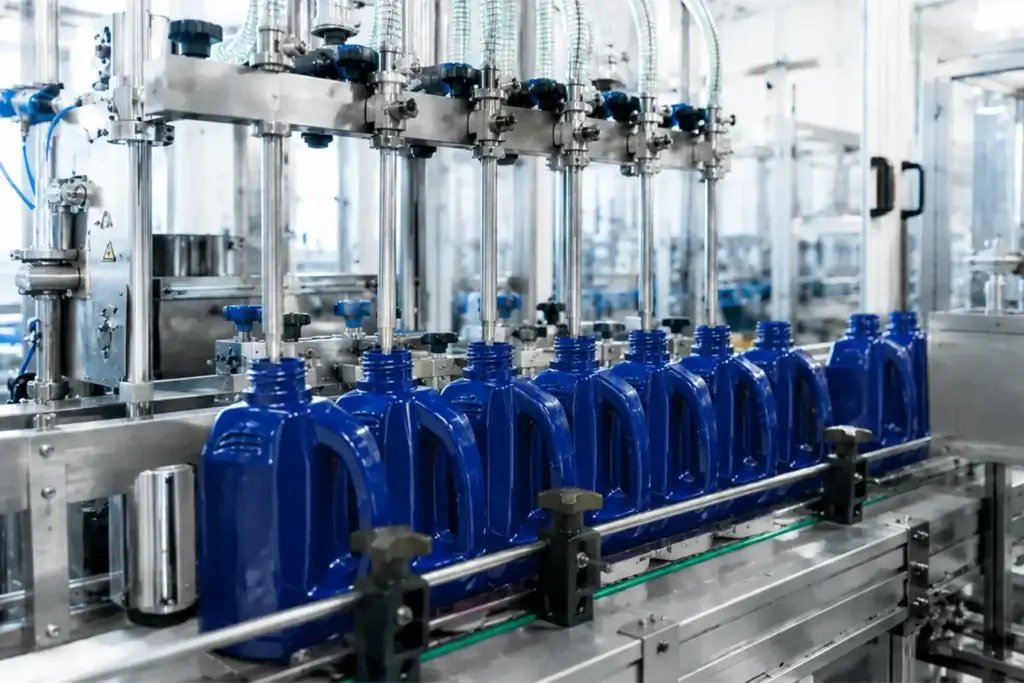
07
Industrial Oil
Industrial Oil
Filtration in industrial oil production and recovery.
Explore solutions

08
Energy and Biogas
Energy and Biogas
Maximum efficiency and turbine protection in energy and biogas.
Explore solutions
09
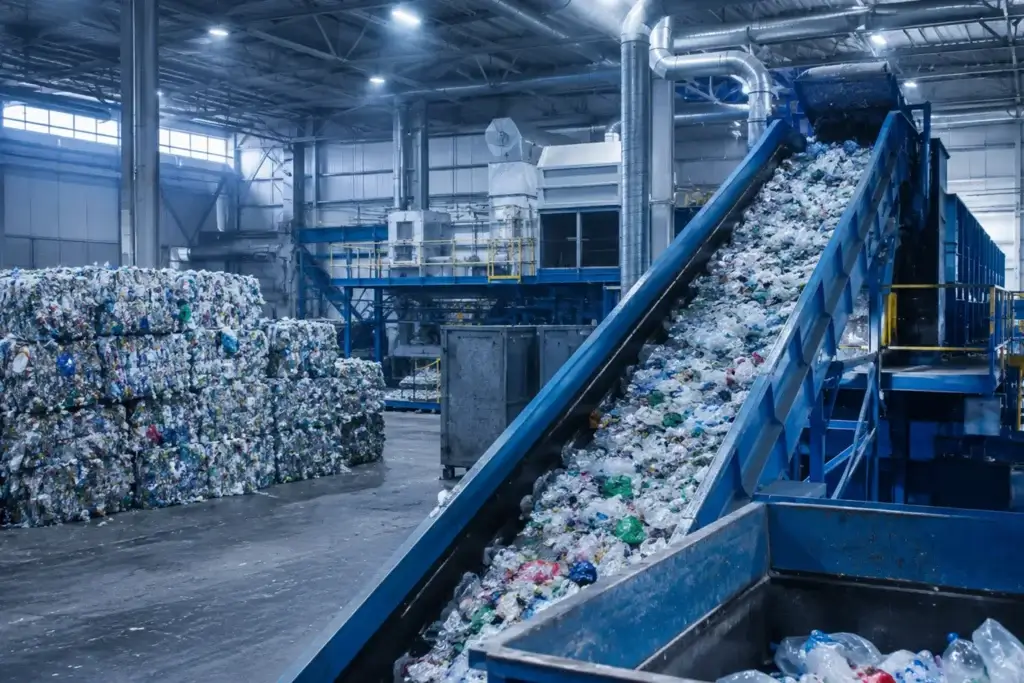
Recycling
Recycling
Filtration for efficiency and environmental compliance in recycling.
Explore solutions

10
Food and Beverage
Food and Beverage
Hygienic filtration in food and beverage.
Explore solutions

11
Pharmaceuticals and Biotechnology
GMP-compliant sterile filtration in pharmaceuticals and biotechnology.
Explore solutions
12
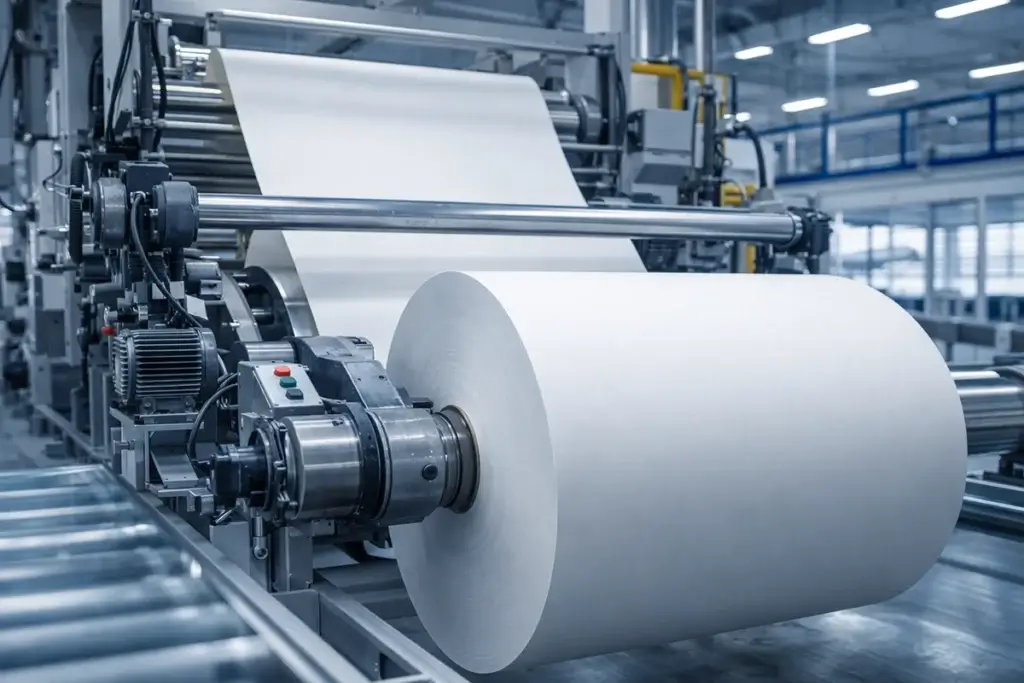
Paper and Packaging
Paper and Packaging
Process water filtration in paper and packaging.
Explore solutions

13
Chemical Industry
Chemical Industry
Corrosion-resistant, safe filtration in the chemical industry.
Explore solutions
14
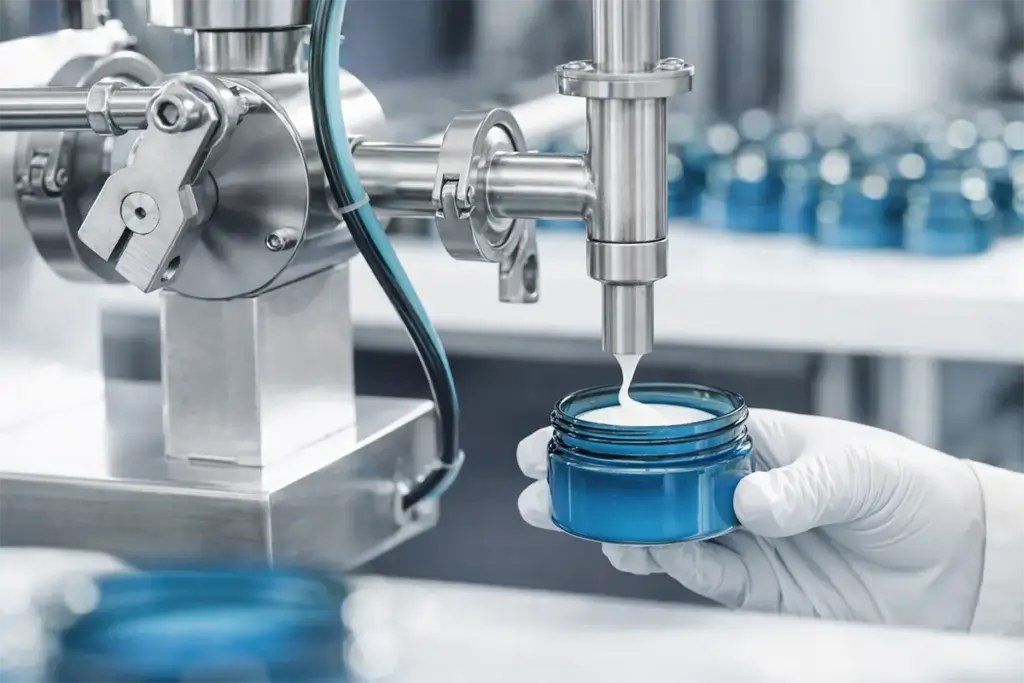
Cosmetics
Cosmetics
Microbiological safety and precision filtration in cosmetics.
Explore solutions
15
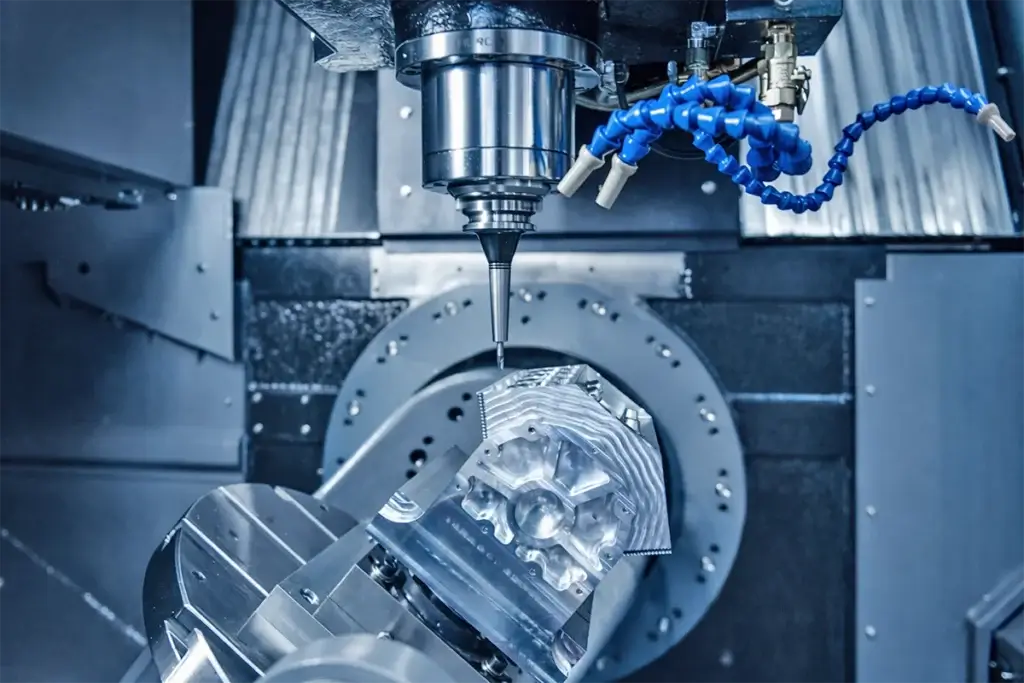
Machinery
Machinery
Precision and technical filtration in the machinery industry.
Explore solutions
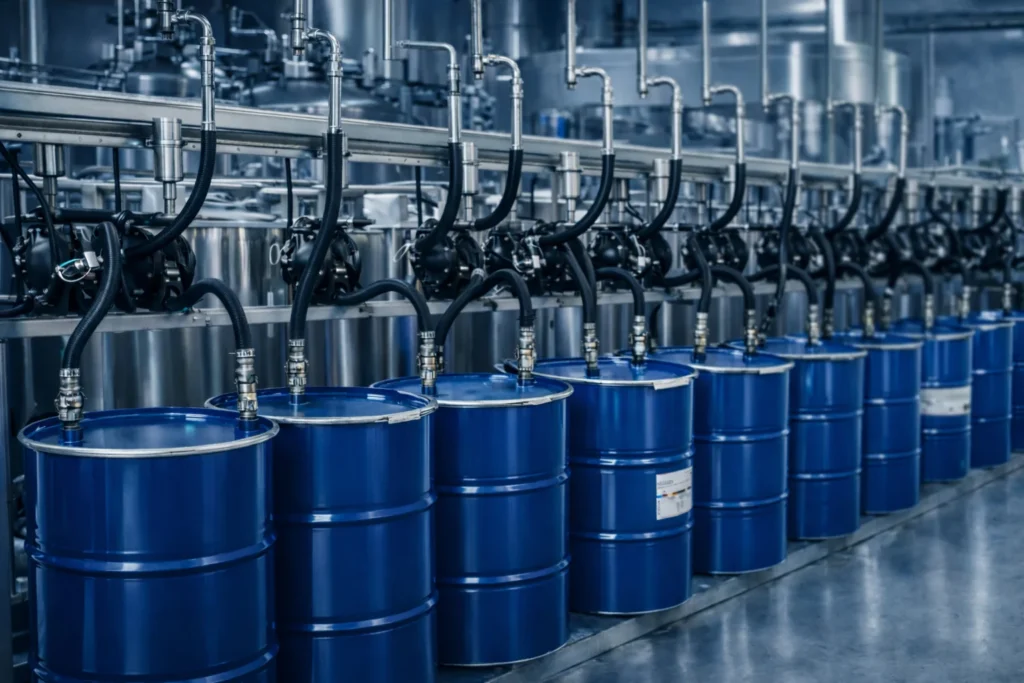
16
Printing and Ink
Printing and Ink
Flawless color and print quality in printing and ink.
Explore solutions
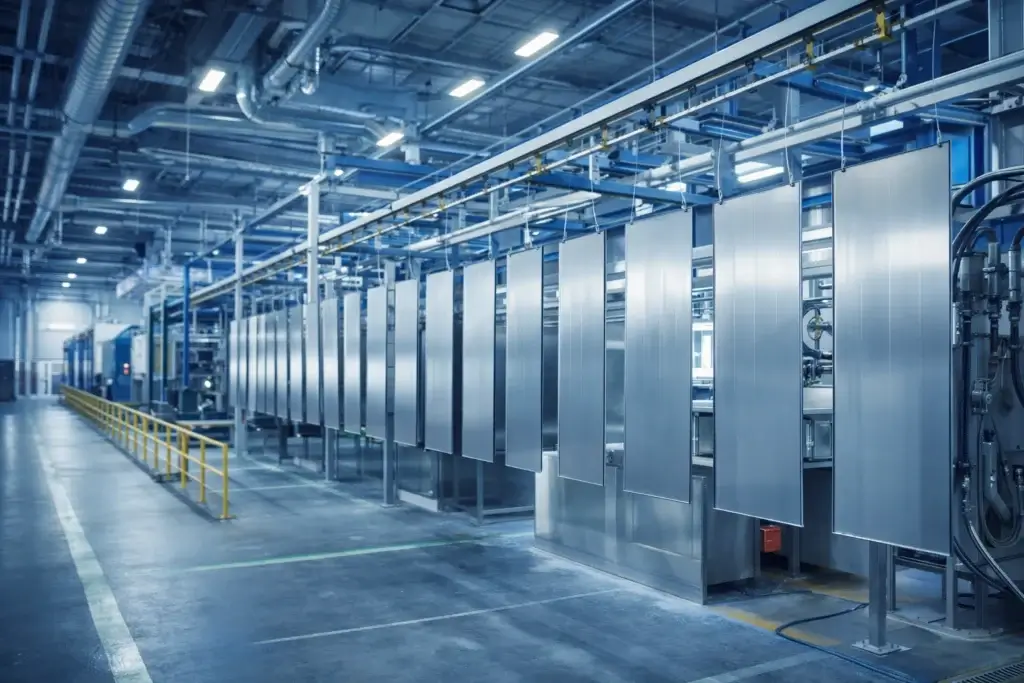
17
Metal and Surface Treatment
Flawless surfaces and bath stability in metal and surface treatment.
Explore solutions
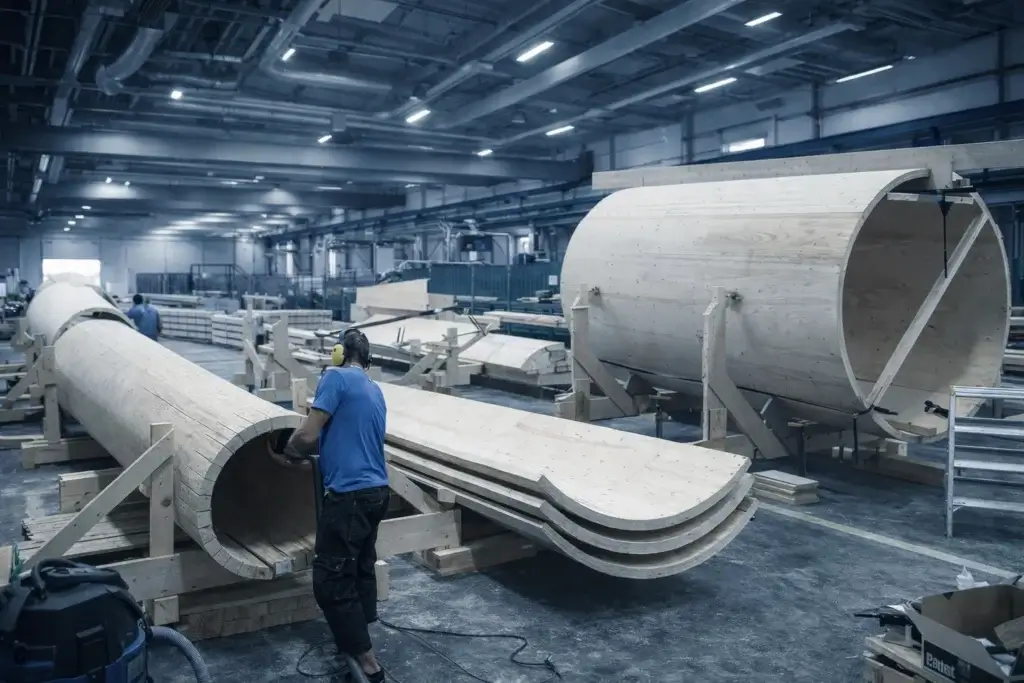
18
Forest Products
Forest Products
Resin and glue filtration in forest products and furniture.
Explore solutions
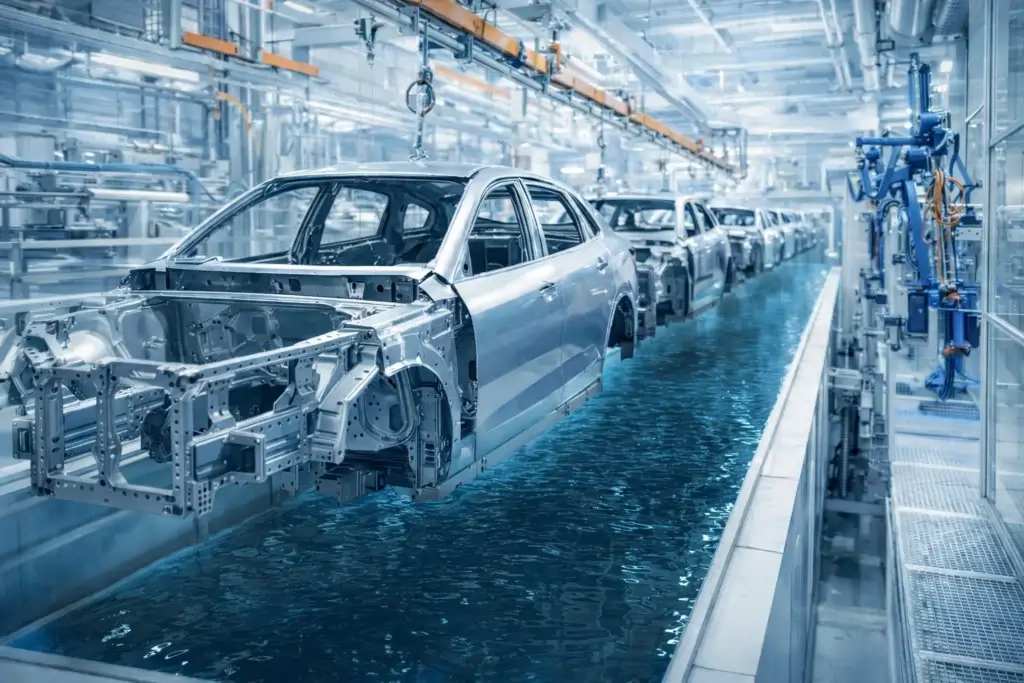
19
Automotive
Automotive
Precision process filtration for zero defects in automotive manufacturing.
Explore solutions
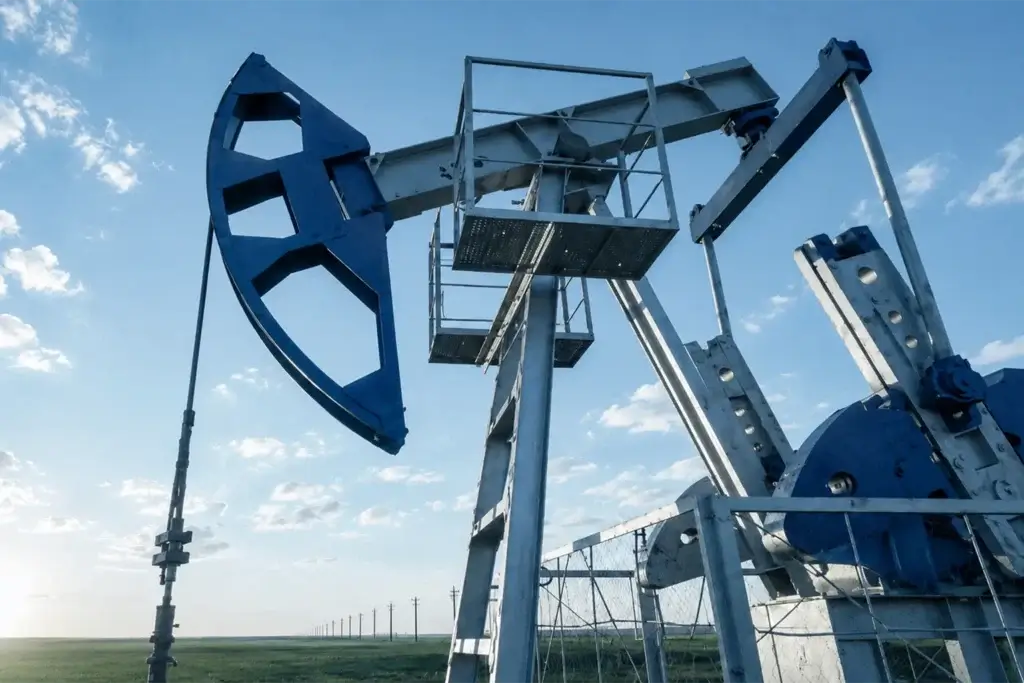
20
Oil and Petrochemicals
Equipment protection and process safety in oil and petrochemicals.
Explore solutions
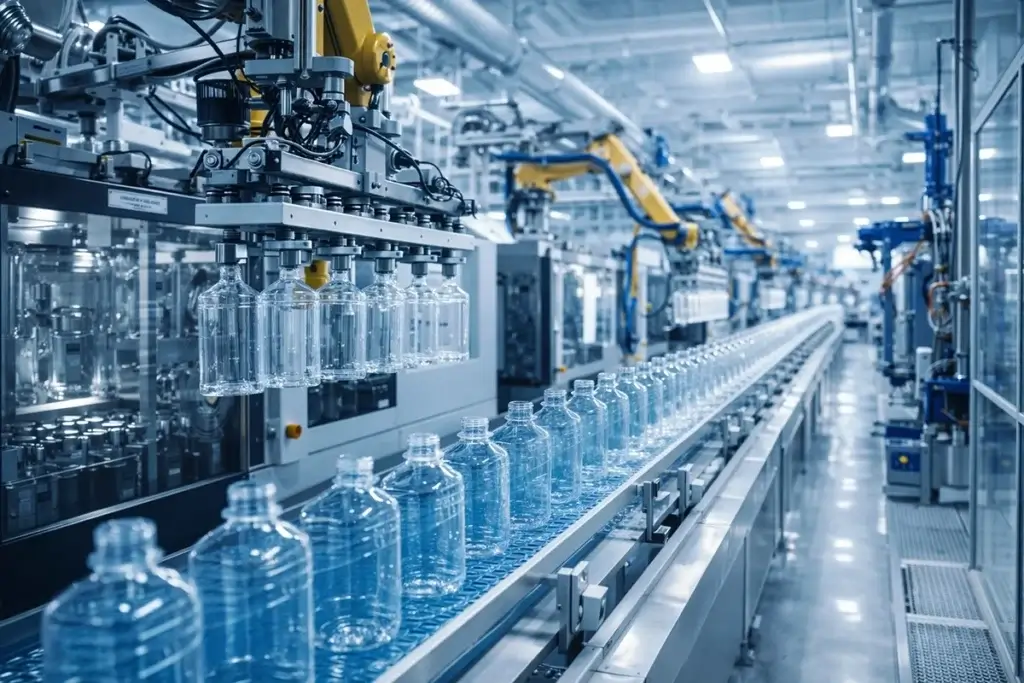
21
Plastic Packaging
Plastic Packaging
Precision process filtration and raw material purity in plastic packaging.
Explore solutions
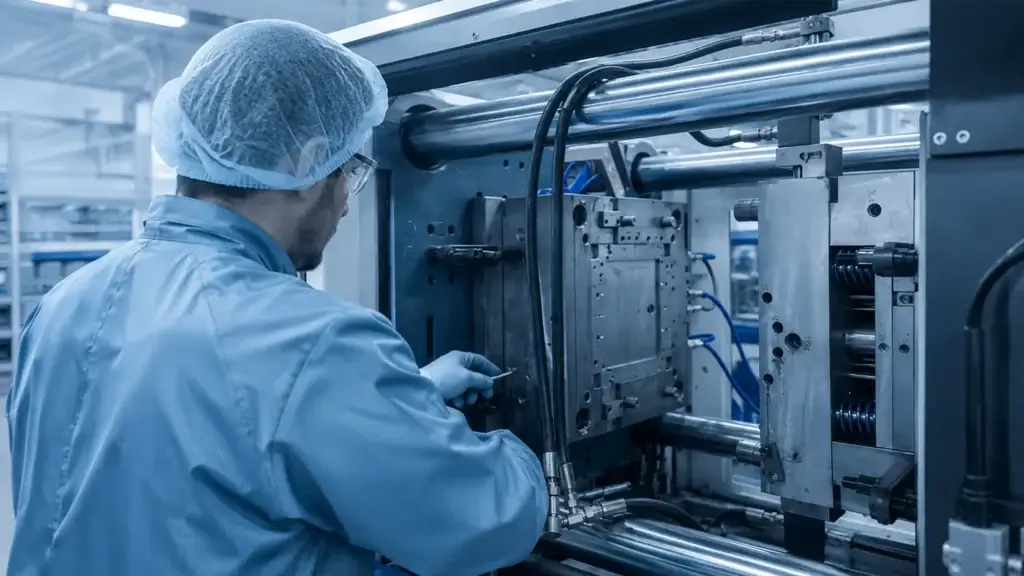
22
Plastic Injection Molding
Cooling and hydraulic filtration in plastic injection molding.
Explore solutions
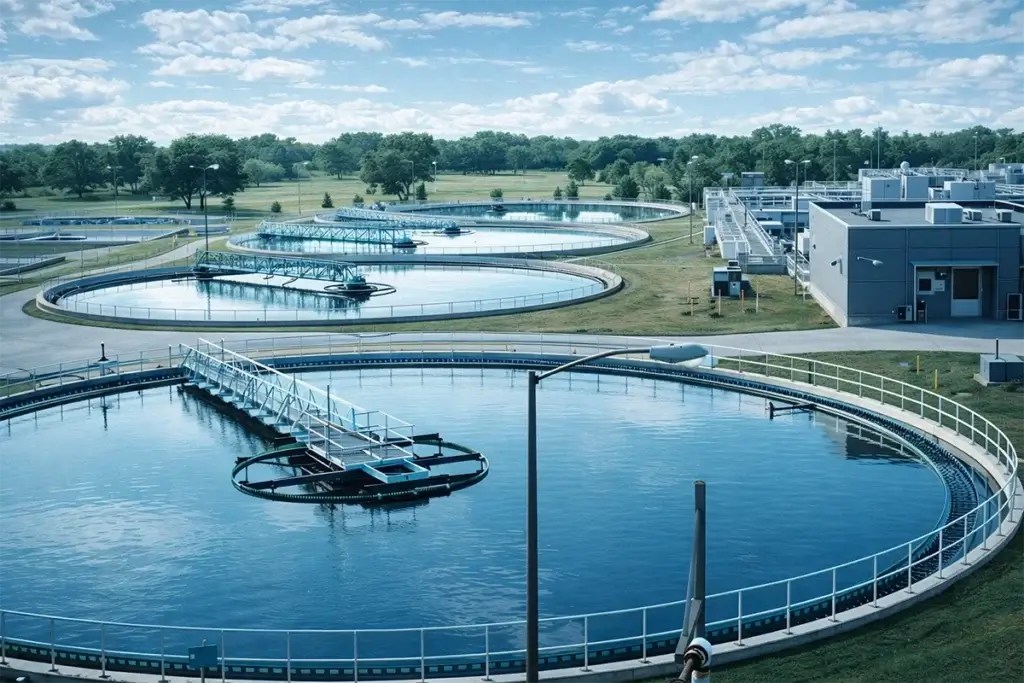
23
Water and Environment
Recovery filtration in water and environmental technologies.
Explore solutions
24
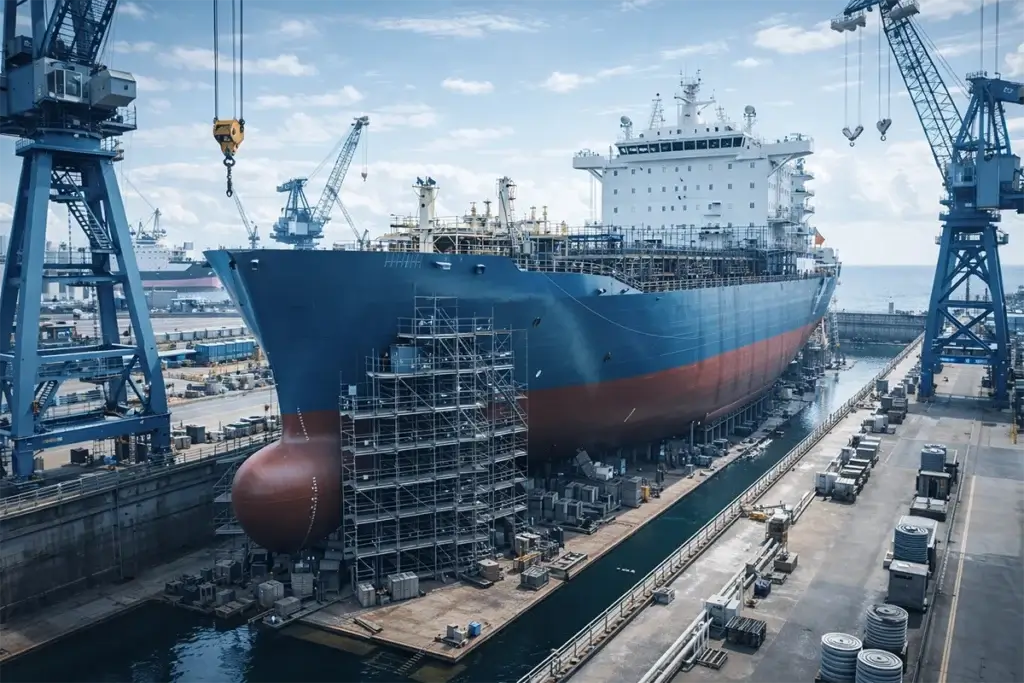
Shipyards and Marine
Operational safety and efficiency in shipyards and marine.
Explore solutions
Filter Housing Selection Technical Checklist
- Chemical Nature of the Fluid
- 316L or 904L should be chosen for chlorine, acid and aggressive salt environments; a 304L body for neutral water and low-corrosion lines.
- Operating Temperature
- Directly determines the gasket choice: EPDM for hot water, Nitrile (NBR) for oily lines, Viton or PTFE for aggressive chemicals and high-temperature lines.
- Process Flow Rate (m³/h)
- The line flow determines the single or multi-bag body model, the number of bags and the inlet/outlet pipe diameter (DN8–DN450).
- Contamination and Sediment Load
- In processes with heavy sediment and particle loads, the multi-bag model and Size 2 (810 mm) long bags maximise service life.
- Piping Connection Type
- Flange, muff, nipple, union or hygienic clamp to DIN/ANSI standards is chosen according to the existing line.
- Surface Finish and Hygiene
- For hygienic lines such as food and pharmaceuticals, buffed inner/outer surfaces and a suitable gasket are confirmed.
- Maximum Line Pressure
- Peak system pressure must be kept below the body's nominal pressure (standard PN16 / 16 bar), with protection against water hammer.
Points to Watch During Use
Maximum efficiency and service life depend on correct installation and regular maintenance. To avoid the operational risks most often seen in the field:
- Correct Placement & Seating
- The bag filter must be fully seated in the stainless support basket without folds and without leaving air pockets.
- Support Basket Check
- The 4 mm perforated sheet basket must not be dented, burred or deformed; a deformed basket can tear the bag at high pressure.
- Differential Pressure (ΔP) Monitoring
- Monitor line pressure with the standard Pakkens gauge; change the bag without delay when the differential pressure reaches 1.5 – 2 bar.
- Soft Start-Up
- Sudden pressure surges (water hammer) must be strictly avoided during first filling and when the pump starts.
- Lid Gasket & O-Ring Check
- Check the body lid gasket and O-rings at every bag change and replace them if they show hardening, wear or deformation.
- Housing Cleaning & Hygiene
- Clean chemical deposits from the stainless steel body periodically to maintain its corrosion resistance and hygiene standard.
- Choosing the Right Consumables
- Use a bag with a micron rating suited to the fluid's viscosity and temperature, and a gasket material compatible with the process.
- Engineering & Technical Support
- For special process flows, high pressure classes or aggressive chemicals, you can get verification from the Prosestim engineering team.
Products that work with this product
Bag Filter Housing
Your Questions Answered
Frequently Asked Questions
At Prosestim, we are committed to answering your questions and providing technical support for our filtration solutions.
What is a stainless steel bag filter housing and how does it work?
What does the support basket do in a bag filter housing?
The stainless basket made of 4 mm perforated sheet forms a support layer behind the bag. It stops the bag ballooning, deforming and tearing under rising differential pressure, preserving filtration efficiency. Because bag filters are made about 10 cm longer than the basket, the bag rests against the basket under pressure and is protected from bursting.
Which stainless steel grade should I choose (304 / 304L / 316 / 316L / 316Ti / 904L)?
304 and 304L are suitable for water and low-corrosion applications. Thanks to their molybdenum content, 316 and 316L give higher corrosion resistance in chemical, saline, acidic and chlorinated environments. Being titanium-stabilised, 316Ti offers extra protection against intergranular corrosion at high temperatures. With its super austenitic structure, 904L shows outstanding resistance in the most aggressive environments, such as sulphuric/phosphoric acid and severe chlorides.
What pressure can a bag filter housing withstand?
Standard production is for a PN16 (16 bar) operating pressure. Other PN classes are custom-built on request; for lower-pressure lines, the economical AISI 304 stainless Prolite filter housings with clamp lids, rated for 8 bar, are recommended.
How long does a bag filter take to fill, and how often is it changed?
How long does the stainless body last?
Which micron ratings can I use for the bag?
Bag filters are used over a wide precision range from 1 to 1,500 µm (1–200 µm for felt bags, 25–1,500 µm for monofilament bags). We also offer special 3-layer bag filters with a precision of 0.5–0.8 µm. The lower the micron rating, the higher the filtration precision and the lower the flow rate.
What is the difference between single and multi-bag filter housings?
A single housing holds one bag and is for low to medium flow. Multi-bag housings combine 2–8 or more bags in one body, multiplying total capacity.
When should I replace the bag filter?
Which industries is it used in?
It is used across a wide range of sectors, including chemicals and petrochemicals, water treatment, paints and coatings, pharmaceuticals and cosmetics, hydraulic oils, textiles, cement, iron and steel, and food and beverage. For processes that require hygiene, a body with a buffed, smoothed inner surface is preferred.
Which gasket material should I choose?
Nitrile (NBR) suits liquids containing oils and hydrocarbons, EPDM water and hot applications, Viton (FKM) chemical and high-temperature oily environments, PTFE aggressive chemicals, and silicone food and general-purpose applications.
Is a bag filter housing or a cartridge filter housing more suitable?
Do you manufacture with custom dimensions and connections?
Bag Filter Housing RFQ Configurator
Configure your variation dimensions and technical specifications to receive an instant quote directly on WhatsApp and via email.