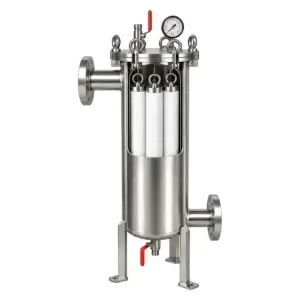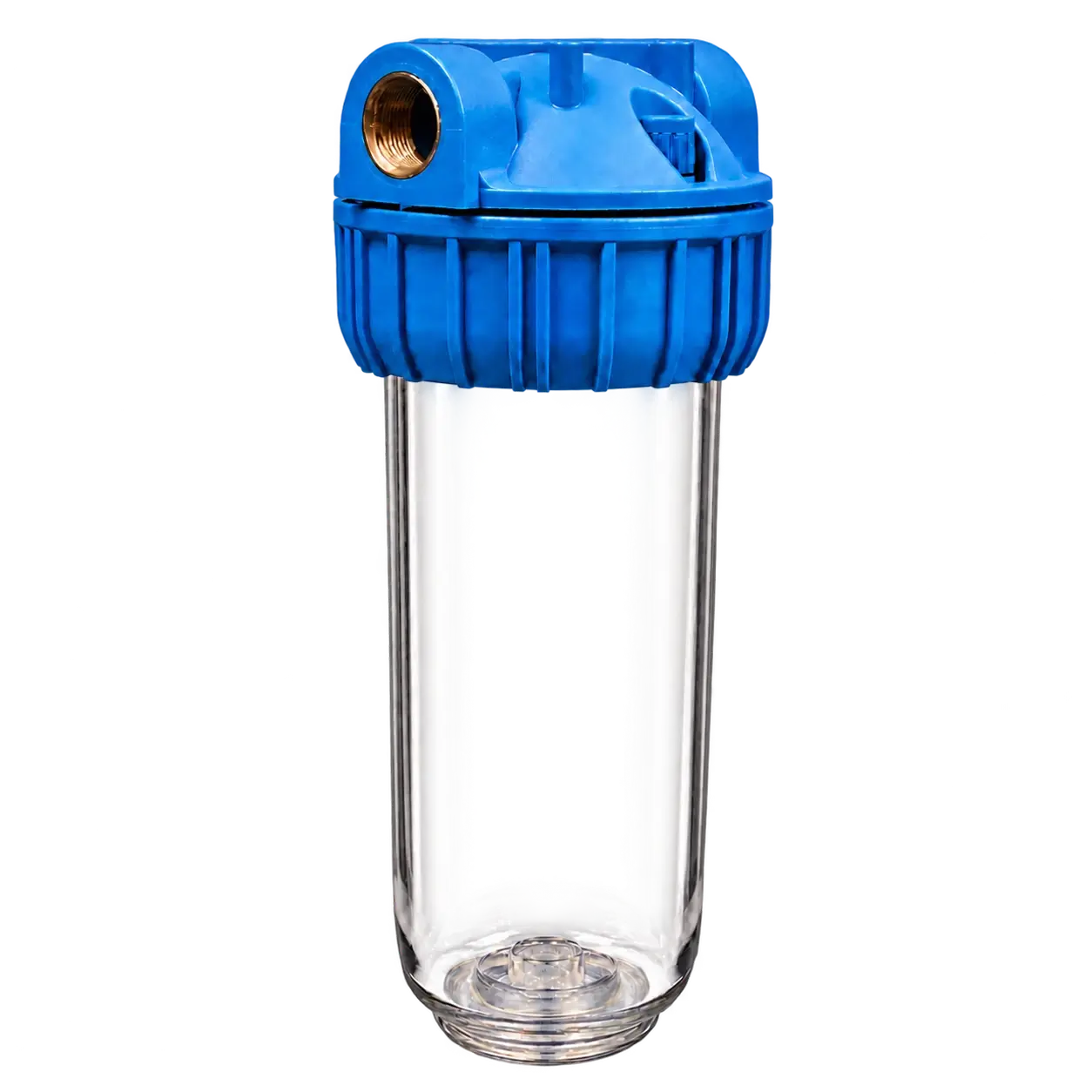
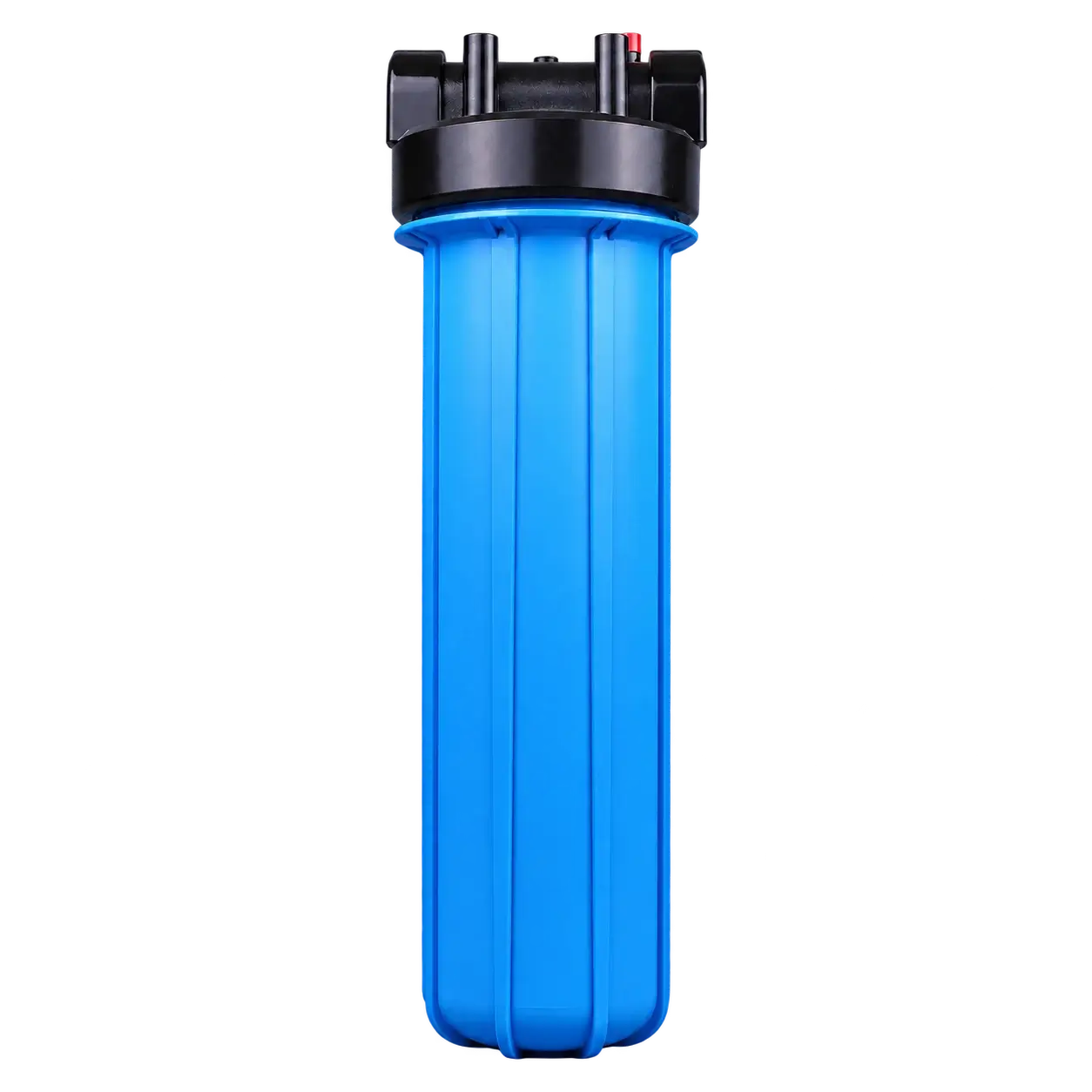
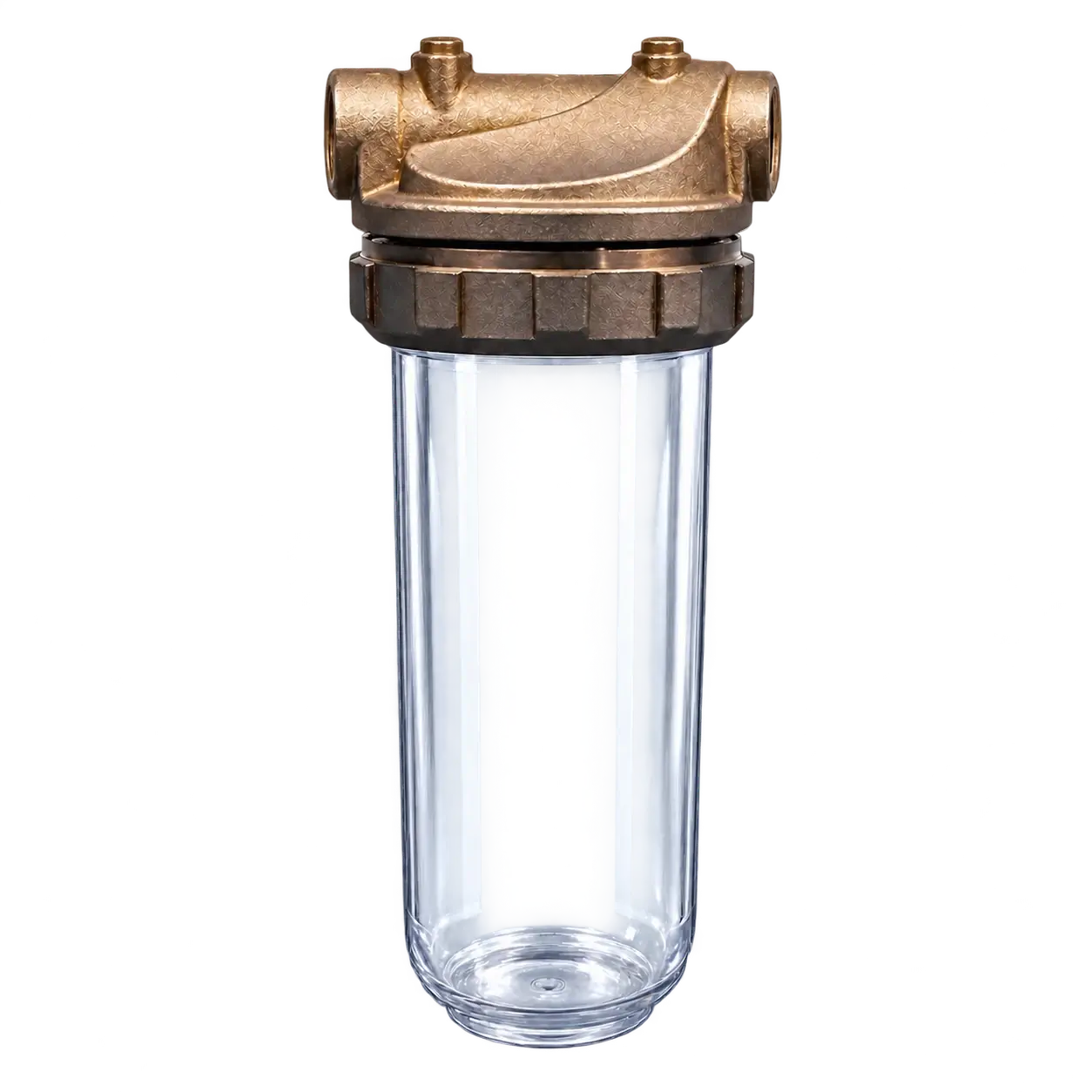
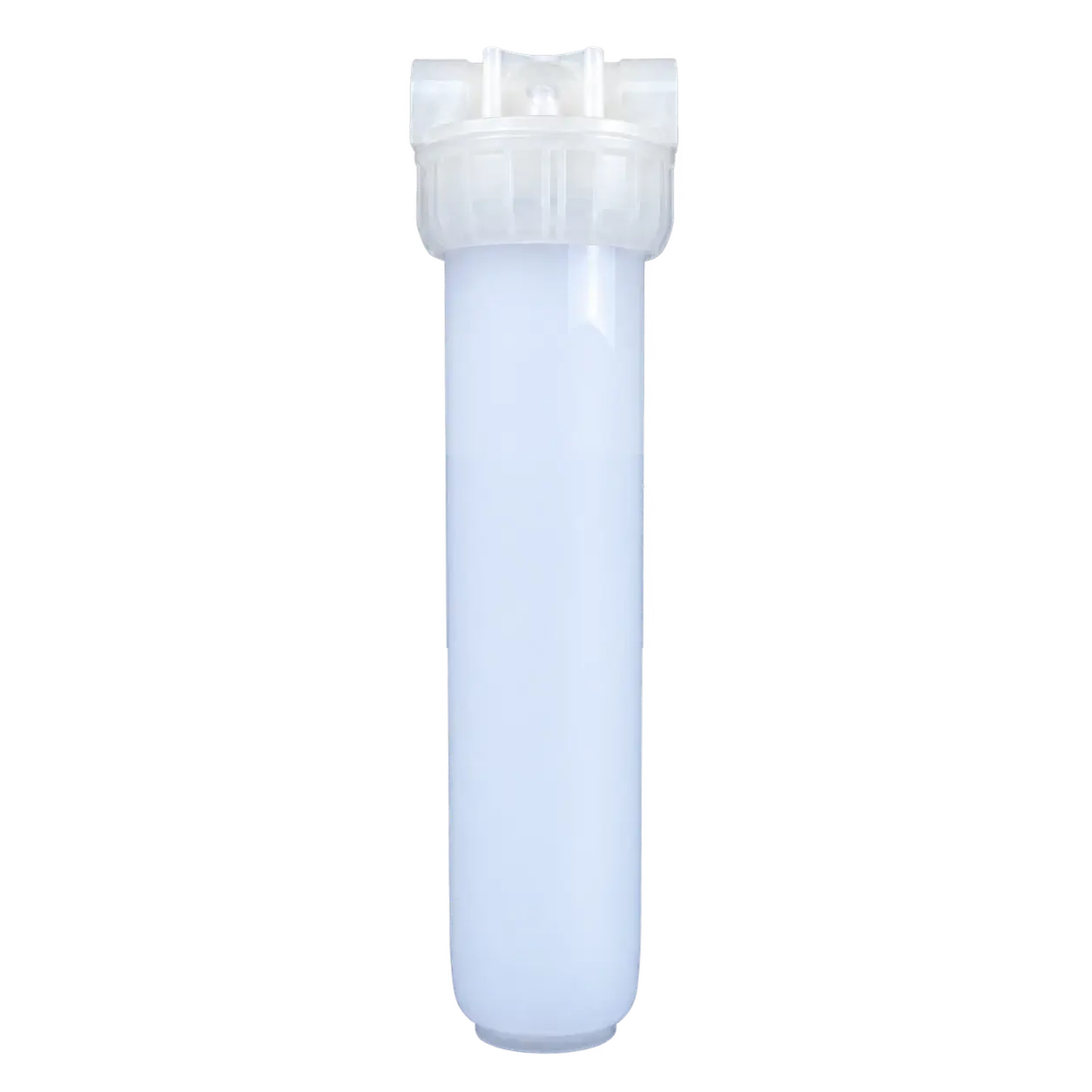
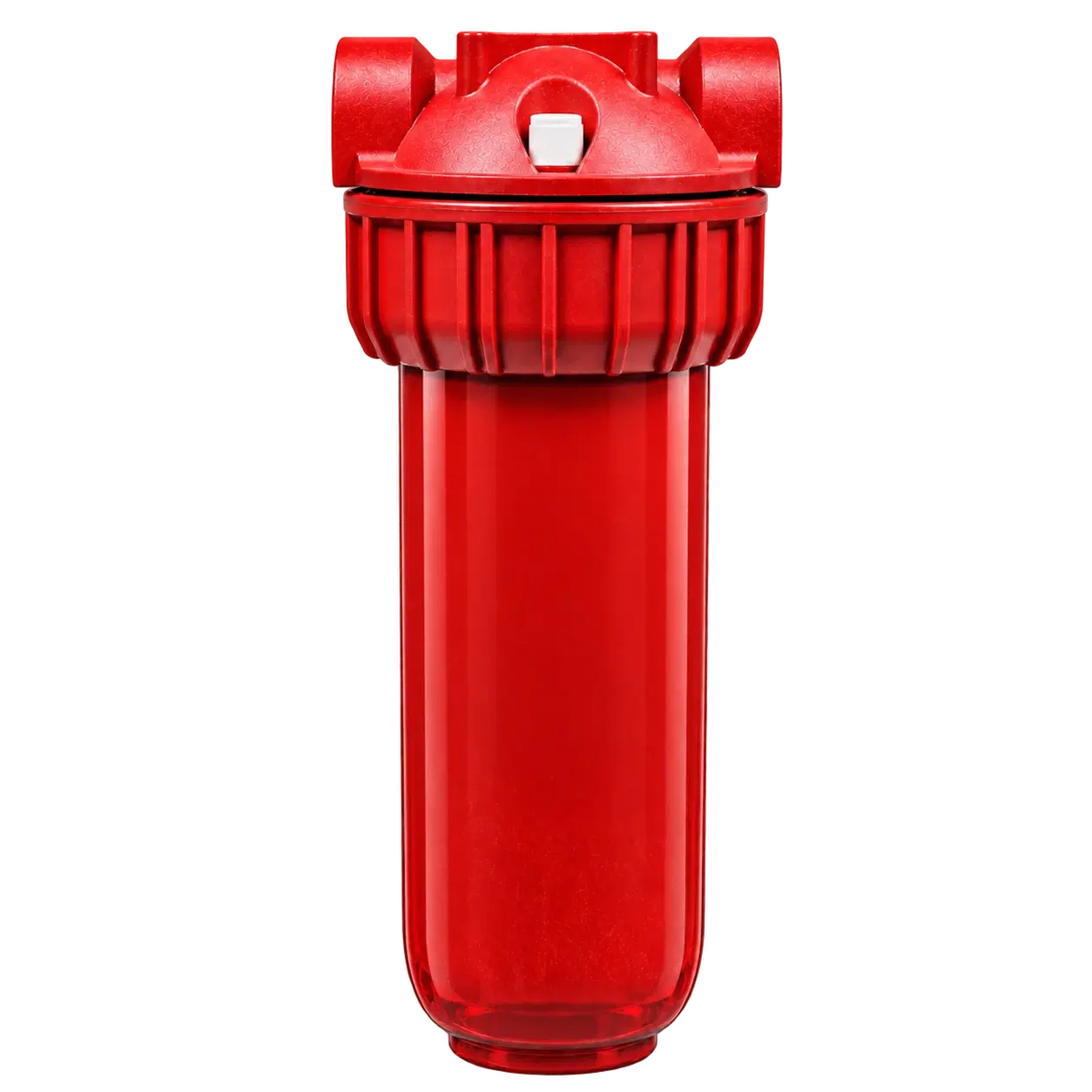
Plastic Cartridge Filter Housing (Transparent Housing)
5", 10" and 20" Lengths · Standard and Big Diameters · 4 Housing Types
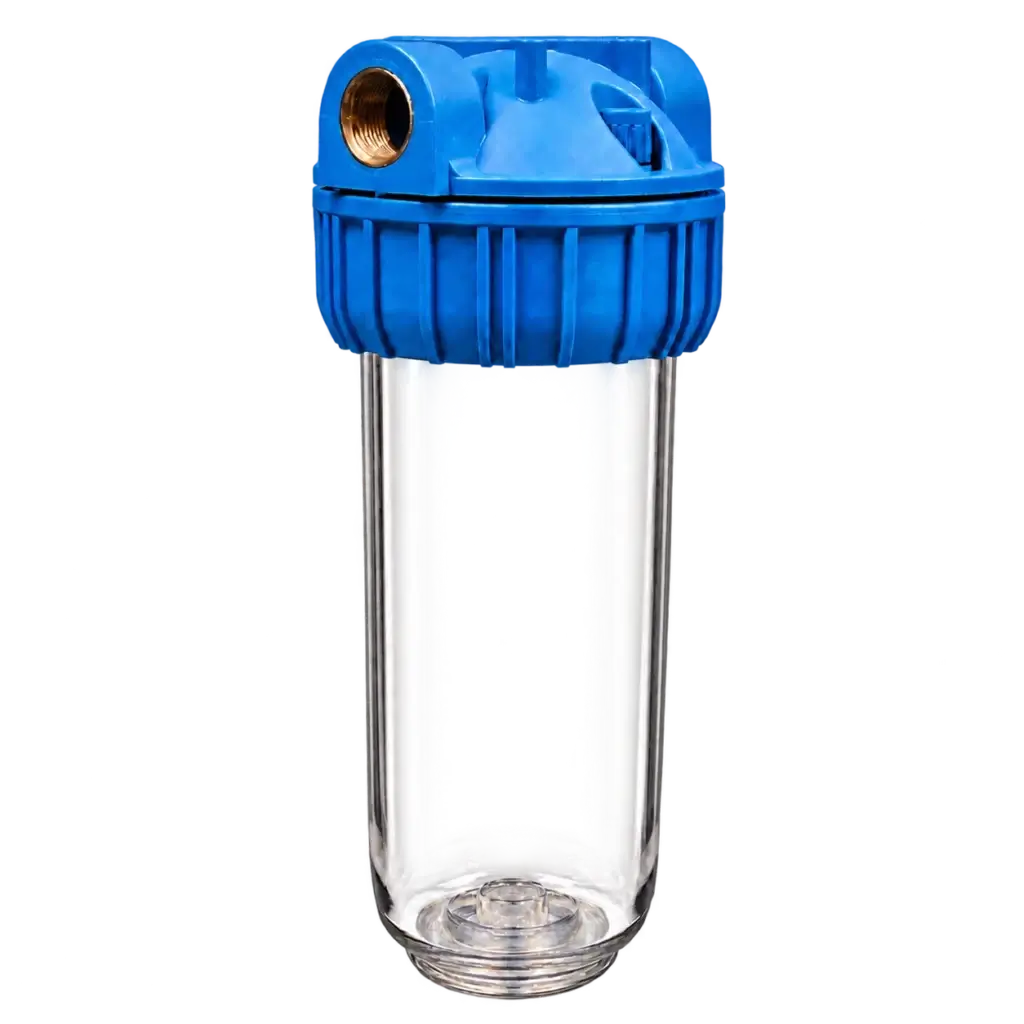
A plastic cartridge filter housing holds the filter cartridge under pressure in industrial water and process lines and has a bowl made of transparent plastic; in the industry it is also known as a “clear housing”. Thanks to the transparent bowl, cartridge loading and flow can be monitored from outside without stopping the line or opening the housing.
5" · 10" · 20"
Standard · Big
1/4" – 1"
NBR gasket · 8 bar · 45 °C
What Is a Plastic Cartridge Filter Housing and How Does It Work?
A plastic cartridge filter housing is a three-part vessel that holds the cartridge under pressure and forces the fluid to pass through it: the head (cap), the transparent bowl and the sealing gasket between them. The cartridge does the filtering; the filter housing ensures the correct flow direction and sealing.
Why a transparent bowl? On industrial lines, knowing when the filter will clog is the easiest way to prevent unplanned downtime. The transparent bowl shows the cartridge’s loading level, air bubbles and flow without stopping the line. Cartridge changes can then be planned by actual loading rather than by the calendar, reducing both cartridge waste and the efficiency loss caused by pressure drop.


Advantages of the Plastic Cartridge Filter Housing
The key difference of the transparent bowl is that the cartridge can be monitored without stopping the line or opening the housing:
- Maintenance Based on Actual Loading
- Plan cartridge changes by actual loading, reducing unplanned downtime and unnecessary cartridge consumption.
- Easy Commissioning
- Easy checks for leaks, air and flow after commissioning.
- Choosing the Right Micron Rating
- Seeing the particle load lets you choose the right micron rating.
- One Product Family, 4 Housing Types
- One product family for cold water, high pressure, hot fluids and chemical lines; simpler spare parts and stock management.
- Three-Part Design
- The head stays fixed on the line; only the bowl is removed to change the cartridge.
Housing Types and Technical Specifications
The Prosestim plastic cartridge filter housing comes in four types: Standard, Pressure-Resistant, Heat-Resistant and Acid-Resistant. The housing type is chosen according to line pressure and the temperature and chemical nature of the fluid.
Single Transparent Bowl
Single-cartridge design with a transparent bowl; the cartridge's condition can be monitored from outside without stopping the line.
5" · 10" · 20" Lengths
Capacity to suit your line with Standard and Big diameter options.
4 Housing Types
Standard, Pressure-Resistant, Heat-Resistant and Acid-Resistant.
- For line pressures above 8 bar, choose the Pressure-Resistant housing or fit a pressure reducer upstream of the filter housing. Pump start/stop and sudden valve closures (water hammer) can multiply the momentary pressure.
- Do not use the Standard housing for fluids above 45 °C; choose the Heat-Resistant housing instead.
- Do not use the Standard housing for fluids containing acids, solvents or chemicals; choose the Acid-Resistant housing.
- No housing type should be used where there is a risk of freezing; frozen fluid can crack the plastic bowl and cause leaks.
- Standard Housing
- For cold water and chemical-free process water. Pre-filtration, protection upstream of RO/UF, machine feed water. NBR gasket.
- Pressure-Resistant Housing
- For high or fluctuating line pressure. Pump and booster outlets, pressure washing, dosing lines.
- Heat-Resistant Housing
- For warm and hot fluids. Hot process water, boiler feed, cooling tower return, pre-CIP.
- Acid-Resistant Housing
- For acidic and chemical-containing fluids. Galvanising/plating baths, surface treatment, chemical dosing and transfer.
*Please consult our technical team for the maximum pressure and temperature ratings of the Pressure-, Heat- and Acid-Resistant housings and for the chemicals the Acid-Resistant housing is suitable for; request a quote with your application details.
Length and Diameter Options: 5", 10", 20" and Standard / Big
The length determines the length of the cartridge to be fitted, and the diameter determines the cartridge’s outer diameter and therefore its dirt-holding capacity. A short, narrow filter housing fits on machines and in tight panels; a long, wide filter housing gives higher flow, lower pressure drop and less frequent cartridge changes.
- 5" Length
- Machine-mounted protection, sampling and measurement lines, low-flow dosing. The smallest volume; fits inside panels and skids.
- 10" Length
- Process pre-filtration, protection upstream of RO/UF, equipment feed. The size for which replacement cartridges are easiest to find.
- 20" Length
- Main supply lines, high-sediment water, continuously running lines. Twice the filter surface, less downtime.
- Standard Diameter
- Takes cartridges with an outer diameter of about 2.5"–2.875". For low to medium flow, single equipment or line feed.
- Big Diameter
- Takes cartridges with an outer diameter of about 4.5". For high flow, heavy particle loads, main lines and plant inlets.
Compatible Cartridges: Gasket and O-Ring Types
Prosestim plastic cartridge filter housings accept cartridges with two end types. When choosing a cartridge, check that the end type, as well as the length and diameter, is compatible with the filter housing. The main cartridge types that can be fitted:
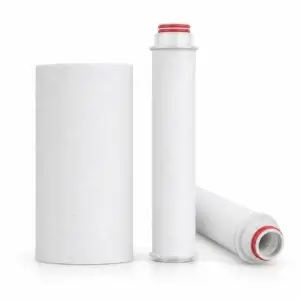
- Melt Blown Cartridge Filter
- Retains sand, rust, welding spatter and suspended solids; usually 1–50 microns.
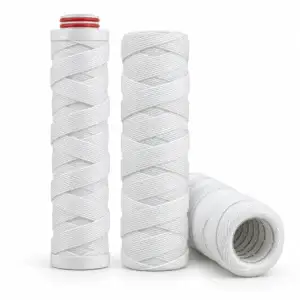
- String-Wound Cartridge Filter
- High solids and sediment retention thanks to its graded-depth wound structure.
- Pleated Cartridge Filter
- Large filter surface, low pressure drop and fine filtration.
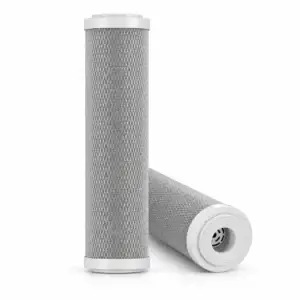
- Activated Carbon Cartridge Filter
- Removes chlorine and organics with block or granular carbon; protects RO membranes from chlorine.
- PP Washable Cartridge Filter
- An element that can be cleaned by backwashing and reused many times; lowers operating costs.
- Stainless Steel Cartridge Filter
- Washable, long-lasting cartridge with a stainless wire mesh body.
- Special Media Cartridges
- Cartridges filled with iron-manganese media, resin or selective adsorbents.
Inlet/Outlet Sizes and Connection Types
The inlet/outlet size should match the thread size of the line the filter housing connects to. The larger the size, the higher the flow and the lower the pressure drop.
- Muff Connection
- The port on the head is internally threaded. A male-threaded union or nipple at the end of the line screws into the head. This is the most common type in piping.
- Nipple Connection
- A threaded end projects from the head. It connects directly to a female-threaded muff, union or valve, reducing the number of fittings and potential leak points.
- Plastic Thread
- Does not corrode and avoids metal contact in chemical lines; the most compatible option with plastic piping (PVC, PP) and the Acid-Resistant housing. Sensitive to overtightening; use PTFE tape and controlled tightening.
- Metal Thread
- Higher thread strength when connecting to metal pipes and valves; reduces thread wear on lines that are frequently dismantled or subject to vibration. Preferred for pump outlets and the Pressure-Resistant housing.
Sealing: O-Ring vs. Gasket Cartridge
- Gasket Cartridge (DOE – Flat End)
- Both ends are open, with flat gaskets at the ends. The cartridge is compressed between the head and the bottom of the bowl and seals at its end gaskets. Preferred for general-purpose pre-filtration, coarse particles and economical operation.
- O-Ring Cartridge (SOE)
- One end is closed; the open end has an adapter carrying O-rings. The O-rings seat in the socket in the head, so the risk of bypass is lower. Preferred for fine micron ratings, protection upstream of membranes (RO/UF) and critical process lines.
Industry Applications
The plastic cartridge filter housing is used on industrial water and process lines where particle control and equipment protection are critical; the housing type is chosen according to the line’s pressure, temperature and fluid:
01
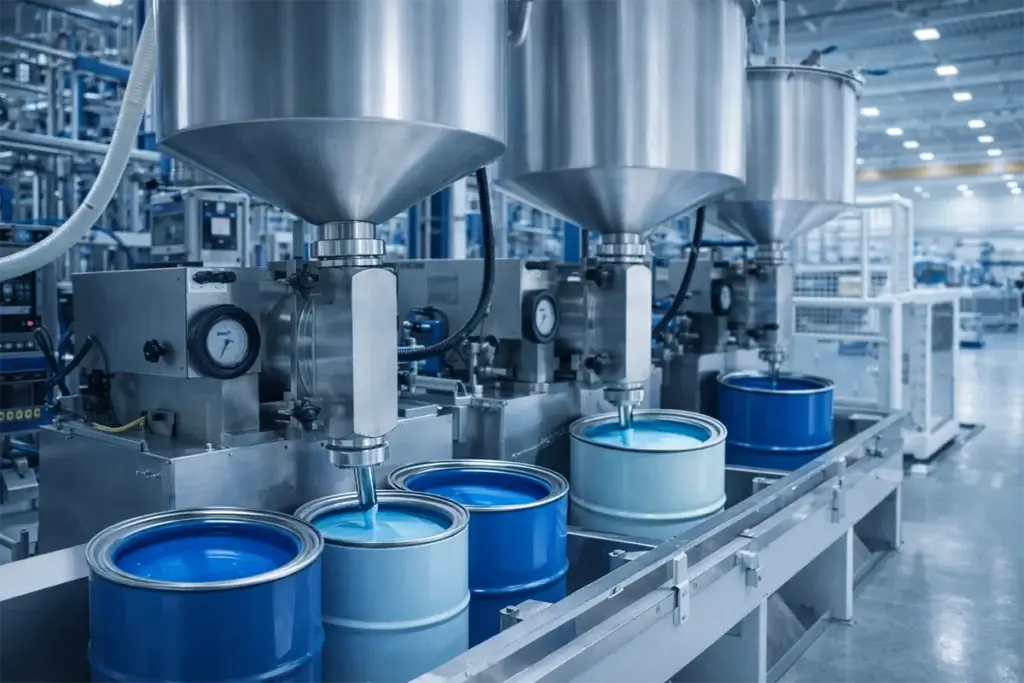
Paint Industry
Paint Industry
Surface quality and pigment filtration in the paint industry.
Explore solutions

02
Energy and Biogas
Energy and Biogas
Maximum efficiency and turbine protection in energy and biogas.
Explore solutions

03
Food and Beverage
Food and Beverage
Hygienic filtration in food and beverage.
Explore solutions

04
Chemical Industry
Chemical Industry
Corrosion-resistant, safe filtration in the chemical industry.
Explore solutions
05
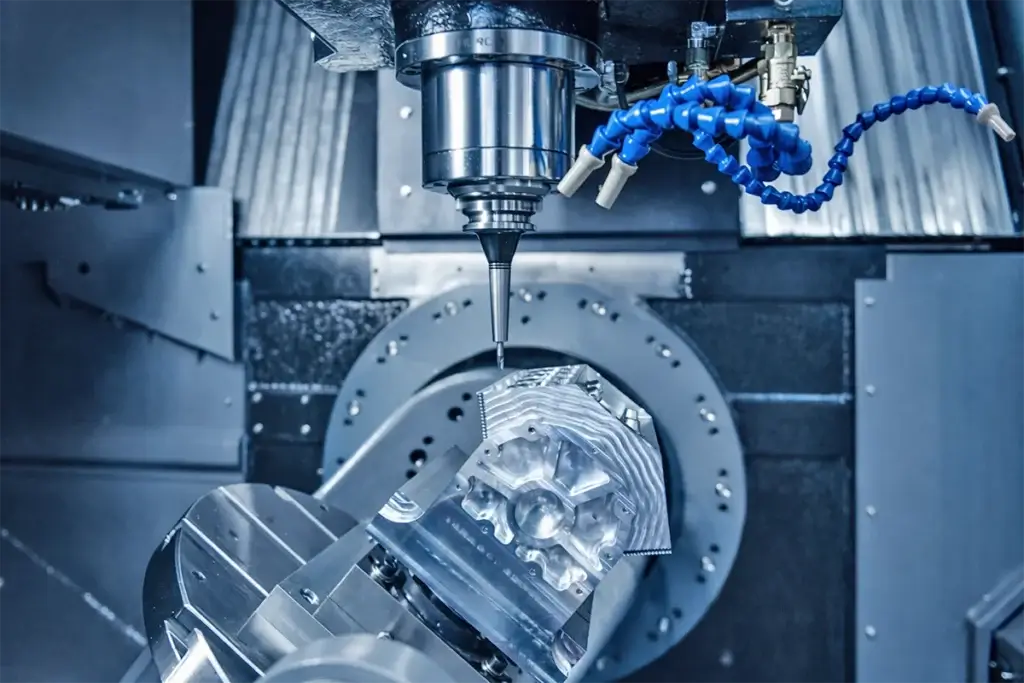
Machinery
Machinery
Precision and technical filtration in the machinery industry.
Explore solutions
06
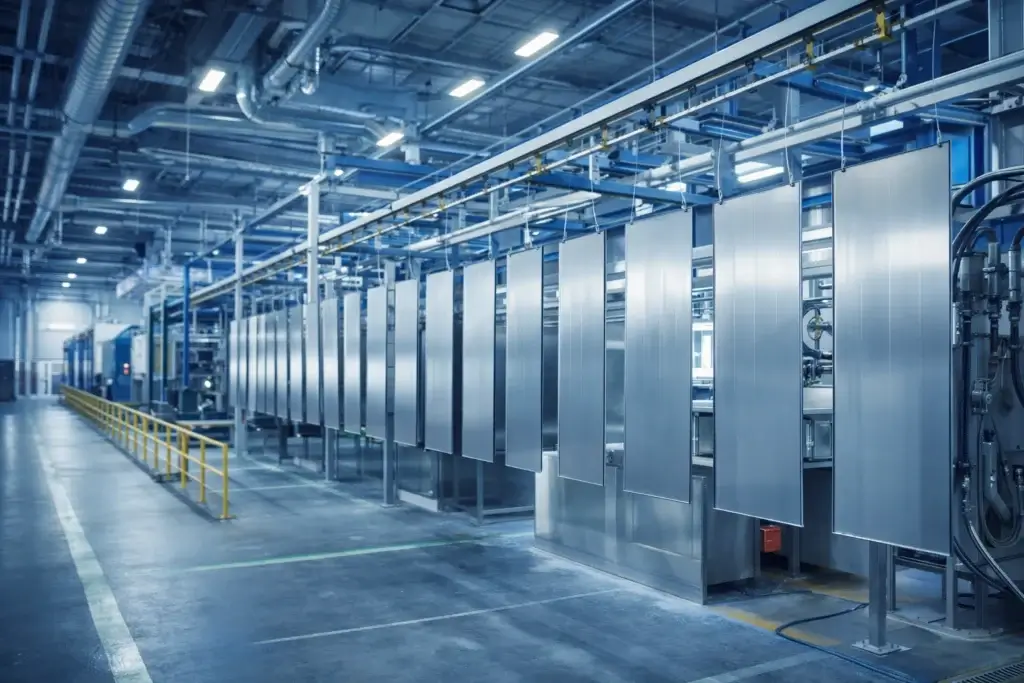
Metal and Surface Treatment
Flawless surfaces and bath stability in metal and surface treatment.
Explore solutions

07
Automotive
Automotive
Precision process filtration for zero defects in automotive manufacturing.
Explore solutions
08
Water and Environment
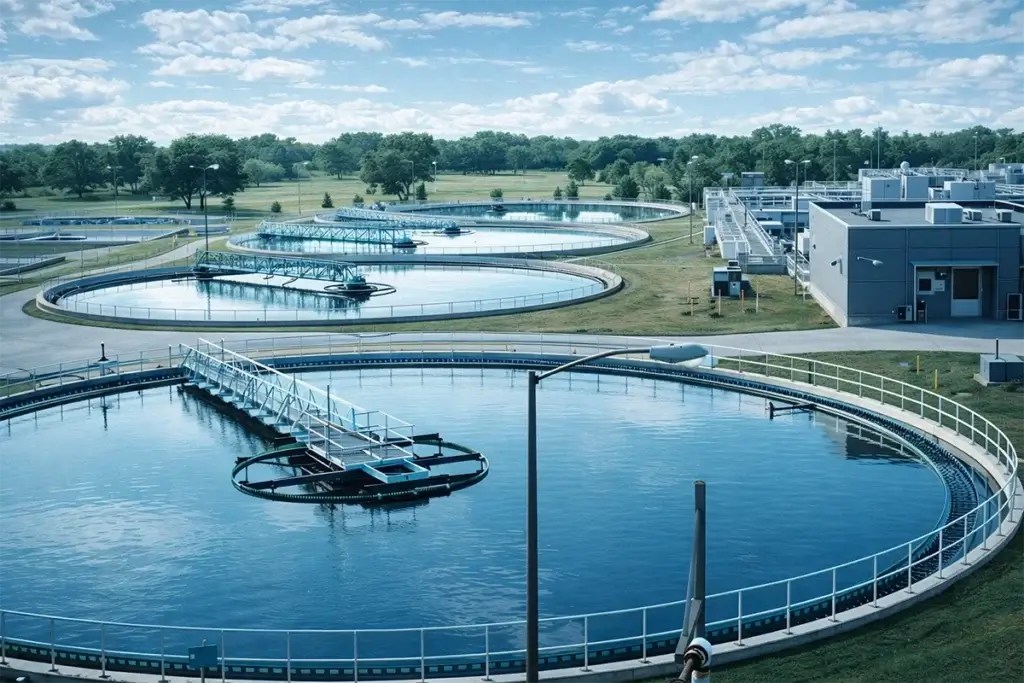
Recovery filtration in water and environmental technologies.
Explore solutions
Engineer's Note
- Senior Process Engineer
- 15+ Years of Field Experience
- Field-Test Approved
Choosing the housing type
When to choose it
When not to choose it
Application and Selection Criteria
- Protection from Sunlight
- Do not install in direct sunlight; if necessary, use a UV-blocking cover or enclosure.
- Correct Cleaning
- Clean the bowl only with lukewarm water and mild detergent; do not use solvents whose compatibility has not been verified.
- Controlled Tightening
- Use no tool other than the housing wrench; overtightening strains the bowl thread.
How to Choose the Right Plastic Cartridge Filter Housing (7 Steps)
The right filter housing is chosen by considering line pressure, the fluid’s temperature and chemical nature, pipe size, flow requirement and the cartridge to be used together.
- 1. Identify the fluid
- Standard housing for chemical-free water and process water; Acid-Resistant housing for acidic or chemical-containing fluids.
- 2. Measure the line pressure
- If pressure exceeds 8 bar or fluctuates because of a pump, choose the Pressure-Resistant housing or add a pressure reducer to the line.
- 3. Check the temperature
- Use the Heat-Resistant housing for fluids above 45 °C.
- 4. Determine the pipe size
- Match the inlet/outlet to the existing line: 1/4", 3/8", 1/2", 3/4" or 1".
- 5. Choose the diameter by flow
- Standard diameter for single equipment and low flow; Big diameter for main lines and high flow.
- 6. Choose the length by space and service interval
- 5" for panels and machine mounting; 10" for general process use; 20" for continuously running lines with high particle loads.
- 7. Match the connection and cartridge
- If your line end is male-threaded, choose a housing with a muff (female) connection; if it will connect to a female-threaded fitting, choose a nipple housing. Check whether the cartridge has gaskets or O-rings and confirm length/diameter compatibility.
Quick selection table
| Requirement | Recommended combination |
|---|---|
| Protection upstream of RO/UF membranes | Standard housing · 10″/20″ · 3/4″–1″ · O-ring cartridge |
| Main line after a pump / booster | Pressure-Resistant housing · 20″ Big · 1″ · metal thread |
| Boiler feed or hot process water | Heat-Resistant housing · size to suit the line |
| Galvanising, plating, chemical transfer | Acid-Resistant housing · plastic thread · size to suit the line |
| Cooling tower side-stream filtration | Standard or Heat-Resistant housing · 20″ Big · 1″ |
| Well / source water, heavy sand | Standard housing · 20″ Big · 1″ · pleated cartridge |
| Analyser and sampling line | Standard housing · 5″/10″ Standard · 1/4″–3/8″ |
Not sure which housing suits your line? Get free support and a price quote from our technical team.
Installation Steps
Correct installation and regular gasket maintenance prevent most leak complaints. Installation steps:
- Release the Pressure
- Close the main valve and release the line pressure by opening a tap.
- Set the Flow Direction
- Position the IN and OUT arrows on the head according to the direction of water flow.
- Prepare the Threads
- Wrap the threads with 5–8 turns of PTFE tape; hand-tighten the connection and then tighten by no more than a further quarter turn with a wrench.
- Secure with a Bracket
- Fix the filter housing with a wall bracket; the weight of the pipe must not load the head.
- Leave Service Clearance
- Leave at least 5–10 cm of clearance below the bowl for cartridge changes.
- Commission Gradually
- Open the valve slowly, bleed the air and check the connections for leaks for 10 minutes.
Products that work with this product
Plastic Cartridge Filter Housing
Your Questions Answered
Frequently Asked Questions
At Prosestim, we are committed to answering your questions and providing technical support for our filtration solutions.
What is a plastic cartridge filter housing used for?
Is there a difference between a filter housing and a filter vessel?
Which housing type should I choose?
What pressure can the filter housing withstand?
Can it be used on a hot water line?
Can it be used with acidic or chemical liquids?
What is the difference between Standard and Big filter housings?
What is the difference between a gasket cartridge and an O-ring cartridge?
Plastic Cartridge Filter Housing RFQ Configurator
Configure your variation dimensions and technical specifications to receive an instant quote directly on WhatsApp and via email.