
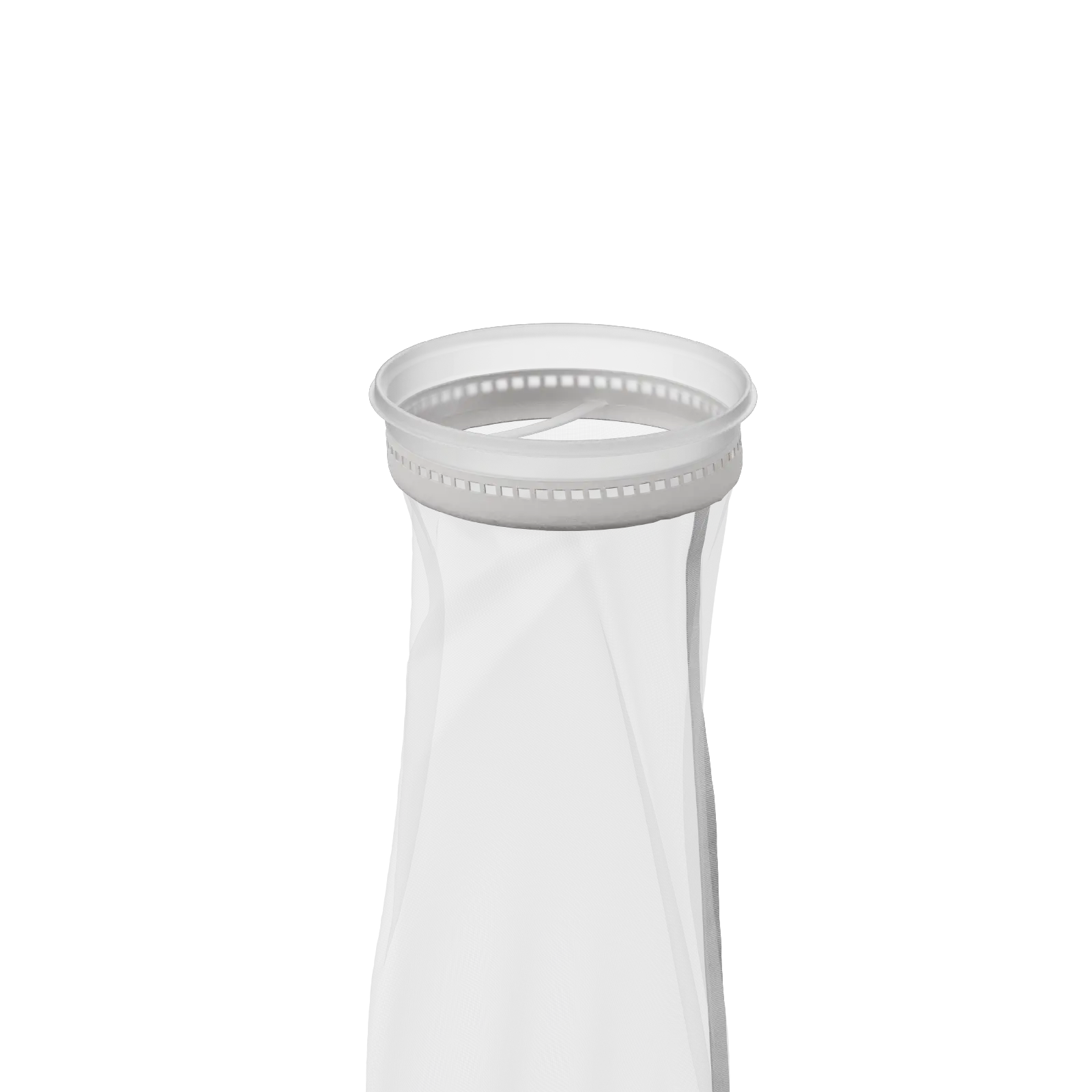
Nylon Bag Filter (Monofilament Polyamide)
Abrasion-Resistant Nylon 6, Fixed Pore Size and Washable Construction
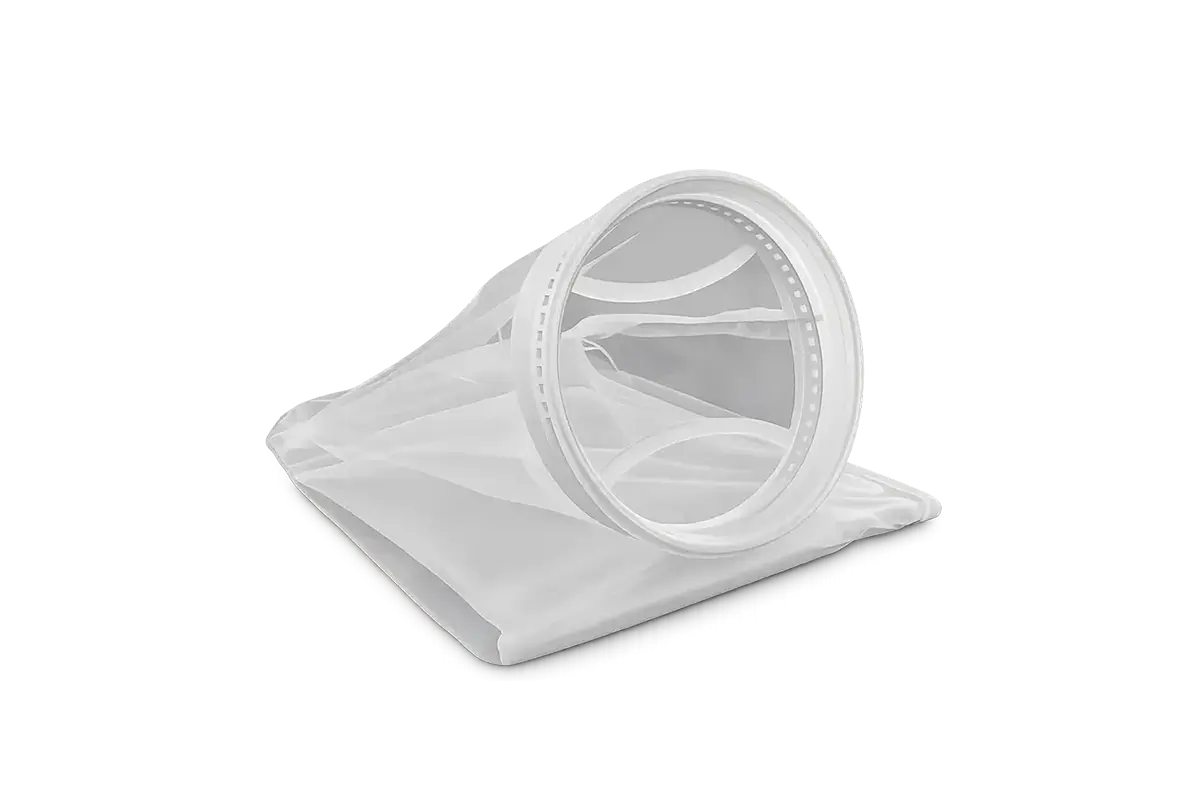
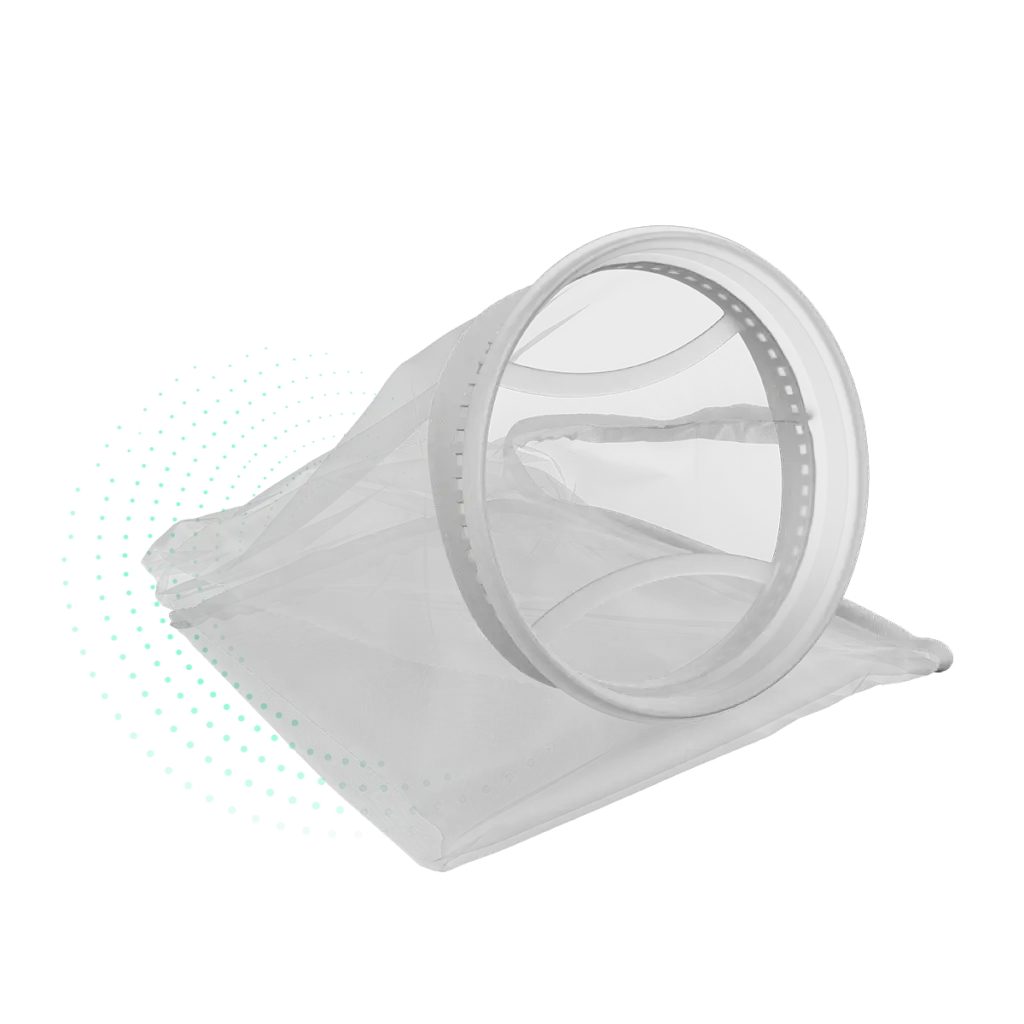
The nylon bag filter (monofilament polyamide) is a washable woven surface filter offering a fixed pore opening, high mechanical strength and abrasion resistance.
100–180 mm
230–810 mm
20–1000 µm
100 °C
What Is a Monofilament Polyamide (Nylon) Bag Filter?
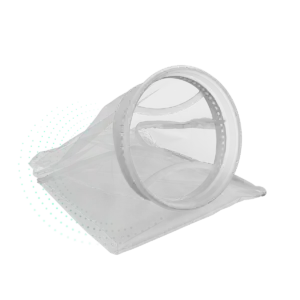
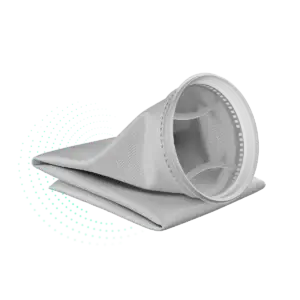
Monofilament nylon filter fabric is a woven fabric produced by processing yarn, extruded as a single strand from heated nylon-6 raw material, on precision looms. It works on the same surface filtration principle as polyester monofilament; particles are retained at the surface of the fabric and do not penetrate the fibre. This means the pore opening stays constant throughout use and the filter can be washed and reused.
The most notable advantage of nylon over monofilament polyester is its high mechanical strength and abrasion resistance. In liquids containing abrasive particles and in processes under high mechanical stress, nylon woven fabric lasts longer than polyester. Its operating temperature limit (100 °C) is still lower than that of polyester (135 °C), but it is broad enough to cover most standard aqueous processes (including temperatures close to boiling point); material selection should therefore still be based on process temperature. Water treatment, food and beverage, paints and coatings, metalworking and chemical process lines are the most common applications.
Product Identity and Technical Summary
Monofilament polyamide (nylon) bag filters are made from 100% nylon-6 monofilament yarn by precision weaving. They offer a micron range of 20–1000 µm and a chemical resistance range of pH 2–11. The ultrasonically welded or stitched construction keeps the bag intact up to 100 °C, and thanks to the fixed square pore structure, filtration efficiency is largely retained even after washing. The raw material is suitable for food contact; please consult our technical team for compliance documents.
Key Technical and Structural Features
- Material
- 100% monofilament nylon-6 (polyamide-6) woven filter fabric
- Micron Rating
- 20 · 25 · 30 · 50 µm
- 75 · 100 · 150 · 200 µm
- 300 · 500 · 750 · 1000 µm
- Max. Operating Temperature
- 100 °C (212 °F)
- Recommended Change-Out Pressure
- 2–2.5 bar
- Surface Finish
- Woven; no surface treatment applied
- Seam Construction
- Ultrasonically Welded
- Three-Needle, Five-Thread Industrial Stitching
- pH Range
- 2–11
- Food Compatibility
- Raw Material Suitable for Food Contact
- Specific Gravity
- 1.14 g/cm³
- Yarn Structure
- Single-yarn (monofilament) weave; fixed square pores
- Reuse
- Washable and reusable
Filtration Architecture and Working Principle
Monofilament polyamide bag filters pass dirty liquid from the inside of the bag to the outside, retaining particles only at the surface of the filter fabric. Surface retention and differential pressure monitoring allow the system to work correctly and to be serviced on time.
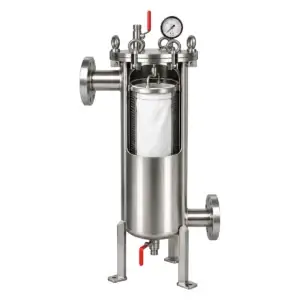
Filtration takes place inside-out. Dirty liquid enters the bag, is cleaned as it passes through the woven surface, and collects in the filter housing body before flowing to the outlet line. The bag is supported by the basket in the body; thanks to nylon’s high tensile strength and abrasion resistance, the woven structure keeps its shape even at high differential pressures and in liquids containing abrasive particles. With the right collar choice and installation, the risk of bypass is minimised.
Pre-Filtration
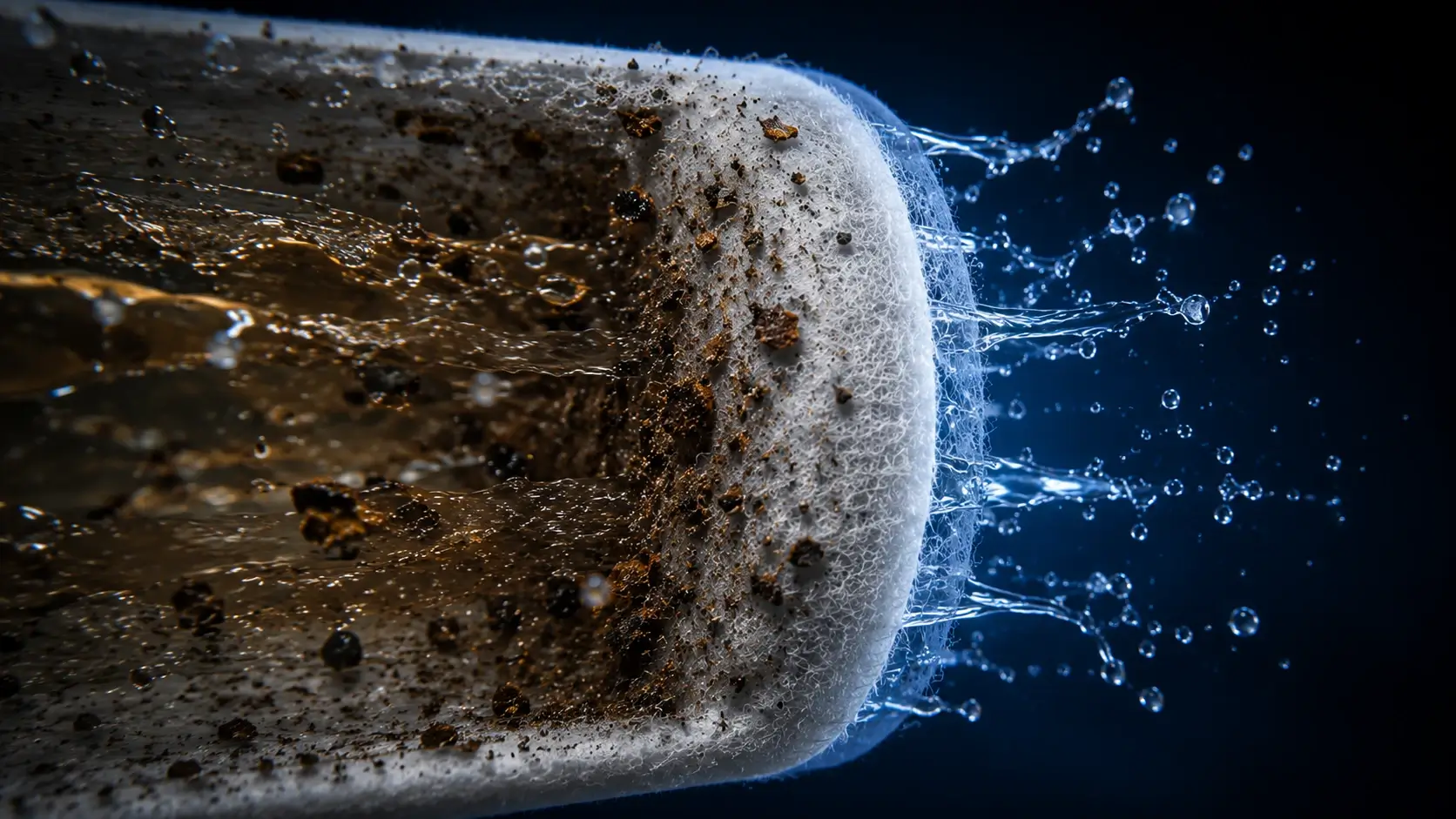
Dirty liquid enters the bag and meets the inner surface. Rigid, non-deformable particles larger than the fixed square pore opening are retained on the woven surface; smaller particles and the liquid pass through the pores and leave the system. There is no depth filtration; retention takes place only at the fabric surface.
Differential Pressure and the Washing Decision
Advantages of the Monofilament Polyamide Bag Filter
Thanks to its precise weave geometry and high mechanical strength, the monofilament nylon woven surface offers fixed pore control, the economics of reuse and abrasion resistance. It has a clear advantage over polyester monofilament in processes involving abrasive particles and high mechanical stress.
- High Mechanical Strength
- The nylon-6 structure offers higher tensile strength and flexibility than polyester.
- High Abrasion Resistance
- The woven structure stays intact for a long time in liquids containing abrasive solids.
- Fixed Pore Opening
- Thanks to the woven structure, the micron rating is maintained throughout use.
- Reusable
- A pore structure that is largely recoverable by washing; resistant to deformation through repeated washing.
- Low Pressure Drop
- The open weave geometry keeps flow resistance low even at high flow rates.
- No Fibre Migration
- The monofilament structure has a very low risk of fibre breakage.
- Chemical Compatibility
- Compatible with water, many organic solvents and alkalis; works in the pH 2–11 range. Not suitable for strong mineral acids.
- Food Compatibility
- Raw material suitable for food contact; can be used safely on food and beverage lines.
- Elastic Resistance to Pressure Shocks
- Thanks to its high elastic recovery, the pore structure largely keeps its form under sudden hydraulic pressure shocks.
Bag Diameter and Length Options
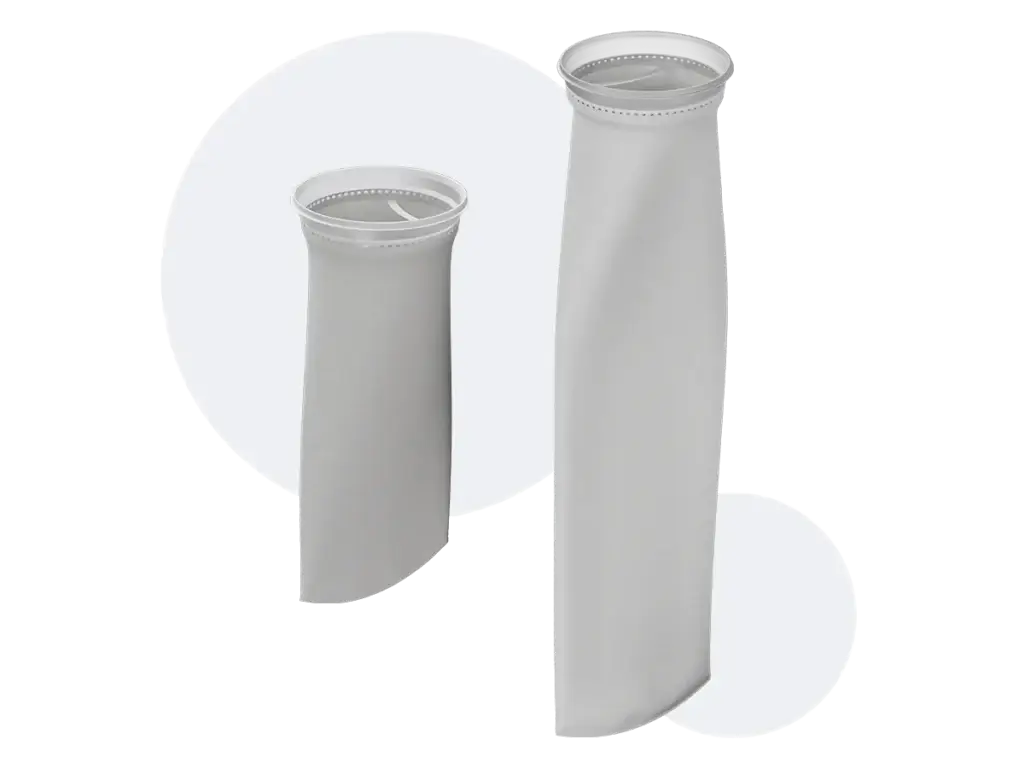
Monofilament polyamide bag filters fit a wide range of housings with standard 100 mm and 180 mm diameter options. Four standard sizes, from short to long, meet different flow and volume requirements while offering direct compatibility with your existing system.
100 mm Diameter
Suitable for small-scale systems and laboratory-type filter housings.
180 mm Diameter
The industry-standard size and the most widely used size for high-flow systems.
Custom Manufacturing
Bags can be made to sample for older or imported special equipment.
- 180 × 430 mm
- Standard Large Diameter • Short Length (~0.25 m² Filter Area)
- 180 × 810 mm
- Standard Large Diameter • Long Length (~0.50 m² Filter Area • Most Common)
- 100 × 230 mm
- Compact Small Diameter • Short Length (~0.08 m² Filter Area)
- 100 × 380 mm
- Compact Small Diameter • Long Length (~0.14 m² Filter Area)
Micron Options and Precision
| Micron | Application |
|---|---|
| 20 µm | Fine filtration; final stage for beverages and intermediate stage for pharmaceuticals |
| 25 µm | Fine filtration; chemical process lines |
| 30 µm | Fine to medium filtration; final-stage filtration of paints and coatings |
| 50 µm | General coarse filtration; water treatment and cooling water applications |
| 75 µm | Medium coarse filtration; metalworking and cutting fluids |
| 100 µm | Standard coarse filtration; water treatment pre-stage applications |
| 150–200 µm | Pre-filtration applications requiring low pressure loss and high flow |
| 300–500 µm | Very coarse filtration; aggregate and granule separation processes |
| 750–1000 µm | Special coarse separation; industrial wash water and processes with large particles |
Collar Types and Adapters

PP Ring (Plastic Ring)
Polypropylene ring, stitched or welded. Used where full chemical resistance is required.
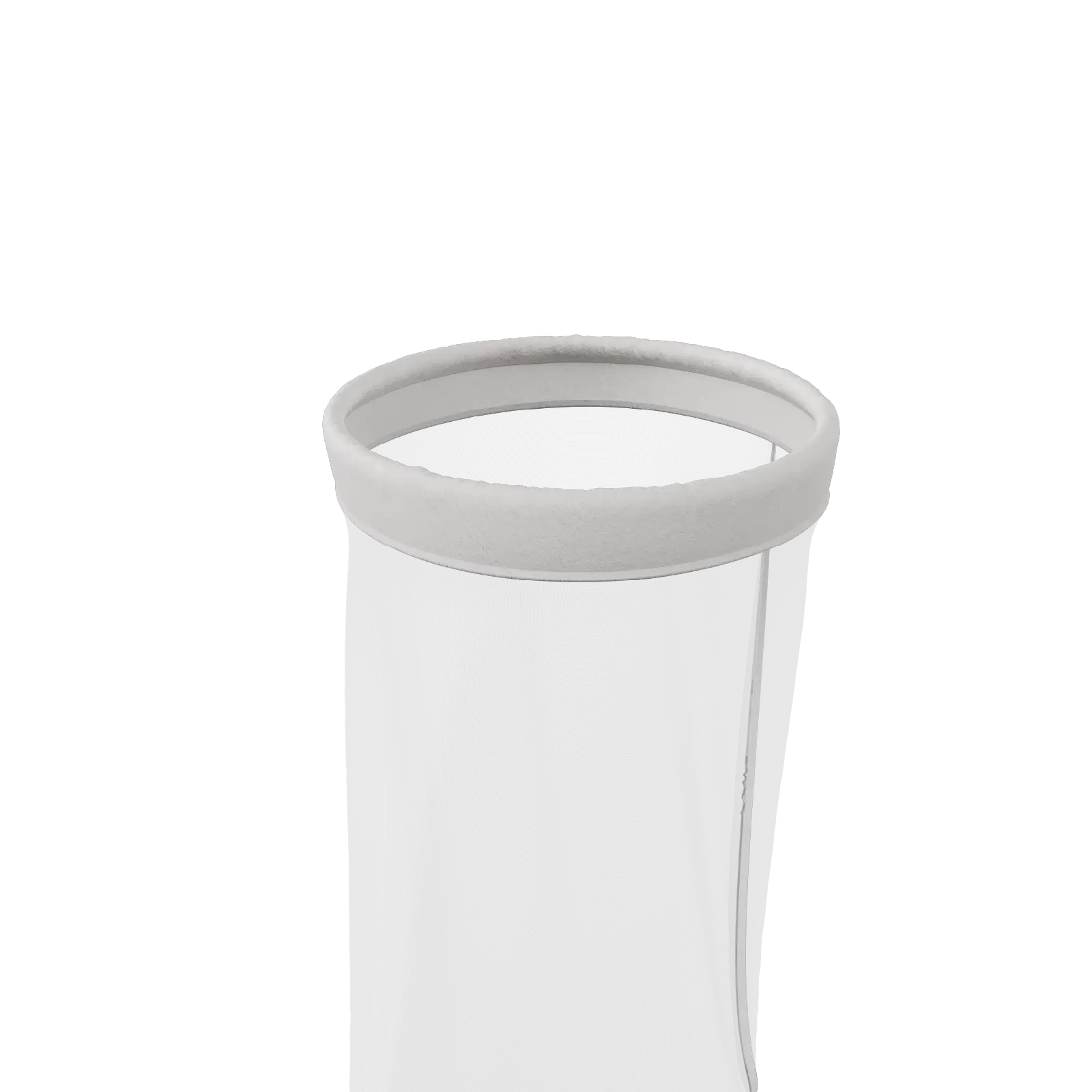
Snap Ring (Steel Ring)
Galvanised or stainless steel ring. The most widely used, economical standard collar.
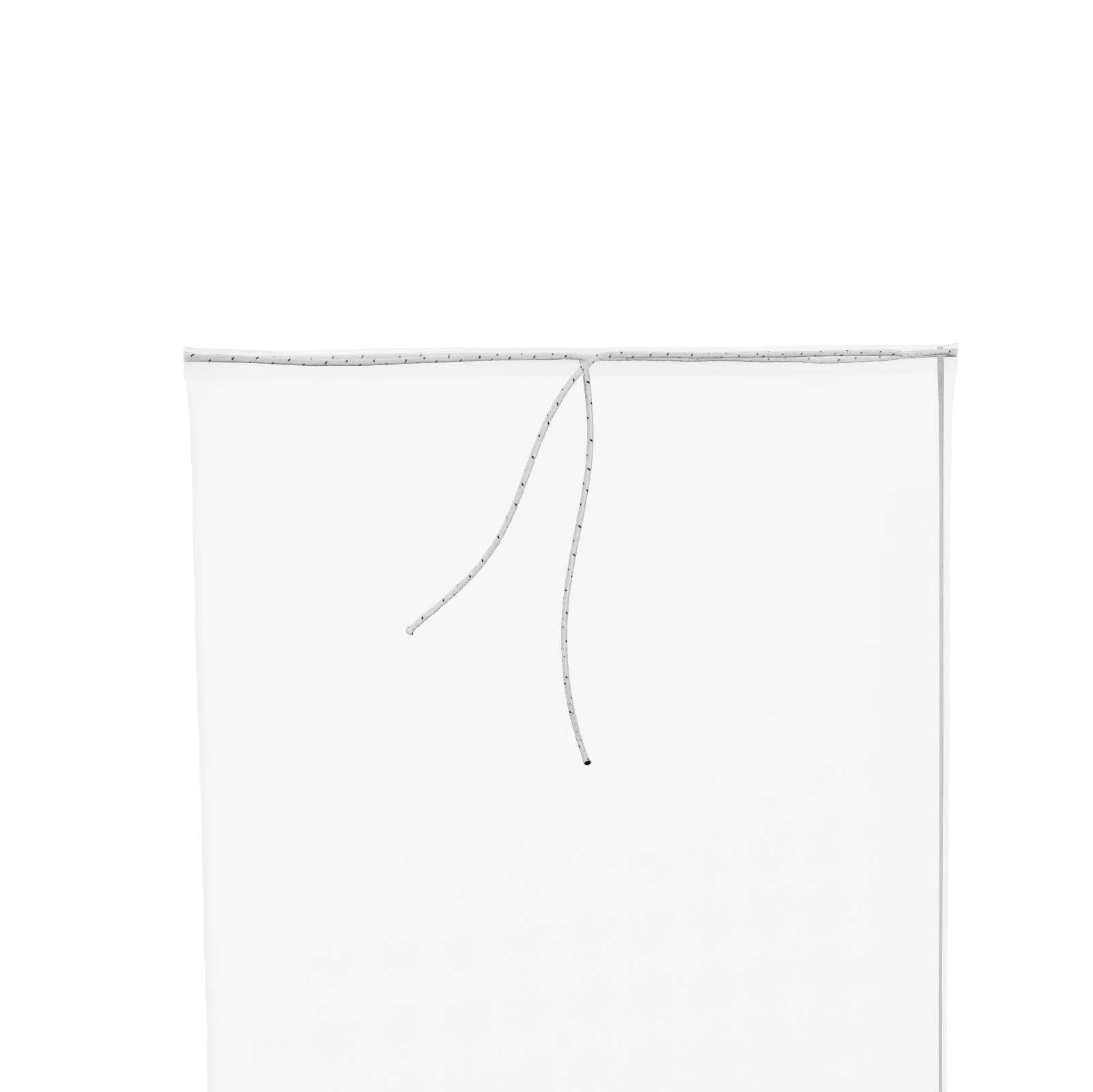
Drawstring
Can be tied manually to any pipe outlet or special hanger with the drawstring.
Engineer's Note
- Senior Process Engineer
- 15+ Years of Field Experience
- Field-Test Approved
Application and Selection Criteria
- Collar Type and Flange Fit
- Choose the collar type based on a photo or sample of your current filter; relying on catalogue dimensions alone is not enough.
- Stage Combination
- In processes with a high particle load, combining a coarse and a fine stage can significantly extend the life of the main filter.
- Washing and Chemical Resistance
- Polyamide woven bags show good resistance to many solvent-based liquids; avoid excessive mechanical pressure during backwashing.
Industry Applications
01
Vegetable Oil
Vegetable Oil
Clarity, purity and shelf life in vegetable oil and refining.
Explore solutions
02
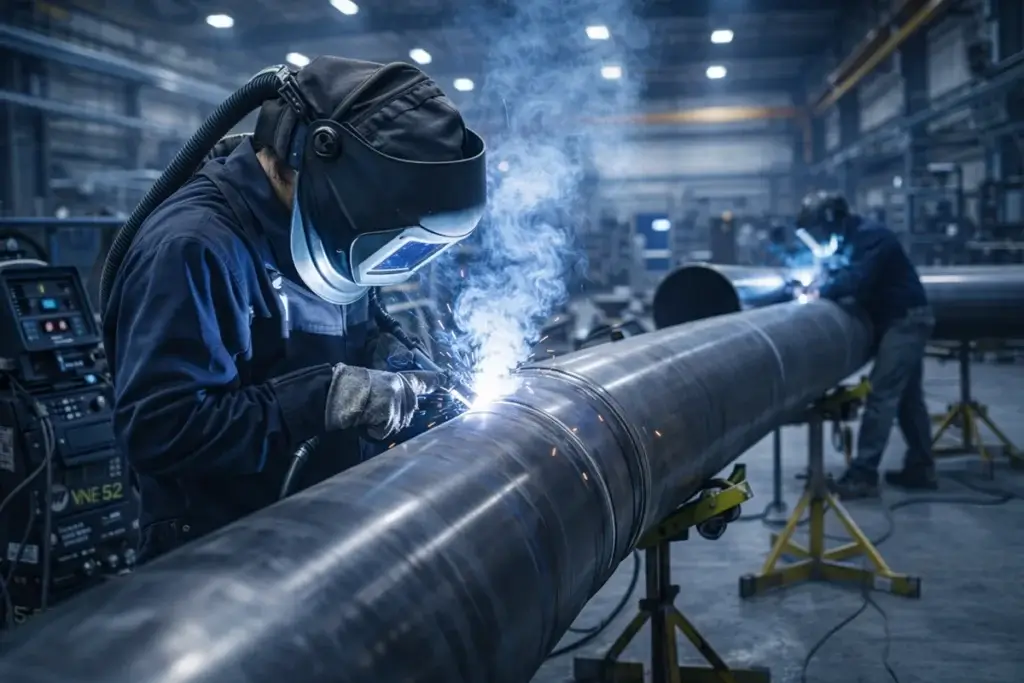
Pipe and Profile
Pipe and Profile
Cooling water filtration in pipe and profile extrusion.
Explore solutions
03
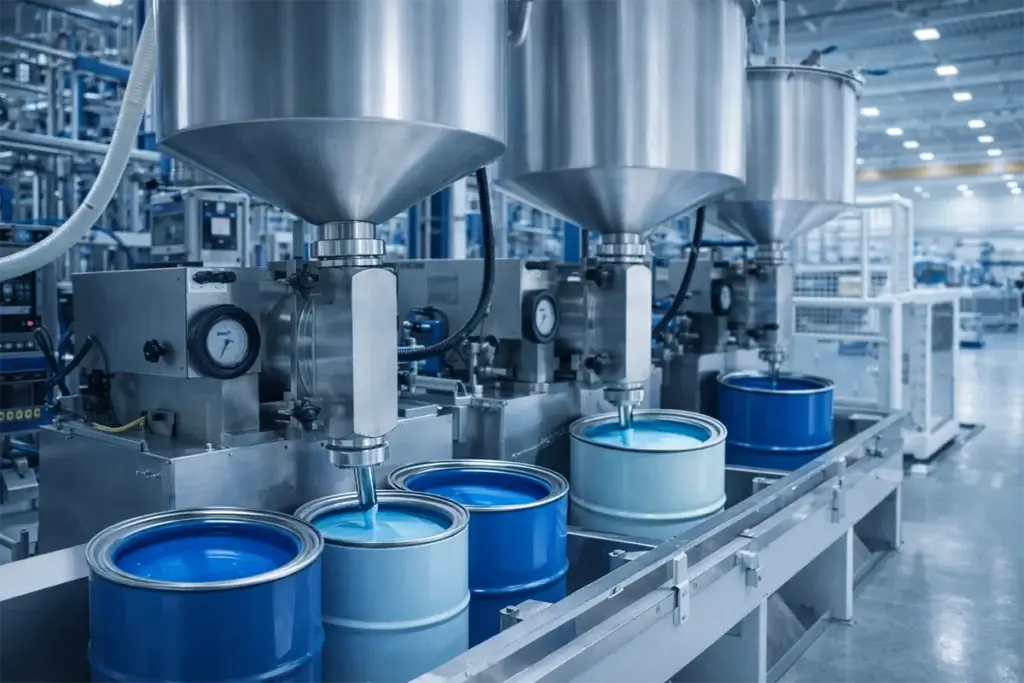
Paint Industry
Paint Industry
Surface quality and pigment filtration in the paint industry.
Explore solutions
04
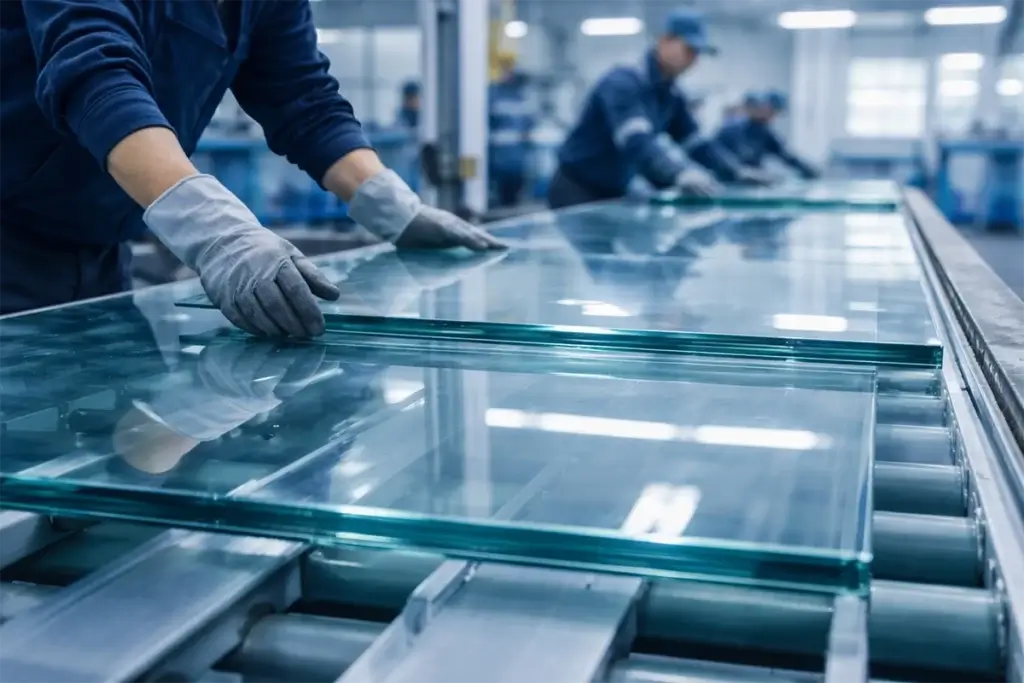
Glass Industry
Glass Industry
Furnace and process filtration in the glass industry.
Explore solutions

05
Dialysis Centers
Dialysis Centers
Water preparation and process filtration in dialysis centers.
Explore solutions

06
Foundry Industry
Foundry Industry
Equipment protection and dust filtration in foundries.
Explore solutions
07
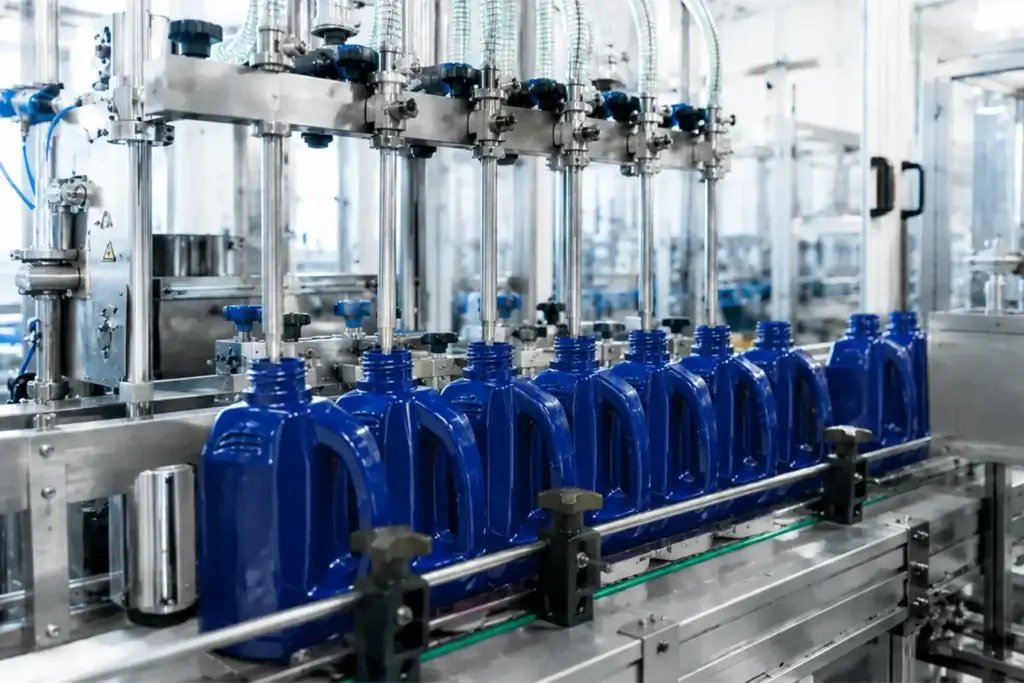
Industrial Oil
Industrial Oil
Filtration in industrial oil production and recovery.
Explore solutions

08
Energy and Biogas
Energy and Biogas
Maximum efficiency and turbine protection in energy and biogas.
Explore solutions
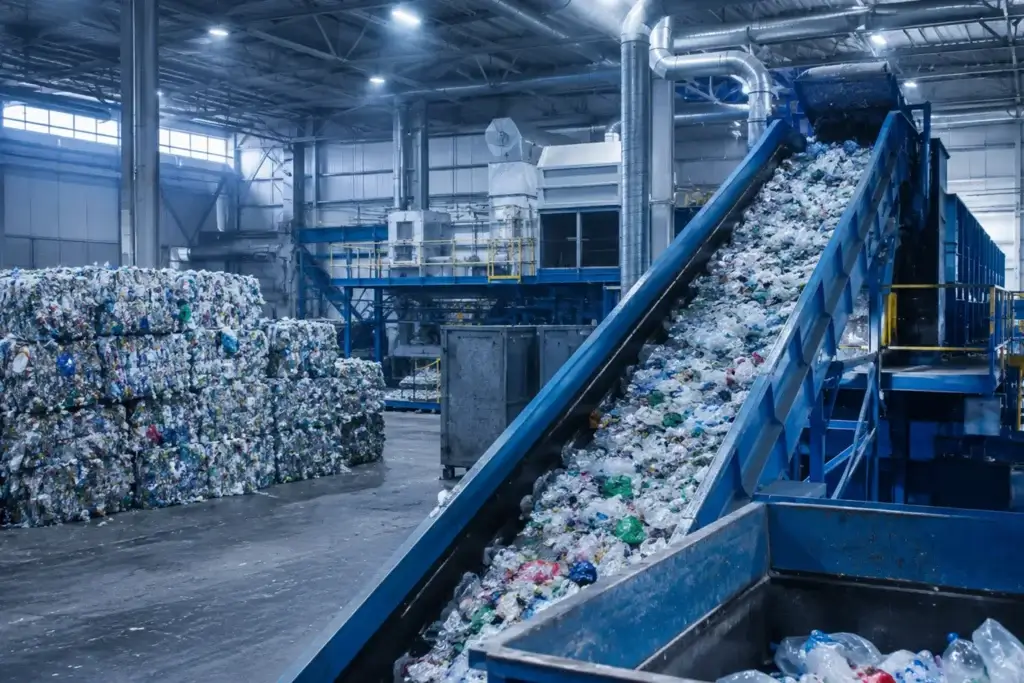
09
Recycling
Recycling
Filtration for efficiency and environmental compliance in recycling.
Explore solutions

10
Food and Beverage
Food and Beverage
Hygienic filtration in food and beverage.
Explore solutions

11
Pharmaceuticals and Biotechnology
GMP-compliant sterile filtration in pharmaceuticals and biotechnology.
Explore solutions
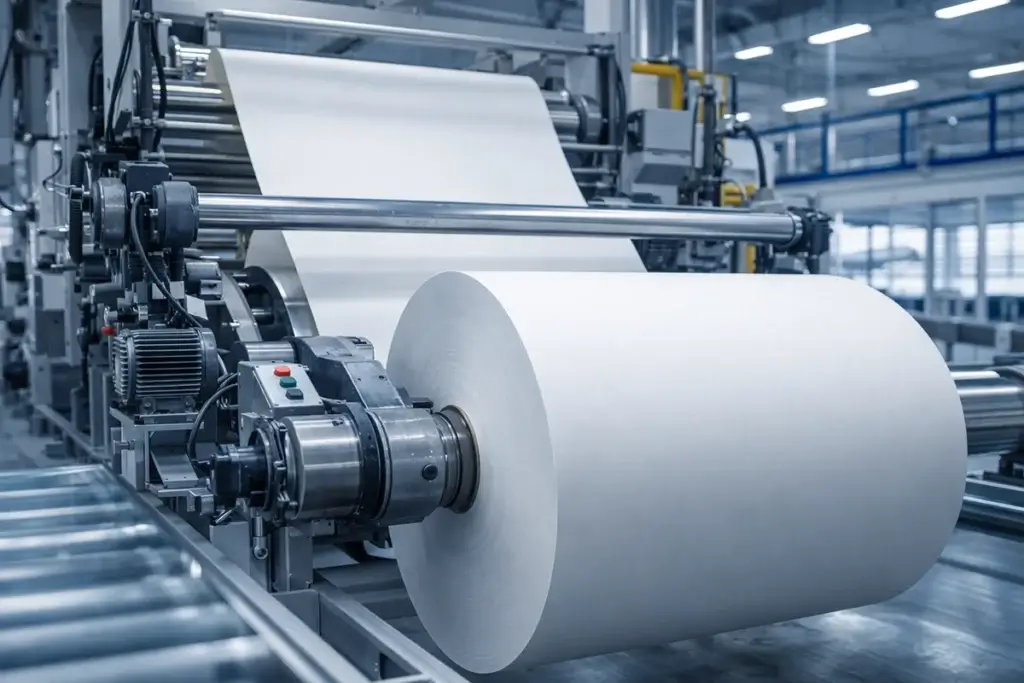
12
Paper and Packaging
Paper and Packaging
Process water filtration in paper and packaging.
Explore solutions

13
Chemical Industry
Chemical Industry
Corrosion-resistant, safe filtration in the chemical industry.
Explore solutions
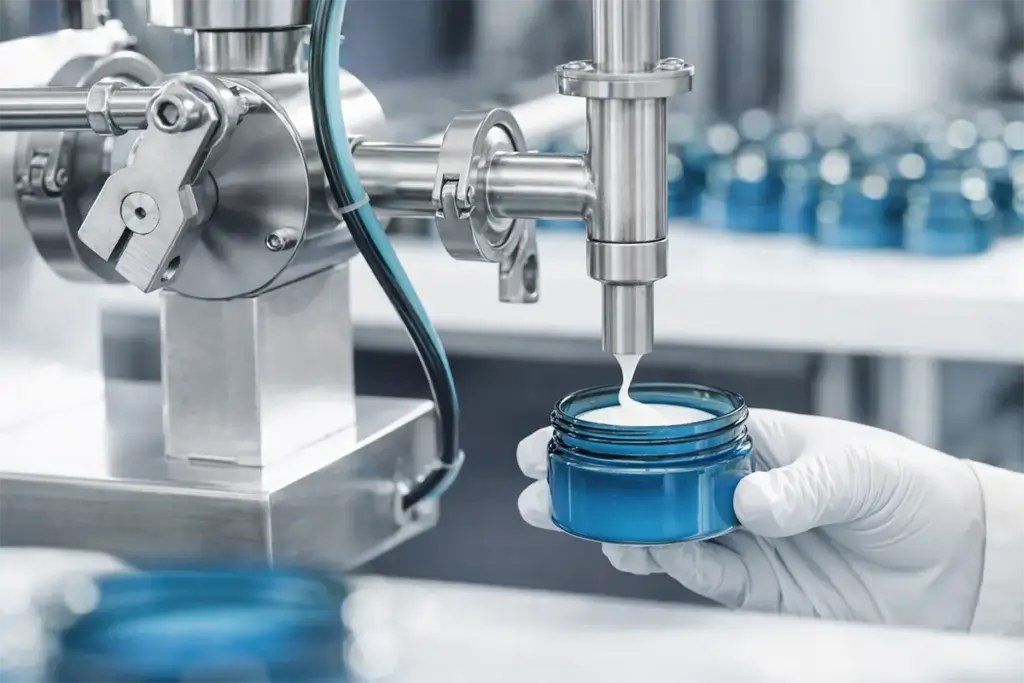
14
Cosmetics
Cosmetics
Microbiological safety and precision filtration in cosmetics.
Explore solutions
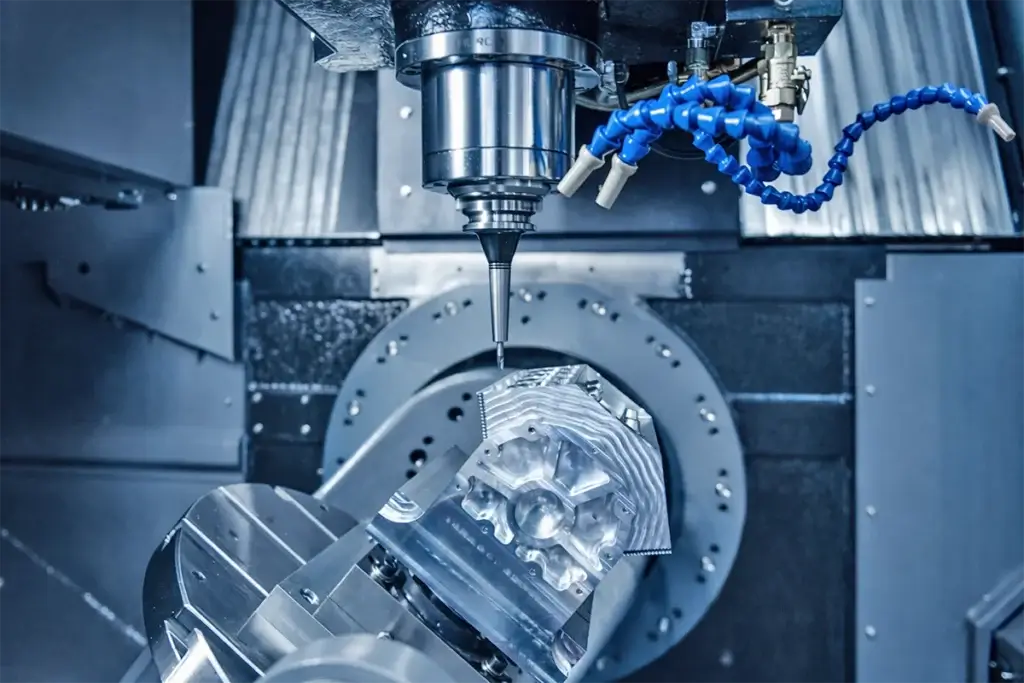
15
Machinery
Machinery
Precision and technical filtration in the machinery industry.
Explore solutions
16
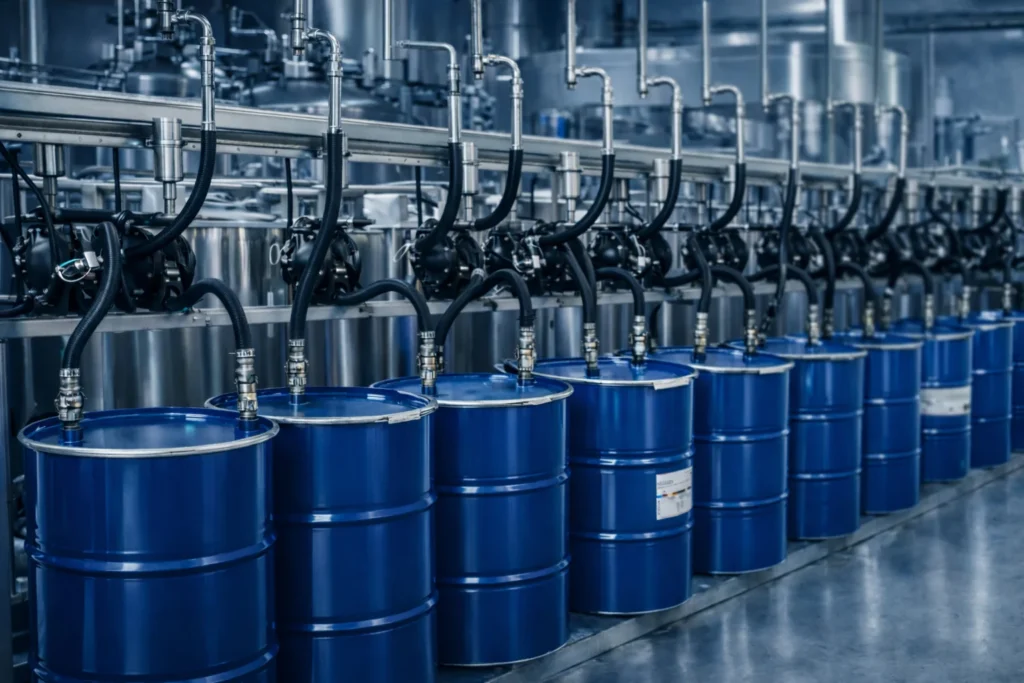
Printing and Ink
Printing and Ink
Flawless color and print quality in printing and ink.
Explore solutions

17
Metal and Surface Treatment
Flawless surfaces and bath stability in metal and surface treatment.
Explore solutions
18
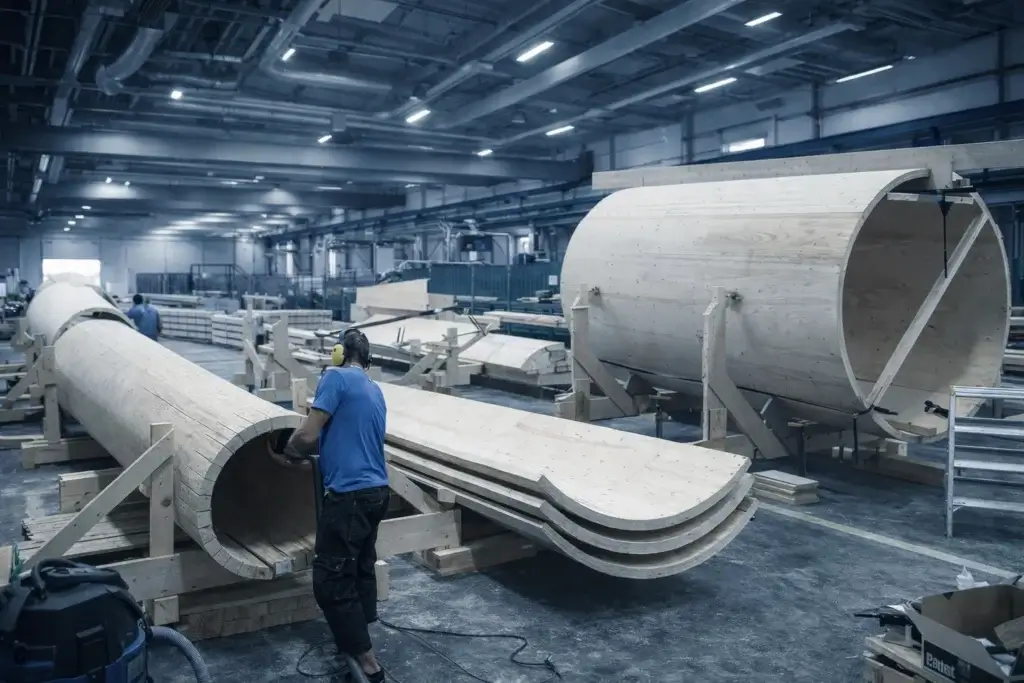
Forest Products
Forest Products
Resin and glue filtration in forest products and furniture.
Explore solutions

19
Automotive
Automotive
Precision process filtration for zero defects in automotive manufacturing.
Explore solutions
20
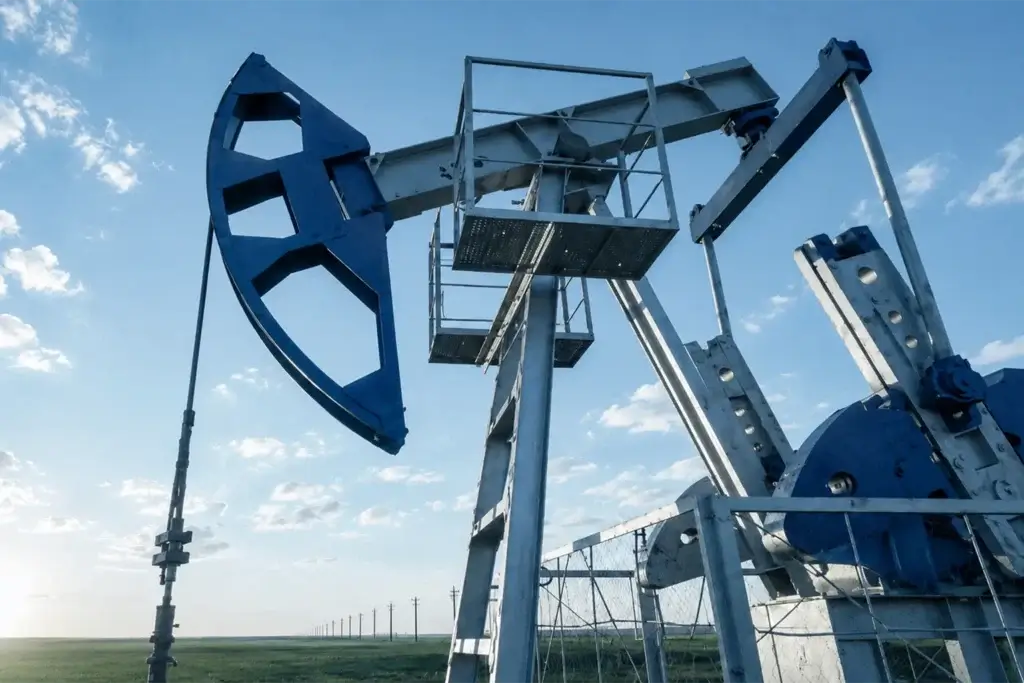
Oil and Petrochemicals
Equipment protection and process safety in oil and petrochemicals.
Explore solutions
21
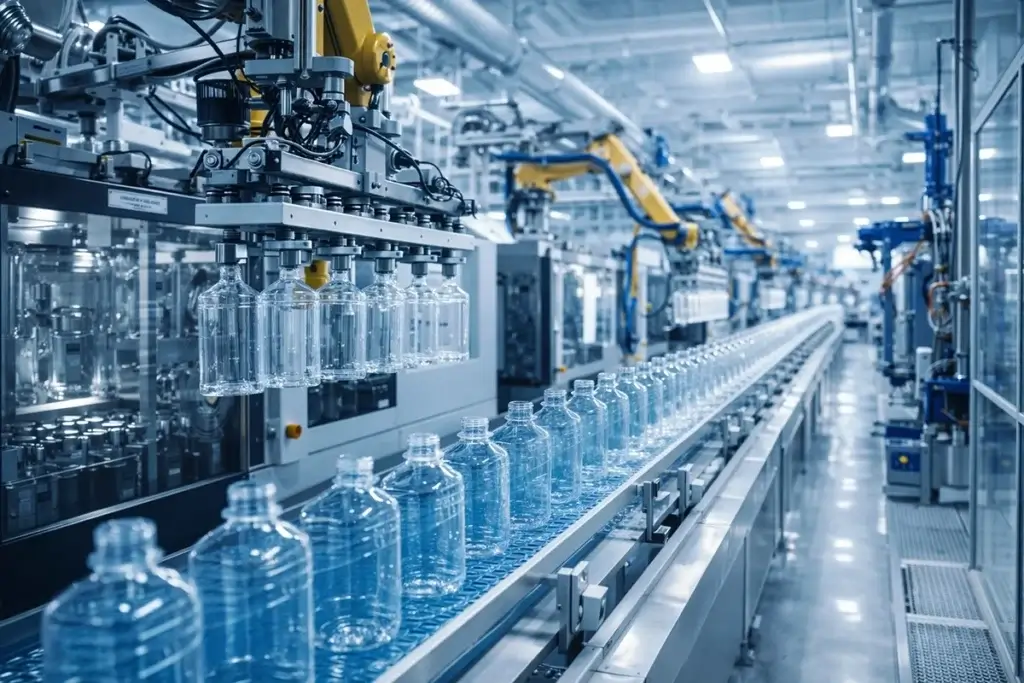
Plastic Packaging
Plastic Packaging
Precision process filtration and raw material purity in plastic packaging.
Explore solutions
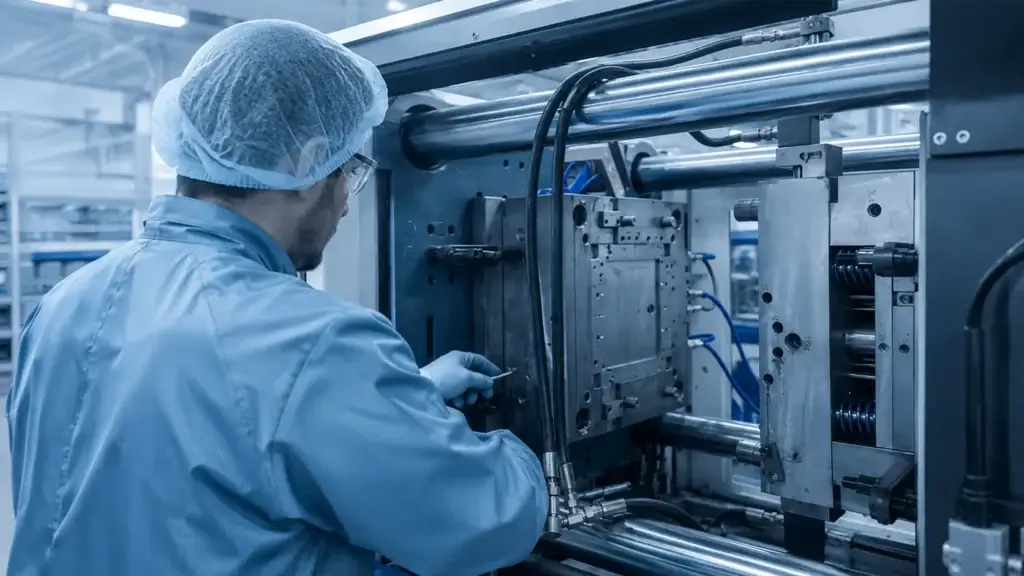
22
Plastic Injection Molding
Cooling and hydraulic filtration in plastic injection molding.
Explore solutions
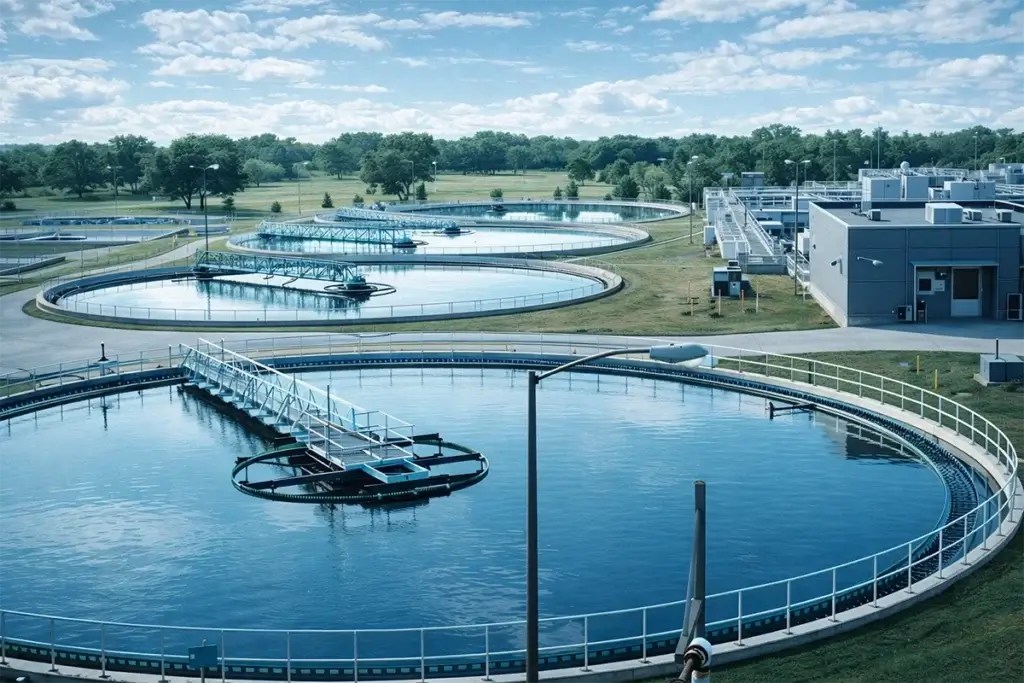
23
Water and Environment
Recovery filtration in water and environmental technologies.
Explore solutions

24
Shipyards and Marine
Operational safety and efficiency in shipyards and marine.
Explore solutions
Performance Parameters
The field performance of a monofilament polyamide bag filter depends on three main parameters considered together: flow capacity, micron precision and sealing. Thanks to the single-yarn weave, the pore openings stay constant, giving high flow at low pressure difference, repeatable particle retention and filtration efficiency that is maintained even after washing.
- High Flow
- High liquid throughput at low differential pressure thanks to the open weave and large surface area.
- Micron / Service Life Balance
- The right micron rating delivers the required clarity and extends the time before the filter clogs.
- Sealing
- Thanks to the precise collar and seam joint, the risk of bypass (leakage) is minimised.
Filter Selection Technical Checklist
To choose the right monofilament polyamide bag filter, evaluate the following technical parameters systematically. Chemical nature and temperature are the two priority parameters that determine whether this product is suitable and must be confirmed before all other assessments.
- Chemical Nature of the Fluid
- Nylon is suitable in the pH 2–11 range; for strong acids consider PTFE, and for strong alkalis PP or PTFE.
- Operating Temperature
- Stable operation up to 100 °C; above that, polyester or PTFE should be chosen.
- Required Cleanliness Level
- For requirements below 20 µm, a felt bag or a cartridge filter should be chosen.
- Flow Rate
- Suitable for high-flow systems thanks to its low pressure drop.
- Risk of Mechanical Abrasion
- In liquids containing abrasive particles, nylon's high abrasion resistance is the deciding advantage.
- Collar (Ring) Type
- When reusing, check the sealing surface before every installation.
- Solids Load
- With a very high solids load, a felt bag has the advantage; the woven surface can clog more quickly.
- Food Approvals
- For applications in contact with food, choose a food-contact-compliant PA filter fabric.
- Maximum Pressure
- Always check the differential pressure that the filter body and bag can withstand.
- Reuse
- Establish a suitable washing protocol and a check plan to verify filtration performance after washing.
Points to Watch During Use
Getting maximum efficiency and life from a monofilament polyamide bag filter depends on correct installation, regular washing and reuse protocols. Sudden pressure fluctuations, incorrect installation, exceeding the 100 °C limit or inadequate washing can permanently damage the pore structure and reduce filtration efficiency.
- Initial Start-Up
- Avoid sudden pressure surges when the filter is first put into service; pressurise the system gradually and check the bag body, seams and connection points.
- Operating Temperature Limit
- Make sure the process liquid temperature does not exceed the 100 °C limit.
- Timely Replacement
- Wash or replace the bag before excessive pressure loss occurs.
- Collar and Housing Fit
- The collar type must match the sealing surface of the filter housing exactly.
- Pore Integrity Check
- Visually check the pore integrity of a washed bag before reusing it; if micro-tears or deformation are found, take the bag out of service.
- Correct Placement & Installation
- The bag must be placed correctly in the filter basket and the housing.
- Basket and Seat Check
- If the old bag is deformed, torn or bypassing at the edge, check not only the bag but also the filter basket and the sealing surface.
- Even Lid Tightening
- Do not overtighten the housing lid; deformation of the collar creates bypass and can compromise sealing, letting dirty fluid escape the filter.
Products that work with this product
Nylon Bag Filter (Monofilament Polyamide)
Your Questions Answered
Frequently Asked Questions
At Prosestim, we are committed to answering your questions and providing technical support for our filtration solutions.
When should I replace the bag filter?
When the differential pressure exceeds the recommended threshold (2–2.5 bar), washing should be tried first. If the pressure does not fall after washing, the bag should be replaced.
Can monofilament nylon bags be washed and reused?
What is the difference between nylon and polyester monofilament?
Nylon offers higher mechanical strength and abrasion resistance than polyester, but it can only operate up to 100 °C. Polyester withstands up to 135 °C and absorbs less moisture. Nylon is therefore preferred in processes with abrasive particles operating below 100 °C, and polyester in higher-temperature processes.
What is the maximum temperature it can withstand?
Do you have food-contact-compliant nylon filters?
Yes, for the food and beverage industry we manufacture with raw material suitable for food contact.
Can it be used with acidic liquids?
Nylon shows good resistance to organic acids and alkalis in the pH 2–11 range. Take care with strong mineral acids (pH < 2) and consider polyester or PTFE if necessary.
Can it be used with gelatinous or semi-solid particles?
No. A monofilament woven surface effectively retains only rigid solid particles. For gelatinous or semi-solid particles, felt bags or cartridge filters should be chosen.
How do I know which micron rating to choose?
It is chosen according to the smallest particle size to be retained. If unsure, it is recommended to start with 30–50 µm.
Do you manufacture custom sizes?
Yes, custom production is available in non-standard lengths, diameters and micron ratings.
Nylon Bag Filter (Monofilament Polyamide) RFQ Configurator
Configure your variation dimensions and technical specifications to receive an instant quote directly on WhatsApp and via email.