Points where filtration is decisive in foundry processes
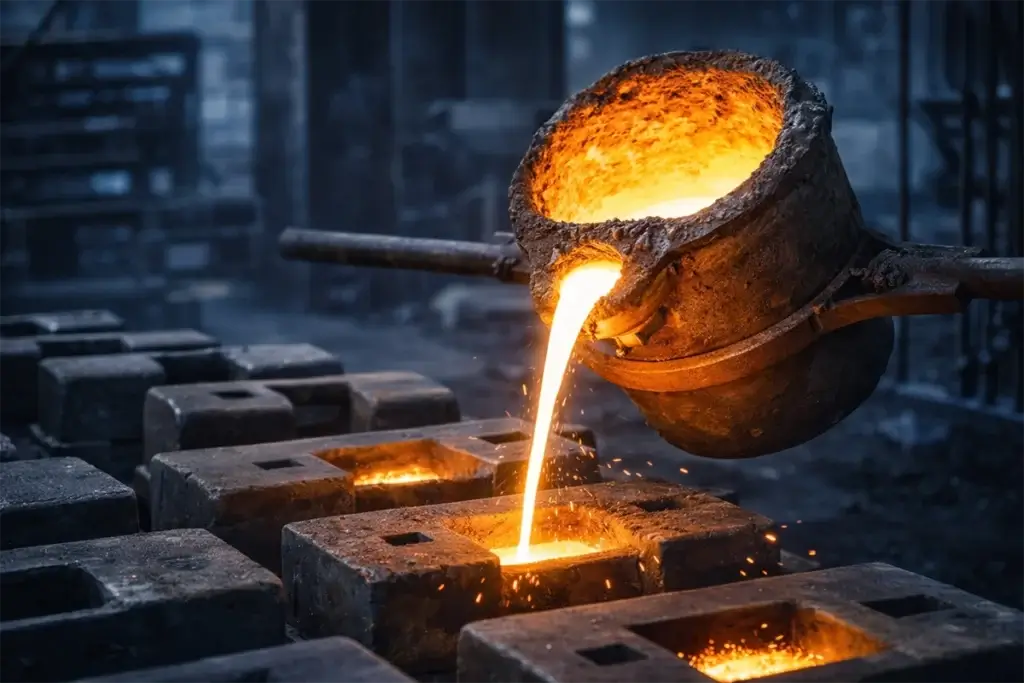
Because of high temperatures and heavy operating conditions, foundries are where mechanical wear is most intense. Particle control at every stage, from melting furnaces to sand preparation lines, determines not only occupational health but also machine life and casting quality.
Heat Exchanger and Pump Protection in Cooling Water Circuits
The cooling systems that protect the coils and body of melting furnaces, whether induction or arc, are the heart of the plant. Sediment in the water clogging heat exchanger plates leads to overheating and sudden shutdowns; filtration in the cooling circuit prevents this fouling and maintains thermal balance. The effect of clean cooling water goes beyond furnace safety. Preventing thermal fluctuations on the mold surface also minimizes micro-cracks and porosity in castings. Cooling quality and final product quality are therefore directly linked.
Solution: Cooling circuit filtration
Protecting Electronics and Panels: Dust and Fume Filtration
Fine metal dust and fumes released during casting are a silent enemy of automation systems and power units. Airborne conductive dust causes short circuits and corrosion on electronic boards, which turns into unexpected automation failures and production losses. High-efficiency dust collection and air filtration systems keep control rooms and panel interiors free of these risks. Another critical aspect of emission control is indoor air quality. Keeping particle and fume levels in the workplace below legal limits meets occupational safety obligations and protects sensitive measuring instruments, such as spectrometers, from long-term dust damage.
Solution: High-efficiency dust collection
Raw Material Efficiency on Sand Recovery Lines
Managing the dust generated on molding sand preparation and shakeout lines has a direct impact on operating costs. When fine sand particles captured in filter units are recovered in a controlled way, raw material losses fall, giving plants in continuous production a measurable cost advantage. Dust-related abrasion in pneumatic conveying lines and fan blades is an often overlooked source of wear. Filtering the dust load prevents this abrasion, extends maintenance intervals and reduces the risk of unplanned downtime.
Solution: Dust load filtration and recovery
Foundry
Which filter at which stage?
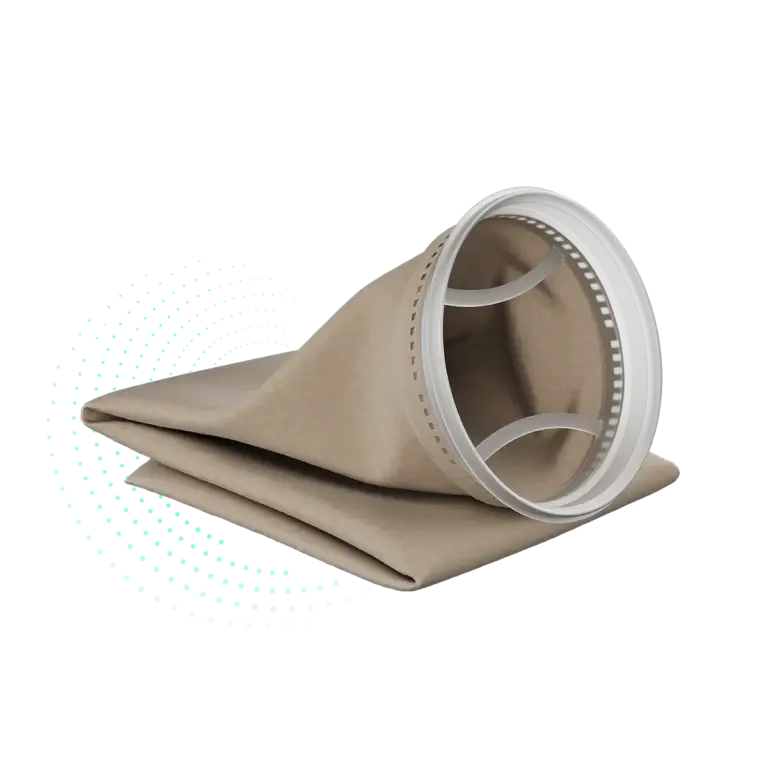
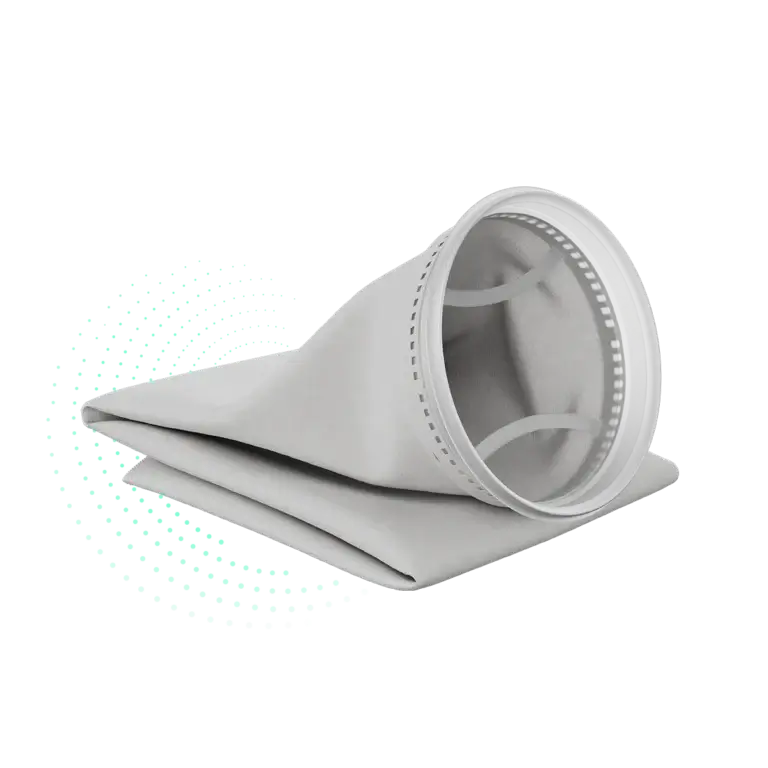
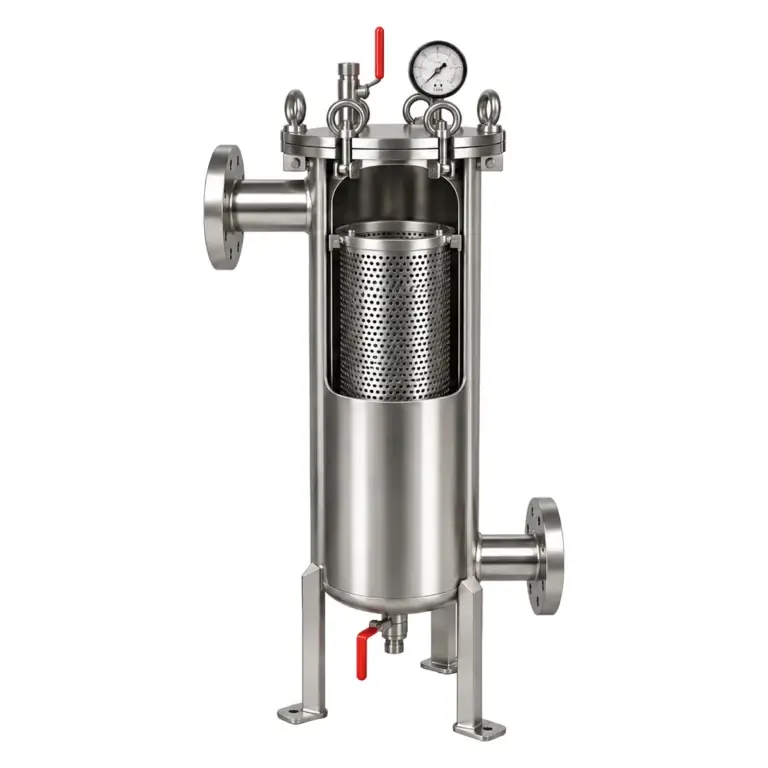
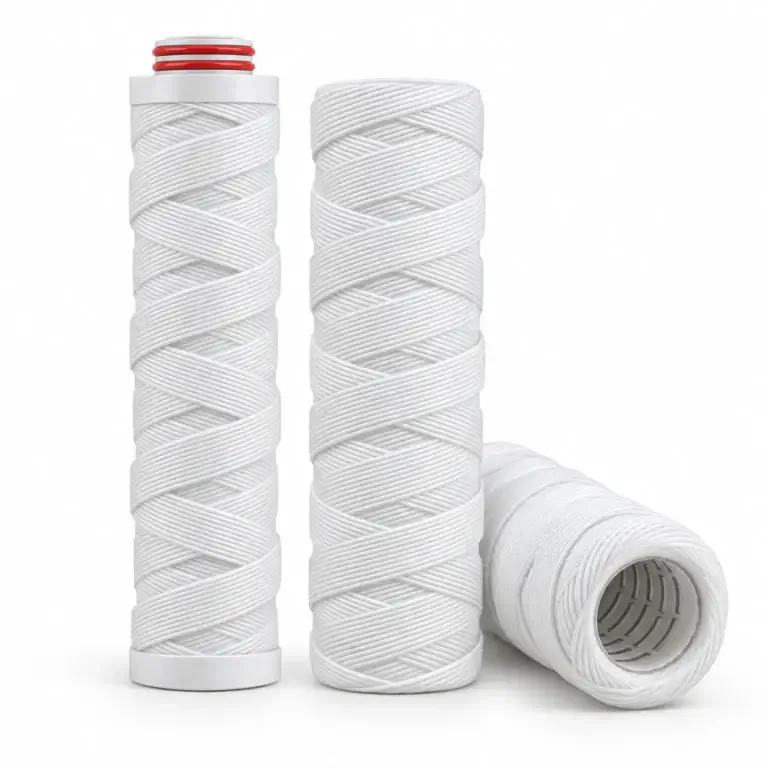
Select a stage on your line to see the Prosestim filters and micron range used at that point.
01 · Coil · body
Maintain thermal balance
Sediment in the water clogging heat exchanger plates leads to overheating and sudden shutdowns in furnaces.
Please send BA/BS forms, current account reconciliations and any other emails for our Finance and Administrative Affairs Department to [email protected].
Invoice name (registered company name): PROSES TİCARET, İMALAT, MÜHENDİSLİK ENDÜSTRİYEL MADDE VE MALZEME İMALATI İNŞAAT VE SANAYİ LİMİTED ŞİRKETİ
Billing address: Musa Gündüz Cad. No:14 Taşköprü – Çiftlikköy – YALOVA, TÜRKİYE
E-invoice / e-archive email address: [email protected]
Tax office: Yalova Tax Office (Yalova V.D.)
Tax ID number: 7330379514
MERSIS number: 0733037951400013