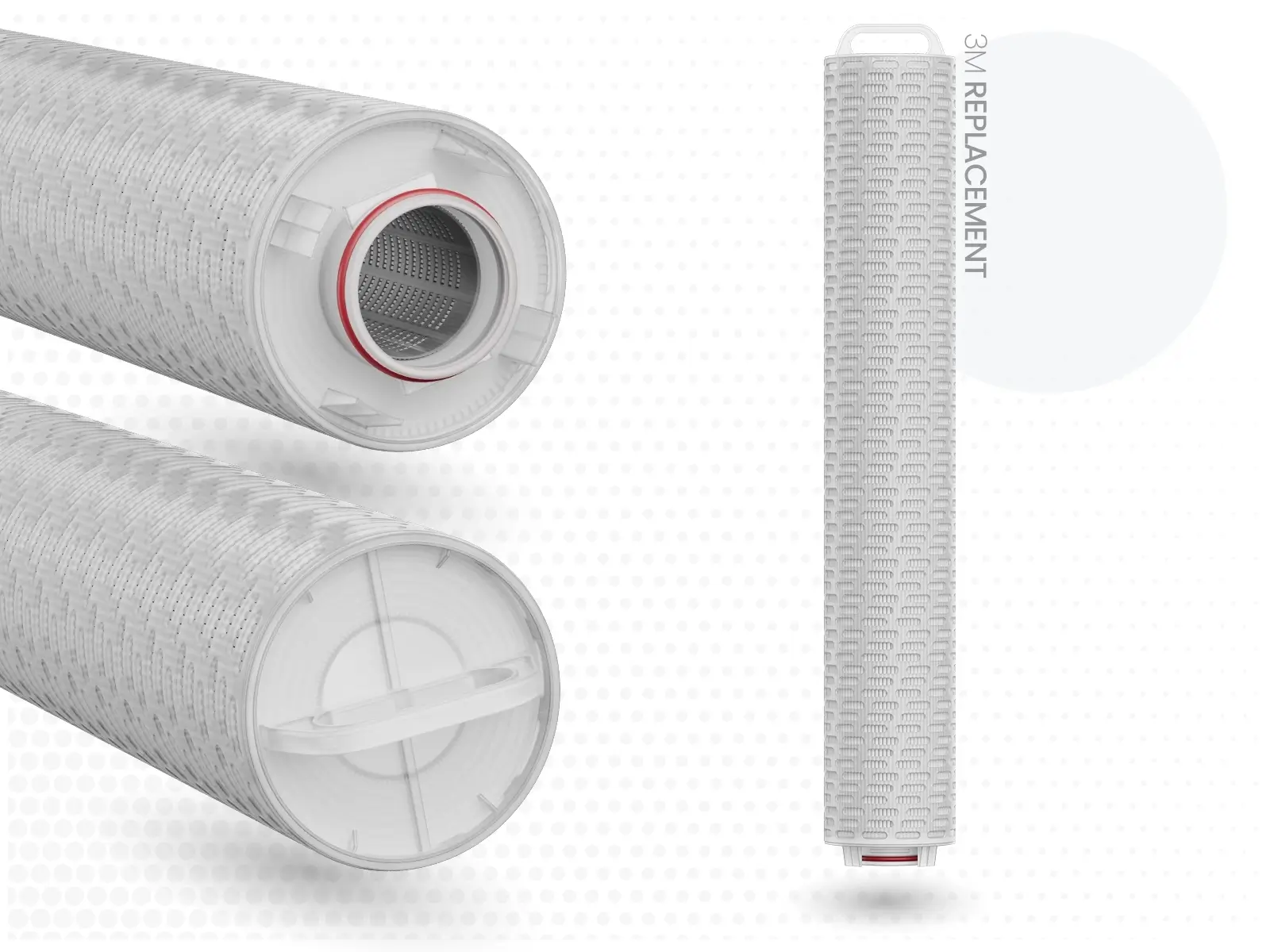
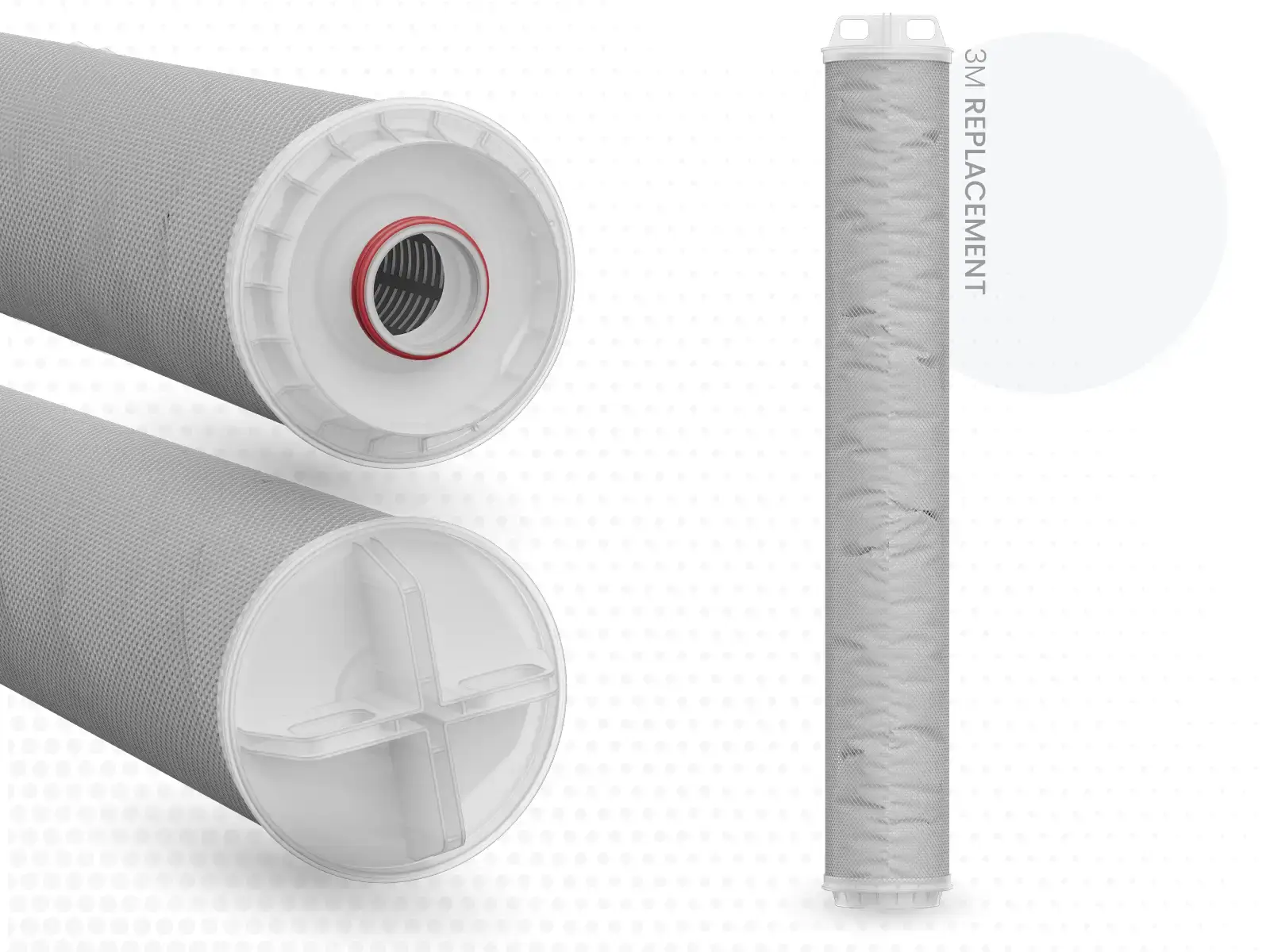
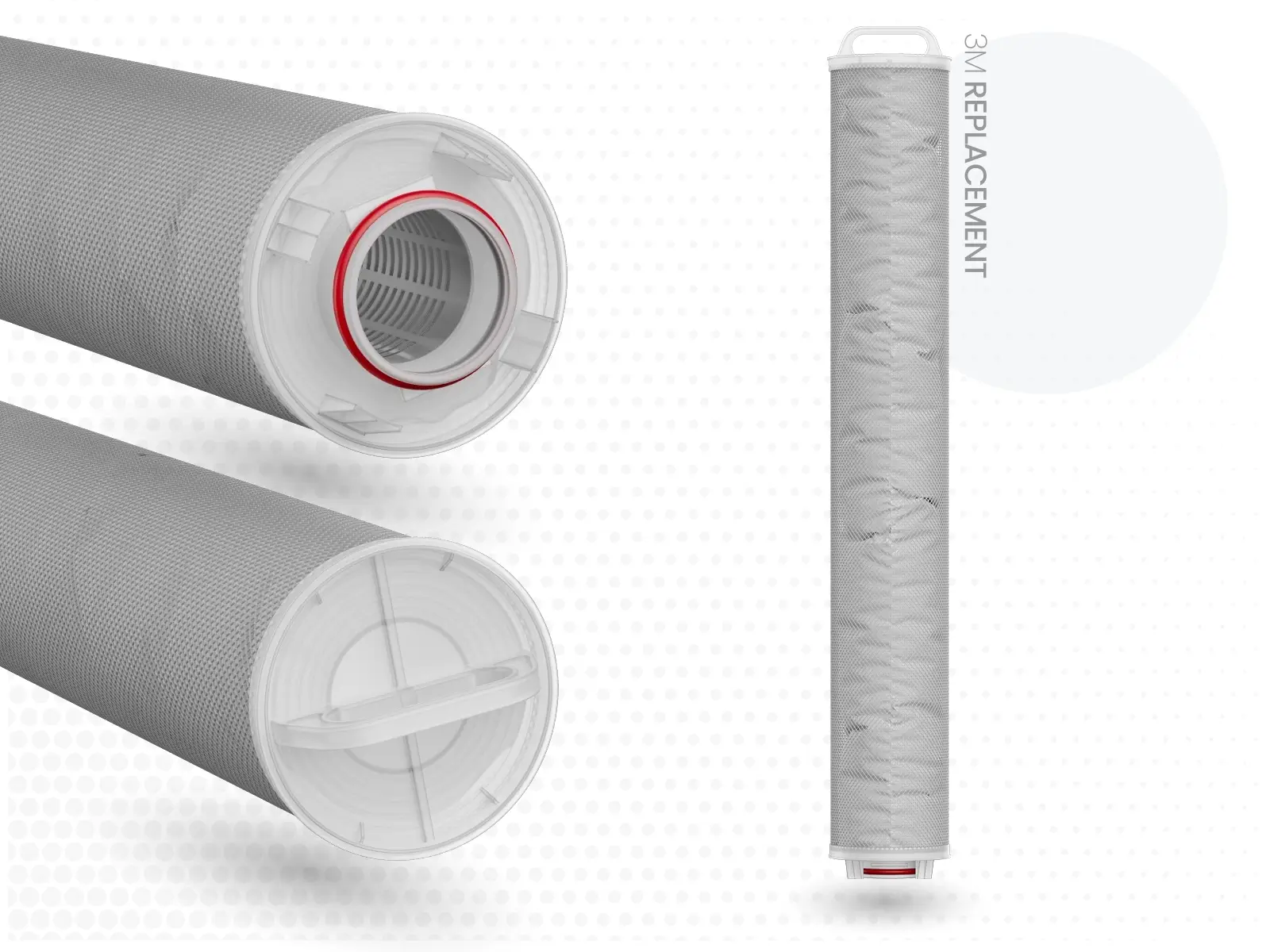
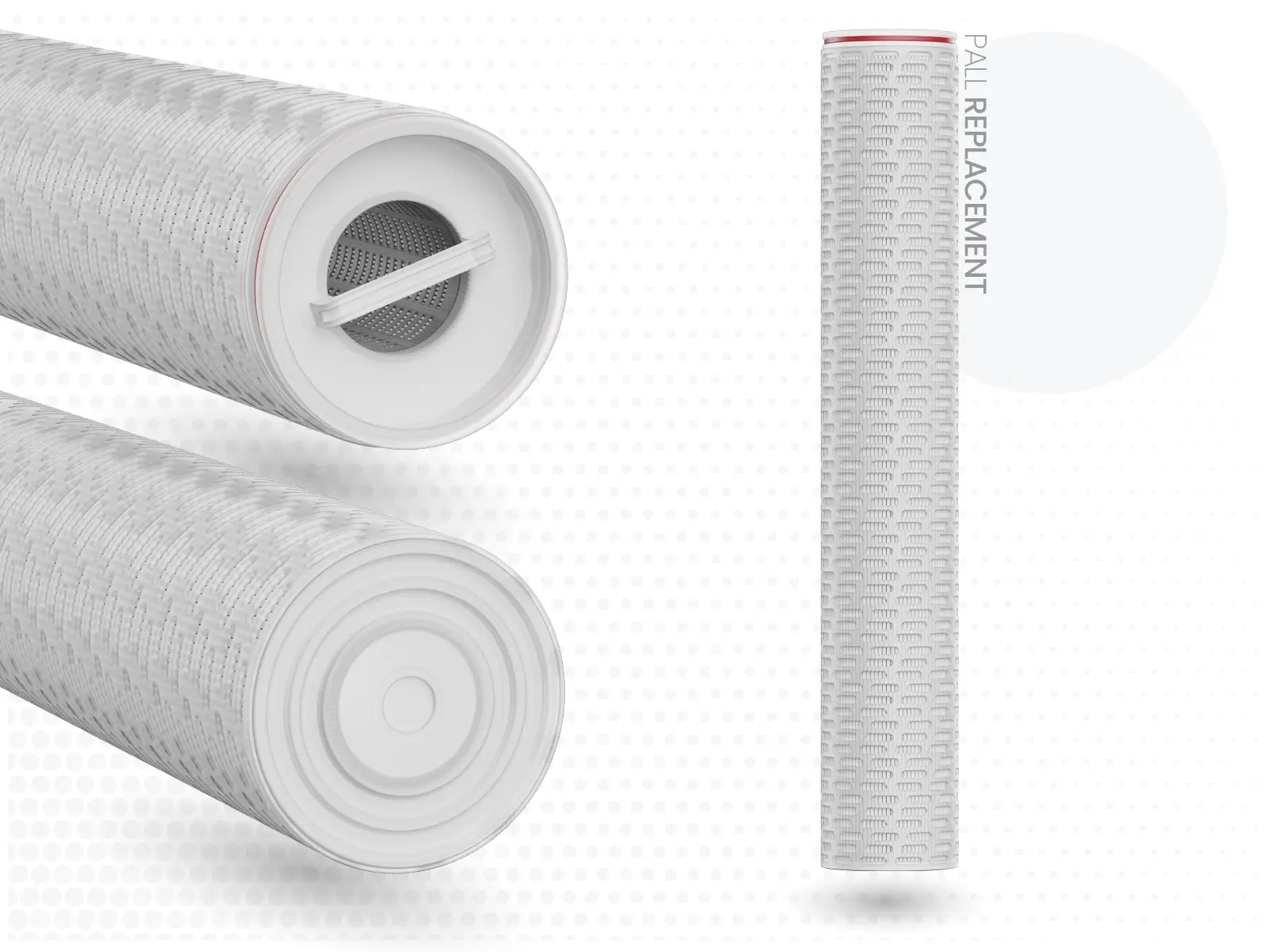
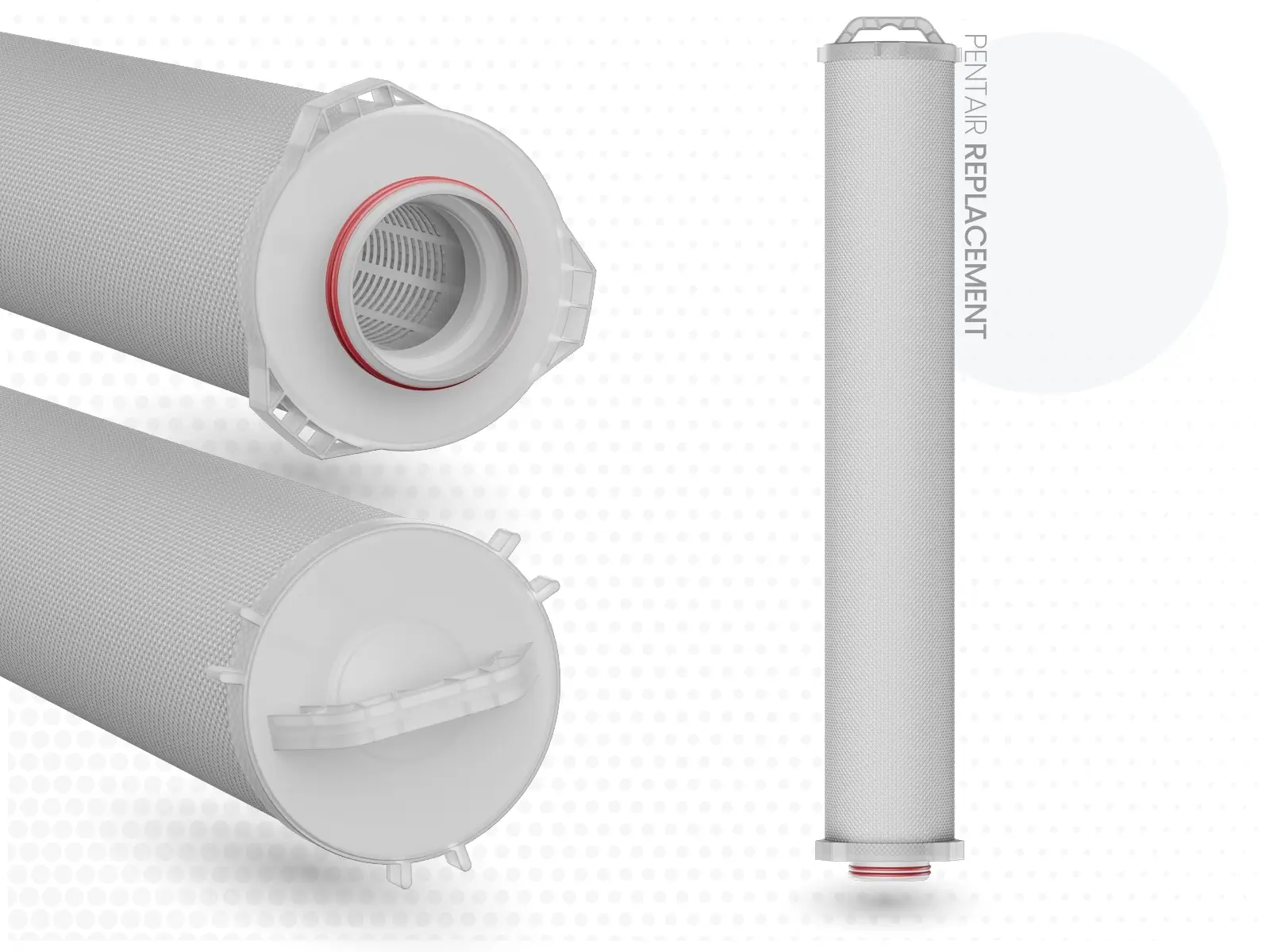
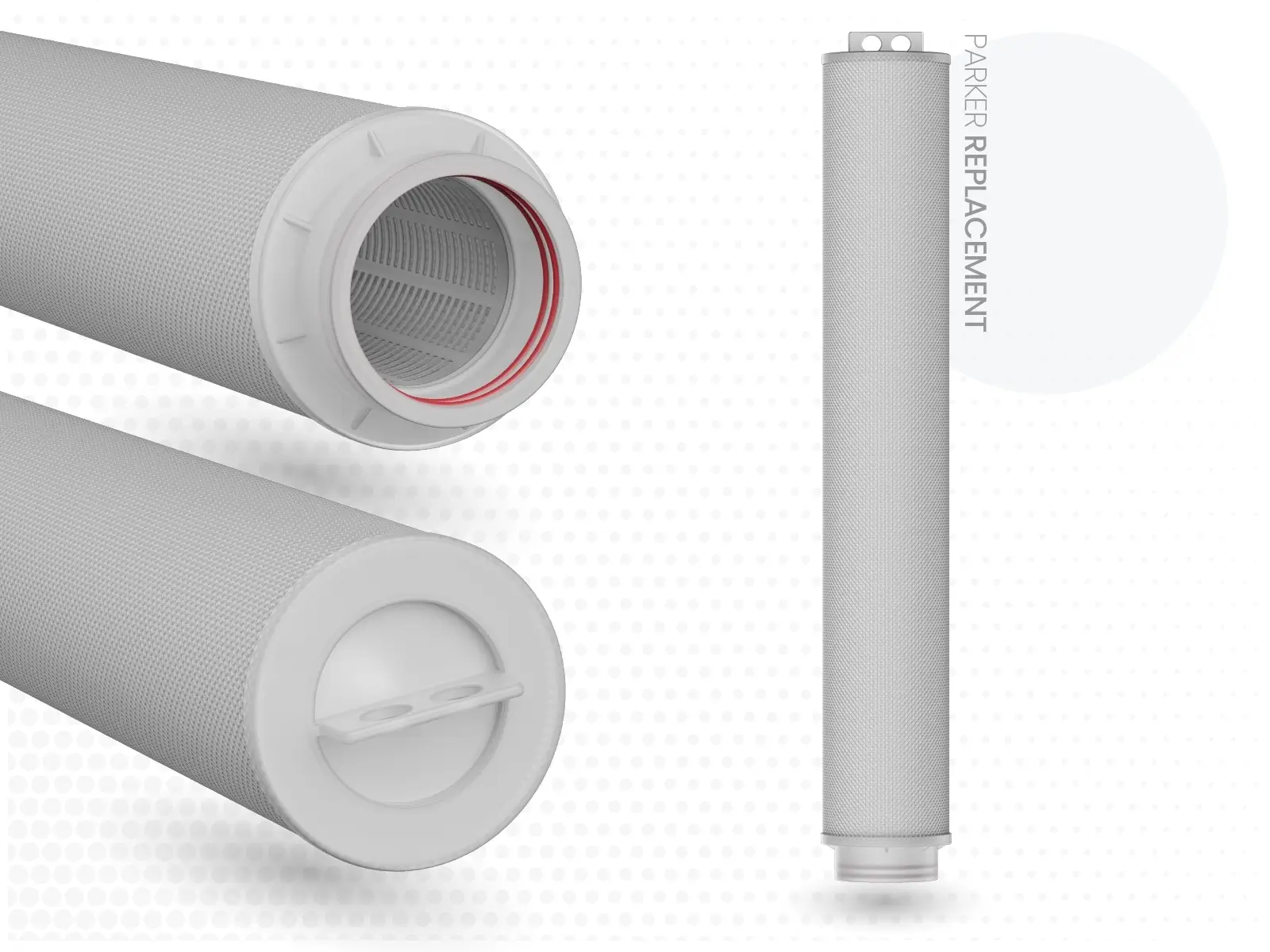
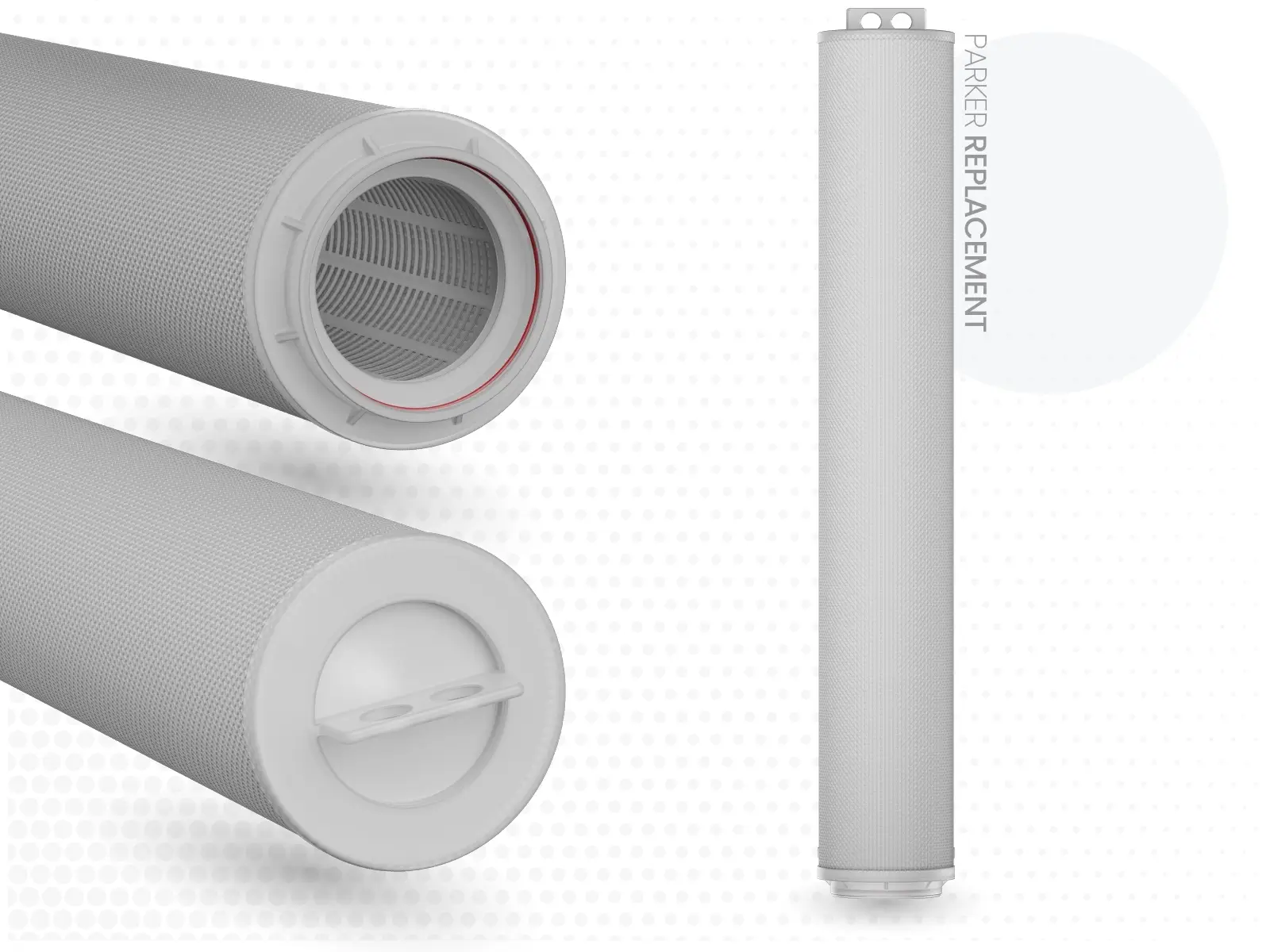
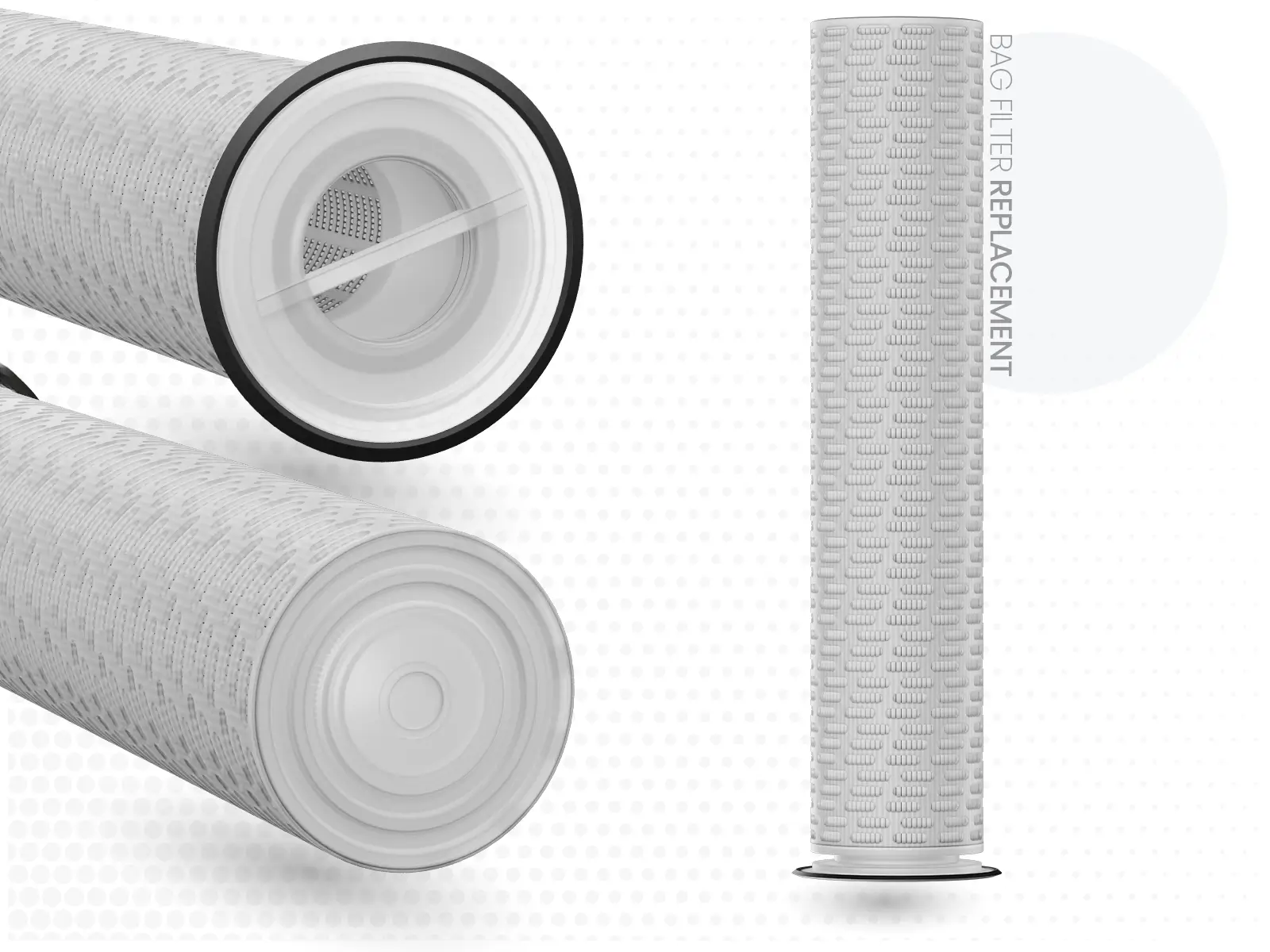
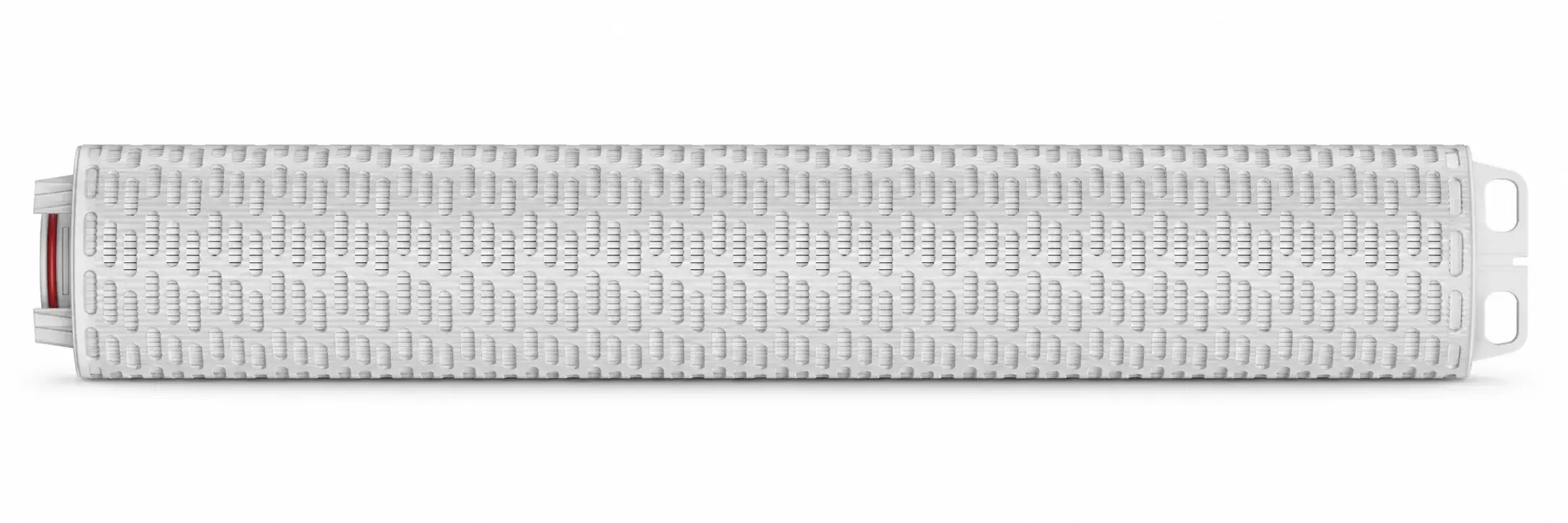
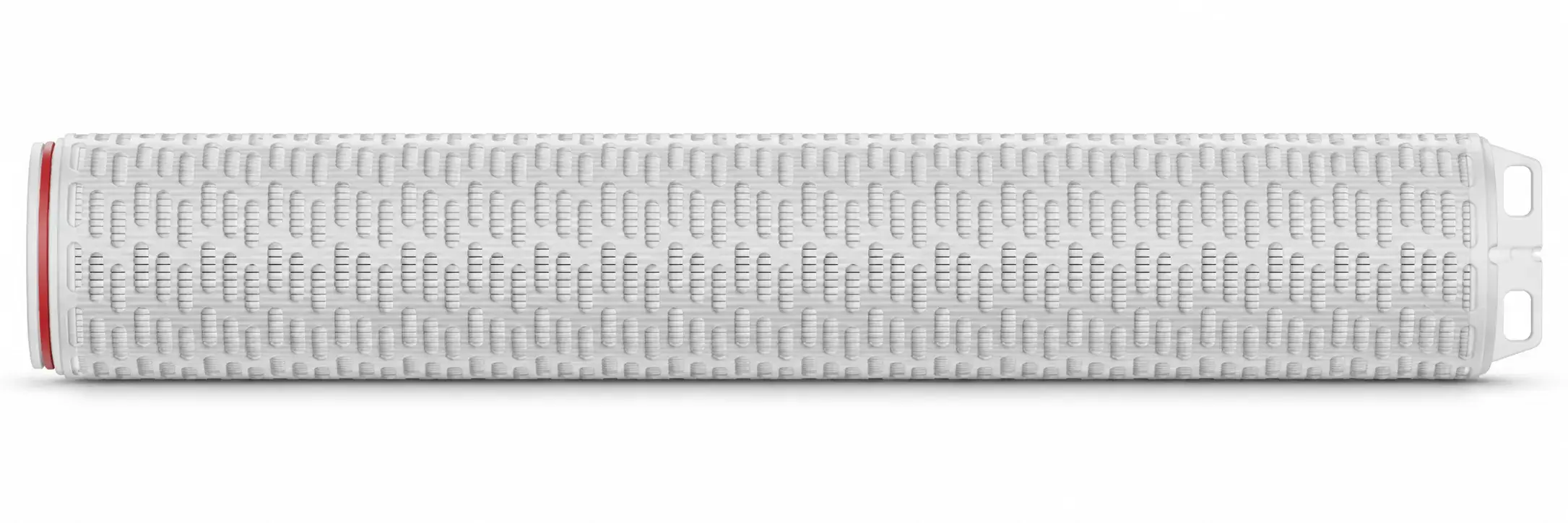
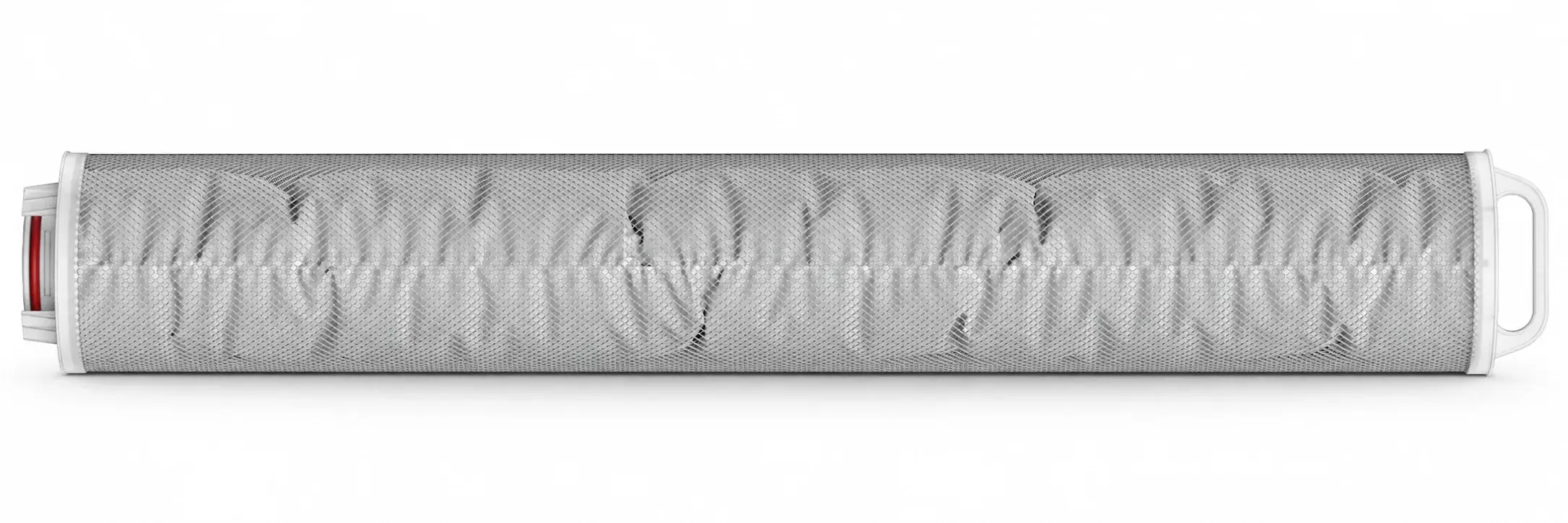

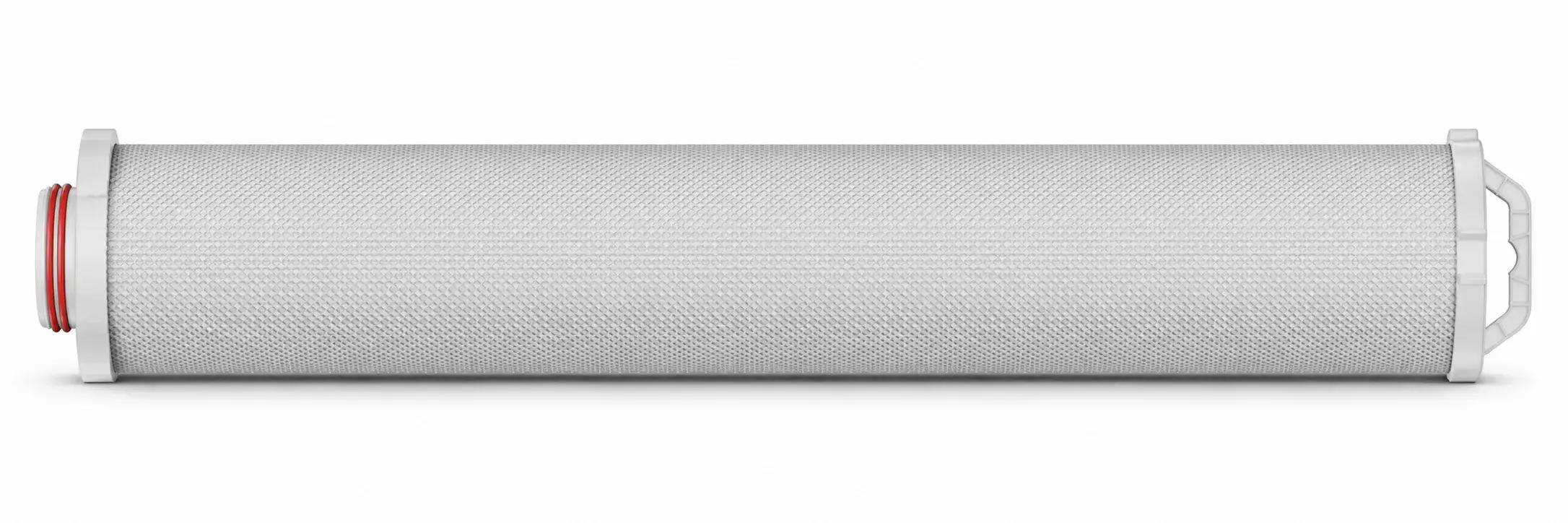
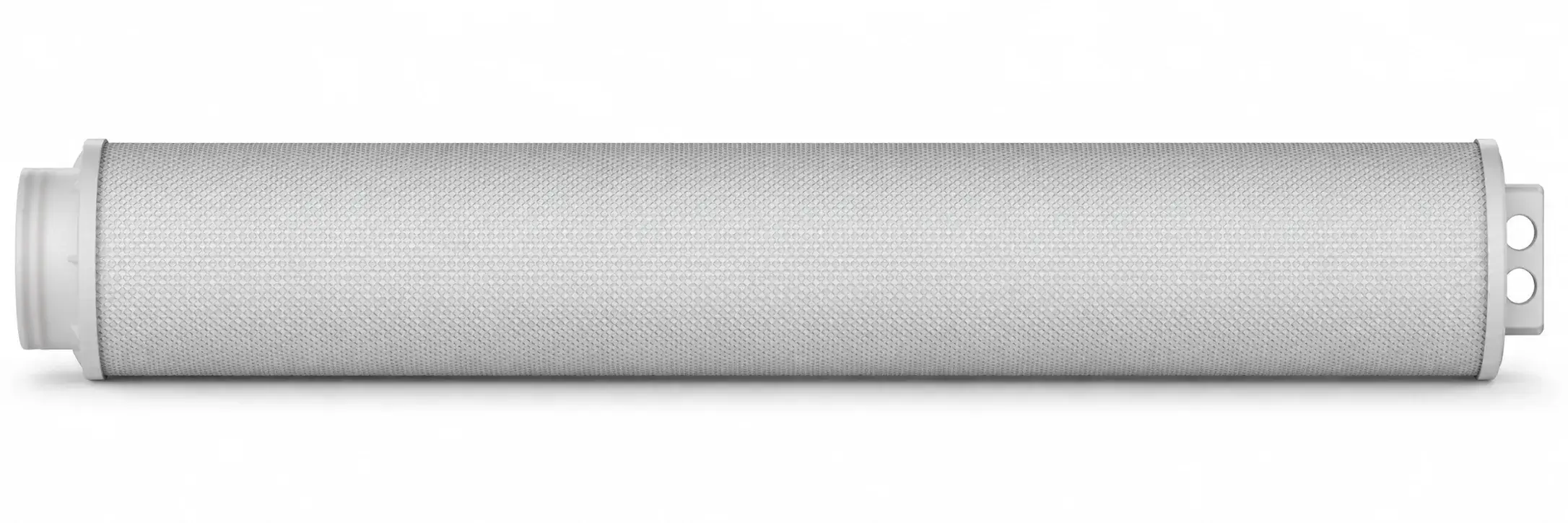
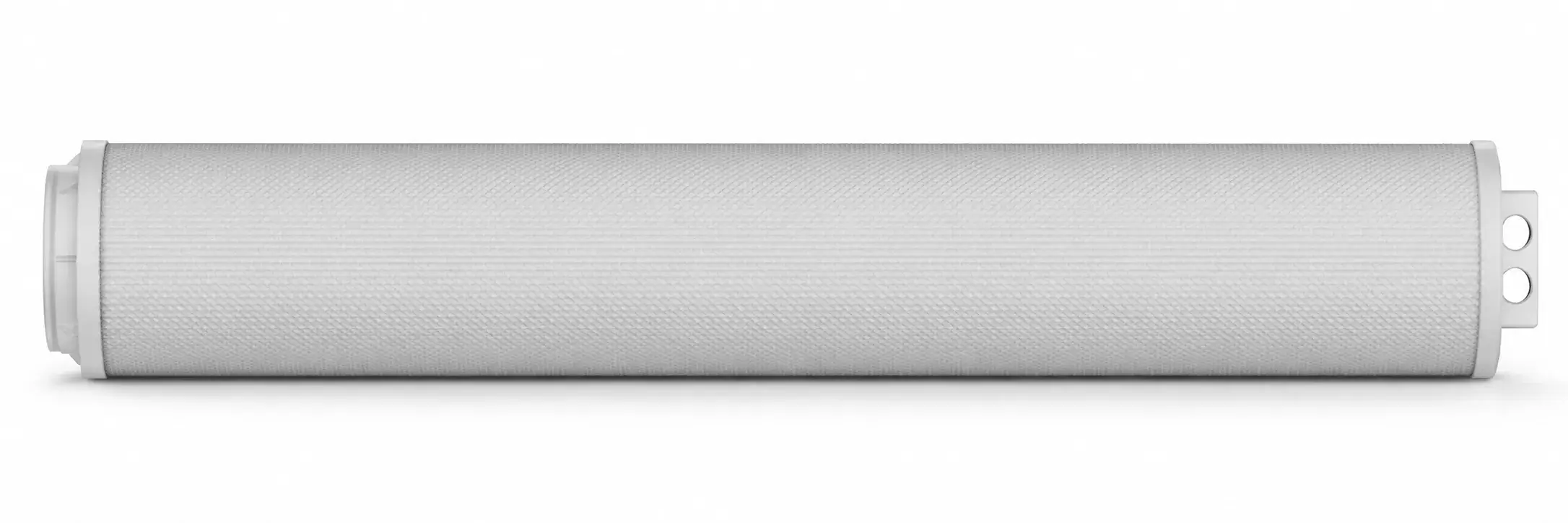
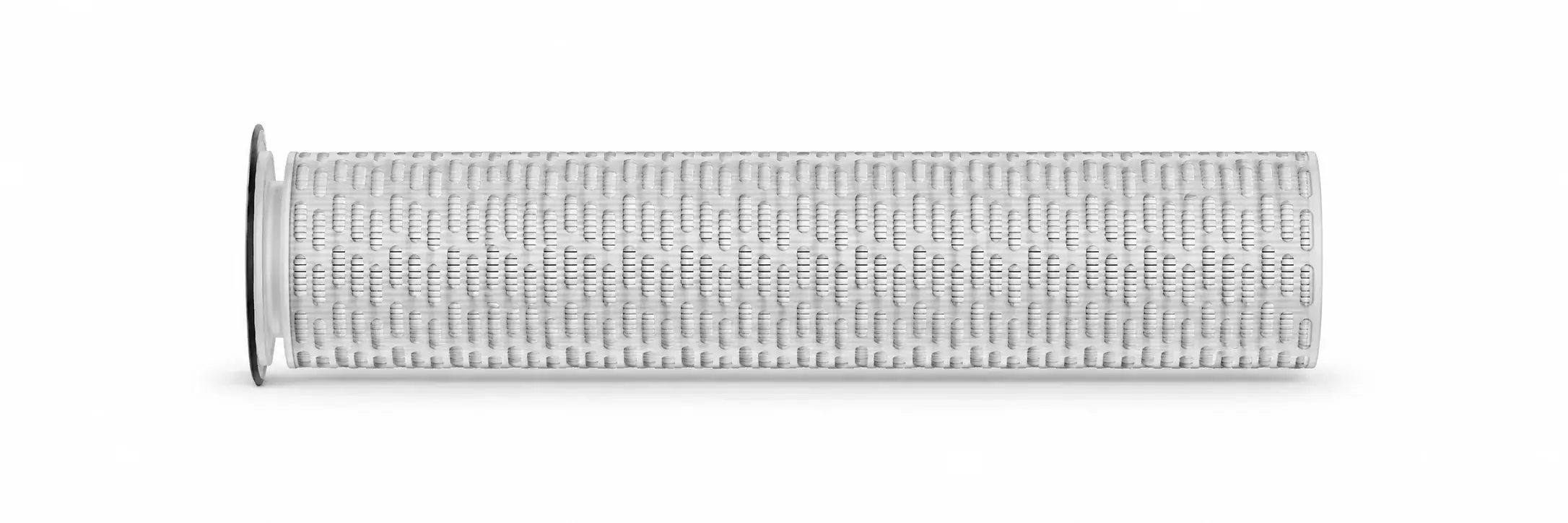
High Flow Cartridge Filter: 0.5–100 µm, 10″–60″ Lengths
High Flow with a Single Cartridge, Fewer Changes and Shorter Downtime
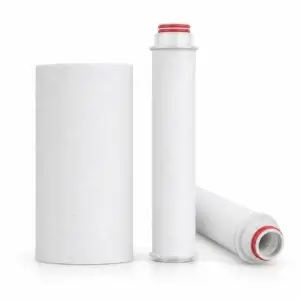
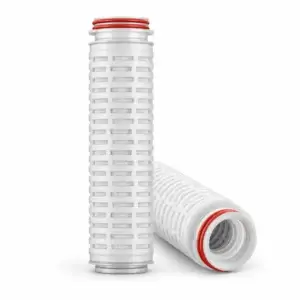
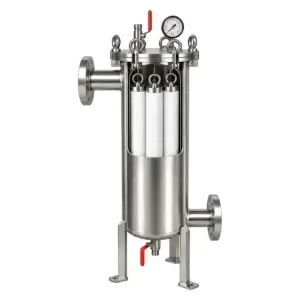
The high flow cartridge filter is a pleated cartridge that replaces many standard cartridges on its own on high-flow lines. PP and glass fibre media, 0.5–100 µm, 10″–60″ lengths; compatible with common high flow housings.
130+
0.5–100 µm
1–14
ISO 9001:2015
Product Identity and Technical Summary Panel
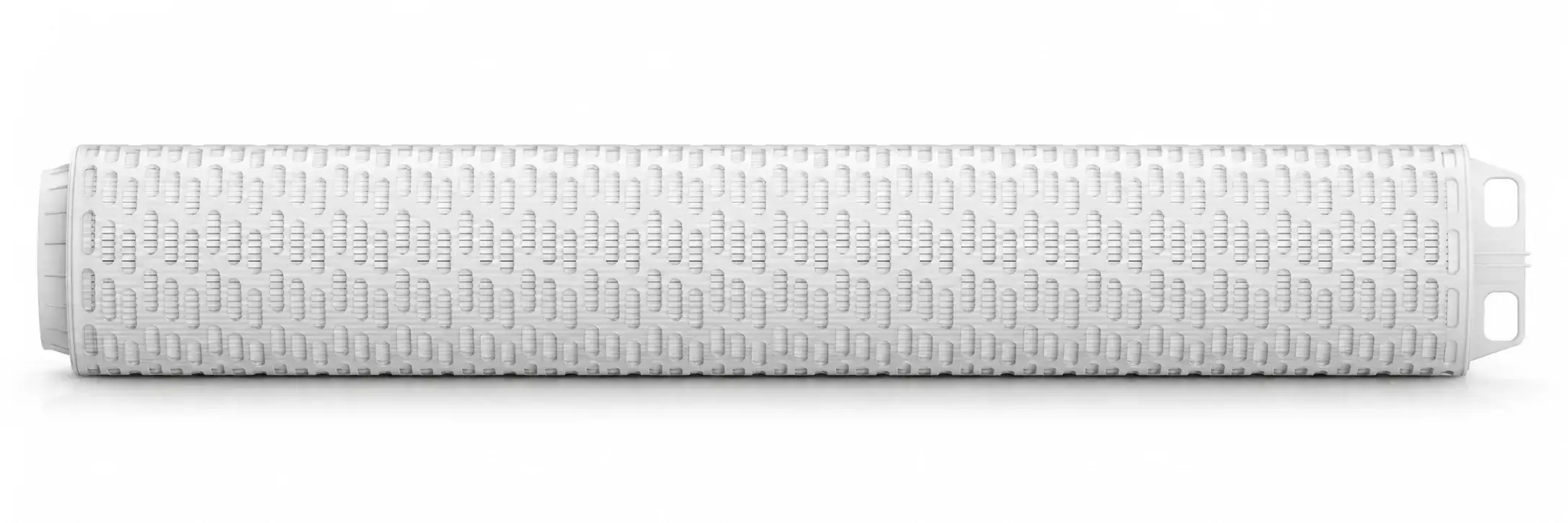
The High Flow Cartridge Filter product family is designed with a large-surface pleated depth filtration structure to reduce filter change frequency and downtime on high-flow industrial lines. The adhesive-free, thermally bonded 6″ (152 mm) one-piece body and the dimensional and micron verification applied to every variant are aimed at making the cartridge behave predictably under line conditions.
Grades from 0.5 to 100 microns, combined with polypropylene and glass fibre and, on request, PES, PTFE and nylon media, suit petrochemicals, power plant condensate lines, paints and coatings and industrial processes. The same body architecture meets very different flows and dirt loads with different combinations of media, micron rating and length (10″–60″).
Each variant is shaped by the line’s operating conditions: the micron rating defines the target particle size, the media type the chemical and temperature resistance, and the series and gasket choice the housing integration. That is why the right cartridge is chosen not by micron rating alone but by considering flow, permitted differential pressure and dirt load together.
Key Technical and Structural Features


- Filter Media
- Polypropylene (PP)
- Glass Fibre (GF)
- Polyethersulfone (PES)
- PTFE
- Nylon (PA)
- Filtration Range
- Micro-precision class starting from 0.5 µm (configured to the process and application).
- Operating Compatibility
- Petrochemical Process Lines
- Power Plant Condensate Filtration
- Paint & Coating Systems
- Industrial Water and Process Lines
- Construction Type
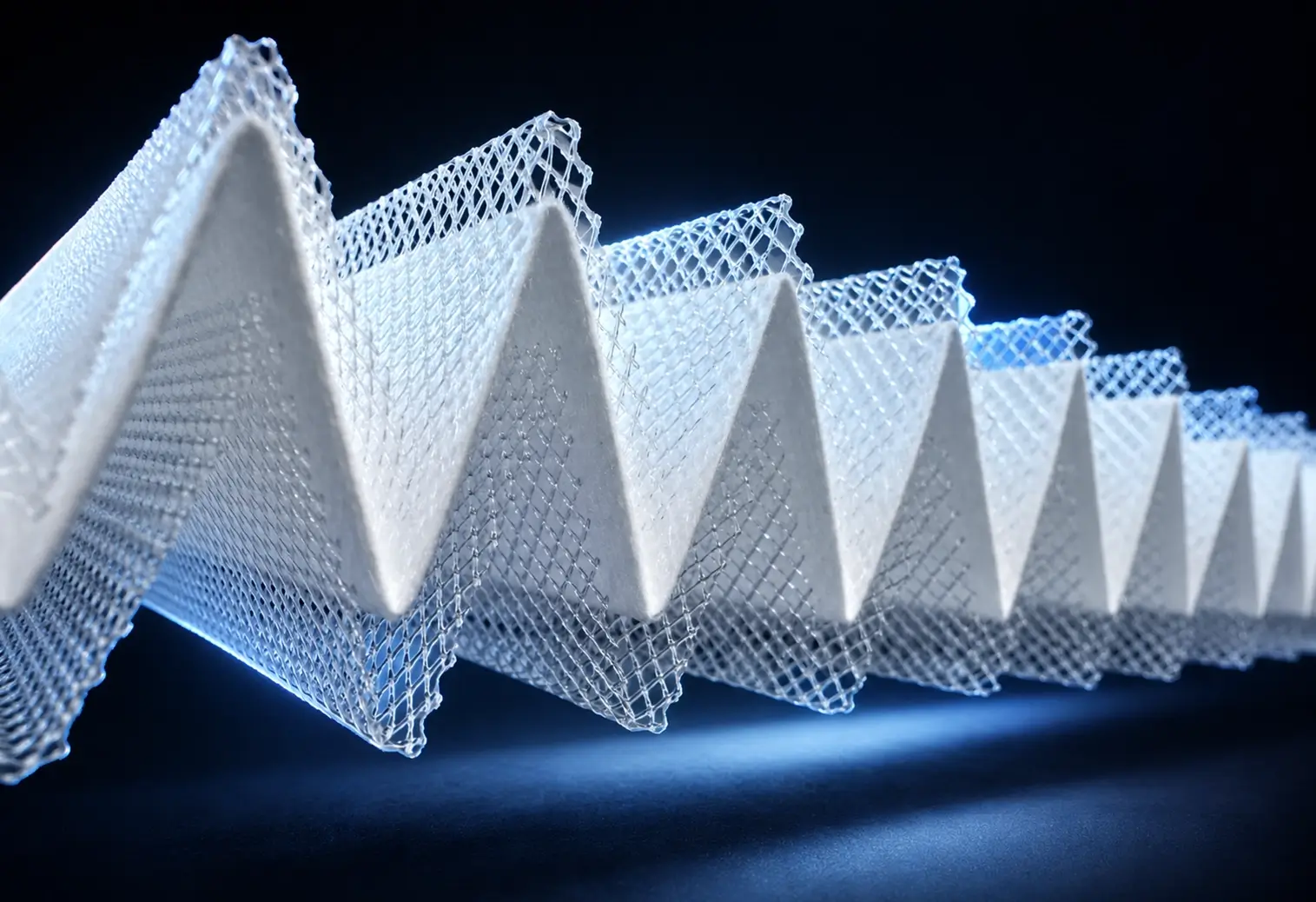
- Optimised pleated structure, high effective surface area, balanced flow distribution and even dirt holding.
- Connection Types
- End types suited to common housing standards.
- Production Model
- Standard series production, with custom configurations made to samples and technical drawings.
- Quality Control
- Post-production visual, dimensional and micron precision verification.
- Flow Direction
- Standard Series: Outside-In
- Bag Filter Replacement Series: Inside-Out
Liquid Flow Performance per 40"
| Flow Rate (L/min) | 1 µm Pressure Drop (bar) | 10 µm Pressure Drop (bar) | 20 µm Pressure Drop (bar) |
|---|---|---|---|
| 0 | 0,000 | 0,000 | 0,000 |
| 379 | 0,012 | 0,006 | 0,004 |
| 757 | 0,023 | 0,012 | 0,008 |
| 1325 | 0,041 | 0,021 | 0,014 |
| # | 1 µm | 10 µm | 20 µm |
|---|---|---|---|
| 1 | 379 L/min0.012 bar | 379 L/min0.006 bar | 379 L/min0.004 bar |
| 2 | 757 L/min0.023 bar | 757 L/min0.012 bar | 757 L/min0.008 bar |
| 3 | 1325 L/min0.041 bar | 1325 L/min0.021 bar | 1325 L/min0.014 bar |
Water Flow Rate Performance
The high flow cartridge filter offers water flow rate performance optimised for different micron configurations, providing stable filtration at high flow with low differential pressure. Thanks to the optimised pleated structure and large effective surface area, balanced pressure values are maintained even at increasing flow rates. This architecture brings advantages in industrial high-flow filtration in terms of energy efficiency, process safety and long service life. The test data show the pressure-flow relationship that varies with micron grade on a 40″ cartridge basis.
Performance Advantages in Water Filtration
- Dynamic Pressure Balance
- Even Dirt Distribution and High Filtration
- Protecting System Components
- OPEX Optimisation (Energy Efficiency)
- Broad Industrial Compatibility
Flow Geometry and Engineering Working Principle
Prosestim High Flow filter technology works with a bidirectional flow discipline shaped by the mechanical layout of the process: the classic outside-in filtration arrangement, which handles high flow evenly in new line investments, or the inside-out filtration arrangement, which upgrades existing bag filter housings to pleated cartridge precision and protects the clean side against contamination.
Housing Integration and Installation Flexibility
Standard High Flow Series:
Designed to fit perfectly in mechanical terms into special cartridge filter housings engineered for high-flow filtration. With a single or double O-ring or gasket seat, it offers a low risk of bypass and creates a compact, rigid infrastructure.
Bag Filter Replacement Series:
Flow Geometry and Contamination Control
Standard High Flow Series (Outside-In):
Bag Filter Replacement Series (Inside-Out)
Differential Pressure Stability and Process Safety
Standard High Flow Series:
Bag Filter Replacement Series:
With its rigid body, it eliminates the risks of seam stretching, fibre shedding and bypass at the bottom of the basket that can occur with conventional bag filters under high flow or particle load; it prevents particle escape and supports line safety.
Filter Media and Structural Engineering Design
Prosestim High Flow filters are made by high-technology thermal bonding from PP (polypropylene), GF (glass fibre), PES (polyethersulfone), PTFE (polytetrafluoroethylene) and nylon raw materials, free of any adhesives, resins or silicone binders. Versions with PES, PTFE and nylon media are made on request and on a project basis. This special design works on the “optimised pleated structure” principle: the filter media consists of layers stacked in a folded geometric arrangement; thanks to the large effective surface area, the dirt load is spread evenly through the media. No early clogging occurs at any one point, the entire media capacity stays active, and maximum dirt-holding capacity and the longest service life are achieved.
| Parameter | Value |
|---|---|
| Filter Media | Polypropylene (PP), Glass Fibre (GF), PES (Polyethersulfone), PTFE (Polytetrafluoroethylene), Nylon |
| Micron Ratings | 0.5 µm, 1 µm, 5 µm, 10 µm, 20 µm, 50 µm, 100 µm (process-specific micron configuration) |
| Support Layer | Polypropylene |
| Inner Support Layer | Polypropylene |
| End Cap | Glass-Filled Polypropylene · Glass-Filled Acetal |
| O-Ring Gasket | Silicone, Nitrile, EPDM, Viton |
| End Cap Type | SOE (Single Open End) + Handle |
| Outer Diameter | 6″ (152 mm) |
| Inner Diameter | 3.5″ (89 mm) |
| Length | 10″, 20″, 30″, 40″, 60″ |
Physical Construction and Effective Surface Area
A 6″ diameter High Flow cartridge offers an effective filtration area of 5.30 m² (57.1 ft²) in a single 40-inch (1016 mm) module. This area is much larger than that of standard 2.5″ diameter cartridges; it lowers the flow velocity per unit area, reduces differential pressure and extends filter life. Because the one-piece body from 10 to 60 inches has no joints, it reduces the risk of bypass and provides stable filtration at high flow.
| Length | Surface Area (m²) | Surface Area (ft²) |
|---|---|---|
| 10 Inch | 1.33 m² | 14.3 ft² |
| 20 Inch | 2.65 m² | 28.5 ft² |
| 30 Inch | 3.98 m² | 42.8 ft² |
| 40 Inch | 5.30 m² | 57.1 ft² |
| 60 Inch | 8.00 m² | 86.1 ft² |
Filter Material Chemical Compatibility Guide
High Flow cartridge filters are made from 5 different raw materials: PP, glass fibre, PES, PTFE and nylon. The table below shows the resistance of these 5 media to 12 chemical groups (including acids, bases, solvents and oils). Choosing the right media is critical for filter life and process safety.
E: Excellent · G: Good · F: Fair · P: Poor · N/R: Not recommended
| Chemical Group | Example Chemical | PP | Glass Fibre | PES (Polyethersulfone) | PTFE | Nylon |
|---|---|---|---|---|---|---|
Water and Inorganic Chemicals | ||||||
| Drinking Water / Water | Process water, condensates | E | E | G | E | G |
| Organic Acids | Acetic acid, citric acid | E | E | G | E | F |
| Dilute Inorganic Acids | Dilute HCl, H₂SO₄ | E | E | F | E | P |
| Strong Inorganic Acids | Concentrated HNO₃, H₂SO₄ | P | G | P | E | N/R |
| Alkalis (Bases) | NaOH, KOH, ammonia | E | P | P | E | G |
| Oxidising Agents | H₂O₂, hypochlorite, ozone | P | G | G | E | F |
Organic Solvents and Oils | ||||||
| Organic Solvents (Polar) | Acetone, MEK, IPA, ethanol | G | E | G | E | G |
| Organic Solvents (Aliphatic) | Hexane, heptane, white spirit | G | E | E | E | E |
| Organic Solvents (Aromatic) | Toluene, xylene, benzene | F | E | F | E | G |
| Mineral and Industrial Oils | Machine oil, hydraulic oil, fuel oil | F | E | E | E | G |
| Vegetable and Animal Oils | Olive oil, soybean oil, tallow | F | E | E | E | G |
| Chlorinated Solvents | DCM, TCE, perchloroethylene | P | E | F | E | G |
Operating Conditions
The success of high flow cartridge filters is measured by their ability to adapt to variable process conditions. With PP, GF, PES, PTFE and nylon media options, the monoblock body made by adhesive-free thermal bonding keeps its structural integrity under temperature, pressure and chemical aggressiveness. Optimised to support process continuity and extend equipment life, our design delivers stable filtration efficiency even in heavy industrial applications. Customisable with different media, gasket and micron options, our construction reduces your total cost of ownership (TCO).
| Operating Parameter | PP | Glass Fibre (GF) | PES | PTFE | Nylon |
|---|---|---|---|---|---|
Technical Limits and Operating Conditions |
|||||
| Maximum Operating Temperature | 82 °C180 °F | 121 °C250 °F | 80 °C176 °F (Estimated) | 100 °C212 °F (Assembly-Limited*) | 90 °C194 °F (Estimated) |
| Maximum Differential Pressure | 3.4 bar@ 25 °C (at 82 °C: 1.0 bar) | 3.44 bar@ 121 °C | 4.00 bar@ 25 °C (Estimated) | 4.00 bar@ 23 °C (Estimated) | 3.50 bar@ 23 °C (Estimated) |
| Recommended Replacement Pressure (ΔP) | 2.1–2.4 bar@ 20 °C | 2.1–2.4 bar@ 20 °C | 2.1–2.4 bar@ 21 °C (Estimated) | 2.1–2.4 bar@ 21 °C (Estimated) | — |
| pH Compatibility | 1–14 | 4–10Limited with strong alkalis | 3–12 | 1–14 | 3–11Limited with strong acids |
Sealing and Connection Components
In cartridge filter systems, sealing and mechanical integrity depend on correctly selected gaskets, O-rings, end caps and closures. Chosen with operating pressure, temperature range and chemical compatibility in mind, these components reduce the risk of leakage throughout the system and keep filter performance consistent.
End Caps and Closures
The operational reliability of high flow cartridge filters at high flows depends directly not only on the large pleated filter media but also on the heavy-duty end cap, locking mechanism and ergonomic handle design. Prosestim High Flow end caps lock the cartridge fully and leak-tight into the filter housing, preventing the risk of bypass even under high differential pressure.


Engineer's Note
- Senior Process Engineer
- 15+ Years of Field Experience
- Field-Test Approved
High Flow Cartridge Design and the Compact System Advantage
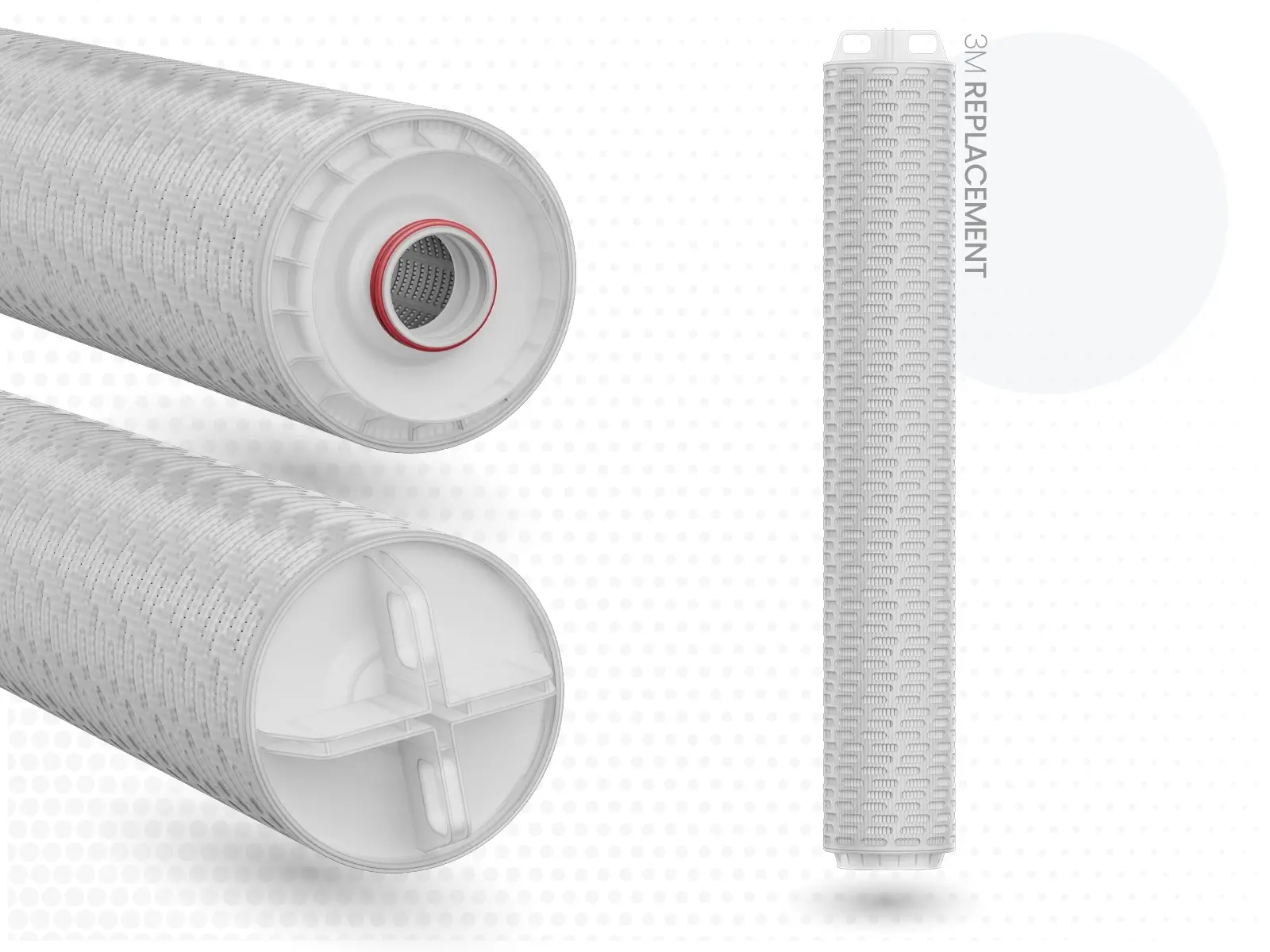
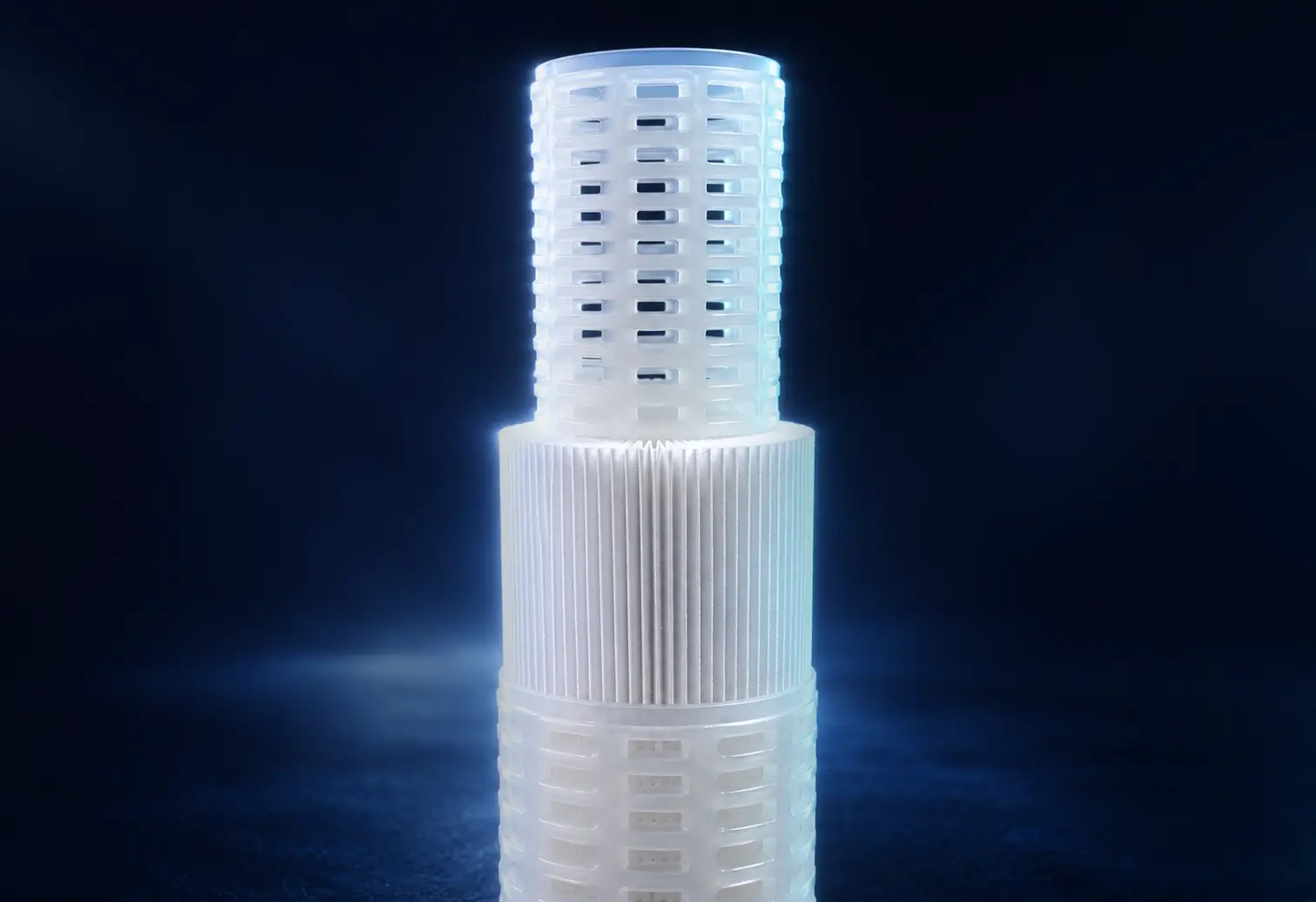
Thanks to their crescent-section, laid-over pleat geometry, our high flow series cartridges fit much more filter area into a 152.4 mm (6-inch) diameter body than standard cartridges. In the standard series, the outer cage is made as a mesh core or PP core and there is an inner support layer; in the Bag Filter Replacement series there is no inner support core. In our field experience, the real gain of this design is the reduction in change frequency: in a correctly sized system, the number of cartridges can be significantly reduced compared with conventional pleated or depth filters, and the filtration system can be built with smaller filter housings. In the Bag Filter Replacement series, inside-out flow keeps the retained contamination inside the cartridge, preventing contamination of the treated line during change-outs.
When should it be chosen?
Application and Selection Criteria
- Pre-Filtration Requirement
- Pre-filtration is essential with a high particle load; it delays clogging of the High Flow cartridge and extends the change interval.
- ΔP and Replacement Monitoring
- Check the pressure gauges weekly and plan replacement when the differential pressure reaches 2.1–2.4 bar.
- Gasket Lubrication Warning
- When changing gaskets, use only silicone grease to preserve the elastomer's life.
Industry Applications
Filter cartridges suited to different process needs are used across a wide range of industrial applications to protect product quality, safeguard equipment and support production continuity.
01
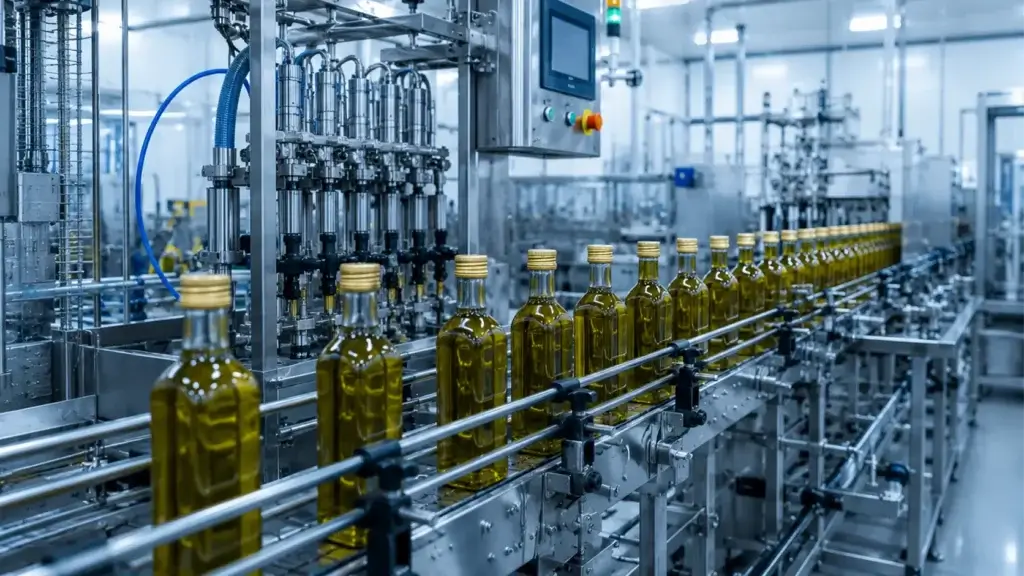
Vegetable Oil
Vegetable Oil
Clarity, purity and shelf life in vegetable oil and refining.
Explore solutions
02
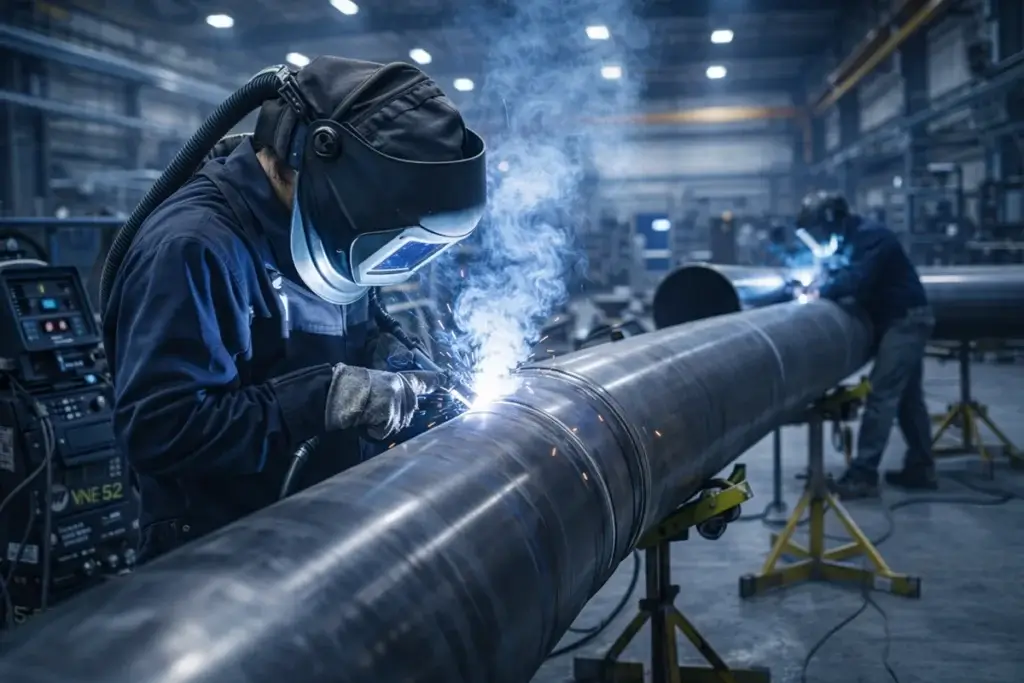
Pipe and Profile
Pipe and Profile
Cooling water filtration in pipe and profile extrusion.
Explore solutions
03
Paint Industry
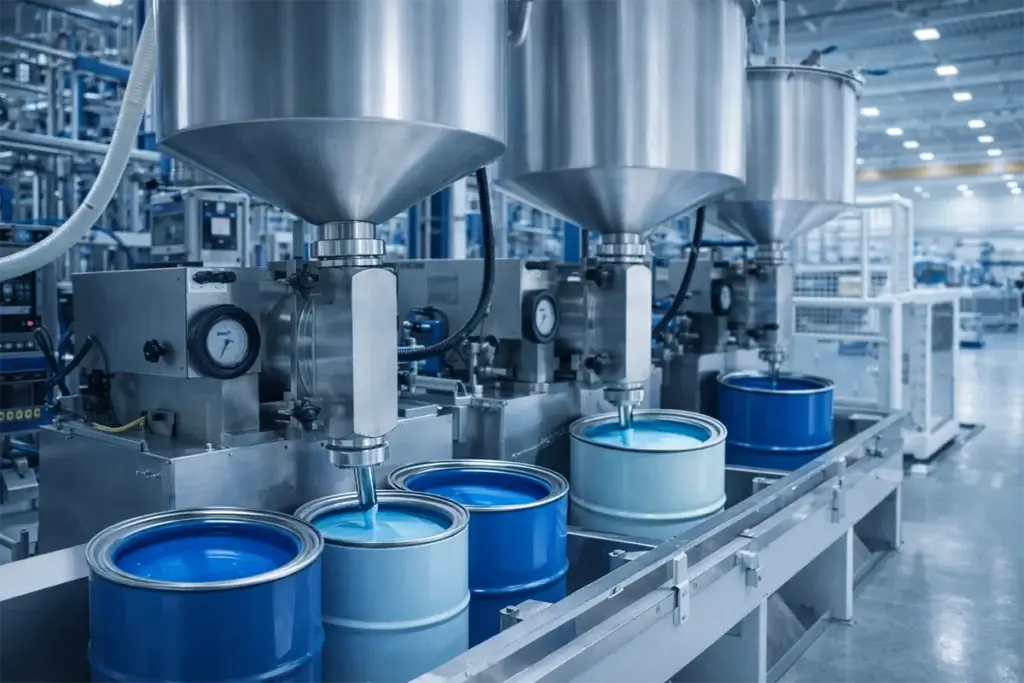
Paint Industry
Surface quality and pigment filtration in the paint industry.
Explore solutions
04
Glass Industry
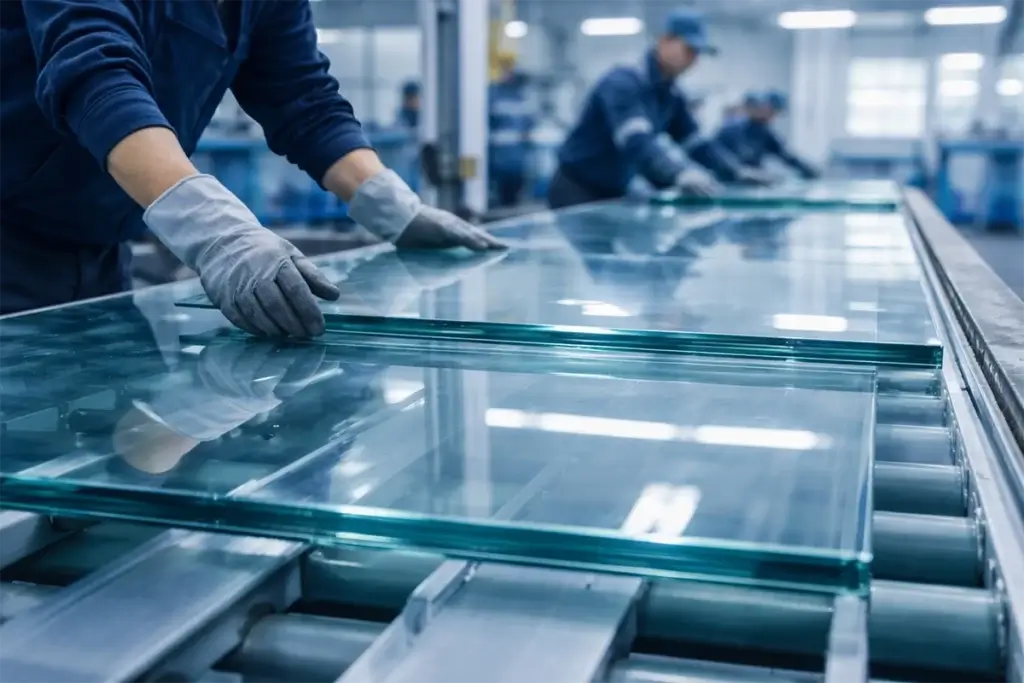
Glass Industry
Furnace and process filtration in the glass industry.
Explore solutions

05
Dialysis Centers
Dialysis Centers
Water preparation and process filtration in dialysis centers.
Explore solutions
06
Foundry Industry
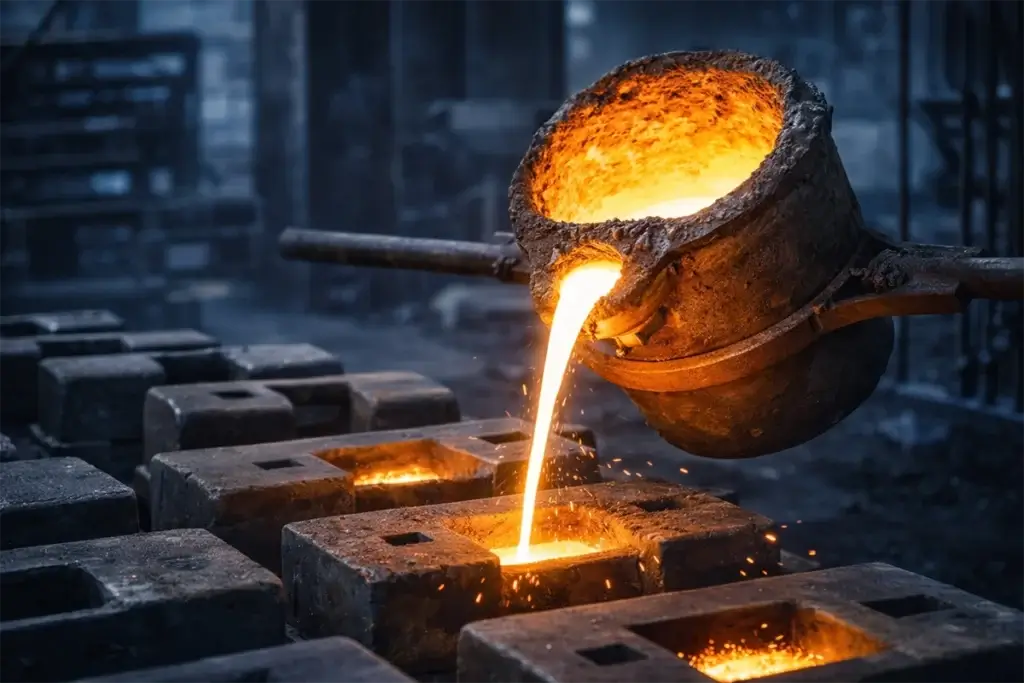
Foundry Industry
Equipment protection and dust filtration in foundries.
Explore solutions
07
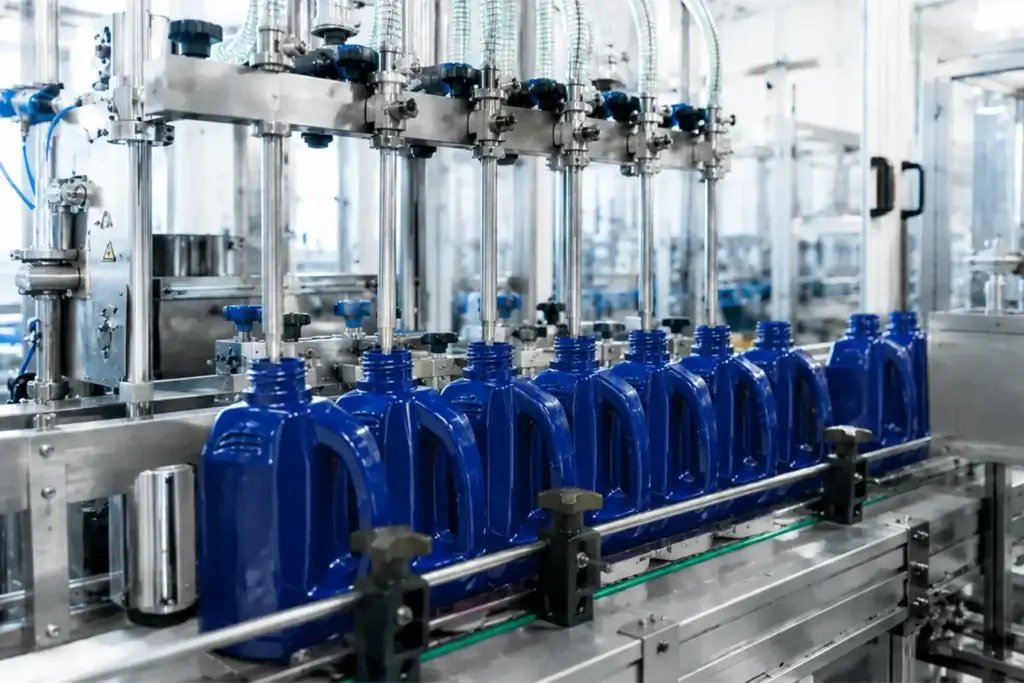
Industrial Oil
Industrial Oil
Filtration in industrial oil production and recovery.
Explore solutions

08
Energy and Biogas
Energy and Biogas
Maximum efficiency and turbine protection in energy and biogas.
Explore solutions
09
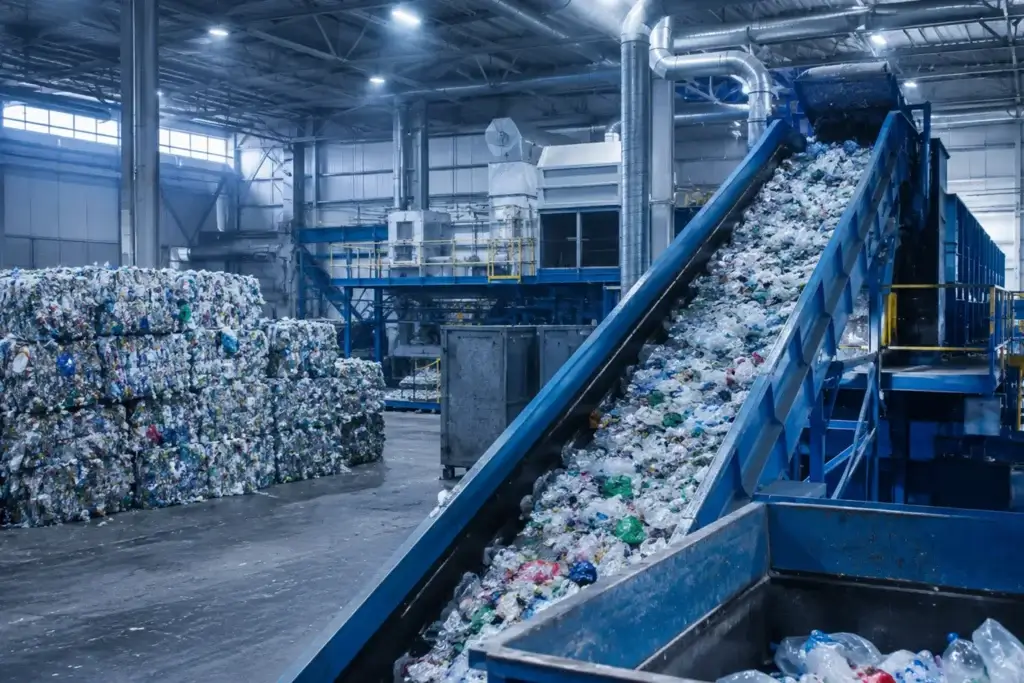
Recycling
Recycling
Filtration for efficiency and environmental compliance in recycling.
Explore solutions

10
Food and Beverage
Food and Beverage
Hygienic filtration in food and beverage.
Explore solutions

11
Pharmaceuticals and Biotechnology
GMP-compliant sterile filtration in pharmaceuticals and biotechnology.
Explore solutions
12
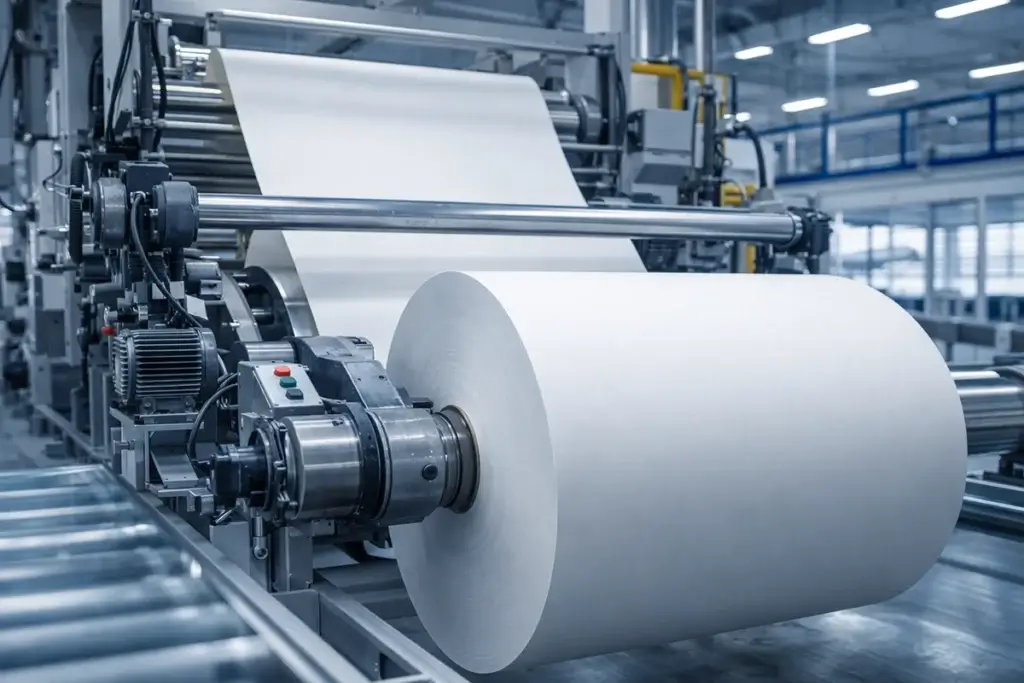
Paper and Packaging
Paper and Packaging
Process water filtration in paper and packaging.
Explore solutions

13
Chemical Industry
Chemical Industry
Corrosion-resistant, safe filtration in the chemical industry.
Explore solutions
14
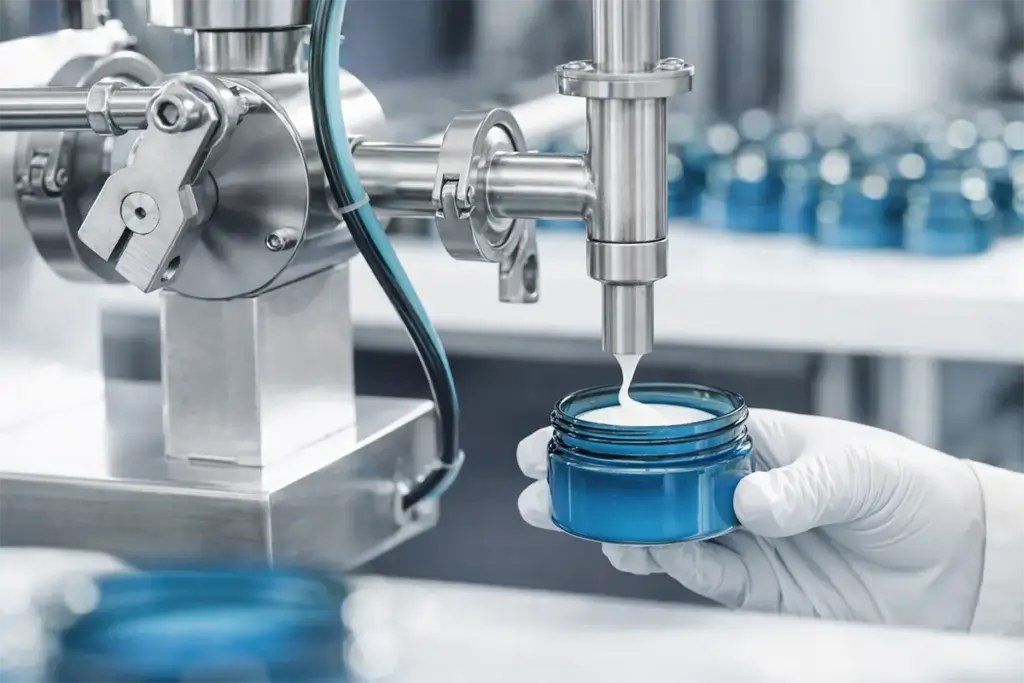
Cosmetics
Cosmetics
Microbiological safety and precision filtration in cosmetics.
Explore solutions
15
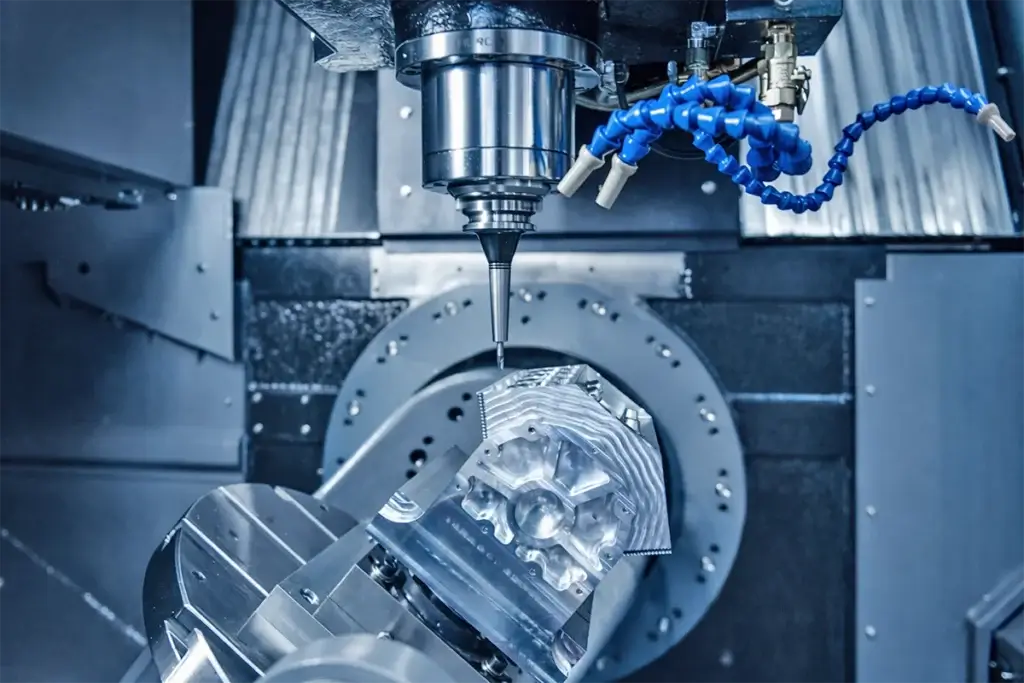
Machinery
Machinery
Precision and technical filtration in the machinery industry.
Explore solutions
16
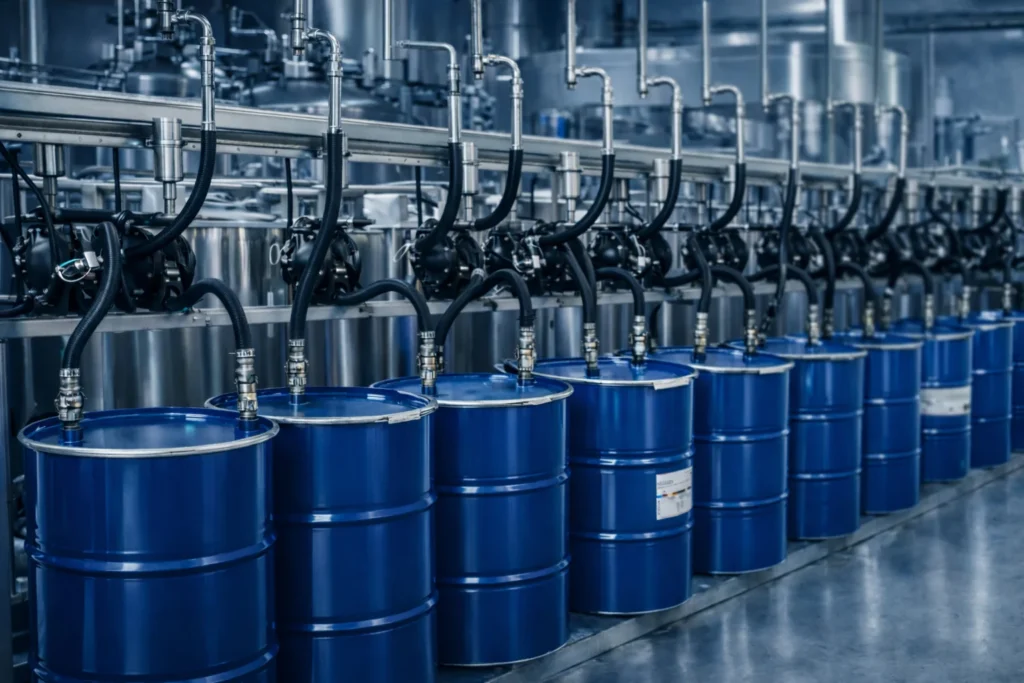
Printing and Ink
Printing and Ink
Flawless color and print quality in printing and ink.
Explore solutions

17
Metal and Surface Treatment
Flawless surfaces and bath stability in metal and surface treatment.
Explore solutions
18
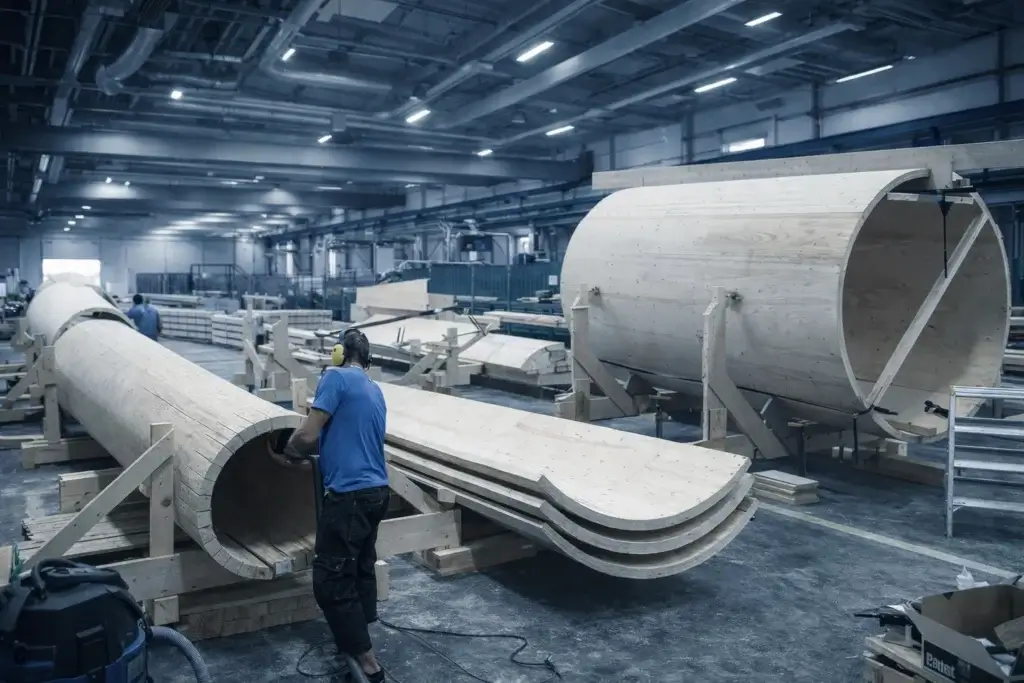
Forest Products
Forest Products
Resin and glue filtration in forest products and furniture.
Explore solutions

19
Automotive
Automotive
Precision process filtration for zero defects in automotive manufacturing.
Explore solutions
20
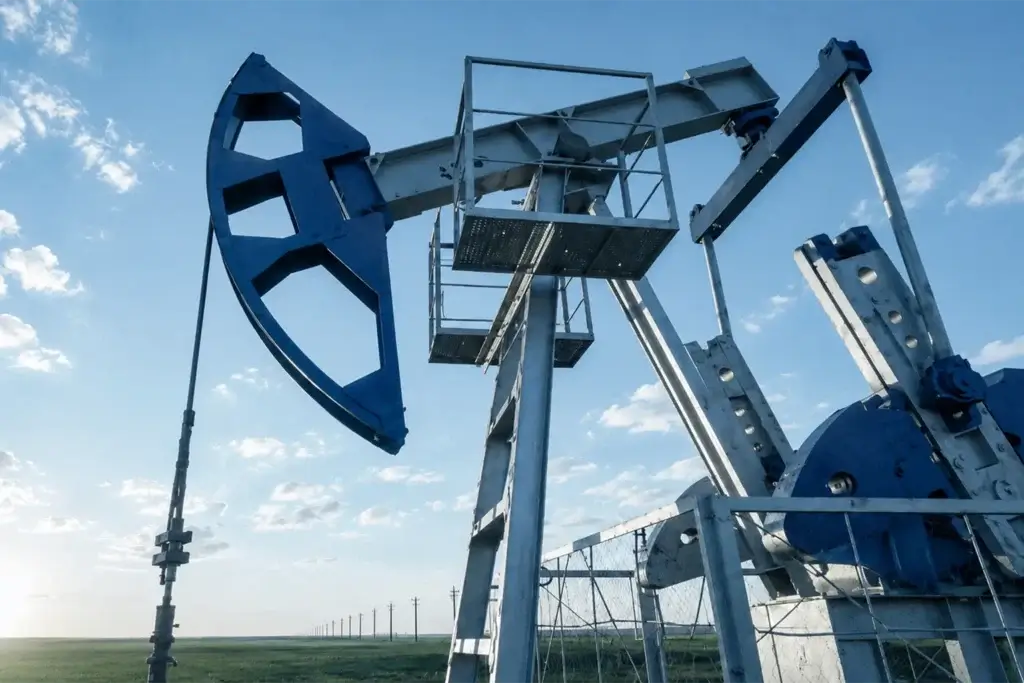
Oil and Petrochemicals
Equipment protection and process safety in oil and petrochemicals.
Explore solutions

21
Plastic Packaging
Plastic Packaging
Precision process filtration and raw material purity in plastic packaging.
Explore solutions
22
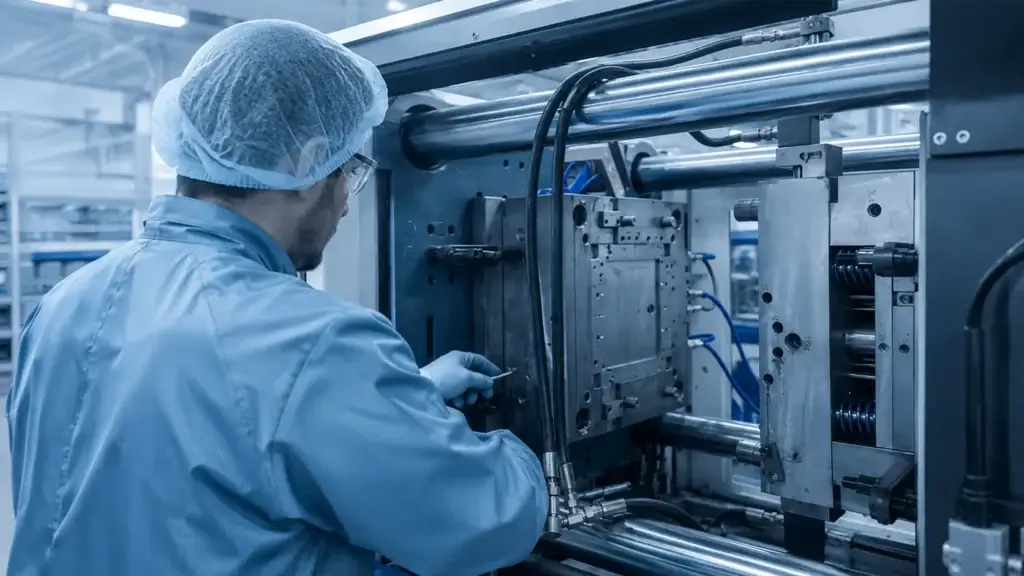
Plastic Injection Molding
Cooling and hydraulic filtration in plastic injection molding.
Explore solutions
23
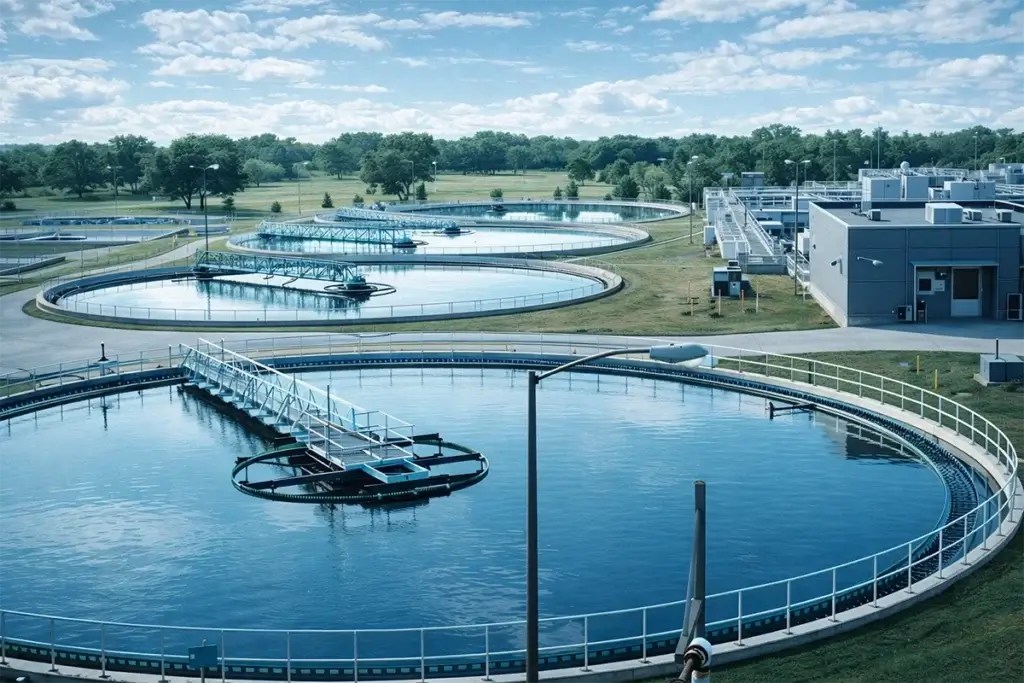
Water and Environment
Recovery filtration in water and environmental technologies.
Explore solutions

24
Shipyards and Marine
Operational safety and efficiency in shipyards and marine.
Explore solutions
Products that work with this product
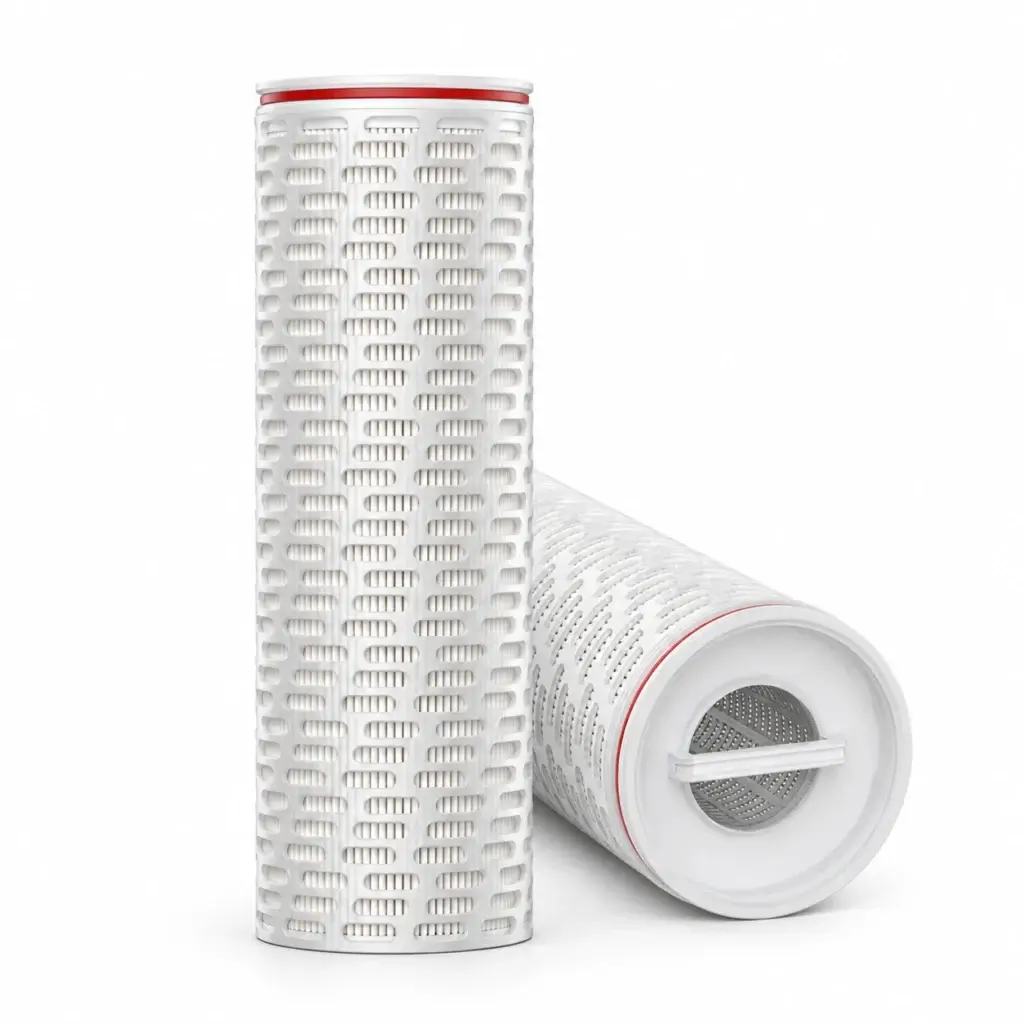
High Flow Cartridge Filter
Your Questions Answered
Frequently Asked Questions
At Prosestim, we are committed to answering your questions and providing technical support for our filtration solutions.
What is a high flow cartridge filter and what advantages does it offer over standard cartridge filters?
High flow cartridge filters have a much larger diameter, such as 6″ (152 mm), than standard 2.5″ cartridges and a deep pleated filtration area. A single 40″ or 60″ high flow cartridge can handle on its own the flow (up to 110 m³/h) provided by many standard cartridges or several bag filters. This shrinks filter housing sizes, significantly reduces footprint and cuts cartridge change times to minutes.
When should high flow filters be replaced, and what is the maximum differential pressure (ΔP)?
Replace the filter when the differential pressure (ΔP) reaches the 2.1–2.4 bar range; the 2.4 bar limit must not be exceeded. The cartridge’s recommended maximum structural pressure difference at 25 °C is 3.4 bar. Regular gauge monitoring prevents loss of process flow and unplanned downtime.
What is the chemical resistance and pH operating range of high flow polypropylene filters?
High flow cartridges, made with 100% pure polypropylene (PP) filter media and body components, operate in the pH 1–14 range and offer high chemical stability with dilute acid and base solutions, deionised water and high-purity process fluids. Resistance to strong acids is moderate, and poor with chlorinated solvents and oils. For these fluids, a different media should be chosen according to the chemical compatibility table. EPDM, Viton, NBR or silicone O-ring options give full compatibility with the process fluid.
Why does flow direction (inside-out / outside-in) matter in high flow cartridges?
In Prosestim high flow cartridges, the flow direction depends on the series: outside-in in the standard series and inside-out in the Bag Filter Replacement (BFR) series. In the BFR series, all retained particles stay in the cartridge’s inner cavity; when the cartridge is removed, contaminants do not spill onto the clean side of the filter housing, and the need to wash the inside of the housing is reduced. The standard series handles high flow evenly in new line investments. The series is chosen according to the mechanical layout of the line.
Can I convert my bag filter or standard cartridge filter housing to a high flow system?
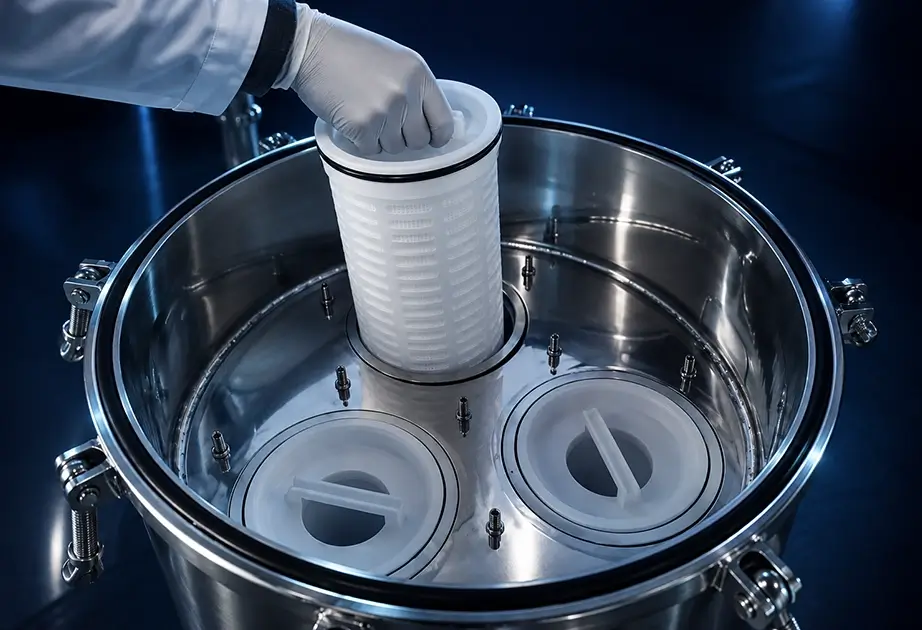
Yes. Bag-replacement high flow cartridges specially developed for Size 2 bag filter housings are available. By removing the existing bag basket or using a special adapter kit, your existing bag housing can be converted to a high flow cartridge system in minutes without any piping modifications, multiplying the filtration surface area.
What is the maximum operating temperature of high flow cartridge filters?
The nominal operating temperature of polypropylene high flow cartridges is 4 °C–60 °C. The maximum operating temperature is 82 °C, and the permitted differential pressure at high temperature must be limited to 1.0 bar. Because polymer strength falls at high temperatures, pressure drop must be controlled carefully.
What advantages do O-ring sealing and the integrated handle bring when installing the cartridge?
High flow cartridges seat in the housing seat with a special double O-ring base locking mechanism, giving reliable sealing. The integrated ergonomic handle at the top of the cartridge lets a single person change a heavy, saturated cartridge in a few seconds without a crane or special lifting device.
What micron ratings and length options are available?
Prosestim high flow cartridges are made in a wide range of micron ratings from 0.5 µm to 100 µm and in lengths of 10″, 20″, 30″, 40″ and 60″. Thanks to the high-surface-area pleated structure, they offer high absolute retention efficiency even at high flow rates.
How can I choose the right high flow cartridge model and housing size for my process?
The most suitable cartridge length (10″, 20″, 30″, 40″, 60″) and the number of housing positions needed are determined from your system’s total flow (m³/h), fluid type, operating temperature, viscosity and target micron rating. The Prosestim engineering team offers the most suitable configuration for your plant with differential pressure and flow calculations.
High Flow Cartridge Filter RFQ Configurator
Configure your variation dimensions and technical specifications to receive an instant quote directly on WhatsApp and via email.