Furnace and process filtration in the glass industry
From furnace gas to process air, from cooling water to pneumatic lines: filtration engineering that protects product quality and furnace life at high temperatures.
Points where filtration is decisive in glass industry processes
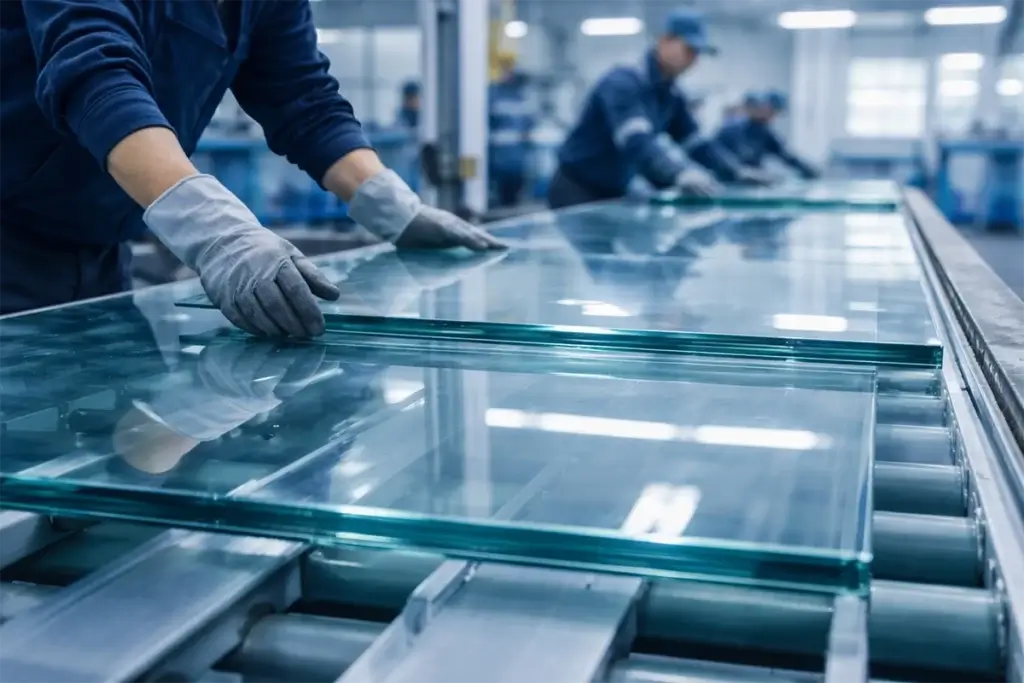
Glass production is one of the industries that demand the highest levels of thermal precision and optical purity. Particle control at every stage, from furnace gases to process air and from cooling water circuits to pneumatic lines, determines not only product quality but also furnace life. That is why heavy-duty filtration engineering suited to the glass industry’s extreme operating conditions has become a critical operational requirement.
Furnace Emission Control and Strategic Raw Material Recovery
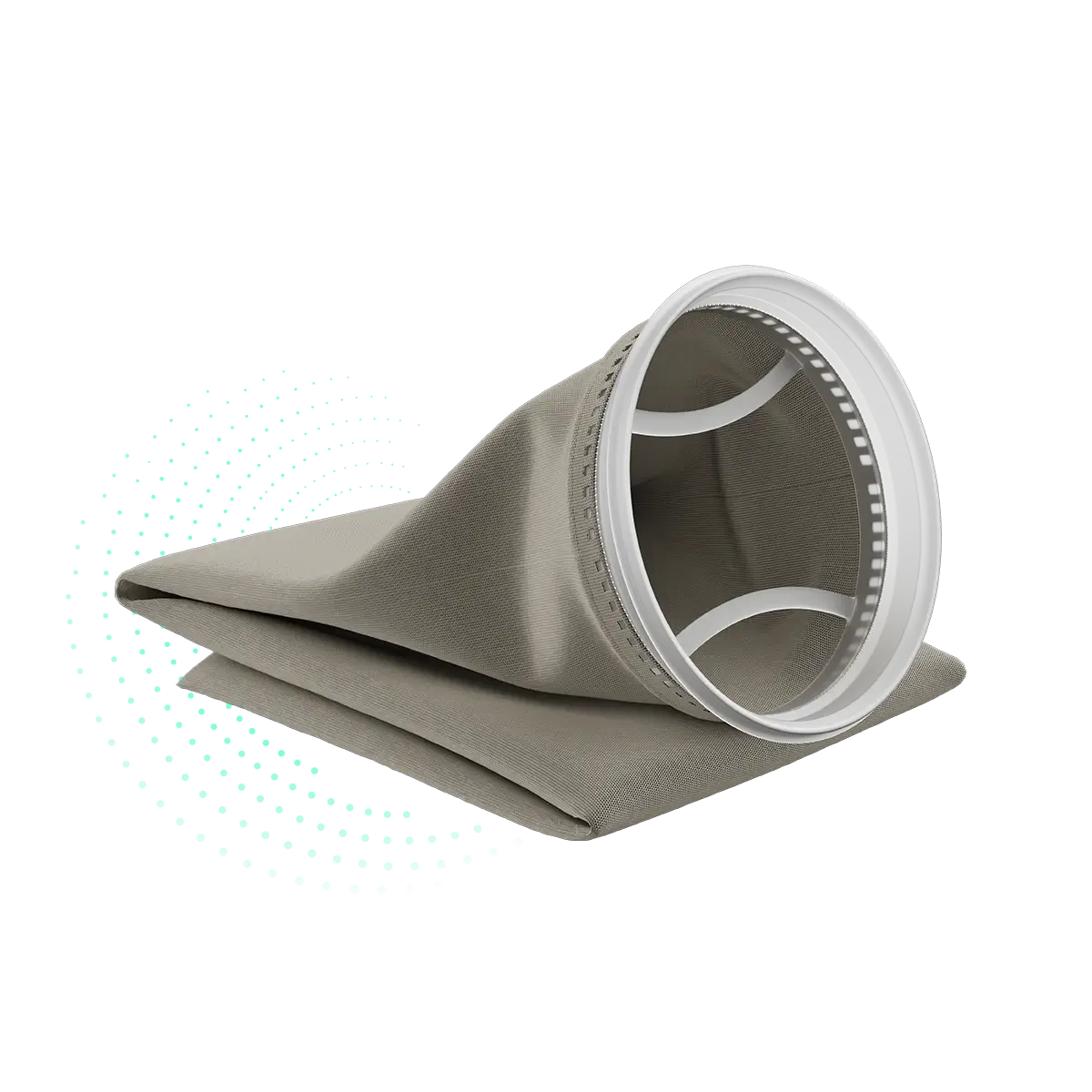
Glass furnaces require continuous operation at high temperatures. Managing the flue gases generated in this process is decisive for both environmental compliance and cost control. Furnace gas filtration meets atmospheric emission standards and, by capturing particles in the flue gas, enables full compliance with environmental regulations. Part of the particles captured in the filter systems can be returned to production, minimizing raw material losses and turning the filtration investment into a sustainable cost advantage.
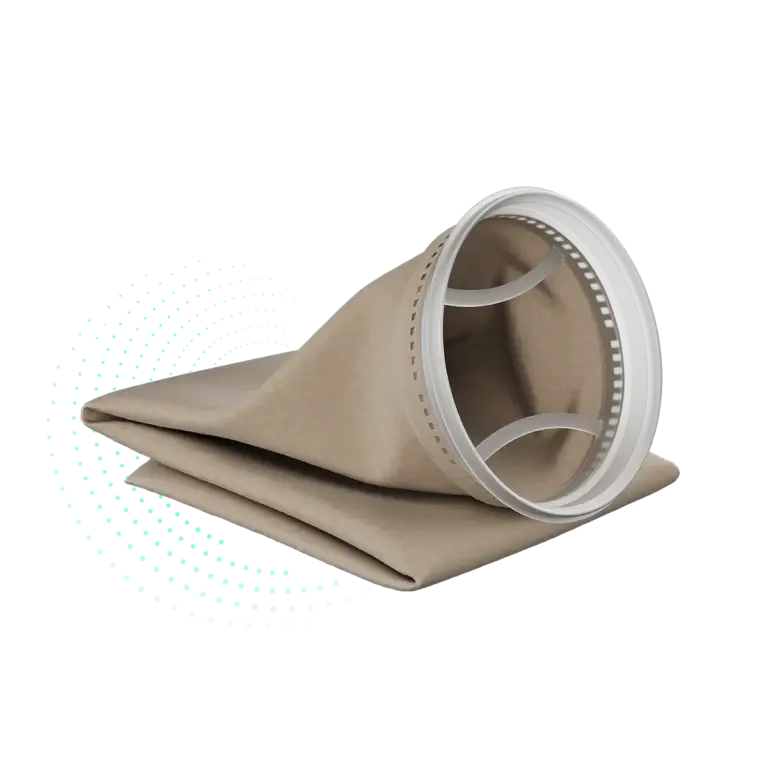
Solution: High-temperature bag filters
Optical Purity and Process Air Filtration During Forming
When molten glass is formed, whether for float glass, bottles or glassware, the air used comes into direct contact with the product. At this point, process air purity directly determines final product quality. Even the smallest particle of oil, moisture or dust in the process air causes optical defects on the glass surface known as bubbles or stones. Precision air filtration eliminates this contamination and safeguards surface quality. For glass produced as food packaging, a sterile air line becomes mandatory, and filtration systems that keep microbiological load under control play an additional critical role in this segment.
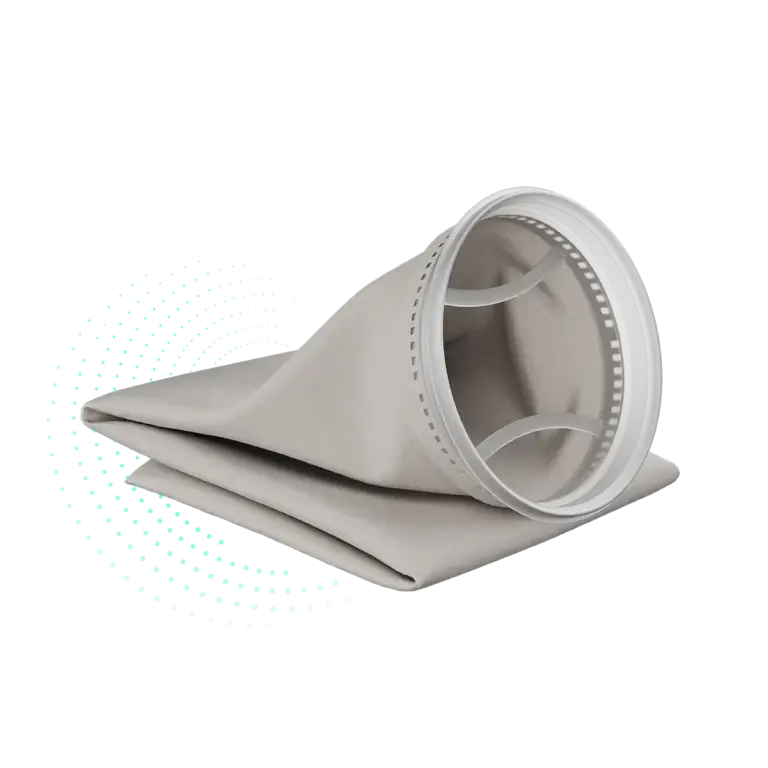
Solution: Precision process air filtration
Mechanical Safety in Heat Exchangers and Pneumatic Systems
The huge cooling towers and sensitive pneumatic control valves in glass plants are extremely sensitive to impurities in water and air. Sediment in cooling water causes fouling in heat exchangers and reduces cooling efficiency; filtration barriers that prevent this keep system efficiency stable and energy costs under control. Filtering the compressed air used in pneumatic systems prevents sensitive valves from seizing and avoids sudden shutdowns. This extends equipment life and significantly reduces unplanned maintenance costs.
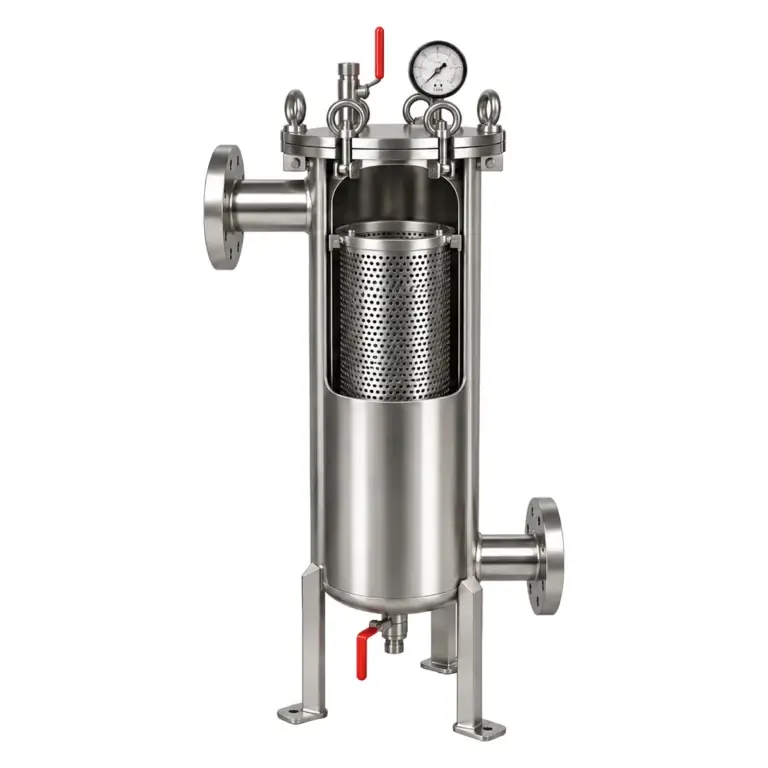
Solution: Cooling water and compressed air filtration
Glass production line
Which filter at which stage?
Select a stage on your line to see the Prosestim filters and micron range used at that point.
01 · Emissions
Keep flue gas within standards
Furnace gas filtration captures particles in the flue gas to ensure environmental compliance, and part of the captured particles is recovered.
Please send BA/BS forms, current account reconciliations and any other emails for our Finance and Administrative Affairs Department to [email protected].
Invoice name (registered company name): PROSES TİCARET, İMALAT, MÜHENDİSLİK ENDÜSTRİYEL MADDE VE MALZEME İMALATI İNŞAAT VE SANAYİ LİMİTED ŞİRKETİ
Billing address: Musa Gündüz Cad. No:14 Taşköprü – Çiftlikköy – YALOVA, TÜRKİYE
E-invoice / e-archive email address: [email protected]
Tax office: Yalova Tax Office (Yalova V.D.)
Tax ID number: 7330379514
MERSIS number: 0733037951400013