

Acrylic Bag Filter

Acrylic Felt Rated to 130 °C for Humid and Acidic Gases

The acrylic bag filter is a needle-punched felt filter developed for medium-temperature industrial dust collection processes, providing hydrolysis resistance in humid, acidic dusty gases.

Weight

500 g/m²

Continuous Operating Temperature

130 °C

Peak (Surge) Temperature

150 °C

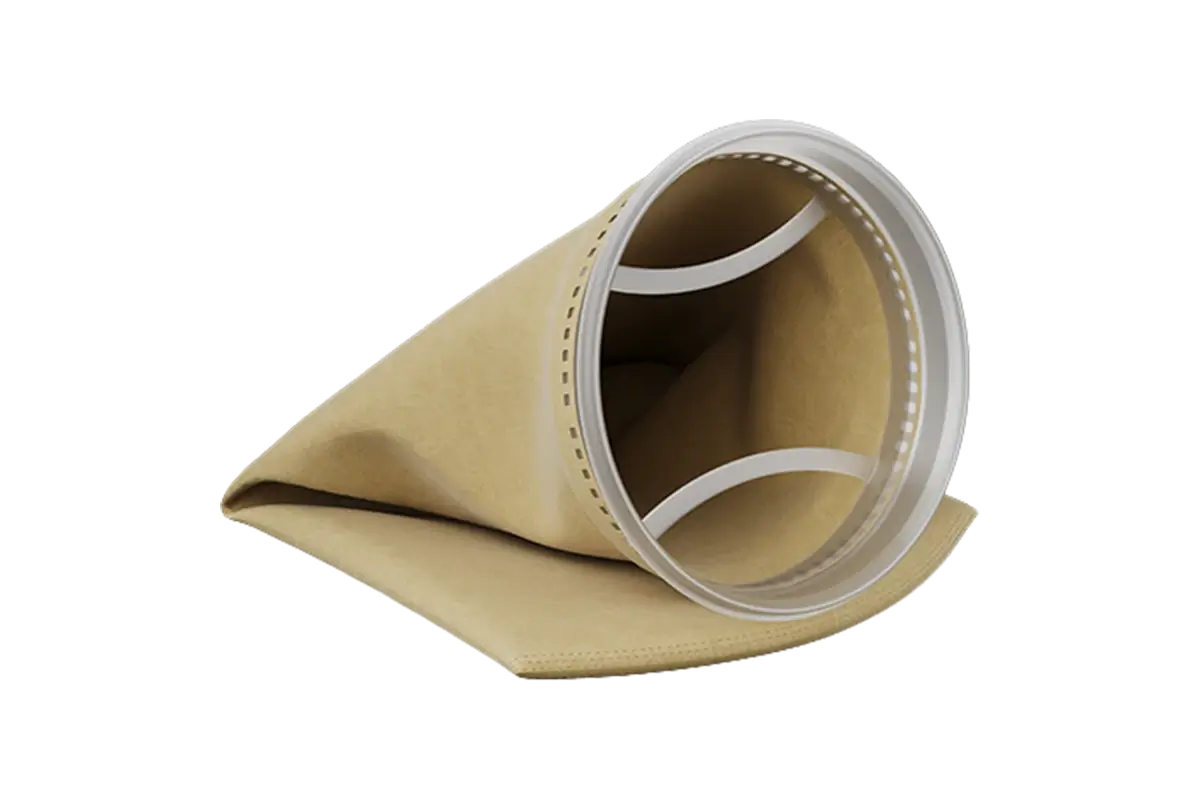
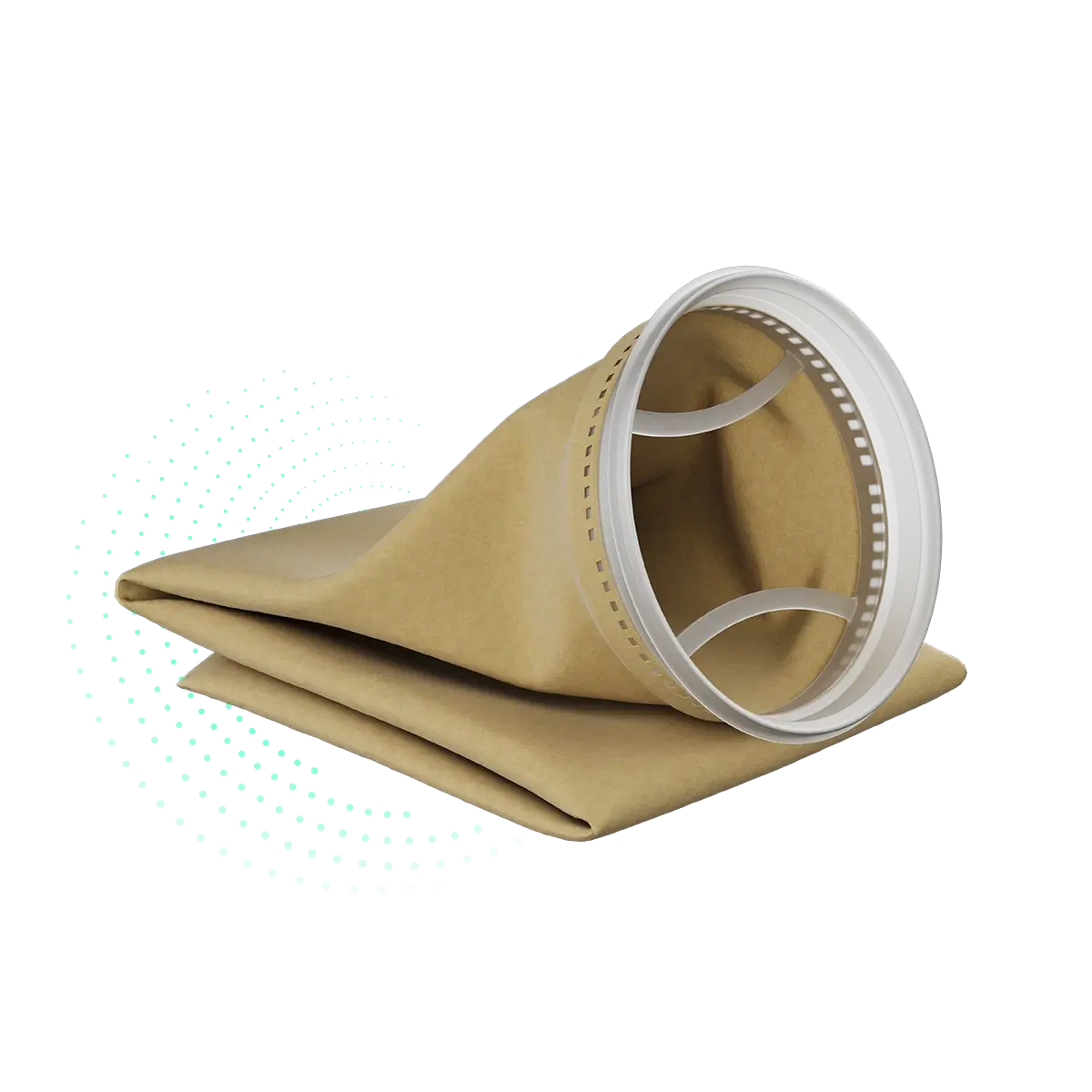
Acrylic bag filter with beige acrylic felt body and steel snap ring collar
Acrylic Bag Filter

What Is an Acrylic Bag Filter?

Acrylic bag filters are a medium-temperature dust filtration medium made by the needle-punched felt method from polyacrylonitrile (PAN)-based homopolymer acrylic fibre. In humid, acidic flue gas processes in the 100–130 °C range, where polyester bag filters fall short against hydrolysis and acid corrosion, acrylic felt offers an economical alternative. It shows good chemical resistance to mineral and organic acids and keeps its mechanical stability through high humidity and condensation cycles.

Acrylic’s main limitations are temperature and strong alkaline environments: in processes where the continuous operating temperature is exceeded, fibre strength drops. Offering a cost advantage over PPS and P84, acrylic is a balanced option for processes that combine medium temperature and chemical challenges.

Product Identity and Technical Summary

Acrylic bag filters are made from homopolymer acrylic fibre by the needle-punched felt method, with a weight of 500 g/m² and a thickness of 2.0 mm. They withstand 130 °C continuously and 150 °C peaks. Thanks to high hydrolysis resistance, they work stably in moisture-laden processes with condensation cycles.

Key Technical and Structural Features

Fibre Type
Homopolymer Acrylic (Polyacrylonitrile) Needle-Punched Felt
Fabric Structure
Needle-Punched Felt
Weight
500 g/m²
Thickness
2.0 mm
Air Permeability
150–200 L/dm²·min @ 200 Pa
Continuous Operating Temperature
130 °C (Dry/Humid)
Peak (Surge) Temperature
150 °C
Chemical Resistance
Good resistance to mineral and organic acids; moderate resistance to strong alkalis
Cleaning System Compatibility
  • Pulse-Jet
  • Reverse Air
  • Shaker

Filtration Architecture and Working Principle

Acrylic bag filters pass dirty flue gas or dust-laden industrial air from the outside of the bag to the inside in a two-stage treatment process. The dense needle-punched felt structure combines surface and depth filtration components, effectively capturing a wide range of particles.

Filtration takes place outside-in. Dust-laden gas meets the outer surface of the bag; particles are retained on the surface of the acrylic felt and in the depth of the fibres, and the cleaned gas passes through the fibre structure into the bag and leaves the system at the top. Acrylic fibre’s low moisture absorption stops the felt swelling and the pore geometry distorting in humid processes, giving a stable differential pressure profile.

Illustration showing dust particles retained and clean air passing on the surface of an acrylic felt bag filter
STEP 01

Surface Filtration

Dust-laden gas meets the outer surface of the bag. While the dense fibre network of the needle-punched felt retains large and medium-sized particles at the surface, with an ePTFE membrane surface treatment fine particles including PM2.5 are also retained on the membrane surface and cannot penetrate into the fibres. Thanks to its low moisture absorption, the felt swells less in humid and wet gases and the filtration surface stays stable.

Surface filtration in an acrylic bag filter: macro illustration showing dust building up on the felt surface
STEP 02

Cleaning Cycle

The dust cake building up on the bag surface raises the differential pressure. When the set ΔP threshold is reached, the pulse-jet, reverse-air or shaker cleaning system starts. The smooth surface treatment options for acrylic felt (calendering, PTFE coating, ePTFE membrane) let the dust cake separate easily from the surface; in processes with humid and sticky dust, a water- and oil-repellent surface treatment stops the dust cake sticking.

Acrylic Bag Filter Surface Treatment Options

The surface treatment applied to the acrylic felt medium directly affects dust release performance, moisture resistance and emission value. Especially in processes with sticky dust and high humidity, choosing the right surface treatment decisively extends service life.
Surface Finish Property Recommended Application
Calendering Smooths the surface, improves dust release and ensures compatibility with pulse-jet cleaning systems. General dry dust applications
Singeing Smooths the surface by singeing the surface fibres and reduces dust re-entraining into the flow. Processes with a high dust load, cement and lime plants
Water and Oil Repellent (PTFE Coating) Reduces particle adhesion in flue gases containing moisture and oil and increases chemical resistance. Spray dryers, waste incineration plants and processes with sticky dust
PTFE Membrane Provides surface filtration, PM2.5 retention and high dust release performance. All applications requiring strict emission limits

Advantages of the Acrylic Bag Filter

Acrylic bag filters combine high hydrolysis resistance and acid compatibility with an economical cost structure. They are widely used in humid, acidic medium-temperature processes.

High Hydrolysis Resistance
In moisture-laden processes with condensation cycles, the fibre structure is largely preserved; works stably in applications where polyester bags degrade quickly.
Acid and Chemical Resistance
Good resistance to mineral and organic acids; stable filtration performance in processes where the flue gas chemistry fluctuates.
Economical Cost Structure
A clear cost advantage over PPS, P84 and PTFE; a cost-effective solution for processes that combine medium temperature and chemical challenges.
Compatibility with Humid Environments
Thanks to its low moisture absorption, the felt swells less; dimensional stability is maintained through high humidity and condensation cycles.
Wide Range of Surface Treatments
  • Calendering and Singeing
  • PTFE Coating
  • ePTFE Membrane Lamination
Low Differential Pressure
The dense needle-punched felt structure, together with high air permeability, gives a stable, low ΔP profile and keeps energy consumption low.
Cleaning System Compatibility
Compatible with all standard cleaning systems (pulse-jet, reverse air, shaker).
Antistatic Option
Can be given antistatic properties by integrating conductive fibres; a suitable option for applications with a risk of explosion.
Resistance to Acidic Condensation and Corrosion in Stacks
Protects the fibre structure against sulphurous acid condensation in boiler and flue gases, reducing the risk of early puncturing and rotting.
TECHNICAL ASSESSMENT BASED ON FIELD EXPERIENCE

Engineer's Note

The most common problem we see in the field with acrylic bag filters is the flue gas temperature exceeding the continuous operating limit through sudden rises. In that case fibre strength drops and bags need replacing earlier than expected.

When to choose it: in processes operating at 100–130 °C that contain moisture and acid components and where polyester cannot withstand hydrolysis, acrylic offers economical and reliable performance.

When not to choose it: in processes requiring continuous operation above 150 °C and in strong alkaline environments, Nomex, PPS or PTFE fibre media should be considered instead of acrylic.

Application and Selection Criteria

Collar Type and Flange Fit
Choose the bag collar (snap band, clamped, flanged or corded) according to the tube sheet hole diameter and the cleaning system; confirm the size and collar type before ordering.
Temperature Limit
Monitor flue gas temperature continuously; install temperature monitoring that raises an alarm when limit values are approached.
Cage Check
Check the filter cage when changing bags; a deformed or rusted cage can cause early failure of the new bag.

Collar Types and Connections

Safe, leak-tight seating of the dust bag in the tube sheet starts with the right collar type. Snap band, clamped, flanged and corded collar options are chosen according to the tube sheet design of your filter unit and the pulse-jet cleaning system.

Clamped Collar

Connection tightened onto the pipe collar with a stainless hose clamp.

Flanged Collar

Reinforced collar clamped by a venturi or top hold-down flange.

Corded / Beaded Collar

Leak-tight construction held in the seat by a corded seam.

Snap band (snap ring) bag filter

Snap Band (Snap Ring)

Leak-tight snap-in system that seats in the tube sheet with a flexible steel strip.

Industry Applications

Bag filters suited to different process needs are used across a wide range of industrial applications to protect product quality, protect equipment and support production continuity.

1–6 / 24
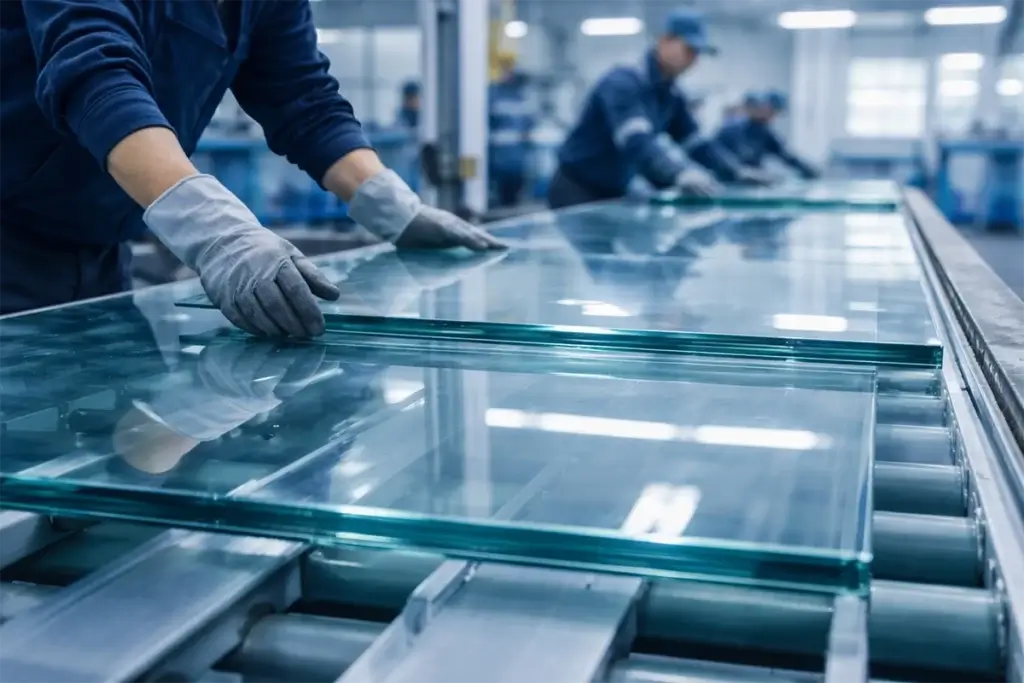
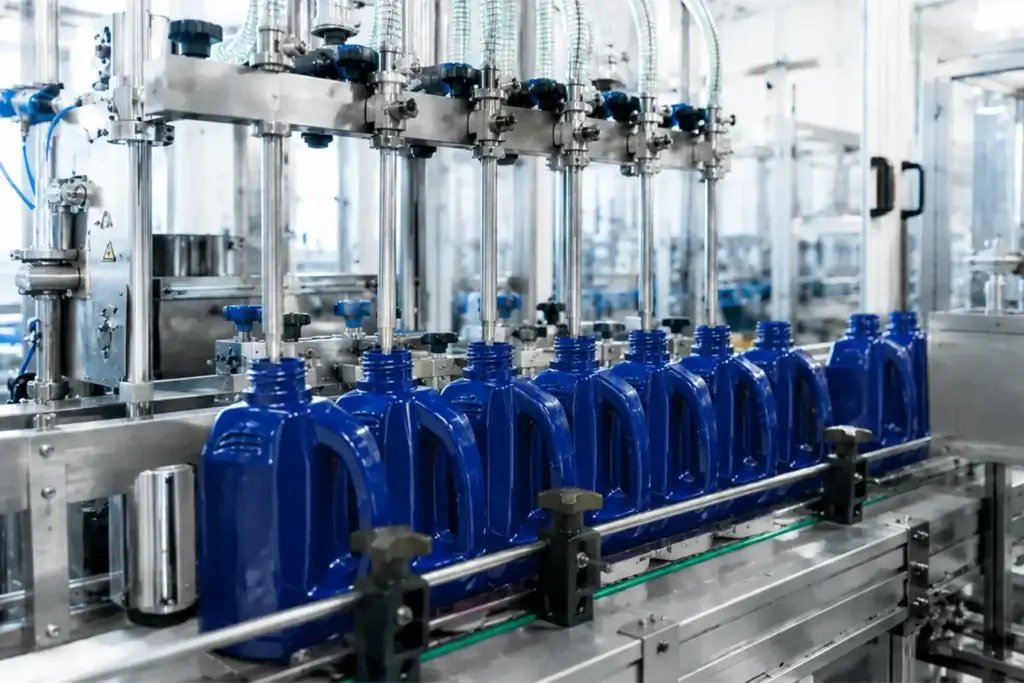
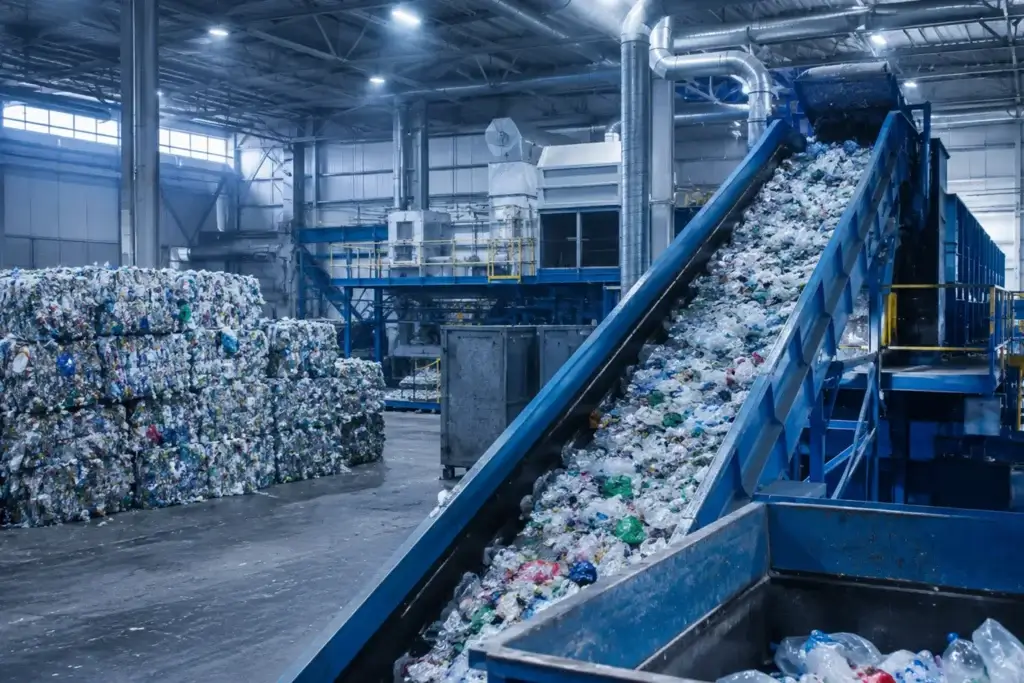
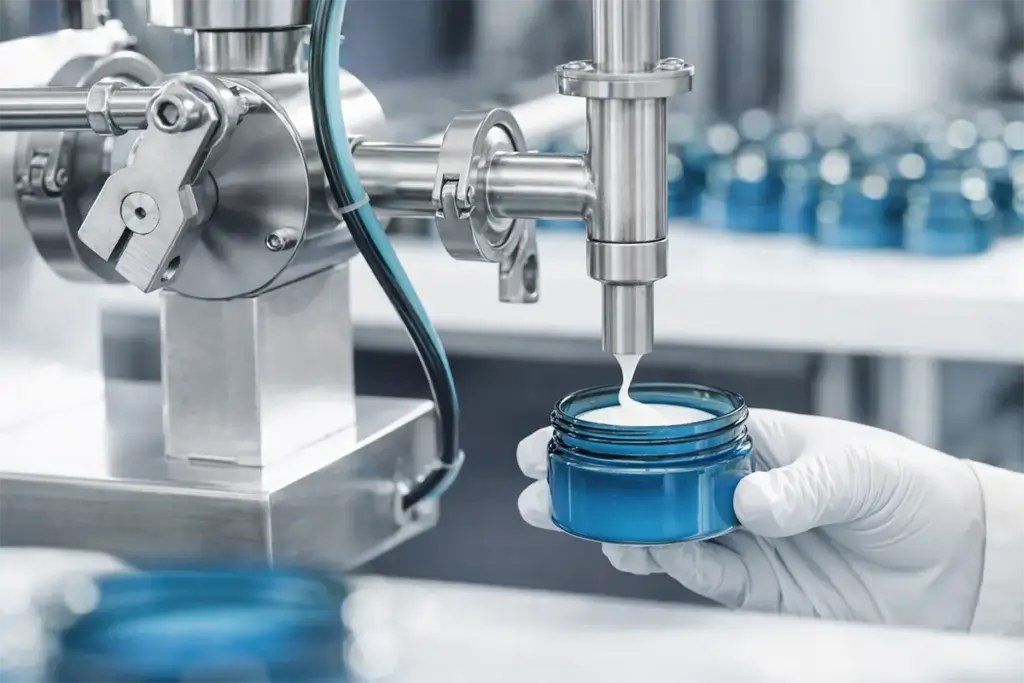
Vegetable Oil 01 Vegetable Oil Clarity, purity and shelf life in vegetable oil and refining. Explore solutions Pipe and Profile 02 Pipe and Profile Cooling water filtration in pipe and profile extrusion. Explore solutions Paint Industry 03 Paint Industry Surface quality and pigment filtration in the paint industry. Explore solutions Glass Industry 04 Glass Industry Furnace and process filtration in the glass industry. Explore solutions Dialysis Centers 05 Dialysis Centers Water preparation and process filtration in dialysis centers. Explore solutions Foundry Industry 06 Foundry Industry Equipment protection and dust filtration in foundries. Explore solutions Industrial Oil 07 Industrial Oil Filtration in industrial oil production and recovery. Explore solutions Energy and Biogas 08 Energy and Biogas Maximum efficiency and turbine protection in energy and biogas. Explore solutions Recycling 09 Recycling Filtration for efficiency and environmental compliance in recycling. Explore solutions Food and Beverage 10 Food and Beverage Hygienic filtration in food and beverage. Explore solutions Pharmaceuticals and Biotechnology 11 Pharmaceuticals and Biotechnology GMP-compliant sterile filtration in pharmaceuticals and biotechnology. Explore solutions Paper and Packaging 12 Paper and Packaging Process water filtration in paper and packaging. Explore solutions Chemical Industry 13 Chemical Industry Corrosion-resistant, safe filtration in the chemical industry. Explore solutions Cosmetics 14 Cosmetics Microbiological safety and precision filtration in cosmetics. Explore solutions Machinery 15 Machinery Precision and technical filtration in the machinery industry. Explore solutions Printing and Ink 16 Printing and Ink Flawless color and print quality in printing and ink. Explore solutions Metal and Surface Treatment 17 Metal and Surface Treatment Flawless surfaces and bath stability in metal and surface treatment. Explore solutions Forest Products 18 Forest Products Resin and glue filtration in forest products and furniture. Explore solutions Automotive 19 Automotive Precision process filtration for zero defects in automotive manufacturing. Explore solutions Oil and Petrochemicals 20 Oil and Petrochemicals Equipment protection and process safety in oil and petrochemicals. Explore solutions Plastic Packaging 21 Plastic Packaging Precision process filtration and raw material purity in plastic packaging. Explore solutions Plastic Injection Molding 22 Plastic Injection Molding Cooling and hydraulic filtration in plastic injection molding. Explore solutions Water and Environment 23 Water and Environment Recovery filtration in water and environmental technologies. Explore solutions Shipyards and Marine 24 Shipyards and Marine Operational safety and efficiency in shipyards and marine. Explore solutions












Performance Parameters

The performance of acrylic felt bag filters is directly related to the media’s hydrolysis resistance and dimensional stability, especially under humid, hot process conditions. With the right surface treatment and filter construction, high dust retention efficiency is maintained while differential pressure rise and maintenance frequency are kept under control.

Emission Value
Standard acrylic felt media provide high efficiency in general industrial dust filtration. With a PTFE membrane surface treatment, low emission values are achieved for fine particles including PM2.5, making it easier to comply with strict emission limits.
Service Life
Thanks to high hydrolysis resistance and low moisture absorption, a longer service life is achieved in humid processes than with polyester bags. Choosing the right surface treatment and staying within temperature limits significantly extends service life.
Differential Pressure
The dense needle-punched felt structure and low moisture absorption stop the felt from swelling and narrowing its pores in humid processes. Differential pressure therefore stays stable close to its initial value, and system fan load and energy consumption are reduced.

Filter Selection Technical Checklist

To choose the right acrylic bag filter, evaluate the following technical parameters systematically. Gas temperature and humidity level in particular are the two critical parameters that determine whether acrylic is a suitable medium; confirm them before any other assessment.
Gas Temperature
Suitable for 100–130 °C; above 150 °C, Nomex or PPS should be considered.
Alkaline Environment
Moderate resistance to strong alkalis; for gases with high alkali content, PPS or PTFE should be considered.
Humidity / Water Vapour
Resistant to high humidity and condensation cycles.
Chemical Environment
Good resistance to mineral and organic acids; in strong alkaline environments, Nomex or PTFE should be considered.
Emission Limit
For processes with strict emission limits, an ePTFE membrane surface treatment should be chosen.
Cleaning System
Compatible with pulse-jet, reverse-air and shaker systems.
Sticky / Oily Dust
A water- and oil-repellent PTFE coating or an ePTFE membrane surface treatment should be chosen.
Explosion / Static Risk
Antistatic properties can be added by integrating conductive fibres.

Points to Watch When Using Acrylic Bag Filters

Key points to watch in operation and maintenance to preserve the hydrolysis resistance and high retention performance of acrylic bag filters:

Gradual Start-Up
At first start-up, raise the flue gas temperature in a controlled, gradual way; avoid sudden temperature changes and prevent the risk of thermal shock.
Storage and Moisture Protection
Use moisture-proof packaging in storage; do not place loads on the bags, and store them carefully in dry, suitable conditions so they are not damaged.
Operating Temperature Limit
Flue gas temperature must not exceed 130 °C continuously or 150 °C momentarily. Monitor temperature regularly, raise an alarm at critical levels and stop the system.
Pulse-Jet Cleaning Pressure
Keep the pulse-jet cleaning pressure within the recommended operating range; check pressure values regularly so that excessive pressure does not damage the felt structure.
Dew Point Control
Flue gas temperature must not fall below the acid dew point; otherwise condensing acid can make the dust cake stick and clog the bag surface.
Cage and Support Check
Check cages carefully when changing bags; do not use bent or damaged cages, and replace them when necessary so they do not damage the bag.
Sticky Dust and Surface Treatment
In processes with sticky dust, oil or moisture, choose PTFE-coated or membrane bags and monitor pressure loss and filtration.
Explosion and ATEX Safety
Standard acrylic bags are not suitable for processes with a risk of explosion or fire; use the antistatic version with conductive fibres.

Alternative media for the same application

Other bag filter media to consider, depending on temperature, chemical environment and dust type.
This product
Acrylic bag filter with beige felt body and steel ring collar

Acrylic Bag Filter

Bag Filters
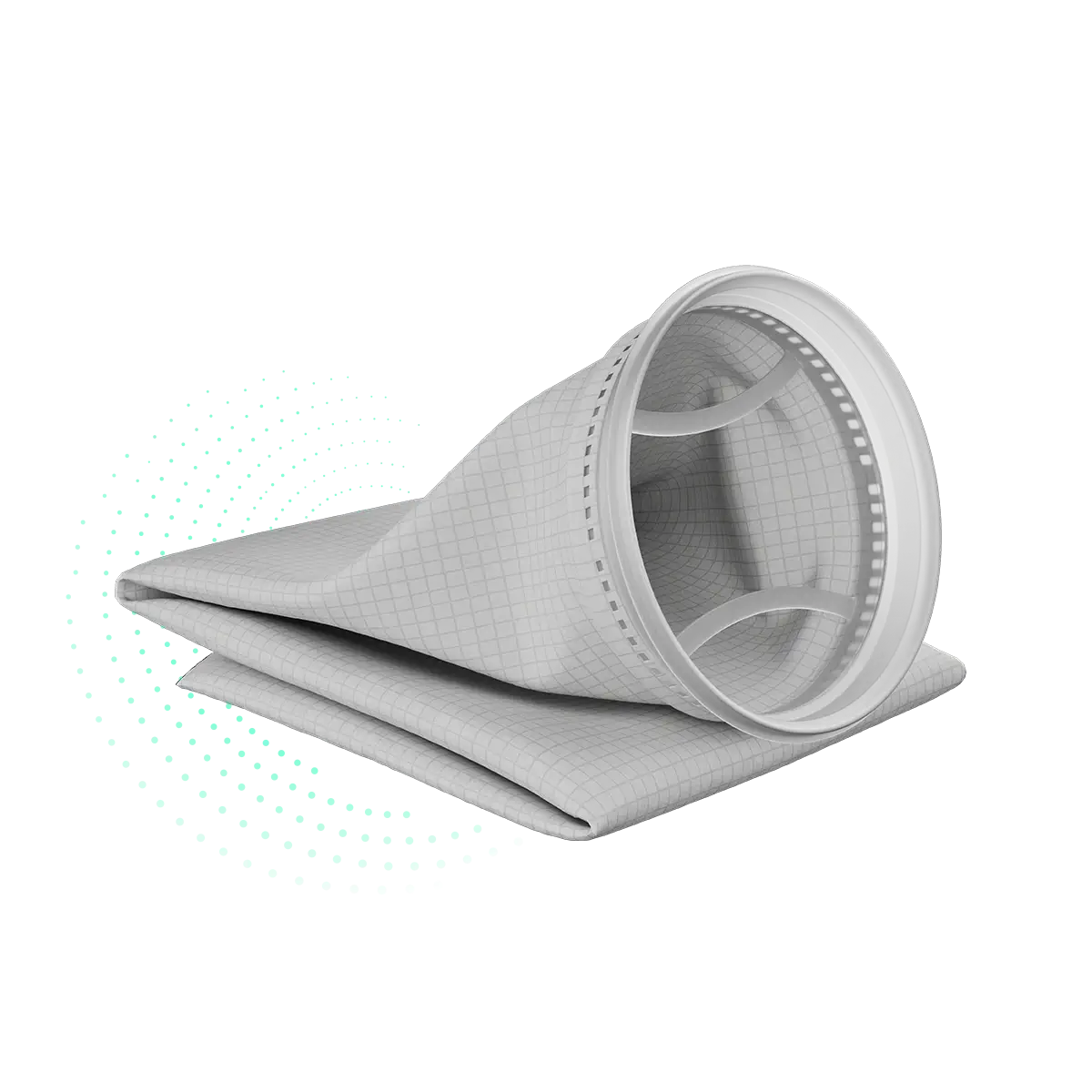
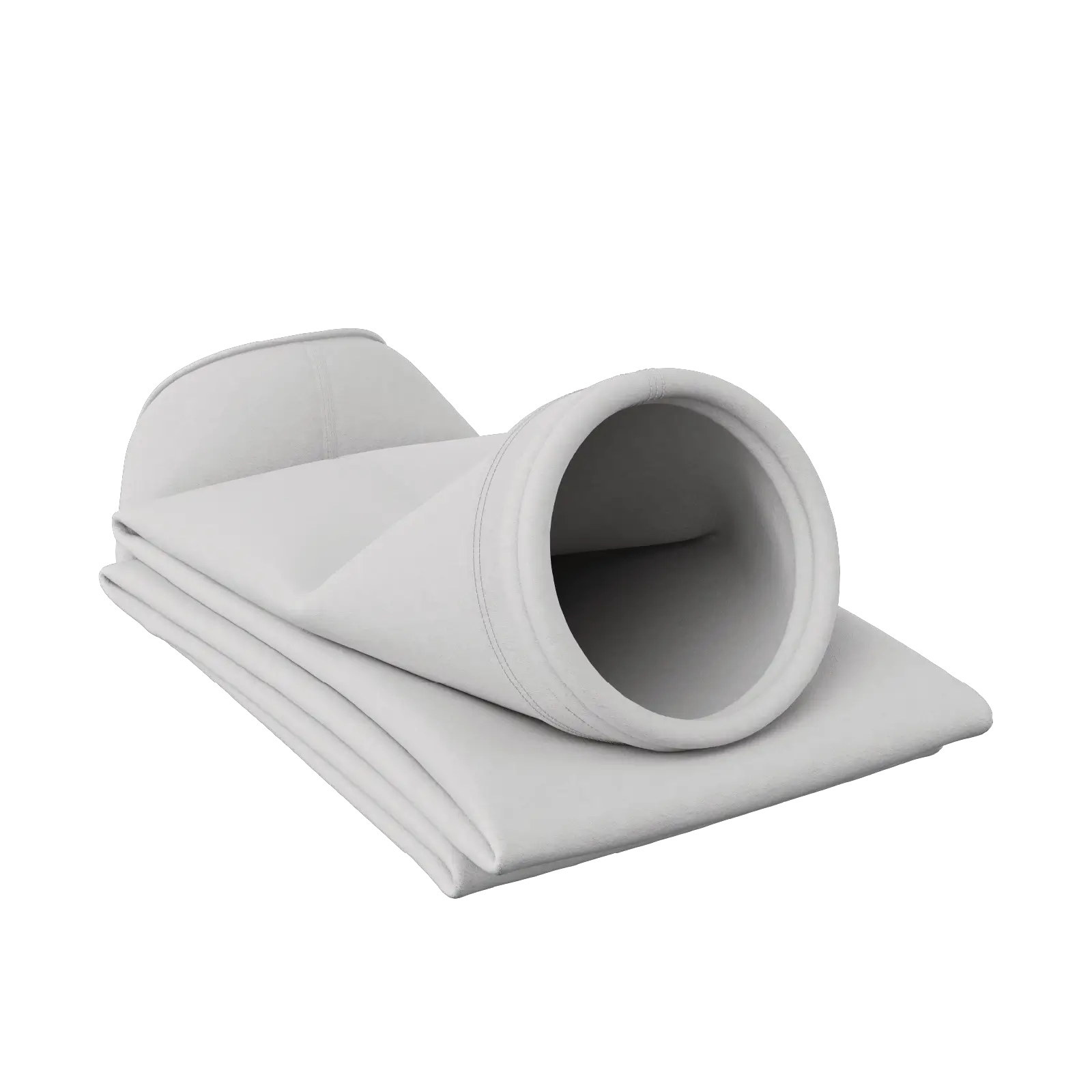
Antistatic bag filter with grey felt body with conductive fibres

Antistatic Bag Filter

Bag with conductive fibres for flammable and explosive dusts.

View →
Polyester felt bag filter with white felt body and steel ring collar

Polyester Felt Bag Filter

1–200 µm polyester felt bag rated to 135 °C.

View →
PPS (Ryton) bag filter

PPS (Ryton) Bag Filter

190 °C PPS bag for acidic, humid flue gas.

View →
Alternative media
Request everything in one quote: let’s size the product, housing and connection parts together.

Your Questions Answered

Frequently Asked Questions

At Prosestim, we are committed to answering your questions and providing technical support for our filtration solutions.

What is an acrylic bag filter?

It is a medium-temperature dust filtration medium made from homopolymer acrylic fibre by the needle-punched felt method. With a continuous operating temperature of 130 °C, high hydrolysis resistance and acid compatibility, it is an economical option for humid and acidic processes.

Polyester hydrolyses and breaks down early in humid, acidic environments. Thanks to its high hydrolysis resistance, acrylic gives a significantly longer service life under the same conditions.

Acrylic bag filters withstand 130 °C continuously and 150 °C peaks. For continuous operation above 150 °C, Nomex or PPS should be considered.

Acrylic has moderate resistance to strong alkalis. For flue gases with high alkali content, PPS or PTFE bag filters should be considered.

Yes. One of the most important advantages of acrylic bag filters is their high resistance to hydrolysis and moisture. They can be used safely in spray dryers, processes with condensation cycles and high-humidity environments.
A water- and oil-repellent PTFE coating or an ePTFE membrane surface treatment is recommended; these treatments let the dust cake separate easily from the surface and reduce the risk of early clogging.

Compatible with pulse-jet, reverse-air and shaker dust collector systems.

Acrylic costs less and performs well in humid, acidic environments; however, its temperature limit (130 °C) is significantly lower than that of PPS (190 °C). Acrylic offers an economic advantage in processes below 130 °C, while PPS should be chosen at higher temperatures.
Yes, custom production is available in non-standard diameter, length and surface treatment combinations.
Fast Quote & WhatsApp Consultation

Acrylic Bag Filter RFQ Configurator

Configure your variation dimensions and technical specifications to receive an instant quote directly on WhatsApp and via email.

1 Select Variation Type
2 Dimensional & Technical Specifications
230 MM
230 MM Custom Made
3 Required Quantity
QUICK QUOTE FORM

Acrylic Bag Filter

Variation Type: Drawstring Acrylic Bag Filter
Bag Filter Diameter: 100 MM
Filter Length: 230 MM
Request Quantity: 10 Units
ISO 9001:2015 Certified Production
Reply from Our Technical Team
Delivery Across Türkiye and Export

Accounting

Billing Details

Copy our registered company name, tax and e-invoice details with one click using the button on each row.

Invoice name (registered company name)

PROSES TİCARET, İMALAT, MÜHENDİSLİK ENDÜSTRİYEL MADDE VE MALZEME İMALATI İNŞAAT VE SANAYİ LİMİTED ŞİRKETİ

Billing address

Musa Gündüz Cad. No:14 Taşköprü – Çiftlikköy – YALOVA, TÜRKİYE

E-invoice / e-archive email address

Tax office

Yalova Tax Office (Yalova V.D.)

Tax ID number

7330379514

MERSIS number

0733037951400013

Please send BA/BS forms, current account reconciliations and any other emails for our Finance and Administrative Affairs Department to [email protected].

Invoice name (registered company name): PROSES TİCARET, İMALAT, MÜHENDİSLİK ENDÜSTRİYEL MADDE VE MALZEME İMALATI İNŞAAT VE SANAYİ LİMİTED ŞİRKETİ Billing address: Musa Gündüz Cad. No:14 Taşköprü – Çiftlikköy – YALOVA, TÜRKİYE E-invoice / e-archive email address: [email protected] Tax office: Yalova Tax Office (Yalova V.D.) Tax ID number: 7330379514 MERSIS number: 0733037951400013