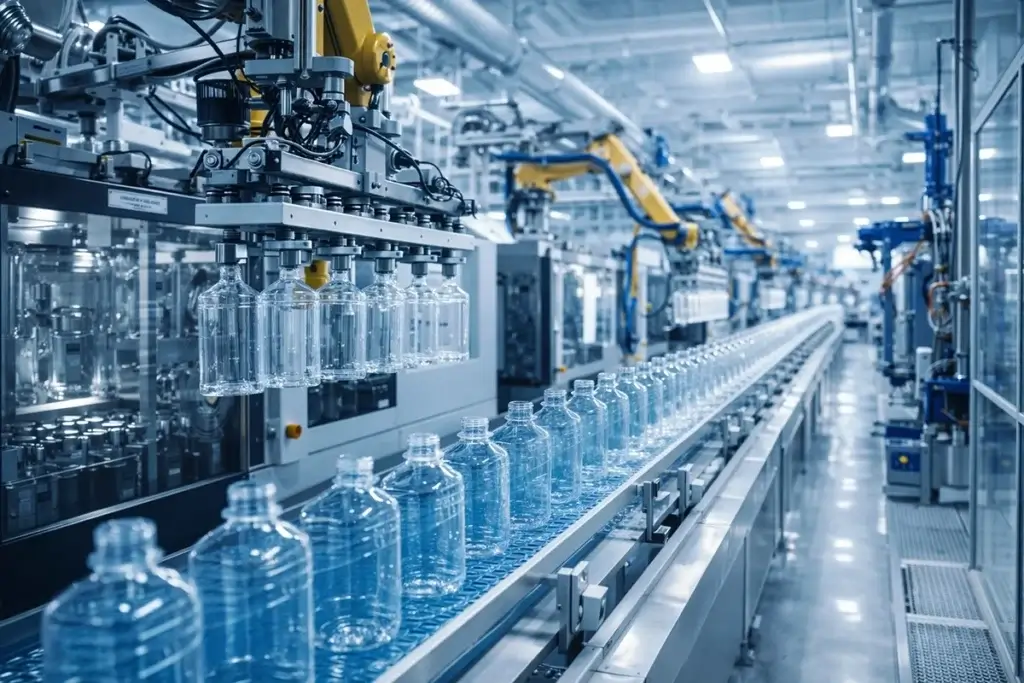
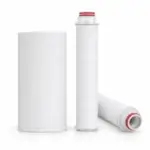
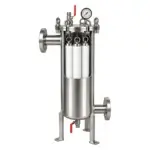
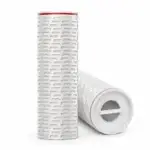
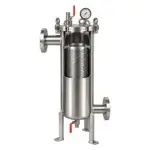
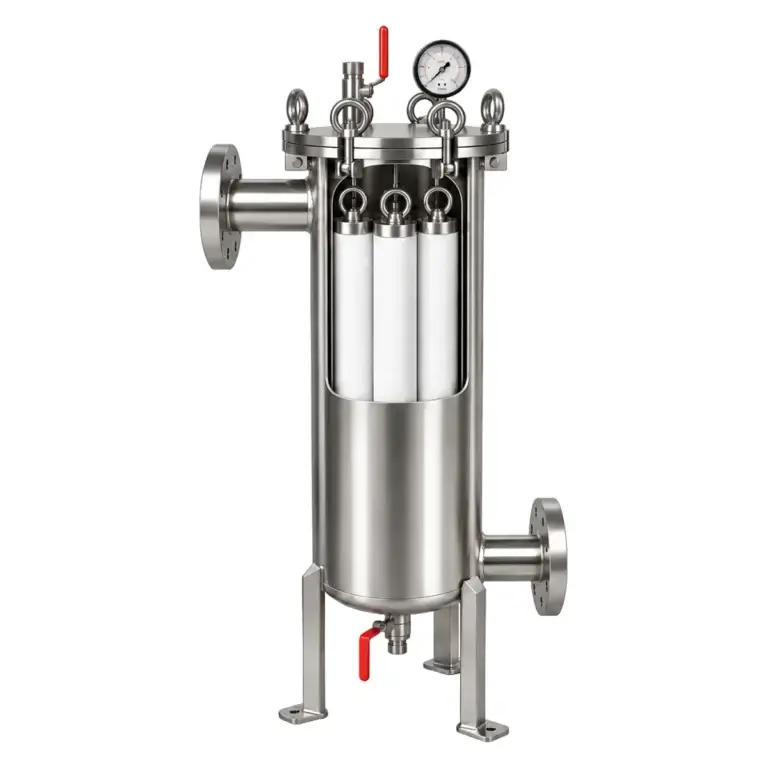
Points where filtration is decisive in plastic packaging processes
Scale in cooling channels lengthens cycle time, and dust in the pellet line comes back as black specks in transparent packaging. Both can be prevented at the source.
Cooling Water and Mold Protection
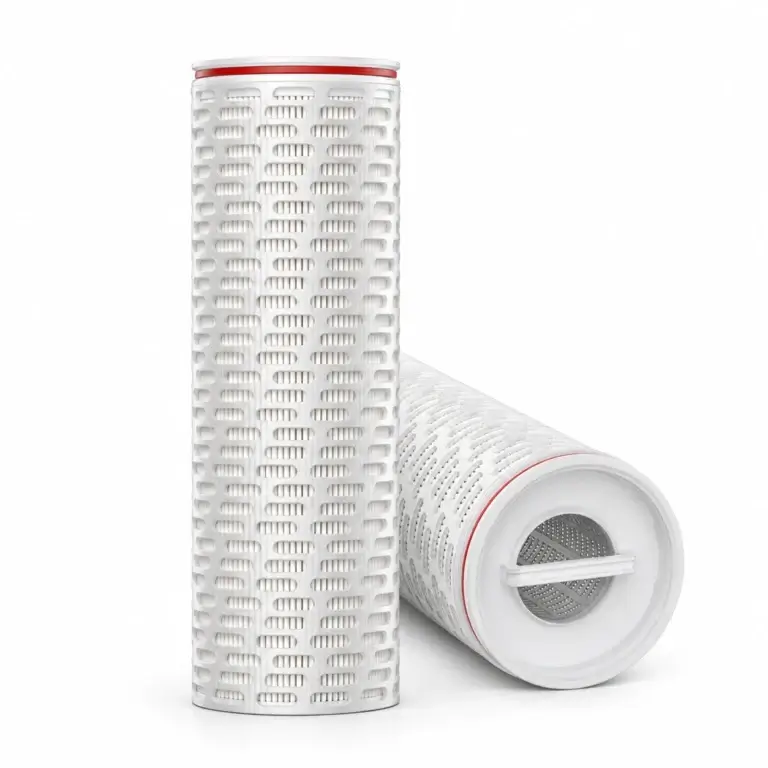
A fouling layer in mold channels reduces heat transfer, cycle time increases and dimensional deviations begin. Targets of TSS < 50 mg/L and hardness < 200 mg/L CaCO₃ keep this risk under control. Preventing micro-wear extends mold life and lowers maintenance costs.
Solution: Cooling water within TSS and hardness targets
Pellet Conveying and Raw Material Purity
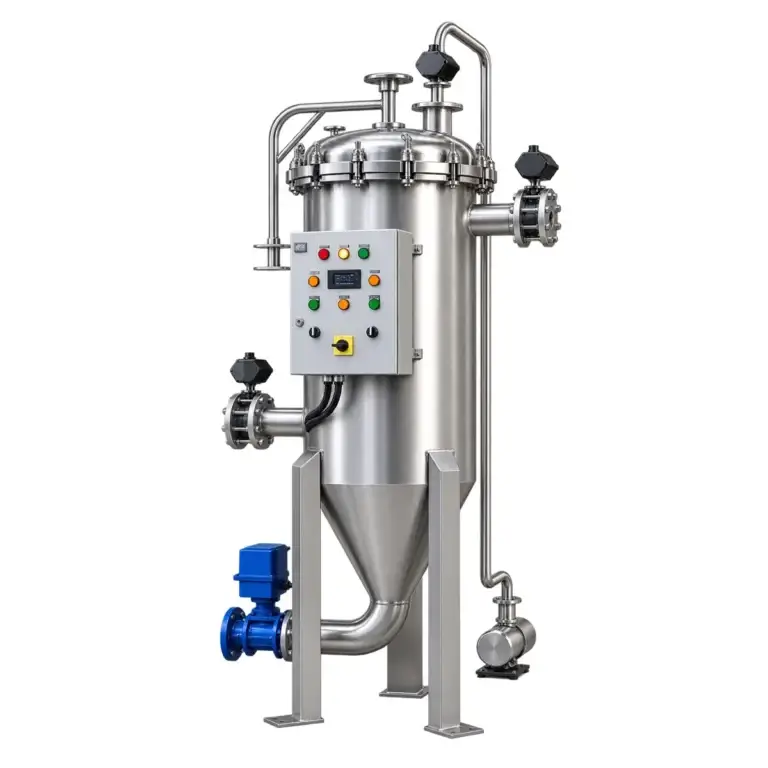
Dust and foreign particles in pneumatic conveying lines appear as black specks and structural weaknesses in transparent packaging. Filters at the pellet feed and melt stages capture these particles at the source. Because rPET/rPP lines carry a high load of foreign matter, automatic backwash filters should be used.
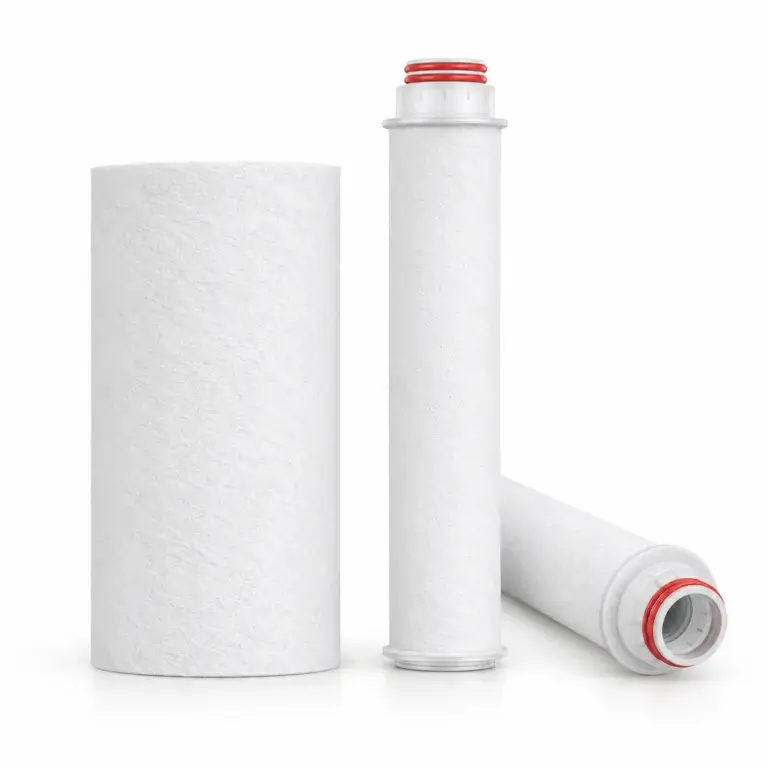
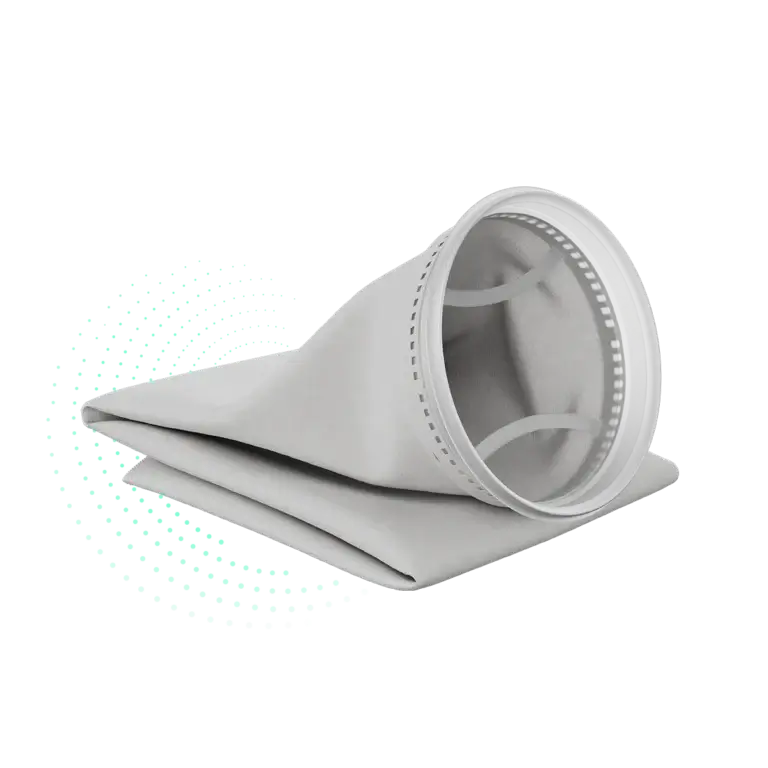
Solution: Pellet feed and melt filtration
Energy Efficiency and Water Savings
Clean cooling water preserves chiller and heat exchanger efficiency and prevents fouling-related energy losses. Closed-loop filtration reduces water discharge, lowering both costs and environmental impact.
Solution: Closed-loop filtration
Production line
Which filter at which stage?
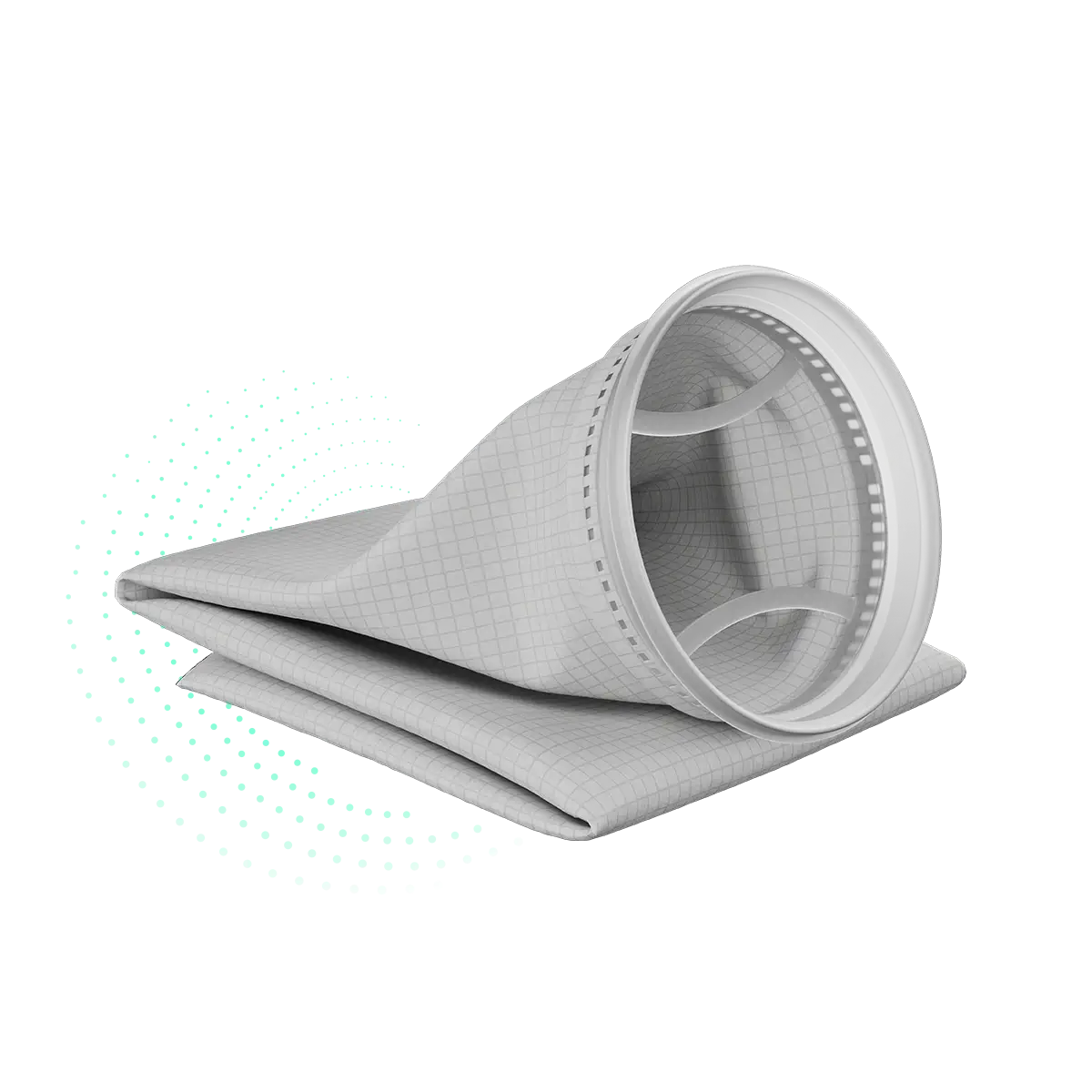
Select a stage on your line to see the Prosestim filters and micron range used at that point.
01 · Dust · foreign matter
Stop black specks at the source
Dust and foreign particles in pneumatic conveying lines appear as black specks in transparent packaging.
Please send BA/BS forms, current account reconciliations and any other emails for our Finance and Administrative Affairs Department to [email protected].
Invoice name (registered company name): PROSES TİCARET, İMALAT, MÜHENDİSLİK ENDÜSTRİYEL MADDE VE MALZEME İMALATI İNŞAAT VE SANAYİ LİMİTED ŞİRKETİ
Billing address: Musa Gündüz Cad. No:14 Taşköprü – Çiftlikköy – YALOVA, TÜRKİYE
E-invoice / e-archive email address: [email protected]
Tax office: Yalova Tax Office (Yalova V.D.)
Tax ID number: 7330379514
MERSIS number: 0733037951400013