Filtration for efficiency and environmental compliance in recycling
From plastic and paper recycling to metal scrap processing, from wastewater treatment to emission control: filtration engineering that supports the operational efficiency and environmental compliance of recycling plants.
Points where filtration is decisive in recycling processes
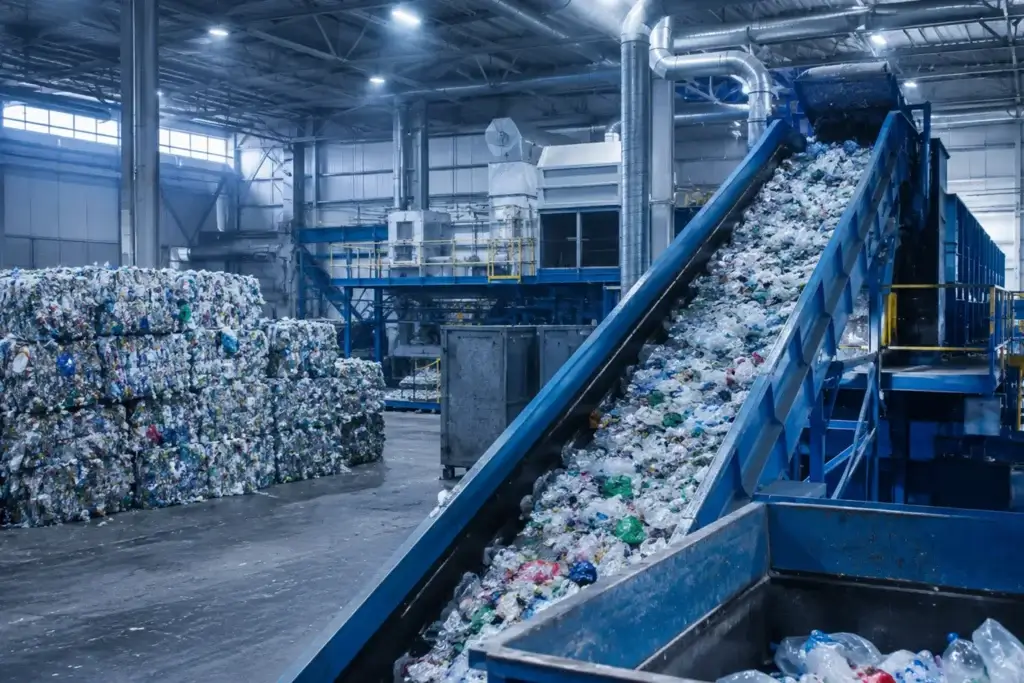
In recycling plants, raw material quality and process continuity are directly linked to filtration quality. Dirty process water, uncontrolled dust emissions and foreign matter contamination lower product quality and jeopardize legal obligations.
Wash Water and Pellet Purity in Plastic Recycling
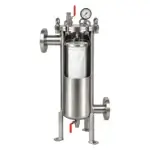
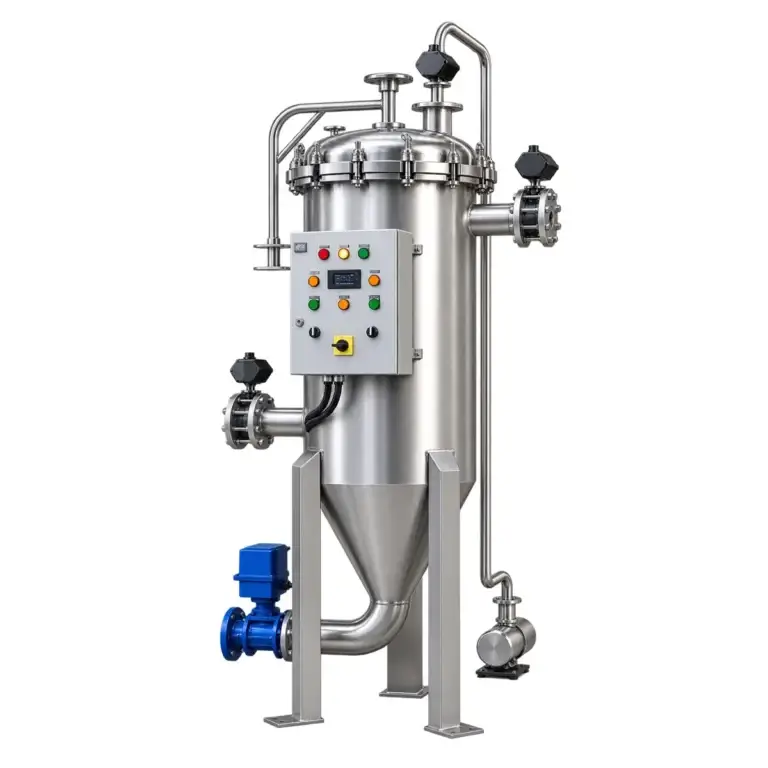
On rPET and rPP processing lines, contamination in the wash water directly affects pellet quality. Automatic backwash filters clean this water, which carries a high load of foreign matter, without interrupting the flow. The cleaned water is reused in a closed loop, reducing water consumption and wastewater costs.
Solution: Automatic backwash filters
Process Water in Paper and Cardboard Recycling
In waste paper processing, ink, stickies and plastic residues quickly contaminate process water. Filtering these impurities protects paper quality and prevents equipment clogging. Recovering valuable fiber lowers raw material costs.
Solution: Process water and fiber recovery
Metal Scrap and Dust Emission Control
Fine metal dust released during scrap processing and melting is critical for both occupational health and safety and environmental compliance. Dust collection and air filtration systems keep emissions below legal limits while protecting equipment and electronics from dust.
Solution: Dust collection and air filtration
Recycling line
Which filter at which stage?
Select a stage on your line to see the Prosestim filters and micron range used at that point.
01 · High foreign-matter load
Clean without interrupting the flow
rPET and rPP wash water carries a high foreign-matter load; automatic backwash filters clean it without interrupting the flow.
Please send BA/BS forms, current account reconciliations and any other emails for our Finance and Administrative Affairs Department to [email protected].
Invoice name (registered company name): PROSES TİCARET, İMALAT, MÜHENDİSLİK ENDÜSTRİYEL MADDE VE MALZEME İMALATI İNŞAAT VE SANAYİ LİMİTED ŞİRKETİ
Billing address: Musa Gündüz Cad. No:14 Taşköprü – Çiftlikköy – YALOVA, TÜRKİYE
E-invoice / e-archive email address: [email protected]
Tax office: Yalova Tax Office (Yalova V.D.)
Tax ID number: 7330379514
MERSIS number: 0733037951400013