Cooling and hydraulic filtration in plastic injection molding
From mold cooling channels to hydraulic units, from chiller lines to pneumatic systems: filtration engineering that determines dimensional accuracy and equipment life.
Points where filtration is decisive in plastic injection molding processes
In injection molding, blow molding and thermoset molding, final product quality depends largely on how evenly the mold cools. Scale, biofilm or particle clogging in the cooling channels creates temperature differences on the mold surface, which show up in the product as shrinkage, warping and dimensional deviation. Invisible contamination in the hydraulic system silently wears down precision valves and pumps.
Mold Cooling Water Filtration: Uniform Cooling and Channel Protection
Mold cooling channels are typically 6–12 mm in diameter, and these narrow cross-sections are highly prone to clogging. Scale in the water forms an insulating layer on the channel walls and reduces heat transfer, while biofilm narrows the channel and restricts flow. Both prevent uniform cooling and lengthen cycle times. Keeping cooling water within the target parameters of TSS < 50 mg/L and hardness < 200 mg/L CaCO₃ is the basic condition for controlling these risks.
Solution: Particle and scale control in cooling water
Chiller and Cooling Tower Protection
Scale and biofilm that build up on the evaporator surface reduce the heat transfer coefficient, so the chiller uses more and more energy to reach the target cooling temperature. 25–50 µm filters at the chiller inlet and automatic backwash filters in the cooling tower circuit protect this equipment.
Solution: 25–50 µm chiller inlet and backwash filters
Hydraulic System Filtration: Valve Safety and ISO Cleanliness Classes
Invisible particles between 5 and 15 microns have an abrasive effect on proportional and servo valves, degrading precision and causing seizure. Regularly monitoring oil cleanliness to ISO 4406 and keeping it at ISO 16/14/11 or better directly affects valve life and machine repeatability.
Solution: ISO 4406 monitoring and precision filtration
Cooling and hydraulic circuit
Which filter at which stage?
Select a stage on your line to see the Prosestim filters and micron range used at that point.
01 · Backwash
Protect the circuit from sand and sediment
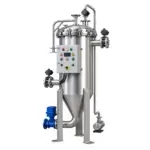
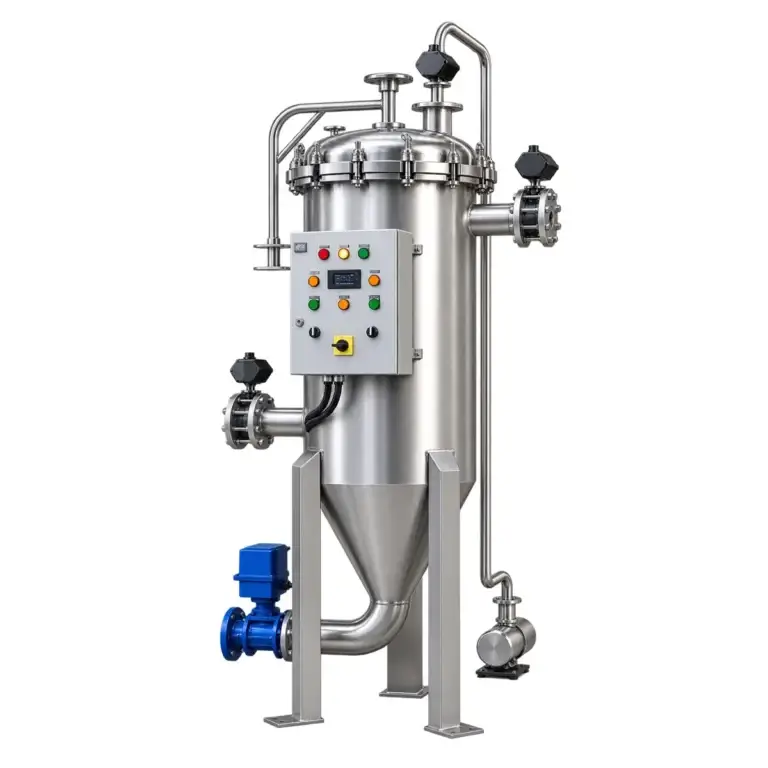
Automatic backwash filters in the cooling tower circuit separate the dust and sediment entering the open circuit without interrupting the flow.
Cooling water targets of TSS < 50 mg/L and hardness < 200 mg/L CaCO₃ prevent narrow channels from clogging and reduce the risk of shrinkage and warping.
Moisture and oil aerosols from the compressor outlet build up in pneumatic valves and increase the risk of failure; coalescer filters separate moisture and oil.
This stage is your existing equipment. Let’s design the earlier stages together; our engineers will recommend the right filter.
Let’s define a solution for this stage of your line together with our engineers. Write to us
Applications
Where is it used in plastic injection molding?
The same filtration principles apply across applications, with different material and micron choices.
Injection molds
Mold cooling water and channel protection.
Blow molding
Cooling circuit and chiller protection.
Hydraulic presses
Valve safety and ISO cleanliness class.
Cooling towers
Dust and sediment control in open circuits.
Products used in this industry
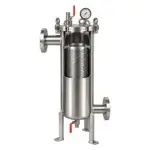
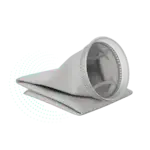
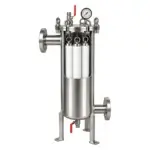
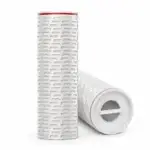
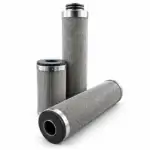
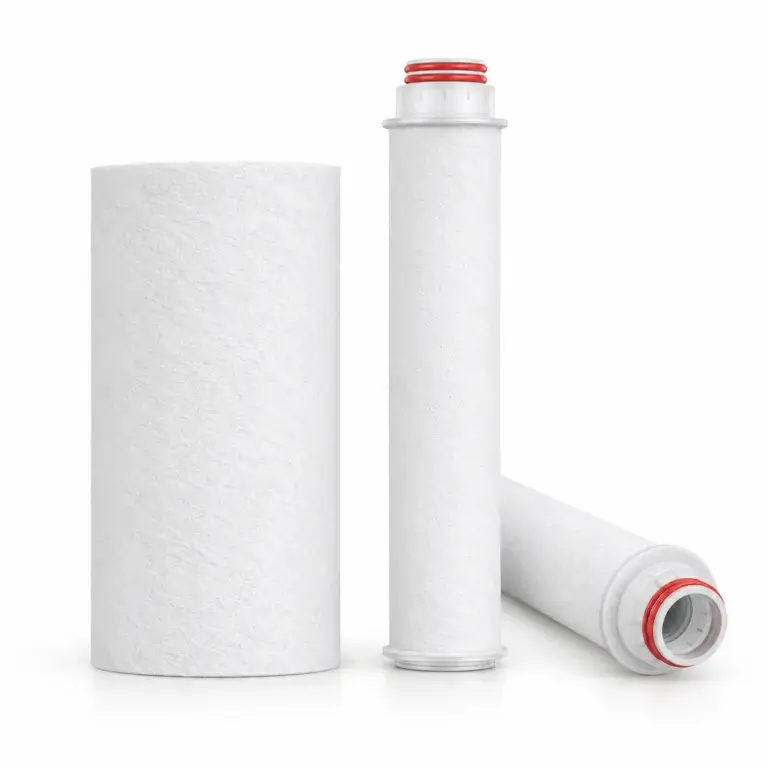
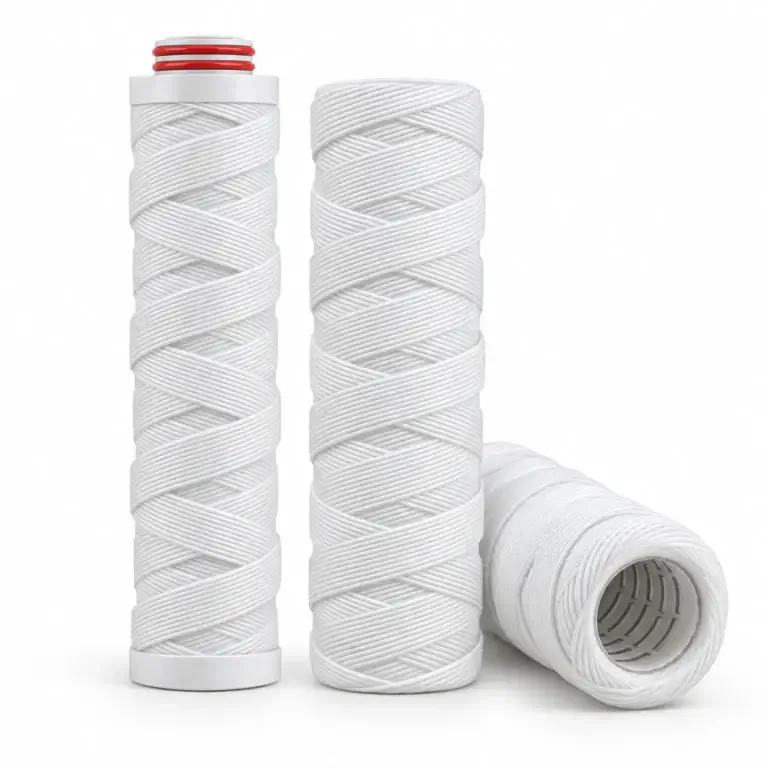
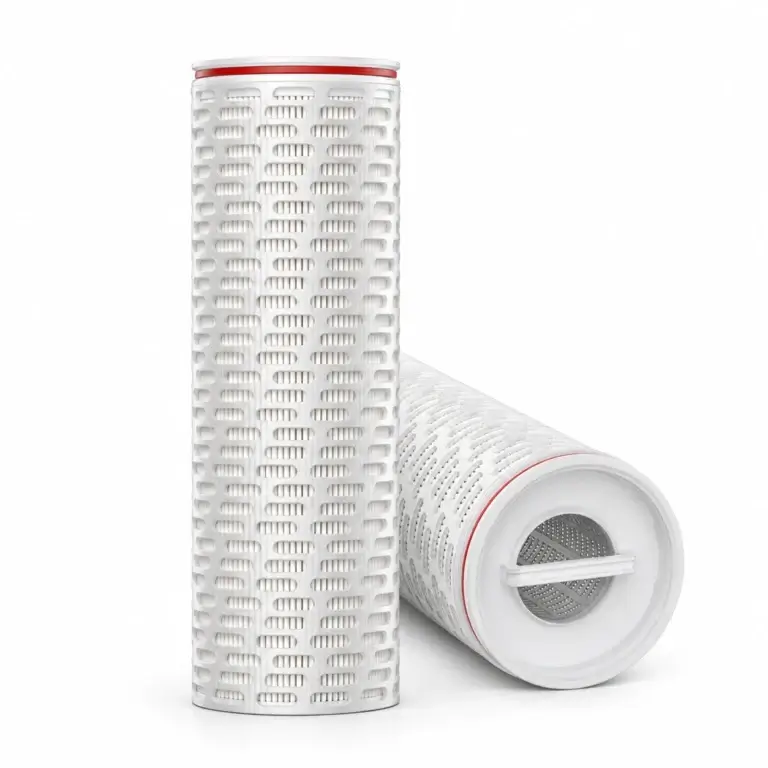
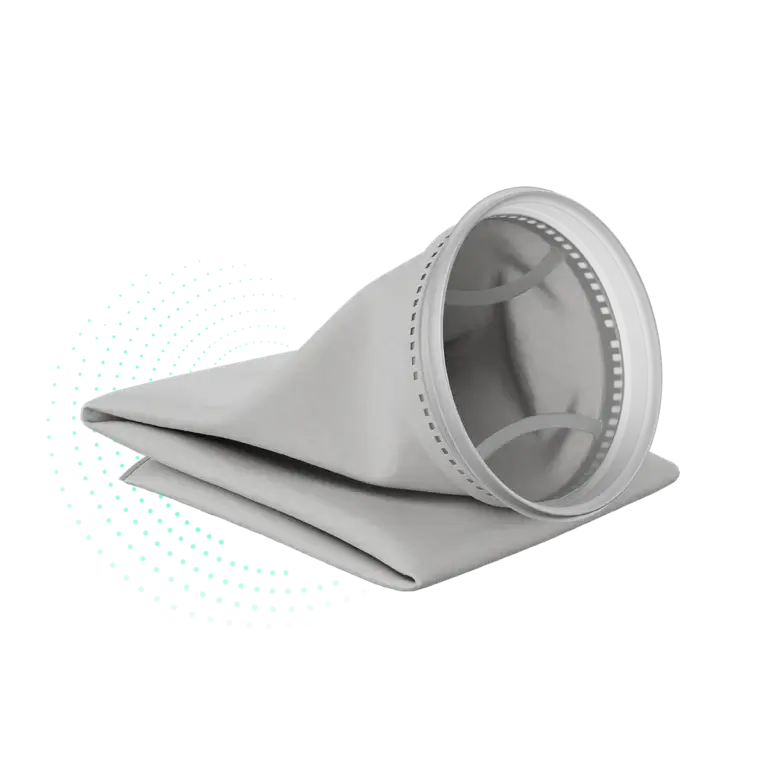
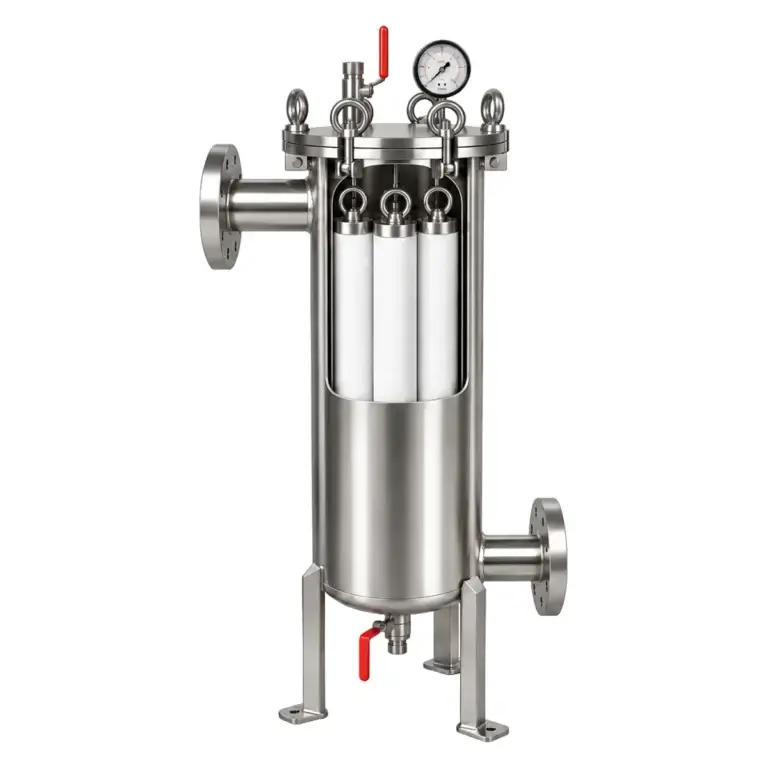
Selected filters for plastic injection molding
Each product page lists the micron range, material compatibility and operating conditions.
Please send BA/BS forms, current account reconciliations and any other emails for our Finance and Administrative Affairs Department to [email protected].
Invoice name (registered company name): PROSES TİCARET, İMALAT, MÜHENDİSLİK ENDÜSTRİYEL MADDE VE MALZEME İMALATI İNŞAAT VE SANAYİ LİMİTED ŞİRKETİ
Billing address: Musa Gündüz Cad. No:14 Taşköprü – Çiftlikköy – YALOVA, TÜRKİYE
E-invoice / e-archive email address: [email protected]
Tax office: Yalova Tax Office (Yalova V.D.)
Tax ID number: 7330379514
MERSIS number: 0733037951400013