Maximum efficiency and turbine protection in energy and biogas
Particles that erode turbine blades, siloxanes that grind engine cylinders like sandpaper, moisture that threatens transformers: in energy and biogas plants, filtration is production’s insurance policy.
Points where filtration is decisive in energy and biogas processes
In power plants and biogas facilities, filtration is not just operational support but a strategic requirement that determines system life. Precise particle control in gas lines, air intakes and lubrication systems minimizes downtime and directly lowers energy production costs.
Turbine and Compressor Protection: Erosion and Balance Control
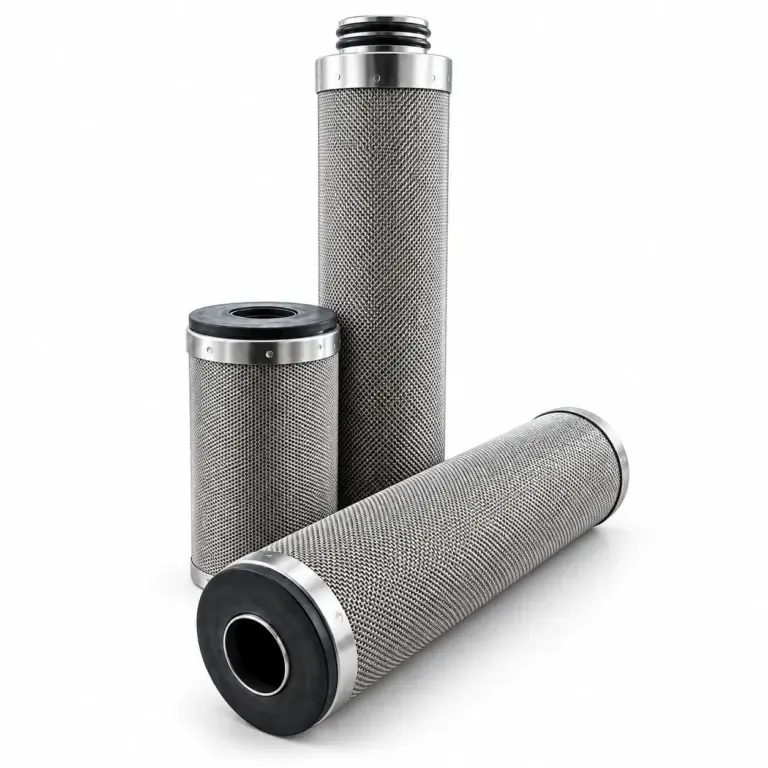
Gas turbines and compressors are precision equipment running at very high speeds. Even the smallest particle in fuel gas or intake air can have destructive consequences. Capturing micron-level dust with high-efficiency filtration systems prevents wear and erosion of turbine blades. Another critical consequence of particle buildup is imbalance. In high-speed systems, loss of balance leads to costly overhauls and unplanned downtime. Particle control in gas and air lines eliminates this risk at the source.
Solution: Air and gas line filtration
Biogas Purification: Siloxane and H₂S Removal
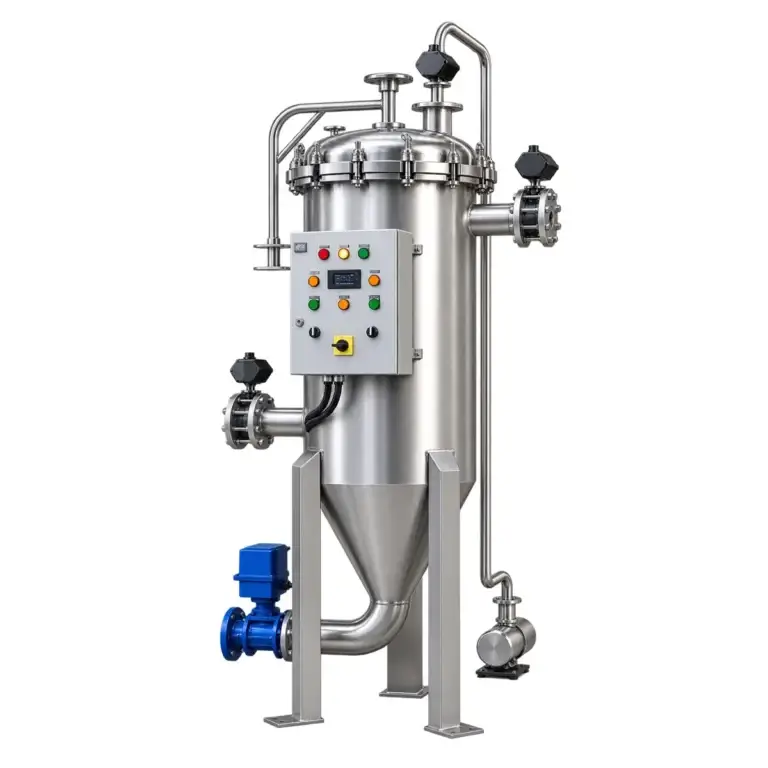
In biogas plants, gas purity directly determines engine life and emission values. Removing hydrogen sulfide (H₂S) and siloxanes from the gas is therefore a critical priority. H₂S forms sulfuric acid and causes corrosion, while siloxanes turn into silica during combustion and act like sandpaper on cylinder heads and pistons. Without effective filtration, engine overhaul intervals are cut in half and maintenance costs multiply. Purifying the gas also improves combustion quality, maximizes methane efficiency and extends engine oil service life. Filtration therefore plays not only a protective role but also an efficiency-boosting one.
Solution: H₂S and siloxane removal
Dielectric Protection for Transformer and Turbine Oils
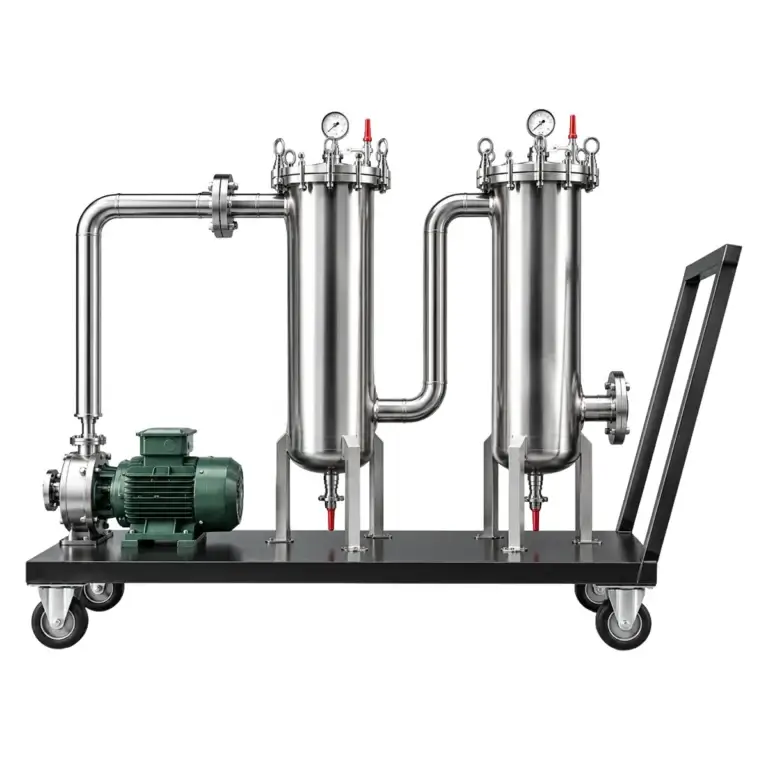
The purity of the oils used in power transmission and generation is critical for both electrical and mechanical safety. Moisture and solid particles in turbine and transformer oils reduce the oil’s dielectric strength, that is, its insulating capacity. This sets the stage for arcing inside the transformer and serious safety risks. Continuous filtration that controls particles and moisture keeps the oil’s insulation quality within standards and eliminates these risks. Oxidation control prevents oil degradation and minimizes valve and bearing wear in central lubrication systems, significantly reducing oil change costs and the need for unplanned maintenance.
Solution: Moisture and particle control
Energy line
Which filter at which stage?
Select a stage on your line to see the Prosestim filters and micron range used at that point.
01 · Particles
Prevent blade erosion
Capturing micron-level dust prevents wear on turbine blades.
This stage is your existing equipment. Let’s design the earlier stages together; our engineers will recommend the right filter.
Let’s define a solution for this stage of your line together with our engineers. Write to us
02 · Balance
Prevent imbalance
Particle control in gas lines eliminates the risk of imbalance at high speed at the source.
Please send BA/BS forms, current account reconciliations and any other emails for our Finance and Administrative Affairs Department to [email protected].
Invoice name (registered company name): PROSES TİCARET, İMALAT, MÜHENDİSLİK ENDÜSTRİYEL MADDE VE MALZEME İMALATI İNŞAAT VE SANAYİ LİMİTED ŞİRKETİ
Billing address: Musa Gündüz Cad. No:14 Taşköprü – Çiftlikköy – YALOVA, TÜRKİYE
E-invoice / e-archive email address: [email protected]
Tax office: Yalova Tax Office (Yalova V.D.)
Tax ID number: 7330379514
MERSIS number: 0733037951400013