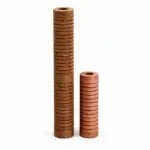
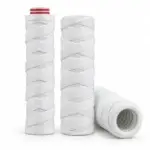
Longer precision filter life through pre-filtration
1–25 µm
Final check precision before filling
Viton · PTFE
Sealing on solvent lines
Critical points
Points where filtration is decisive in paint industry processes
In paint production, quality depends on how evenly the pigment is dispersed and at which stage particles are captured. Staged filtration, designed from pre-filtration to the final check before filling, manages both color stability and filter costs.
Micro-Particle Control for Pigment Dispersion and Color Uniformity
Uniform dispersion of the pigments used in a paint formulation is critical for hiding power and gloss. Undissolved pigment agglomerates and gel particles impair the paint’s optical properties; separating these unwanted structures through filtration directly safeguards color stability. In clear varnish and lacquer production, removing sub-micron impurities maximizes optical depth. In this segment, clarity is not an aesthetic choice but a core performance parameter of the product.
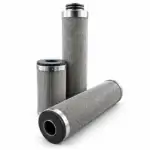
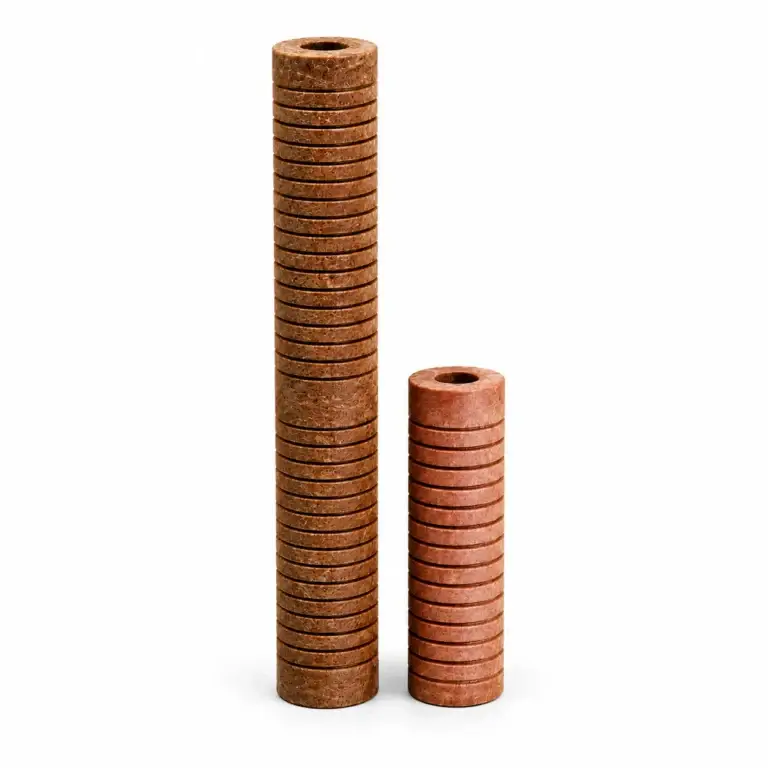
Solution: Removing pigment agglomerates with depth filters
Staged Filtration Strategy: Cost Savings and Operational Efficiency
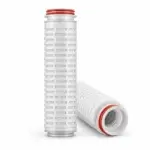
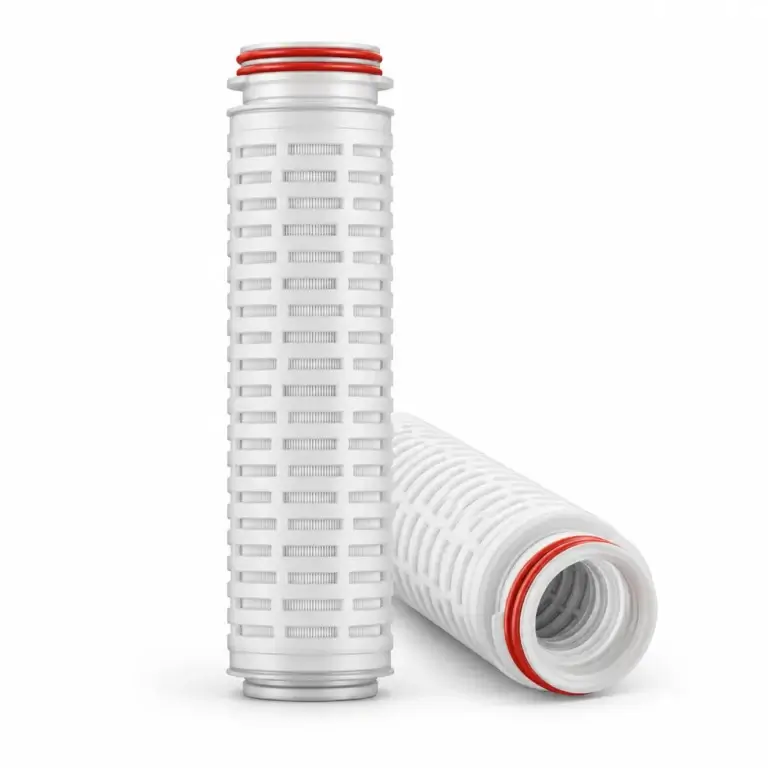
The high viscosity of paint can cause filters to load quickly. A staged filtration approach solves this in terms of both quality and cost. Removing coarse particles from the main line at the pre-filtration stage can extend the service life of expensive precision filters up to fourfold. The final check at the filling stage is the product’s last quality approval point before it leaves the factory. Filtration at 1–25 micron precision at this point minimizes customer complaints and return risks. Choosing the wrong micron rating or using low-quality filters leaves particles in the paint, which then cause direct quality problems during application such as surface roughness, seeding and spray nozzle clogging.
Solution: Pre-filter + precision filter stages
Safe Filtration on Resin Synthesis and Solvent-Based Lines
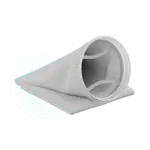
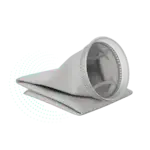
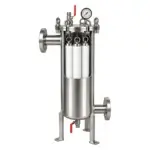
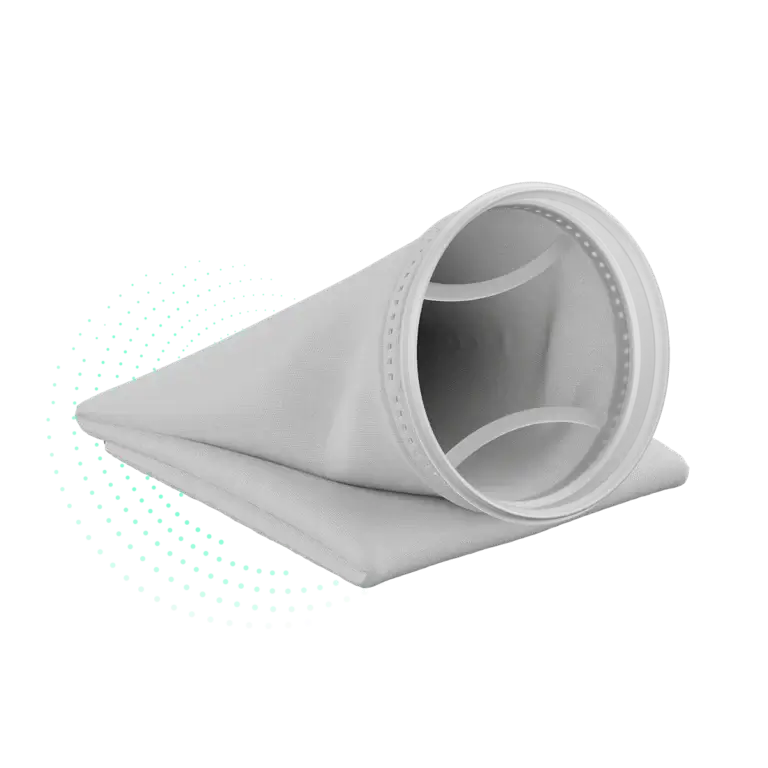
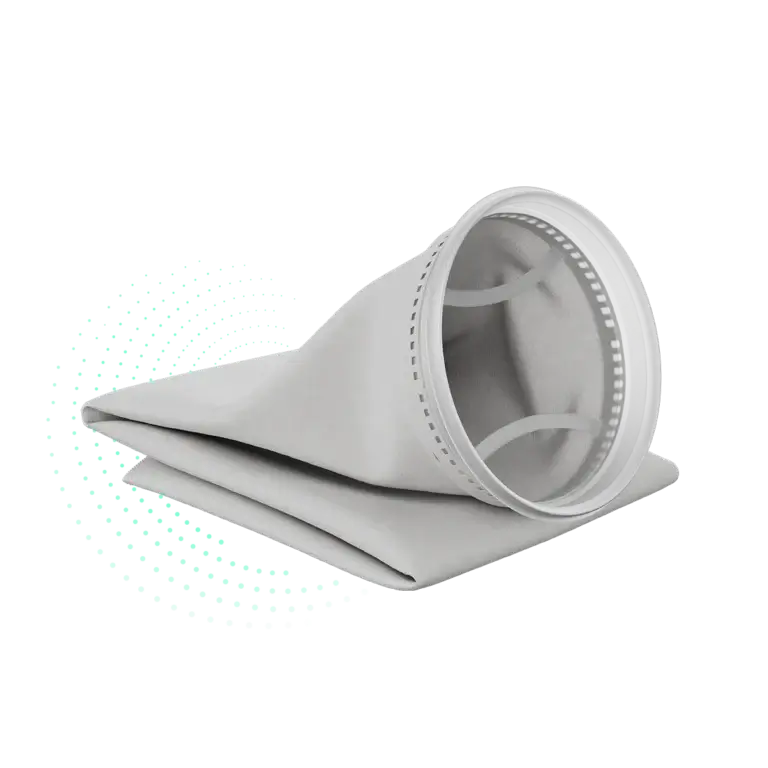
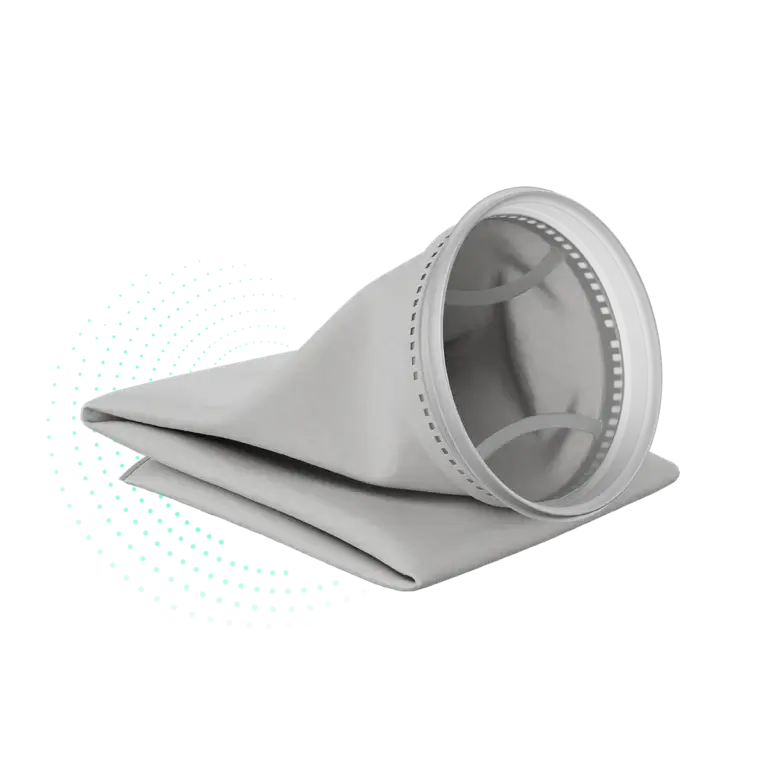
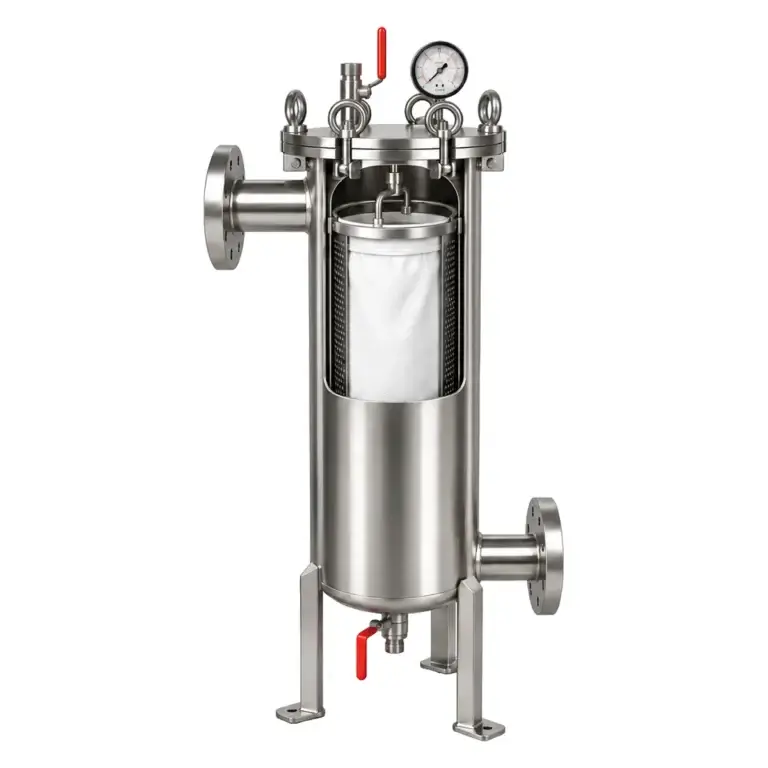
Filtering resins, the core component of paint production, is essential for both product quality and process safety. Aggressive solvents and high-temperature resin lines are not suitable for standard filter materials; on these lines, AISI 316L stainless steel housings and solvent-resistant seals such as Viton or PTFE should be used. Antistatic bag filters are also required for safety against static electricity. Retaining and recovering the valuable catalysts used in synthesis within the filter system is another gain in raw material savings that should not be overlooked.
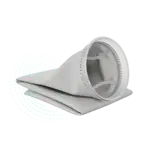
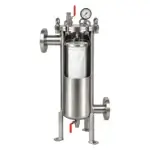
Solution: AISI 316L housing and antistatic bag
Application Performance: Protecting Spray Nozzles and Ensuring Uninterrupted Flow
The most common problem end users face, whether in automotive painting or industrial coating, is particles in the paint clogging spray guns. A production line controlled to micron precision eliminates this risk at the source and keeps spray equipment flowing without interruption. Common paint defects such as pinholes and fisheyes are also caused directly by particles. Filtration quality at the final point of production prevents these defects and ensures a flawless surface finish.
Solution: Micron control before filling
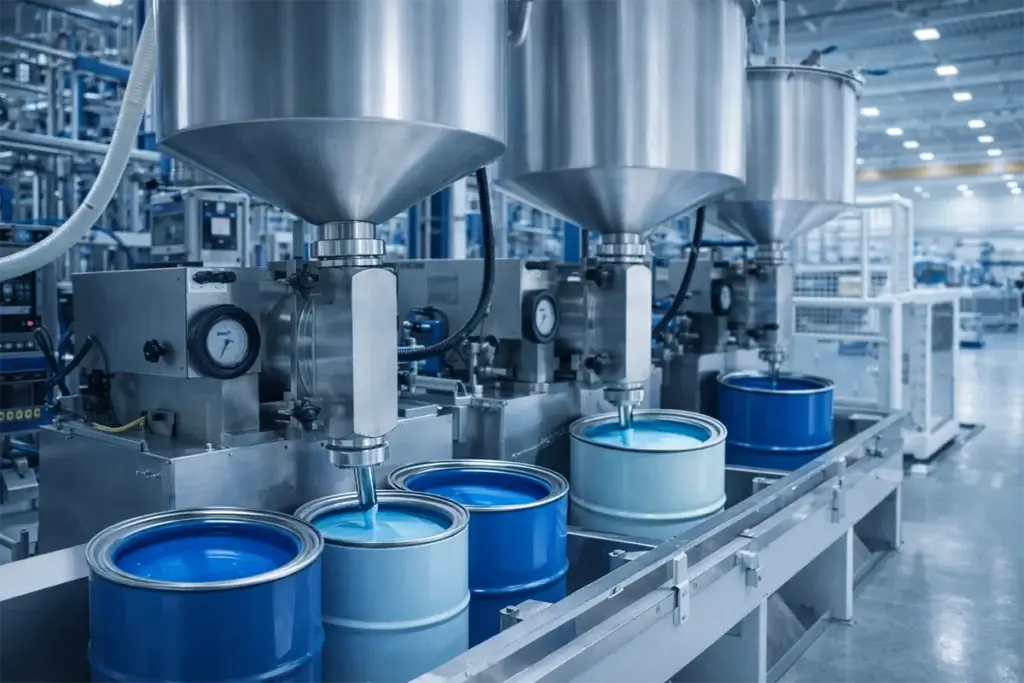
Paint production line
Which filter at which stage?
Select a stage on your line to see the Prosestim filters and micron range used at that point.
01 · Hot · solvent
Filter resin safely
On aggressive solvent and high-temperature resin lines, AISI 316L housings with Viton or PTFE seals are preferred.
Please send BA/BS forms, current account reconciliations and any other emails for our Finance and Administrative Affairs Department to [email protected].
Invoice name (registered company name): PROSES TİCARET, İMALAT, MÜHENDİSLİK ENDÜSTRİYEL MADDE VE MALZEME İMALATI İNŞAAT VE SANAYİ LİMİTED ŞİRKETİ
Billing address: Musa Gündüz Cad. No:14 Taşköprü – Çiftlikköy – YALOVA, TÜRKİYE
E-invoice / e-archive email address: [email protected]
Tax office: Yalova Tax Office (Yalova V.D.)
Tax ID number: 7330379514
MERSIS number: 0733037951400013