Points where filtration is decisive in dialysis center processes
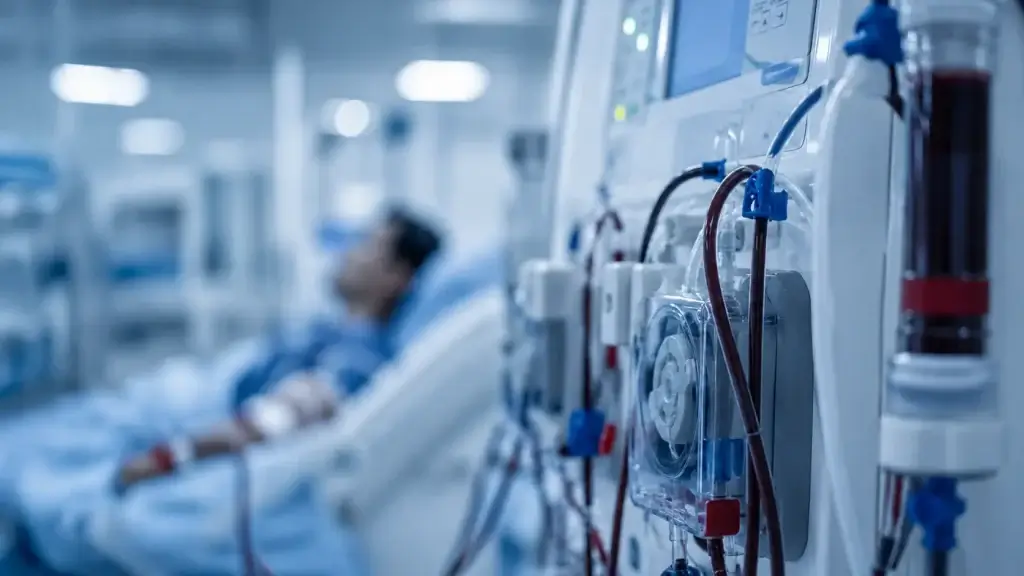
During dialysis, the patient’s blood comes into contact with water through a semi-permeable membrane at an average rate of 500 ml per hour. Endotoxins, bacteria or chemical impurities in the water can pass directly into the bloodstream and pose a life-threatening risk. That is why dialysis water is subject to far stricter standards than drinking water, and the water preparation line is an integral part of treatment.
Staged Treatment Line: From Sediment to Reverse Osmosis
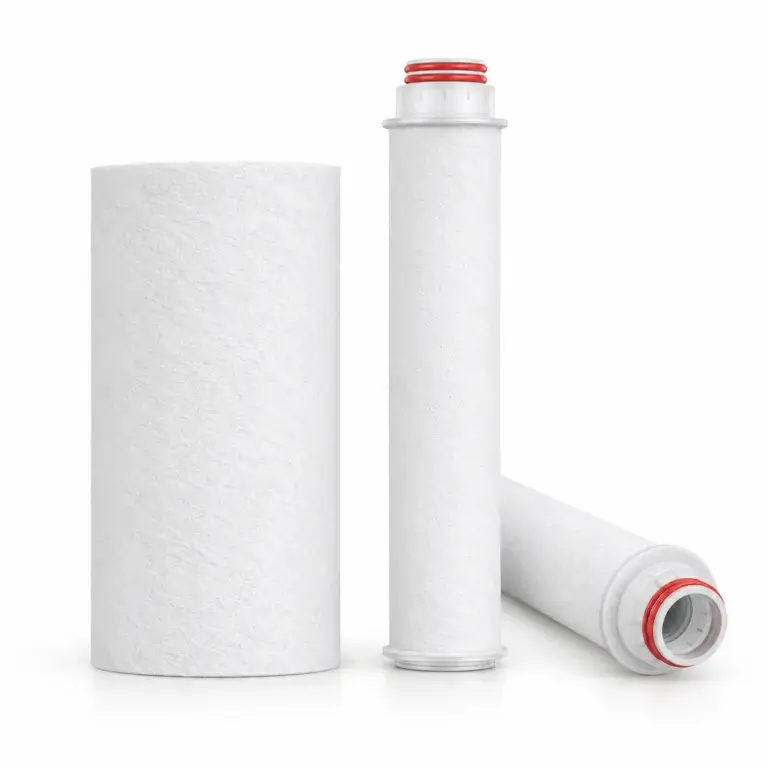
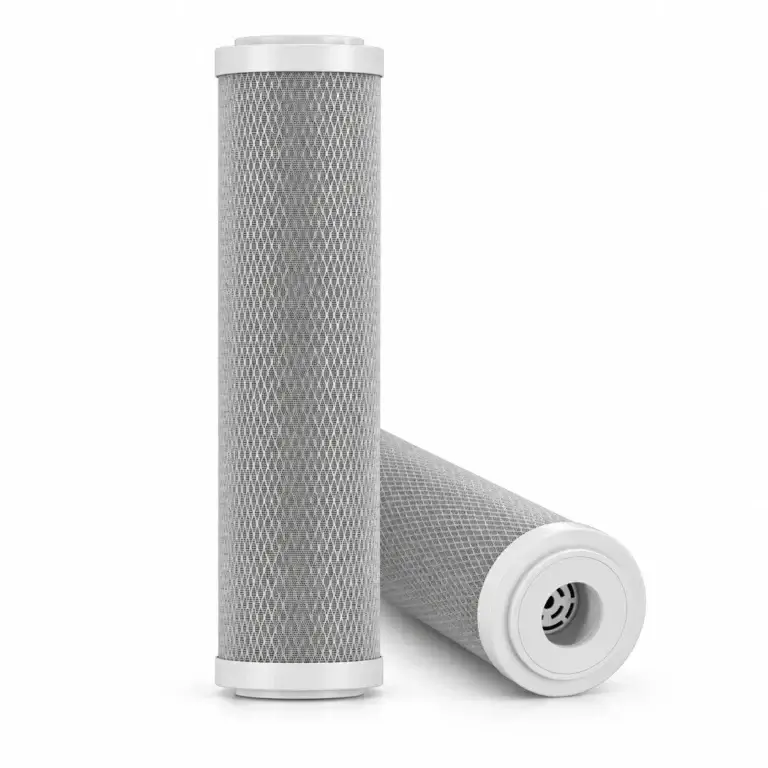
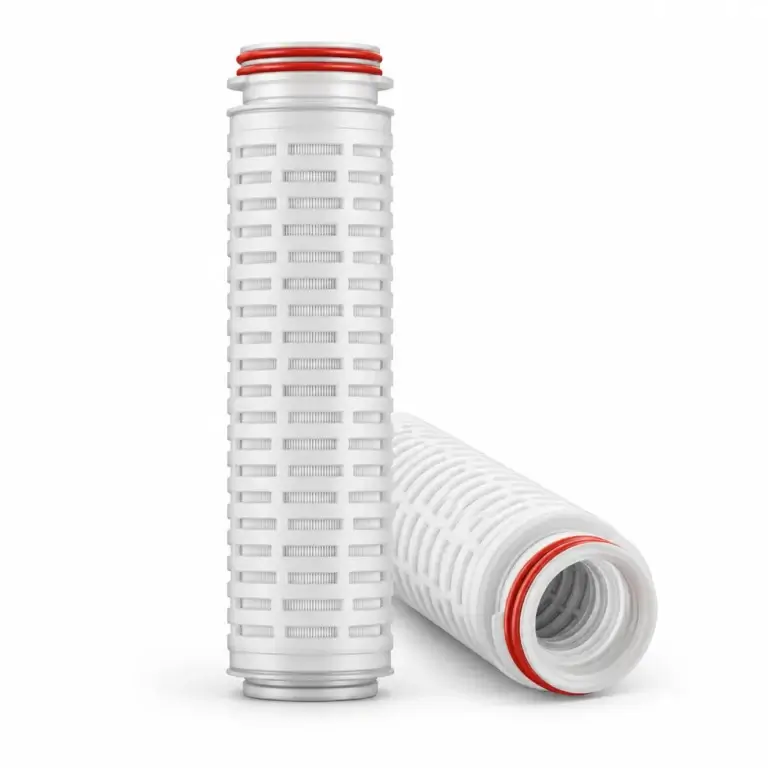
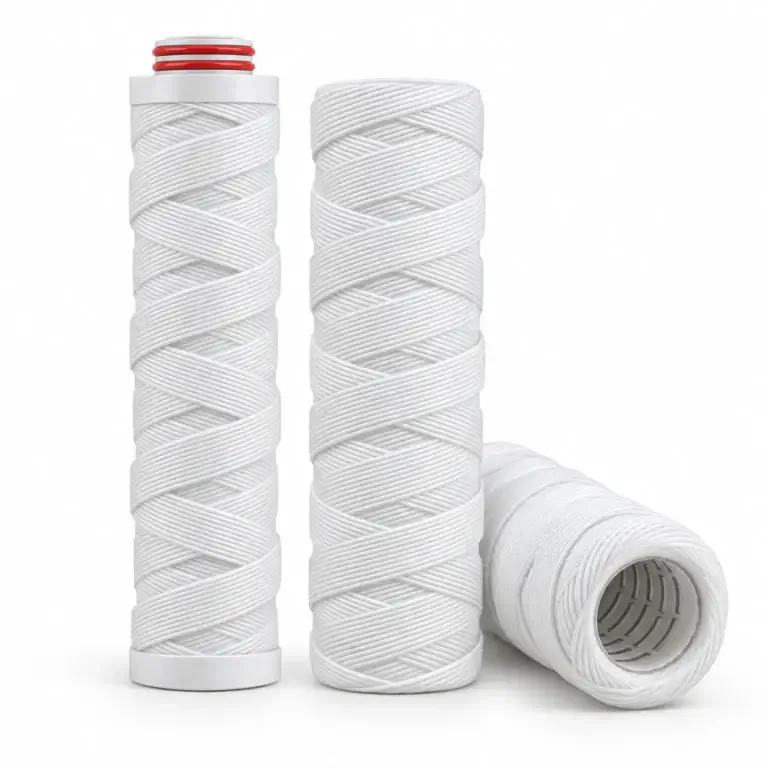
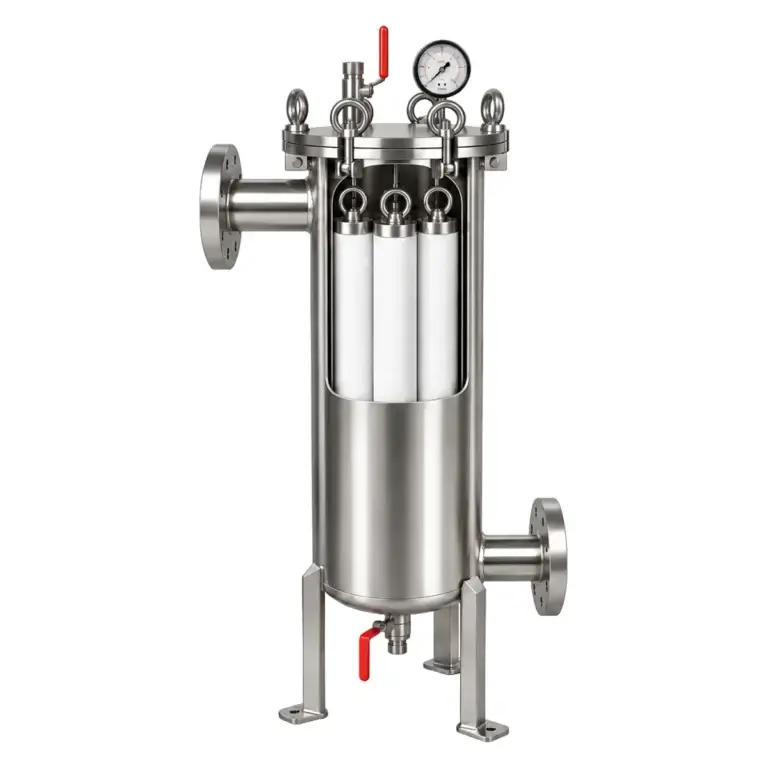
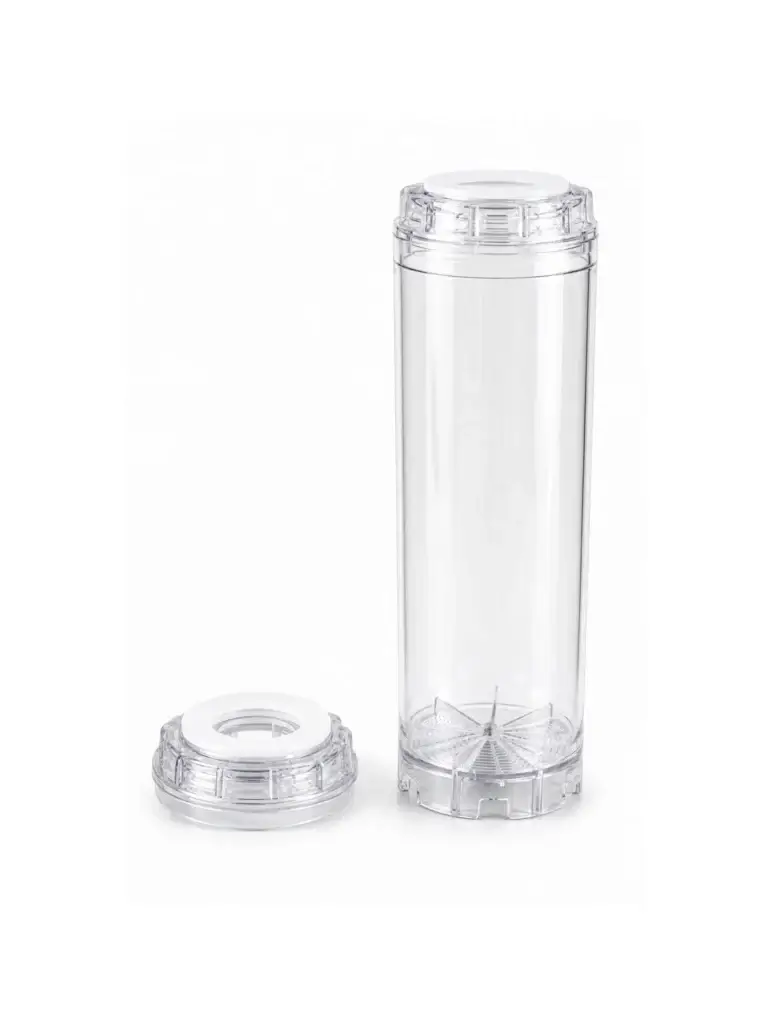
Dialysis water preparation is built on a system of staged barriers. Sediment filters remove coarse particles, and activated carbon filters remove chloramine and organic compounds. A softening unit protects membrane life, while reverse osmosis (RO) retains ions, heavy metals and most of the microbiological load. Each stage protects the next; a weakness in any link of the chain jeopardizes the reliability of the whole system.
Solution: Sediment and activated carbon pre-filtration
Endotoxin and Bacteria Control: The Ultrafiltration Barrier
Even when RO output is microbiologically adequate, biofilm formation in the distribution line can lead to an endotoxin load. Ultrafilter membranes installed after the RO and at critical points physically retain bacteria and endotoxins with 0.01–0.1 micron precision. ISO 13959 requires dialysis water to stay below 100 CFU/ml for bacteria and 0.25 EU/ml for endotoxins; for applications that require ultrapure water, these limits drop to 0.1 CFU/ml and 0.03 EU/ml respectively.
Solution: Post-RO ultrafiltration barrier
Distribution Line Protection: Biofilm and Loop Filtration
The distribution line that carries treated water to the dialysis machines is a critical risk point for biofilm. A continuous loop design and UF filters installed along the line keep this risk under control. Periodic disinfection and sanitization protocols are other components of the process, while filtration acts as the final barrier where disinfection cannot reach.
Solution: Loop filtration and sanitization
Consumables Management and Validation Requirements
Filter replacement intervals and performance verification are a legal requirement in dialysis centers. Activated carbon filters are monitored by chloramine capacity, and RO membranes by flow rate and rejection rate. Integrity tests are carried out periodically on UF filters. Documenting all these processes is mandatory for both accreditation audits and patient safety.
Solution: Periodic replacement and integrity testing
Water preparation line
Which filter at which stage?
Select a stage on your line to see the Prosestim filters and micron range used at that point.
01 · Coarse particles
Protect the line from coarse particles
Sediment filters capture coarse particles and protect the following stages.
Please send BA/BS forms, current account reconciliations and any other emails for our Finance and Administrative Affairs Department to [email protected].
Invoice name (registered company name): PROSES TİCARET, İMALAT, MÜHENDİSLİK ENDÜSTRİYEL MADDE VE MALZEME İMALATI İNŞAAT VE SANAYİ LİMİTED ŞİRKETİ
Billing address: Musa Gündüz Cad. No:14 Taşköprü – Çiftlikköy – YALOVA, TÜRKİYE
E-invoice / e-archive email address: [email protected]
Tax office: Yalova Tax Office (Yalova V.D.)
Tax ID number: 7330379514
MERSIS number: 0733037951400013