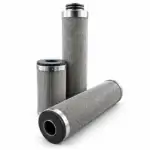
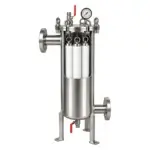
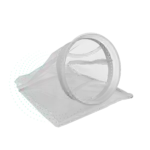
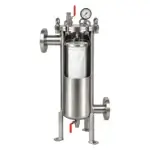
From screen clogging to coating defects, from felt life to white water recovery: filtration engineering that keeps process water under control at every stage of papermaking.
Points where filtration is decisive in paper and packaging processes
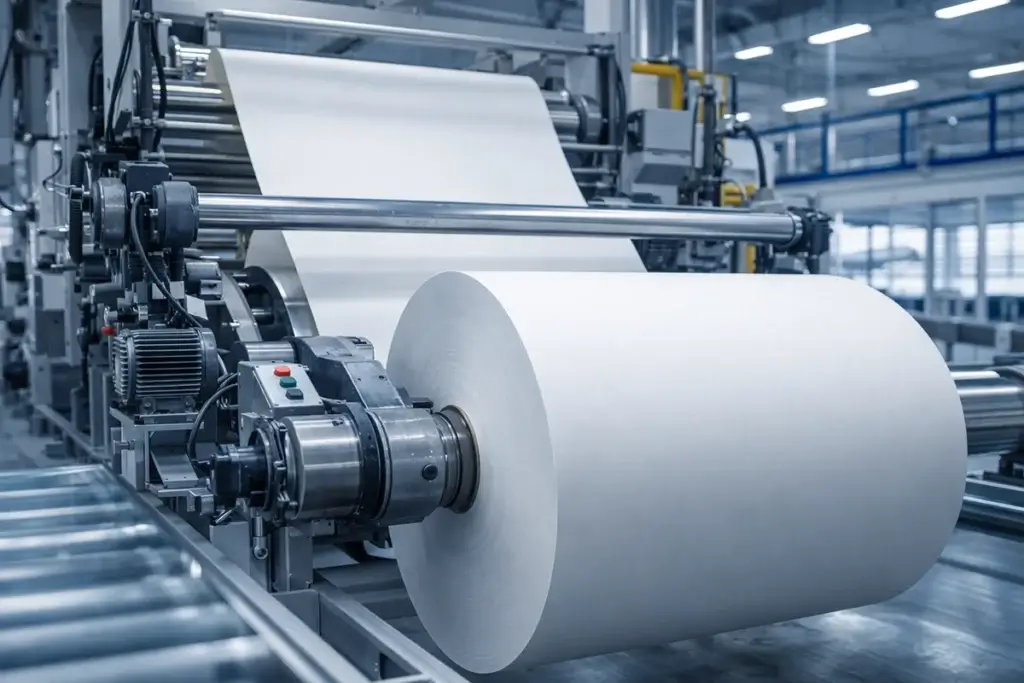
In papermaking, water is present at every stage of the system as both a carrier and a cooling fluid. Water quality therefore directly determines not only equipment life but also the surface quality and print consistency of the final product. In this context, process water filtration is not operational support but a fundamental variable of production quality.
Screen and Felt Protection: Spray Nozzles and Vacuum Pumps
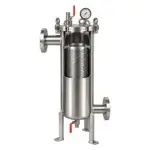
The high-pressure spray nozzles used in the wet end of a paper machine are extremely sensitive to water purity. Micro-particles in the water clog the nozzles and cause uneven spreading of the pulp, which means losses in both quality and efficiency on the production line. Screens and felts are porous structures that remove water from the paper. Sediment in the water settles into these pores and blinds the felt; suction drops, sheet breaks increase and the felt has to be replaced prematurely. Separating sediment and sand from water circuits through filtration also minimizes abrasion in vacuum pumps and prevents mechanical failures.
Solution: Nozzle and vacuum pump protection
Flawless Surface and Print Quality in Coating Operations
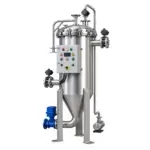
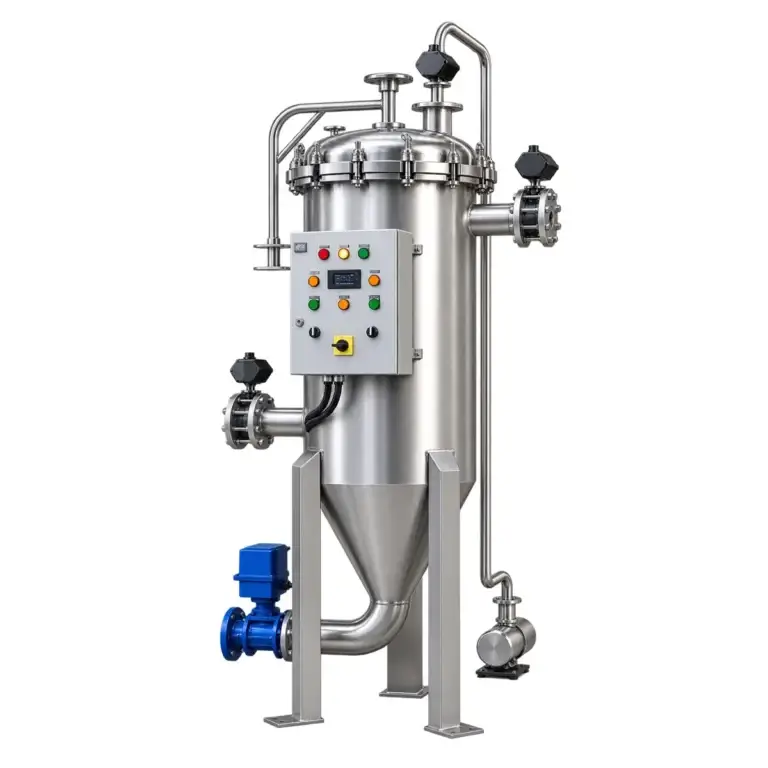
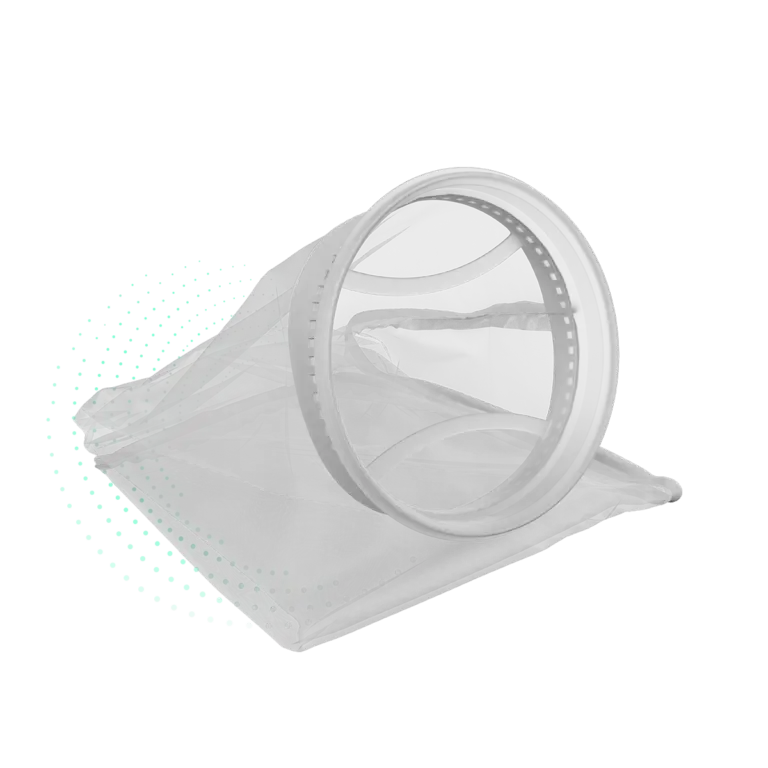
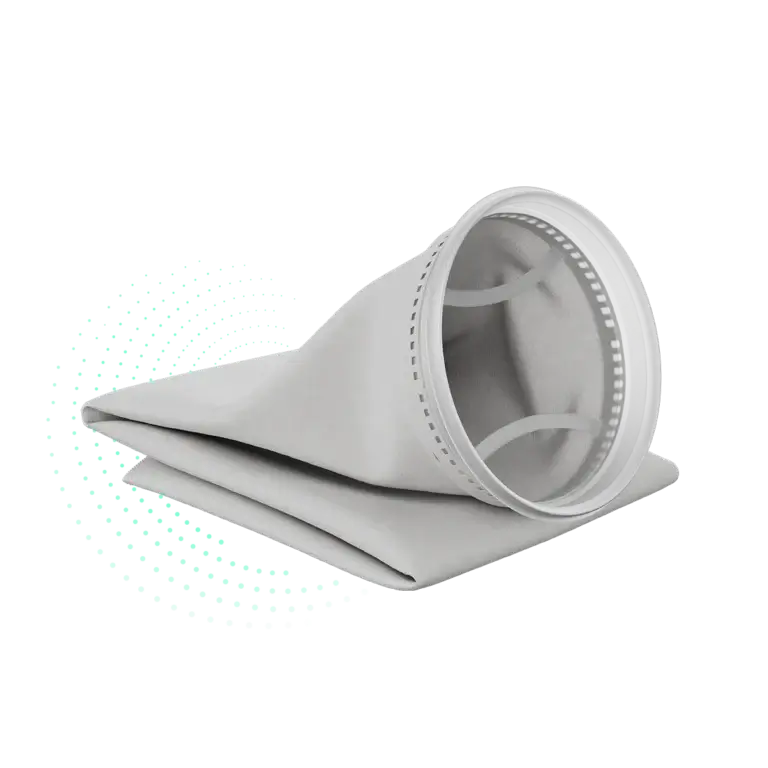
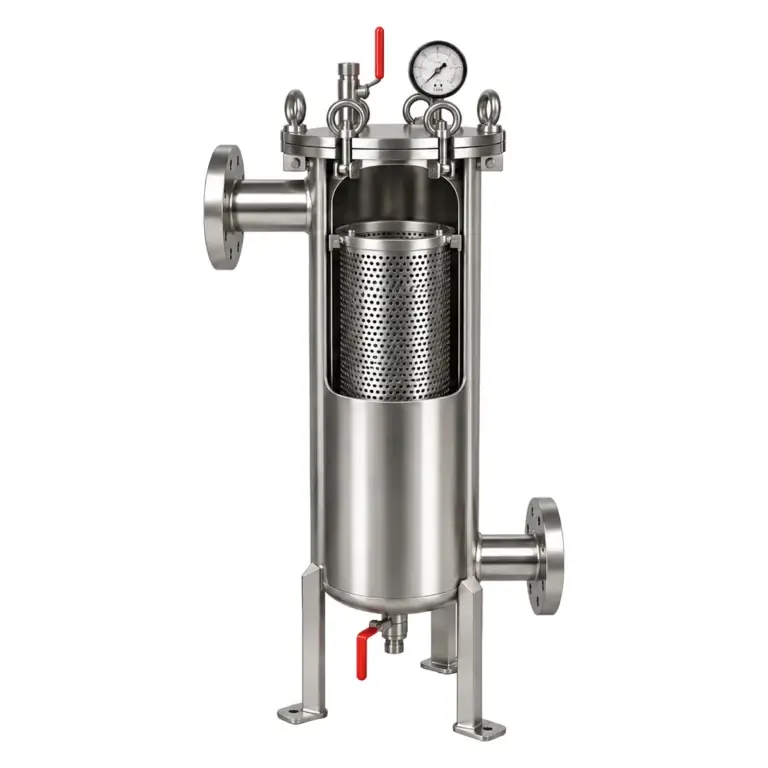
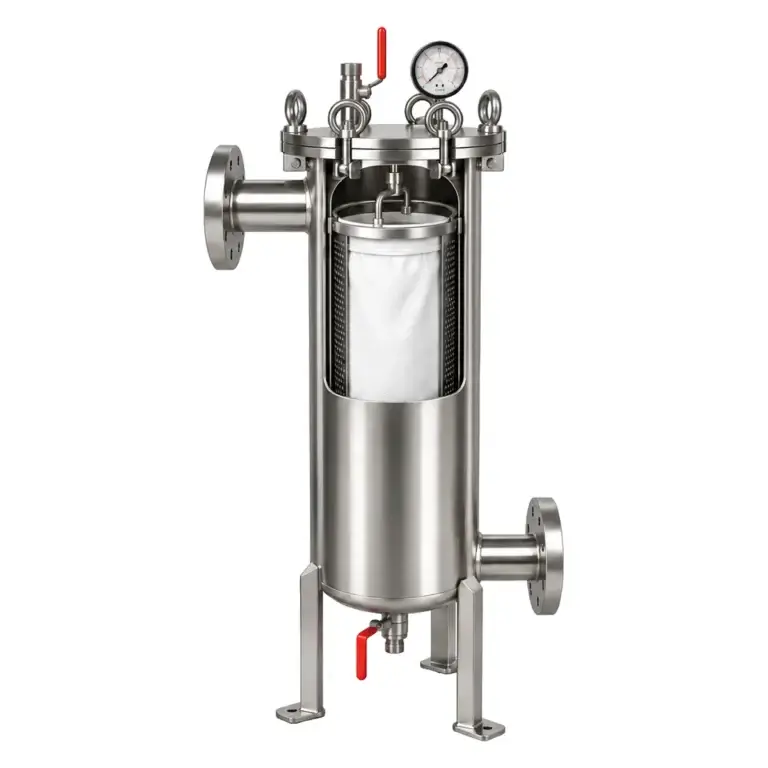
Print consistency on packaging paper depends directly on surface smoothness. Agglomerated starch or impurities in coating fluids cause fisheye or scratch defects on the paper surface, lowering print quality and increasing scrap. Starch lines require special attention because of their high viscosity and tendency to agglomerate. Self-cleaning or heavy-duty stainless steel bag filters separate agglomerates without interrupting the flow and stabilize coating quality. In plants that use recycled fiber, plastic residues, stickies and ink residues are far more concentrated in the system; filtering these impurities effectively is essential to protect final product strength and machine continuity.
Solution: Self-cleaning starch filtration
White Water Recovery: Fiber Savings and Sustainability
In modern paper mills, recovering the valuable cellulose fibers in white water lines is an economic necessity. The filtration system separates these fibers from the water and returns them to production, while the cleaned process water is reused in a closed loop, significantly reducing fresh water make-up and water costs. Here, filtration stands out as both an efficiency tool and a sustainability investment.
Solution: Fiber recovery and water savings
Paper machine
Which filter at which stage?
Select a stage on your line to see the Prosestim filters and micron range used at that point.
01 · Sand · sediment
Let clean water into the circuit
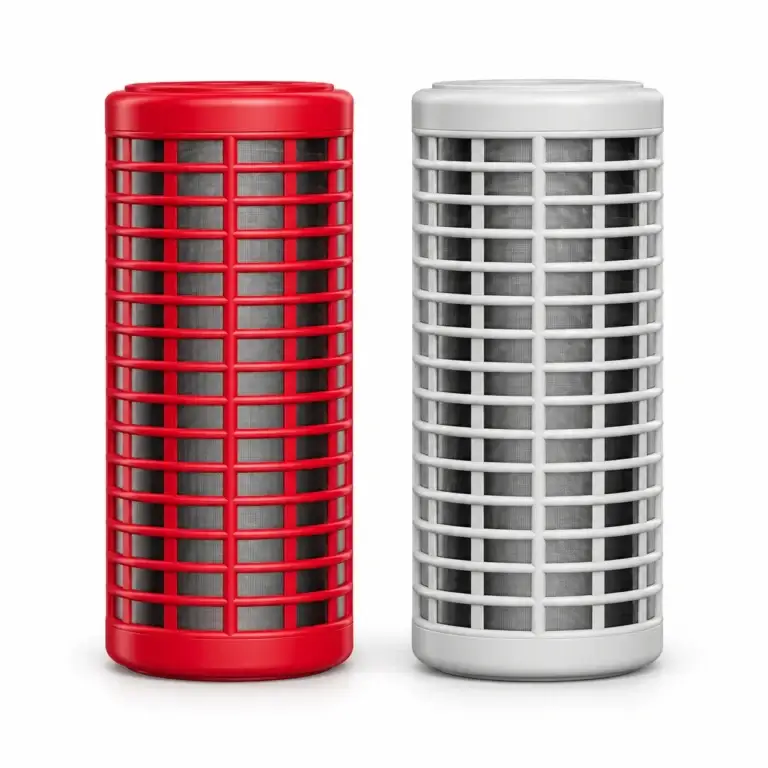
Separating sediment and sand from water circuits reduces abrasion in vacuum pumps.
Please send BA/BS forms, current account reconciliations and any other emails for our Finance and Administrative Affairs Department to [email protected].
Invoice name (registered company name): PROSES TİCARET, İMALAT, MÜHENDİSLİK ENDÜSTRİYEL MADDE VE MALZEME İMALATI İNŞAAT VE SANAYİ LİMİTED ŞİRKETİ
Billing address: Musa Gündüz Cad. No:14 Taşköprü – Çiftlikköy – YALOVA, TÜRKİYE
E-invoice / e-archive email address: [email protected]
Tax office: Yalova Tax Office (Yalova V.D.)
Tax ID number: 7330379514
MERSIS number: 0733037951400013