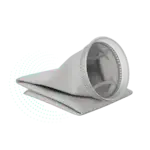
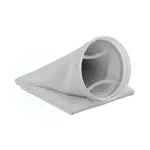
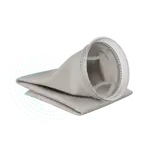
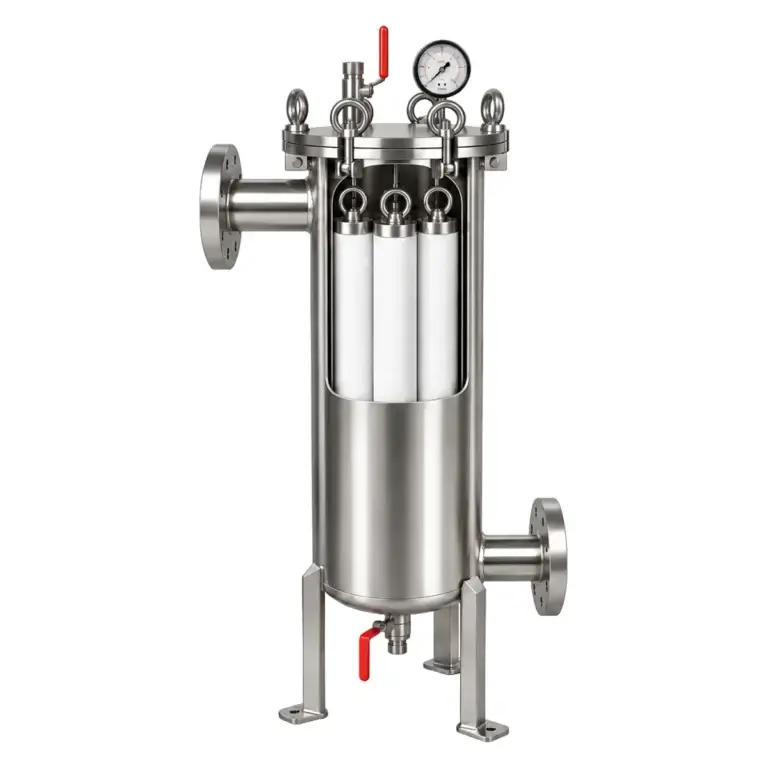
Corrosion-resistant, safe filtration in the chemical industry
From aggressive acids to solvents, from high-pressure reactors to catalyst recovery lines: filtration engineering with guaranteed sealing, fully suited to the harsh conditions of the chemical industry.
Points where filtration is decisive in chemical industry processes
Managing aggressive chemicals, acids and solvents is a non-negotiable requirement for equipment life, product purity and reactor safety. In the chemical industry, filtration is therefore not just particle retention but a strategic discipline where materials engineering, sealing technology and process safety meet.
Equipment Protection with Aggressive Fluids: Corrosion-Resistant Materials Engineering
On acid, alkali and solvent lines, choosing the wrong material quickly leads to corrosion-related leaks and mechanical failures. Standard 316L stainless steel is sufficient for many applications, but some aggressive acids, such as chlorinated solutions, can corrode even this material quickly. Hastelloy or PTFE (Teflon)-lined solutions should be used on these lines; the wrong material directly sets the stage for product contamination and dangerous leaks. Choosing corrosion-resistant materials protects reactors, pumps and heat exchangers from abrasive particles, lowering unplanned maintenance costs and maximizing plant life.
Solution: Corrosion-resistant material selection
Catalyst Recovery and Cost Savings in Synthesis Processes
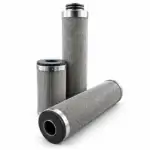
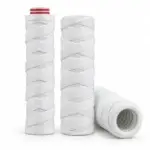
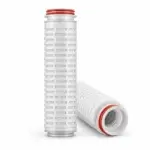
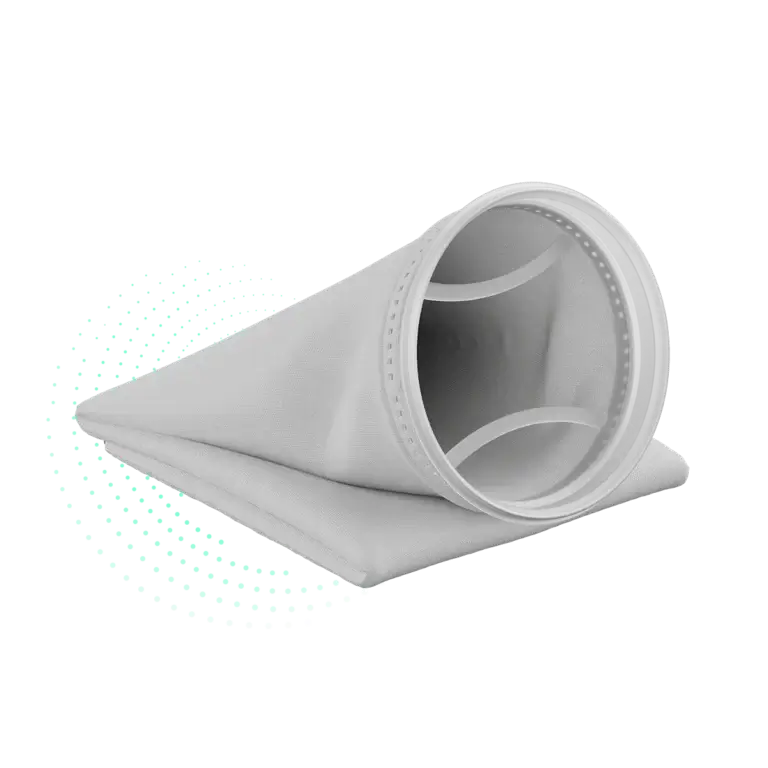
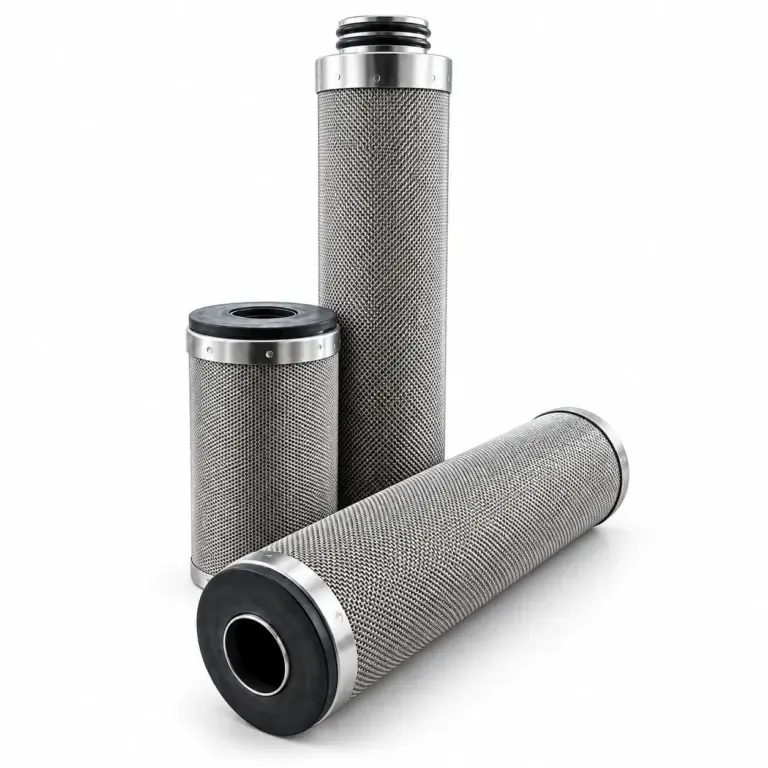
The precious metal catalysts used in chemical production account for a significant share of operating costs. Precision filtration on post-synthesis lines recovers these catalyst particles with close to 100% efficiency. Depending on the catalyst structure and size, heavy-duty metal cartridge filters or ceramic-based systems are used; these systems can retain particles without deforming them even in high-temperature chemical processes. Quickly removing catalysts and undissolved by-products from the main stream also brings the final product’s purity values up to international standards such as USP and EP.
Solution: Catalyst recovery filtration
Process Safety and Environmental Compliance with Leak-Proof Housing Designs
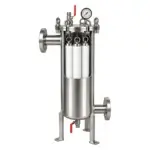
When filtering toxic, flammable or volatile chemicals, sealing is vital for both staff health and environmental regulations. Leak-proof housing designs supported by special seals such as Viton or Kalrez keep solvent emissions and hazardous chemical leaks under control. On solvent lines, static electricity is a separate critical safety parameter that must be managed. Solvents can build up static charge as they flow, creating an explosion risk. Antistatic filter elements with grounding connections and ATEX-compliant stainless steel housings safely discharge this risk.
Solution: Special seals and antistatic design
Process line
Which filter at which stage?
Select a stage on your line to see the Prosestim filters and micron range used at that point.
01 · Coarse particles
Clean feed to the reactor
Separating coarse particles at the raw material inlet protects pumps and reactor equipment.
Please send BA/BS forms, current account reconciliations and any other emails for our Finance and Administrative Affairs Department to [email protected].
Invoice name (registered company name): PROSES TİCARET, İMALAT, MÜHENDİSLİK ENDÜSTRİYEL MADDE VE MALZEME İMALATI İNŞAAT VE SANAYİ LİMİTED ŞİRKETİ
Billing address: Musa Gündüz Cad. No:14 Taşköprü – Çiftlikköy – YALOVA, TÜRKİYE
E-invoice / e-archive email address: [email protected]
Tax office: Yalova Tax Office (Yalova V.D.)
Tax ID number: 7330379514
MERSIS number: 0733037951400013