Microbiological safety and precision filtration in cosmetics
From process water to fragrance transfer lines, from perfume polishing to safety systems for alcohol-based lines: filtration engineering that safeguards shelf life, optical clarity and formulation purity in cosmetics manufacturing.
Points where filtration is decisive in cosmetics processes
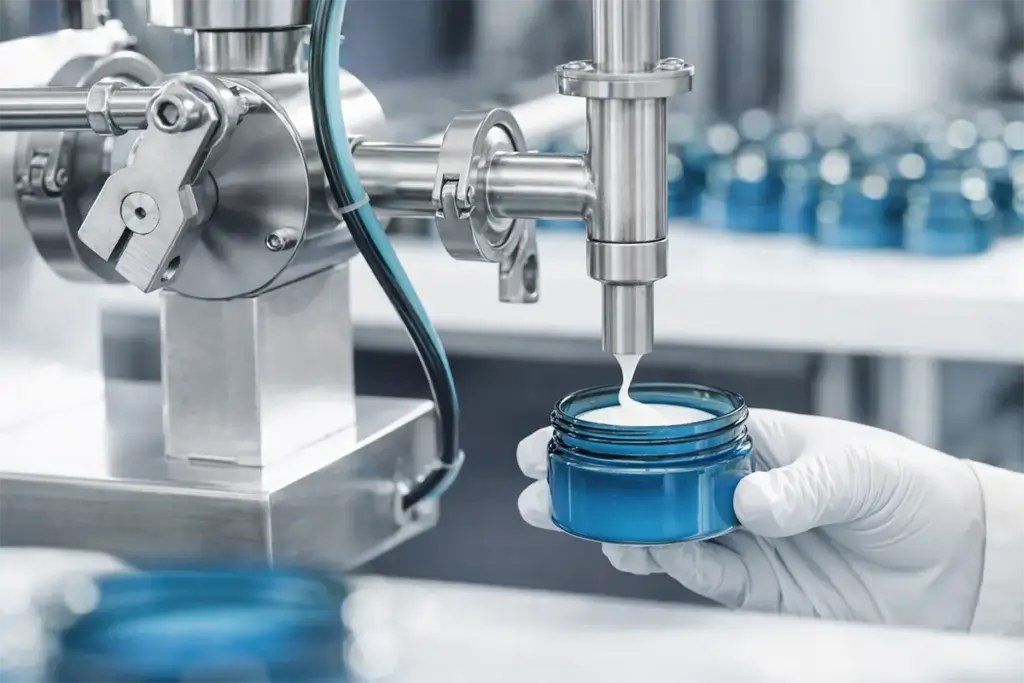
In cosmetics manufacturing, product stability comes not only from the right formulation but also from contamination control on the production line. A microbiological barrier at every stage, from raw material intake to the filling line, is the foundation for the product reaching the consumer in its safest, most stable form.
Microbiological Barrier: Absolute Hygiene Control in Process Water
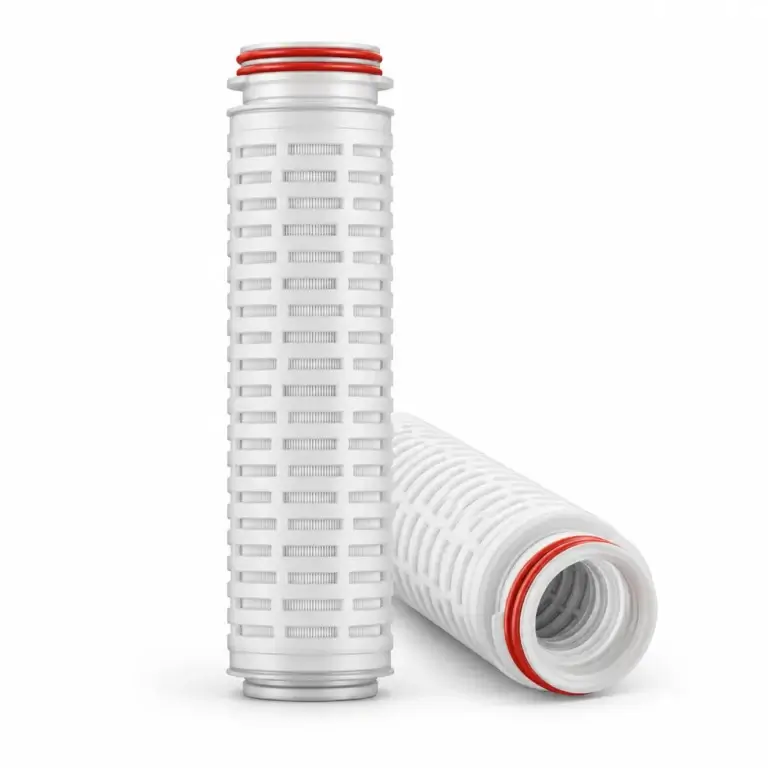
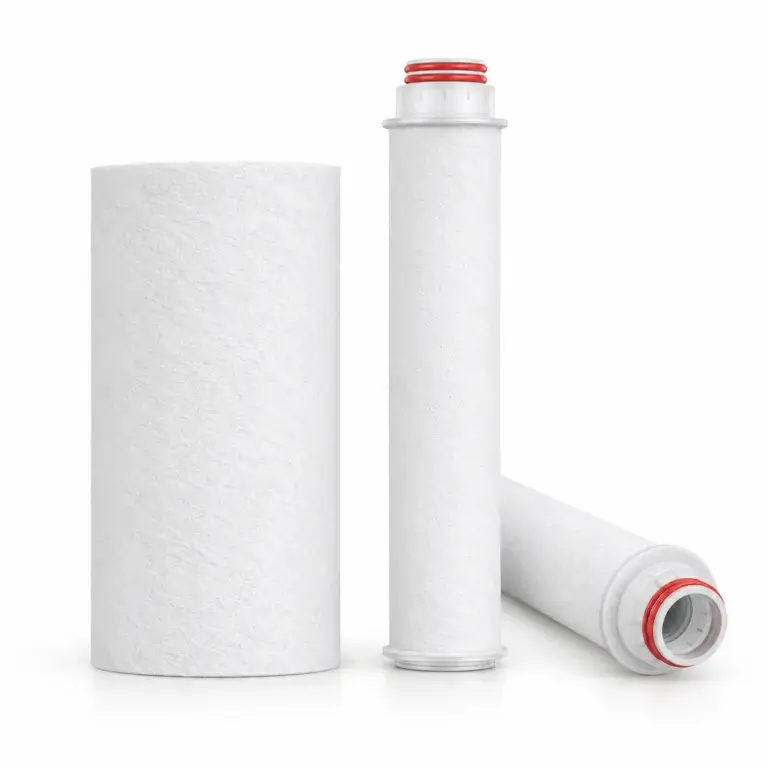
Water, which makes up most cosmetic products, is the ideal environment for microbial growth. 0.22 micron is the sterile filtration threshold in medical and cosmetic standards; this pore size physically retains bacteria such as Pseudomonas aeruginosa that cause spoilage in cosmetic products. A barrier set at this precision in process water protects shelf life and optimizes preservative use. This microbiological control, maintained from raw material intake onward, stops at the source every point of contamination that could disrupt formulation stability.
Solution: 0.22 µm process water filtration
Optical Clarity: Polishing Filtration for Perfumes and Lotions
In luxury cosmetics and personal care products, visual perfection is an integral part of brand value. Perfumes contain essential oils that can crystallize at low temperatures and cause haze. The perfume is first chilled and then passed through polishing filters, so the product stays clear throughout its shelf life even when exposed to different temperatures. Microscopic precipitates that appear in lotions and toners after chilling are removed the same way, preventing sediment and haze from forming in the bottle over time.
Solution: Chilling and polishing filtration
Raw Material Purity: Fragrance and Active Ingredient Transfer
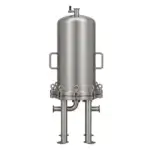
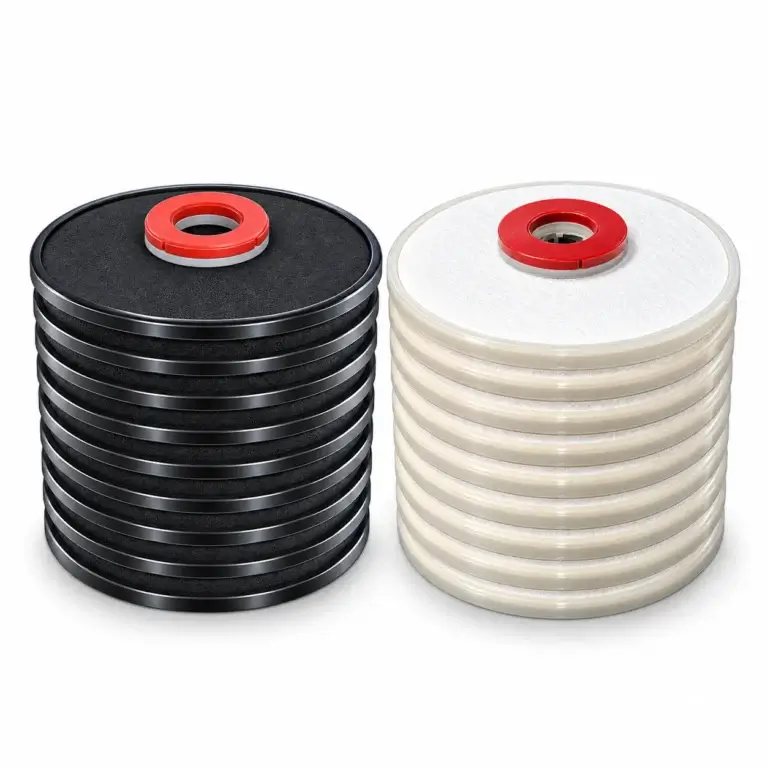
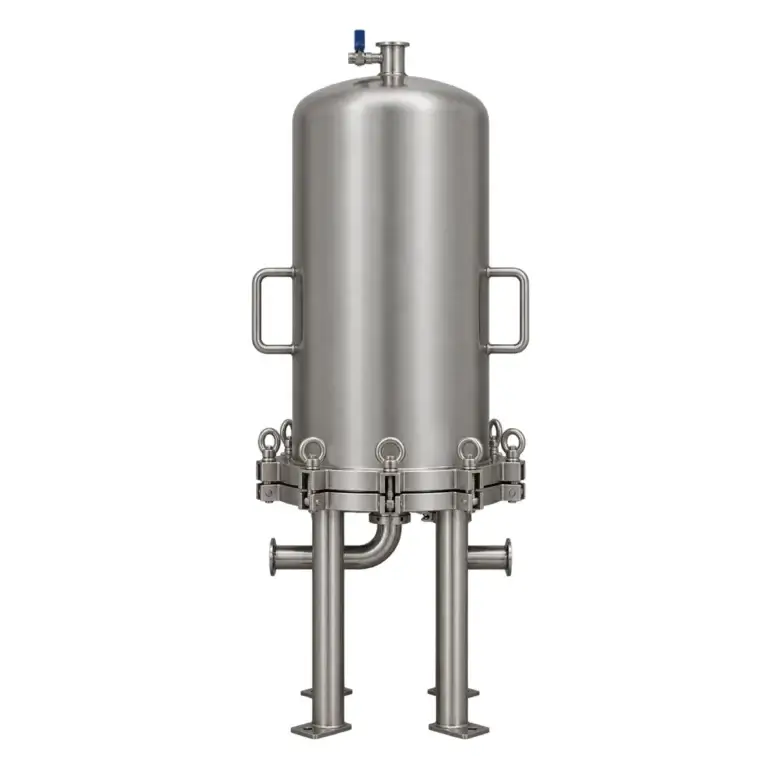
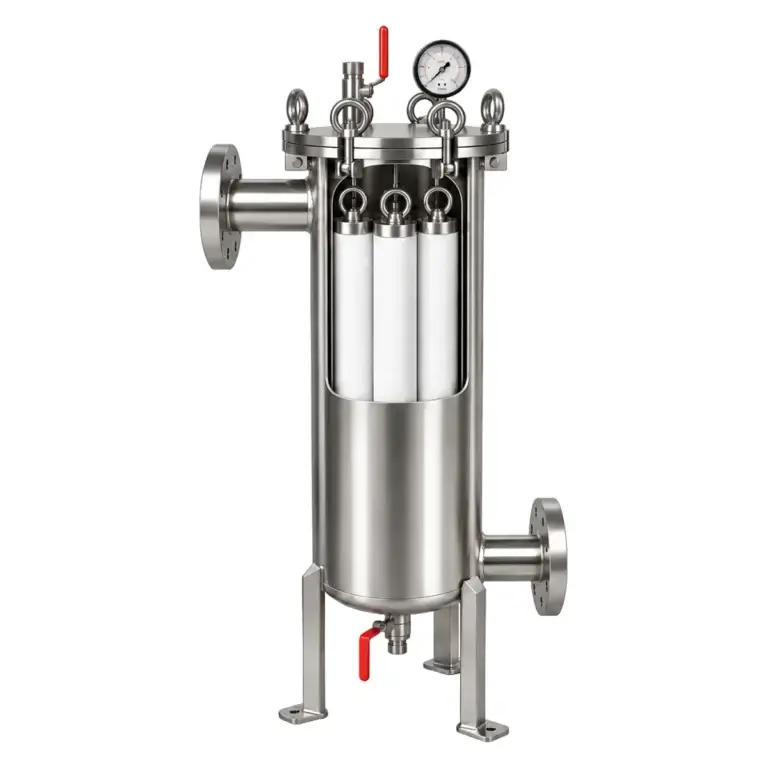
Fragrances and active ingredients, the most valuable components of cosmetic formulations, can be affected by even the smallest foreign particle. Precision filtration on fragrance transfer lines and in active ingredient dosing preserves formulation purity and safeguards the integrity of the components that determine the product’s performance and stability. On high-alcohol lines such as perfumes and disinfectants, static electricity is a separate critical safety parameter that must be managed. ATEX-compliant stainless steel housing designs and antistatic filter elements safely discharge this risk.
Solution: Precision filtration in fragrance transfer
Production line
Which filter at which stage?
Select a stage on your line to see the Prosestim filters and micron range used at that point.
01 · Pre-filtration
Prepare the water
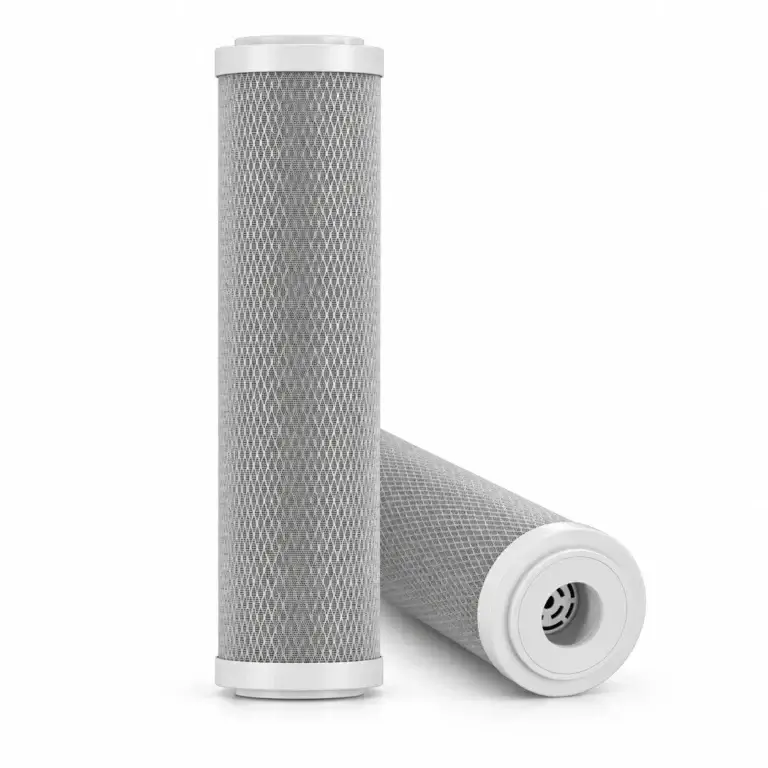
Sediment and activated carbon stages in process water protect the final membrane.
Please send BA/BS forms, current account reconciliations and any other emails for our Finance and Administrative Affairs Department to [email protected].
Invoice name (registered company name): PROSES TİCARET, İMALAT, MÜHENDİSLİK ENDÜSTRİYEL MADDE VE MALZEME İMALATI İNŞAAT VE SANAYİ LİMİTED ŞİRKETİ
Billing address: Musa Gündüz Cad. No:14 Taşköprü – Çiftlikköy – YALOVA, TÜRKİYE
E-invoice / e-archive email address: [email protected]
Tax office: Yalova Tax Office (Yalova V.D.)
Tax ID number: 7330379514
MERSIS number: 0733037951400013