Flawless color and print quality in printing and ink
From pigment agglomeration to print head clogging, from solvent line safety to ambient air control: filtration engineering that safeguards ink rheology and color stability.
Points where filtration is decisive in printing and ink processes
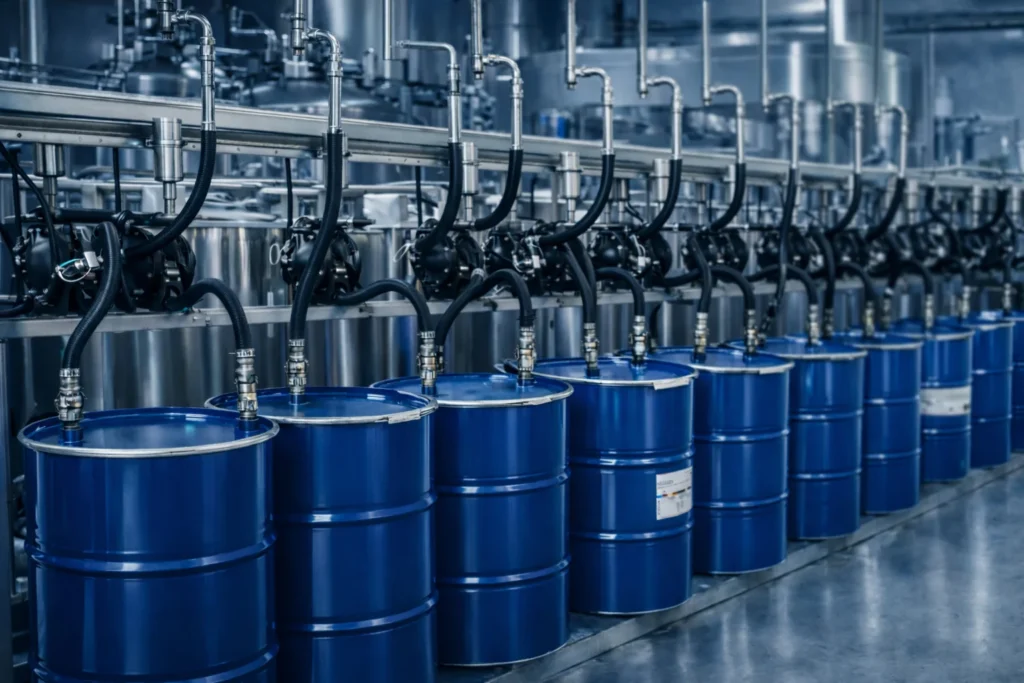
In high-speed printing systems and digital printing, operational success depends on the rheological stability of the ink. Even the smallest pigment agglomerate or foreign particle in the ink spoils print quality, clogs nozzles and increases scrap. In this process, filtration determines both product quality and equipment life.
Pigment Agglomeration and Surface Purity
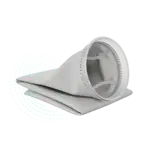
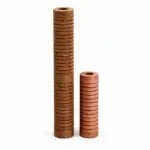
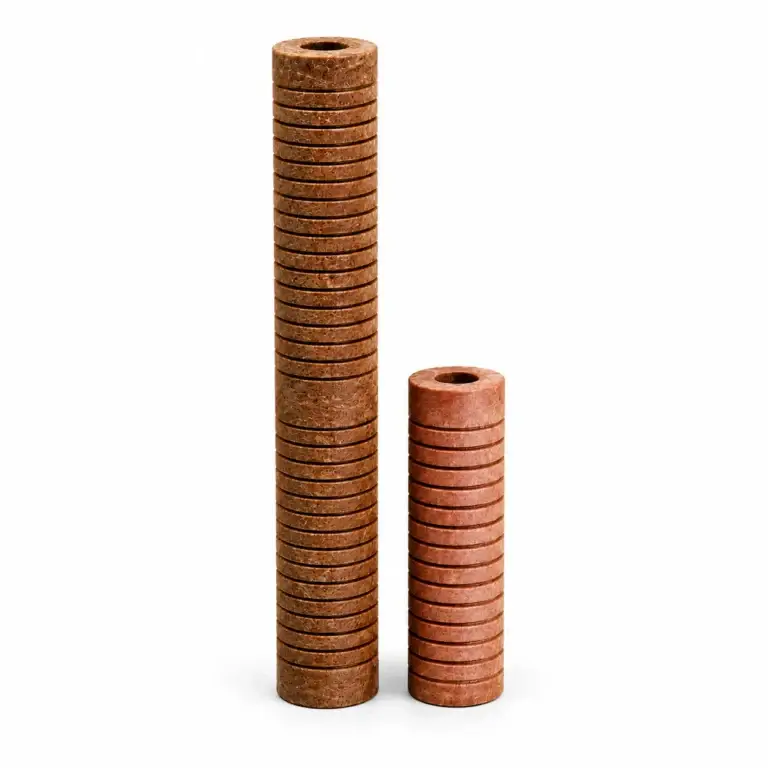
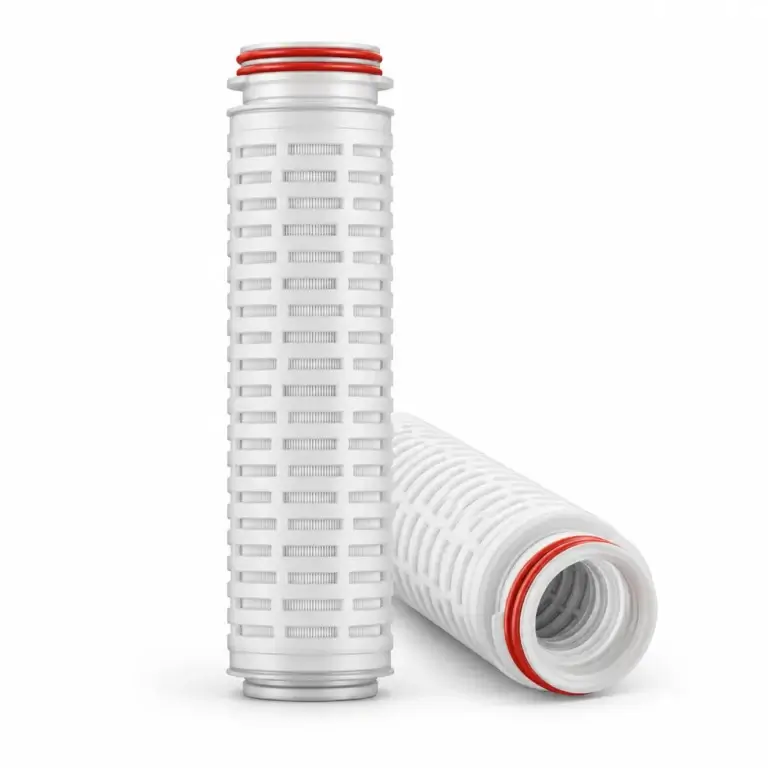
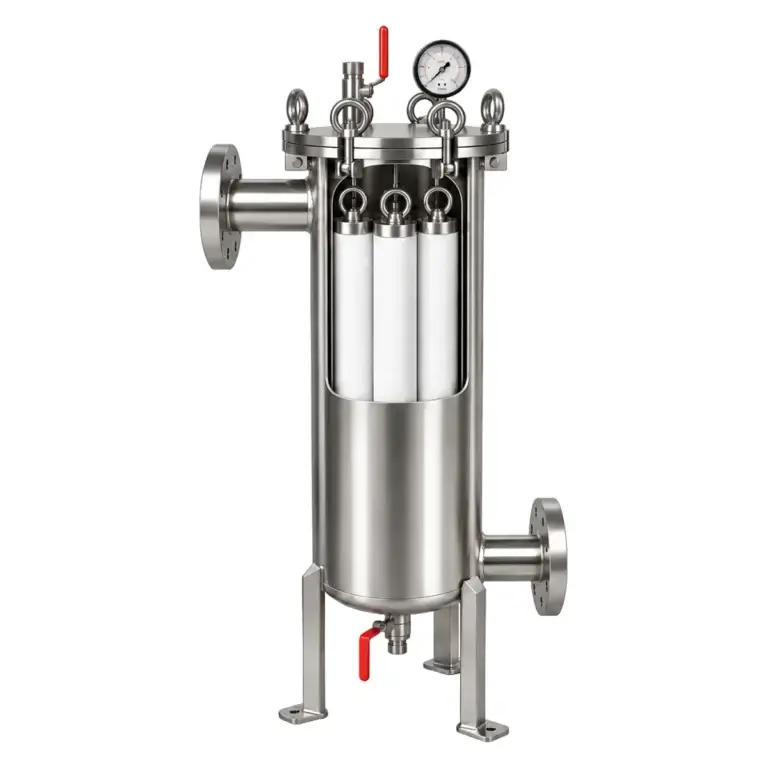
Micro-level agglomeration of pigments in ink is the biggest factor that spoils print quality. Filter systems rated down to 0.11 µm separate undissolved pigment clusters and gel particles so the ink spreads smoothly on the surface. Depth filters stand out in this application: because they trap particles throughout the entire filter material, not just on the surface, they offer high dirt-holding capacity without stressing the ink’s pigment structure. This extends filter life and lowers operating costs. Uniform pigment dispersion also prevents color deviations (delta-E variations) during the print run and ensures the same color saturation in every copy.
Solution: Removing pigment clusters with depth filters
Material Engineering for Solvent- and Water-Based Inks
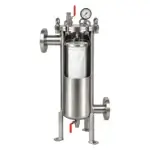
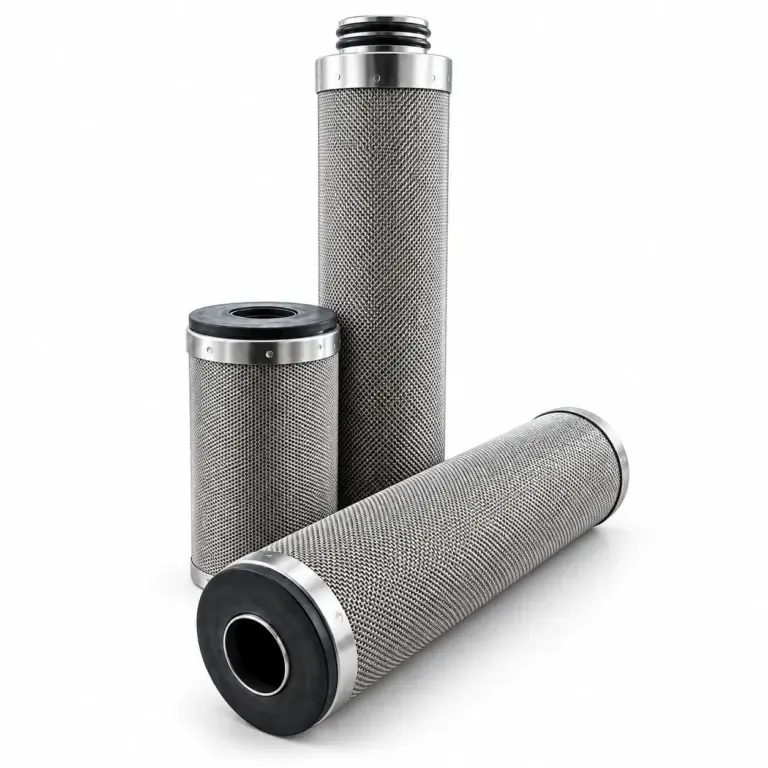
The aggressive chemicals used in ink production directly test the durability of filter materials. Chemically resistant materials such as AISI 316L stainless steel or PTFE are mandatory on solvent-based lines, while hygienic designs that prevent microbial growth come to the fore on water-based lines. In solvent-based inks, static electricity is a separate safety parameter that must be managed. Solvents build up static charge as they flow, creating an explosion risk. Antistatic stainless steel housings and filter elements with a grounding connection safely discharge this risk.
Solution: Chemically resistant materials and antistatic design
Reducing Scrap Rates with Technical Air Filtration
Air quality in the print room leads to high scrap rates because dust particles stick to the wet ink surface. Filtering ambient air and maintaining humidity balance prevents dust adhesion caused by static electricity. Cleaning the air that enters the cooling channels of digital print heads extends the life of sensitive electronic components and jetting channels, significantly reducing head replacement costs.
Solution: Ambient air and head cooling filtration
Ink production line
Which filter at which stage?
Select a stage on your line to see the Prosestim filters and micron range used at that point.
01 · Coarse separation
Start with clean raw materials
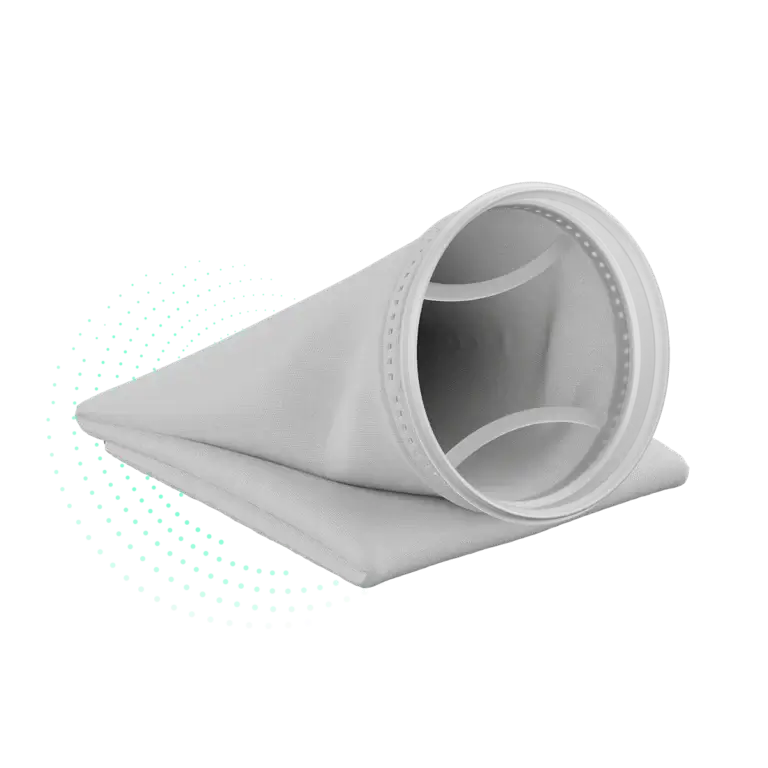
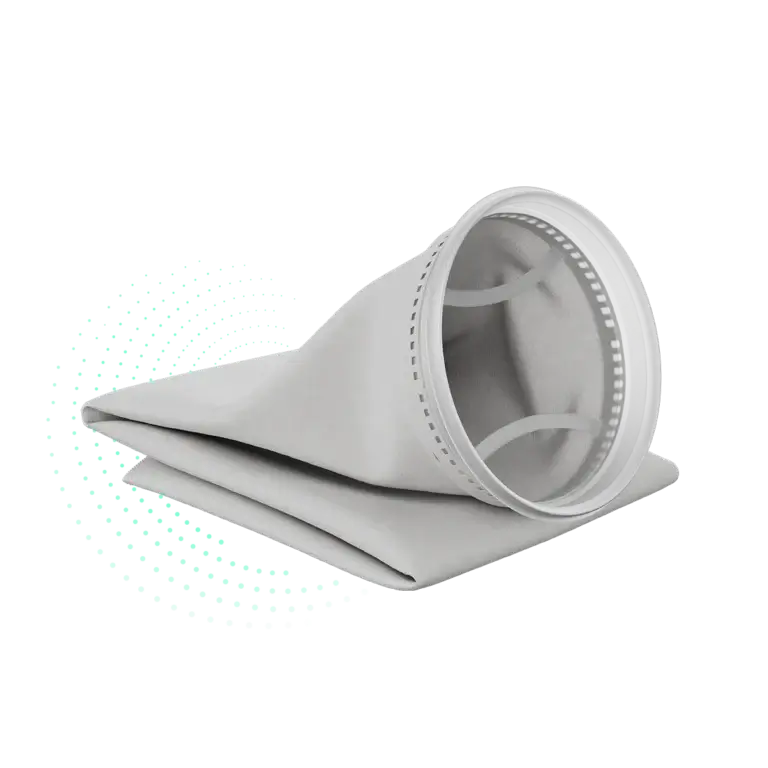
Separating coarse particles at the varnish and resin inlet extends the life of the subsequent precision stages.
Please send BA/BS forms, current account reconciliations and any other emails for our Finance and Administrative Affairs Department to [email protected].
Invoice name (registered company name): PROSES TİCARET, İMALAT, MÜHENDİSLİK ENDÜSTRİYEL MADDE VE MALZEME İMALATI İNŞAAT VE SANAYİ LİMİTED ŞİRKETİ
Billing address: Musa Gündüz Cad. No:14 Taşköprü – Çiftlikköy – YALOVA, TÜRKİYE
E-invoice / e-archive email address: [email protected]
Tax office: Yalova Tax Office (Yalova V.D.)
Tax ID number: 7330379514
MERSIS number: 0733037951400013