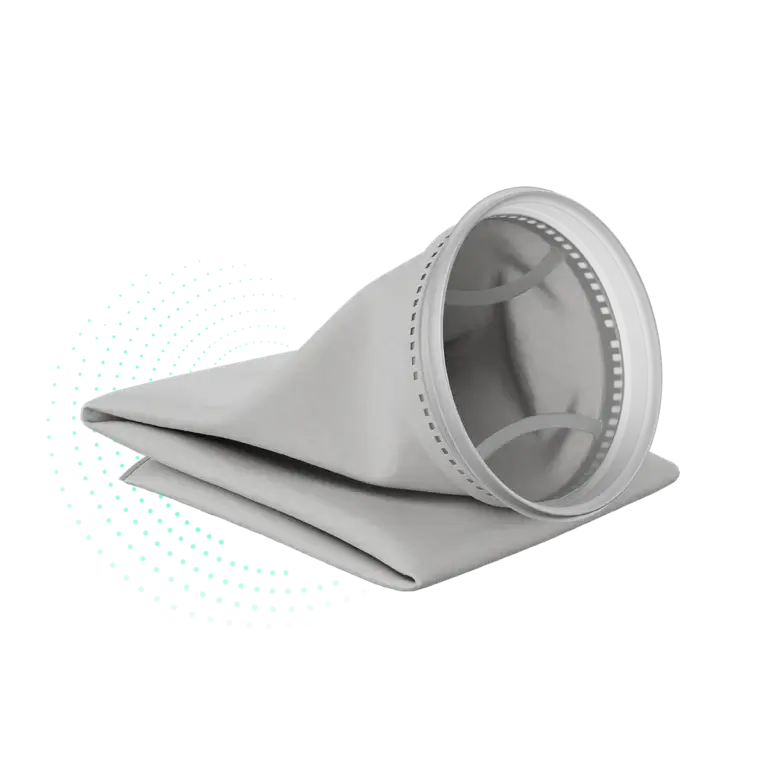
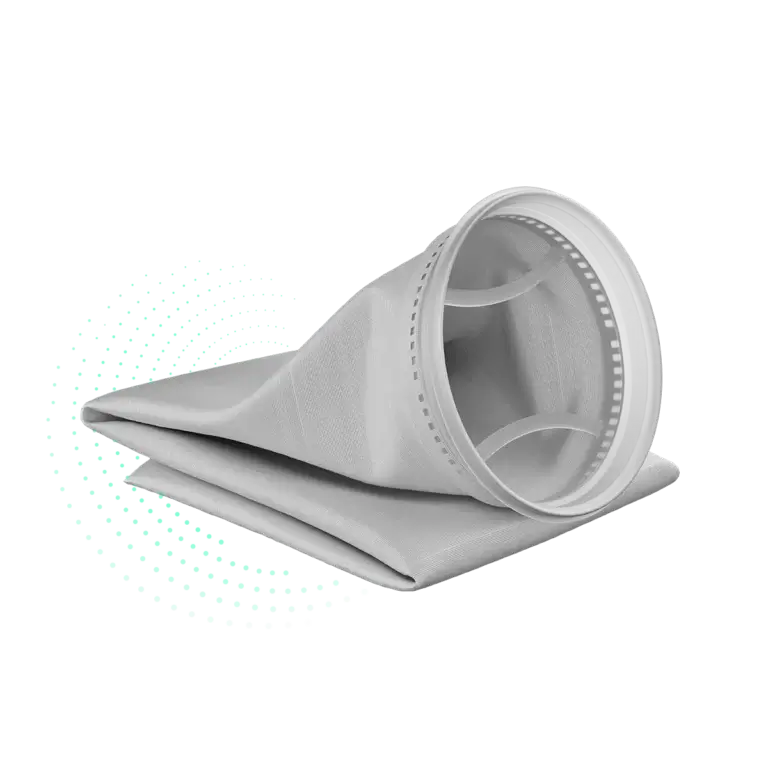
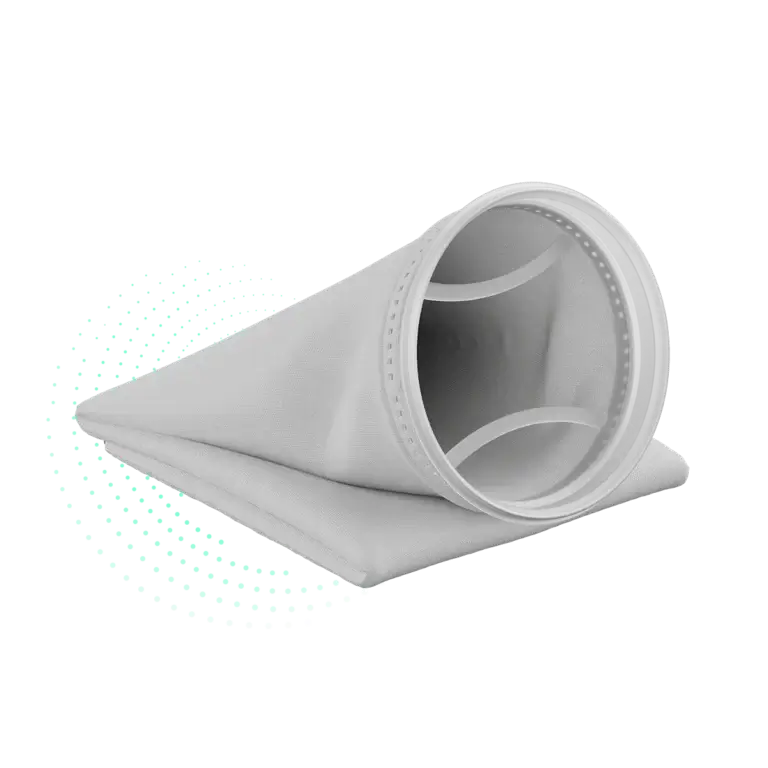
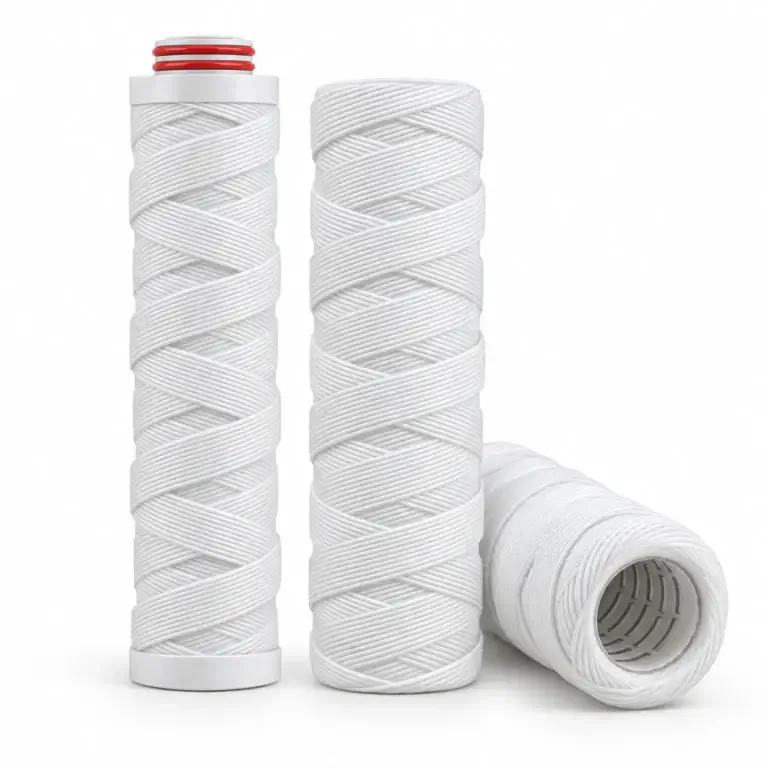
Points where filtration is decisive in metal and surface treatment processes
In plating, anodizing and galvanizing, operational success is measured by the purity of the electrolyte baths and the particle load of the rinse circuits. Contamination in the bath comes straight back as surface defects; filtration breaks this chain at the source.
Managing Impurities in Plating Baths and Anodizing
Electroplating and anodizing baths become contaminated over time with anode sludge and ambient dust. Microscopic particles that build up in the bath cause roughness, pinholes and darkening on the metal surface. Filtration removes these particles from the bath, protecting both surface quality and the bath’s active components; bath change intervals get longer and chemical and waste management costs fall. A clean electrolyte bath also lowers electrical resistance, so current reaches the part more evenly and the same coating thickness is achieved with less energy.
Solution: Continuous bath filtration
Equipment Safety on Aggressive Acid and Alkali Lines
Surface treatment lines operate at very low or very high pH. Standard filter materials degrade quickly in these conditions; PVDF, polypropylene or specially coated housings should be used for aggressive acid baths. Metal particles and scale that clog spray nozzles in rinse lines are also filtered out to ensure parts are cleaned evenly.
Solution: Chemically resistant material selection
Removing Surface Oils and Saving Chemicals
Oil left on the metal surface after rolling and forming prevents the coating from bonding to the metal and increases the risk of peeling. Tramp oil in process water and cleaning baths is removed with coalescer filters or skimmer systems, while metal chips are separated with magnetic or mechanical separators. A clean water circuit lowers chemical consumption and minimizes scrap rates.
Solution: Coalescers and magnetic separators
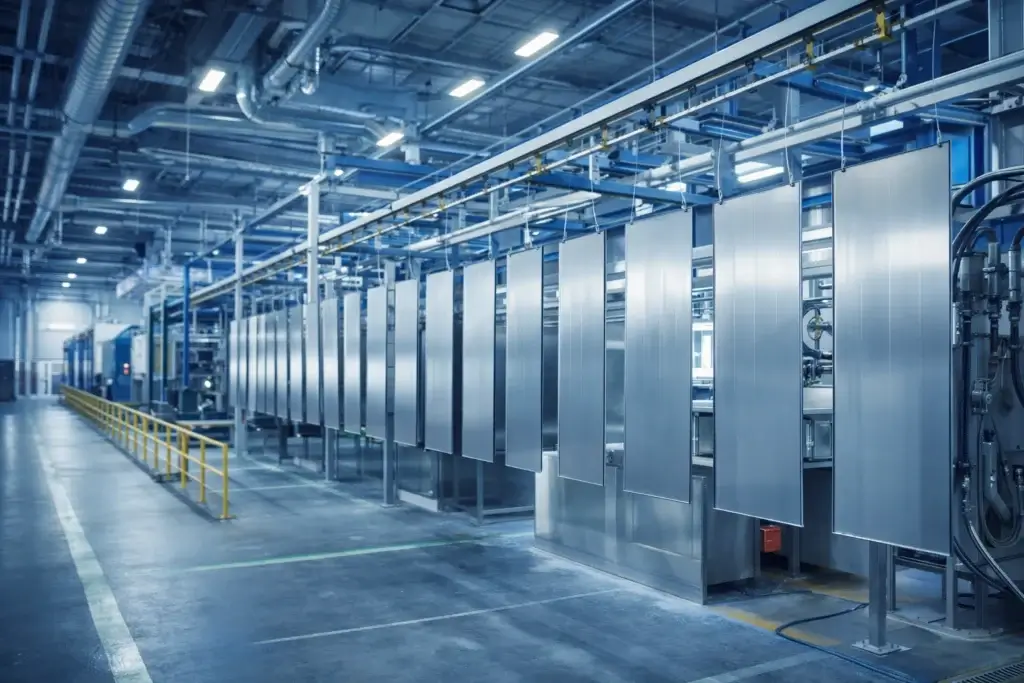
Plating line
Which filter at which stage?
Select a stage on your line to see the Prosestim filters and micron range used at that point.
01 · Tramp oil
Remove oil before plating
Oil left on the surface after rolling prevents the coating from bonding; tramp oil in cleaning baths is removed with a coalescer or skimmer.
Please send BA/BS forms, current account reconciliations and any other emails for our Finance and Administrative Affairs Department to [email protected].
Invoice name (registered company name): PROSES TİCARET, İMALAT, MÜHENDİSLİK ENDÜSTRİYEL MADDE VE MALZEME İMALATI İNŞAAT VE SANAYİ LİMİTED ŞİRKETİ
Billing address: Musa Gündüz Cad. No:14 Taşköprü – Çiftlikköy – YALOVA, TÜRKİYE
E-invoice / e-archive email address: [email protected]
Tax office: Yalova Tax Office (Yalova V.D.)
Tax ID number: 7330379514
MERSIS number: 0733037951400013