Resin and glue filtration in forest products and furniture
From resin agglomeration to dust fire risk, from glue nozzle clogging to press hydraulics: filtration engineering that determines panel quality and plant safety.
Points where filtration is decisive in forest products processes
In particleboard, MDF and laminated panel production, the key quality factor is how evenly resin and glue are spread over the wood fibers. Agglomeration in the resin line comes back as defects on the panel surface, while uncontrolled dust emissions create a fire and explosion risk.
Homogenization and Surface Quality on Resin and Glue Lines
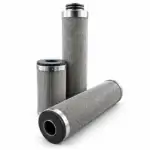
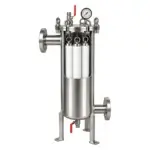
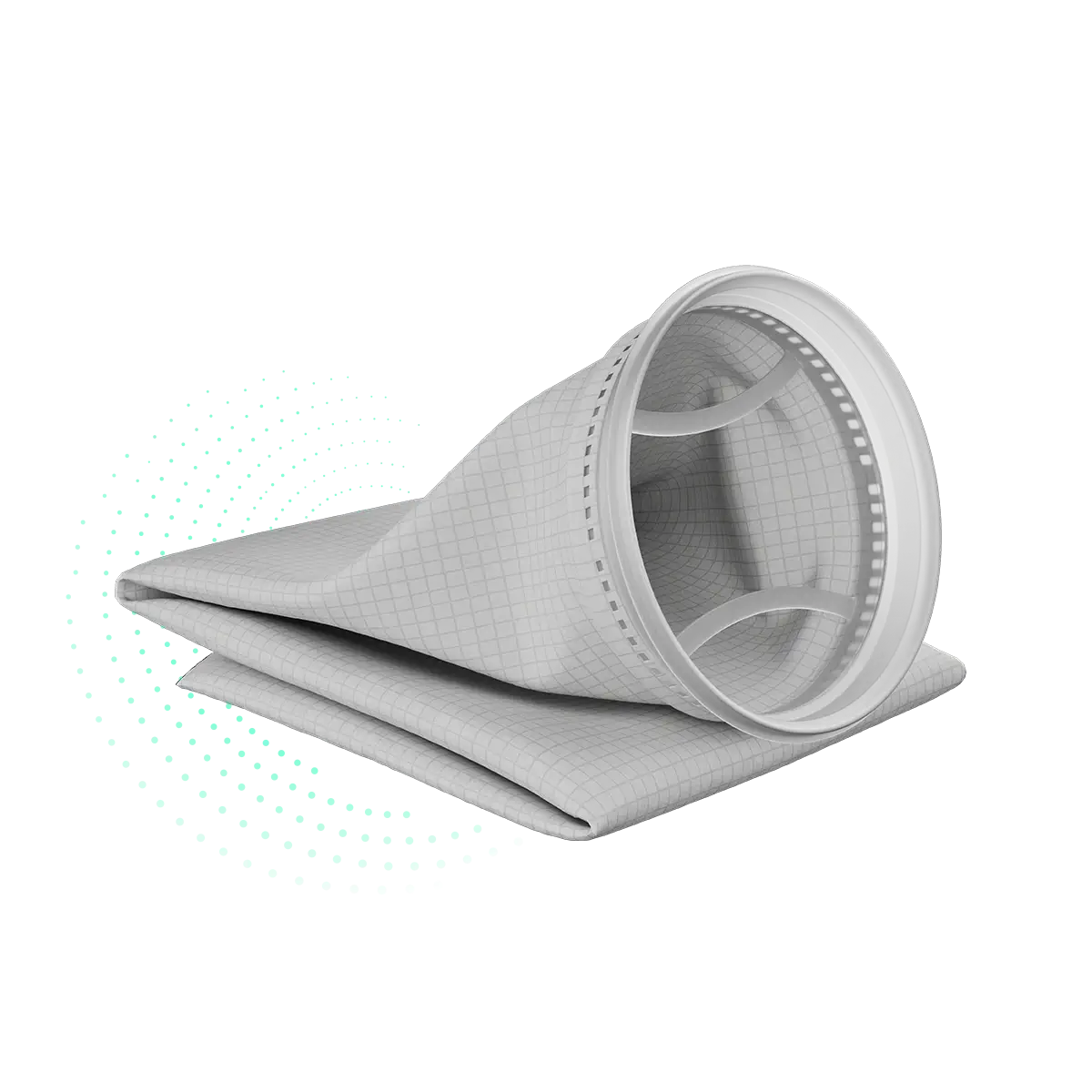
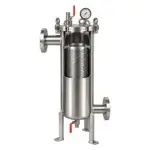
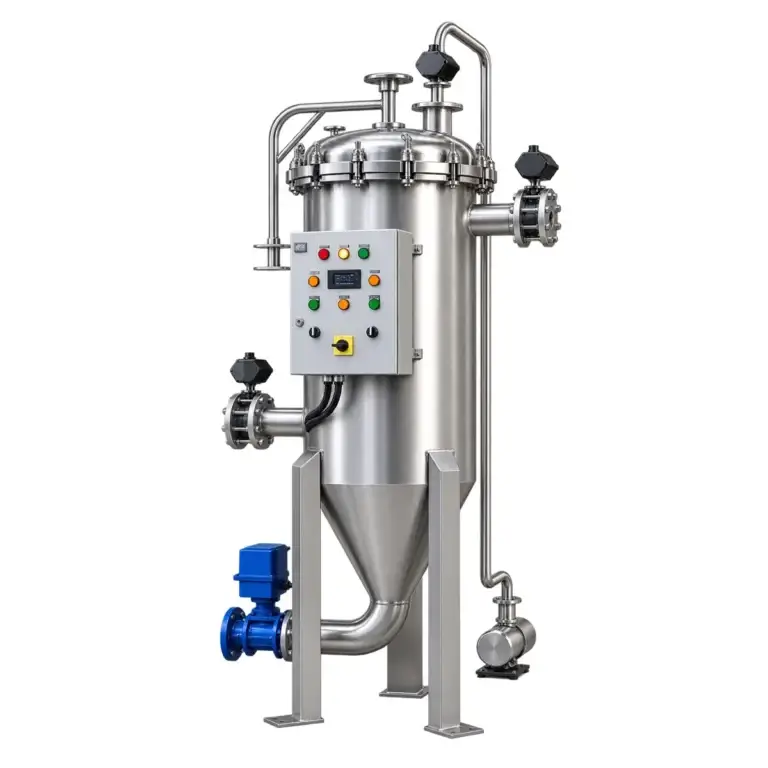
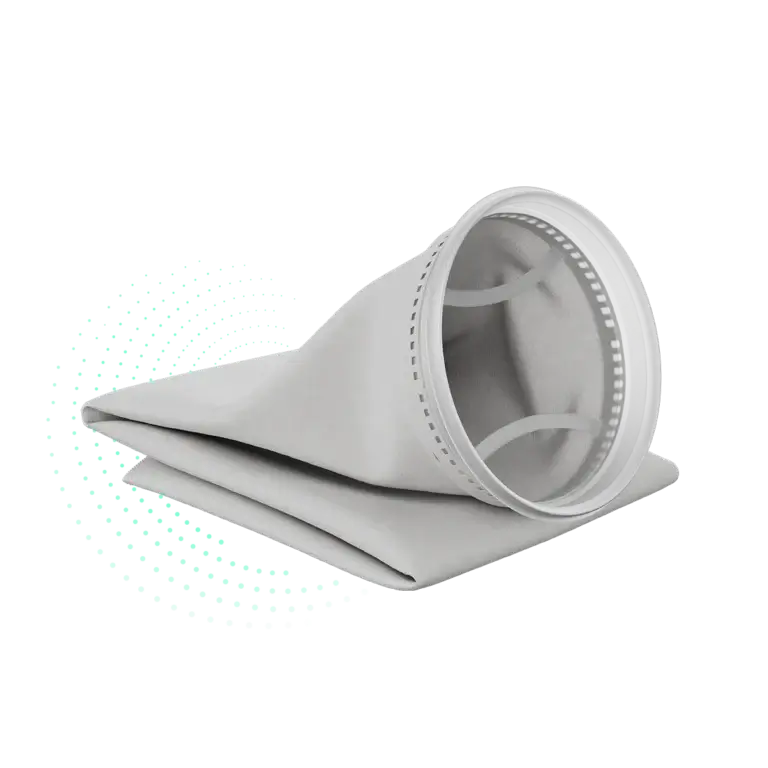
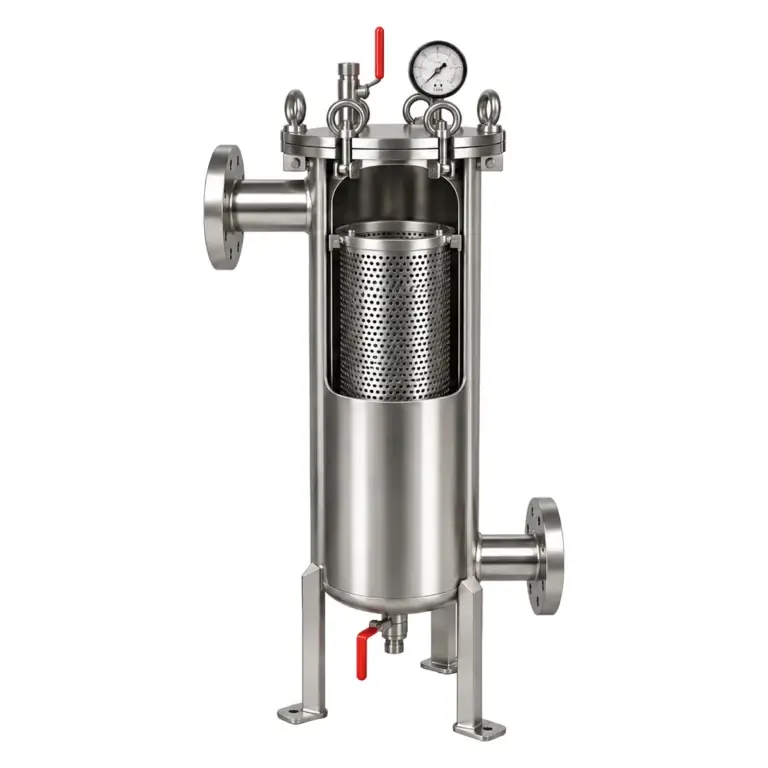
Urea-formaldehyde and melamine-formaldehyde resins tend by nature to agglomerate and form gels. These particles in the resin line cause blistering and weak spots on the panel surface. Clogged glue spray nozzles disrupt even distribution over the fibers, lower panel strength (IB value) and cause unnecessary glue consumption. Because resin can blind filter elements very quickly, self-cleaning systems should be used on these lines. They clean without interrupting the flow and without waiting for the resin to dry in contact with air, preserving production continuity.
Solution: Self-cleaning resin filtration
Dust Safety: Managing Fire and Explosion Risk
Fine wood dust from drying ovens and sanding lines increases ambient dust concentration and raises the risk of static-induced fires and dust explosions (ATEX). Dust filtration at the source keeps this risk under control and keeps emissions below legal limits. Dust that sticks to surfaces before painting or lamination also directly impairs final product quality.
Solution: Dust filtration at the source
Heat Exchanger and Hydraulic System Protection
Particle control in cooling circuits prevents heat exchanger clogging and reduces energy consumption. Precision filtration in the hydraulic systems of press units extends valve life and prevents unplanned downtime.
Solution: Cooling circuit and hydraulic filtration
Panel production line
Which filter at which stage?
Select a stage on your line to see the Prosestim filters and micron range used at that point.
01 · Agglomerates · gel
Clean the resin as it leaves the tank
Urea-formaldehyde and melamine-formaldehyde resins tend to agglomerate and form gels; these particles cause blistering on the panel surface.
Please send BA/BS forms, current account reconciliations and any other emails for our Finance and Administrative Affairs Department to [email protected].
Invoice name (registered company name): PROSES TİCARET, İMALAT, MÜHENDİSLİK ENDÜSTRİYEL MADDE VE MALZEME İMALATI İNŞAAT VE SANAYİ LİMİTED ŞİRKETİ
Billing address: Musa Gündüz Cad. No:14 Taşköprü – Çiftlikköy – YALOVA, TÜRKİYE
E-invoice / e-archive email address: [email protected]
Tax office: Yalova Tax Office (Yalova V.D.)
Tax ID number: 7330379514
MERSIS number: 0733037951400013