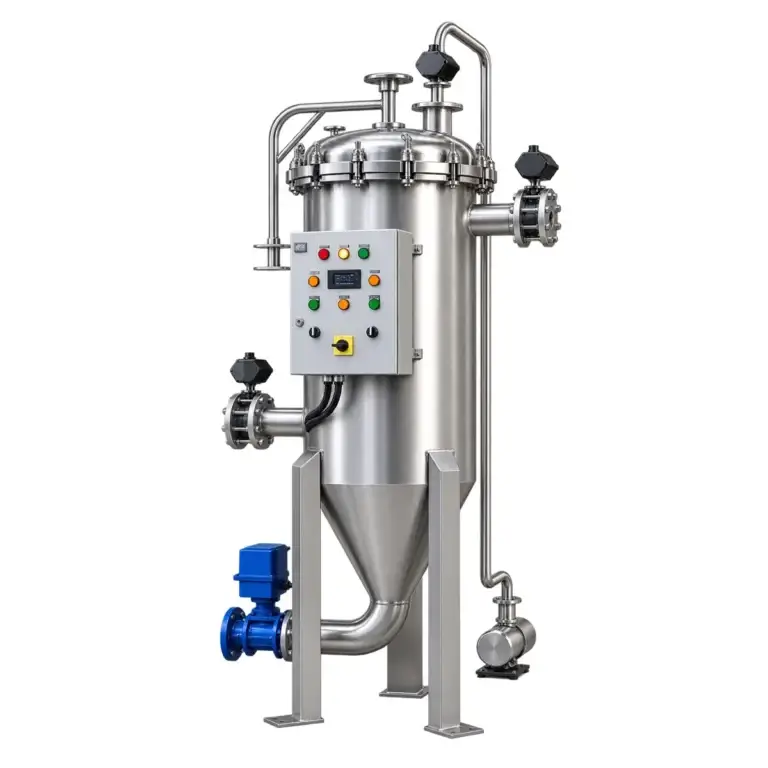
Precision process filtration for zero defects in automotive manufacturing
From CNC fluid management to cataphoresis baths, from the paint shop to hydraulic systems: filtration engineering that supports the zero-defect principle of automotive manufacturing.
Points where filtration is decisive in automotive processes
In automotive manufacturing, precision is not an option but a requirement. Particle control at every stage prevents tolerance deviations, surface defects and mechanical failures at the source.
CNC Fluid Management: Tool Life and Tolerance Conformity
Chips and micro-particles in coolant accelerate insert wear and threaten dimensional tolerances. Bacterial contamination shortens fluid life and creates health risks for workers. Filtration breaks this chain at the source.
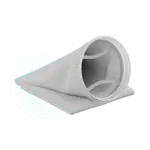
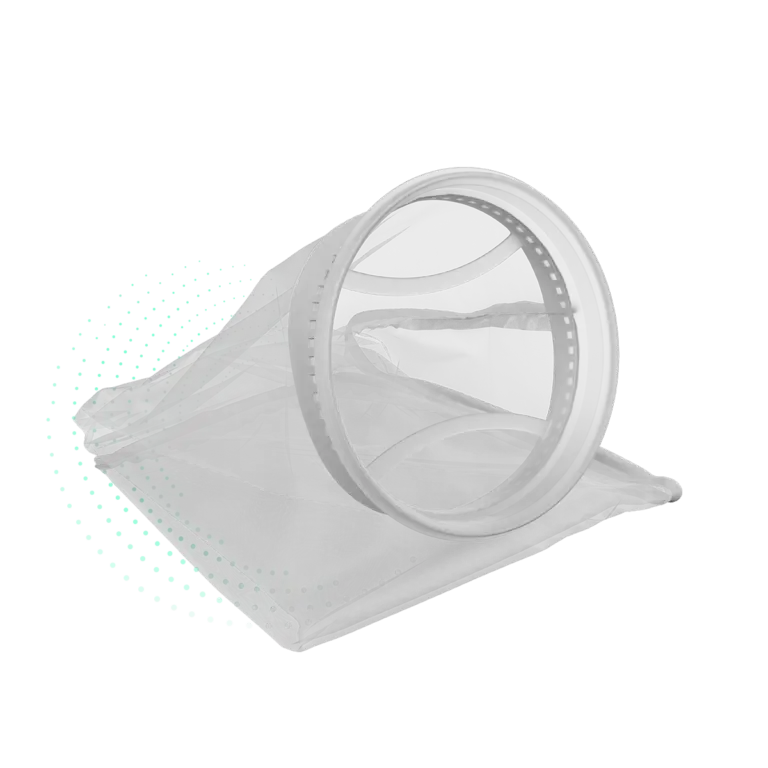
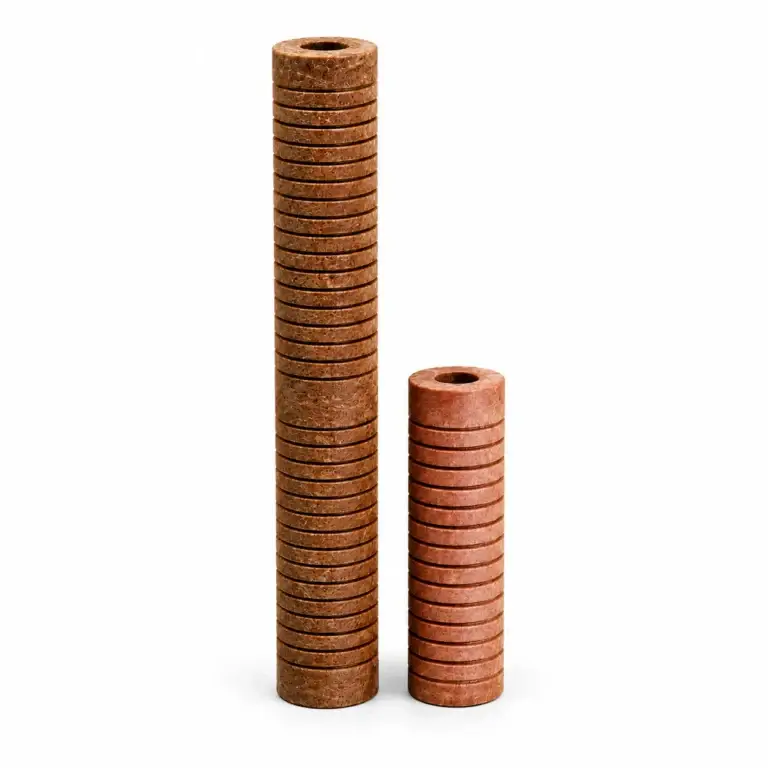
Solution: Chip and micro-particle filtration
Cataphoresis Bath Filtration: Bath Stability and Surface Quality
Anode sludge and particles that build up in cataphoresis (KTL/E-coat) baths spoil coating uniformity and cause pinholes and poor adhesion on the surface. In-bath circulation filtration and ultrafiltrate recovery (UF membrane) extend bath life and reduce chemical consumption and waste load.
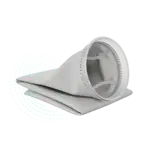
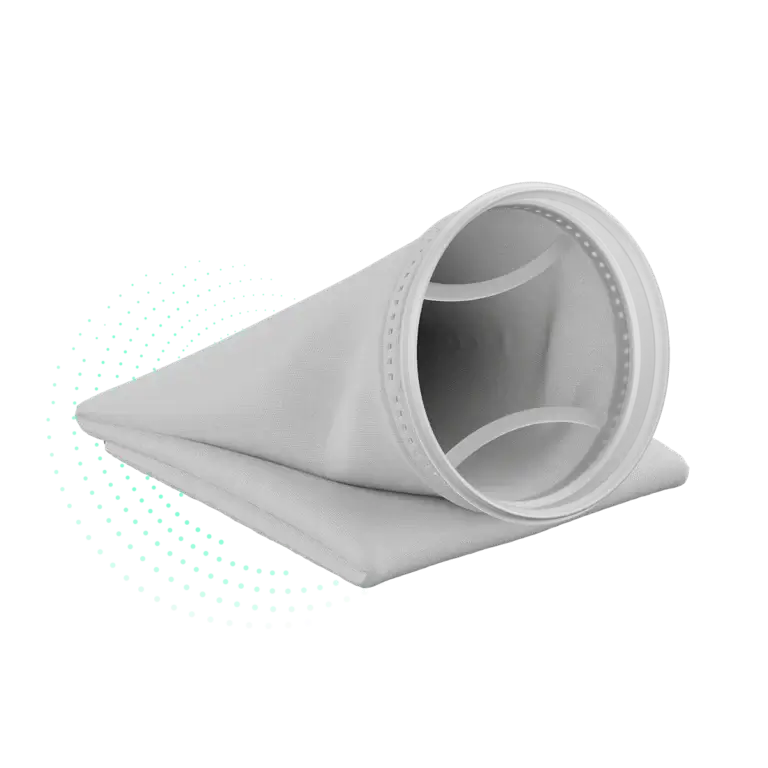
Solution: In-bath circulation filtration
Paint Shop Filtration: Class A Surface Quality
Every dust particle above 5 microns in the air is a potential cause of scrap. Paint booth ceiling filters and feed line cartridge filters work together to eliminate craters, fisheyes and dust contamination.
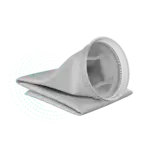
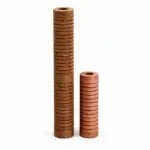
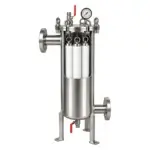
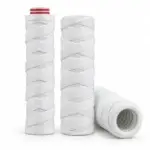
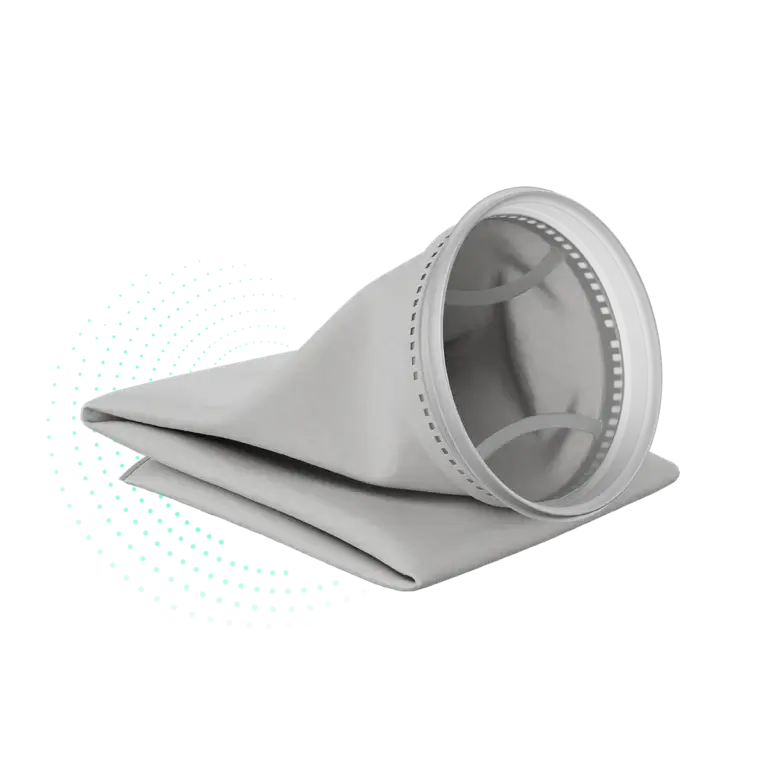
Solution: Feed line cartridge filters
Mechanical Safety in Hydraulic and Pneumatic Systems
Invisible 4–6 micron particles silently wear down precision hydraulic components. Filtration to ISO 4406 extends valve life and prevents unplanned downtime. Moisture and particle control in pneumatic lines prevents valve seizure and cylinder leaks.
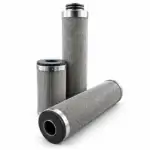
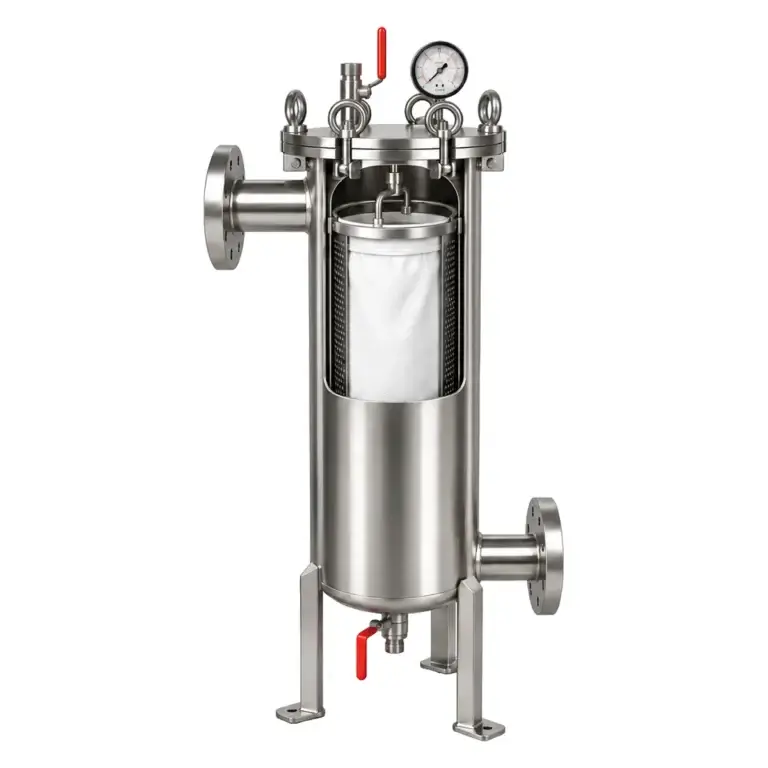
Solution: Hydraulic filtration to ISO 4406
Production line
Which filter at which stage?
Select a stage on your line to see the Prosestim filters and micron range used at that point.
01 · Chips · tramp oil
Protect tool life and tolerances
Chips and micro-particles in coolant accelerate insert wear and threaten dimensional tolerances.
Please send BA/BS forms, current account reconciliations and any other emails for our Finance and Administrative Affairs Department to [email protected].
Invoice name (registered company name): PROSES TİCARET, İMALAT, MÜHENDİSLİK ENDÜSTRİYEL MADDE VE MALZEME İMALATI İNŞAAT VE SANAYİ LİMİTED ŞİRKETİ
Billing address: Musa Gündüz Cad. No:14 Taşköprü – Çiftlikköy – YALOVA, TÜRKİYE
E-invoice / e-archive email address: [email protected]
Tax office: Yalova Tax Office (Yalova V.D.)
Tax ID number: 7330379514
MERSIS number: 0733037951400013