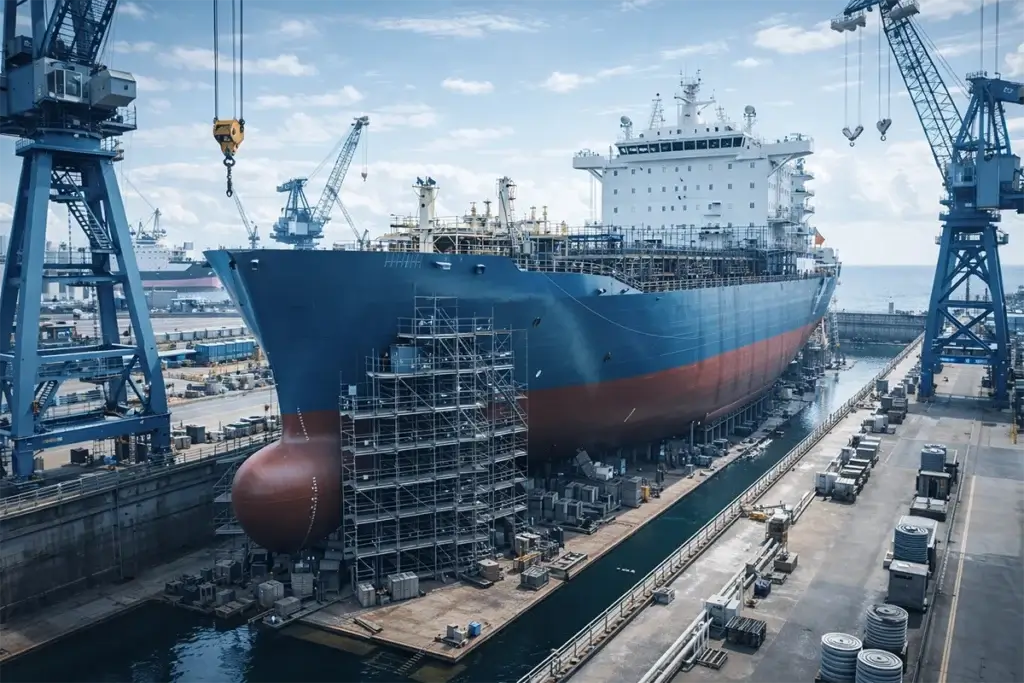
Operational safety and efficiency in shipyards and marine
From fuel systems to ballast water treatment, from hydraulic power units to deck equipment: filtration engineering built to withstand the corrosive, high-pressure conditions of the marine industry.
Points where filtration is decisive in shipyard and marine processes
The marine industry faces harsh conditions where corrosion risk is highest and equipment durability is vital. Micron-level particles in fuel and lubrication lines cause irreparable mechanical damage, while ballast water regulations impose international compliance requirements.
Precision Protection in Fuel and Lubrication Systems
High-pressure filters on HFO and MDO lines maximize injector and pump life. Clean fuel means more efficient combustion and lower emissions, which translates directly into fuel savings and carbon tax advantages.
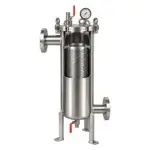
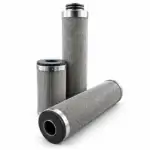
Solution: High-pressure fuel filters
Ballast Water Management and Environmental Compliance
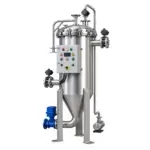
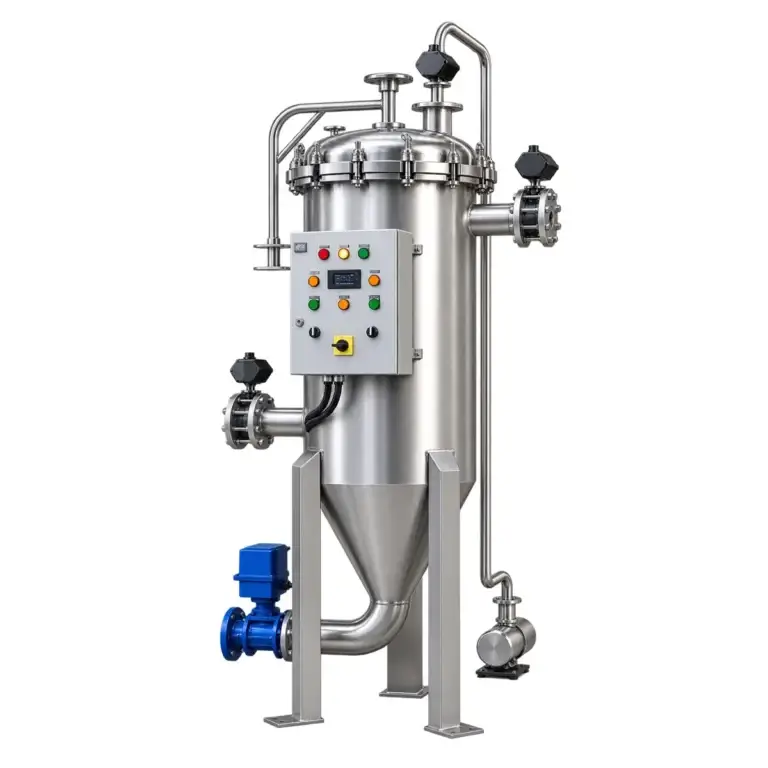
IMO and MARPOL regulations require ballast water to be cleared of microorganisms and sediment before discharge. Automatic backwash filters clean to 20–50 micron precision without stopping operations. Super Duplex stainless steel or specially coated housings should be used to withstand the aggressive nature of seawater.
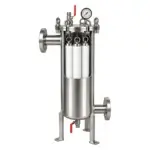
Solution: Automatic backwash filters
Hydraulic Power Units and Deck Equipment
Uninterrupted operation of cranes, hatches and steering systems depends on keeping oil at an ISO 4406 cleanliness class. Preventing metallic wear dust and varnish formation stops valves from sticking, and low-pressure-drop filter elements reduce hydraulic pump load and energy consumption.
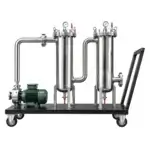
Solution: Hydraulic filtration to ISO 4406
Ship systems
Which filter at which stage?
Select a stage on your line to see the Prosestim filters and micron range used at that point.
01 · Coarse separation
Protect pumps and heat exchangers
Separating coarse particles at the seawater intake reduces wear on pumps and heat exchangers.
Please send BA/BS forms, current account reconciliations and any other emails for our Finance and Administrative Affairs Department to [email protected].
Invoice name (registered company name): PROSES TİCARET, İMALAT, MÜHENDİSLİK ENDÜSTRİYEL MADDE VE MALZEME İMALATI İNŞAAT VE SANAYİ LİMİTED ŞİRKETİ
Billing address: Musa Gündüz Cad. No:14 Taşköprü – Çiftlikköy – YALOVA, TÜRKİYE
E-invoice / e-archive email address: [email protected]
Tax office: Yalova Tax Office (Yalova V.D.)
Tax ID number: 7330379514
MERSIS number: 0733037951400013