Filter Press Cloth

PP, Polyester, PTFE and Cotton; Made to Measure for Your Plate

Filter press cloth is a technical filter fabric that is stretched between the press plates to retain the solids in the fluid. It is made from PTFE, cotton, PP and polyester, to the technical drawing of your plate.

Raw Material

PTFE, CO, PP, PET

Peak Temperature

280 °C

Shape Options

4 Cuts

Filter Press Cloth

What is filter press cloth?

Filter press cloth is the filter element that performs solid–liquid separation in filter presses. It is fitted between the plates and clamped by a hydraulic mechanism; as the fluid passes through the cloth, the solids are retained on the cloth surface as a cake and the clean liquid filters through. Depending on the process, the main product may be either the filtrate or the retained cake.

Filter presses are preferred for fluids with a high solids content and high density and viscosity; because they provide a much larger filtration area than cartridge and bag filters, the replacement interval is longer.

Key Technical Specifications

Raw Material
Shape & Configuration
  • Perforated
  • Non-Perforated
  • Center Feed
  • Project-Specific Sewn Forms
Temperature Resistance
Continuous 90–240 °C, peak 105–280 °C (depending on raw material).
Size & Dimensioning
Precise width × length, hole axes and edge distances to the plate technical drawing.

Chemical resistance and temperature table

The choice of raw material determines the operating temperature and chemical life of the cloth. All four raw materials below are in our production range.
PTFE (Teflon) Filter Press Cloth
Operating Temperature: Continuous 240 °C, peak 280 °C.
Chemical Resistance: Excellent inert resistance to all strong acids, weak acids, alkalis and oxidising agents.
Shape: Perforated, Non-Perforated, Center Feed and custom-made.
Cotton (CO) Filter Press Cloth
Operating Temperature: Continuous 90 °C, peak 115 °C.
Chemical Resistance: Moderate resistance to weak acids, good/excellent to alkalis and moderate to oxidising agents; poor resistance to strong acids.
Shape: Perforated, Non-Perforated, Center Feed and custom-made.
Polypropylene (PP) Filter Press Cloth
Operating Temperature: Continuous 90 °C, peak 105 °C.
Chemical Resistance: Excellent to strong and weak acids and all alkalis; poor resistance to oxidising chemicals.
Shape: Perforated, Non-Perforated, Center Feed and custom-made.
Polyester (PET) Filter Press Cloth
Operating Temperature: Continuous 130 °C, peak 150 °C.
Chemical Resistance: Good resistance to acids and oxidising agents; poor resistance to strong alkalis.
Shape: Perforated, Non-Perforated, Center Feed and custom-made.

Filter press cloth shapes

The shape is determined by the plate geometry and by where the fluid enters the plate. All four shapes are made in all four raw materials above.

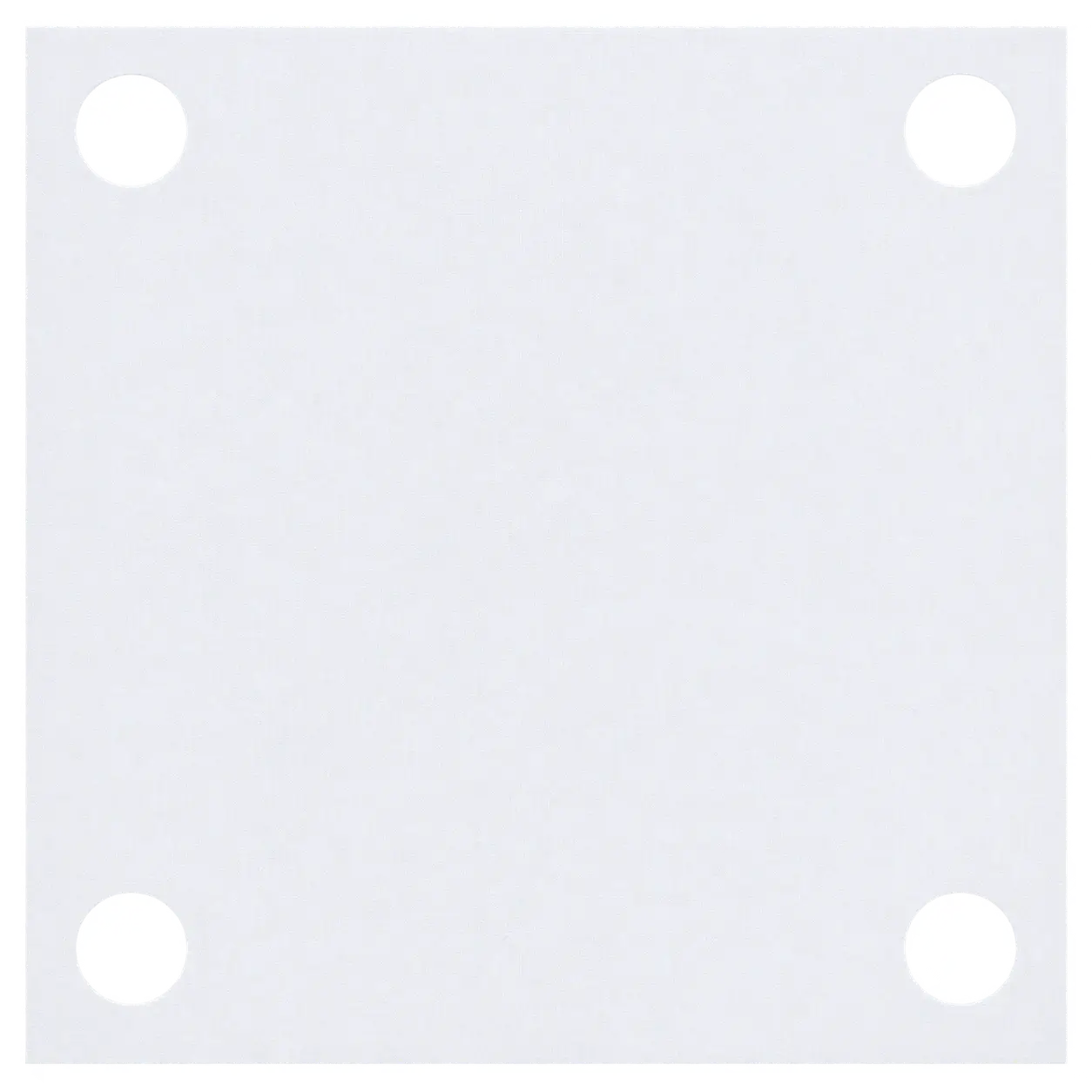
Perforated filter press cloth

Perforated

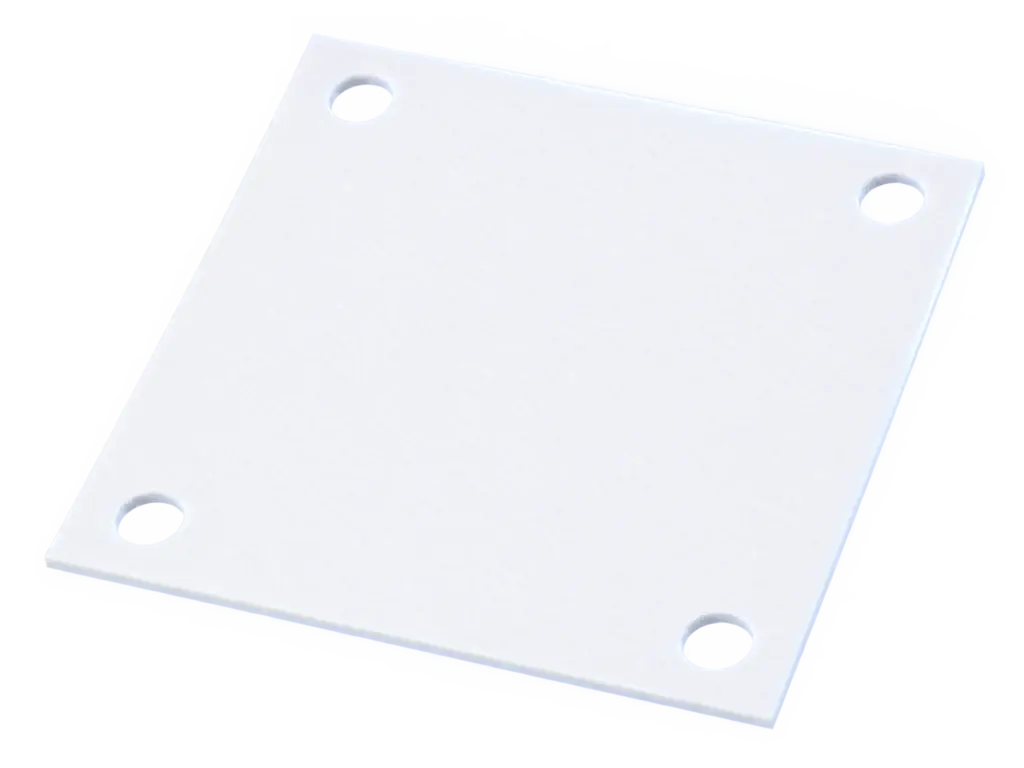
A perforated cloth with holes cut to match the feed and filtrate channels of the plate. Used on plates where the channels pass through the cloth; hole diameters and their distances to the edges are made to the technical drawing.
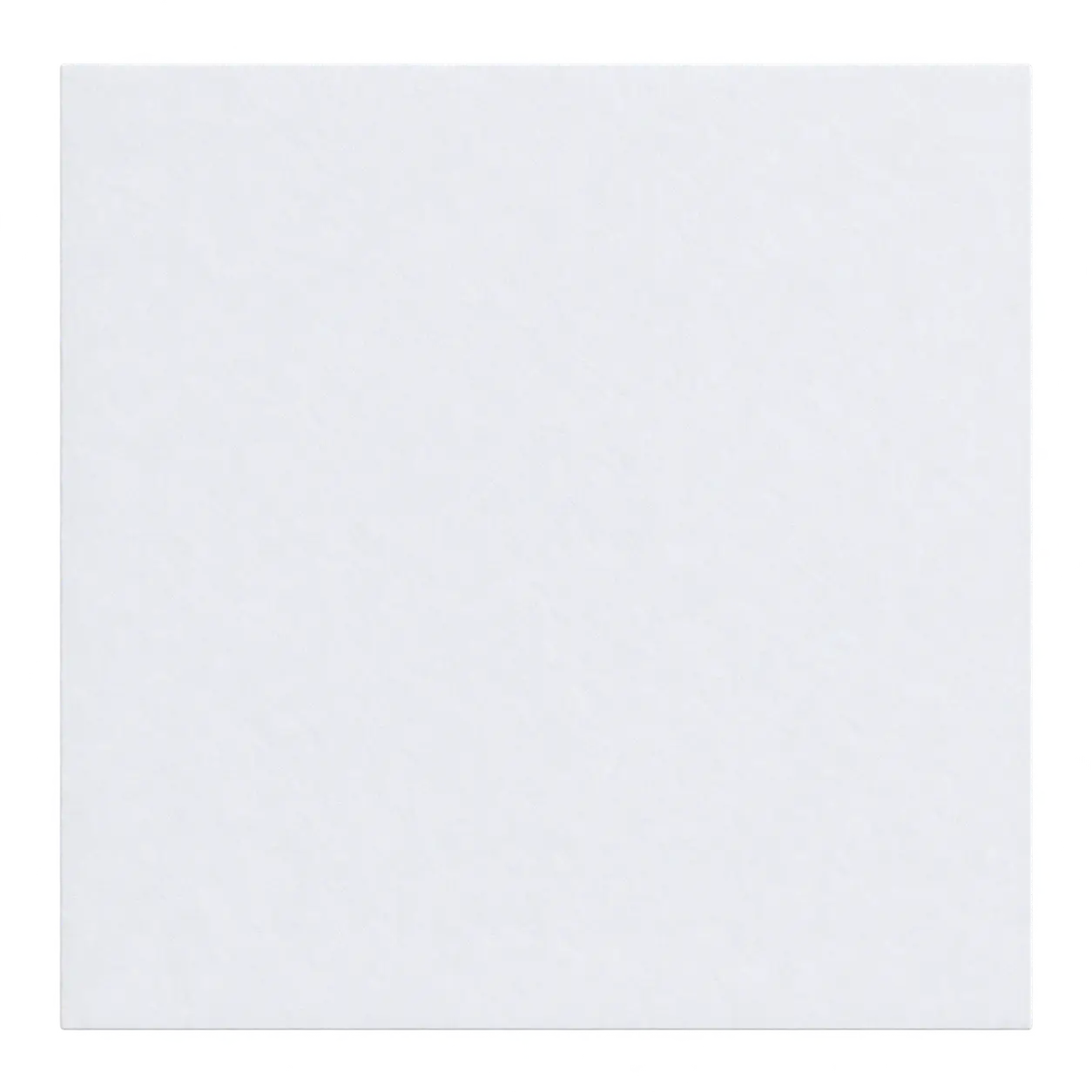
Non-perforated filter press cloth

Non Perforated

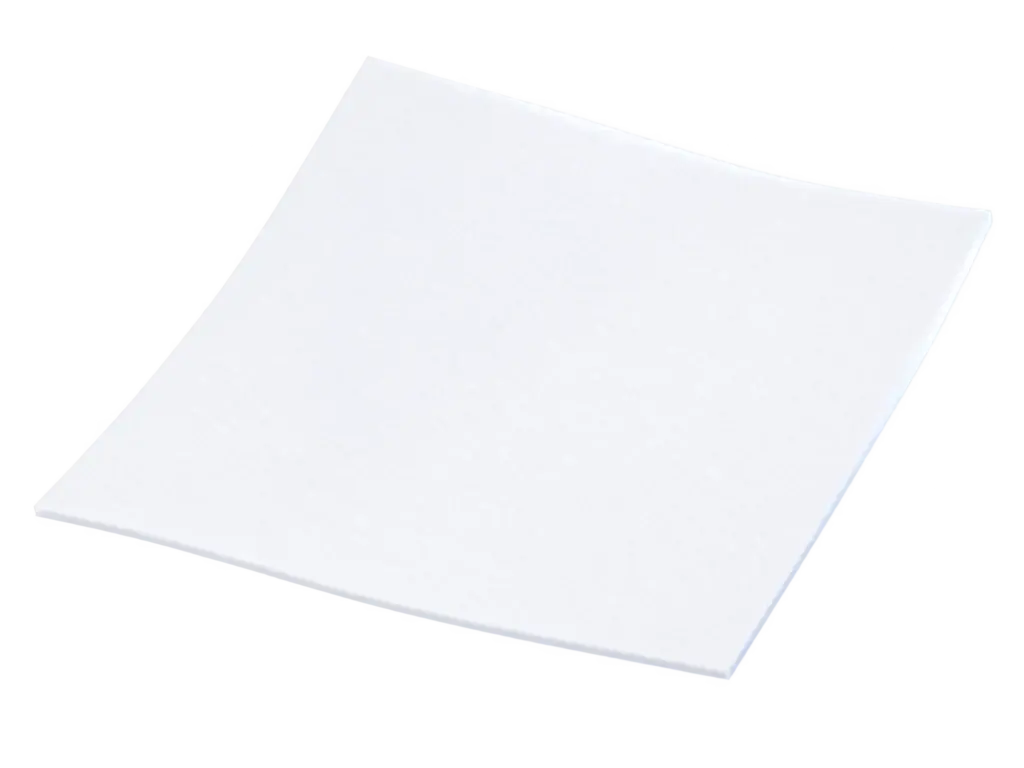
A plain cloth with no holes. Preferred for plate designs where the feed channel does not pass through the cloth; dimensions and edge finishing are set to suit the plate.
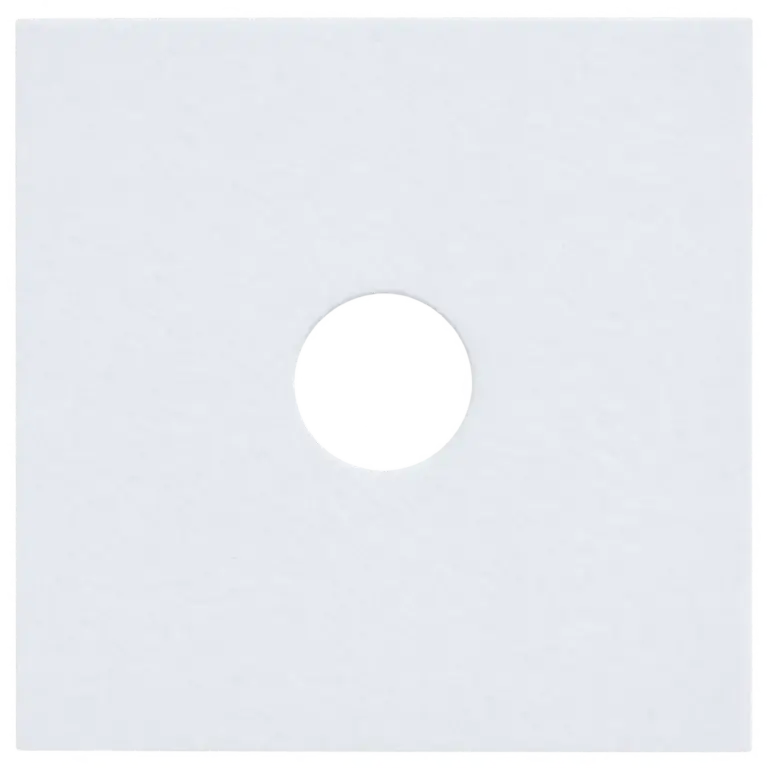
Center feed filter press cloth

Center Feed

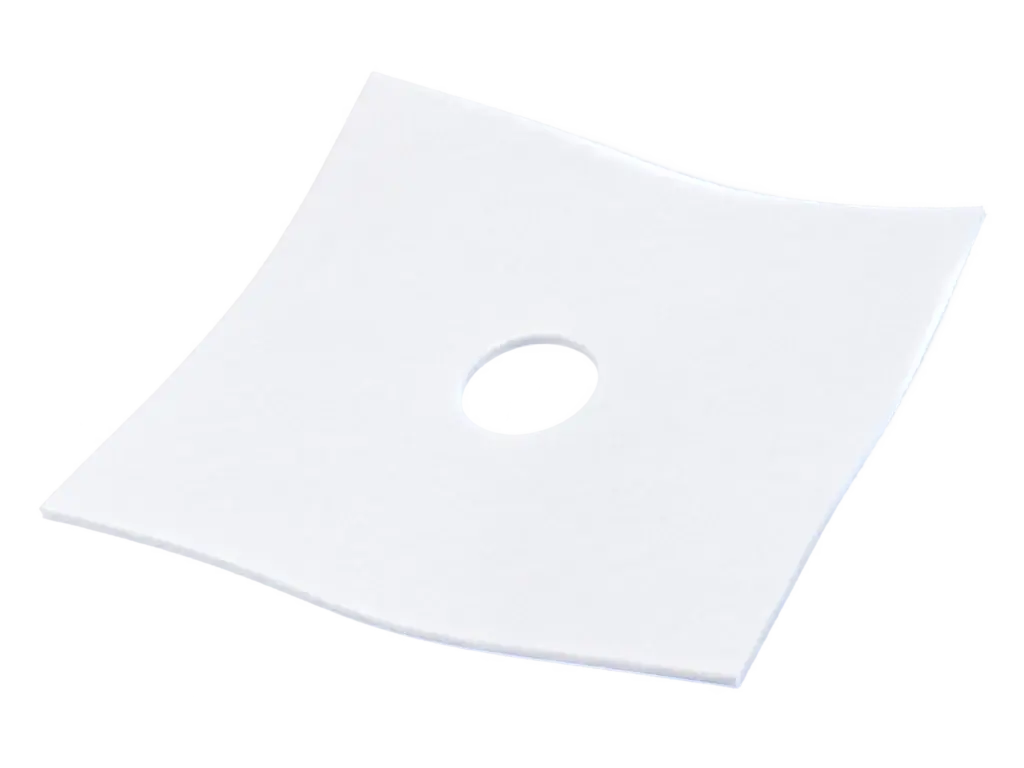
A cloth with a feed hole at its centre, for centre-fed plates. A neck (sleeve) can be sewn around the hole to suit the plate type.
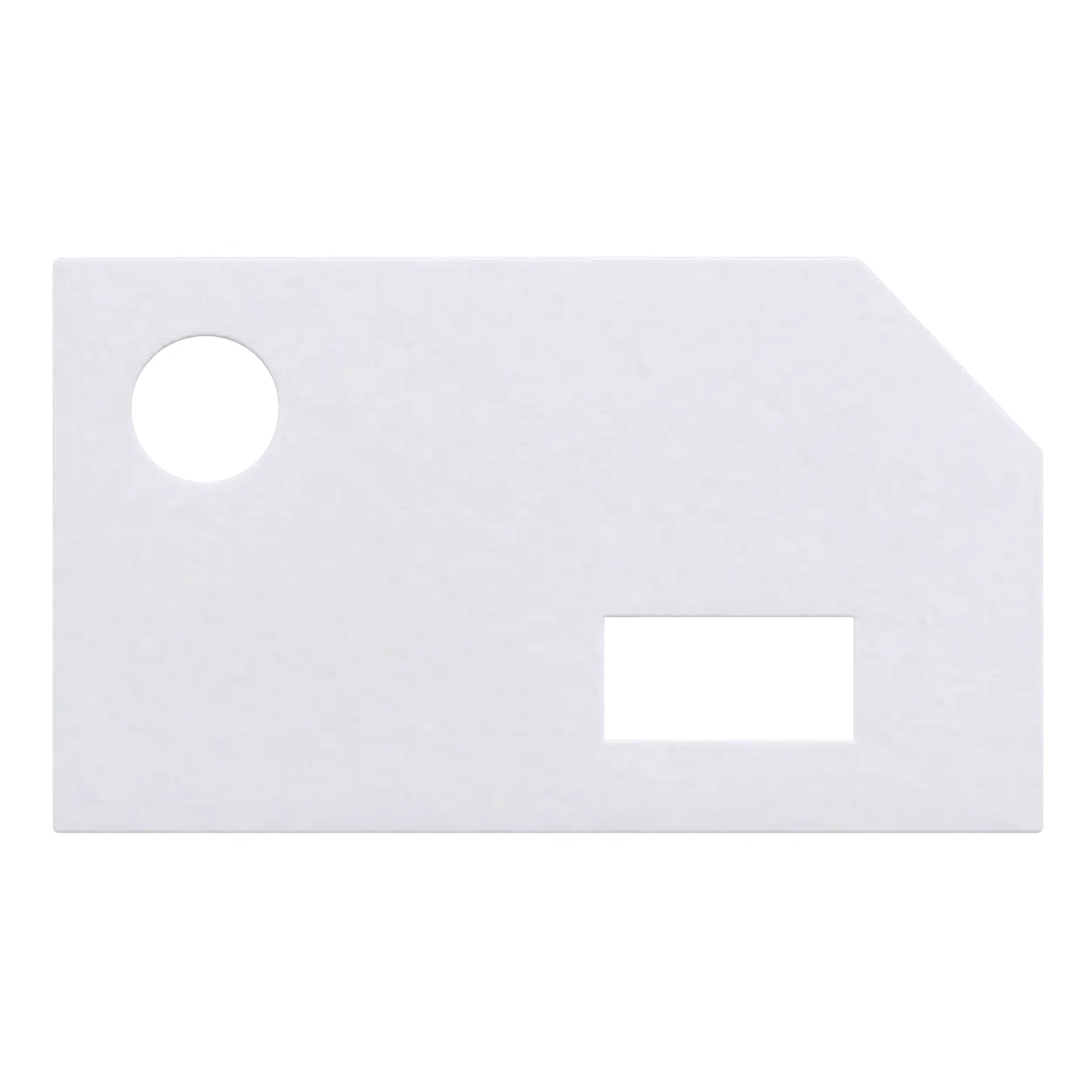
Custom-made filter press cloth

Custom-Made

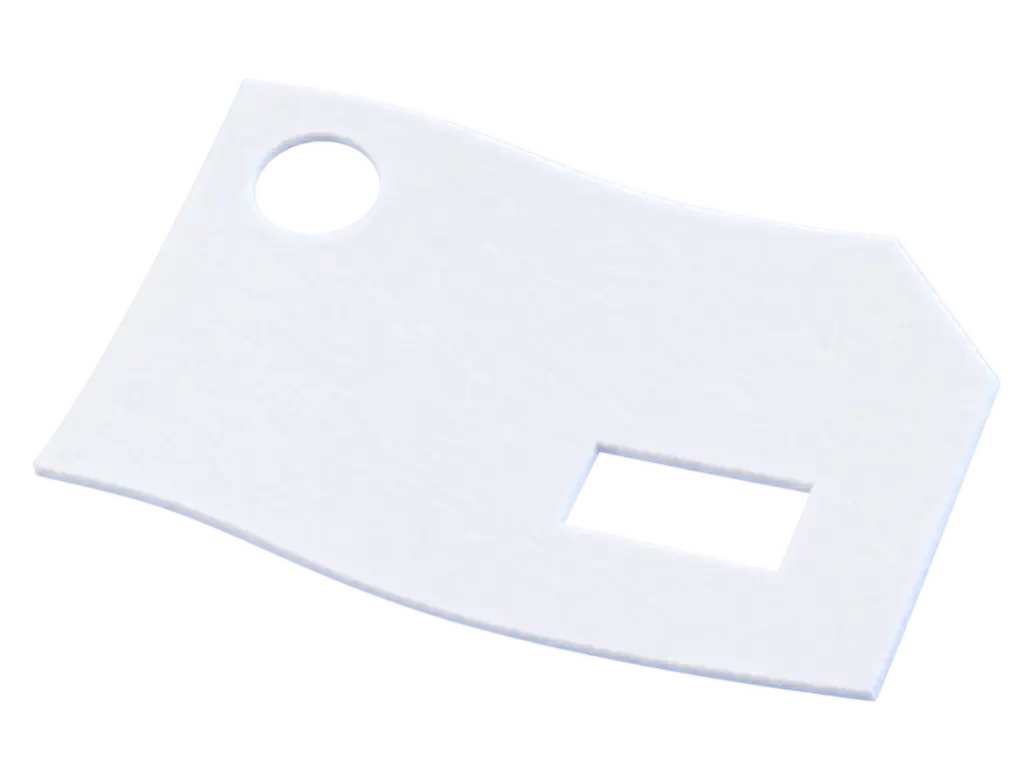
A cloth made to the supplied technical drawing for non-standard plates. Dimensions, hole layout, layer structure and additional operations are defined for each order.

How do you choose the right filter press cloth?

Product selection advice

The points to consider when specifying and selecting a filter press cloth and checking its suitability for the process are listed below.
Fabric Type
Selected by taking into account the temperature and chemical parameters in the resistance table.
Fabric Structure
Nonwoven, monofilament woven or multifilament woven.
Micron Rating
The required filtration fineness.
Number of Layers
The number of layers in the cloth and the individual properties of each fabric layer.
Layer Values
The micron rating or g/m² weight of each layer; air permeability and transverse and longitudinal strength values, if available.
Inlet–Outlet Direction
The inlet and outlet directions, determined with the layers taken into account.
Width × Length
The net width × length of the cloth.
Technical Drawing
Hole positions, sizes and distances to the edges.
Additional Operations
Any additional operations and features required.

Industrial Applications

With high mechanical tensile strength, excellent cake release and chemical resistance, it is used reliably in all industries with intensive solid–liquid separation, from wastewater treatment to mining and from chemicals to food and metallurgy:

We Answer Your Questions

Frequently Asked Questions

At Prosestim, we attach great importance to answering your questions and providing technical support on our filtration solutions.

Filter press cloth is made from four raw materials: PTFE (Teflon), Cotton (CO), Polypropylene (PP) and Polyester (PET). The choice depends on the operating temperature of the process and on whether the fluid is acidic, alkaline or oxidising.
It is made in four shapes: perforated, non perforated, center feed (centre-fed) and custom-made to a technical drawing. The shape is determined by the feed geometry of the plate.
PTFE (Teflon) cloth. With 240 °C continuous operation and a 280 °C peak temperature, it has the highest heat resistance of the four raw materials. It is followed by polyester at 130 °C continuous / 150 °C peak.
PTFE and polypropylene show excellent resistance in strong acid environments. Polyester has good resistance and cotton poor; for this reason, cotton cloth is not recommended for strong acid processes.
Polypropylene and PTFE give excellent resistance to strong alkalis. Cotton is at a good level. Polyester has poor resistance to strong alkalis, so it should not be used in these environments.
PTFE and polyester have excellent resistance to oxidising agents. Cotton has moderate resistance and polypropylene poor; polypropylene cloth should not be chosen for oxidising environments.
Perforated cloth has holes cut to match the feed and filtrate channels of the plate; non perforated cloth has no holes. The difference comes from the plate: perforated is used if the channels pass through the cloth, non perforated if they do not.
It is used in centre-fed filter presses, where the fluid enters the plate at the centre. The cloth has a feed hole at its centre, and a neck can be sewn around the hole to suit the plate type.
Yes. For non-standard plates, custom cloths are made to the technical drawing. Dimensions, hole layout and edge distances, layer structure, micron rating and any additional operations required are defined for each order.
Fabric type and structure (nonwoven, monofilament or multifilament woven), micron rating, number of layers and layer weights, inlet–outlet directions, width × length, a technical drawing showing hole positions and edge distances, and any additional operations required.
Fast Quote & WhatsApp Consultation

Filter Press Cloth RFQ Configurator

Configure your variation dimensions and technical specifications to receive an instant quote directly on WhatsApp and via email.

1 Dimensional & Technical Specifications
2 Required Quantity
QUICK QUOTE FORM

Filter Press Cloth

Variation Type: Filter Press Cloth
Cloth Material: Polypropylene (PP)
Cloth Type: Perforated
Request Quantity: 10 Units
ISO 9001:2015 Certified Production
Reply from Our Technical Team
Delivery Across Türkiye and Export

Accounting

Billing Details

Copy our registered company name, tax and e-invoice details with one click using the button on each row.

Invoice name (registered company name)

PROSES TİCARET, İMALAT, MÜHENDİSLİK ENDÜSTRİYEL MADDE VE MALZEME İMALATI İNŞAAT VE SANAYİ LİMİTED ŞİRKETİ

Billing address

Musa Gündüz Cad. No:14 Taşköprü – Çiftlikköy – YALOVA, TÜRKİYE

E-invoice / e-archive email address

Tax office

Yalova Tax Office (Yalova V.D.)

Tax ID number

7330379514

MERSIS number

0733037951400013

Please send BA/BS forms, current account reconciliations and any other emails for our Finance and Administrative Affairs Department to [email protected].

Invoice name (registered company name): PROSES TİCARET, İMALAT, MÜHENDİSLİK ENDÜSTRİYEL MADDE VE MALZEME İMALATI İNŞAAT VE SANAYİ LİMİTED ŞİRKETİ Billing address: Musa Gündüz Cad. No:14 Taşköprü – Çiftlikköy – YALOVA, TÜRKİYE E-invoice / e-archive email address: [email protected] Tax office: Yalova Tax Office (Yalova V.D.) Tax ID number: 7330379514 MERSIS number: 0733037951400013