From dairy to soft drinks, from vegetable oil to syrup lines: filtration engineering that preserves organoleptic properties and reduces microbiological risk to zero.
Points where filtration is decisive in food and beverage processes
In the food industry, filtration engineering aims to preserve a product’s taste, color and aroma (in short, its organoleptic properties) while reducing microbiological risk to zero. From dairy to soft drinks, from vegetable oils to syrup lines, clarity and purity at every stage are the direct result of a well-designed filtration strategy.
Staged Filtration Discipline: Microbial Load Control and Purity
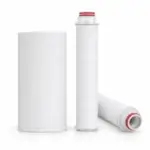
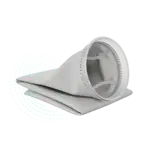
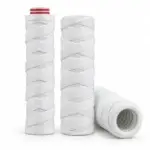
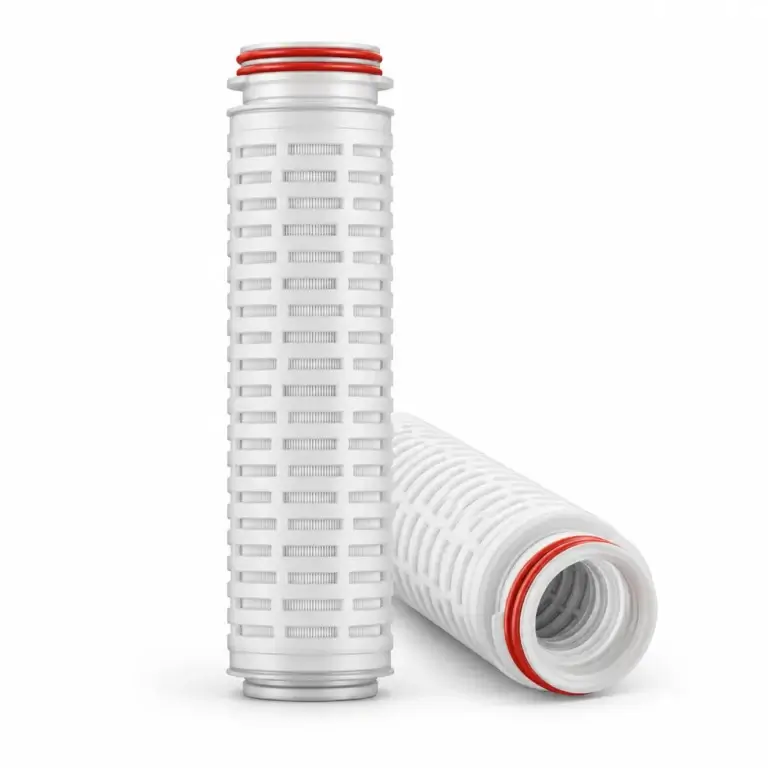
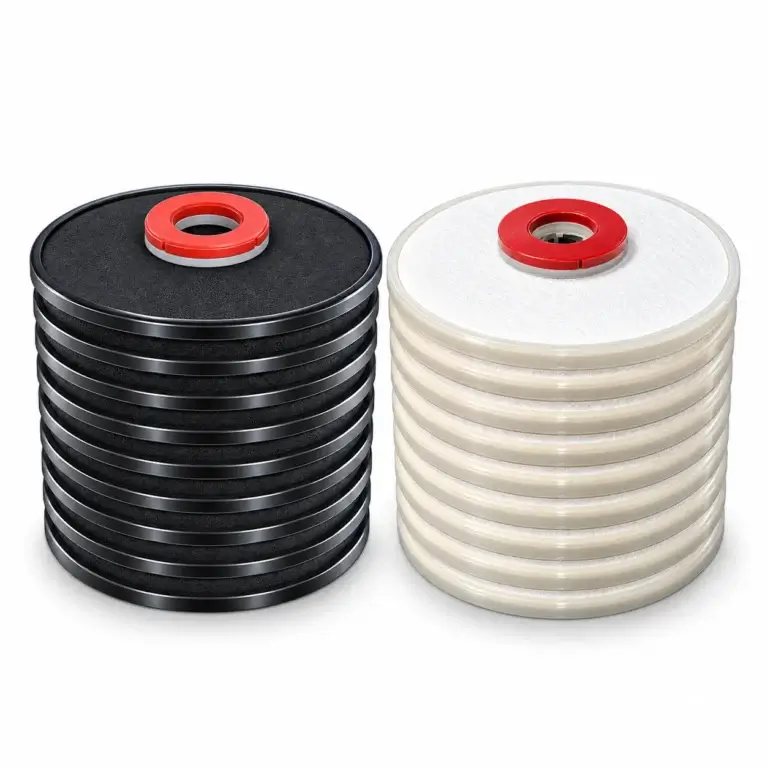
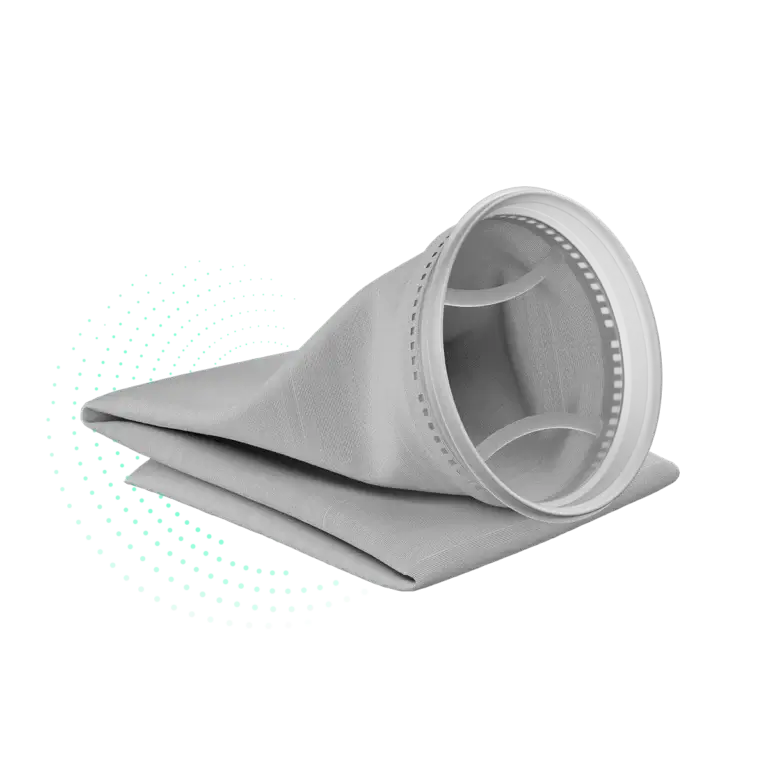
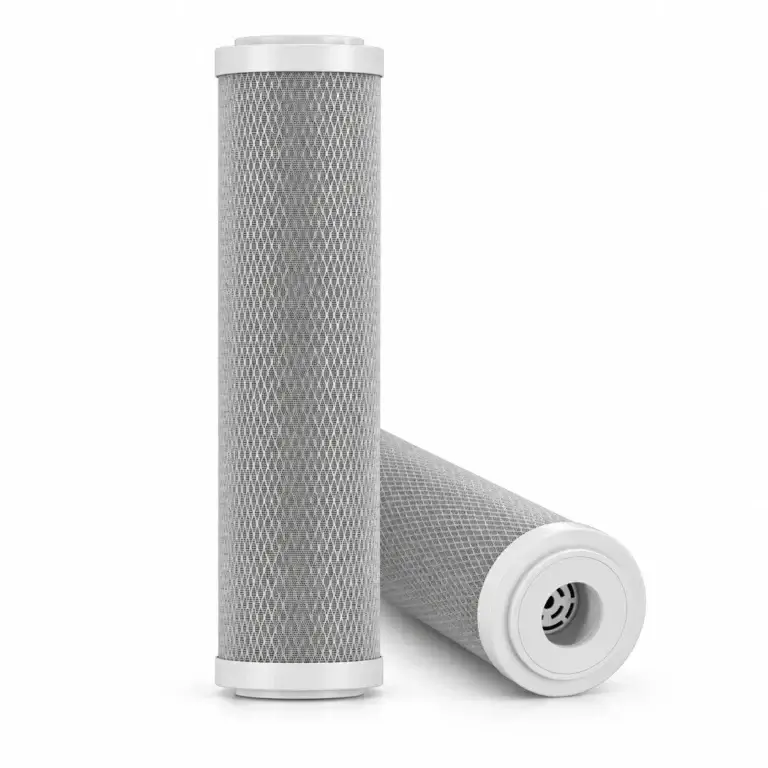
Single-stage filtration is not enough to maintain product purity and keep microbial load under control. Particles that cause visual defects in juices, wine or syrups are separated in staged systems without altering the product’s character. In the final stage, sterile cartridge filters rated 0.22–0.45 micron physically retain bacteria and mold spores, naturally extending shelf life. Another tangible benefit of the staged approach is cost control. Affordable pre-filters installed ahead of sensitive, relatively expensive final filters capture coarse sediment and significantly extend the time before the final stage clogs. This setup can save up to forty percent on annual filter consumable costs.
Solution: Pre-filter + sterile final filter
Hygienic Operation: Uninterrupted Production with CIP/SIP-Compatible Housings
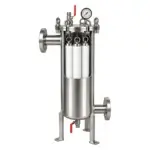
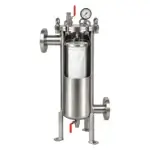
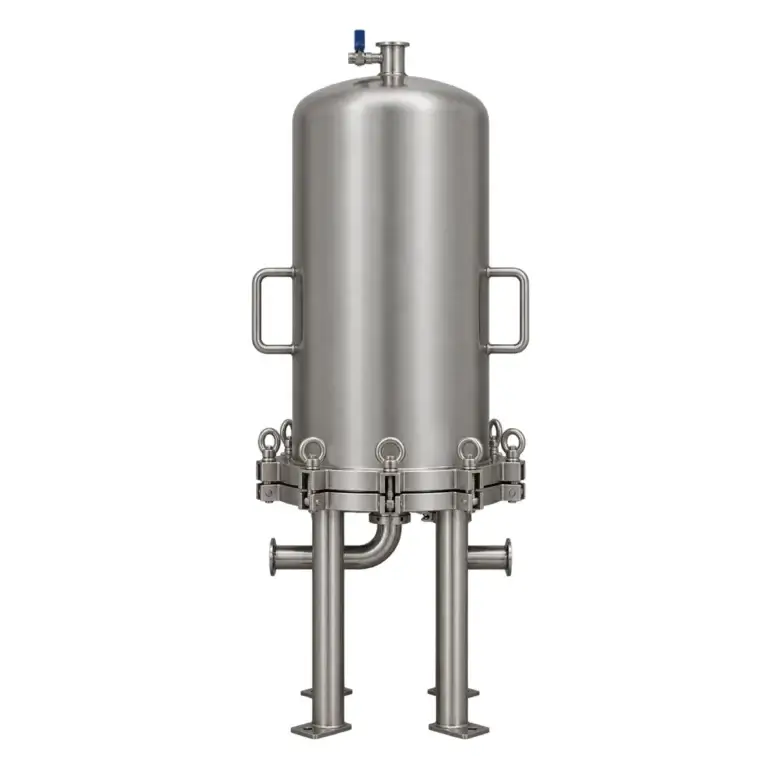
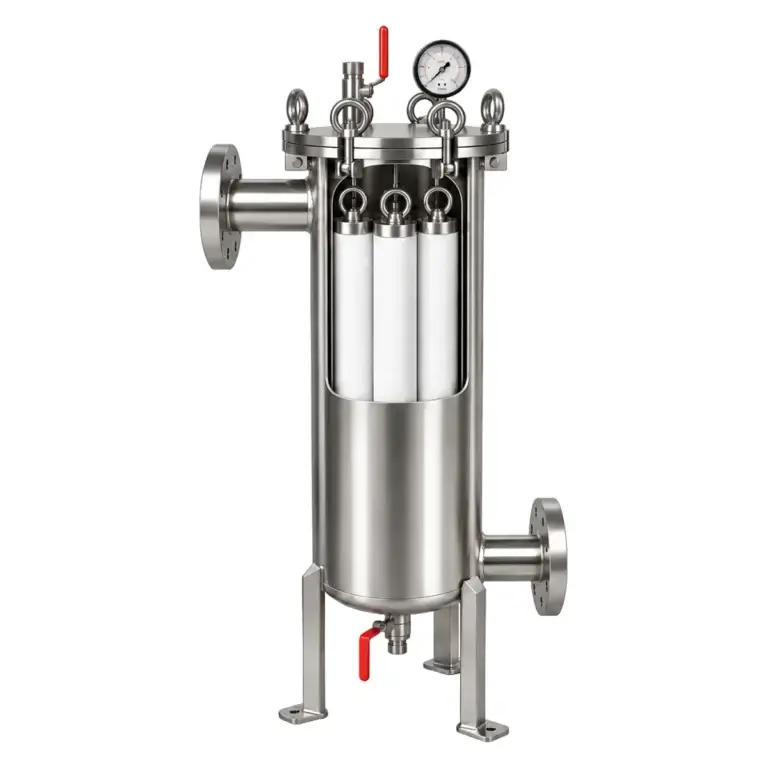
In food plants, hygiene is measured by how well equipment can be cleaned in place, that is, its CIP (Cleaning-in-Place) capability. Dead-leg-free filter housings made of AISI 316L stainless steel are fully compatible with CIP and SIP (Steaming-in-Place) processes. Smooth internal surfaces and hygienic fittings prevent biofilm formation on the lines, which means full compliance in audits and assured continuous production. Filter materials in direct contact with food must also not cause chemical migration into the product. Properly selected polymers and stainless steels do not alter the product’s chemical structure, and in food safety certification processes such as HACCP this compatibility is a legal requirement.
Solution: Dead-leg-free 316L housing
Atmospheric Protection: A Sterile Air Barrier with Tank Venting
Air exchange inside tanks during the storage and transfer of liquid foods creates a serious contamination risk. Tank venting filters sterilize the air entering and leaving the tank, cutting the product off from dust and microorganisms in the environment. When storing sensitive beverages, this air barrier also stabilizes the product’s contact with oxygen and preserves its freshness. These filters are constantly exposed to airflow and ambient humidity as the tank fills and empties. Standard practice recommends replacing them once a year or verifying their performance with periodic integrity tests.
Solution: Tank venting filters
Production line
Which filter at which stage?
Select a stage on your line to see the Prosestim filters and micron range used at that point.
01 · Sediment · carbon
Prepare the water that goes into the product
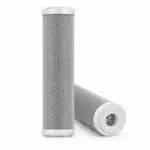
Sediment and activated carbon stages in process water protect taste and aroma.
Please send BA/BS forms, current account reconciliations and any other emails for our Finance and Administrative Affairs Department to [email protected].
Invoice name (registered company name): PROSES TİCARET, İMALAT, MÜHENDİSLİK ENDÜSTRİYEL MADDE VE MALZEME İMALATI İNŞAAT VE SANAYİ LİMİTED ŞİRKETİ
Billing address: Musa Gündüz Cad. No:14 Taşköprü – Çiftlikköy – YALOVA, TÜRKİYE
E-invoice / e-archive email address: [email protected]
Tax office: Yalova Tax Office (Yalova V.D.)
Tax ID number: 7330379514
MERSIS number: 0733037951400013