Industry · Vegetable Oil
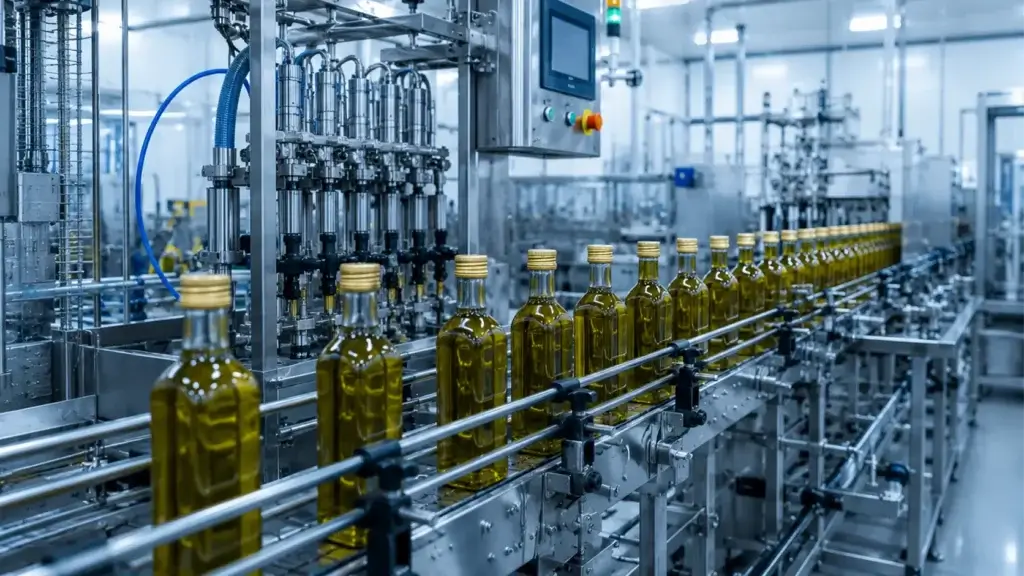
From crude oil extraction to the filling line: filtration engineering that determines color stability, optical clarity and shelf life.
4 stages
Pre-filtration, refining, winterization, filling
AISI 316L
Stainless steel housings on food-contact lines
Hygienic
Final filtration materials before filling
Critical points
In vegetable oil production, filtration directly determines the product’s color, aroma, clarity and shelf life. Unless the phospholipids, waxes and free fatty acids in crude oil are refined out, the final product cannot meet food safety standards.
After press or solvent extraction, crude oil contains seed fragments, soil particles and meal residues. Coarse pre-filtration with bag filters and stainless steel basket filters reduces the load on the subsequent refining stages and protects equipment life.
Solution: Coarse pre-filtration with bag and basket filters
Waxy components that crystallize at low temperatures cause haze over the product’s shelf life. The oil is first chilled to form wax crystals, which are then removed by cold filtration. The result is a stable product that stays clear even under different storage conditions.
Solution: Removing wax crystals with cold filtration
Final filtration before filling is the product’s quality assurance point. Because of direct food contact, suitable filter materials and AISI 316L stainless steel are mandatory. Dead-leg-free hygienic housings ensure CIP compatibility.
Solution: CIP-compatible hygienic housing and precision final filter
Refining line
Select a stage on your line to see the Prosestim filters and micron range used at that point.
01 · Coarse particles
After press or solvent extraction, seed fragments, soil particles and meal residues in crude oil are removed by coarse pre-filtration, reducing the load on later stages.
02 · Plate · leaf filters
Phospholipids and mucilage in degumming, and activated earth and carbon particles in bleaching, are removed with filter presses or leaf filters.
This stage is your existing equipment. Let’s design the earlier stages together; our engineers will recommend the right filter.
03 · Cold filtration
The oil is chilled to form wax crystals, which are removed by cold filtration; the product stays clear under different storage conditions.
04 · Polishing
Polishing filtration after deodorization determines the product’s optical clarity.
05 · Final check
Because of direct food contact, suitable filter materials and AISI 316L stainless steel are used; dead-leg-free housings ensure CIP compatibility.
Applications
The same filtration principles apply across applications, with different material and micron choices.
Coarse particle separation after press and solvent extraction.
Degumming, bleaching and deodorization stages.
Removing wax crystals by cold filtration.
Precision final filtration and hygienic housings.
Products used in this industry
Each product page lists the micron range, material compatibility and operating conditions.
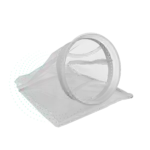
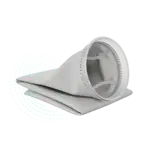
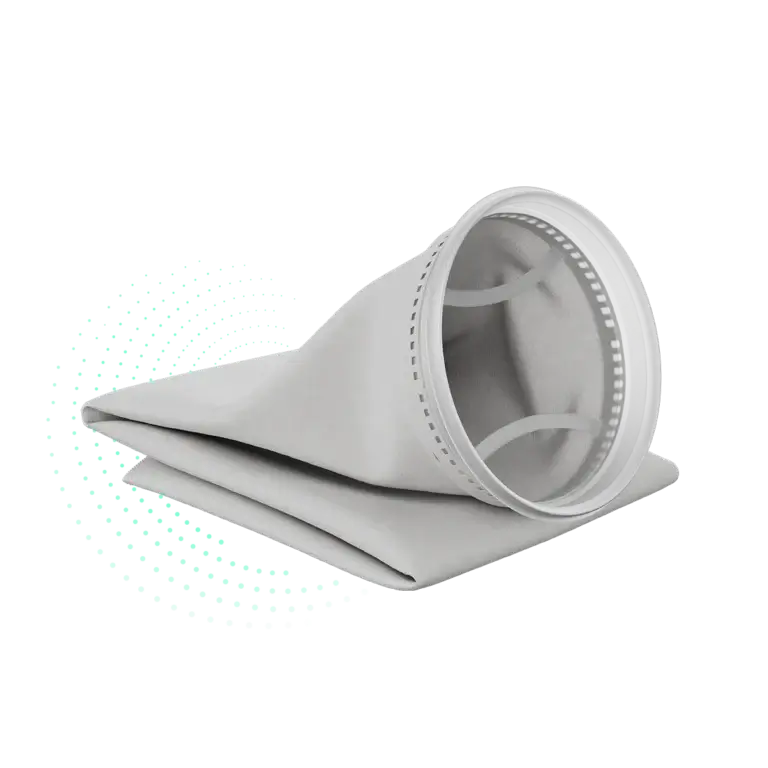
Polyester felt bag filters, 1–200 µm, rated up to 135 °C; used on paint, coating and chemical lines
1–200 µm135 °C
View product
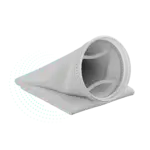
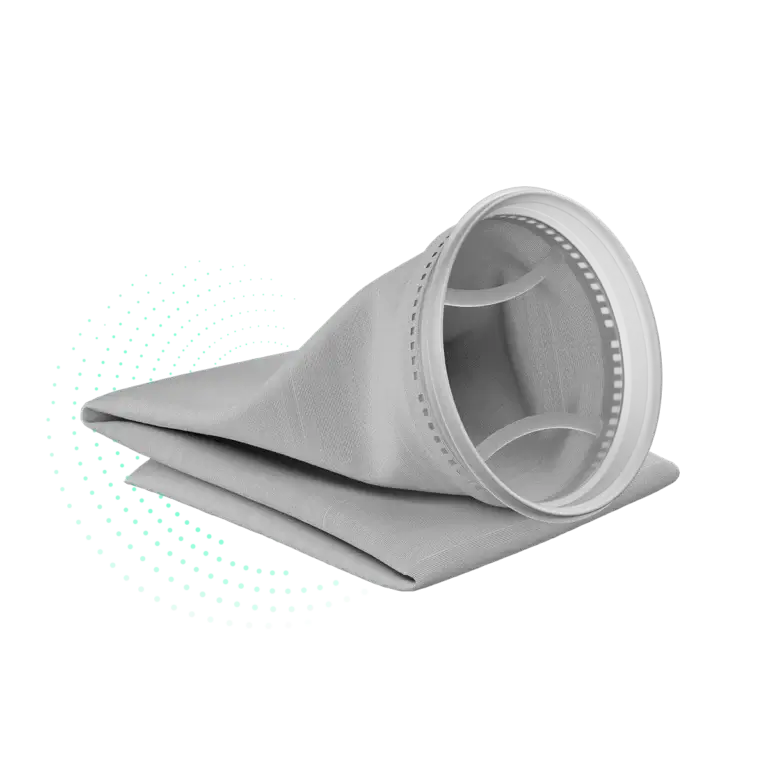
Multifilament polyester bag filters, 75–1500 µm, rated up to 135 °C; for general-purpose coarse liquid filtration
75–1500 µm135 °C
View product
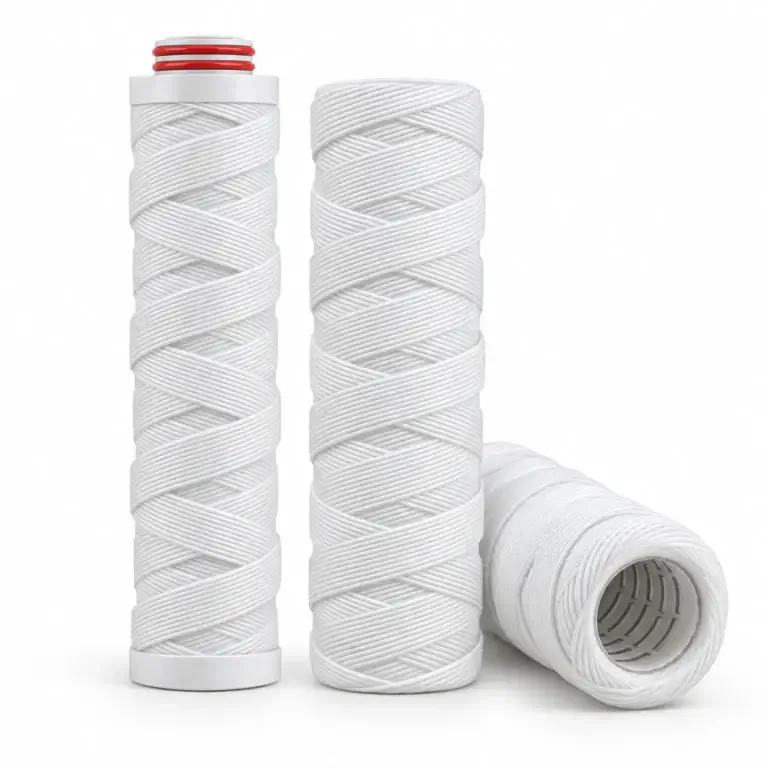
String-wound cartridge filters in 8 media including PP, cotton and glass fiber, 0.8–150 µm, 5″–40″ lengths
0.8–150 µm8 raw materials
View product
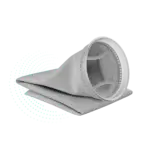
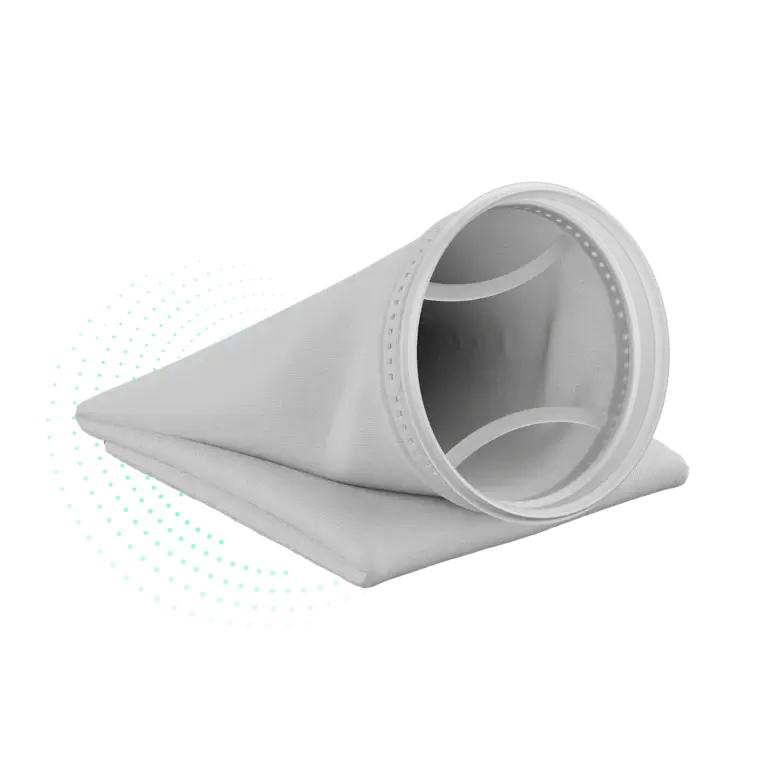
PCP bag filters with a PP outer layer and cotton core; filtration down to 0.5 µm for chemically demanding, oily liquids
down to 0.5 µmoily liquids
View product
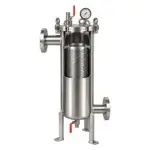
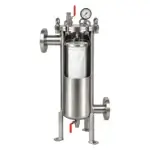
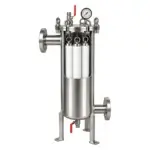
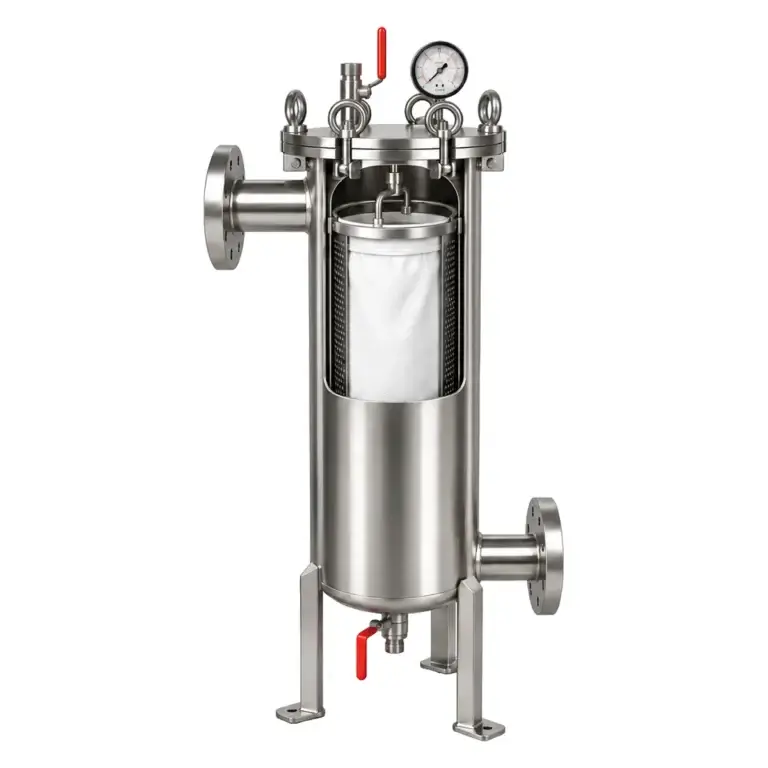
Bag filter housing with 1–24 bag capacity and AISI 304/316/316Ti body; high flow, low pressure drop
1–24 bagshigh flow
View product
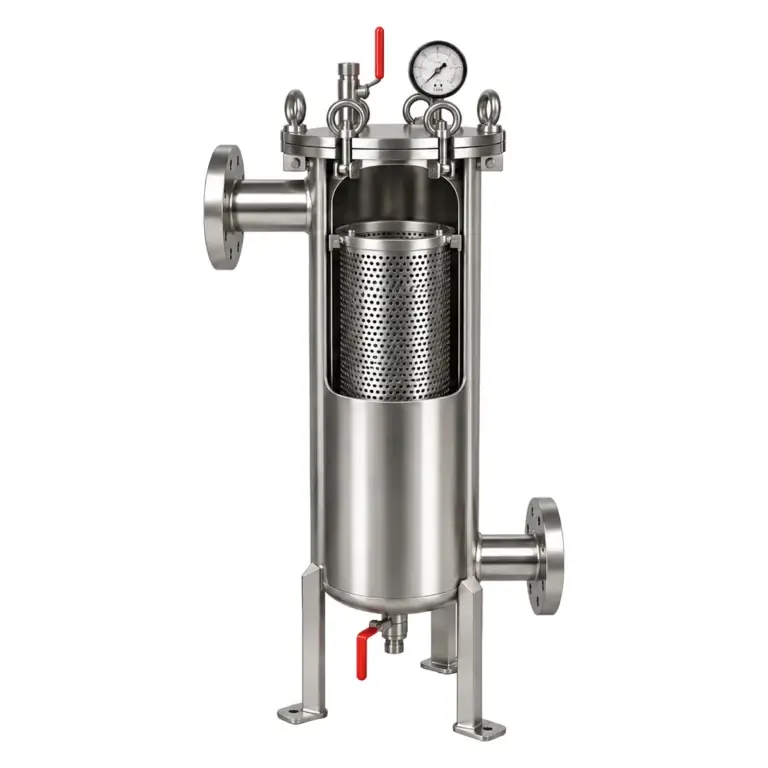
Consumable-free filtration: stainless steel basket filter housing with washable basket, 10–3,000 µm
10–3,000 µmno consumables
View product
Accounting
Copy our registered company name, tax and e-invoice details with one click using the button on each row.
Invoice name (registered company name)
Please send BA/BS forms, current account reconciliations and any other emails for our Finance and Administrative Affairs Department to [email protected].