Equipment protection and process safety in oil and petrochemicals
From drilling to the refining line, from pipeline transport to product filling: filtration engineering that provides equipment protection and process safety at every stage of oil and petrochemical processes.
Points where filtration is decisive in oil and petrochemical processes
In the oil industry, filtration is a strategic engineering discipline that minimizes failure costs, unplanned downtime and environmental risks. Every stage from upstream to downstream creates different but interrelated filtration needs.
Upstream: Drilling, Production and Crude Oil Filtration
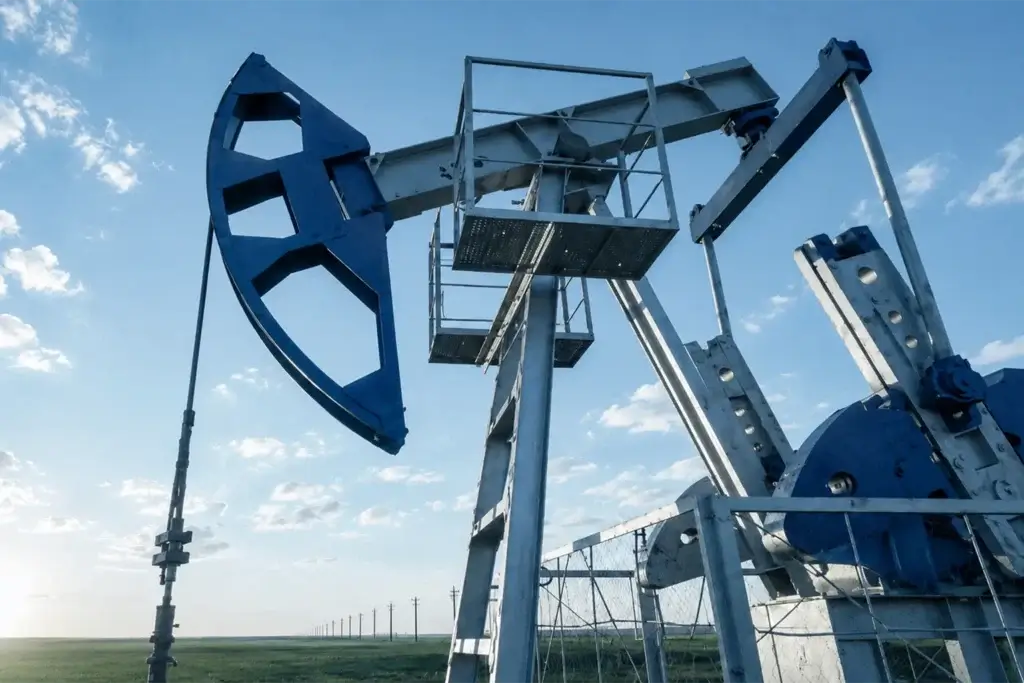
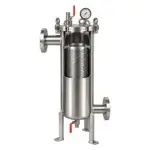
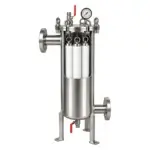
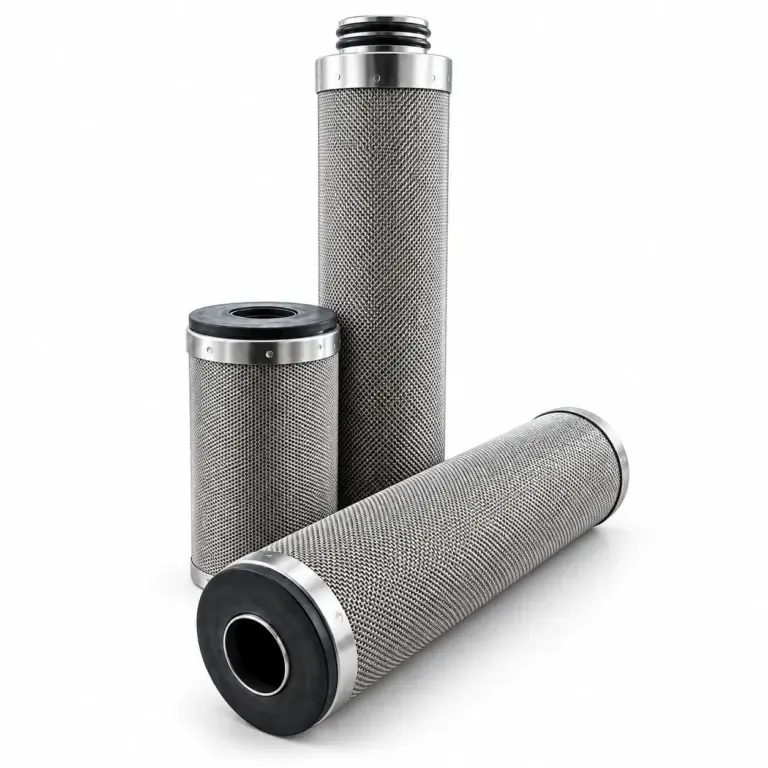
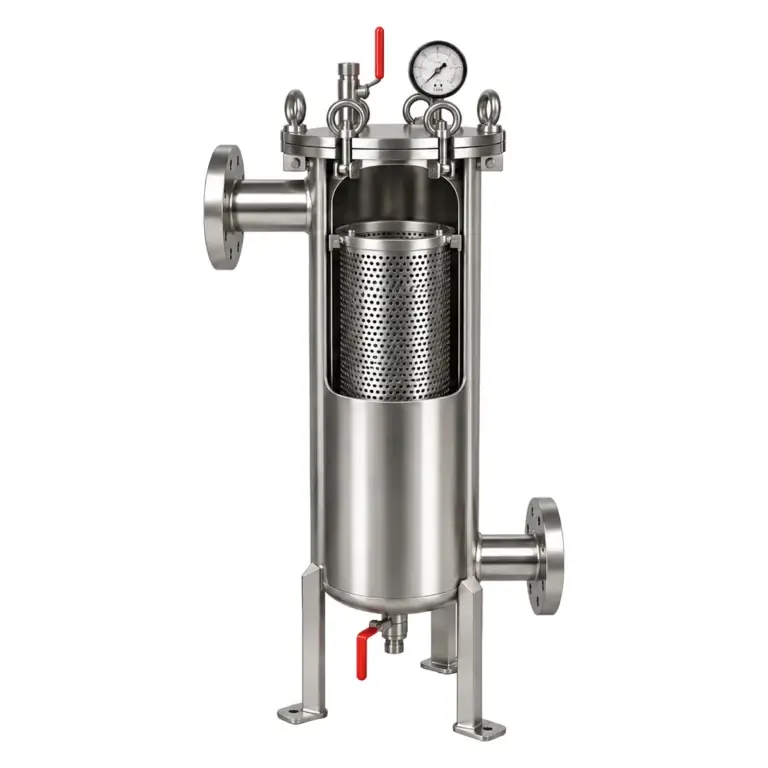
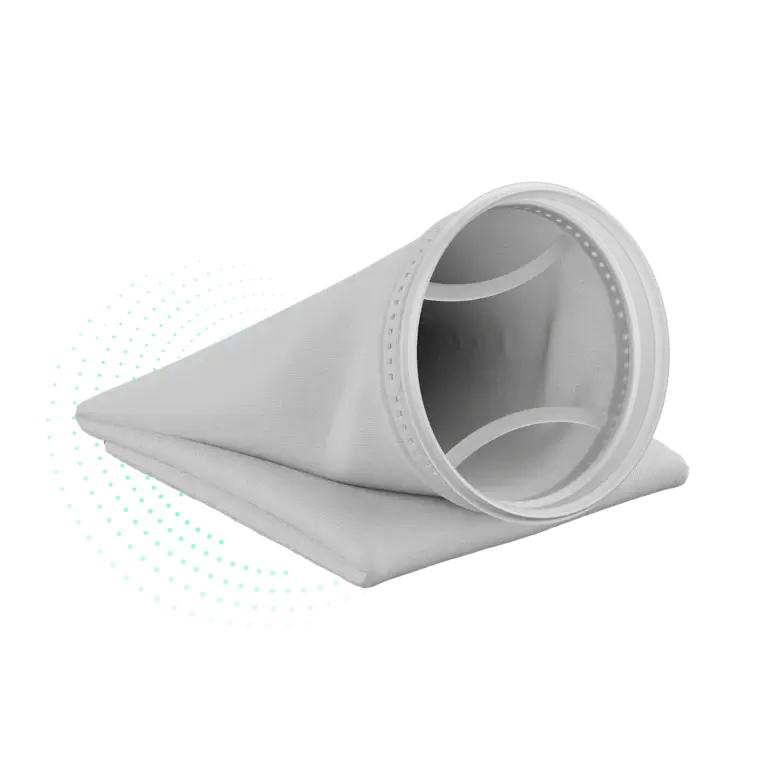
Sand, clay and solid particles in drilling fluids quickly wear pumps and BOP equipment. Oil and suspended solids in produced water clog injection wells. Coalescer filters separate oil from water, while high-pressure basket filters act as the first barrier for equipment protection.
Solution: Coalescers and high-pressure basket filters
Midstream: Pipeline and Storage Protection
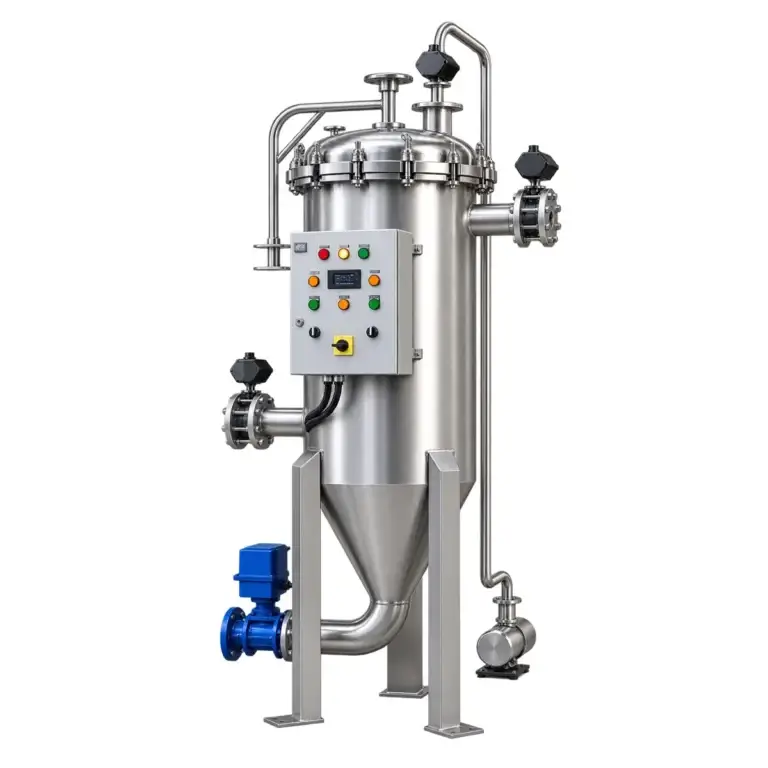
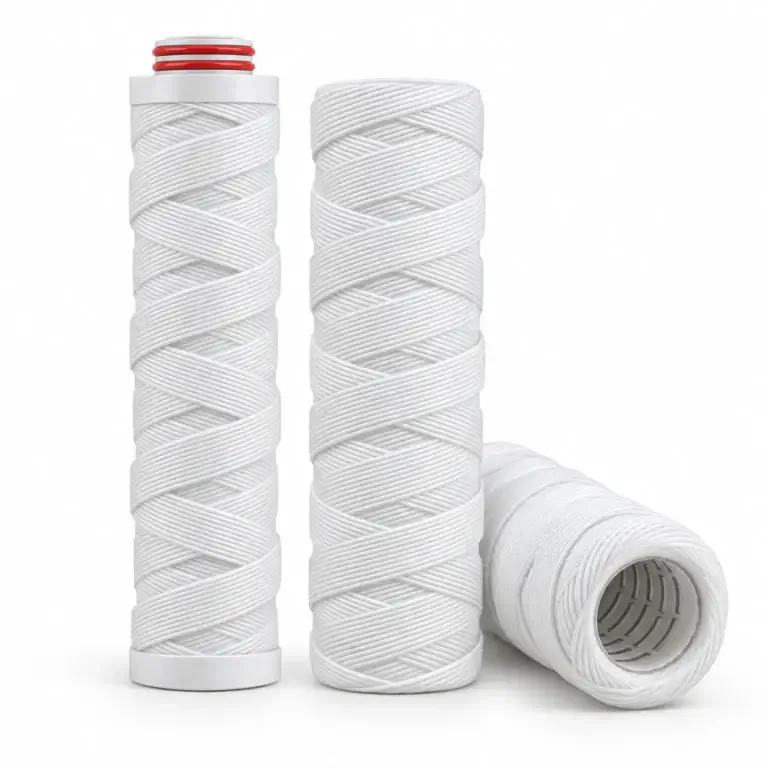
Oxides, sand and corrosion products that build up in pipelines reduce flow efficiency and shorten valve life. Line filters and strainer systems remove these particles. In storage tanks, bottom drain filtration that prevents water and sediment buildup protects tank life and product quality.
Solution: Line filters and strainers
Downstream: Refinery and Petrochemical Process Filtration
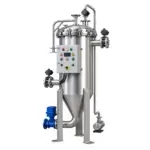
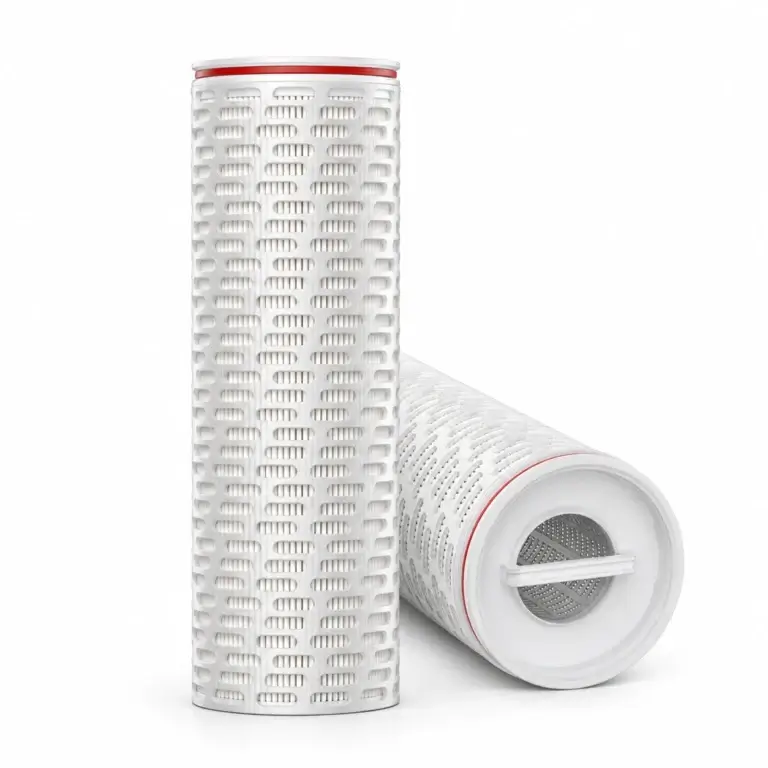
In refinery processes, catalyst protection filtration is the most critical application. Particles in the feed stream foul the catalyst bed and reduce reaction efficiency. Filtration in the process water circuit prevents heat exchanger fouling. On product filling lines, final-stage filtration is a mandatory step to meet ISO and ASTM purity standards.
Solution: Catalyst protection and final-stage filtration
Value chain
Which filter at which stage?
Select a stage on your line to see the Prosestim filters and micron range used at that point.
01 · Sand · clay
Protect pumps and BOP equipment
Sand, clay and solid particles in drilling fluids quickly wear pumps and BOP equipment; basket filters are the first barrier.
Please send BA/BS forms, current account reconciliations and any other emails for our Finance and Administrative Affairs Department to [email protected].
Invoice name (registered company name): PROSES TİCARET, İMALAT, MÜHENDİSLİK ENDÜSTRİYEL MADDE VE MALZEME İMALATI İNŞAAT VE SANAYİ LİMİTED ŞİRKETİ
Billing address: Musa Gündüz Cad. No:14 Taşköprü – Çiftlikköy – YALOVA, TÜRKİYE
E-invoice / e-archive email address: [email protected]
Tax office: Yalova Tax Office (Yalova V.D.)
Tax ID number: 7330379514
MERSIS number: 0733037951400013