Self-Cleaning Filter Housing (Automatic Cleaning)

Automatic Backwashing Without Stopping the Line, Uninterrupted Process Flow and 2–3,000 µm Filtration Precision

A self-cleaning filter housing automatically removes dirt that builds up on the filter element without stopping the line. The cycle starts by itself when the differential pressure threshold is exceeded, eliminating cartridge changes and process interruptions.

Connection Types

DN50–DN300

Pressure Class

PN10 - PN16

Body Material

AISI 304 · 316 · 316Ti · 904L

Central Control

PLC / SCADA Compatible

Self-Cleaning Filter Housing

What Is a Self-Cleaning Filter Housing?

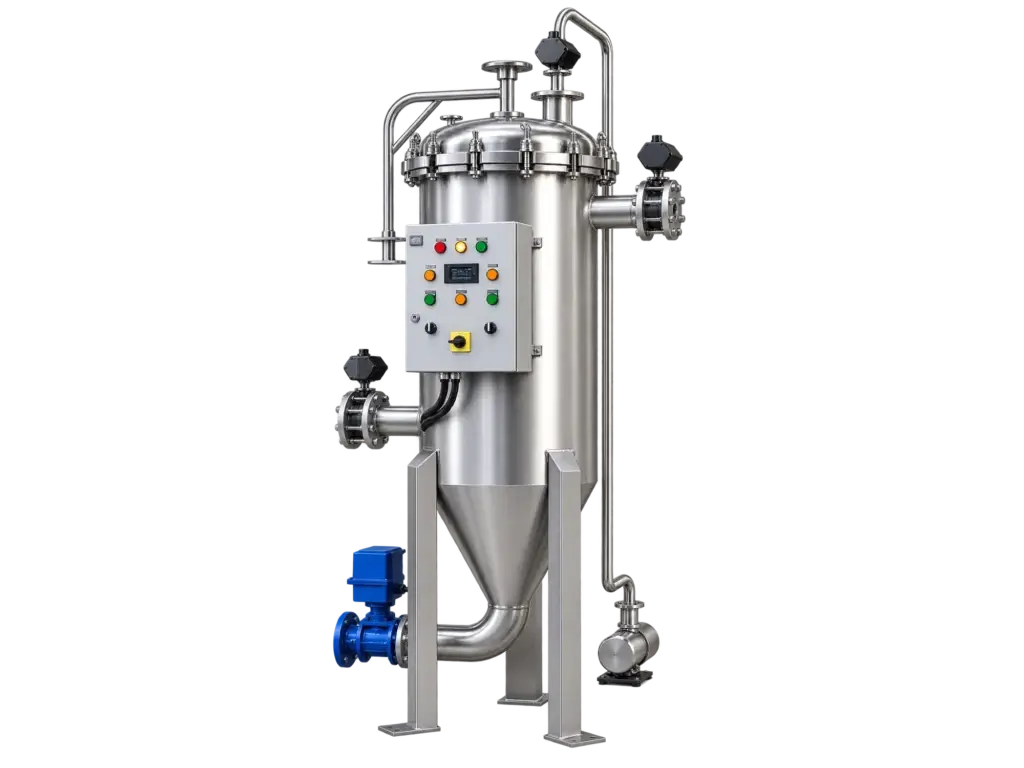
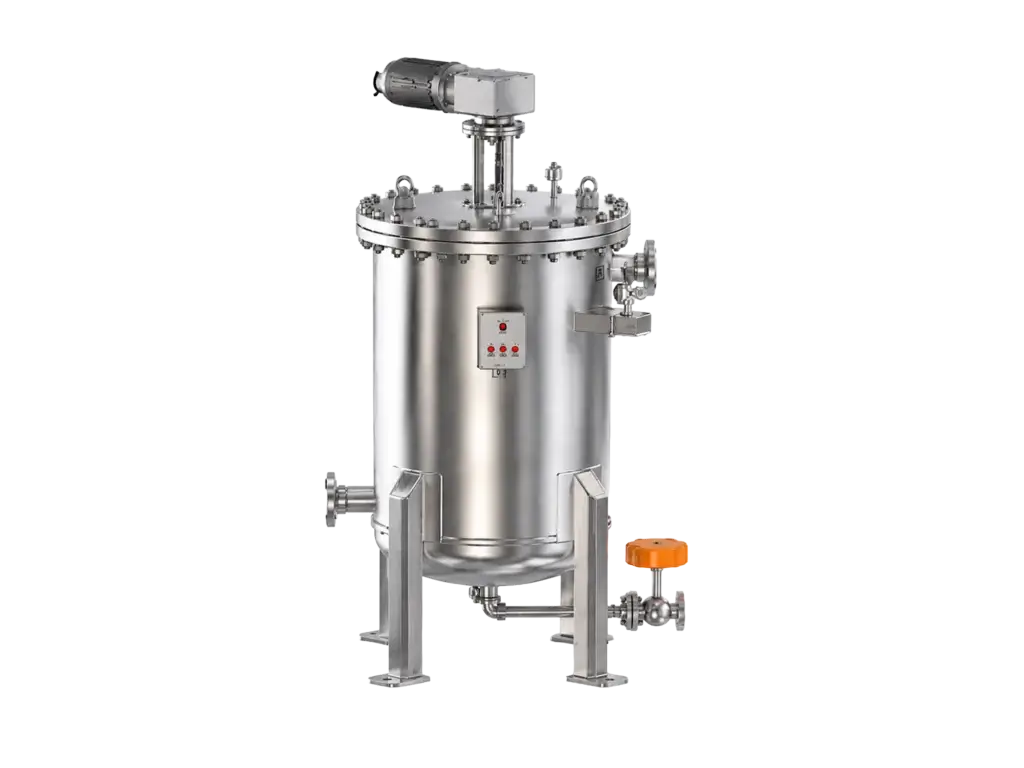
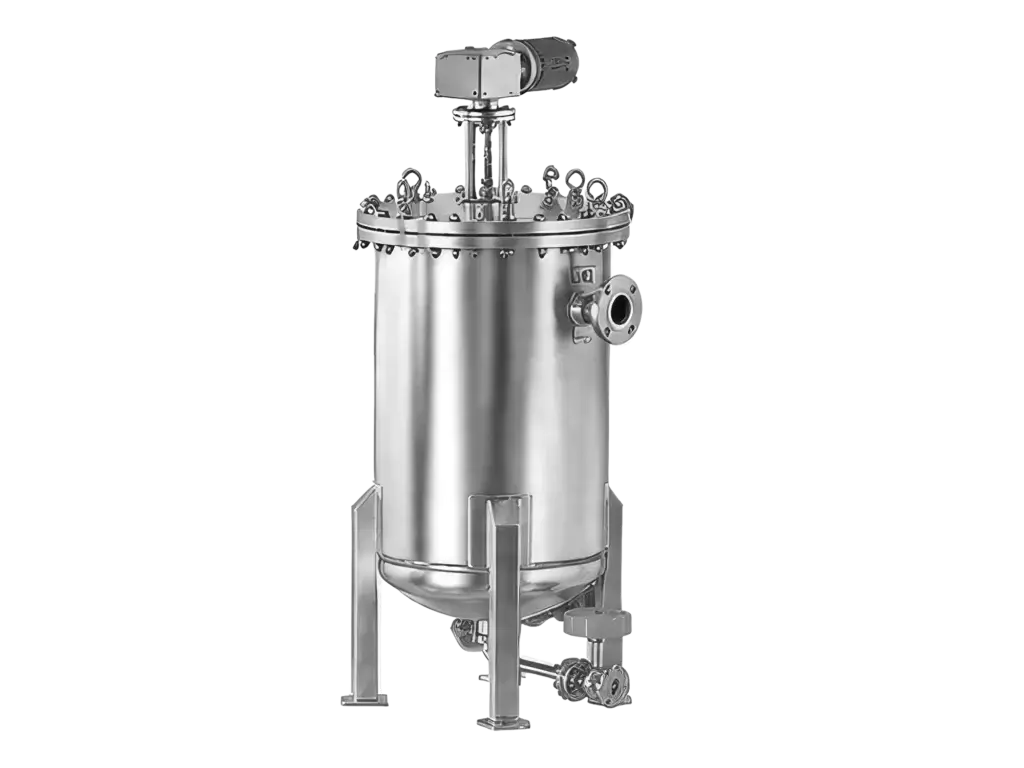
Self-cleaning filter housings (automatic cleaning filter housings) are filter bodies that remove solid particles built up on the filter element without operator intervention and without stopping the line. The housing is a fully assembled unit consisting of the body, the filter element (screen, disc or microfibre cartridge), the cleaning mechanism, the drain valve and the control panel.

The key difference from conventional bag and cartridge filters is that the filter element is not a consumable. As contamination increases, pressure loss rises; when the set threshold is exceeded, the system cleans itself and the pressure loss returns to its initial value. Stopping the line, opening the housing and disposing of used cartridges for filter changes are removed from the operating budget.

In most screen-type models the flow direction is inside to outside: dirty fluid enters the screen cylinder, particles build up on the inner surface, and clean fluid passes through the screen, collects in the annular space between the body and the screen, and flows to the outlet. Because the cake builds up only on the inner surface, a scraper, brush or suction head sweeps this surface clean, and the dirt falls by gravity to the drain valve below.

In the industry they are also called automatic filters, auto filters and backwash filters, and in English literature self-cleaning filters / automatic strainers. Depending on the application, they handle pump protection, heat exchanger protection, nozzle protection and pre-filtration.

Product Identity and Technical Summary

Body Material
  • Carbon Steel (Epoxy-Coated Inside and Out)
  • AISI 304 / 304L and AISI 316 / 316L
  • Duplex / Super Duplex and Rubber-Lined Body
  • Brass or PA66-GF30 / PP in Compact Models
Filter Element
  • 316L Weave Mesh Screen
  • Wedge-Wire & Sintered Screen
  • Perforated Plate + Mesh & Polyester Mesh
  • Pleated PP Cartridge, Microfibre & Disc Stack
Filtration Rating
  • Wedge-Wire Screen: 25 – 500 µm
  • Woven Screen: 25 – 200 µm
  • Disc Stack: 20 – 400 µm
  • Microfibre Element: 2 – 20 µm (Overall: 2 – 3,000 µm)
Max. Operating Pressure
PN10 / PN16 (10–16 bar) standard; 8–10 bar for compact polymer bodies. Up to PN25 for custom builds.
Test Pressure
1.5 times the operating pressure, with a hydrostatic test report for bodies within the scope of PED 2014/68/EU
Max. Operating Temperature
60 °C – 90 °C (depending on body and gasket material). Custom builds up to 120 °C for stainless bodies with FKM/silicone gaskets.
Capacity (Flow)
5 m³/h – 500 m³/h in a single body; higher flows with parallel batteries
Clean Filter Pressure Drop
0.1 – 0.2 bar (at nominal flow, depending on the selected micron rating)
Cleaning Trigger
  • Differential Pressure Threshold (0.3 – 0.5 bar)
  • Timed Periodic Cycle
  • Manual Button & Remote PLC Command
Cleaning Time
10 – 30 seconds per cycle (depending on body size and contamination load)
Flush Water Consumption
15 – 300 litres per cycle, typically 1–3% of the total filtered flow
Min. Flushing Inlet Pressure
2 bar (1.5 bar in some suction-scanner models). This value must be measured at the filter inlet during flushing; idle pressure is not the criterion.
Drain Valve
  • Motorised Ball Valve (DN25 – DN100)
  • Pneumatically Actuated Valve
  • Solenoid-Piloted Diaphragm Valve
Drive (Mechanical Types)
Geared motor 0.18 – 1.5 kW, 230/400 V 50 Hz; no electricity needed in hydraulic-turbine-driven models
Control System
IP65 panel; ΔP switch or transmitter, cycle counter, adjustable flushing time, dry-contact alarm output, SCADA/PLC integration via 4–20 mA / Modbus RTU
Connection Type
  • Threaded R 1" – R 2" (BSPP / NPT)
  • Flanged DN50 – DN300 (EN 1092-1 PN10/PN16 / ANSI 150#)
  • Victaulic Grooved Coupling
Gasket Material
  • NBR (General Water)
  • EPDM (Hot Water & Alkalis)
  • FKM / Viton (Oil, Hydrocarbons, Acidic)
  • Silicone (Food Grade)
Installation Position
Vertical (standard), with the drain valve at the bottom. Horizontal installation requires the manufacturer's approval; because cake discharge relies on gravity, performance changes.
Surface Finish
  • Shot Blasting + Epoxy Paint Inside and Out
  • Electropolishing (Hygienic Applications)
  • Rubber Lining (Seawater / Aggressive Environments)

Filtration Architecture and Working Principle

A self-cleaning filter housing works in a closed feedback loop: filter → measure the pressure difference → clean when the threshold is exceeded → drain → return to filtering. The entire cycle is completed in 10–30 seconds without interrupting flow in the line; during cleaning, only the part of the filtration capacity that corresponds to the area being cleaned is temporarily out of service.

  1. Step 01

    Filtration

    The fluid enters the screen cylinder, particles are retained on the inner surface, and clean liquid continues into the system through the outlet.

    What does it deliver? Uninterrupted flow, retention without consumables
  2. Step 02

    ΔP Monitoring

    The differential pressure between inlet and outlet is measured continuously. As the cake thickens, ΔP climbs from 0.2 bar towards the set threshold (0.3–0.5 bar).

    What does it deliver? Contamination is judged by measurement, not guesswork
  3. Step 03

    Cleaning

    When the threshold is exceeded, the drain valve opens and a scraper, brush or suction head sweeps the inner surface of the screen to remove the cake.

    What does it deliver? The surface is renewed without stopping the line
  4. Step 04

    Collection

    The removed cake is discharged through the drain line. When ΔP falls to its initial value, the valve closes and the system returns to normal operating mode.

    What does it deliver? ΔP is reset and the cycle count is logged

What is focused cleaning?

In suction-scanner models, the nozzle sweeps only a small part of the screen surface at a time. Because the rest of the surface keeps filtering, the drop in outlet flow during cleaning is barely noticeable.

Where does the flush water come from?

In most designs, from the line's own pressure. That is why a minimum inlet pressure of 2 bar is an operating requirement, not a recommendation. Low-pressure lines need a booster pump or a pressure-sustaining valve at the outlet.

What if the power fails?

The mechanically driven scraper stops, but filtration continues; if ΔP rises, the housing can be drained manually. On critical lines, a bypass line and a high-ΔP alarm should be planned as standard.

Advantages of the Self-Cleaning Filter Housing

Automatic cleaning is not just a convenience; it is a design decision that directly changes operating costs, labour and process continuity:

Uninterrupted, Continuous Operation
Line flow is not stopped during the cleaning cycle. In continuously running industrial processes, downtime is eliminated.
Zero Consumable Costs
There are no cartridge or bag changes. The annual consumables budget and filter waste disposal costs disappear completely.
Smart, Measurement-Based Cleaning
The flushing cycle starts according to the actual differential pressure (ΔP) threshold, not the calendar, avoiding waste of water and energy.
Minimal Operator Intervention
Fully automatic operation reduces staff involvement to periodic checks and improves safety with aggressive chemicals.
Low Flush Water Consumption
At 15–300 L per cycle, only 1–3% of the total process flow is used; backwashing can be optimised.
High Flow in a Compact Footprint
Capacity of up to 500 m³/h in a single compact body; takes up far less space than parallel bag filter batteries.
SCADA & PLC Automation Compatibility
Fully integrated with central automation systems via 4–20 mA, Modbus RTU and dry-contact alarm outputs.
Wide Material Flexibility
Process-specific body options, from epoxy-coated carbon steel to 316L stainless and duplex alloys for seawater.

Self-Cleaning Filter Types

Choosing the type depends on matching the cleaning mechanism to the character of the fluid’s contamination. The classic result of a mismatch: the filter flushes constantly but ΔP does not fall.

Scraper Type
With oil, biofilm, gelatinous or fibrous contamination where backwashing is not enough, the screen is cleaned mechanically by motor-driven scraper blades.
Suction Scanner Type
Cleaning with minimal water loss using a nozzle-type vacuum scanner in surface water and cooling circuits with low TSS but high flow.
Hydraulic Turbine Type (No Electricity)
Fully independent automatic flushing driven by line pressure and an internal turbine at sites with no electrical supply.

If the cake is sticky

With oil, biofilm, gelatinous or fibrous contamination, backwashing alone is not enough; the cake does not lift off the screen. For these fluids, choose a mechanical scraper or brush type.

If flow is high and contamination is low

On lines with low TSS but high flow, such as surface water, cooling tower circuits and irrigation, suction-scanner types are the most efficient solution in terms of both water and energy.

If there is no electricity

At sites where power cannot be supplied, hydraulically driven (turbine or piston) backwash models are used; they draw their energy from the line's own pressure.

Micron Selection: What Are You Protecting?

The micron rating is chosen according to the equipment being protected, not the fluid. A screen finer than necessary causes the filter to flush constantly, multiplies flush water consumption and shortens screen life.

Coarse Pre-Filtration, Well and River Water
Stops sand, gravel and large organic solids from reaching the main filter and the plant.
Pump and Mechanical Seal Protection
Limits wear on seals, fans and impellers caused by abrasive mineral particles.
Plate Heat Exchanger
Prevents the plate gaps from clogging; preserves the heat transfer coefficient and flow.
Irrigation Nozzles and Drippers
Ensures even irrigation by keeping particles below the clogging threshold of the dripper passage.
Precision Spray and Wash Nozzles
Reliably prevents nozzle clogging, matched to the orifice diameter of the spray nozzles.
Membrane / RO Pre-Filtration
Lowers the SDI ahead of reverse osmosis (RO) and ultrafiltration and protects the membranes.
Cooling Tower Circulation Circuit
Prevents airborne particles and sediment from building up in the tower basin and pipes.
Machining Coolants and Cutting Fluids
Removes metal chips and grinding sludge, extending cutting tool life.

Industry Applications

In any continuous water-based process, the self-cleaning filter housing comes into play wherever the filter cannot be stopped or the contamination load makes consumable filters uneconomical:

1–6 / 24
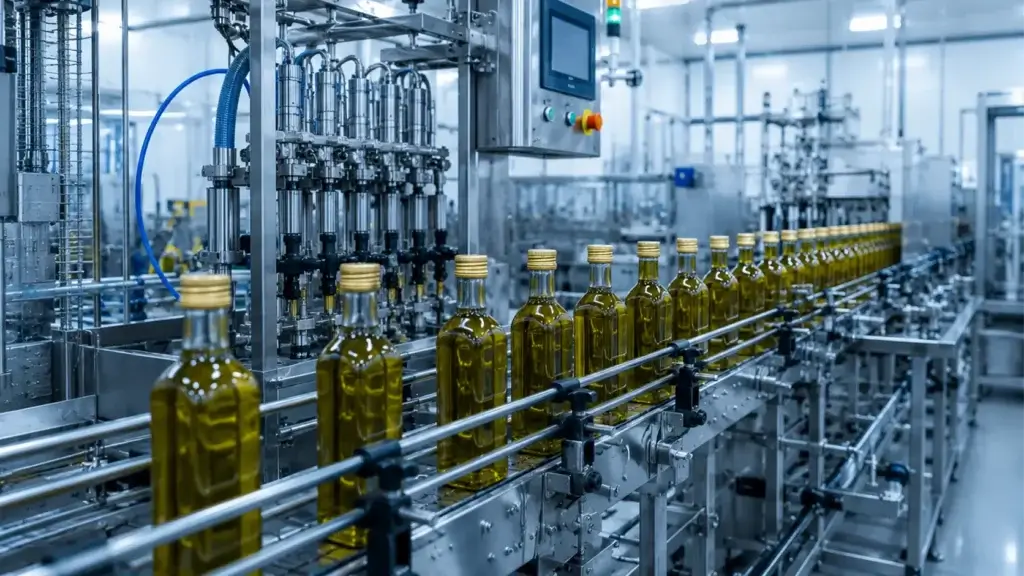
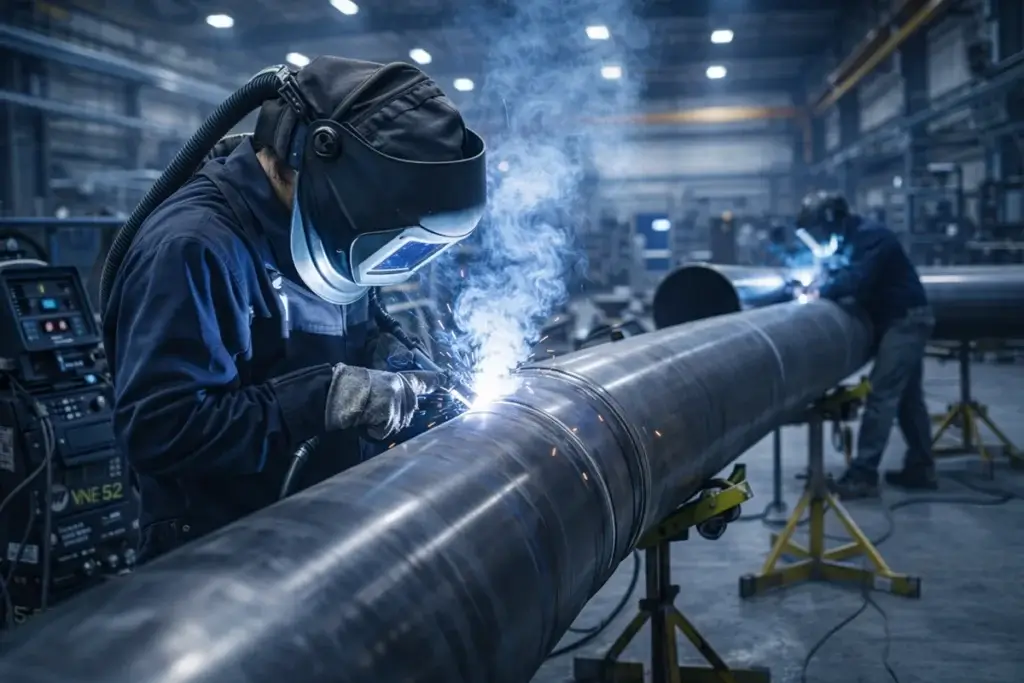
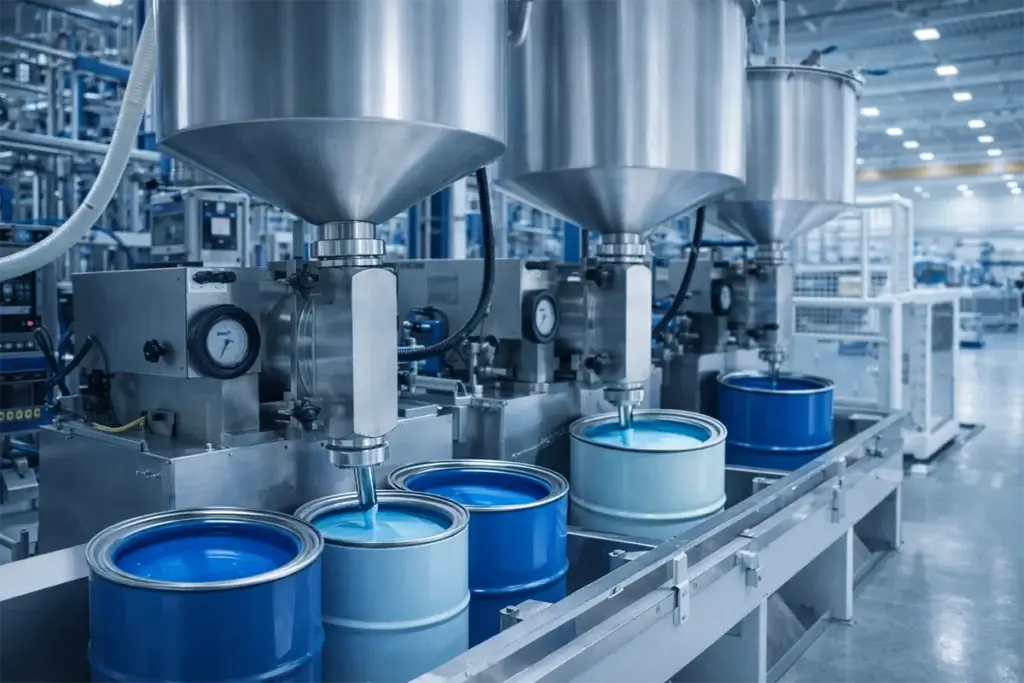
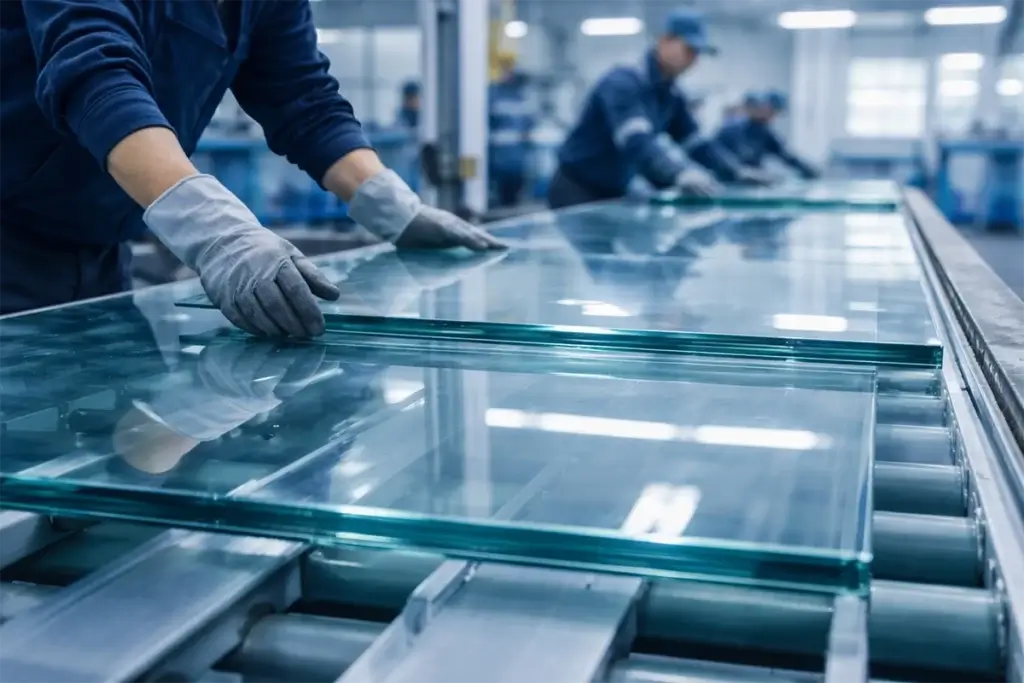
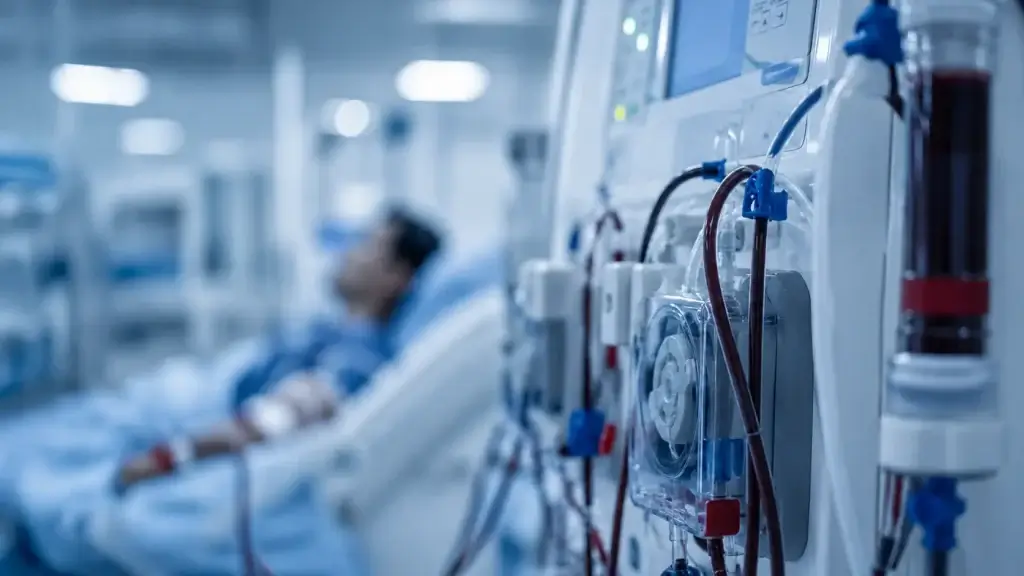
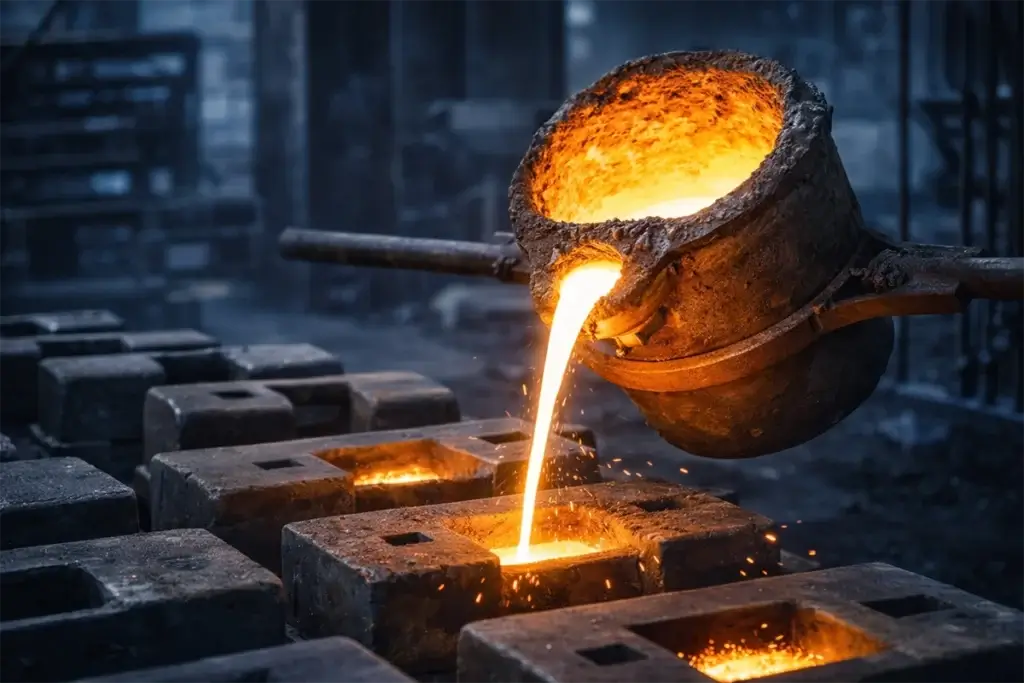
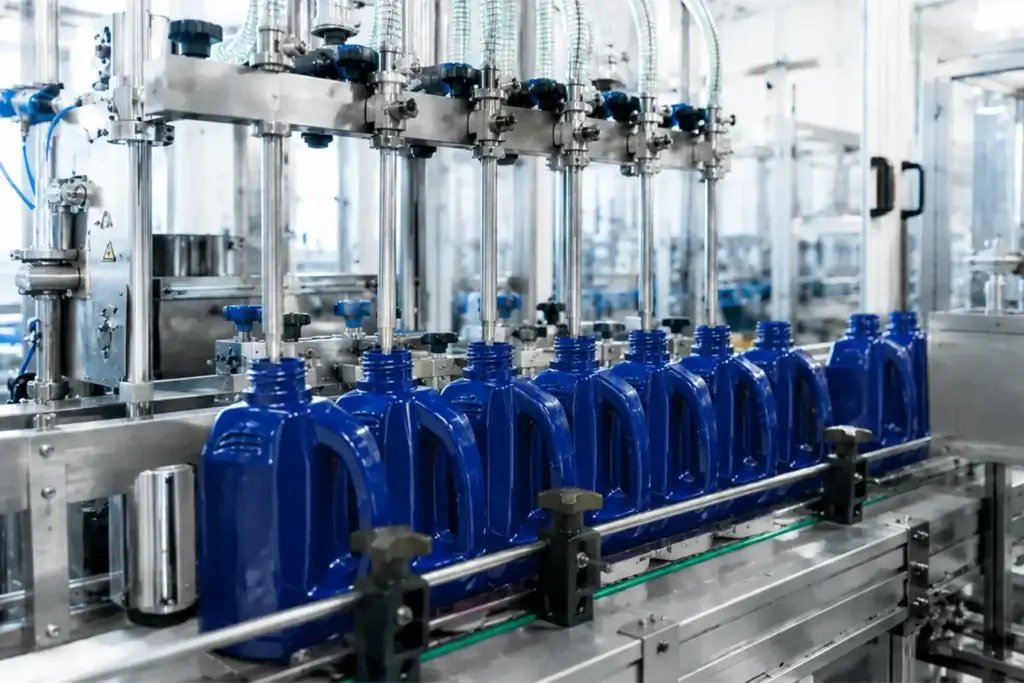
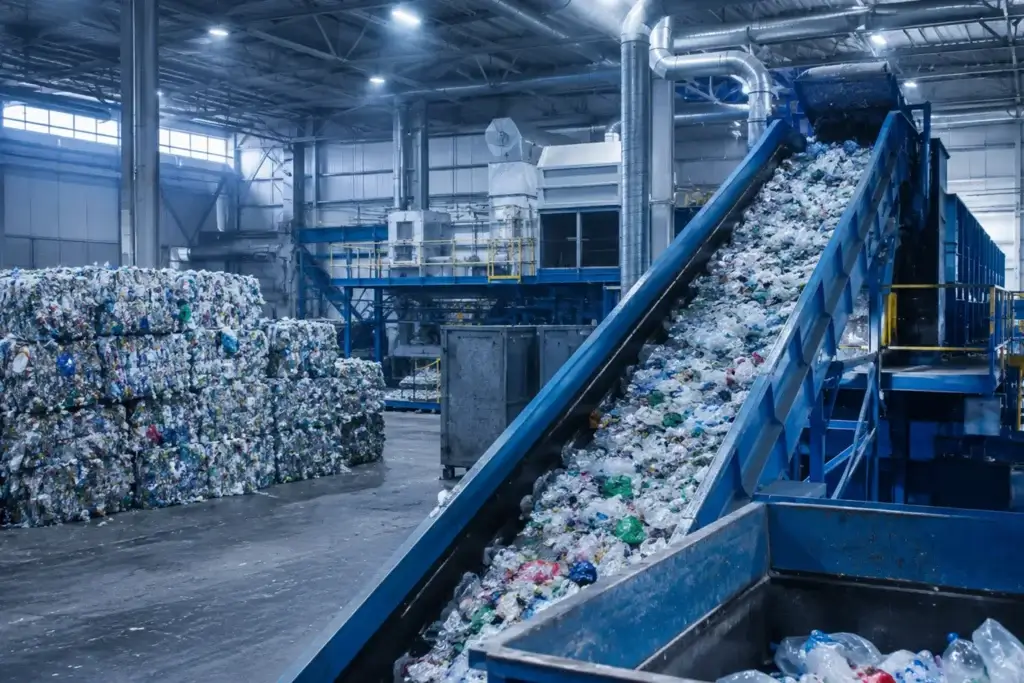
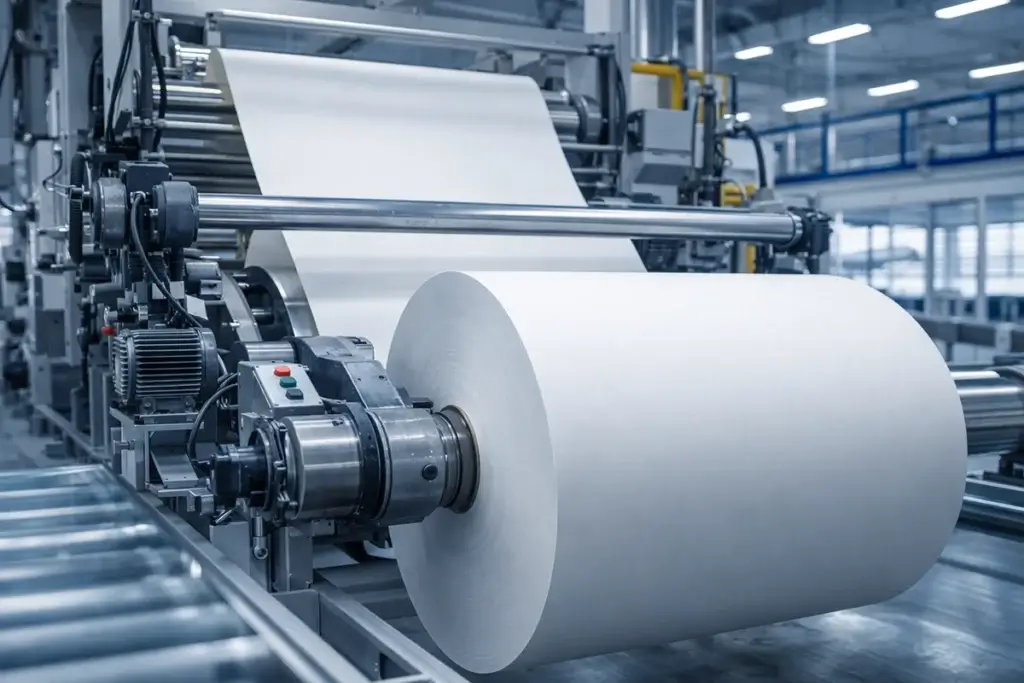
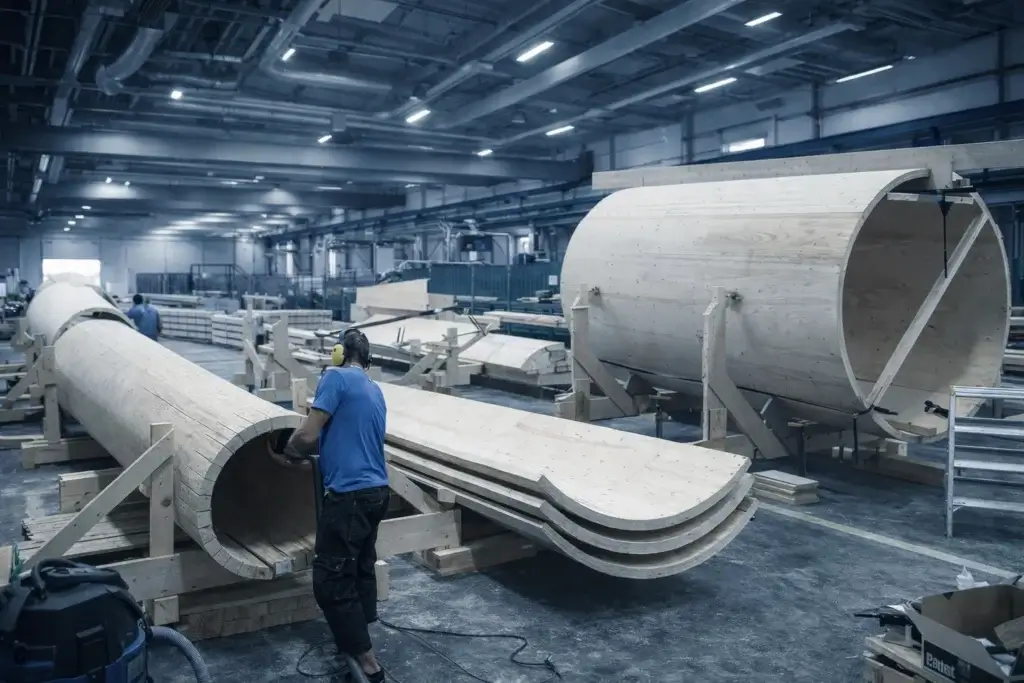
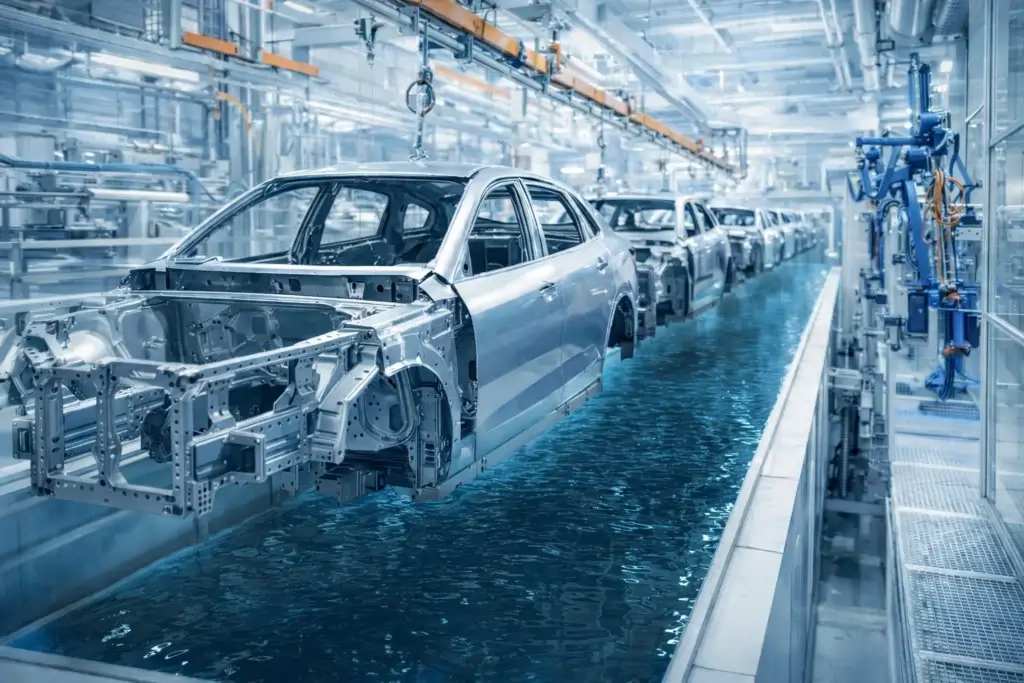
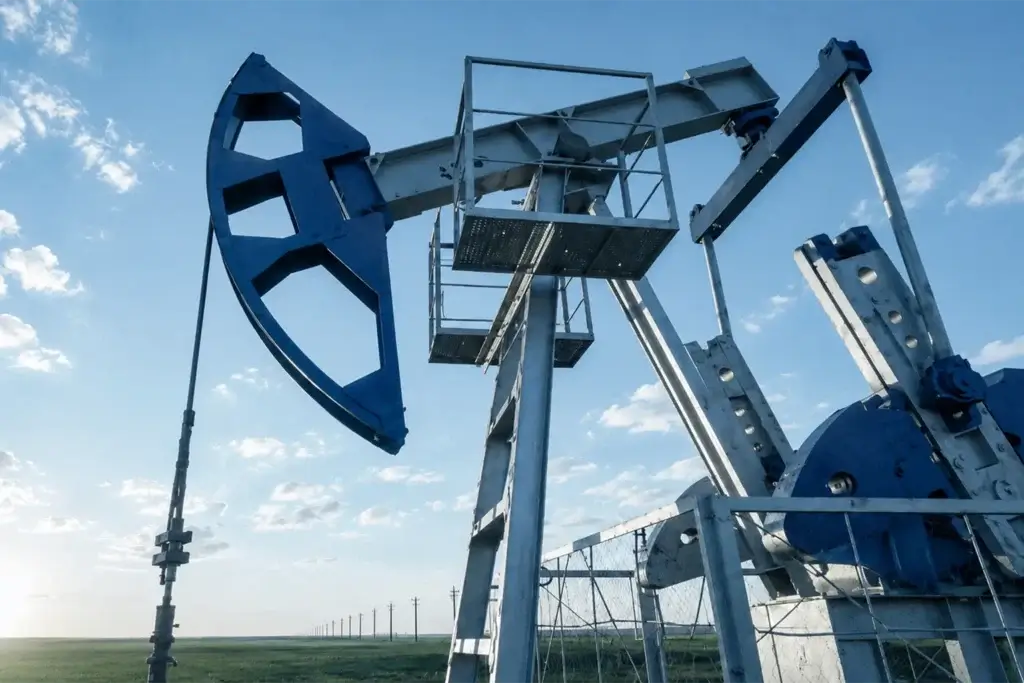
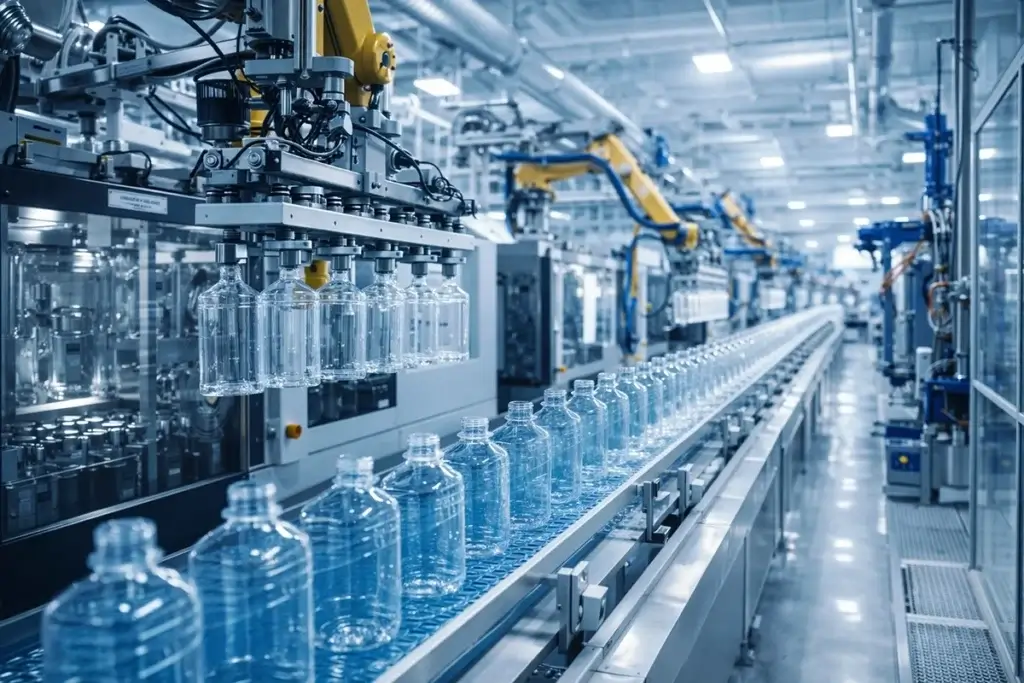
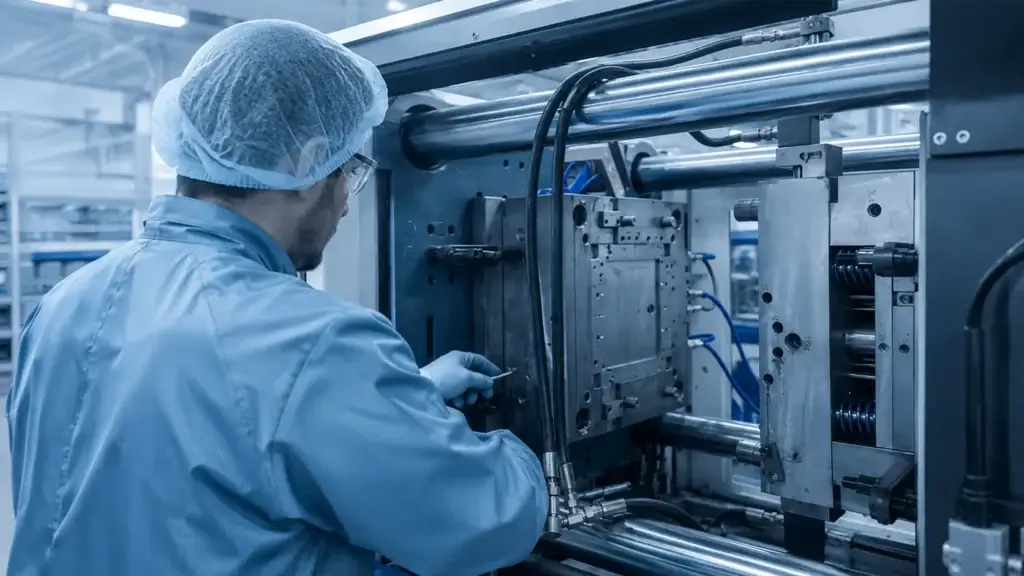
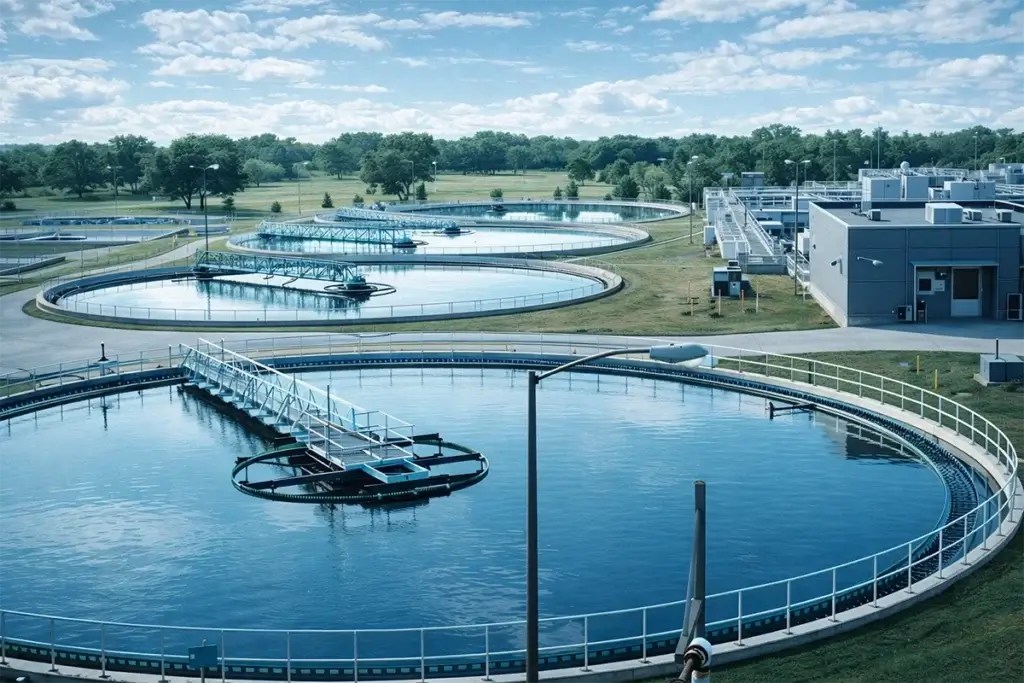
Vegetable Oil 01 Vegetable Oil Clarity, purity and shelf life in vegetable oil and refining. Explore solutions Pipe and Profile 02 Pipe and Profile Cooling water filtration in pipe and profile extrusion. Explore solutions Paint Industry 03 Paint Industry Surface quality and pigment filtration in the paint industry. Explore solutions Glass Industry 04 Glass Industry Furnace and process filtration in the glass industry. Explore solutions Dialysis Centers 05 Dialysis Centers Water preparation and process filtration in dialysis centers. Explore solutions Foundry Industry 06 Foundry Industry Equipment protection and dust filtration in foundries. Explore solutions Industrial Oil 07 Industrial Oil Filtration in industrial oil production and recovery. Explore solutions Energy and Biogas 08 Energy and Biogas Maximum efficiency and turbine protection in energy and biogas. Explore solutions Recycling 09 Recycling Filtration for efficiency and environmental compliance in recycling. Explore solutions Food and Beverage 10 Food and Beverage Hygienic filtration in food and beverage. Explore solutions Pharmaceuticals and Biotechnology 11 Pharmaceuticals and Biotechnology GMP-compliant sterile filtration in pharmaceuticals and biotechnology. Explore solutions Paper and Packaging 12 Paper and Packaging Process water filtration in paper and packaging. Explore solutions Chemical Industry 13 Chemical Industry Corrosion-resistant, safe filtration in the chemical industry. Explore solutions Cosmetics 14 Cosmetics Microbiological safety and precision filtration in cosmetics. Explore solutions Machinery 15 Machinery Precision and technical filtration in the machinery industry. Explore solutions Printing and Ink 16 Printing and Ink Flawless color and print quality in printing and ink. Explore solutions Metal and Surface Treatment 17 Metal and Surface Treatment Flawless surfaces and bath stability in metal and surface treatment. Explore solutions Forest Products 18 Forest Products Resin and glue filtration in forest products and furniture. Explore solutions Automotive 19 Automotive Precision process filtration for zero defects in automotive manufacturing. Explore solutions Oil and Petrochemicals 20 Oil and Petrochemicals Equipment protection and process safety in oil and petrochemicals. Explore solutions Plastic Packaging 21 Plastic Packaging Precision process filtration and raw material purity in plastic packaging. Explore solutions Plastic Injection Molding 22 Plastic Injection Molding Cooling and hydraulic filtration in plastic injection molding. Explore solutions Water and Environment 23 Water and Environment Recovery filtration in water and environmental technologies. Explore solutions Shipyards and Marine 24 Shipyards and Marine Operational safety and efficiency in shipyards and marine. Explore solutions




Engineer's Note

TECHNICAL ASSESSMENT BASED ON FIELD EXPERIENCE

Set the threshold from the clean ΔP; don't copy it from the catalogue

During commissioning, measure the clean filter ΔP at the design flow and record it. Set the threshold at two to three times this value, typically in the 0.3–0.5 bar range. Blindly entering the fixed catalogue value makes the filter flush constantly in an installation where the clean ΔP is already 0.25 bar.

Measure flushing pressure during flushing, not at idle

The failure we see most often: on a line said to have “2 bar”, the pressure drops to 1.2 bar the moment the drain valve opens, and the screen is not cleaned. Take the measurement during the cycle from the gauge at the filter inlet. If it is not enough, fit a pressure-sustaining valve at the outlet or add a booster to the flush line.

The drain line must flow freely

Do not submerge the drain outlet in a channel, do not route it through long runs with elbows, and never restrict it. Every 0.5 bar of back pressure in the drain line directly cancels the velocity difference needed for cleaning. The line cross-section must be equal to or larger than the drain valve diameter.

Cycle frequency is a diagnostic tool

Read the cycle counter on the panel weekly. If a filter that normally runs 1–10 cycles a day starts flushing several times an hour, one of three things has happened: source water contamination has increased, the screen is punctured or deformed, or an upstream piece of equipment (tower, tank, well) is causing problems. Here the filter is not the fault but the indicator.

Oil and biofilm do not come off with backwashing

Oily, gelatinous or biological contamination sticks to the screen openings, and reverse flow does not dislodge this cake. If ΔP stays somewhat higher after every flush and climbs over time, the wrong mechanism has been chosen. These fluids need a mechanical scraper type and a periodic chemical cleaning (CIP) plan.

The "3–10 times the pipe cross-section" rule for screen area

The effective screen area must be at least 3 times the inlet pipe cross-section; increase it to 8–10 times for fine micron ratings and high solids loads. Choosing only by connection diameter produces a filter that is right on paper but flushes constantly in the field.

Self-Cleaning Filter Selection Technical Checklist

To choose the right filter housing, the following parameters should be considered together. Sharing these twelve items in your quote request significantly shortens selection time and reduces the need for revisions.

Fluid Type and Viscosity
Water, glycol, emulsion, chemical or seawater; viscosity directly affects pressure loss and cleaning efficiency.
Flow Rate (m³/h)
Give the average and maximum values separately; selection is based on the maximum.
Contamination Load (TSS, mg/L)
High suspended solids shift the type choice from suction scanner to scraper and increase the drain valve size.
Nature of Contamination
Sand and minerals, fibres, or oily and gelatinous matter? This is the real deciding factor in choosing the mechanism.
Filtration Rating (µm)
2–3,000 µm depending on the equipment protected; confirm against the reasons in the micron table.
Inlet Pressure (bar)
Minimum and maximum operating pressure; the minimum 2 bar requirement for flushing is checked separately.
Temperature (°C)
The maximum fluid temperature determines the gasket and body material.
Connection Type and Size
Threaded (BSPP / NPT) or flanged (DN50–DN300, PN10/PN16 or ANSI 150#).
Body and Screen Material
316L if chlorides, salt or acid are present; duplex or rubber lining for seawater; epoxy-coated carbon steel is sufficient for neutral water.
Control and Automation
ΔP switch or transmitter; is PLC/SCADA communication (dry contact, 4–20 mA, Modbus) required?
Drain Infrastructure
Is there a free-flowing drain, how much back pressure is there, and will the waste water be recovered?

Points to Watch During Use

Automatic cleaning does not mean maintenance-free operation. Most failures in the field come from neglecting the following eight points:

Open the Body Once or Twice a Year
Check the screen surface for holes, deformation and permanent clogging; verify the gap between the scraper blade and the screen against the manufacturer's tolerance.
Calibrate the ΔP Sensor
Calibrate the differential pressure switch or transmitter once a year. A drifting sensor makes the filter either never flush or flush continuously.
Keep the Drain Line Clear
Visually inspect the drain outlet periodically. Partial blockage is the most common reason for a silent fall in cleaning efficiency.
Keep a Cycle Log
Record the daily cycle count, ΔP values and alarms in the operating log. The trend shows a fault before it happens.
Bleed Air at Commissioning
Air in the body must be bled at first start-up; an air pocket both reduces the filtration area and distorts the ΔP reading.
Winterise
In outdoor installations, protect the body, drain line and ΔP impulse lines against freezing (insulation, heat-trace cable or glycol).
Keep Critical Spares in Stock
Scraper blade or brush, O-ring and gasket set, drain valve actuator and ΔP sensor are long-lead-time items.

Products that work with this product

Filters that fit this housing, alternative housing options and the parts needed for connection.
This product
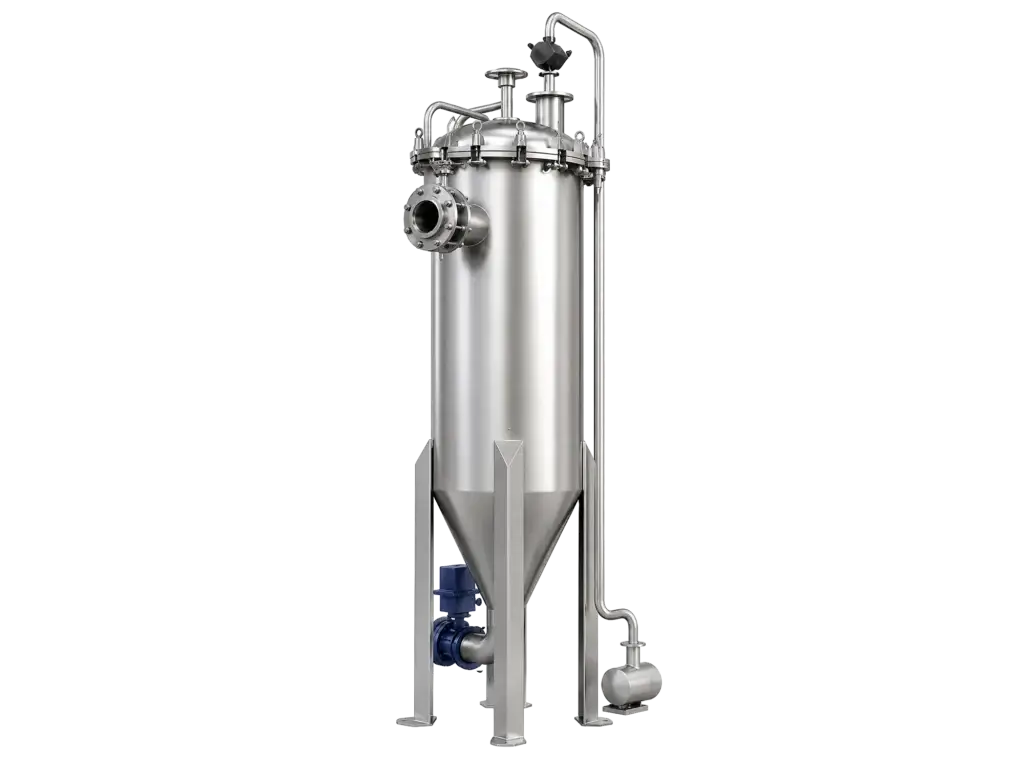
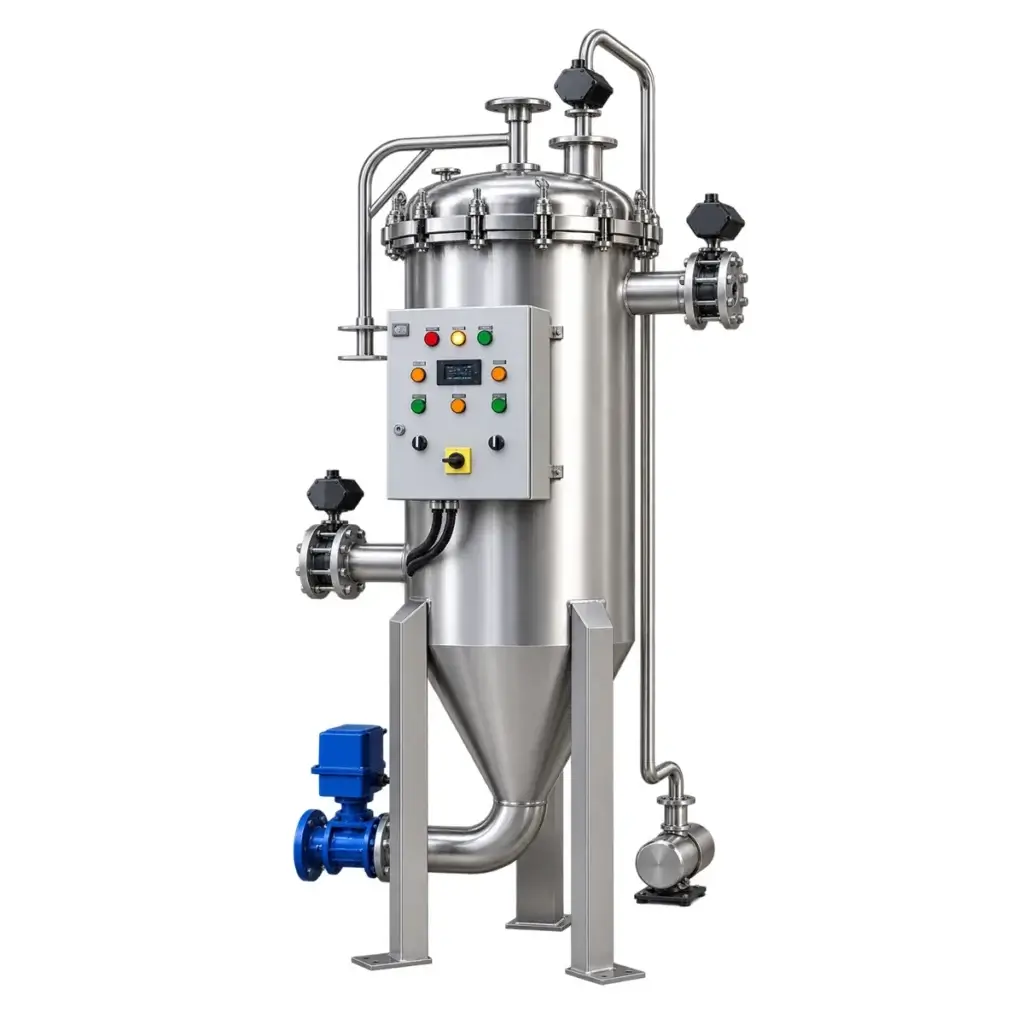
Automatic self-cleaning filter housing with electrical control panel, pneumatic valve and conical chamber

Self-Cleaning Filter Housing

Filter Housings
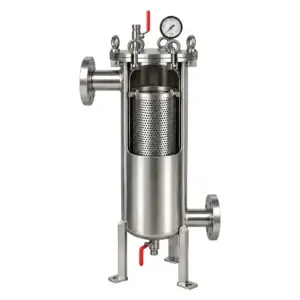
Stainless steel basket filter housing in cross-section, with perforated basket inside, pressure gauge and flanged inlet and outlet

Basket Filter Housing

Stainless housing with a washable basket and no consumables.

View →
Alternative solution
Request everything in one quote: let’s size the product, housing and connection parts together.

Your Questions Answered

Frequently Asked Questions

At Prosestim, we are committed to answering your questions and providing technical support for our filtration solutions.

It depends on the contamination level; it works by measurement, not by the calendar. A typical installation runs 1–10 automatic cycles per day. A cycle is triggered when the differential pressure threshold (0.3–0.5 bar) is exceeded; a timed periodic cycle can also be set as a safeguard. A sudden increase in frequency points to a problem with the source water or with upstream equipment, not with the filter.
It is not a consumable, but it does not last forever either. Stainless steel screens typically last 5–10 years and microfiber elements 2–5 years. The element is replaced if it is punctured, deformed, permanently clogged, or if ΔP does not return to its initial value after flushing.
Depending on housing size and type, 15–300 litres per cycle, or roughly 1–3% of the total filtered flow. In suction-scanner types the ratio is lower, because only a small part of the surface is cleaned at a time. Losses can be reduced further by routing the flush water to a settling basin or recovery line.
What detaches the cake from the screen surface is not pressure but the velocity difference created when the drain valve opens. This velocity comes from the pressure difference between the filter inlet and the drain open to atmosphere. If the inlet pressure falls below 2 bar, the required velocity is not reached, and the screen is not cleaned even if it appears to have been flushed. The measurement must always be taken during flushing.
Yes. For pump and mechanical seal protection, 50–100 micron filtration is a common and adequate choice. For sensitive equipment such as nozzles and plate heat exchangers, 10–25 microns is preferred, and 2–5 microns for membrane pre-filtration.
Yes, but material selection is critical. 316L is borderline; in warm, stagnant seawater it carries a risk of pitting and crevice corrosion. For continuous seawater service, duplex, super duplex (904L, 254 SMO) or rubber-lined carbon steel housings are preferred. Bolt and gasket materials must be chosen with the same care.
In systems with mechanical scrapers the motor stops, but filtration continues; if ΔP rises, the housing can be drained manually. At sites with frequent outages, hydraulically driven models or a UPS-powered control panel are considered. On critical lines, a bypass line and a high-ΔP alarm should be planned as standard.
Yes. Configurations for hygienic applications are produced with a 316L body, food-grade gaskets (silicone or EPDM) and an electropolished inner surface. In hygienic applications, dead volume, drain slope and whether the CIP solution can reach the entire surface must also be assessed.
The standard design is vertical, with the drain valve at the bottom; the detached cake falls into the drain by gravity. Horizontal installation makes cake discharge harder and therefore requires the manufacturer’s approval. Clearance must also be left above the housing so that the screen cylinder can be pulled out upward.
As a rough threshold: when cartridges or bags need changing several times a month, when the line cannot be stopped, or when changing them is a safety risk. Compare the difference in investment with the combined annual cost of consumables, labour and downtime. On low-flow lines that foul infrequently and can be stopped, a bag filter is still more economical.
Check four things in order: the inlet pressure during flushing (the 2 bar requirement), back pressure or blockage in the drain line, the scraper-to-screen gap, and the nature of the contamination. A permanent rise in ΔP usually means sticky cake (oil, biofilm) or fine particles embedded in the screen openings; in that case, chemical cleaning or a change of mechanism type should be considered.
Look at the equipment being protected, not at the fluid. Typical values are 50–100 µm for pump protection, 25–100 µm for heat exchangers, 25–50 µm for spray nozzles and 2–25 µm for membrane pre-filtration. Choosing a finer rating than necessary comes back as constant flushing and high water consumption.
Yes. Standard control panels provide a dry-contact alarm output, a cycle counter and an external trigger input. With a 4–20 mA ΔP transmitter or Modbus RTU, differential pressure, cycle frequency and fault status can be monitored from a central system; the same data is also used to track source water quality trends.
Fast Quote & WhatsApp Consultation

Self-Cleaning Filter Housing RFQ Configurator

Configure your variation dimensions and technical specifications to receive an instant quote directly on WhatsApp and via email.

1 Select Variation Type
2 Dimensional & Technical Specifications
Cartridge Length:
10 Inch
20 Inch
30 Inch
40 Inch
Number of Cartridges:
Multiple
Production Type:
Custom
3 Required Quantity
QUICK QUOTE FORM

Self-Cleaning Filter Housing

Variation Type: Self Cleaning Cartridge Filter Housing
Cartridge Length: 10 Inch
Number of Cartridges: Multiple
Production Type: Custom
Request Quantity: 10 Units
ISO 9001:2015 Certified Production
Reply from Our Technical Team
Delivery Across Türkiye and Export

Accounting

Billing Details

Copy our registered company name, tax and e-invoice details with one click using the button on each row.

Invoice name (registered company name)

PROSES TİCARET, İMALAT, MÜHENDİSLİK ENDÜSTRİYEL MADDE VE MALZEME İMALATI İNŞAAT VE SANAYİ LİMİTED ŞİRKETİ

Billing address

Musa Gündüz Cad. No:14 Taşköprü – Çiftlikköy – YALOVA, TÜRKİYE

E-invoice / e-archive email address

Tax office

Yalova Tax Office (Yalova V.D.)

Tax ID number

7330379514

MERSIS number

0733037951400013

Please send BA/BS forms, current account reconciliations and any other emails for our Finance and Administrative Affairs Department to [email protected].

Invoice name (registered company name): PROSES TİCARET, İMALAT, MÜHENDİSLİK ENDÜSTRİYEL MADDE VE MALZEME İMALATI İNŞAAT VE SANAYİ LİMİTED ŞİRKETİ Billing address: Musa Gündüz Cad. No:14 Taşköprü – Çiftlikköy – YALOVA, TÜRKİYE E-invoice / e-archive email address: [email protected] Tax office: Yalova Tax Office (Yalova V.D.) Tax ID number: 7330379514 MERSIS number: 0733037951400013