Multifilament Polyester Bag Filter
An Economical Solution for General-Purpose Coarse Liquid Filtration, 75–1500 µm
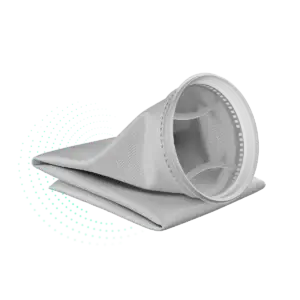
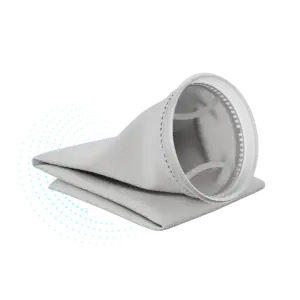
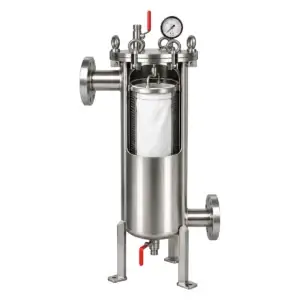
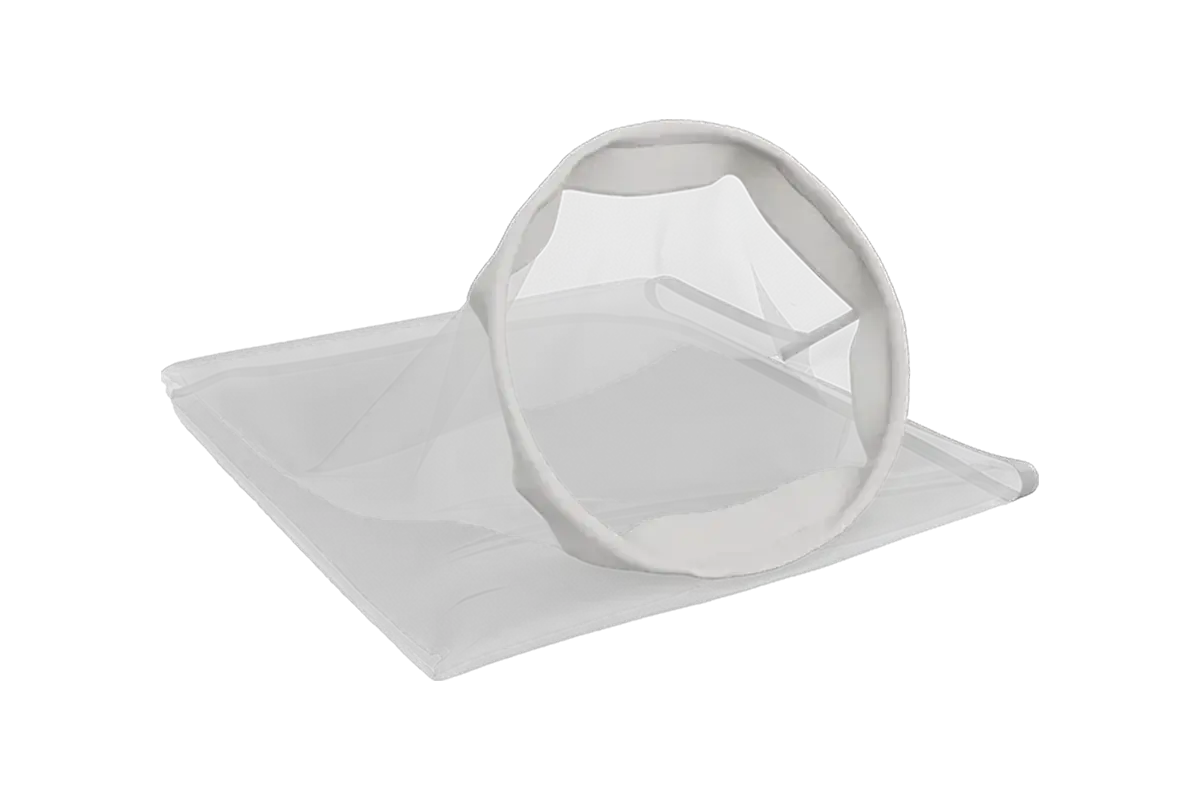
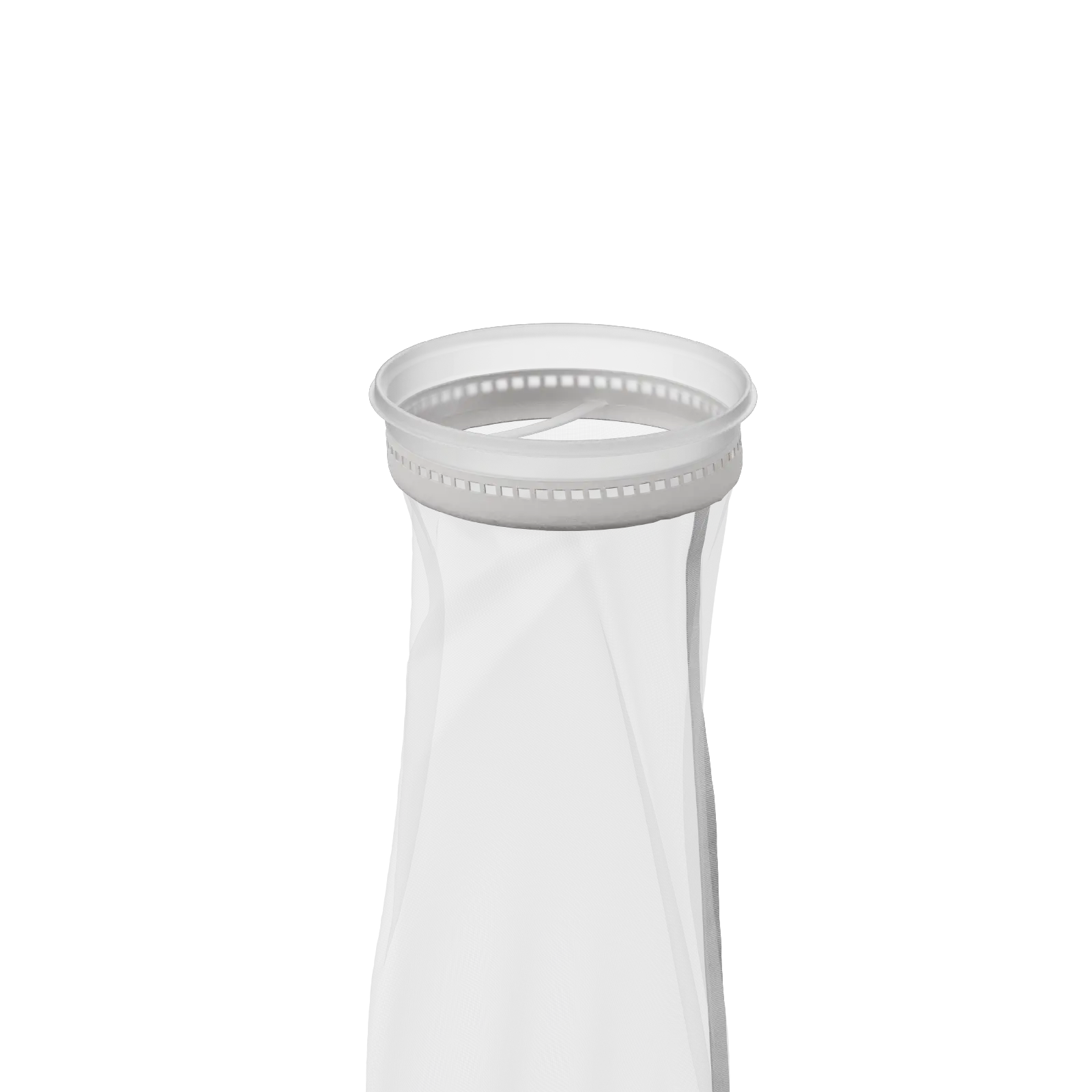
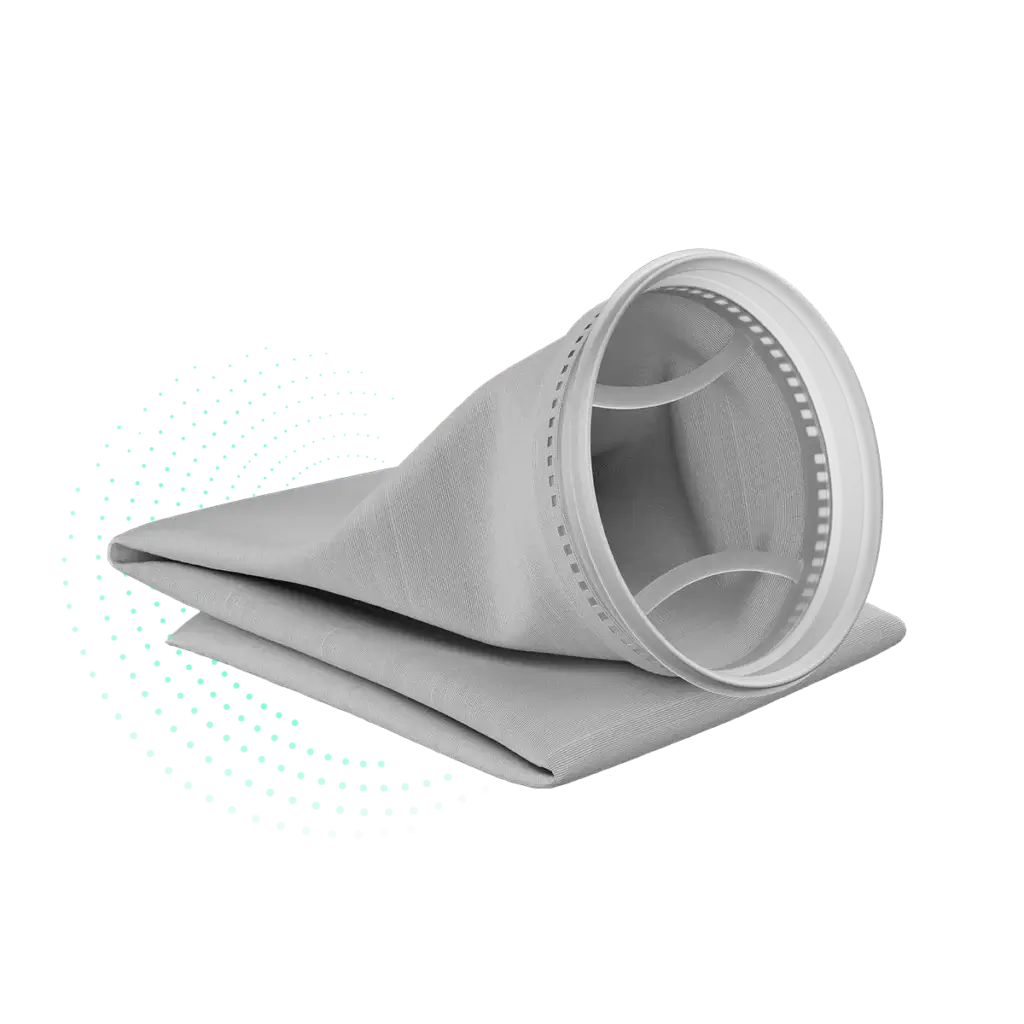
The multifilament polyester bag filter is a woven bag filter designed to capture coarse and medium-sized particles in liquid process lines.
100% Multifilament Polyester
75–1500 µm
135 °C
Surface Filtration
What Is a Multifilament Polyester Bag Filter?
Multifilament polyester bag filters are a woven liquid filtration medium made by processing polyester yarn, formed by twisting several fine filaments, on precision looms. Unlike the uniform single-fibre geometry of a monofilament weave,
in a multifilament structure each yarn consists of several fine filaments; this gives a softer pore profile and higher dirt-holding capacity. It works on the surface filtration principle; particles are retained on the woven surface and in the spaces between the filaments.
The most notable advantage of multifilament polyester bag filters is their lower cost compared with monofilament alternatives. They offer a wide micron range of 75–1500 µm and are an economical, practical solution in general industrial processes where coarse filtration is sufficient. Because the pore geometry is less regular than monofilament, monofilament or felt bag filters should be chosen for critical applications that require an exact micron cut-off.
Product Identity and Technical Summary
Multifilament polyester (PEMU) bag filters are made by weaving food-contact-compliant, silicone-free polyester raw material. They are available in ratings from 75 µm to 1500 µm and withstand up to 135 °C. They provide nominal-rated surface filtration and are available in stitched or ultrasonically welded versions.
Key Technical and Structural Features
- Material
- 100% Multifilament Polyester Filter Fabric
- Micron Rating
- 75 · 100 · 150 · 200 µm
- 250 · 300 · 400 · 600 µm
- 800 · 1000 · 1200 · 1500 µm
- Filtration Type
- Surface filtration (nominal filtration)
- Max. Operating Temperature
- 135 °C (275 °F)
- Recommended Change-Out Pressure
- 2–2.5 bar
- Food Compatibility
- Suitable for food contact
- Seam Construction
- Industrially Stitched
- Ultrasonically Welded
- Reuse
- Limited; washing efficiency is lower than with a monofilament woven surface.
Advantages of the Multifilament Polyester Bag Filter
With their high dirt-holding volume and cost advantage, multifilament polyester bags provide efficient use on general liquid filtration lines.
- Cost-Effective
- A clear cost advantage over monofilament alternatives; low operating costs in applications that require coarse filtration.
- Wide Micron Range
- Wide micron options from 75 µm to 1500 µm, adaptable to different coarse filtration needs.
- High Dirt-Holding Capacity
- The spaces between the filaments of the multifilament structure provide higher dirt-holding capacity than monofilament.
- Food Compatibility
- Food-contact-compliant silicone-free construction; can be used safely on food, beverage and sensitive process lines.
- Wide Chemical Compatibility
- A polyester construction compatible with solvents, water-based liquids and general chemicals; a wide range of industrial applications.
- Low Pressure Drop
- The open-pore woven surface gives a low pressure drop at high flow rates.
Collar Types and Adapters

PP Ring (Plastic Ring)
Polypropylene ring, stitched or welded. Used where full chemical resistance is required.
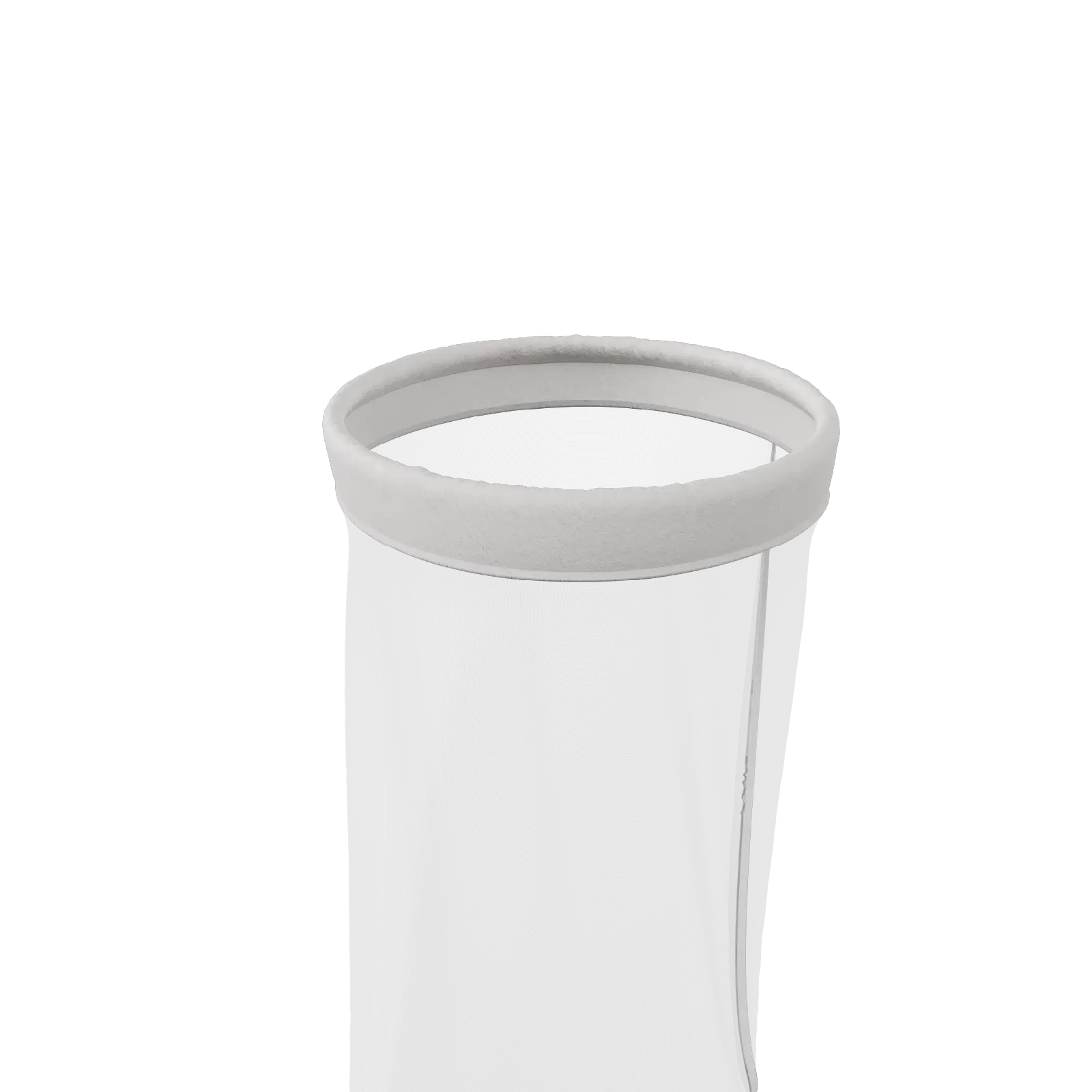
Snap Ring (Steel Ring)
Galvanised or stainless steel ring. The most widely used, economical standard collar.
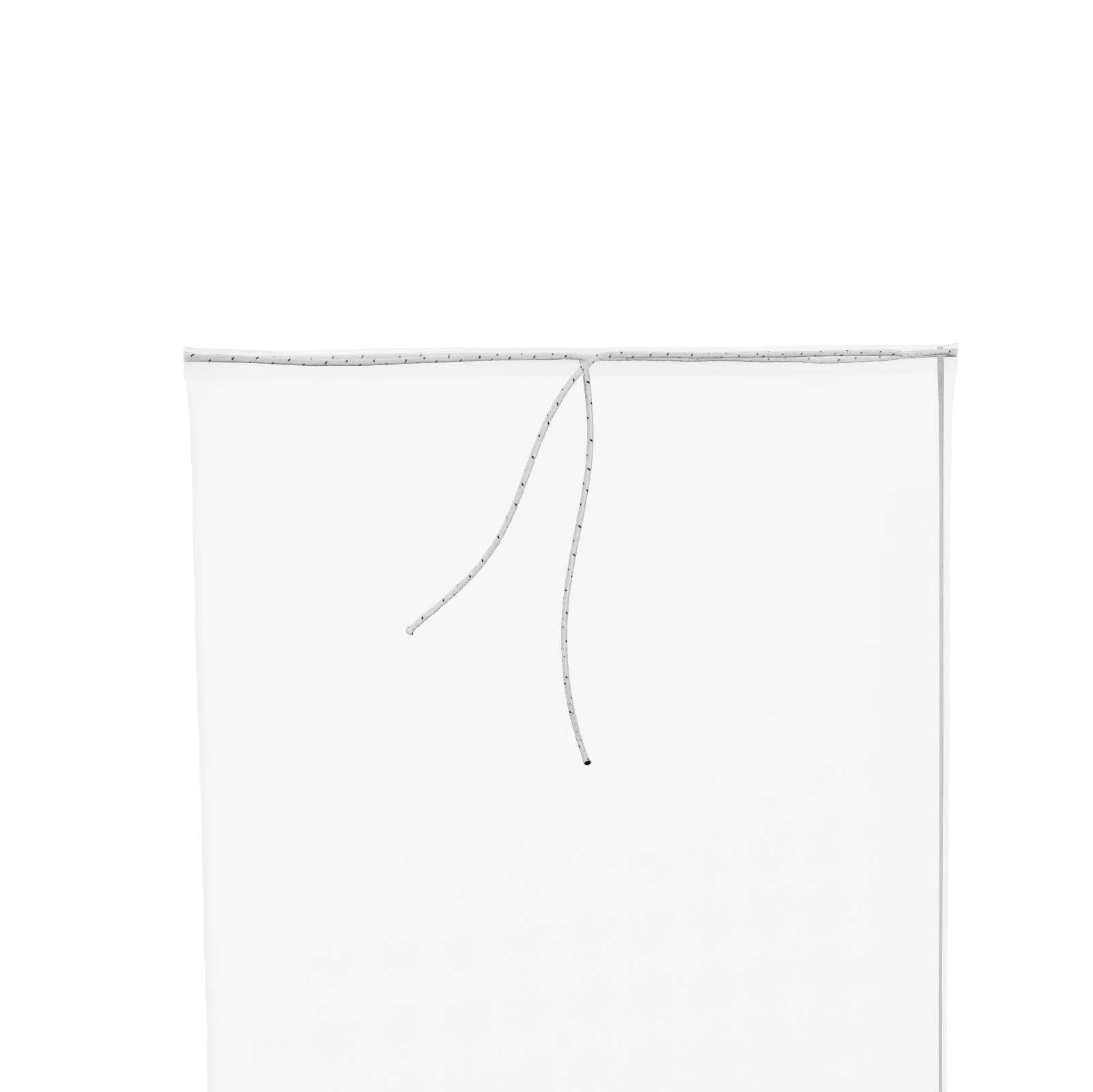
Drawstring
Can be tied manually to any pipe outlet or special hanger with the drawstring.
Industry Applications
Bag filters suited to different process needs are used across a wide range of industrial applications to protect product quality, protect equipment and support production continuity.
01
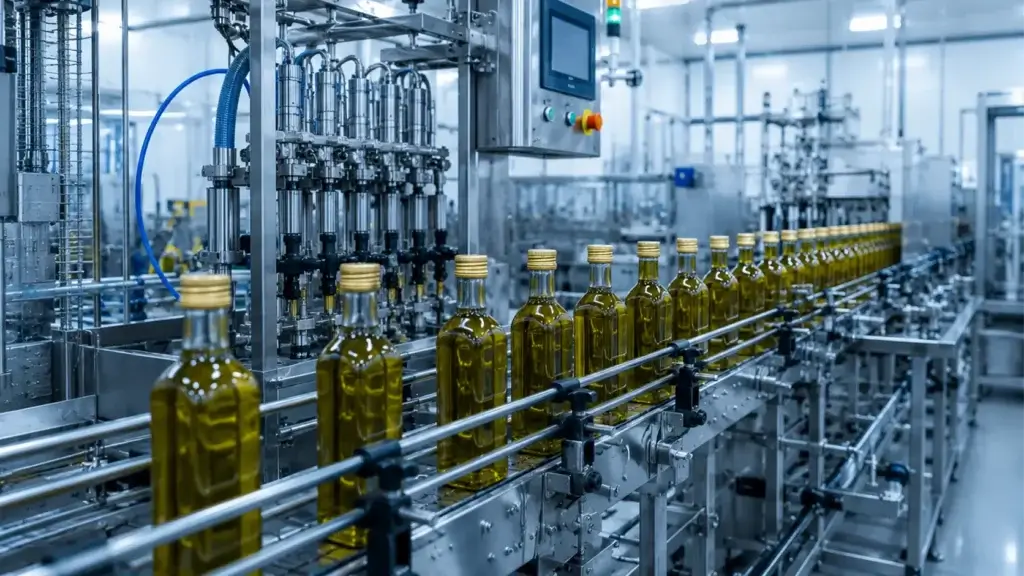
Vegetable Oil
Vegetable Oil
Clarity, purity and shelf life in vegetable oil and refining.
Explore solutions
02
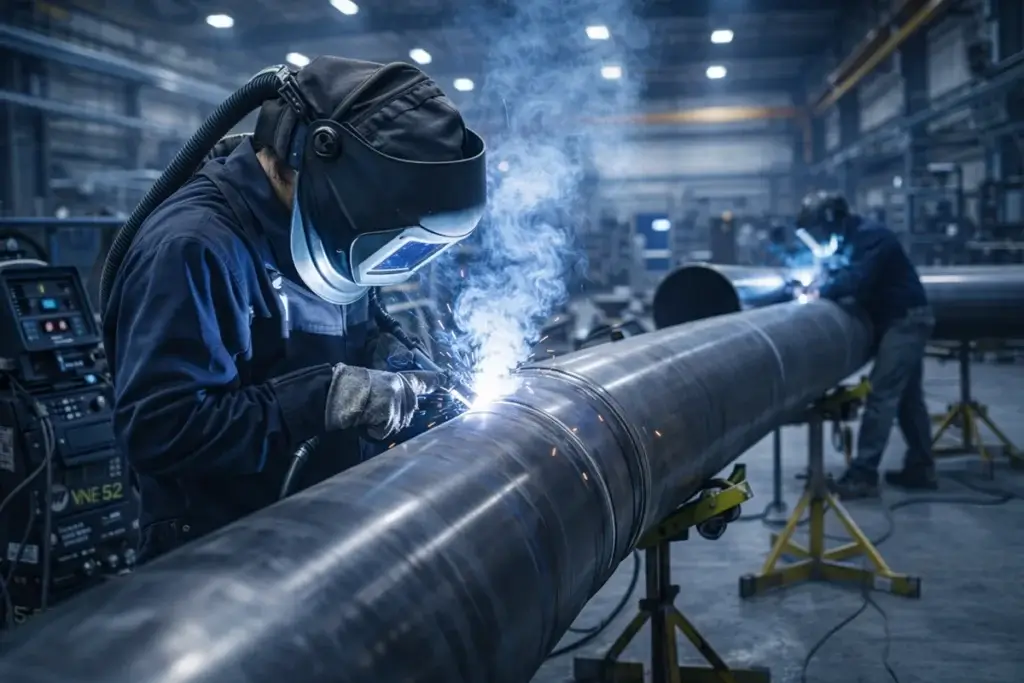
Pipe and Profile
Pipe and Profile
Cooling water filtration in pipe and profile extrusion.
Explore solutions
03
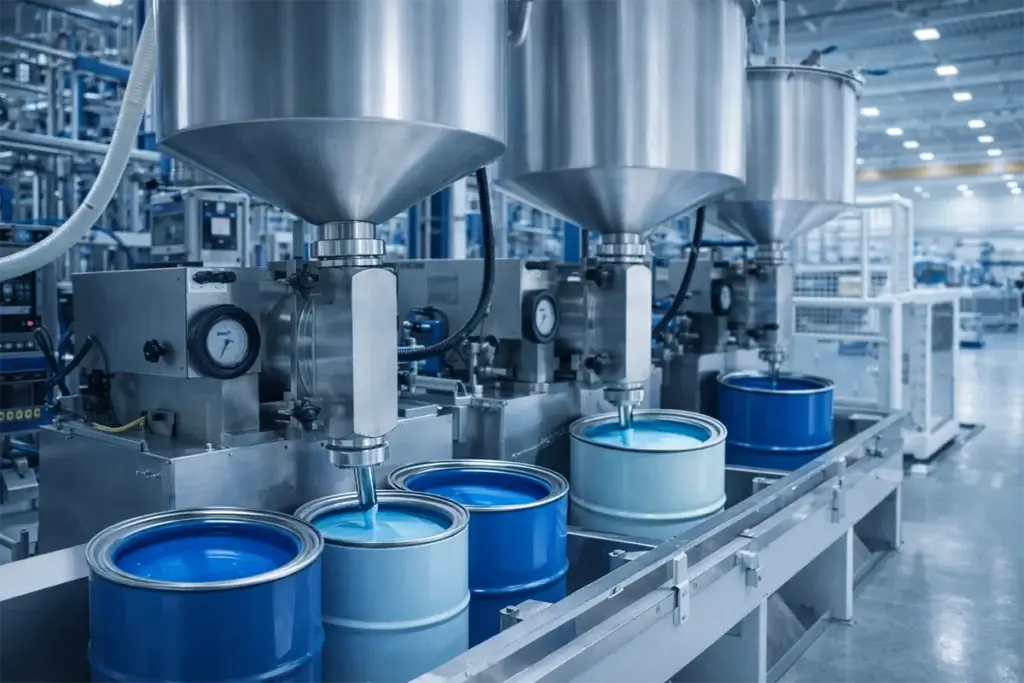
Paint Industry
Paint Industry
Surface quality and pigment filtration in the paint industry.
Explore solutions
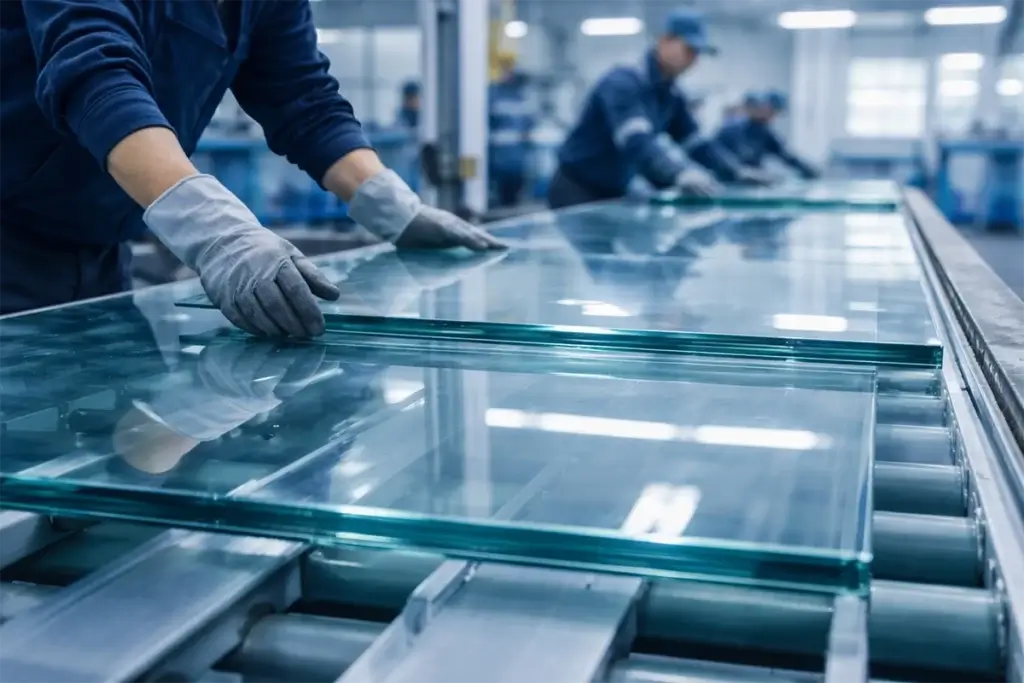
04
Glass Industry
Glass Industry
Furnace and process filtration in the glass industry.
Explore solutions

05
Dialysis Centers
Dialysis Centers
Water preparation and process filtration in dialysis centers.
Explore solutions

06
Foundry Industry
Foundry Industry
Equipment protection and dust filtration in foundries.
Explore solutions
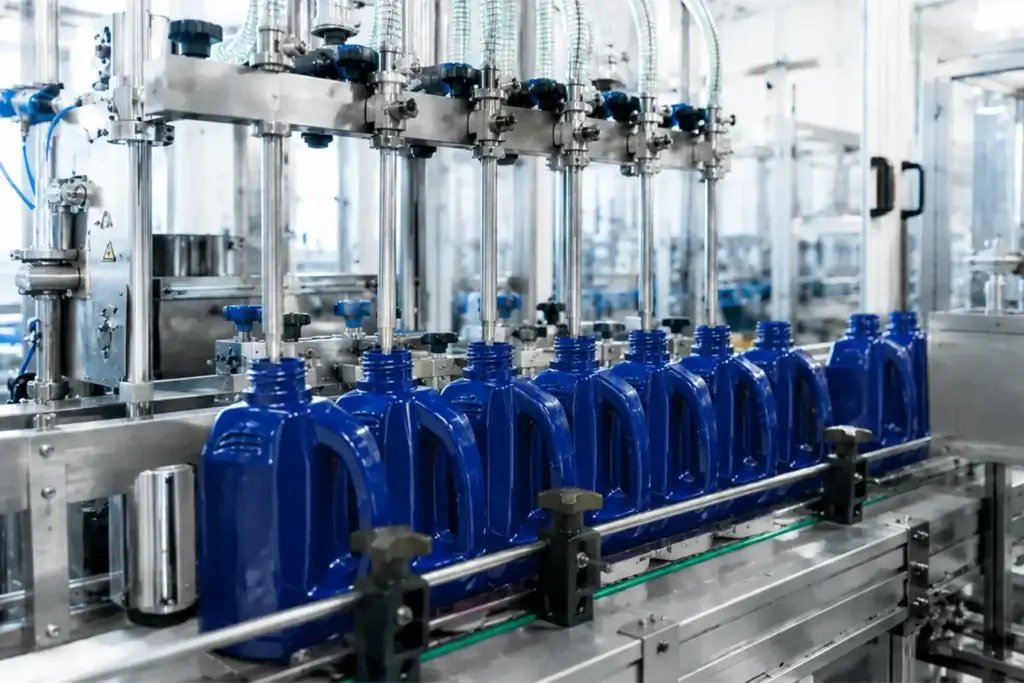
07
Industrial Oil
Industrial Oil
Filtration in industrial oil production and recovery.
Explore solutions

08
Energy and Biogas
Energy and Biogas
Maximum efficiency and turbine protection in energy and biogas.
Explore solutions
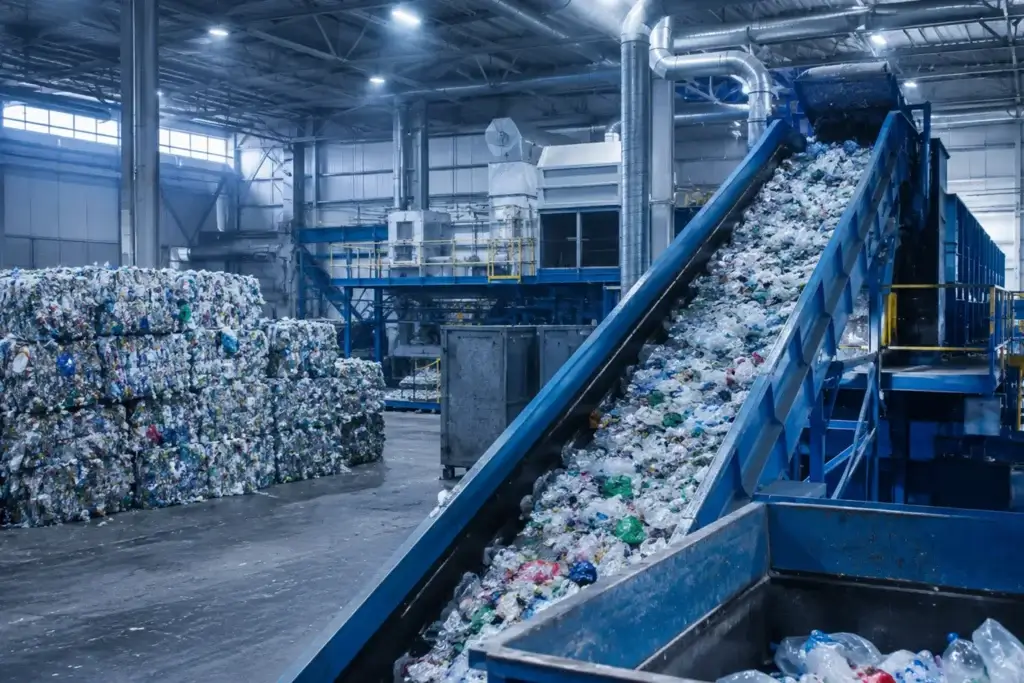
09
Recycling
Recycling
Filtration for efficiency and environmental compliance in recycling.
Explore solutions

10
Food and Beverage
Food and Beverage
Hygienic filtration in food and beverage.
Explore solutions

11
Pharmaceuticals and Biotechnology
GMP-compliant sterile filtration in pharmaceuticals and biotechnology.
Explore solutions
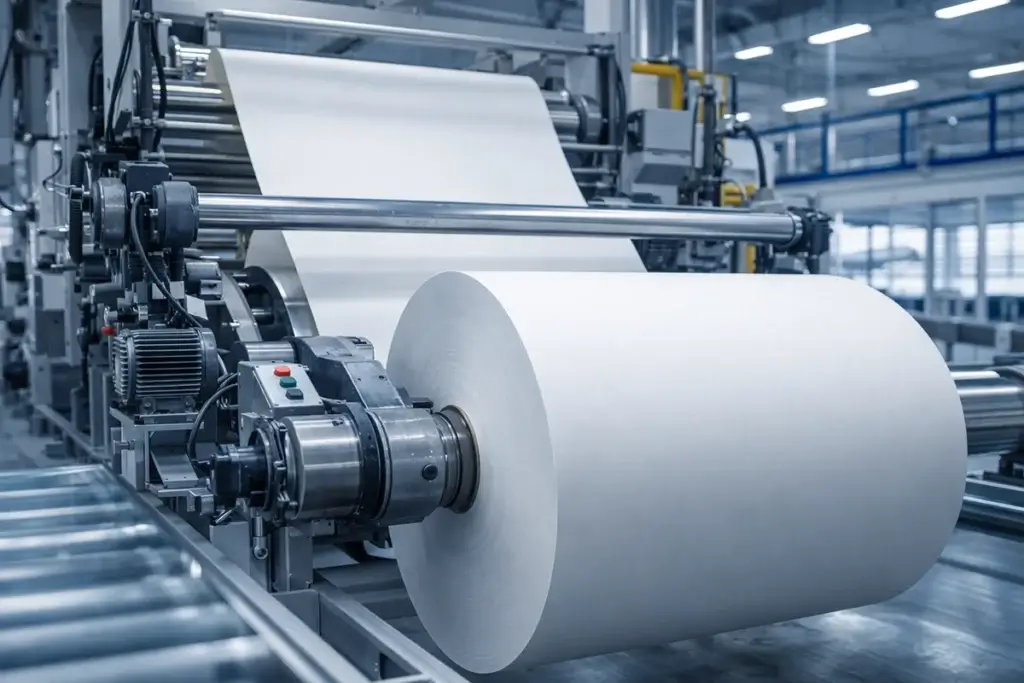
12
Paper and Packaging
Paper and Packaging
Process water filtration in paper and packaging.
Explore solutions

13
Chemical Industry
Chemical Industry
Corrosion-resistant, safe filtration in the chemical industry.
Explore solutions
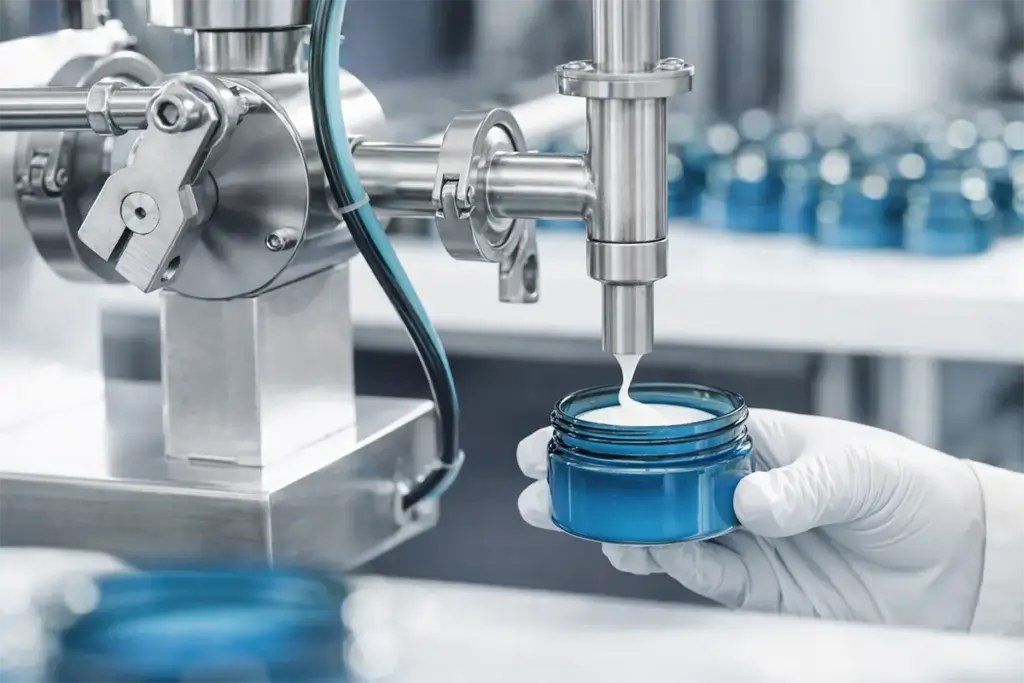
14
Cosmetics
Cosmetics
Microbiological safety and precision filtration in cosmetics.
Explore solutions
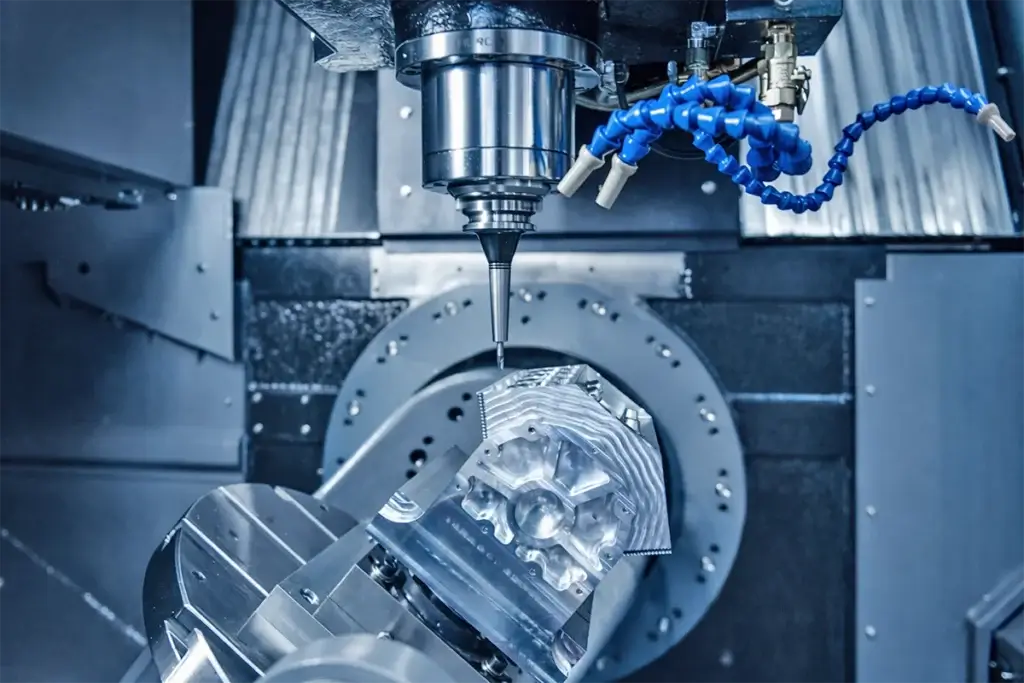
15
Machinery
Machinery
Precision and technical filtration in the machinery industry.
Explore solutions
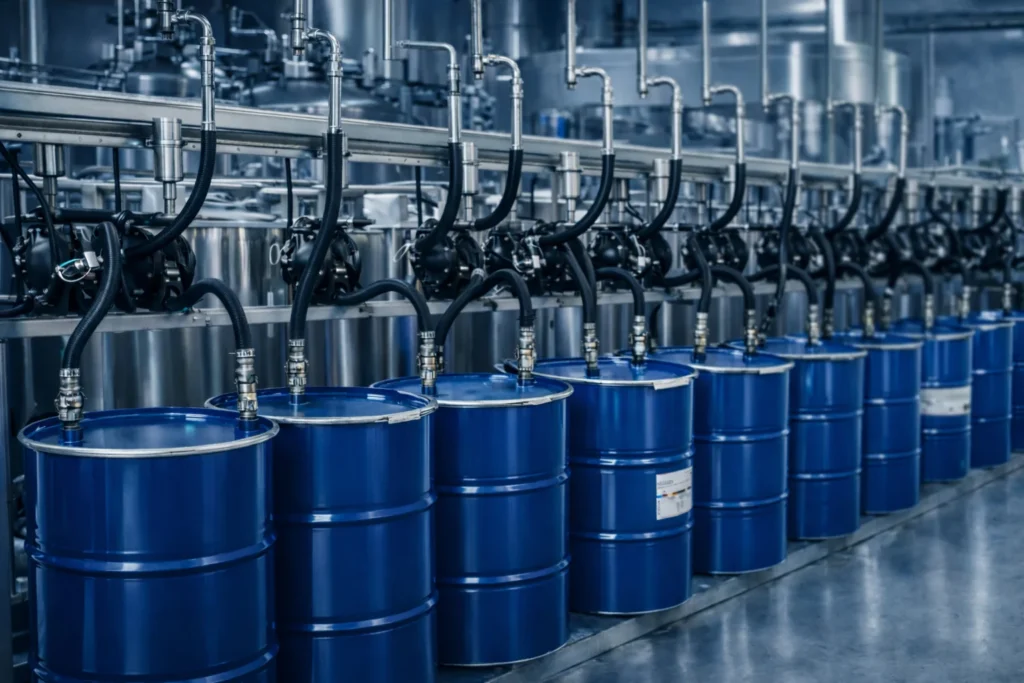
16
Printing and Ink
Printing and Ink
Flawless color and print quality in printing and ink.
Explore solutions

17
Metal and Surface Treatment
Flawless surfaces and bath stability in metal and surface treatment.
Explore solutions
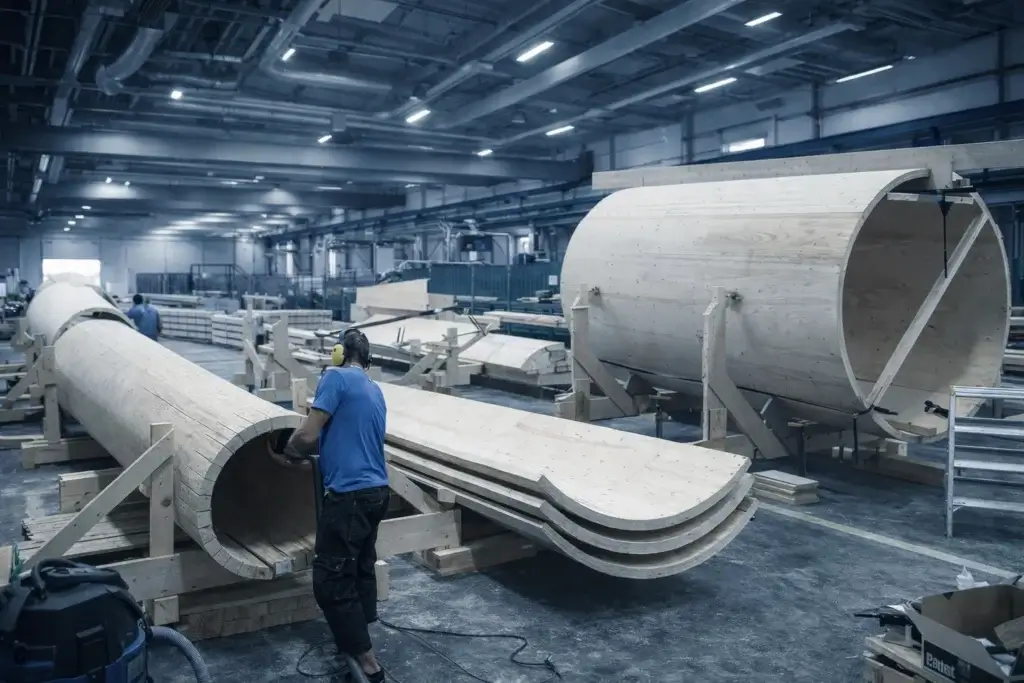
18
Forest Products
Forest Products
Resin and glue filtration in forest products and furniture.
Explore solutions

19
Automotive
Automotive
Precision process filtration for zero defects in automotive manufacturing.
Explore solutions
20
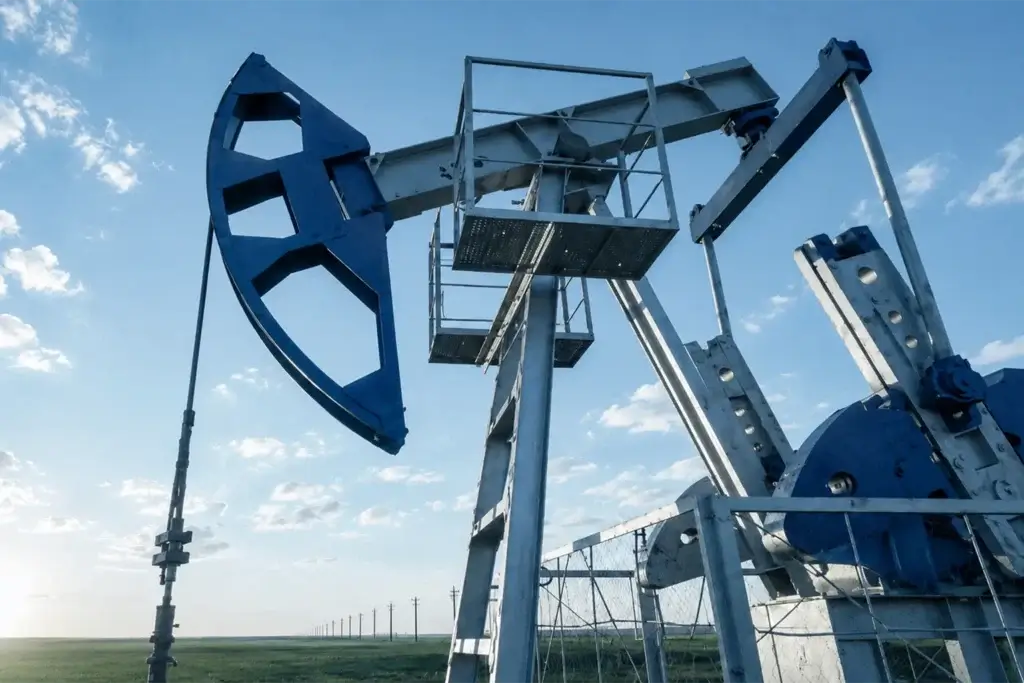
Oil and Petrochemicals
Equipment protection and process safety in oil and petrochemicals.
Explore solutions
21
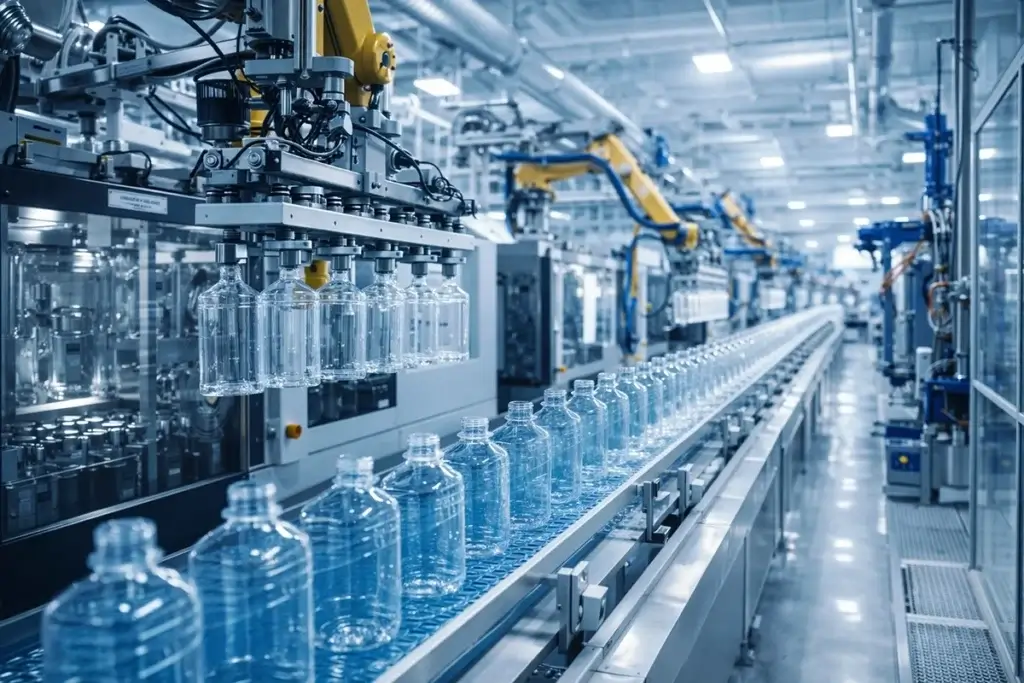
Plastic Packaging
Plastic Packaging
Precision process filtration and raw material purity in plastic packaging.
Explore solutions
22
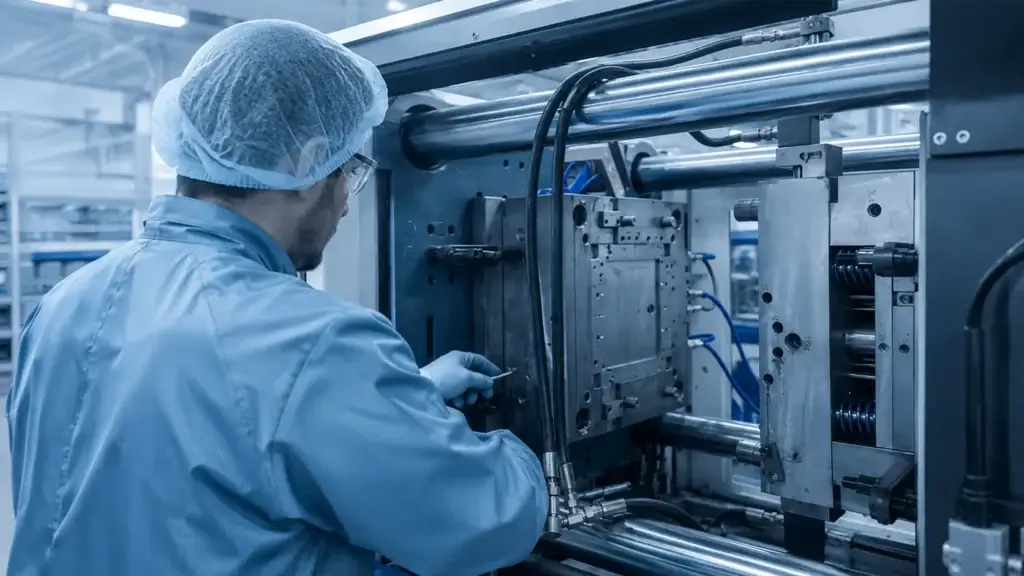
Plastic Injection Molding
Cooling and hydraulic filtration in plastic injection molding.
Explore solutions
23
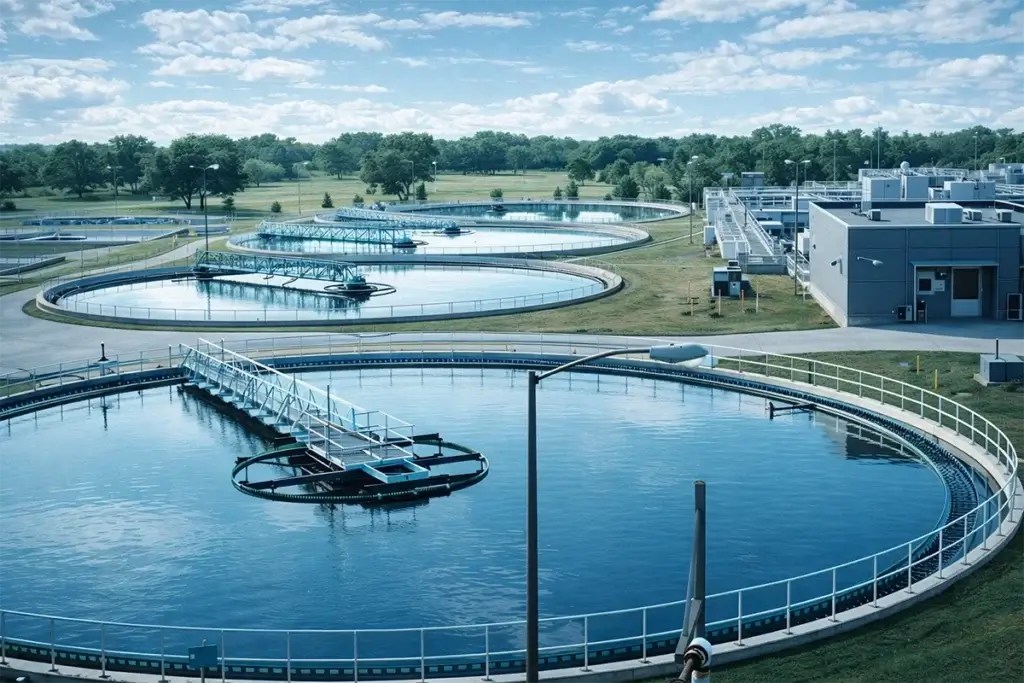
Water and Environment
Recovery filtration in water and environmental technologies.
Explore solutions

24
Shipyards and Marine
Operational safety and efficiency in shipyards and marine.
Explore solutions
Products that work with this product
Multifilament Polyester Bag Filter
Your Questions Answered
Frequently Asked Questions
At Prosestim, we are committed to answering your questions and providing technical support for our filtration solutions.
What is a multifilament polyester bag filter?
What is the difference between monofilament and multifilament?
Monofilament is woven from uniform single-fibre yarn; it offers an exact, uniform pore opening and can be washed and reused. Multifilament is woven from twisted multi-fibre yarn; it offers a softer pore profile and higher dirt-holding capacity, but its pore geometry is less regular and washing efficiency is lower.
What is the operating temperature limit?
Can it be washed and reused?
Because of the fibrous structure of the filter fabric, the original permeability may not be fully restored after washing; monofilament bags are recommended for processes where repeated washing is intended.
Can it be used in food applications?
Which micron rating should I choose?
Do you manufacture custom sizes?
Yes, custom production is available in non-standard size and micron combinations.
Multifilament Polyester Bag Filter RFQ Configurator
Configure your variation dimensions and technical specifications to receive an instant quote directly on WhatsApp and via email.