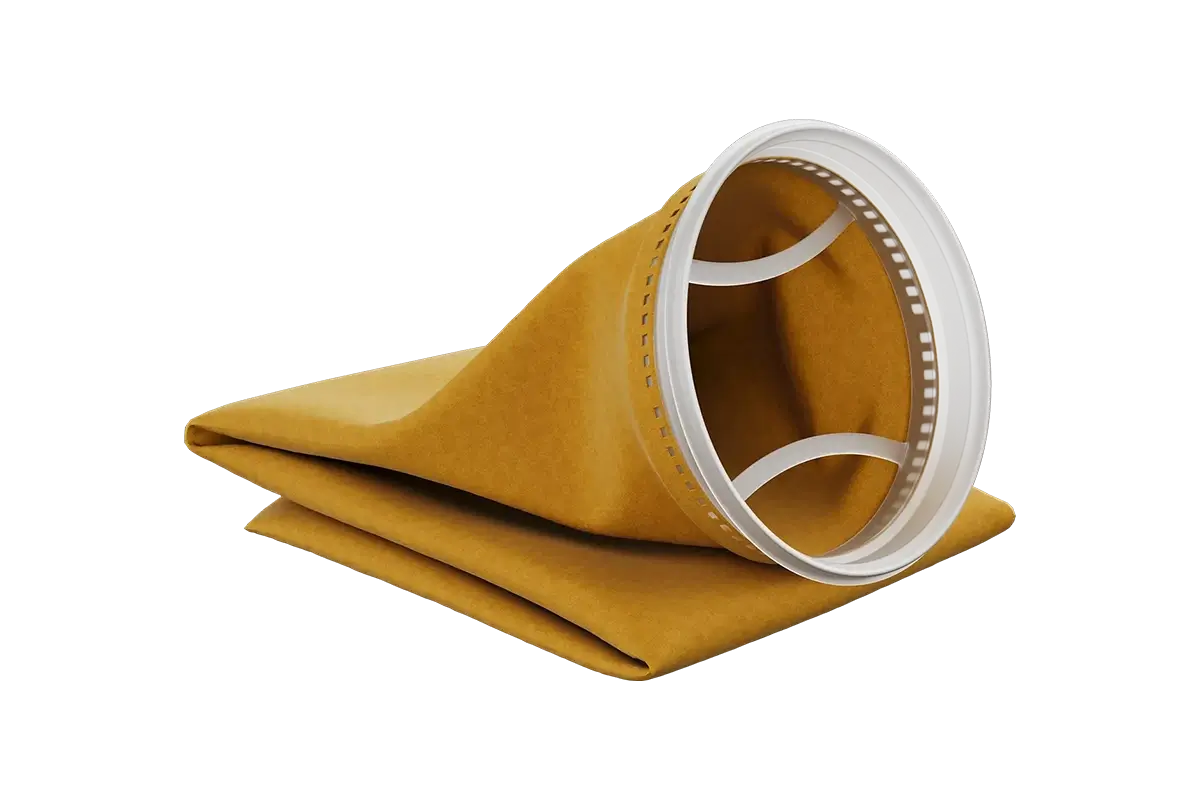

P84 Bag Filter (Polyimide)

Trilobal Fibre, Acid-Alkali Resistance and 240 °C Continuous Operation

The P84 bag filter is a needle-punched felt dust filter that holds fine dust at the surface with its trilobal polyimide fibre structure, operates continuously up to 240 °C and resists acids and alkalis.

Weight

500 g/m²

Thickness

2.55 mm

Continuous Operating Temperature

240 °C

Peak (Surge) Temperature

260 °C

Polyimide P84 bag filter
Polyimide P84 Bag Filter

What Is a Polyimide (P84) Bag Filter?

P84 is a high-performance yellow polyimide fibre synthesised from biphthalic anhydride and p-phenylenediamine and recognised by its trilobal (three-lobed) fibre cross-section. Thanks to the distinctive geometry of the fibre cross-section, P84 bag filters, made by the needle-punched felt method, create far more surface area than round-section fibres of the same weight. This structure holds fine dust particles at the filter surface; it works on the surface filtration principle rather than depth filtration. 

P84’s most important advantages over glass fibre are its superior flex abrasion resistance and acid-alkali chemical compatibility (pH 2–12). P84 is the preferred choice in processes with high mechanical vibration, lime kilns and waste incineration plants, where glass fibre falls short because of its low flex resistance. However, its hydrolysis resistance is moderate; this should be taken into account in processes with high humidity and water vapour.

Product Identity and Technical Summary

P84 bag filters are made from trilobal polyimide fibre by the needle-punched felt method, with a weight of 500 g/m² and a thickness of 2.55 mm. They withstand 240 °C continuously and 260 °C peaks. Thanks to high air permeability (190 L/dm²·min @ 200 Pa) and the large filtration surface area provided by the trilobal fibre structure, high filtration efficiency is achieved at low differential pressure. With an ePTFE membrane surface treatment, emission values of ≤ 5 mg/Nm³ are achieved.

Key Technical and Structural Features

Fibre Type
Polyimide (P84) — Trilobal Needle-Punched Felt
Fabric Structure
Needle-Punched Felt
Weight
500 g/m²
Thickness
2.55 mm
Air Permeability
190 L/dm²·min @ 200 Pa
Continuous Operating Temperature
240 °C (Dry)
Peak (Surge) Temperature
260 °C (Dry)
Chemical Resistance
Compatible with acids and alkalis (pH 2–12); PTFE is recommended for strong alkalis at pH > 12; moderate hydrolysis resistance
Surface Treatment Options
  • Singeing & Calendering
  • PTFE Coating
  • ePTFE Membrane Lamination
  • Antistatic Treatment
Emission Performance
≤ 5 mg/Nm³ with ePTFE membrane
Cleaning System Compatibility
  • Pulse-Jet
  • Reverse Air
  • Shaker
Service Life
> 4,000 hours

Filtration Architecture and Working Principle

P84 bag filters pass dirty flue gas or dust-laden industrial air from the inside of the bag to the outside in a two-stage treatment process. The large surface area provided by the trilobal fibre structure makes surface retention easier and increases the effectiveness of the cleaning cycle.

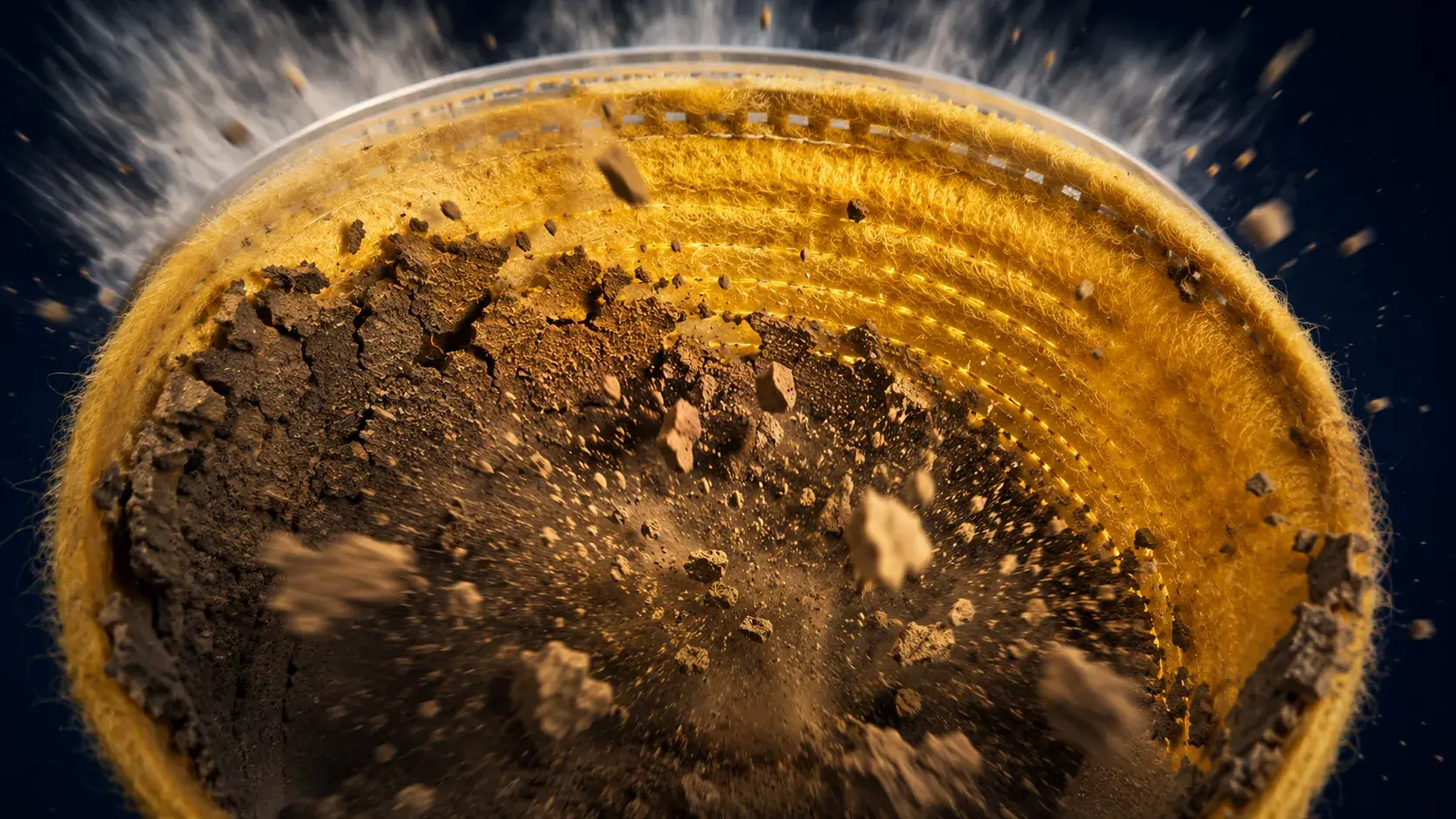
Filtration takes place inside-out. Dust-laden gas fills the bag; particles are retained on the surface of the trilobal fibres and in the felt structure, and the cleaned gas passes out through the fibre structure and leaves the system. P84’s trilobal fibre cross-section creates far more micro-pores than smooth round-section fibres, holding dust particles at the surface; the dust cake does not penetrate into the depth and separates easily during the cleaning cycle.

Macro illustration showing dust retained in the trilobal fibre structure of a polyimide P84 bag filter
STEP 01

Particle Capture at High Temperature

Thanks to up to 80% additional surface area, retention efficiency for fine particles increases and the risk of media blinding is minimised.

Illustration showing particle build-up at high temperature inside a polyimide P84 bag filter
STEP 02

Low Differential Pressure and Stable Airflow

The smooth inner surface of the ePTFE membrane makes it easier for the dust cake to separate; differential pressure stays low and stable, reducing energy consumption and the risk of early bag replacement.

Advantages of the Polyimide (P84) Bag Filter

P84’s trilobal fibre geometry and high temperature resistance make it the filtration medium of choice for demanding processes that combine high mechanical stress and chemical attack. Flex abrasion, where glass fibre falls short, is the key guarantee of P84’s long service life.
Trilobal Fibre Structure
The three-lobed fibre cross-section creates up to 80% more surface area than round fibres of the same weight, increasing retention efficiency for fine particles.
High Temperature Resistance
Withstands 240 °C continuously and 260 °C peaks; works reliably in high-temperature processes where organic polymers are limited.
Superior Flex Abrasion Resistance
Unlike the brittle structure of glass fibre, P84 felt shows high flex resistance through repeated pulse-jet cleaning cycles.
Acid and Alkali Resistance
Compatible with acids and alkalis in the pH 2–12 range; for strong alkalis at pH > 12, PTFE bags should be chosen.
Low Differential Pressure
Low ΔP profile thanks to the large surface area and surface retention; energy consumption and fan load are reduced.
Fire Resistance
P84 fibre is inherently non-flammable and does not melt; it provides safe filtration in processes with a risk of sparks or flames.
ePTFE Membrane Compatible
Emission values of ≤ 5 mg/Nm³ with an ePTFE membrane surface treatment; fine particles including PM2.5 are retained effectively.
Long Service Life
Low risk of media blinding thanks to high flex resistance and surface dust retention; service life of more than 4,000 hours.
Sub-Micron and Fly Ash Capture
Thanks to its trilobal fibre density, it captures sub-micron fly ash and heavy metal particles at PM2.5 level with high efficiency.

P84 Bag Filter Surface Treatment Options

The surface treatment applied to the P84 felt medium directly affects the emission value, dust release performance and chemical resistance. Six surface treatment options are offered depending on process conditions.
Surface Finish Property Recommended Application
Calendering Smooths the surface, improves dust release and ensures compatibility with pulse-jet cleaning systems. General industrial applications and cement plants
Singeing Smooths the surface by singeing the surface fibres; reduces dust re-entraining from the filter surface into the flow. Processes with a high dust load, lime and gypsum plants
Water and Oil Repellent Reduces particle adhesion in flue gases containing moisture and oil, helping the filter surface clean more easily. Waste incineration and chemical process applications
ePTFE Membrane Provides surface filtration, ≤ 5 mg/Nm³ emission performance and high dust release performance. All applications requiring strict emission limits
TECHNICAL ASSESSMENT BASED ON FIELD EXPERIENCE

Engineer's Note

The most common problem we see in the field with polyimide P84 bag filters is hydrolysis and acid condensation caused by the flue gas temperature falling below the acid dew point. Although P84 fibre delivers exceptional dust retention efficiency with its unique trilobal (three-lobed) cross-section, fibre strength weakens quickly and there is a risk of tearing when moisture and SOx compounds in the gas stream condense.

When should it be chosen?

In cement rotary kilns, lime kilns, waste incineration plants and asphalt plants operating in the 190 °C to 240 °C continuous temperature range, it delivers top performance in capturing fine, volatile, hard-to-retain micronised dust thanks to its high surface area advantage.

When should it not be chosen?

On corrosive lines with high humidity where the temperature frequently drops below the dew point (hydrolysis hazard) and in strong alkaline environments at pH > 12, PTFE bags should be chosen; at peak temperatures above 260 °C, glass fibre bags with an ePTFE membrane should be chosen.

Application and Selection Criteria

Bag and Cage Fit
The bag diameter and length must match the cage dimensions exactly; a loose bag rubs against the cage and wears during pulse-jet pulses, and a tight bag will not fit the cage.
Dew Point Control
Keep the flue gas temperature above the acid dew point with a safe margin; condensation increases the risk of hydrolysis and blinding in P84 felt.
Chemical and Thermal Resistance
The 240 °C continuous and 260 °C peak temperature limits must not be exceeded; for gases containing HF or strong alkalis at pH > 12, consider the PTFE alternative.

Collar Types

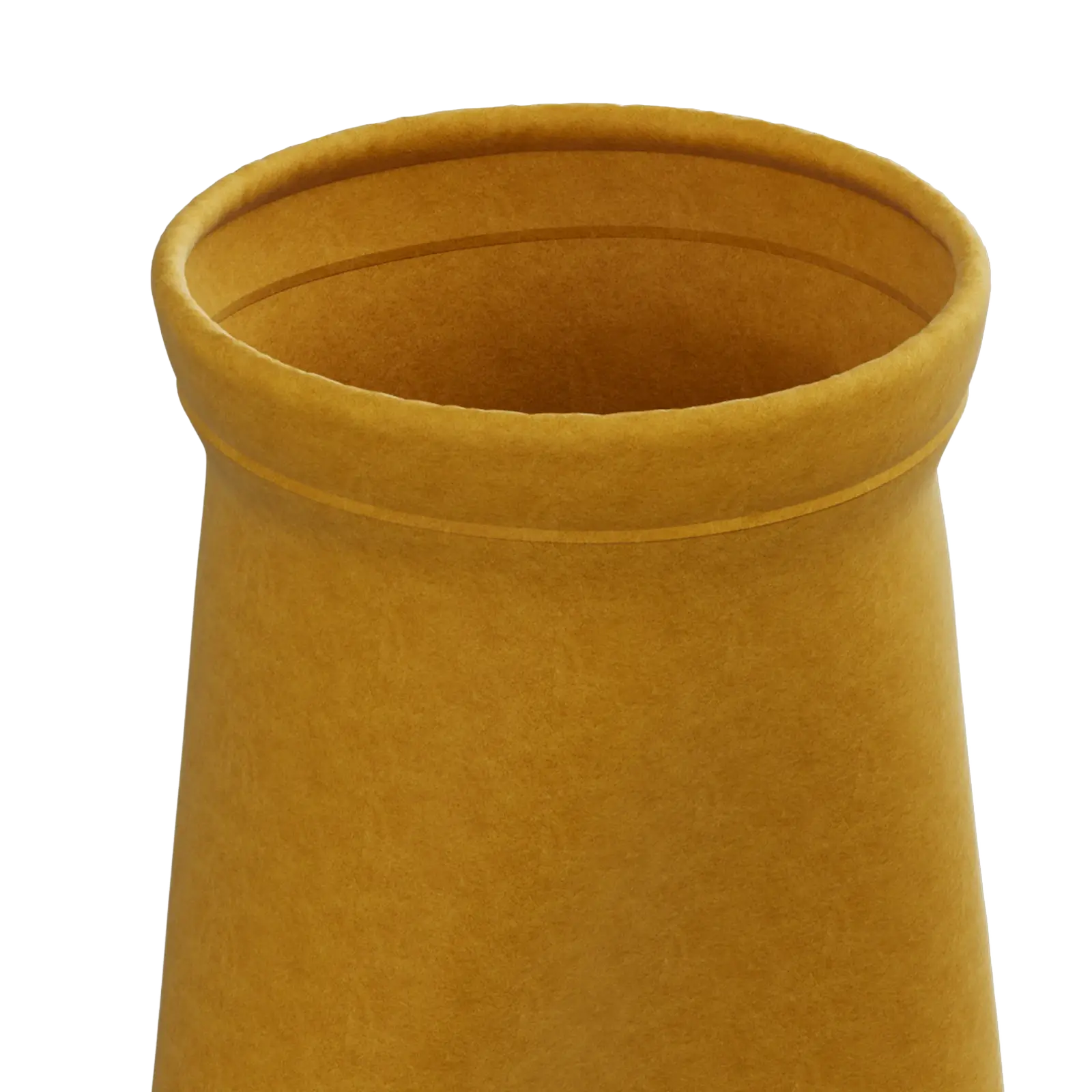
In dust filters, a safe, leak-tight connection of the bag to the system starts with choosing the right collar. Four collar types (snap band, snap ring, flange top and plain top) can be selected according to the tube sheet design of your filter housing and the cleaning system. If you are not sure which collar type fits your filter housing, send us a sample or photo and we will make an exact replica.

Polyimide P84 bag filter, snap ring (steel ring)

Snap Ring (Steel Ring)

Galvanised or stainless steel ring. Seats the bag firmly and leak-tight in the tube sheet.
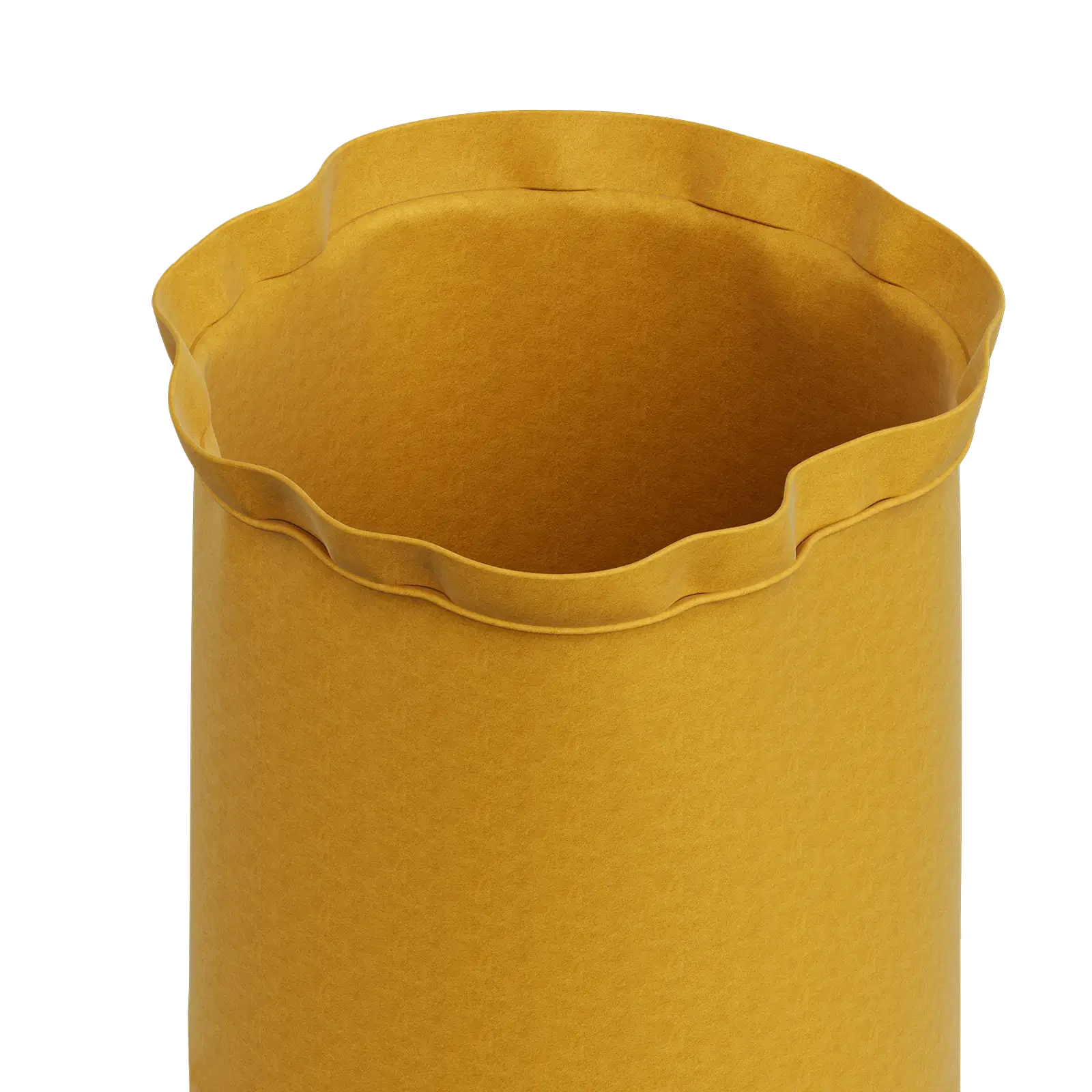
Polyimide P84 bag filter, flange top (flanged collar)

Flange Top (Flanged Collar)

The felt flanged collar is compressed between the tube sheet and the cage to provide a seal.
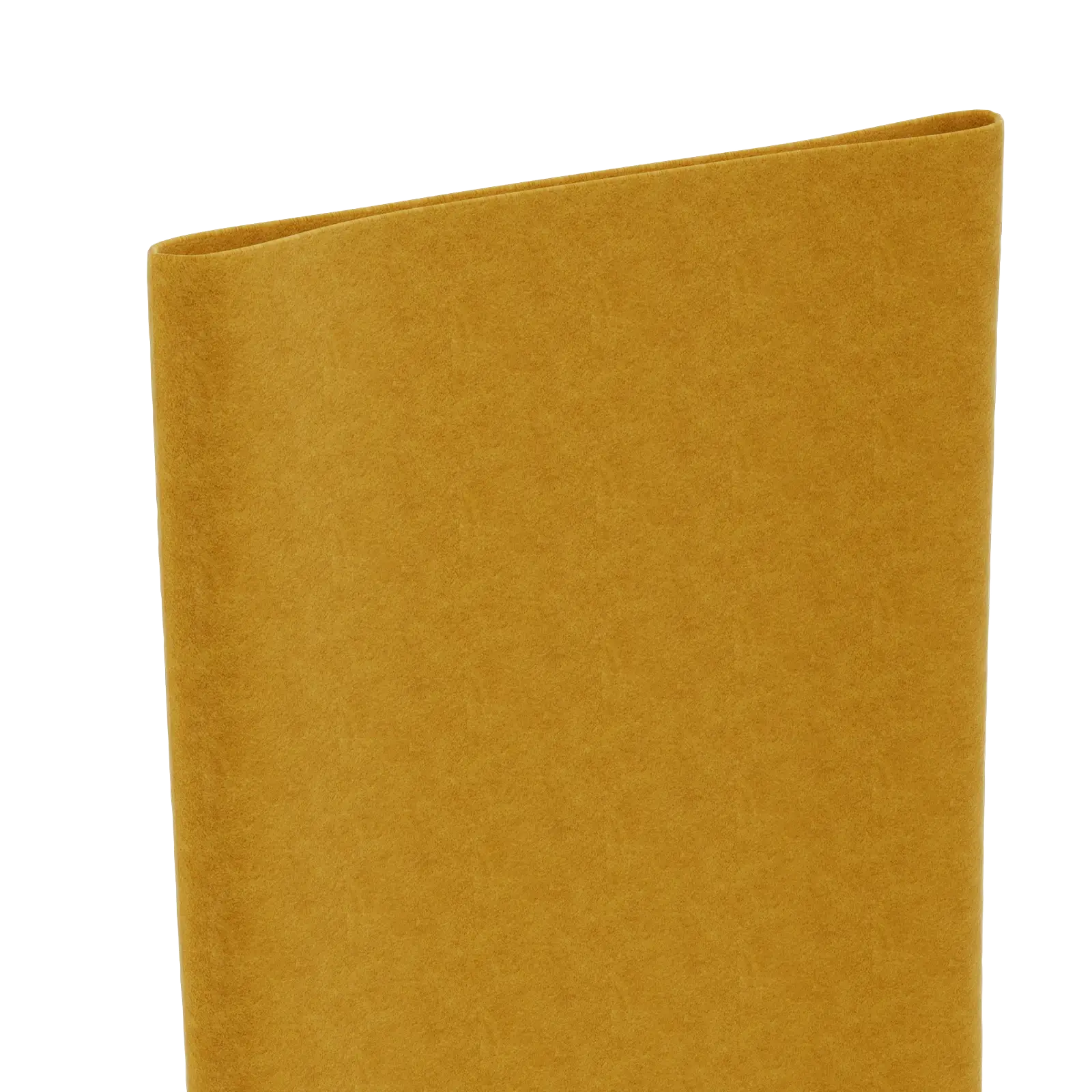
Polyimide P84 bag filter, plain top (plain cut)

Plain Top

Has no ring; suitable for systems with clamps or special clamping devices.
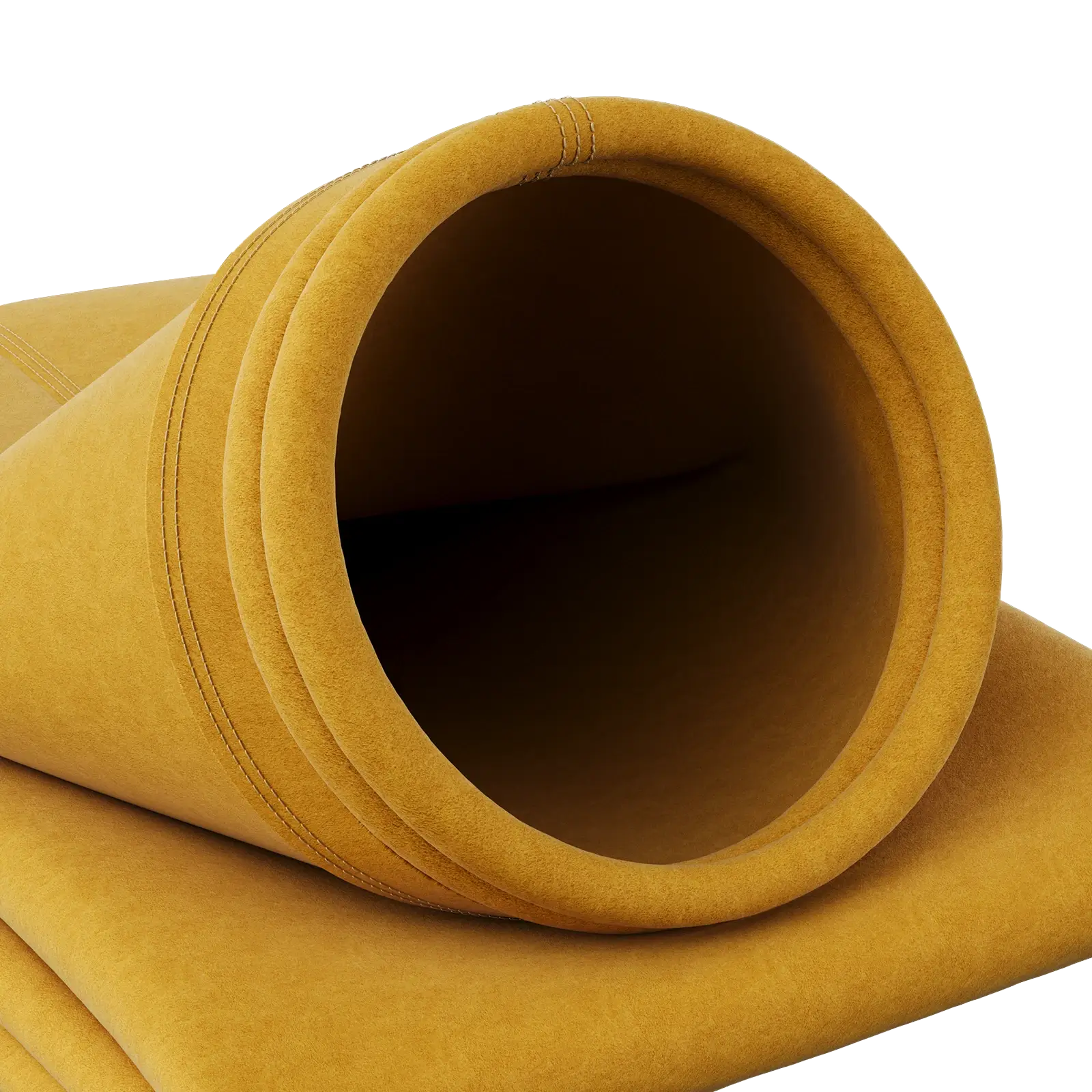
Polyimide P84 bag filter, snap band

Snap Band

The flexible steel band clicks into its seat. Allows fast change-outs.

Performance Parameters

The field performance of P84 (polyimide) bag filters is assessed on the large filtration surface area offered by the trilobal fibre geometry, high dust-holding capacity at low differential pressure and superior flex abrasion resistance under intensive pulse-jet cleaning cycles.

Emission Value
Standard P84 felt media provide high dust retention efficiency. With an ePTFE membrane surface treatment, emission values of ≤ 5 mg/Nm³ are achieved for fine particles including PM2.5, meeting the requirements of strict environmental legislation.
Service Life
High flex abrasion resistance and surface dust retention keep the risk of media blinding low. With the right surface treatment and controlled operating conditions, a service life of more than 4,000 hours is expected. Service life may be shorter in high-humidity environments with a risk of hydrolysis.
Differential Pressure
The large surface area and surface dust retention provided by the trilobal fibre structure stop the dust cake from penetrating into the depth of the felt. After the cleaning cycle, differential pressure returns close to its initial value, so system fan load and energy consumption stay stable.

Industry Applications

Bag filters suited to different process needs are used across a wide range of industrial applications to protect product quality and production continuity.

1–6 / 24
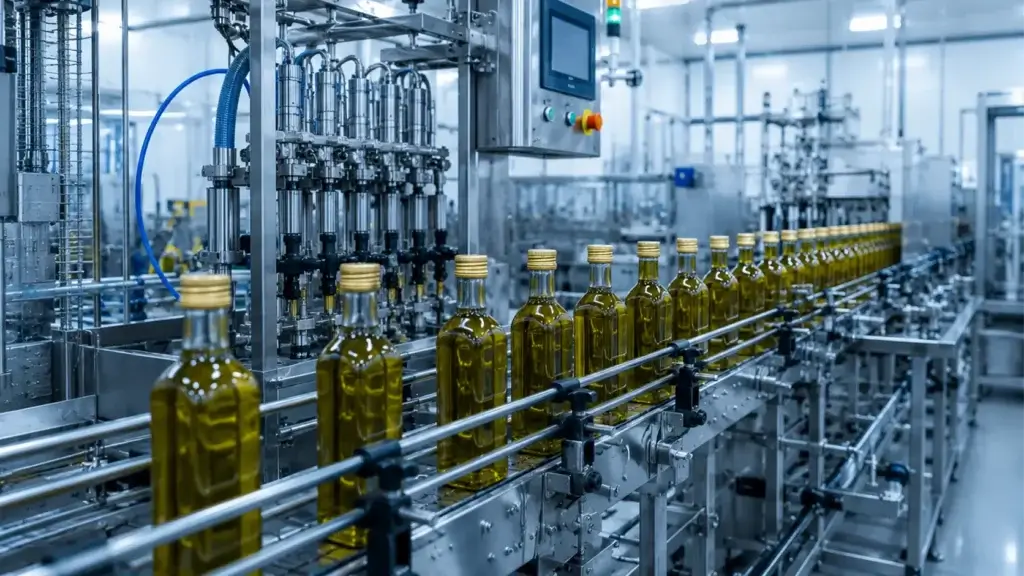
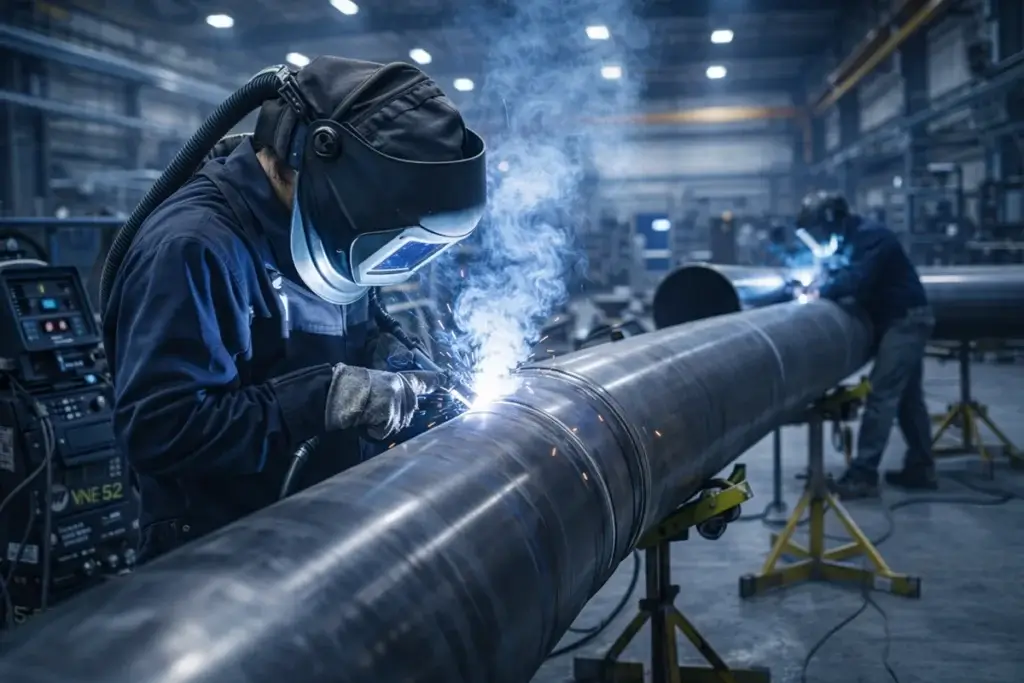
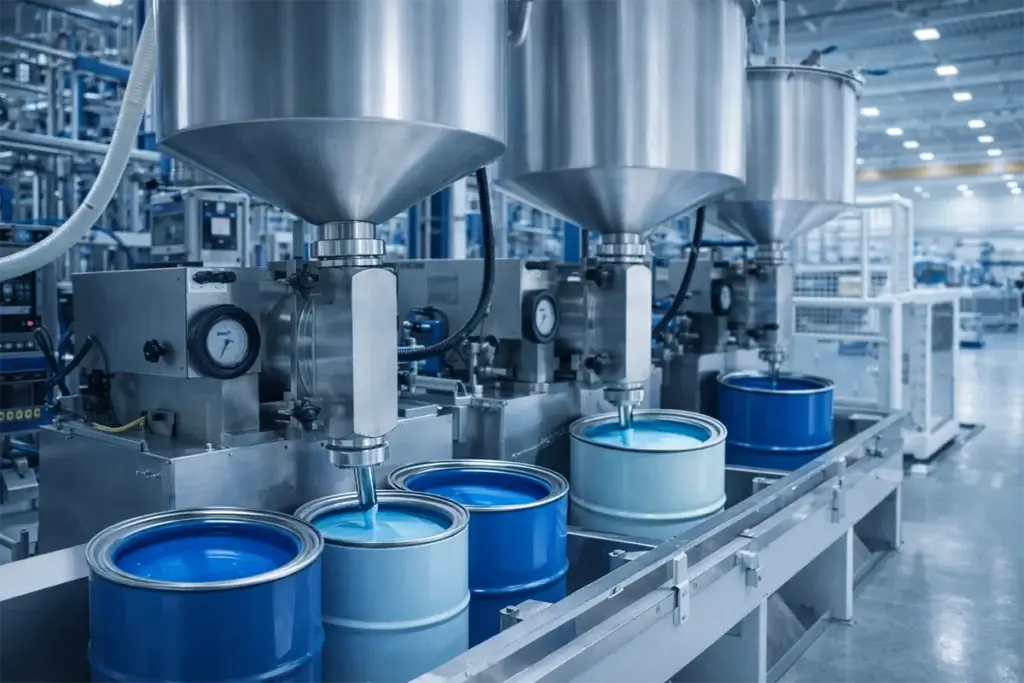
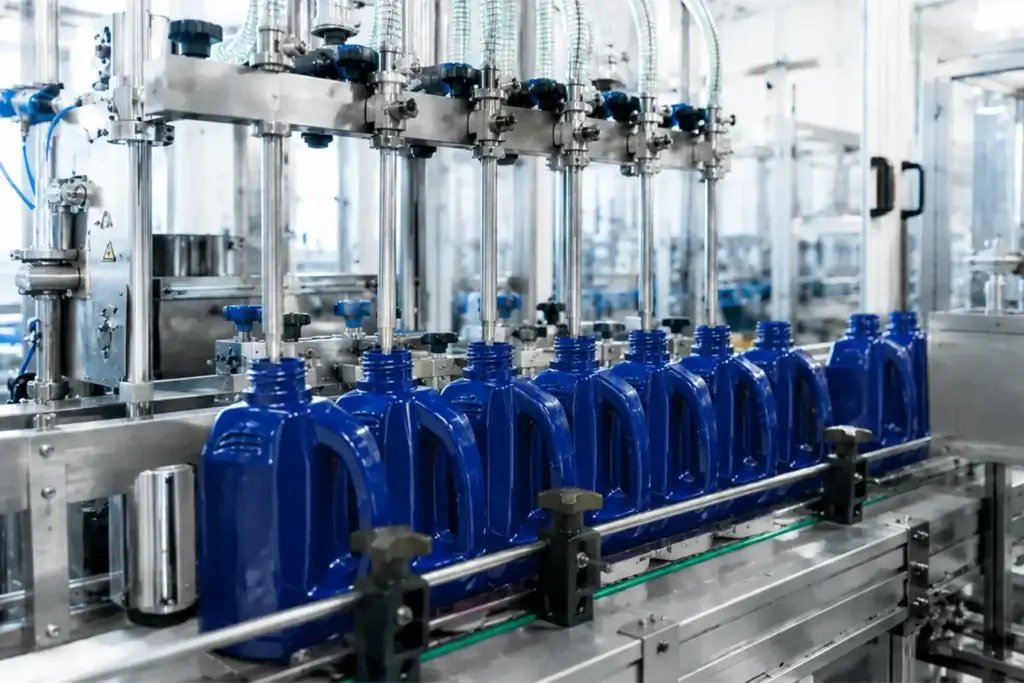
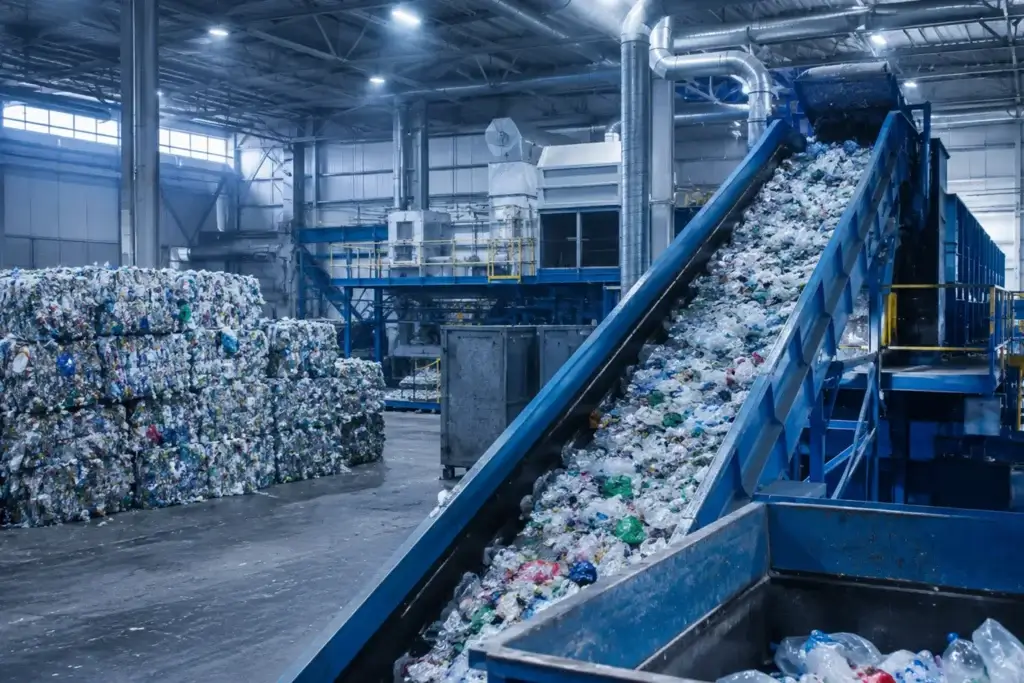
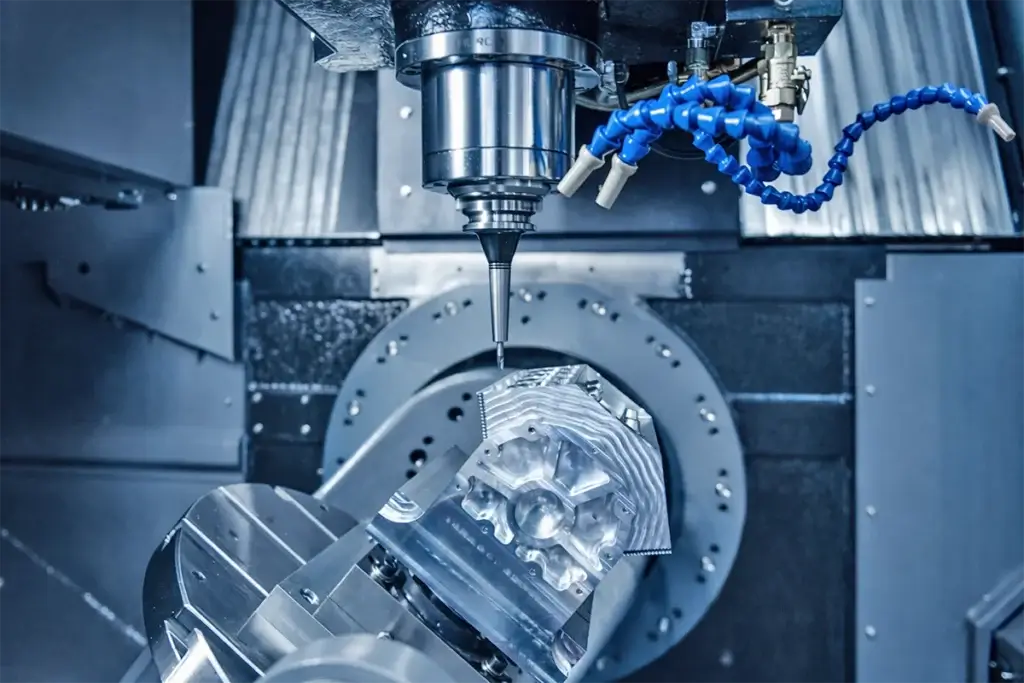
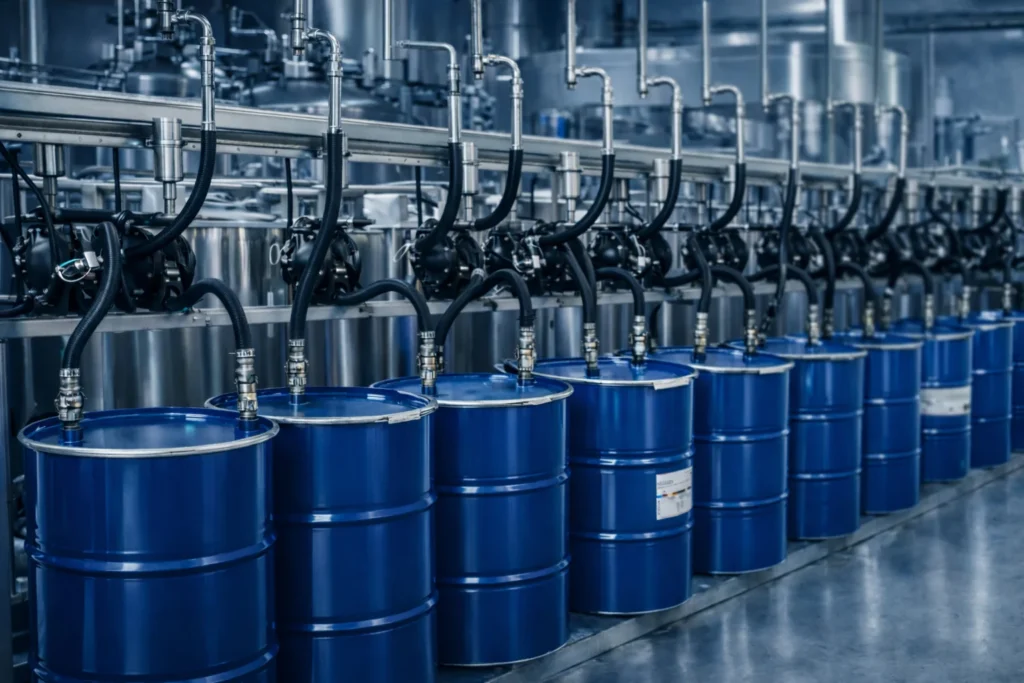
Vegetable Oil 01 Vegetable Oil Clarity, purity and shelf life in vegetable oil and refining. Explore solutions Pipe and Profile 02 Pipe and Profile Cooling water filtration in pipe and profile extrusion. Explore solutions Paint Industry 03 Paint Industry Surface quality and pigment filtration in the paint industry. Explore solutions Glass Industry 04 Glass Industry Furnace and process filtration in the glass industry. Explore solutions Dialysis Centers 05 Dialysis Centers Water preparation and process filtration in dialysis centers. Explore solutions Foundry Industry 06 Foundry Industry Equipment protection and dust filtration in foundries. Explore solutions Industrial Oil 07 Industrial Oil Filtration in industrial oil production and recovery. Explore solutions Energy and Biogas 08 Energy and Biogas Maximum efficiency and turbine protection in energy and biogas. Explore solutions Recycling 09 Recycling Filtration for efficiency and environmental compliance in recycling. Explore solutions Food and Beverage 10 Food and Beverage Hygienic filtration in food and beverage. Explore solutions Pharmaceuticals and Biotechnology 11 Pharmaceuticals and Biotechnology GMP-compliant sterile filtration in pharmaceuticals and biotechnology. Explore solutions Paper and Packaging 12 Paper and Packaging Process water filtration in paper and packaging. Explore solutions Chemical Industry 13 Chemical Industry Corrosion-resistant, safe filtration in the chemical industry. Explore solutions Cosmetics 14 Cosmetics Microbiological safety and precision filtration in cosmetics. Explore solutions Machinery 15 Machinery Precision and technical filtration in the machinery industry. Explore solutions Printing and Ink 16 Printing and Ink Flawless color and print quality in printing and ink. Explore solutions Metal and Surface Treatment 17 Metal and Surface Treatment Flawless surfaces and bath stability in metal and surface treatment. Explore solutions Forest Products 18 Forest Products Resin and glue filtration in forest products and furniture. Explore solutions Automotive 19 Automotive Precision process filtration for zero defects in automotive manufacturing. Explore solutions Oil and Petrochemicals 20 Oil and Petrochemicals Equipment protection and process safety in oil and petrochemicals. Explore solutions Plastic Packaging 21 Plastic Packaging Precision process filtration and raw material purity in plastic packaging. Explore solutions Plastic Injection Molding 22 Plastic Injection Molding Cooling and hydraulic filtration in plastic injection molding. Explore solutions Water and Environment 23 Water and Environment Recovery filtration in water and environmental technologies. Explore solutions Shipyards and Marine 24 Shipyards and Marine Operational safety and efficiency in shipyards and marine. Explore solutions














Filter Selection Technical Checklist

The wrong filter choice means early blinding, punctured bags and unplanned downtime. Choosing the most suitable P84 bag filter for your plant requires eight critical parameters to be considered together, from flue gas temperature to chemical composition and from moisture risk to emission limits. The checklist below is designed to help you make a fast, reliable choice on site and in technical discussions.

Gas Temperature
Ideal for 240 °C continuous; for temperatures above 260 °C, glass fibre bag filters (with ePTFE membrane) should be considered.
Chemical Environment
Compatible with acids and alkalis in the pH 2–12 range; for strong alkalis at pH > 12, PTFE bags should be chosen. Not suitable for gases containing HF.
Humidity / Water Vapour
Moderate moisture tolerance; with continuous high humidity and a risk of condensation, PPS or PTFE should be chosen.
Mechanical Vibration
Outperforms glass fibre in intensive pulse-jet cleaning systems thanks to its high flex abrasion resistance.
Emission Limit
≤ 5 mg/Nm³ with an ePTFE membrane; fine particles including PM2.5 are retained effectively.
Cleaning System
It is compatible with pulse-jet, reverse-air and shaker systems.
Alkaline Environment
Works reliably up to pH 12 with alkaline flue gas components (lime, calcium) where glass fibre falls short; for strong alkalis at pH > 12, PTFE bags should be chosen.
Fire Risk
P84 is non-combustible; a safe choice for processes with a risk of flames.

Points to Watch During Use

Getting maximum efficiency and life from a P84 bag filter depends on correct installation, moisture management and temperature control. Because of its moderate hydrolysis resistance, moisture management is this product’s most critical operating parameter; incorrect storage or uncontrolled exposure to a high-humidity process can cause early fibre degradation.
Operating Temperature Limit
Flue gas temperature must not exceed the 240 °C continuous and 260 °C peak limits; temperature monitoring is mandatory.
Hydrolysis Risk Assessment
In processes with high humidity and water vapour, assess the risk of hydrolysis before commissioning and, if necessary, choose a water- and oil-repellent surface treatment.
Initial Conditioning
Use moisture-proof packaging in storage; condition bags that have absorbed moisture with dry, hot air before putting them into service.
Pulse-Jet Cleaning Pressure
Keep the pulse-jet cleaning pressure within the recommended range; excessive pressure can damage the felt structure.
Mechanical Protection & Installation
Protect bags from sharp bends and impact damage during installation.
Chemical Compatibility & HF Warning
P84 must not be used in applications containing hydrofluoric acid (HF).
Gradual Start-Up
At first start-up, raise the flue gas temperature gradually and avoid sudden thermal shock.
Cage and Support Check
Check the filter cage when changing bags; a deformed or rusted cage can cause early failure of the new bag.

Alternative media for the same application

Other bag filter media to consider, depending on temperature, chemical environment and dust type.
This product
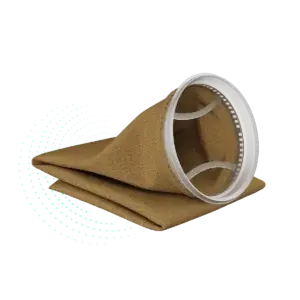
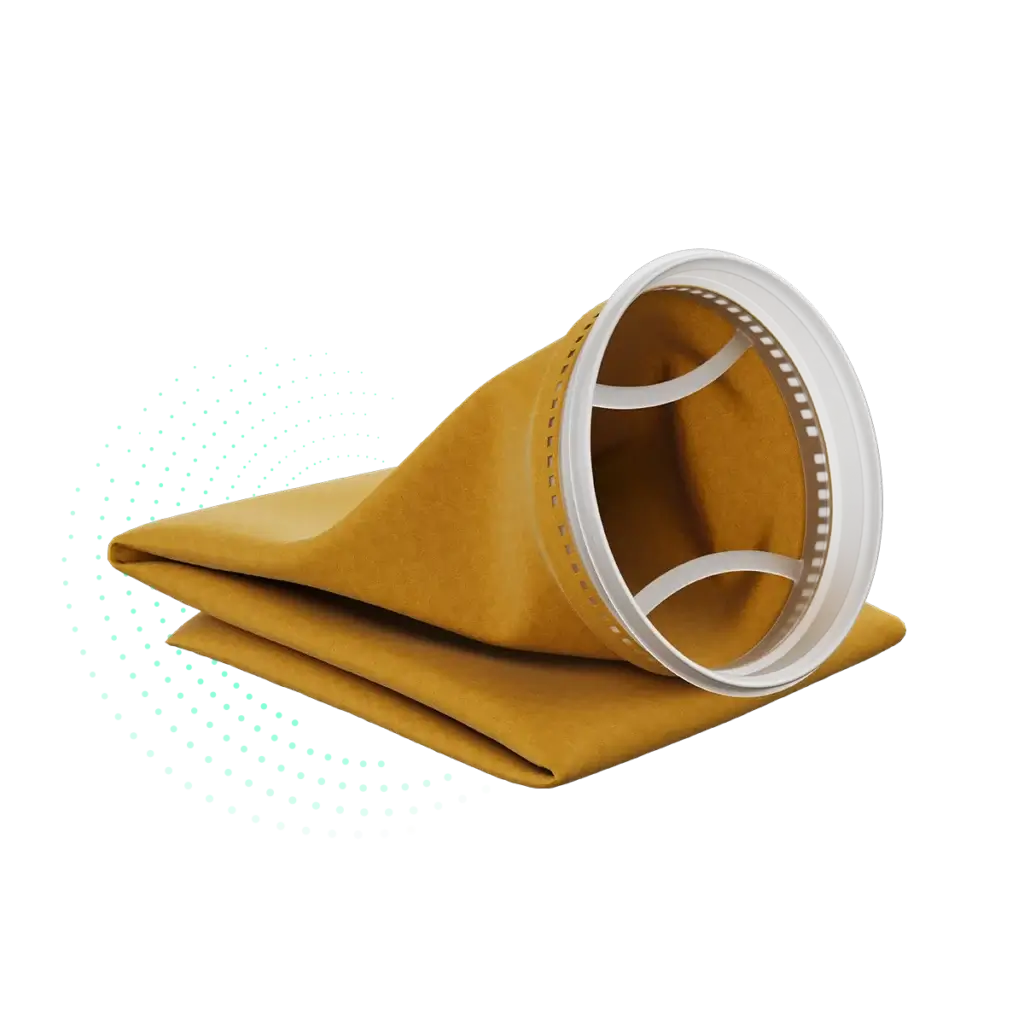
Polyimide P84 bag filter with golden-yellow felt body

Polyimide P84 Bag Filter

Bag Filters
Meta-aramid Nomex bag filter

Nomex Bag Filter (Meta-Aramid)

Nomex bag operating up to 204 °C.

View →
PPS (Ryton) bag filter

PPS (Ryton) Bag Filter

190 °C PPS bag for acidic, humid flue gas.

View →
PTFE Teflon bag filter

PTFE Teflon Bag Filter

PTFE bag for 240 °C continuous service and pH 0–14.

View →
Alternative media
Request everything in one quote: let’s size the product, housing and connection parts together.

Your Questions Answered

Frequently Asked Questions

At Prosestim, we are committed to answering your questions and providing technical support for our filtration solutions.

What is a P84 bag filter?

P84 is a high-performance polyimide filtration medium made with a trilobal fibre cross-section. With its needle-punched felt structure, it withstands a continuous operating temperature of 240 °C, and its large surface area holds fine dust particles at the surface for high efficiency at low differential pressure.

P84 has two main advantages over glass fibre: superior flex abrasion resistance and wide chemical compatibility (pH 2–12). In processes with high mechanical vibration where the brittle structure of glass fibre falls short, and in flue gases containing alkaline components, P84 offers a clear service life advantage.

P84 bag filters withstand 240 °C continuously and 260 °C peaks. For temperatures above 260 °C, glass fibre bag filters (with ePTFE membrane) should be considered.

Care is needed. P84’s hydrolysis resistance is moderate; in processes with continuous high humidity and a risk of condensation, PPS or PTFE fibre media should be chosen.

The cross-section of P84 fibre has a three-lobed (trilobal) geometry. This structure creates up to 80% more surface area than round-section fibres of the same weight and linear density, increasing retention efficiency for fine dust particles.

No. P84 is not resistant to hydrofluoric acid (HF); PTFE fibre media should be chosen for these applications.

With an ePTFE membrane surface treatment, emission values of ≤ 5 mg/Nm³ are achieved for fine particles including PM2.5.

P84 offers higher temperature resistance (240 °C vs 190 °C) and wider chemical compatibility, but its hydrolysis resistance is lower than that of PPS. PPS is preferred in processes with high humidity and water vapour, while P84 stands out in dry, hot applications above 200 °C.

Yes, custom production is available in non-standard diameter, length and surface treatment combinations.

Fast Quote & WhatsApp Consultation

Polyimide P84 Bag Filter RFQ Configurator

Configure your variation dimensions and technical specifications to receive an instant quote directly on WhatsApp and via email.

1 Select Variation Type
2 Dimensional & Technical Specifications
230 MM
230 MM Custom Made
3 Required Quantity
QUICK QUOTE FORM

Polyimide P84 Bag Filter

Variation Type: Drawstring Polyimide P84 Bag Filter
Bag Filter Diameter: 100 MM
Filter Length: 230 MM
Request Quantity: 10 Units
ISO 9001:2015 Certified Production
Reply from Our Technical Team
Delivery Across Türkiye and Export

Accounting

Billing Details

Copy our registered company name, tax and e-invoice details with one click using the button on each row.

Invoice name (registered company name)

PROSES TİCARET, İMALAT, MÜHENDİSLİK ENDÜSTRİYEL MADDE VE MALZEME İMALATI İNŞAAT VE SANAYİ LİMİTED ŞİRKETİ

Billing address

Musa Gündüz Cad. No:14 Taşköprü – Çiftlikköy – YALOVA, TÜRKİYE

E-invoice / e-archive email address

Tax office

Yalova Tax Office (Yalova V.D.)

Tax ID number

7330379514

MERSIS number

0733037951400013

Please send BA/BS forms, current account reconciliations and any other emails for our Finance and Administrative Affairs Department to [email protected].

Invoice name (registered company name): PROSES TİCARET, İMALAT, MÜHENDİSLİK ENDÜSTRİYEL MADDE VE MALZEME İMALATI İNŞAAT VE SANAYİ LİMİTED ŞİRKETİ Billing address: Musa Gündüz Cad. No:14 Taşköprü – Çiftlikköy – YALOVA, TÜRKİYE E-invoice / e-archive email address: [email protected] Tax office: Yalova Tax Office (Yalova V.D.) Tax ID number: 7330379514 MERSIS number: 0733037951400013