



Polypropylene Felt Bag Filter

1–200 µm, pH 1–14 Chemical Compatibility and High Dirt-Holding Capacity

The polypropylene felt bag filter is a needle-punched felt PP filter that provides depth filtration in industrial liquids, with chemical compatibility and high dirt-holding capacity.

Diameter

100–180 mm

Boy

230–810 mm

Precision

1–200 µm

Max. Operating Temperature

90 °C (194 °F)

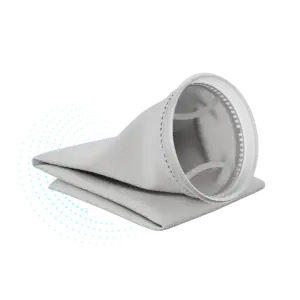
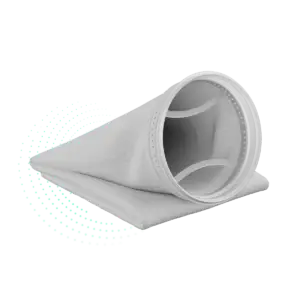
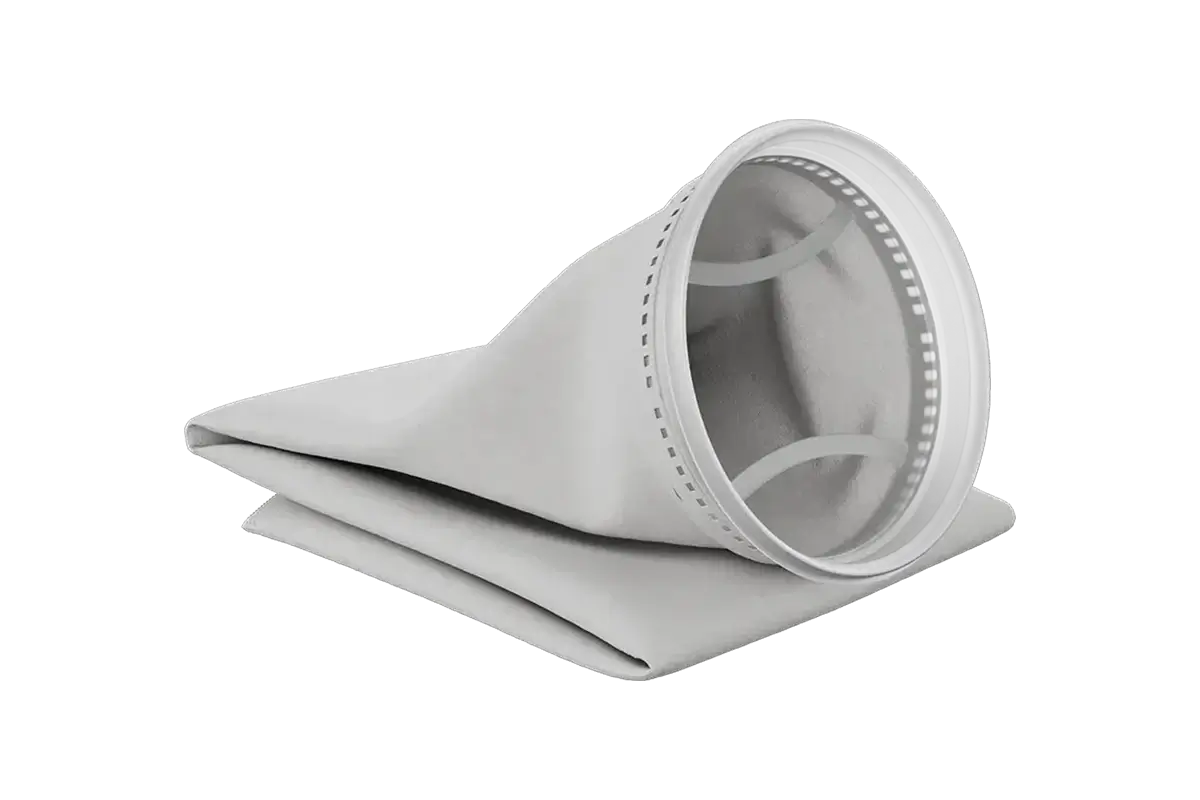
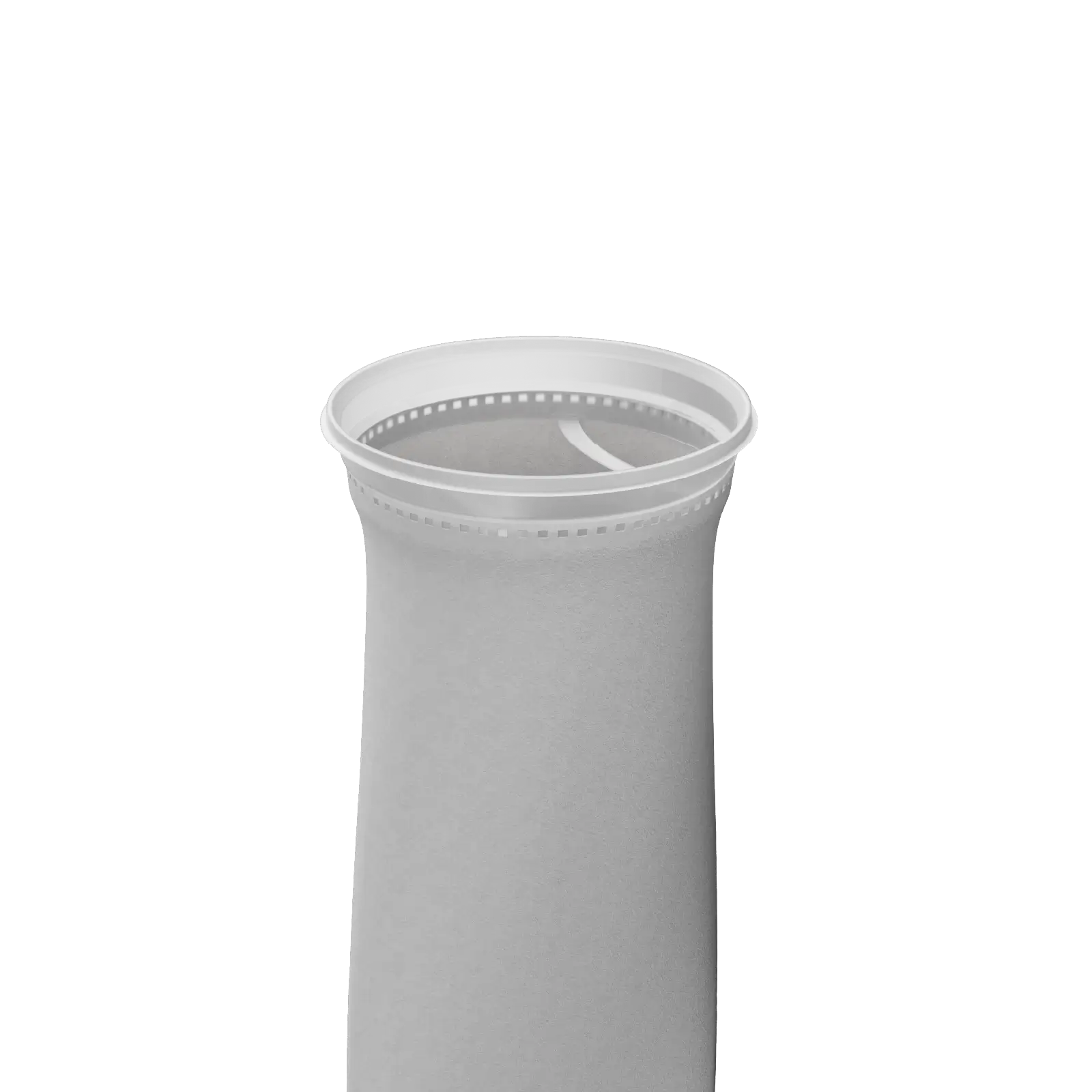
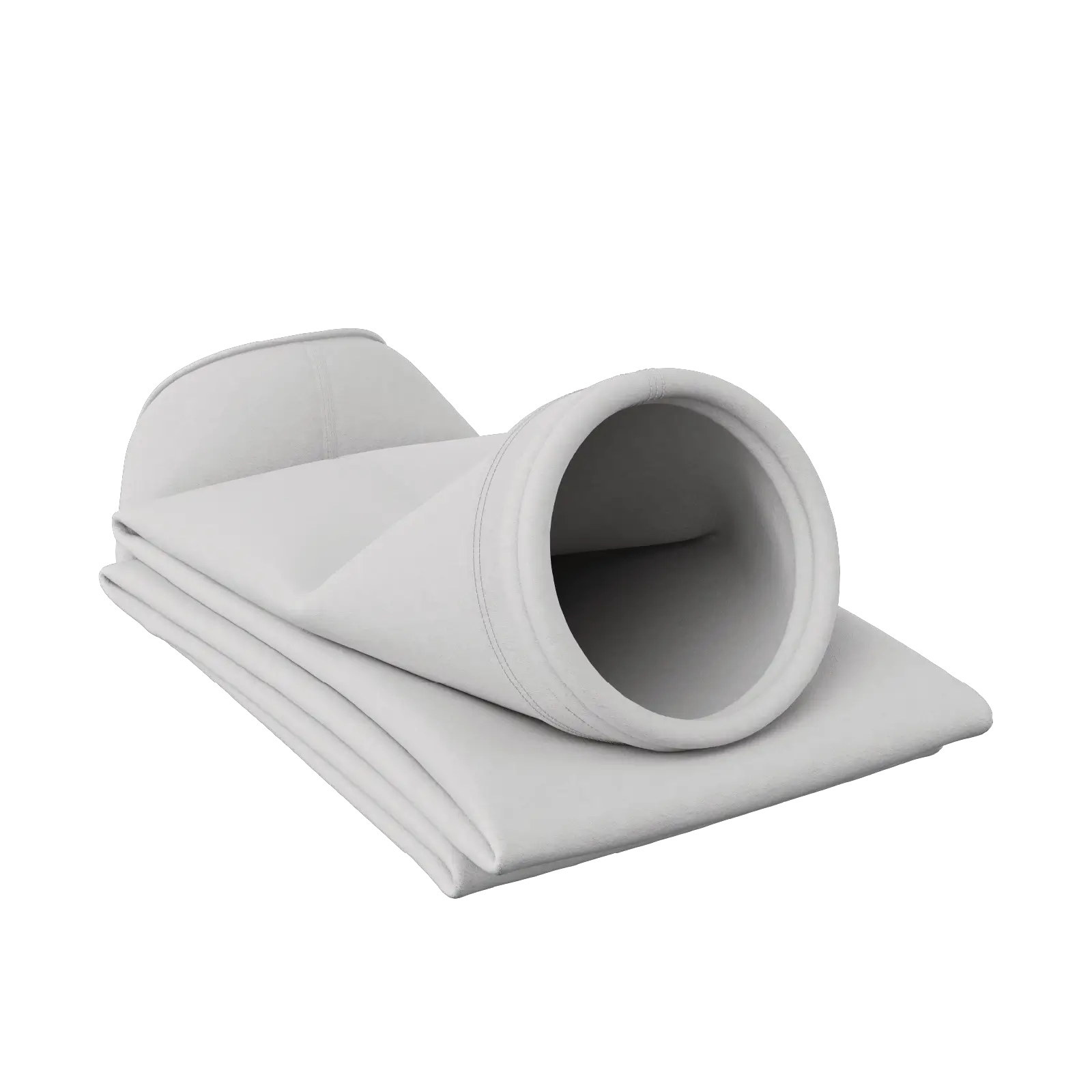
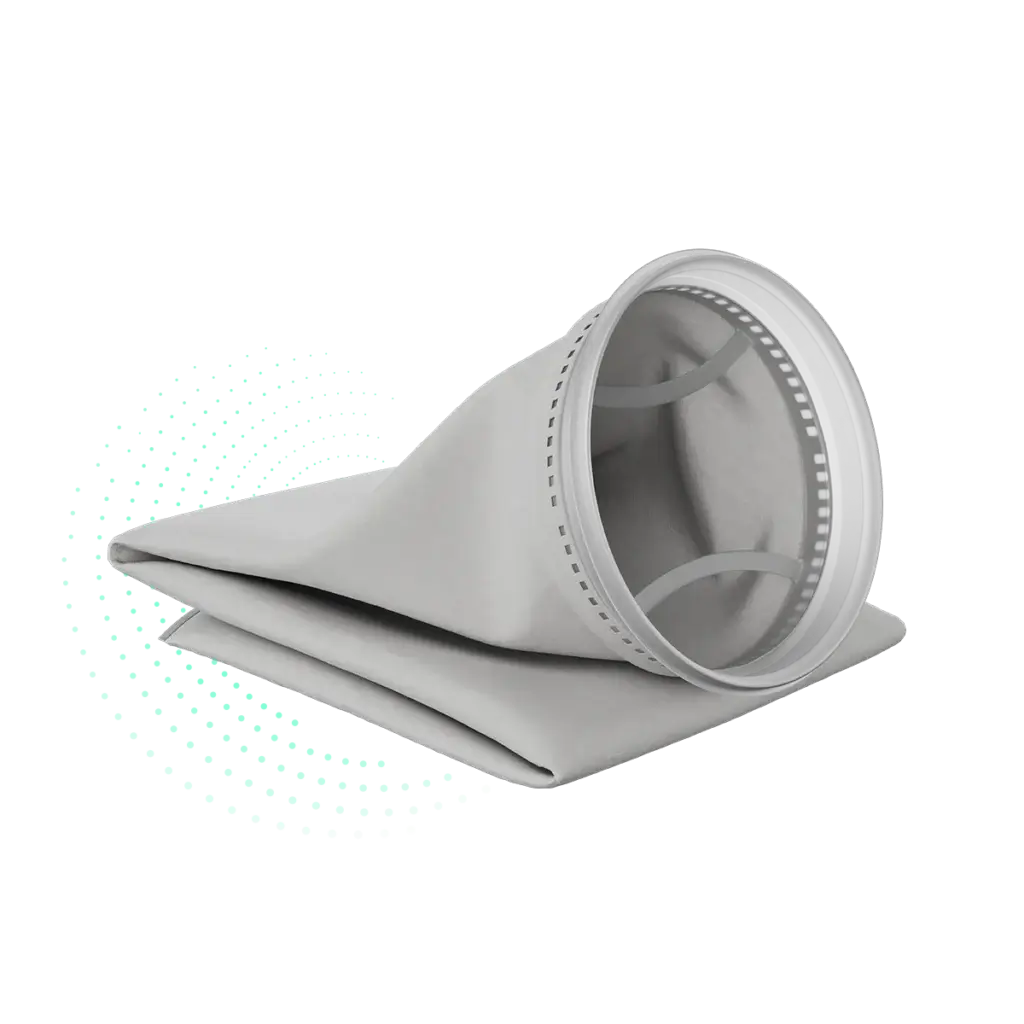
Polypropylene felt bag filter with white PP felt body
Polypropylene Felt Bag Filter

What Is a Polypropylene Felt Bag Filter?

Polypropylene felt is a nonwoven fabric produced by the needle-punched method. As liquid passes through it, particles are retained not only at the surface but throughout the depth of the filter fabric. This gives felt bag filters a higher dirt-holding capacity than many cartridge filters. 

Thanks to their low cost, wide chemical compatibility and high efficiency, PP felt bag filters are widely used in chemicals, food, water treatment and metalworking. To minimise surface fibres coming loose into the process, “singed” or “glazed” (calendered) surface treatments can be applied.

Product Identity and Technical Summary

Polypropylene felt bag filters are made from 100% PP fibres, free of binders and resins; the bag is joined by ultrasonic welding or stitching. With a micron range of 1–200 µm and chemical resistance across pH 1–14, they are used on industrial, food and chemical process lines. The maximum operating temperature is 90 °C. The raw material is suitable for food contact; please consult our technical team for compliance documents.

Key Technical and Structural Features

Material
100% pure polypropylene (PP) needle-punched felt; nonwoven, uniform depth fibre structure.
Micron Rating
  • 1 µm · 5 µm · 10 µm
  • 25 µm · 50 µm · 75 µm
  • 100 µm · 150 µm · 200 µm
Max. Operating Temperature
90 °C (194 °F) continuous operating temperature; high dimensional and chemical stability.
Recommended Change-Out Pressure
Bag replacement is recommended when the inlet–outlet pressure difference (ΔP) reaches 2–2.5 bar.
Surface Finish
  • Singed (prevents fibre migration)
  • Glazed (Calendered)
Seam Construction
  • Fully Ultrasonically Welded (Leak-Tight)
  • 5-Thread Industrial Stitching
pH Range & Chemical Resistance
High chemical resistance to acidic and alkaline solutions in the pH 1–14 range; process compatibility should be confirmed on hydrocarbon and solvent-based lines.
Food Compatibility
Made from raw material suitable for food contact; can be used in food, beverage and pure water processes. Consult our technical team for the required compliance documents.
Specific Gravity
Lightweight fibre architecture of 0.91 g/cm³ with a high pore volume.
Binder Content
100% pure mechanical needling with no binders, resins, adhesives or silicone.

Filtration Architecture and Working Principle

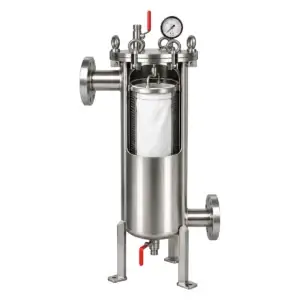
Polypropylene felt bag filters pass dirty liquid from the inside of the bag to the outside in a three-stage treatment process. First, coarse particles are retained on the inner surface, then finer particles in the depth of the felt; particles down to the selected micron rating are thus removed from the system.

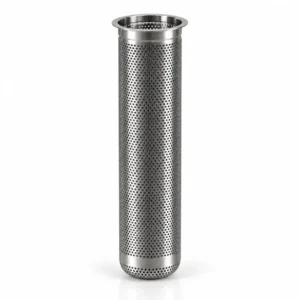
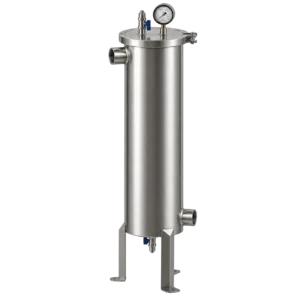
Filtration is based on the inside-out flow principle. The treated liquid collects inside the filter housing in which the bag filter sits and is removed from the system through the outlet connection. Making the bag filter longer than the basket height helps prevent the stretching, deformation and possible mechanical damage that differential pressure can cause.

Cross-section illustration showing dirty liquid filtering through bag filter felt and leaving clean
STEP 01

Surface Filtration

Dirty liquid enters the bag and meets the inner surface. Large particles above the specified micron threshold are retained in the inner layer of the bag and cannot pass the filter wall. This first filtration stage stops coarse contaminants from reaching the rest of the system, protecting pumps, pipelines and equipment from wear.

Macro illustration showing coarse particles retained on the surface of a felt bag filter
STEP 02

Small Particles

Smaller contaminants that get past the inner surface enter the deep fibre network of the polypropylene felt wall. As the liquid moves from inside to outside, tortuous micro-pores trap the particles. The uniform structure of PP fibres offers high dirt-holding capacity even under heavy particle loads.

Illustration showing small particles retained in depth in the fibre matrix of a felt bag filter
STEP 03

Differential Pressure

Contamination building up inside the bag gradually makes it harder for liquid to pass out. The difference (ΔP) between the high pressure inside and the outlet pressure outside rises; when the 2–2.5 bar change-out threshold is reached, the bag is replaced to maintain process continuity.

Advantages of the PP Felt Bag Filter

The polypropylene felt structure goes beyond surface filtration, retaining particles deep within the fibres. With a wide chemical resistance profile, low operating costs and applications ranging from food to chemicals, PP felt bag filters offer a long-term, reliable solution on industrial filtration lines.

Wide Chemical Resistance
Outstanding resistance to inorganic chemicals, acids and alkalis; technical confirmation is recommended for specific solvent applications.
Depth Filtration
Retains particles not only at the surface but throughout the thickness of the fabric.
Low Operating Costs
High capacity means fewer change-outs and a low unit price.
Food Compatibility
Raw material suitable for food contact.
High Flow Rate
Allows operation at high flow rates with minimal pressure loss.
Silicone-Free Production
No risk of cratering in paint and coating applications.
Ultrasonic Welding
A joint with no needle holes or thread, reducing the risk of leakage, fibre breakage and thread-related contamination.
Easy Installation
Collar options that fit standard housings perfectly.
Bypass Protection
With PP ring and snap ring collars, the collar seats in the housing under pressure, reducing the risk of edge leakage; models with handles make the bag easy to remove.

Bag Diameter and Length Options

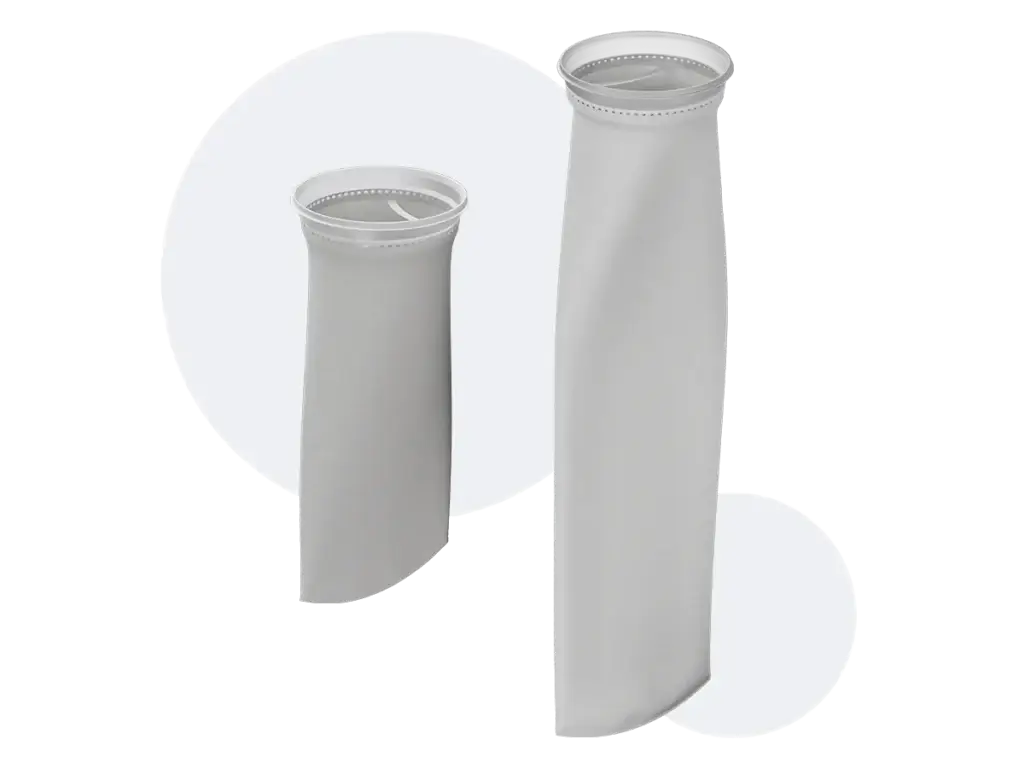
PP felt bag filters fit a wide range of housings with standard 100 mm and 180 mm diameter options. Four standard sizes, from short to long, meet different flow and volume requirements while offering direct compatibility with your existing system.
Short and long white felt bag filters showing bag filter diameter and length options

100 mm Diameter

Suitable for small-scale systems and laboratory-type filter housings.

180 mm Diameter

The industry-standard size and the most widely used size for high-flow systems.

Custom Manufacturing

Bags can be made to sample for older or imported special equipment.

180 × 430 mm
Standard Large Diameter • Short Length (~0.25 m² Filter Area)
180 × 810 mm
Standard Large Diameter • Long Length (~0.50 m² Filter Area • Most Common)
100 × 230 mm
Compact Small Diameter • Short Length (~0.08 m² Filter Area)
100 × 380 mm
Compact Small Diameter • Long Length (~0.14 m² Filter Area)

Micron Options and Precision

We offer a wide range from 1 micron to 200 microns according to the clarity your application requires. Efficiency in felt filters is nominal; the retention rate for particles of the stated micron rating is about 70%. The exact rate varies with the nature of the particles, the flow rate and the dirt load in the bag.
Macro illustration showing particles retained by micron rating in the fibres of a felt bag filter
Micron (µm) Precision Level and Typical Application
1 – 5 Microns (µm) Precision Level: Very Fine
Typical Application: Final filtration, clarification
10 – 25 Microns (µm) Precision Level: Fine
Typical Application: Fine chemicals, drinking water
50 – 75 Microns (µm) Precision Level: Medium
Typical Application: Process water, pre-filtration
100 – 200 Microns (µm) Precision Level: Coarse
Typical Application: Cooling towers, coarse particles

Collar Types and Adapters

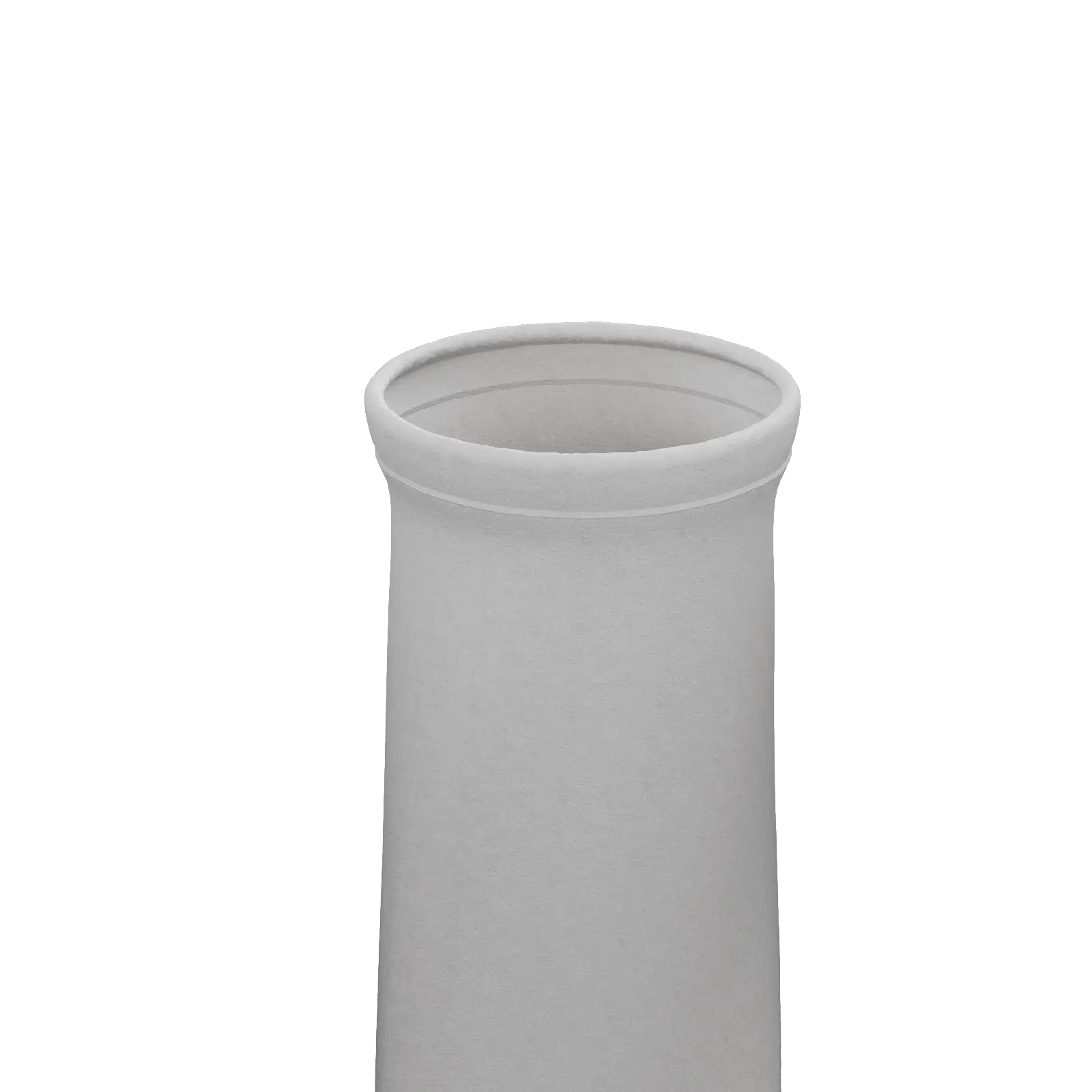
A safe, leak-tight connection of the bag filter to the system starts with choosing the right collar. Six collar types, from PP rings to steel snap rings and from fabric flanges to drawstrings, can be selected according to the design of your existing housing, the operating pressure and the requirements of the chemical environment.
Bag filter with PP ring (plastic ring) collar

PP Ring (Plastic Ring)

Polypropylene ring, stitched or welded. Used where full chemical resistance is required.
Bag filter with snap ring (steel ring) collar

Snap Ring (Steel Ring)

Galvanised or stainless steel ring. The most widely used, economical standard collar.
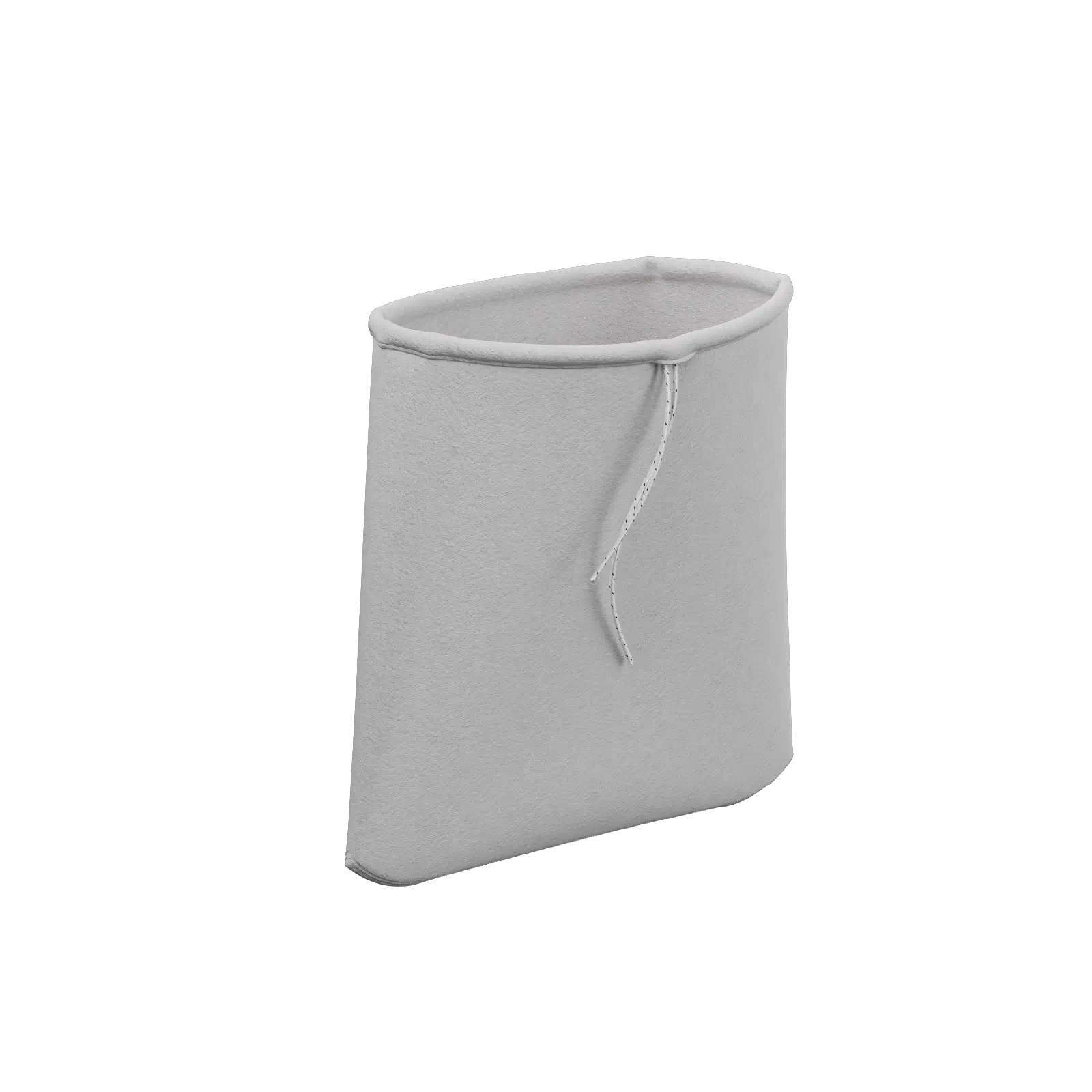
Bag filter with drawstring collar

Drawstring

Can be tied manually to any pipe outlet or special hanger with the drawstring.
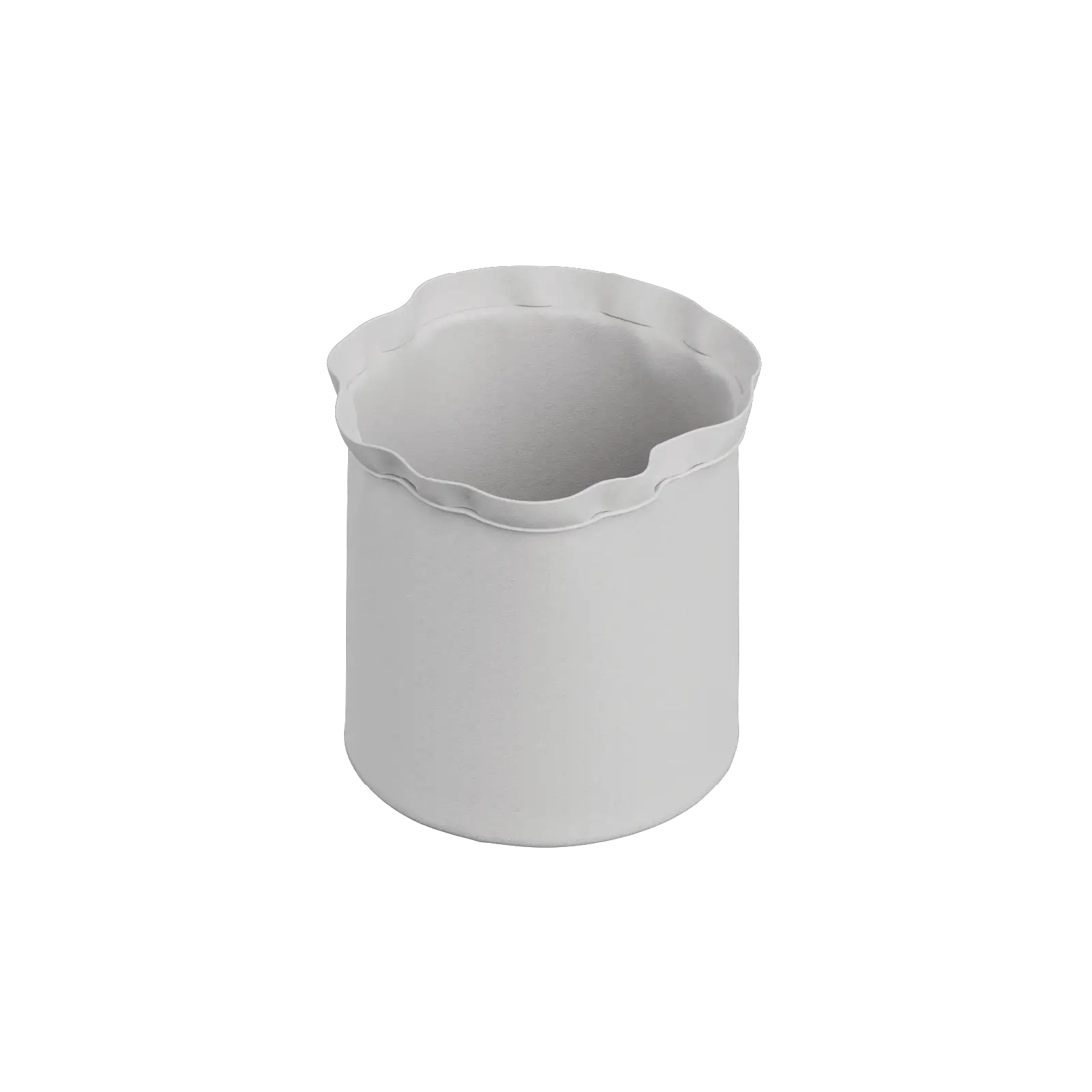
Bag filter with flange top collar

Flange Top (Fabric Flange)

The flange collar, made from the same felt as the bag, is compressed between the housing and the lid to provide a seal.
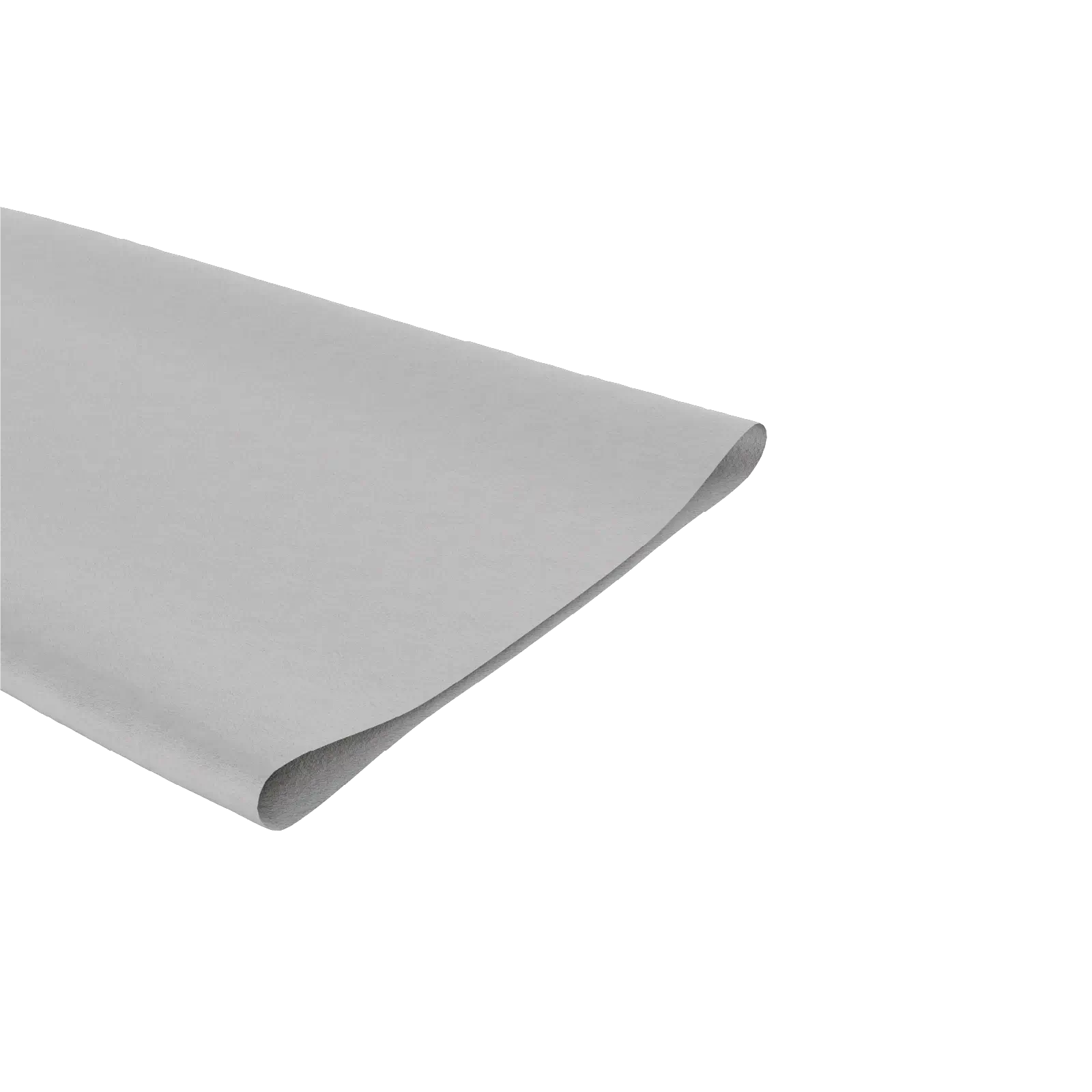
Plain top (plain-cut) bag filter

Plain Top

Has no ring; suitable for machines with a special clamping device.
Snap band (snap ring) bag filter

Snap Band

The flexible steel band clicks into its seat. Allows fast change-outs.
TECHNICAL ASSESSMENT BASED ON FIELD EXPERIENCE

Engineer's Note

The most common problem we see in the field with polypropylene felt bag filters is bypass caused by choosing the wrong collar type. Even if the filter medium has the right micron rating, filtration quality may fall short if the bag mouth does not seat fully on the housing’s sealing surface. The second most common problem is choosing a bag the same length as the basket. In that case the bag cannot sit fully on the bottom of the basket; as the pressure difference rises, the load falls not on the basket but on the bottom and seams of the bag, the bag tears, and the feedback from the field is that “the filter burst”. The bag should be chosen about 10 cm longer than the basket so that it sits on the bottom of the basket under pressure and the basket carries the load. When to choose it: in processes with a high particle load where the aim is to extend the filter change interval, a coarse + fine stage combination significantly extends the life of the main filter. When not to choose it: polypropylene felt should not be put into service without confirming chemical compatibility; swelling or mechanical degradation can occur with solvent-based liquids.

Application and Selection Criteria

Collar Type and Flange Fit
Choose the collar type based on a photo or sample of your current filter; relying on catalogue dimensions alone is not enough.
Bag and Basket Length
Choose a bag about 10 cm longer than the basket. A bag the same length as the basket cannot reach the bottom and will tear at the base under pressure.
Stage Combination
In processes with a high particle load, combining a coarse and a fine stage can significantly extend the life of the main filter.
Chemical Compatibility (Solvents)
Polypropylene felt can swell or degrade in solvent-based liquids; it should not be put into service without confirming chemical compatibility.

Industry Applications

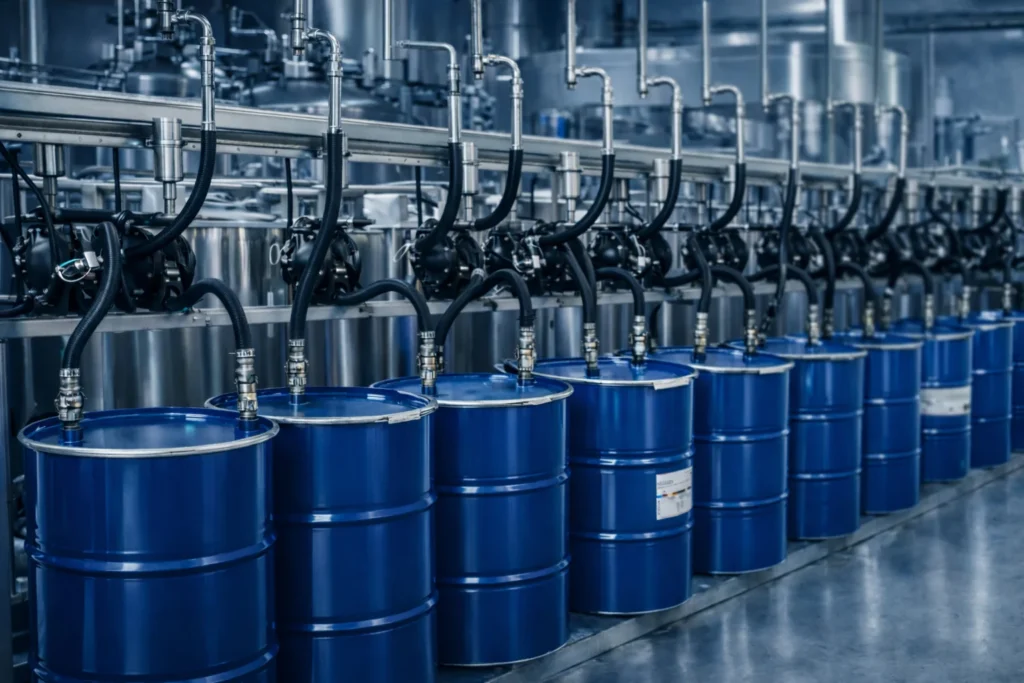
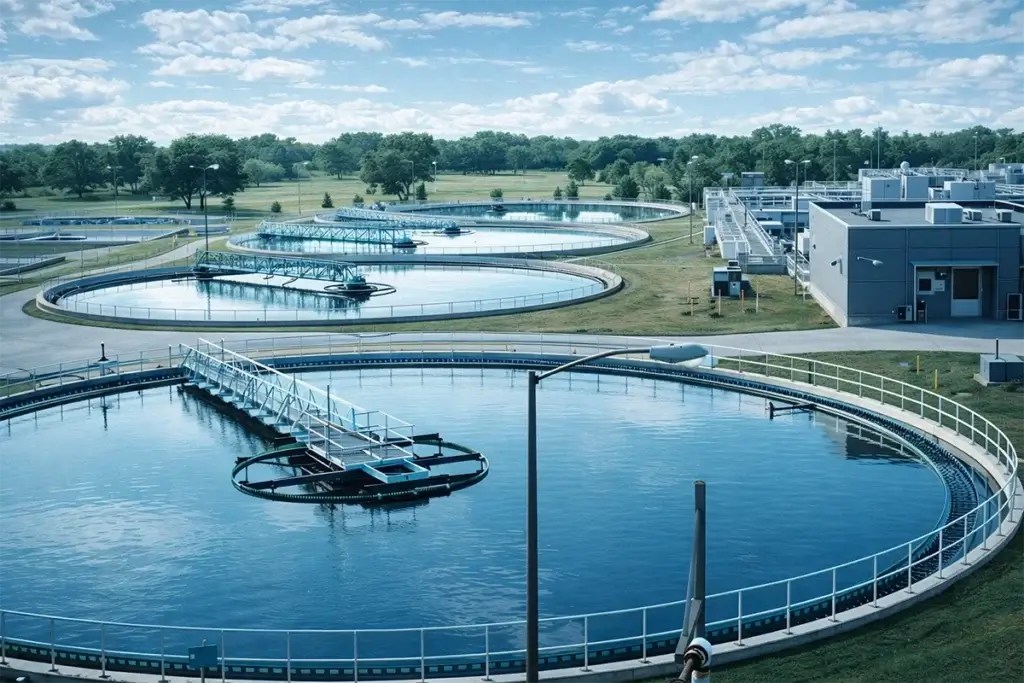
With their chemical resistance, wide micron range and food-compatible materials, polypropylene felt bag filters work without interruption in very different industrial processes. From paint and coating lines to food processing plants and from water treatment systems to petrochemical processes, they can be integrated into any application with the right micron and collar combination.
1–6 / 24
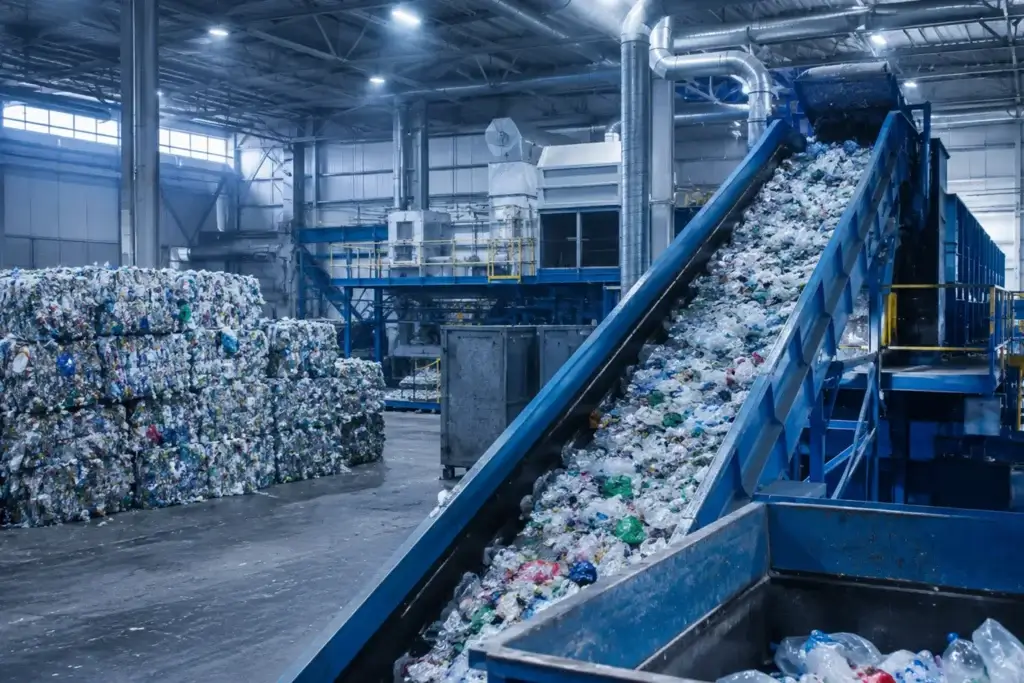
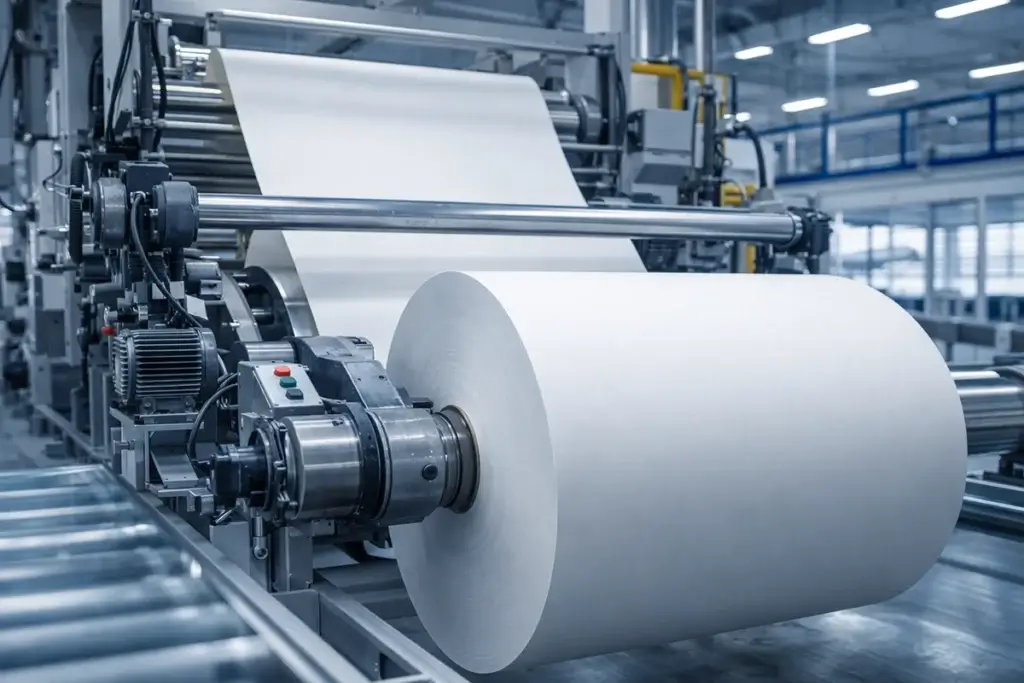
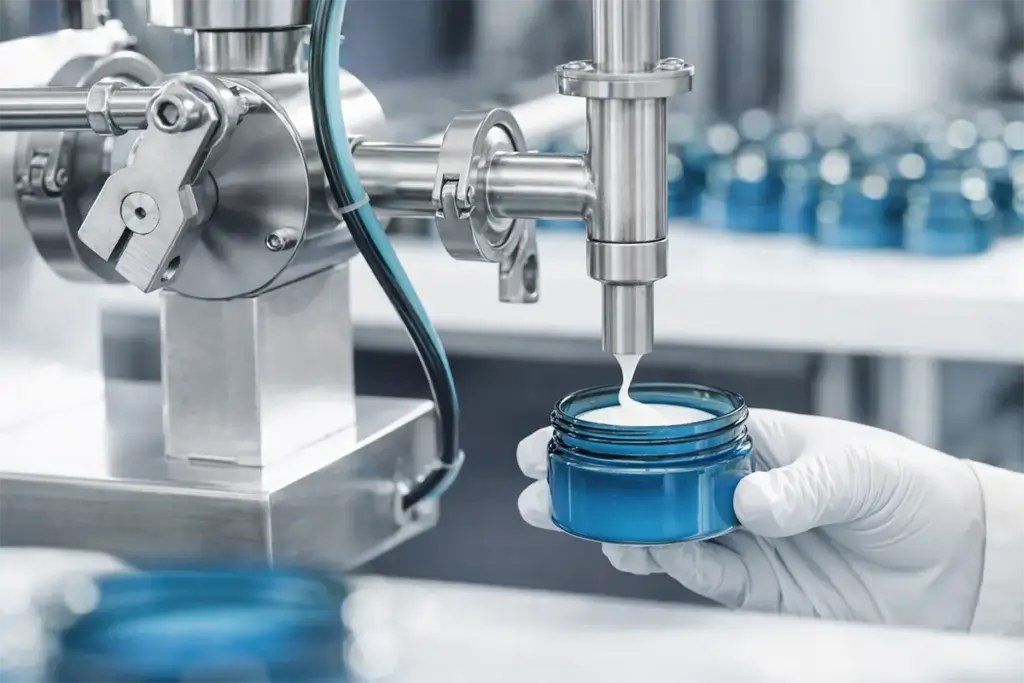
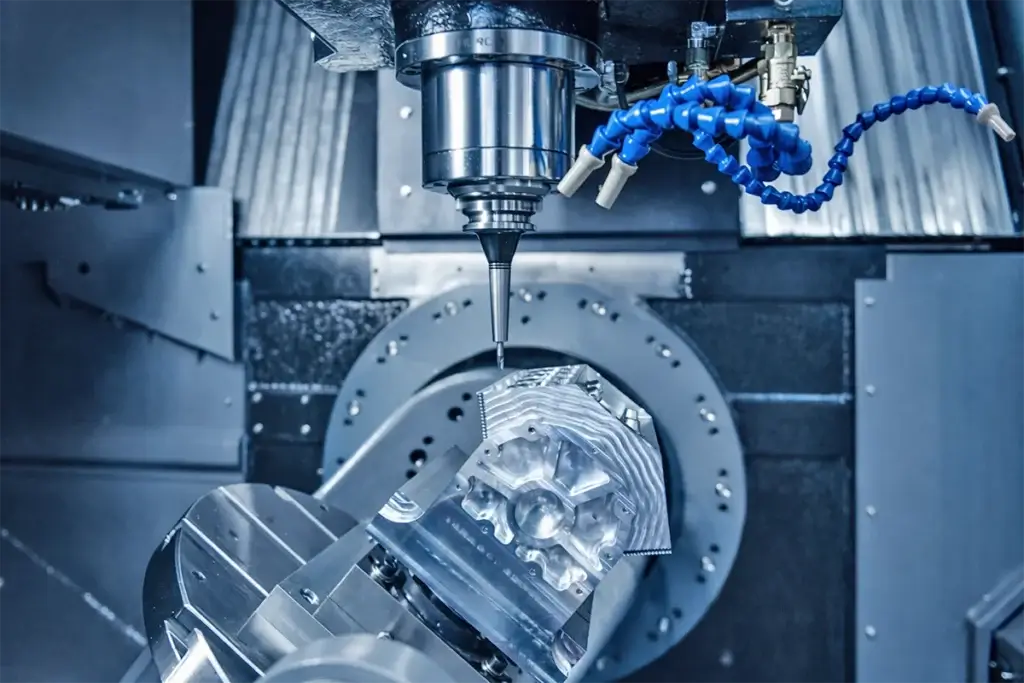
Vegetable Oil 01 Vegetable Oil Clarity, purity and shelf life in vegetable oil and refining. Explore solutions Pipe and Profile 02 Pipe and Profile Cooling water filtration in pipe and profile extrusion. Explore solutions Paint Industry 03 Paint Industry Surface quality and pigment filtration in the paint industry. Explore solutions Glass Industry 04 Glass Industry Furnace and process filtration in the glass industry. Explore solutions Dialysis Centers 05 Dialysis Centers Water preparation and process filtration in dialysis centers. Explore solutions Foundry Industry 06 Foundry Industry Equipment protection and dust filtration in foundries. Explore solutions Industrial Oil 07 Industrial Oil Filtration in industrial oil production and recovery. Explore solutions Energy and Biogas 08 Energy and Biogas Maximum efficiency and turbine protection in energy and biogas. Explore solutions Recycling 09 Recycling Filtration for efficiency and environmental compliance in recycling. Explore solutions Food and Beverage 10 Food and Beverage Hygienic filtration in food and beverage. Explore solutions Pharmaceuticals and Biotechnology 11 Pharmaceuticals and Biotechnology GMP-compliant sterile filtration in pharmaceuticals and biotechnology. Explore solutions Paper and Packaging 12 Paper and Packaging Process water filtration in paper and packaging. Explore solutions Chemical Industry 13 Chemical Industry Corrosion-resistant, safe filtration in the chemical industry. Explore solutions Cosmetics 14 Cosmetics Microbiological safety and precision filtration in cosmetics. Explore solutions Machinery 15 Machinery Precision and technical filtration in the machinery industry. Explore solutions Printing and Ink 16 Printing and Ink Flawless color and print quality in printing and ink. Explore solutions Metal and Surface Treatment 17 Metal and Surface Treatment Flawless surfaces and bath stability in metal and surface treatment. Explore solutions Forest Products 18 Forest Products Resin and glue filtration in forest products and furniture. Explore solutions Automotive 19 Automotive Precision process filtration for zero defects in automotive manufacturing. Explore solutions Oil and Petrochemicals 20 Oil and Petrochemicals Equipment protection and process safety in oil and petrochemicals. Explore solutions Plastic Packaging 21 Plastic Packaging Precision process filtration and raw material purity in plastic packaging. Explore solutions Plastic Injection Molding 22 Plastic Injection Molding Cooling and hydraulic filtration in plastic injection molding. Explore solutions Water and Environment 23 Water and Environment Recovery filtration in water and environmental technologies. Explore solutions Shipyards and Marine 24 Shipyards and Marine Operational safety and efficiency in shipyards and marine. Explore solutions













Performance Parameters

The field performance of a polypropylene felt bag filter depends on three main parameters considered together: flow capacity, the balance of service life against micron rating and surface area, and sealing. The depth structure of needle-punched felt spreads particles through the thickness of the fabric, slowing the pressure rise even with a high dirt load and extending bag life.

High Flow
Maximum liquid throughput at low differential pressure thanks to the large surface area and optimised pore structure.
Micron / Surface Area / Service Life Balance
Bag life is determined as much by filtration surface area as by micron rating. When enough surface area (the right bag length and number of bags) is chosen for the flow and solids load, the pressure difference rises more slowly; the right micron rating delivers the required clarity.
Sealing
The risk of bypass (leakage) is minimised, especially in ultrasonically welded models.

Filter Selection Technical Checklist

The wrong filter choice means early clogging, system failure and unnecessary cost. Choosing the right PP felt bag filter requires eleven critical parameters to be considered together, from the chemical nature of the fluid to the operating temperature and from the flow rate to the solids load. The checklist below is designed to help you make a fast, reliable choice on site and in technical discussions.

Chemical Nature of the Fluid
Choose the material according to the acid/base content (PP offers wide chemical compatibility with acids and alkalis).
Operating Temperature
If the liquid temperature is above 90 °C, Polyester (PE) should be chosen.
Required Cleanliness Level
Choose the coarsest micron rating that will not harm the process. At fine levels such as 1–5 µm, choose an ultrasonically welded bag to prevent needle-hole leakage.
Flow Rate
The flow rate in m³/h determines the filter length and number.
Filter Size and Number (Surface Area)
Provide enough filtration surface area for the flow, viscosity and solids load. Bag length and the number of bags working in parallel are determined by this area; insufficient area means early clogging and short life.
Viscosity
As liquid viscosity increases (like the difference between water and honey), increase the filtration surface area rather than lowering the micron rating: a longer bag or more bags.
Collar (Ring) Type
It must seat fully in the existing filter housing seat.
Food Approvals
If there is food contact, confirm that the product is made from raw material suitable for food contact and check the compliance certificate.
Maximum Pressure
Check the pressure difference that the body and bag can withstand.
Ease of Change-Out
A handle/loop on the bag speeds up operation.

Points to Watch During Use

Getting maximum efficiency and life from a polypropylene felt bag filter depends on correct installation, the right collar choice and timely replacement. Sudden pressure fluctuations, incorrect installation, exceeding the 90 °C limit or going past the change-out threshold can permanently damage the felt structure, cause bypass and reduce filtration efficiency.
Initial Start-Up
Sudden pressure surges should be avoided when the filter is first put into service.
Timely Replacement
Replace the bag when the pressure difference (ΔP) between the inlet and outlet gauges reaches 2–2.5 bar. Exceeding this threshold can compact the felt, tear the bag and cause bypass.
Collar and Housing Fit
The collar type must match the sealing surface of the filter housing exactly.
Washing and Reuse
Whether a bag filter can be washed and reused must be assessed separately according to the nature of the retained particles, the filtration precision and process safety requirements.
Correct Placement & Installation
The bag must be placed correctly in the filter basket and the housing.
Basket and Seat Check
If the old bag is deformed, torn or bypassing at the edge, check not only the bag but also the filter basket and the sealing surface.
Ring and Gasket Protection
The PP ring, snap band or snap ring must not be damaged during installation.
Even Lid Tightening
The housing lid should not be overtightened; deformation of the collar creates bypass.

Products that work with this product

Housings the bag fits, the support basket and other media options that can be used in the same housing.
This product
Polypropylene felt bag filter with white felt body and steel ring collar

Polypropylene Felt Bag Filter

Bag Filters
Polyester felt bag filter with white felt body and steel ring collar

Polyester Felt Bag Filter

1–200 µm polyester felt bag rated to 135 °C.

View →
SMS bag filter with white spunbond-meltblown-spunbond body

SMS Bag Filter

Depth bag for gel-like particles, 0.5–10 µm.

View →
Request everything in one quote: let’s size the product, housing and connection parts together.

Your Questions Answered

Frequently Asked Questions

At Prosestim, we are committed to answering your questions and providing technical support for our filtration solutions.

When should I replace the bag filter?
Replacement is generally recommended when the pressure difference between inlet and outlet reaches 2 to 2.5 bar.
Because felt bags provide depth filtration, dirt retained inside the fibre structure cannot be completely removed by washing, and the fibre structure can be damaged during washing. Reuse must therefore be assessed separately according to the nature of the retained particles, the required filtration precision and process safety. A new bag is recommended for precision and critical applications.
The longer the bag, the larger the filtration area, giving higher flow and longer service life.
In stitched models, needle holes can let unfiltered liquid through. In ultrasonically welded models, the felt edges are fused by heat generated by vibration, so there are no needle holes or thread; this prevents leakage through holes and contamination from thread.

Yes, we manufacture from raw material suitable for food contact. You can consult our technical team about the compliance documents required for food and beverage applications.

Polypropylene felt bags withstand up to 90 °C. For higher temperatures, polyester felt (up to 135 °C) or PTFE (up to 250 °C) should be chosen.

Yes. Polypropylene shows high chemical resistance to most acids; confirmation of chemical compatibility is recommended for highly concentrated oxidising acids.

It is a heat treatment that stops fibres breaking off and getting into the cleaned liquid.

Yes, we can manufacture to sample or technical drawing for all non-standard bag filter housings.
Our technical team will recommend the most suitable micron rating based on the type of contamination in your process and the clarity you need.
Fast Quote & WhatsApp Consultation

Polypropylene Felt Bag Filter RFQ Configurator

Configure your variation dimensions and technical specifications to receive an instant quote directly on WhatsApp and via email.

1 Select Variation Type
2 Dimensional & Technical Specifications
230 MM
230 MM Custom Made
1 Micron
1 Micron 100 Micron
3 Required Quantity
QUICK QUOTE FORM

Polypropylene Felt Bag Filter

Variation Type: Drawstring Polypropylene Felt Bag Filter
Bag Filter Diameter: 100 MM
Filter Length: 230 MM
Micron Rating: 1 Micron
Request Quantity: 10 Units
ISO 9001:2015 Certified Production
Reply from Our Technical Team
Delivery Across Türkiye and Export

Accounting

Billing Details

Copy our registered company name, tax and e-invoice details with one click using the button on each row.

Invoice name (registered company name)

PROSES TİCARET, İMALAT, MÜHENDİSLİK ENDÜSTRİYEL MADDE VE MALZEME İMALATI İNŞAAT VE SANAYİ LİMİTED ŞİRKETİ

Billing address

Musa Gündüz Cad. No:14 Taşköprü – Çiftlikköy – YALOVA, TÜRKİYE

E-invoice / e-archive email address

Tax office

Yalova Tax Office (Yalova V.D.)

Tax ID number

7330379514

MERSIS number

0733037951400013

Please send BA/BS forms, current account reconciliations and any other emails for our Finance and Administrative Affairs Department to [email protected].

Invoice name (registered company name): PROSES TİCARET, İMALAT, MÜHENDİSLİK ENDÜSTRİYEL MADDE VE MALZEME İMALATI İNŞAAT VE SANAYİ LİMİTED ŞİRKETİ Billing address: Musa Gündüz Cad. No:14 Taşköprü – Çiftlikköy – YALOVA, TÜRKİYE E-invoice / e-archive email address: [email protected] Tax office: Yalova Tax Office (Yalova V.D.) Tax ID number: 7330379514 MERSIS number: 0733037951400013