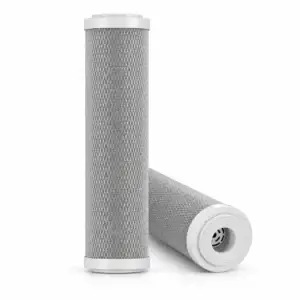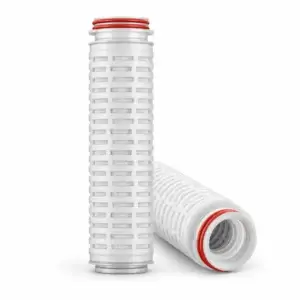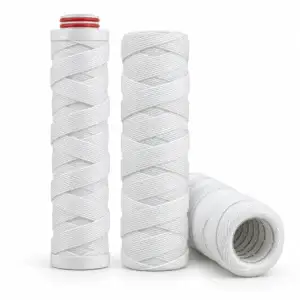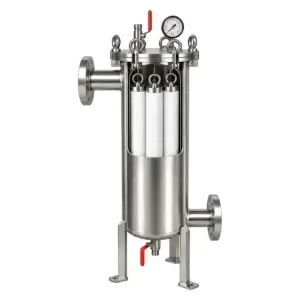
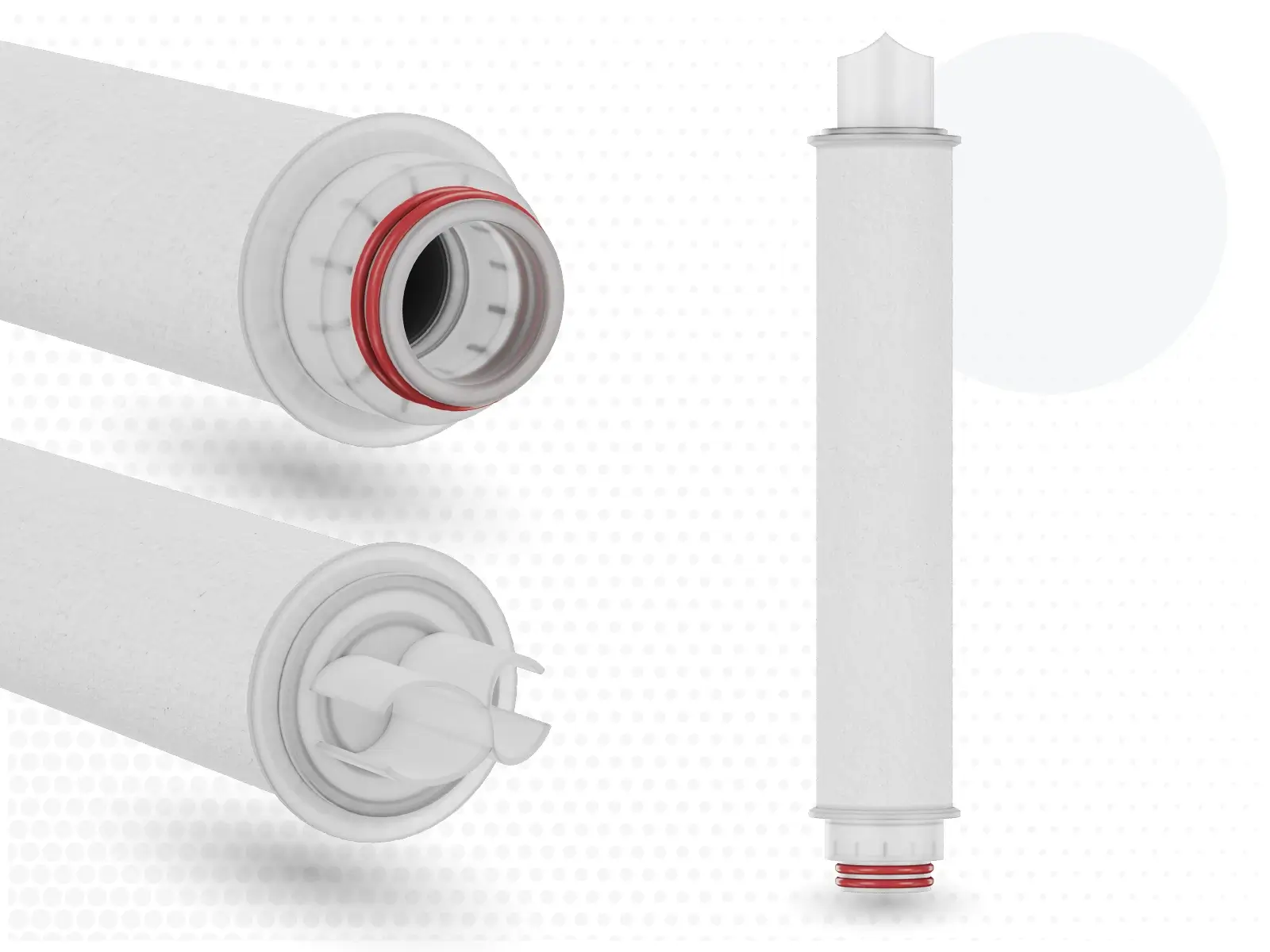
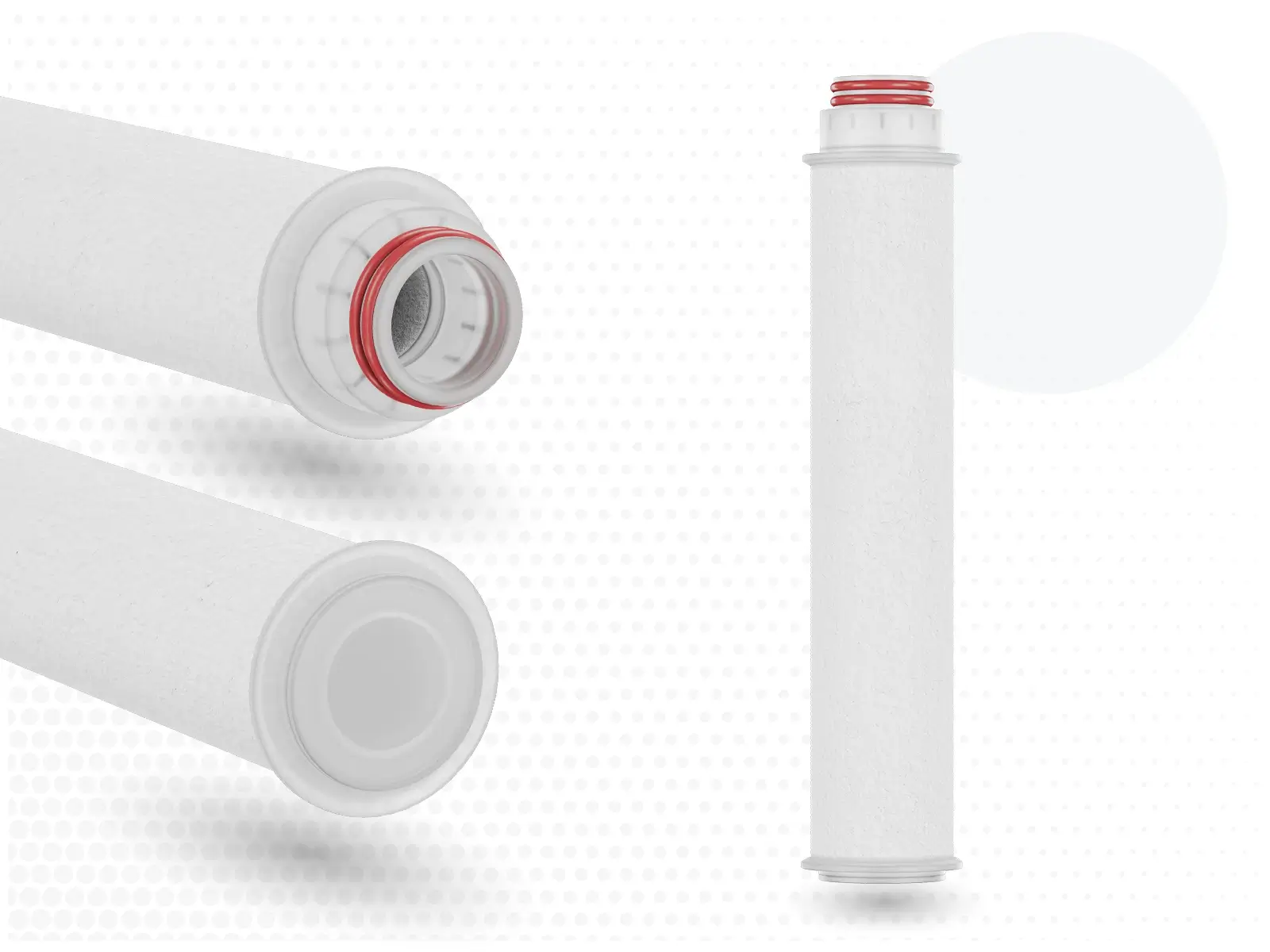
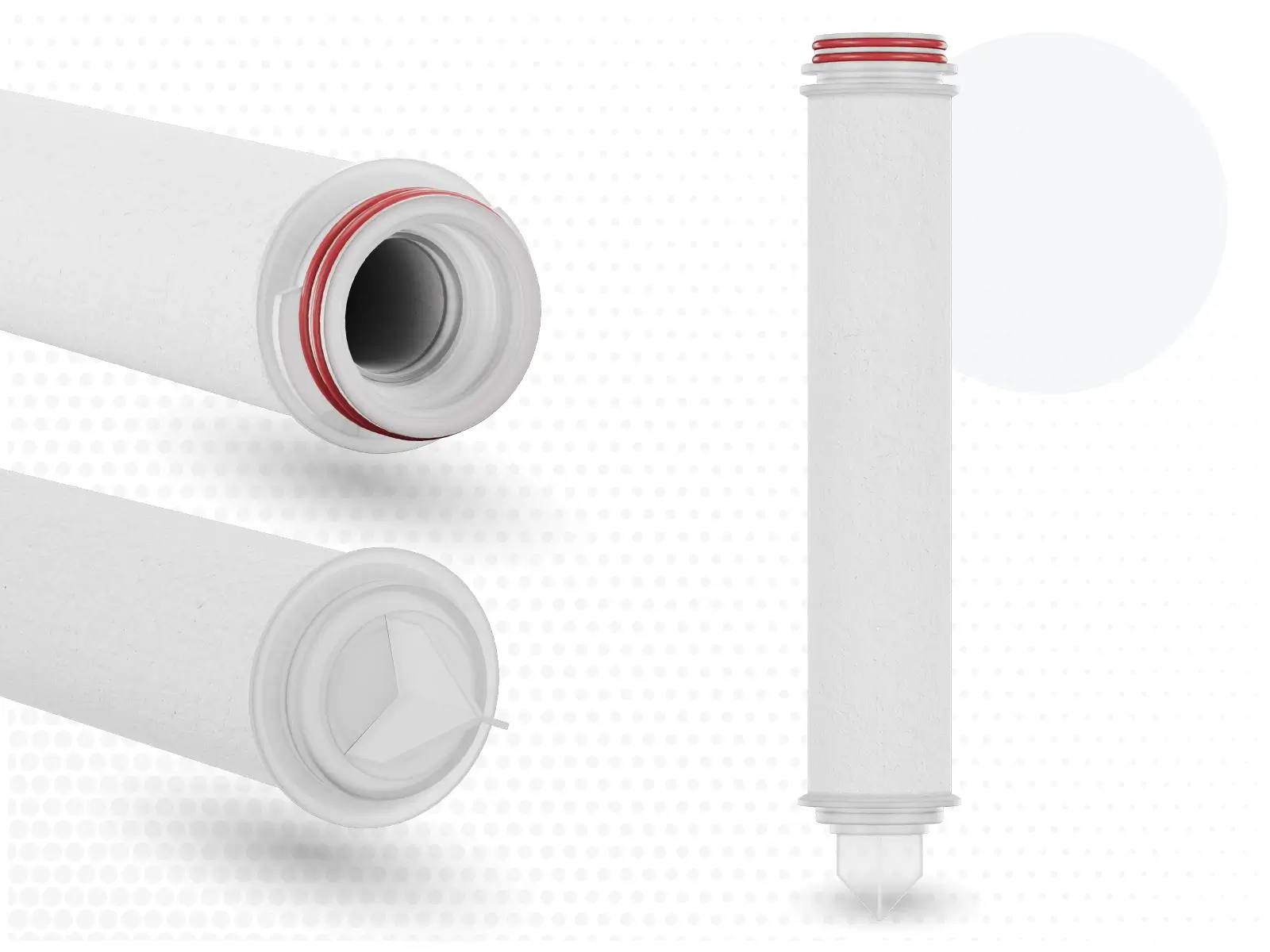
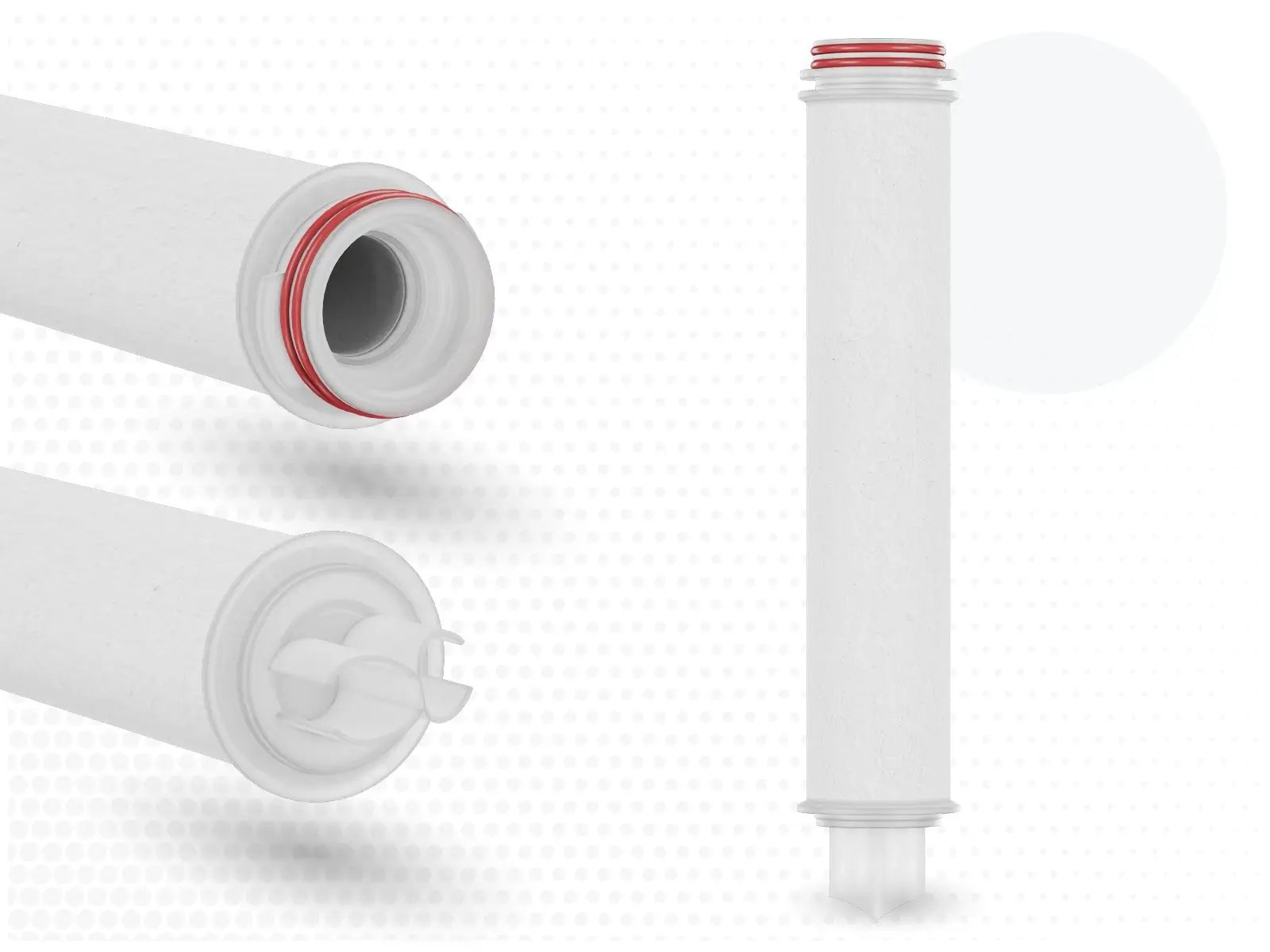
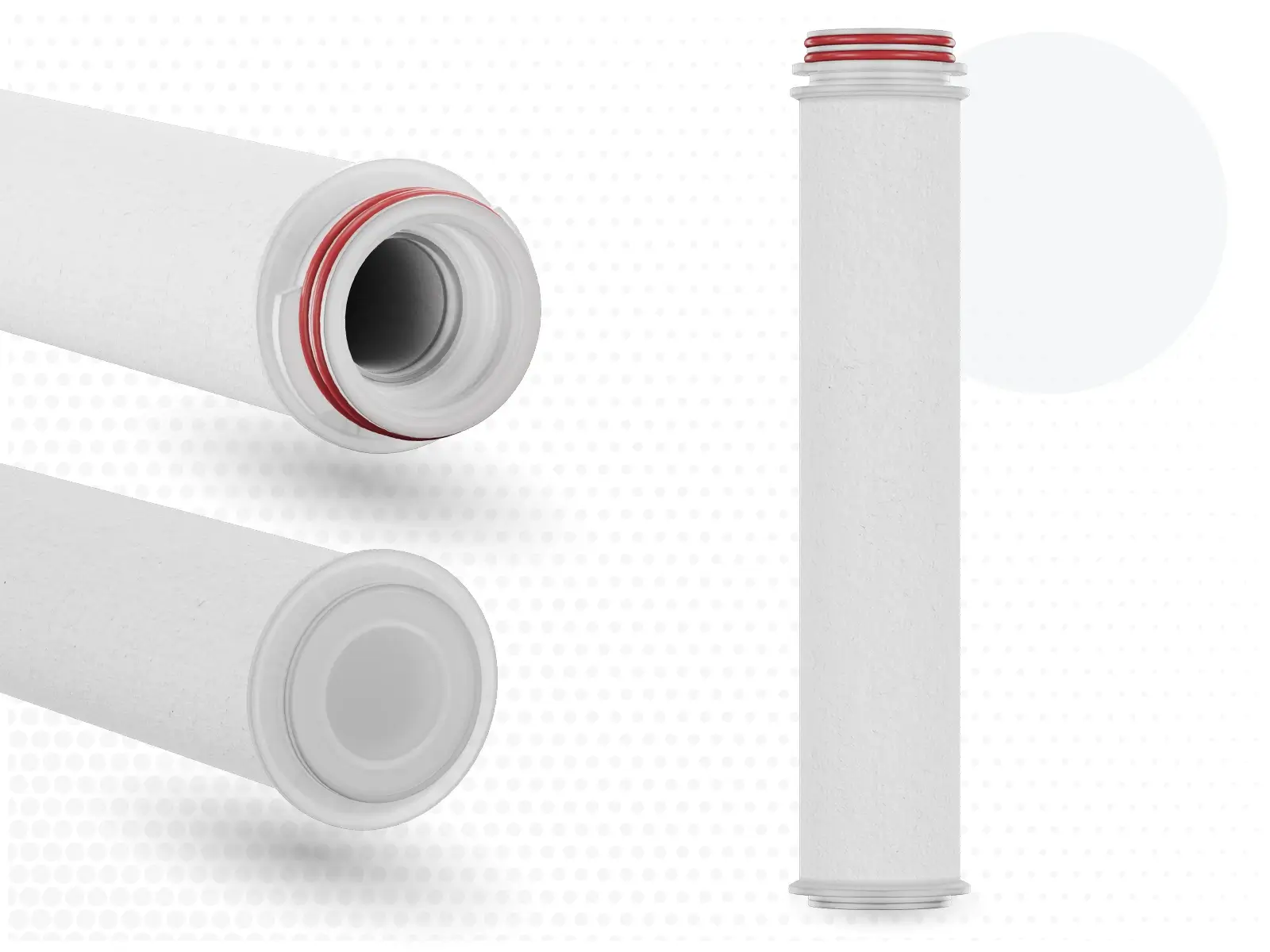
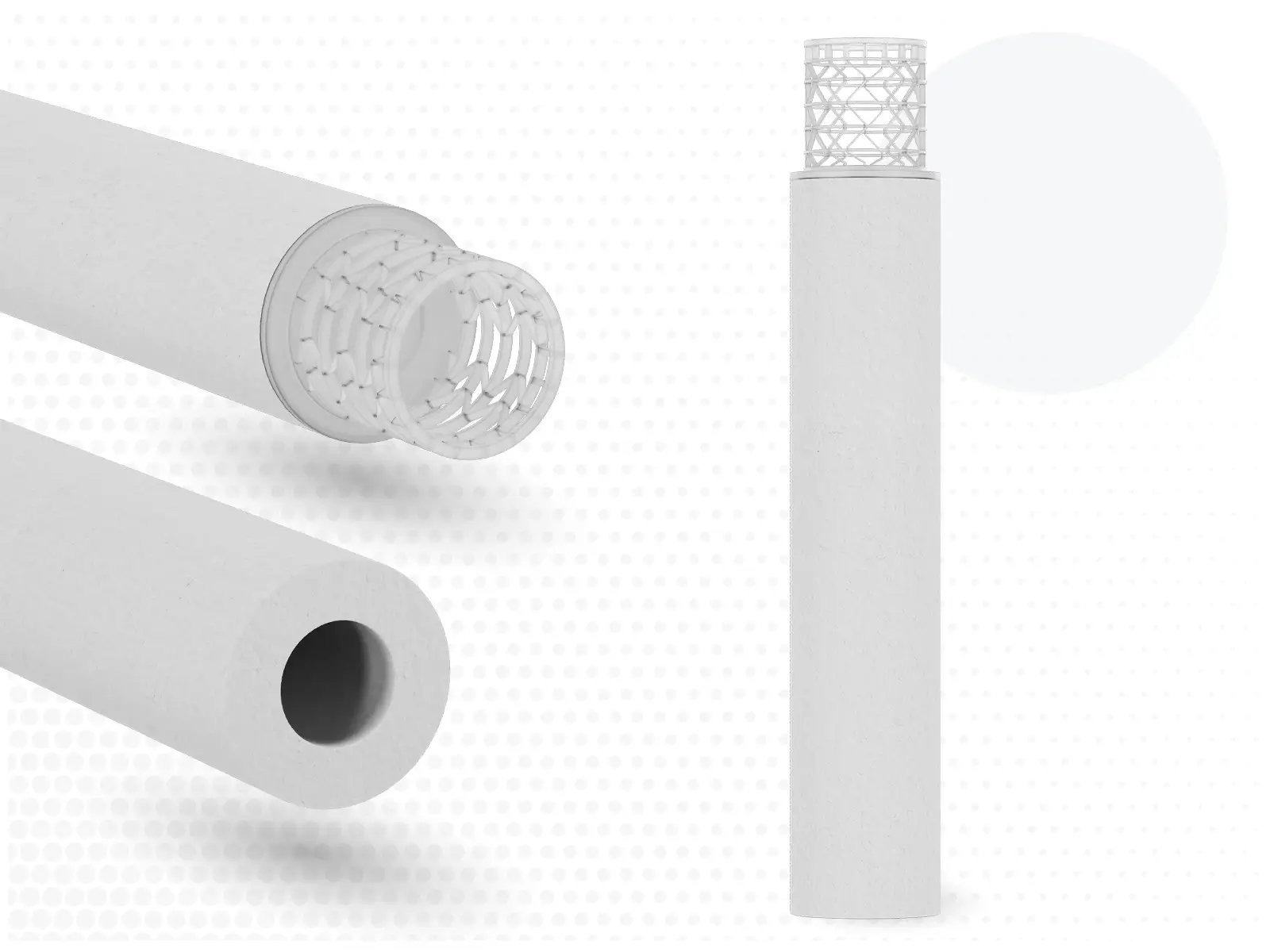



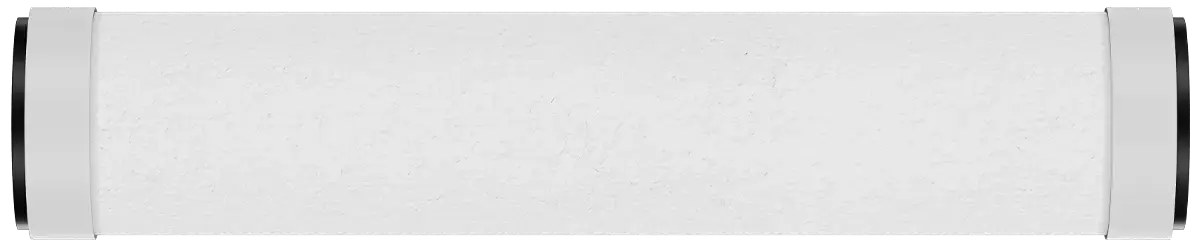
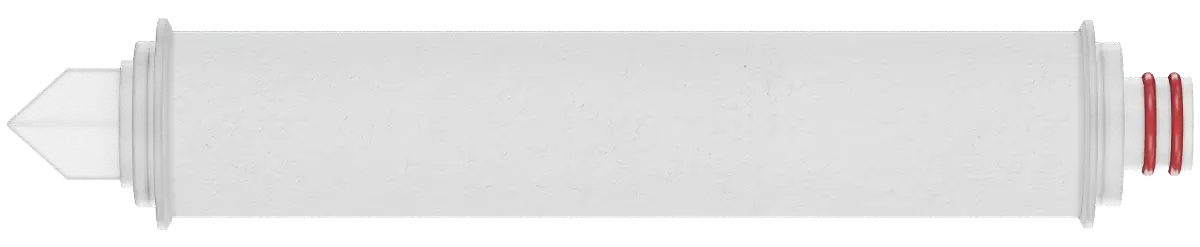
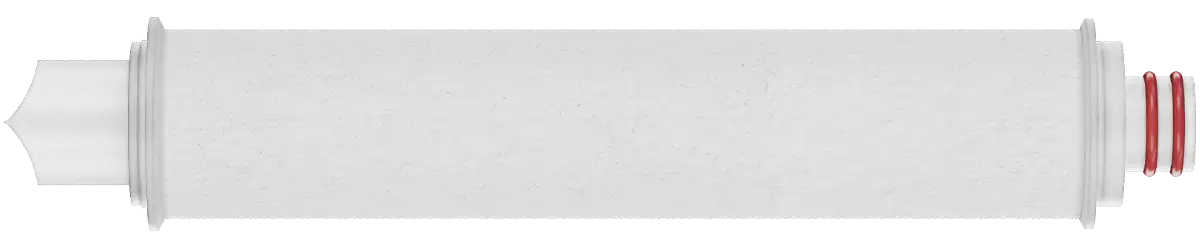
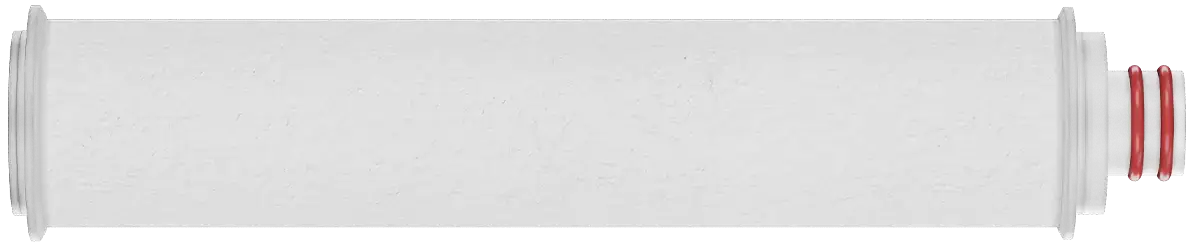
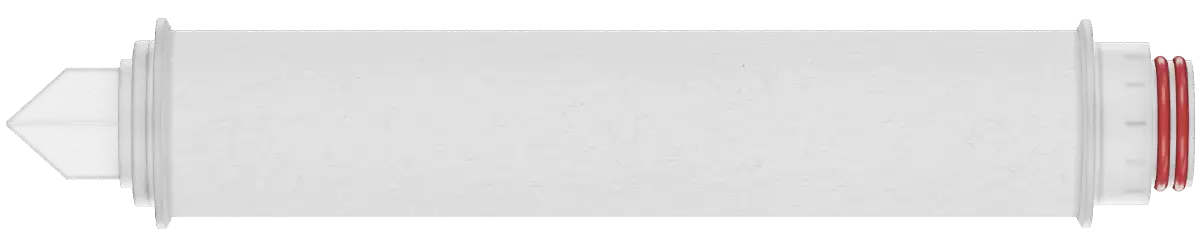
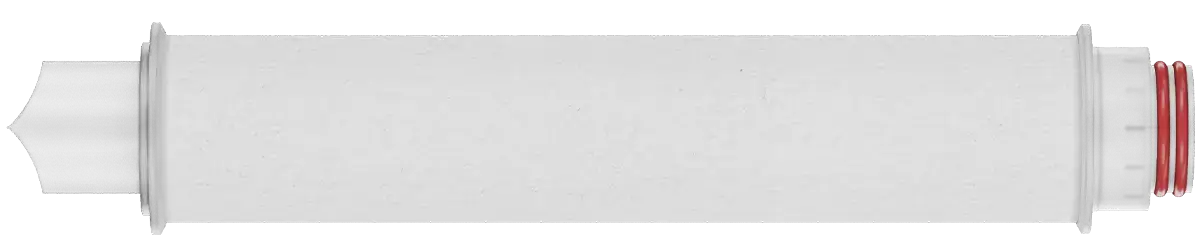
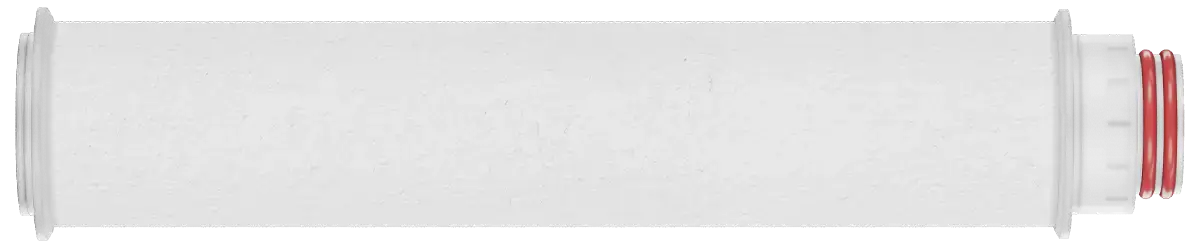
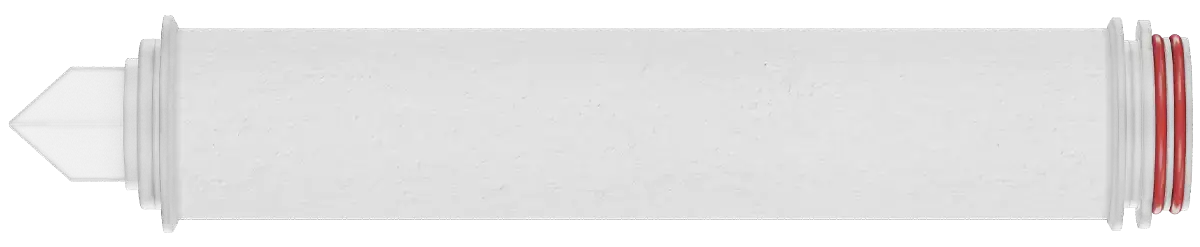
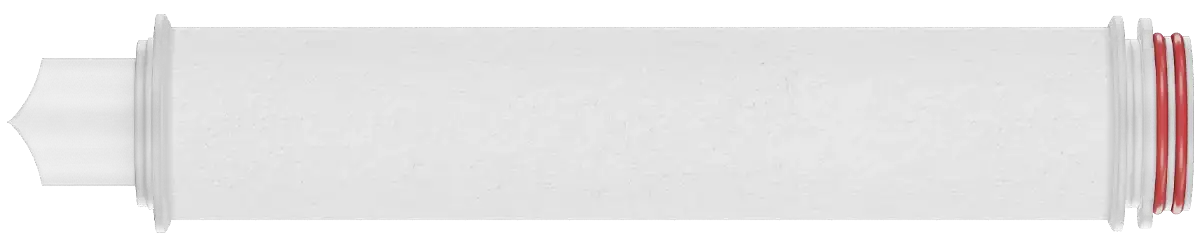
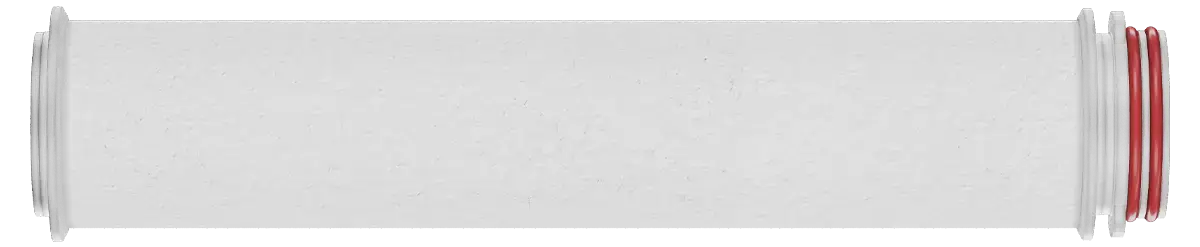
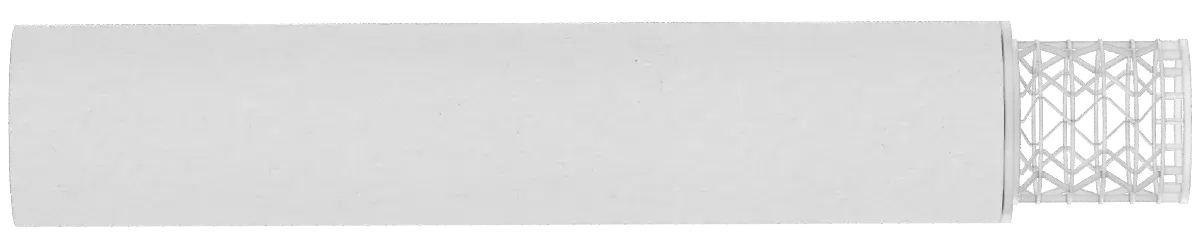
Melt Blown Cartridge Filter (Sediment / Spun Filter)
High Dirt-Holding Capacity with a Graded Pore Structure
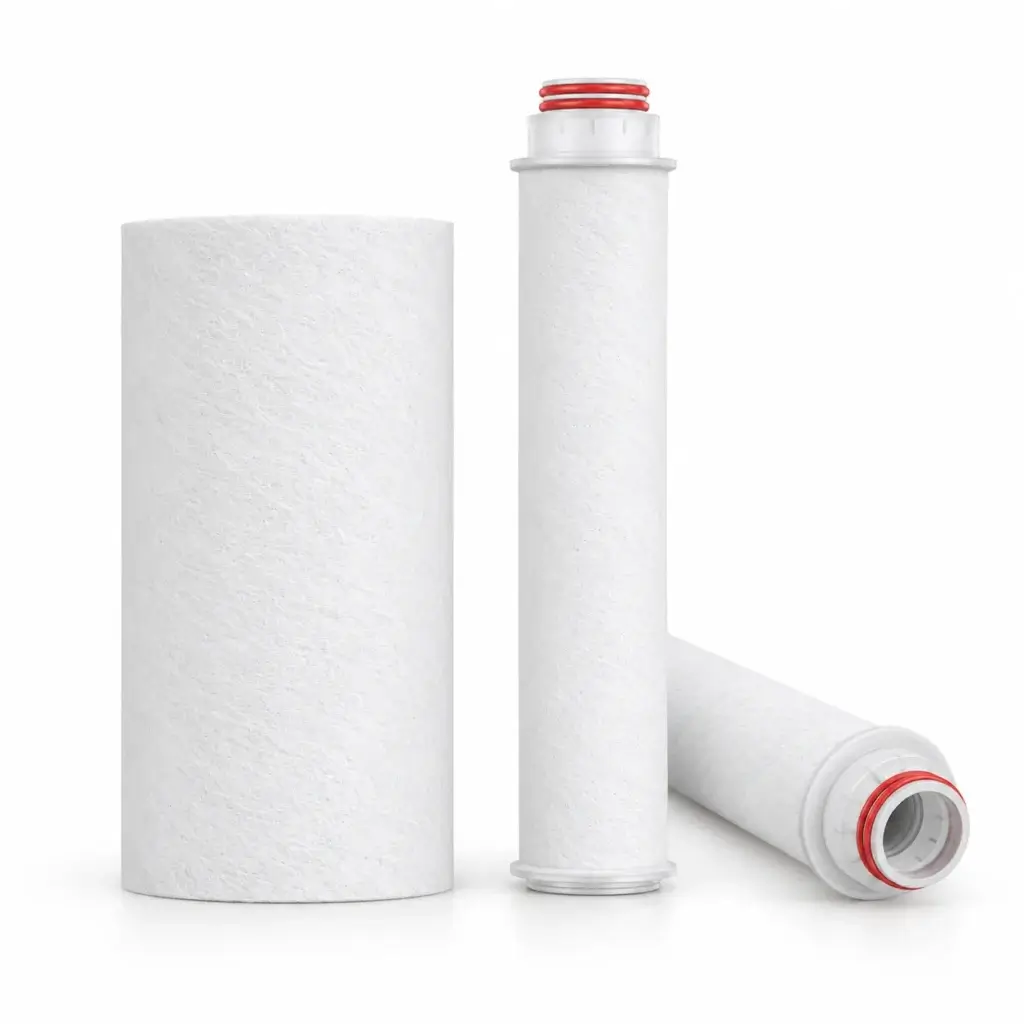
The melt-blown cartridge filter is a binder-free depth filter made from 100% pure polypropylene microfibres by thermal bonding. It is used in the 1–150 µm range for RO pre-filtration, process water, food and chemical lines.
100%
1–150 µm
1–14
ISO 9001:2015
Product Identity and Technical Summary Panel
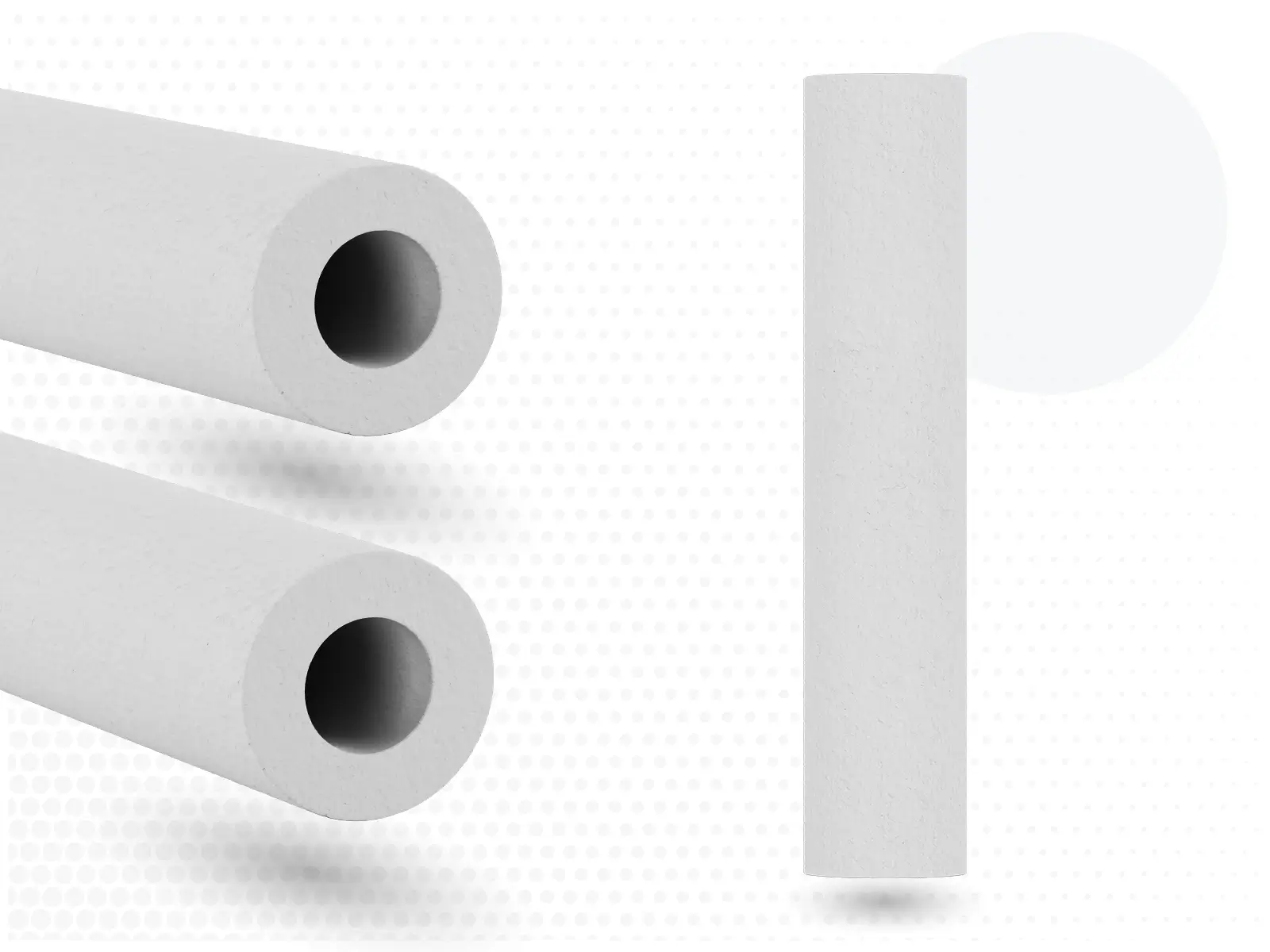
A melt-blown (spun / sediment) filter is a one-piece depth filter made by turning molten polypropylene into microfibres and joining them with thermal bonds. Because it contains no adhesives, resins or lubricants, no fibres or extractables get into the filtrate. As the fluid moves from the outer surface of the cartridge towards the centre, particles are left not at the surface but throughout the wall thickness. It therefore retains a wide range of particles with low pressure loss in RO pre-filtration, process water, chemical and food and beverage lines.
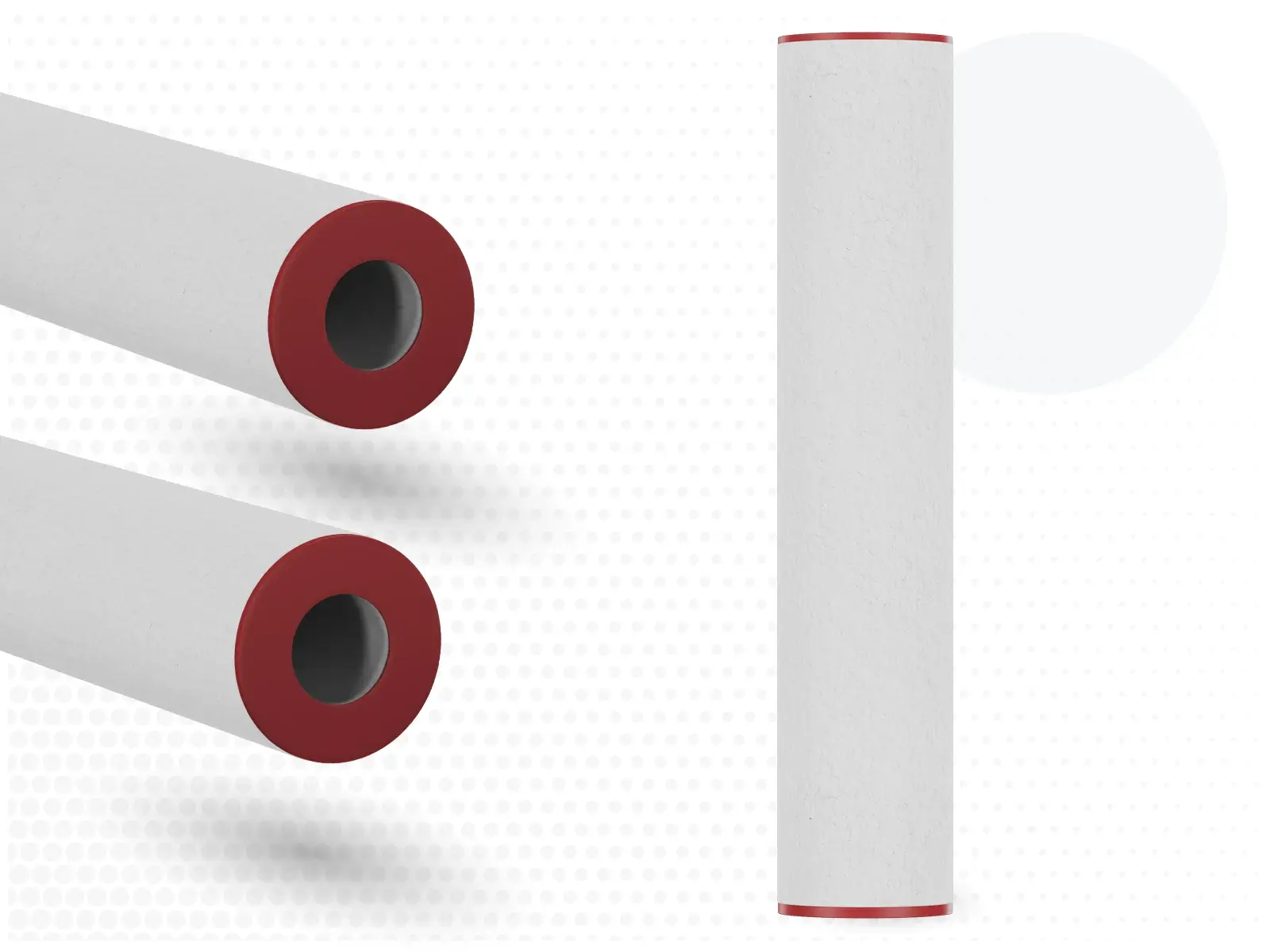
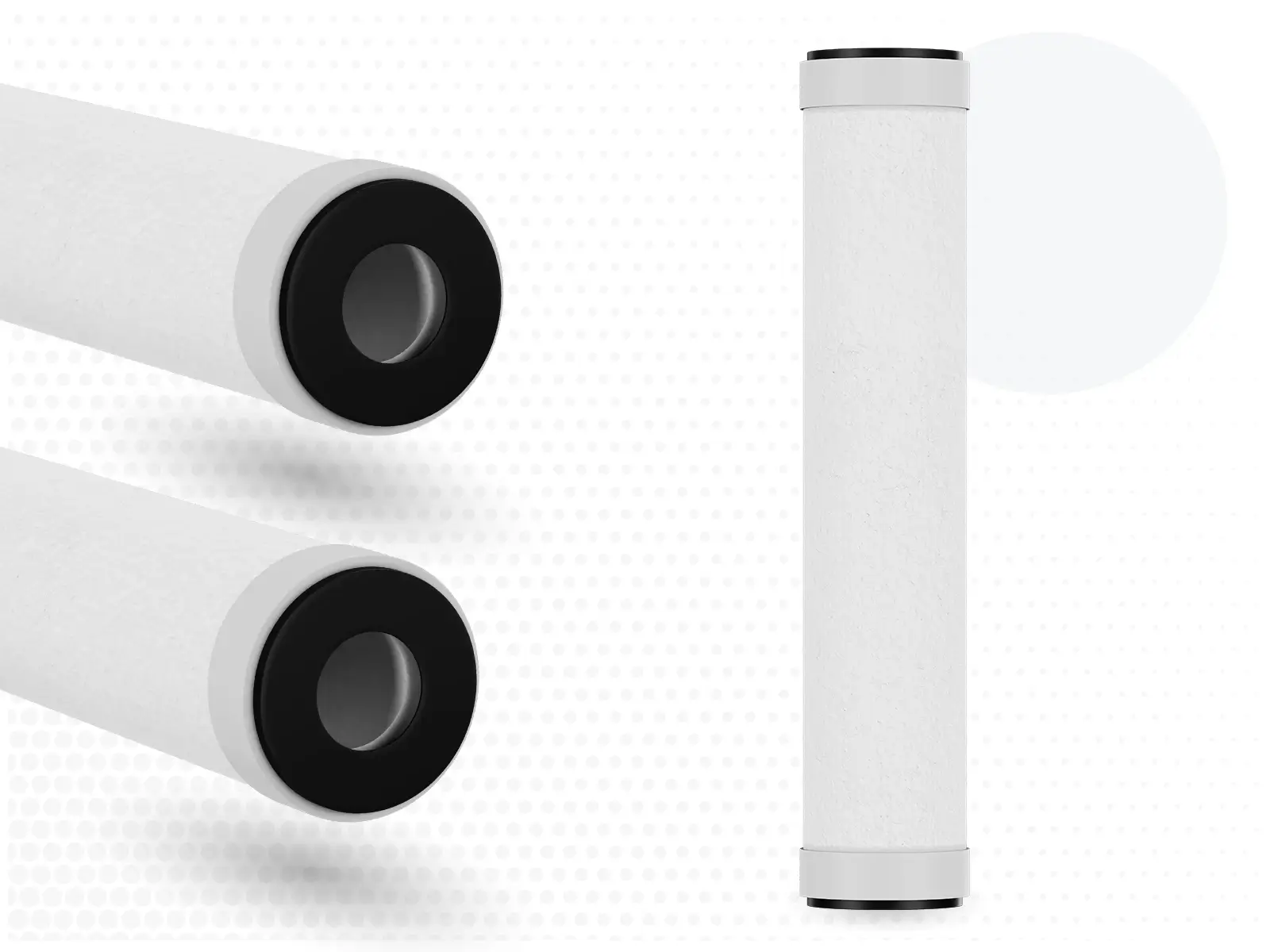
Twelve micron grades from 1 µm to 150 µm, combined with 100% pure polypropylene media and a coreless construction, suit food, beverage, process water and petrochemical applications. Because the cartridges are made in standard lengths from 5″ to 40″, with 60 mm or 110 mm outer diameters, DOE or SOE end types and 215, 222 or 226 O-ring options, they can be configured to suit your existing filter housing.
The micron rating alone is not an adequate criterion. Besides the target particle size, the fluid chemistry, operating temperature and line pressure must be taken into account and the gasket material chosen accordingly. When the choice respects the replacement ΔP limit, the cartridge maintains the expected retention efficiency throughout its service life.


Key Technical and Structural Features
- Filter Media
- 100% pure polypropylene; thermally bonded, additive-free microfibre structure.
- Filter Lengths
- 5" (127 mm)
- 10" (254 mm)
- 20" (508 mm)
- 30" (762 mm)
- 40" (1016 mm)
- Custom Process Lengths
- Filtration Precision
- Wide particle retention and grading range of 1 µm – 150 µm.
- Operating Compatibility
- Reverse Osmosis (RO) Pre-Filtration
- Food & Beverage Lines
- Process Water Treatment
- Petrochemicals and Aggressive Chemicals
- Construction Type
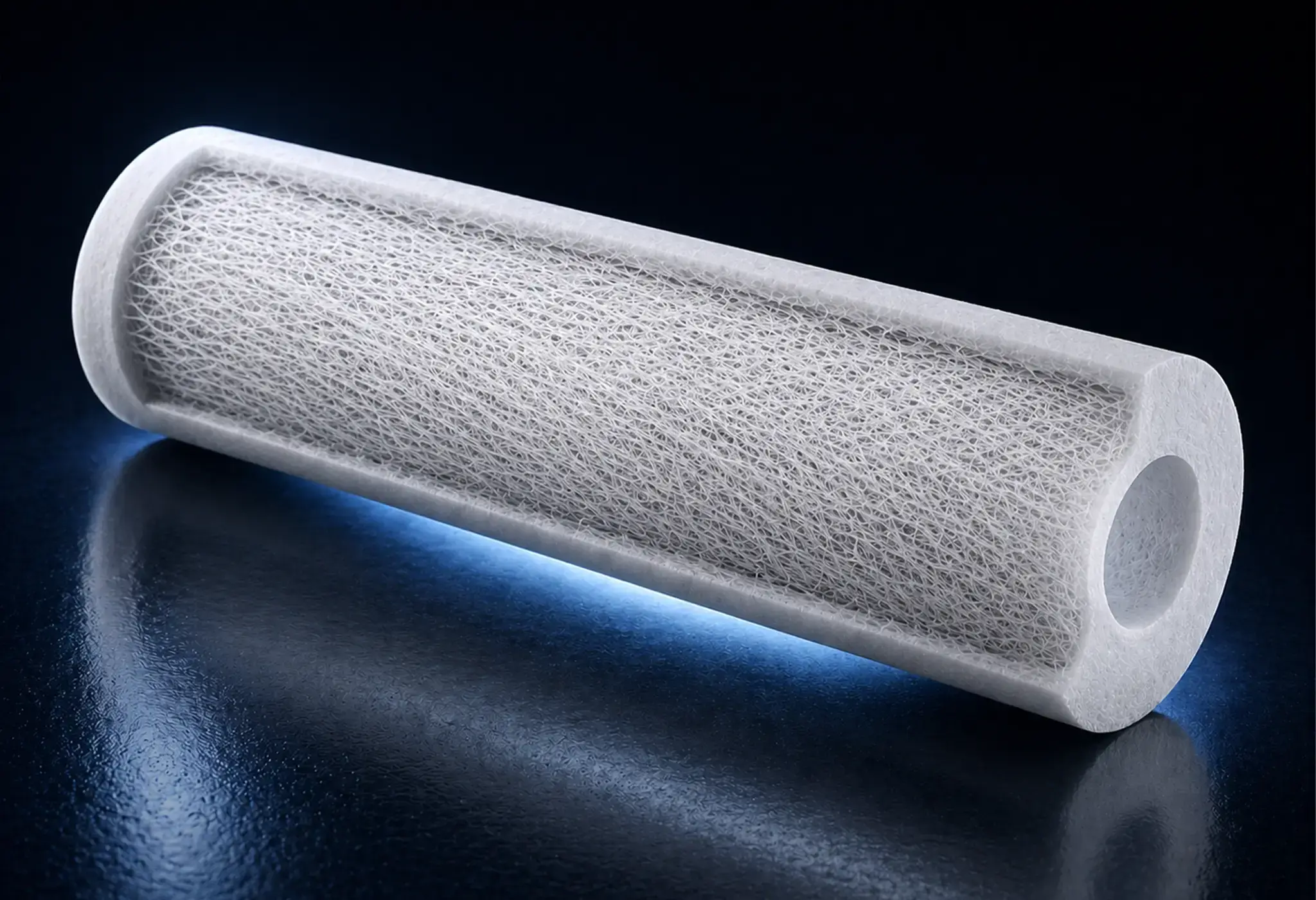
- Graded-density depth filter: outer layers retain coarse particles, inner layers finer ones.
- Connection Types
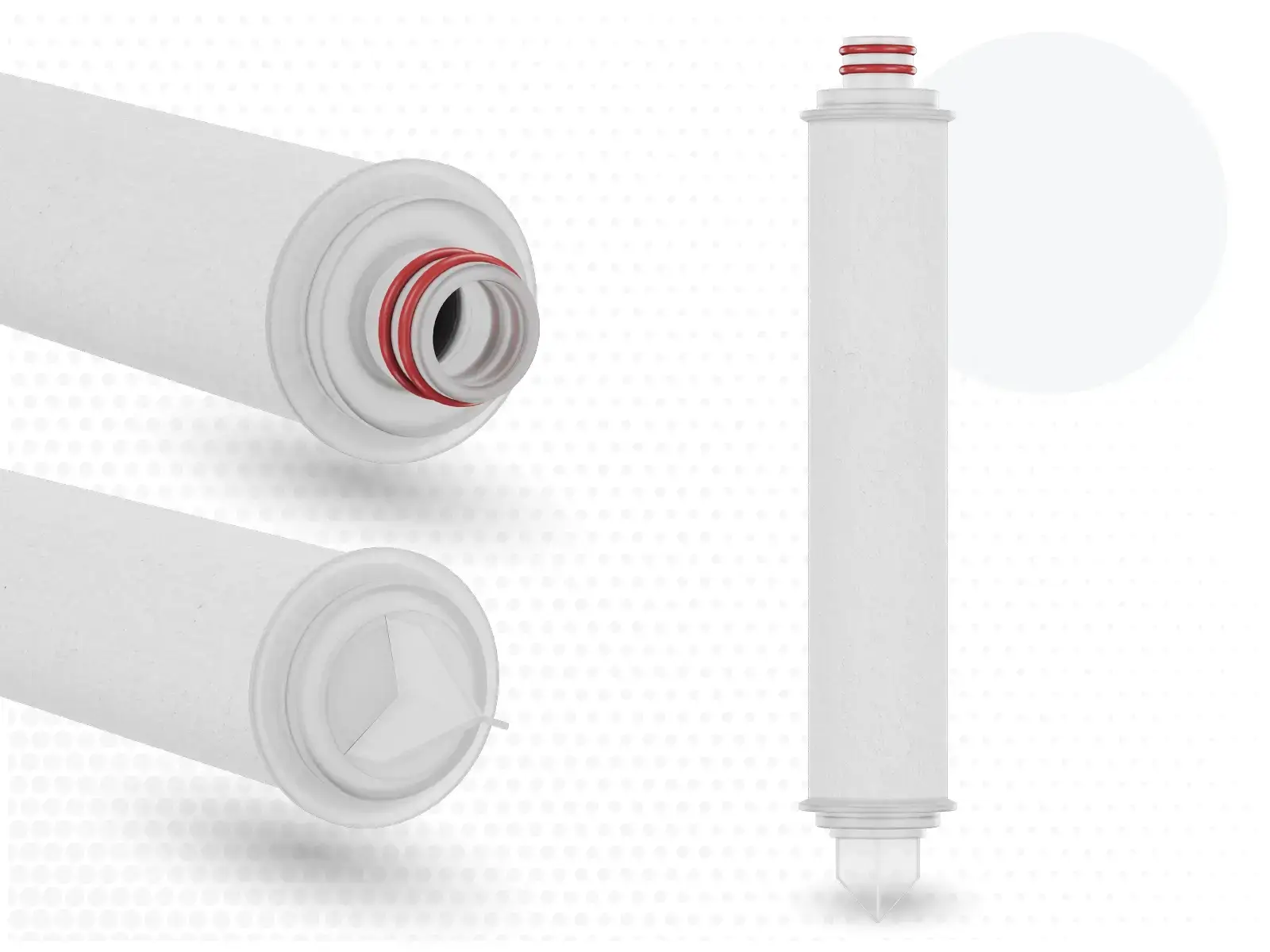
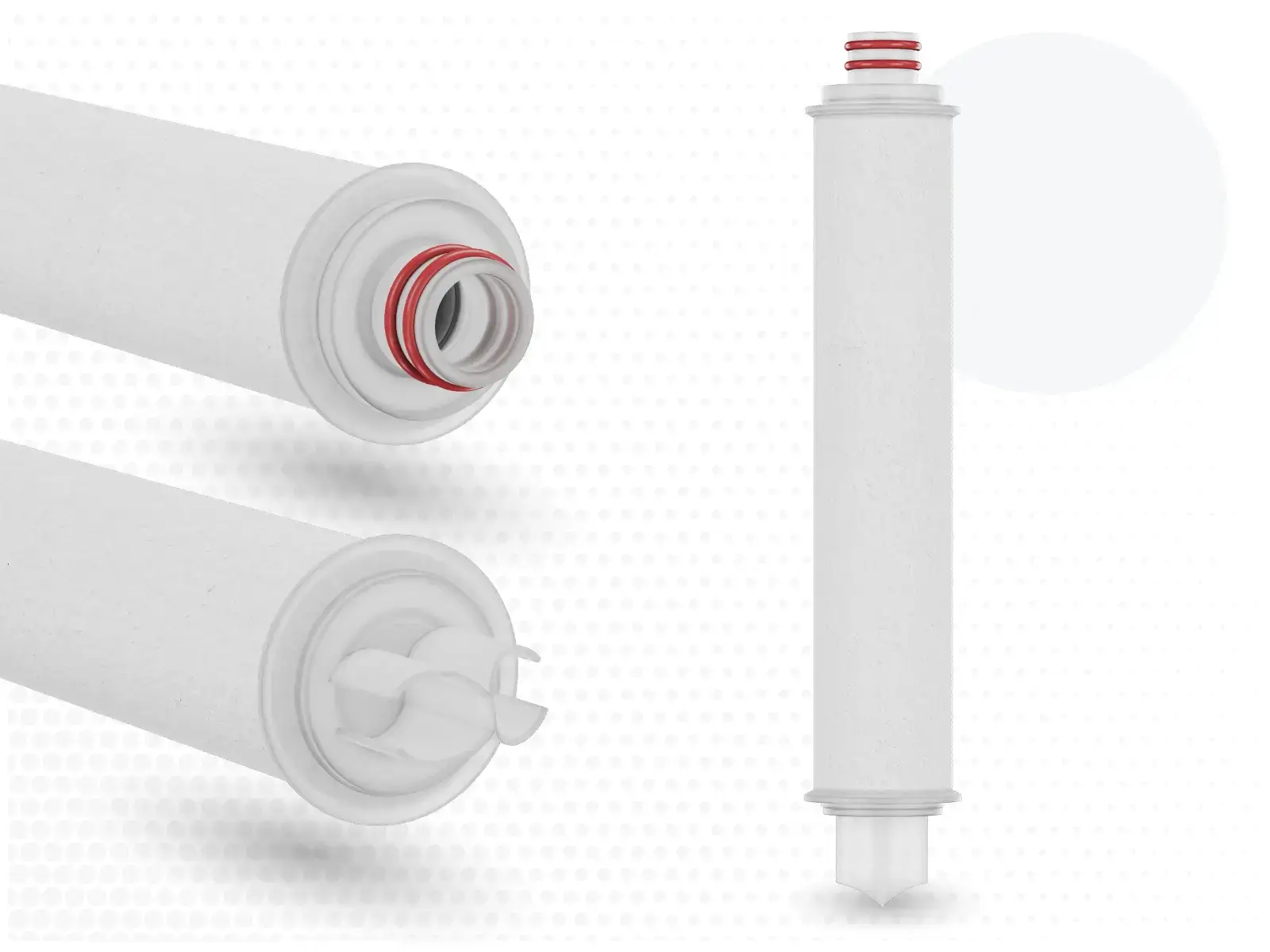
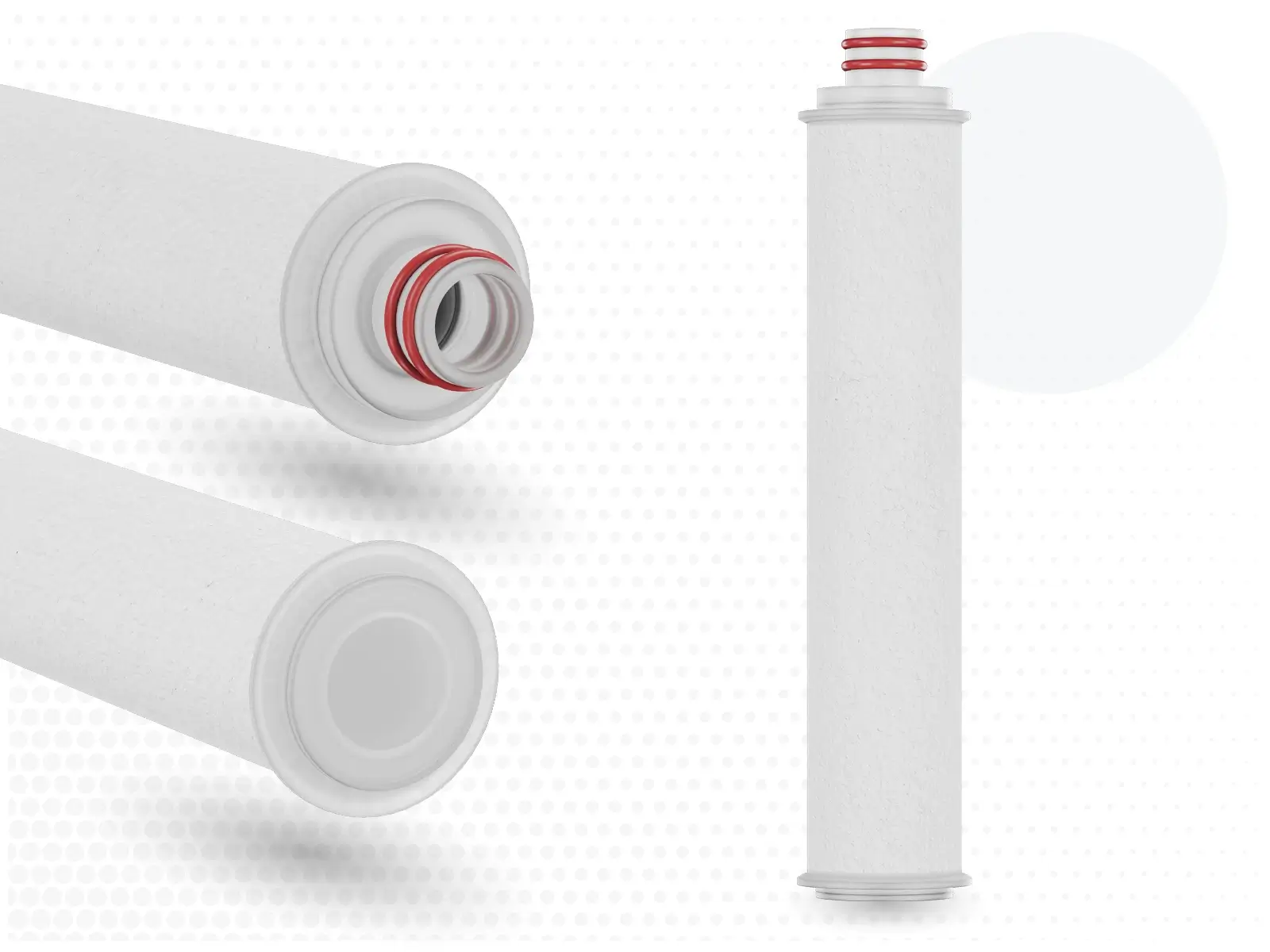
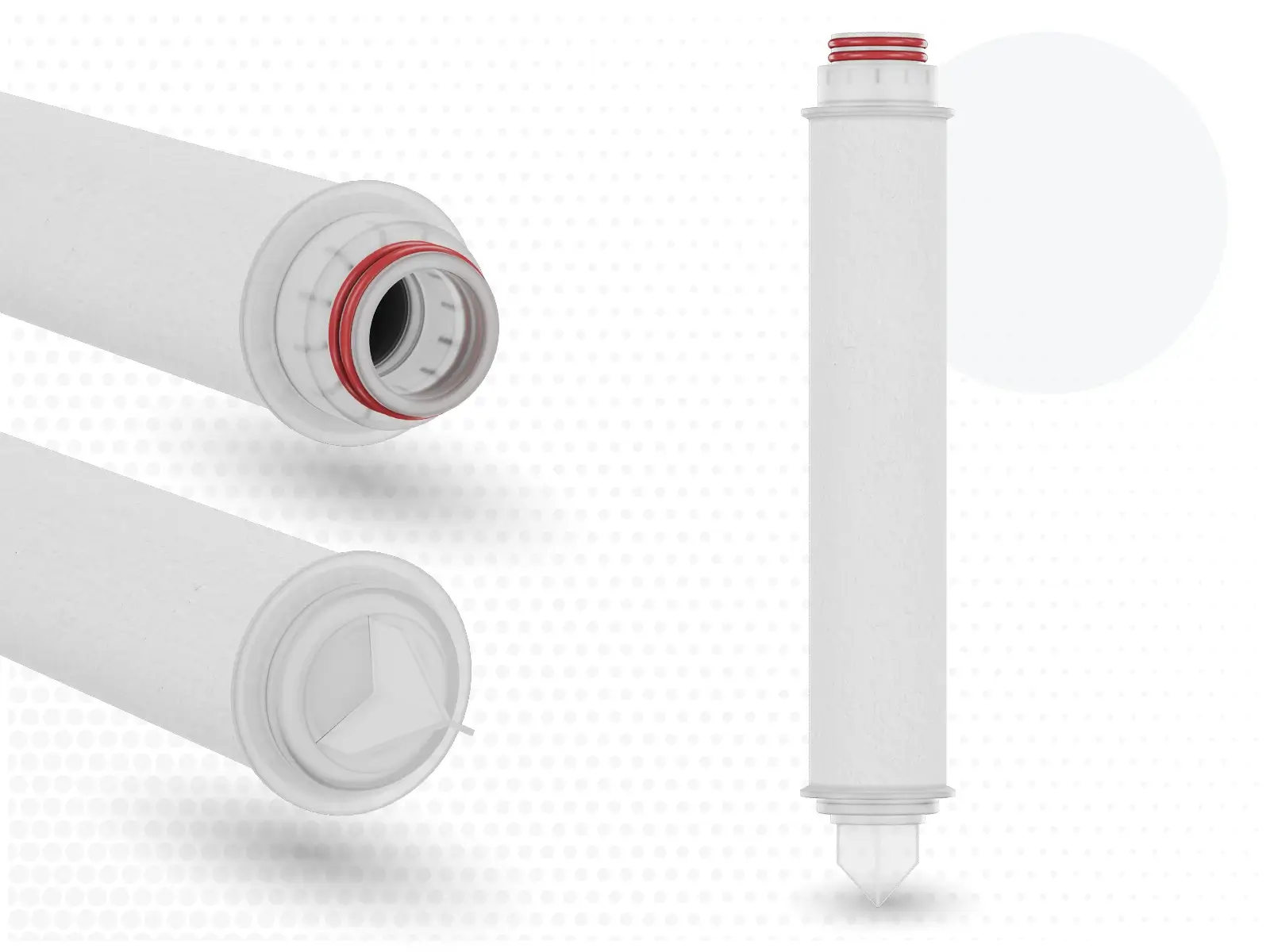
- DOE: without gasket, with gasket, with end cap gasket
- SOE: 215 / 222 / 226 O-ring; flat / Fin 1 / Fin 2 end cap
- Production Model
- Standard series production, with configurations tailored to process samples and technical drawings.
- Quality and Verification
- Post-production verification of appearance, dimensional tolerances and micron accuracy.
Liquid Flow Performance per 10"
| Flow | 1 µm | 5 µm | 10 µm | 25 µm |
|---|---|---|---|---|
| 10 L/min | 0.026 bar | 0.023 bar | 0.021 bar | 0.009 bar |
| 20 L/min | 0.053 bar | 0.046 bar | 0.043 bar | 0.019 bar |
| 30 L/min | 0.079 bar | 0.068 bar | 0.065 bar | 0.028 bar |
| 40 L/min | 0.106 bar | 0.091 bar | 0.086 bar | 0.037 bar |
Water Flow Rate Performance
Prosestim melt-blown cartridge filters offer water flow performance optimised with depth filtration technology. The multi-layer fibre structure provides stable filtration at high flow with a low initial differential pressure. Our micron options from 1 µm to 150 µm maintain balanced differential pressure values even at increasing flow rates, providing energy efficiency and process safety. The test data below show the pressure-flow behaviour of our melt-blown cartridges of different micron grades on a 10″ basis.
Performance Advantages in Water Filtration
- Dynamic Pressure Balance
- Graded Depth Filtration
- Protecting System Components
- OPEX Optimisation (Energy Efficiency)
- Broad Industrial Compatibility
Filtration Architecture and Working Principle
The key difference between Prosestim melt-blown (spun) cartridge filters and standard surface filters is their “true graded density” architecture. In this structure, where 100% polypropylene microfibres are thermally bonded together, the fluid meets a progressively narrowing labyrinth as it moves from the outer surface of the filter to its inner core.
Graded Depth Architecture and Flow Control
Thermally Bonded Microfibre Matrix and Structural Reliability
Pore Architecture and Micron Rating
The micron rating shows what size of particle the cartridge retains and is determined by the fibre diameter and density profile. In melt-blown cartridges this value is nominal: most particles of the stated size are retained, while a smaller proportion may pass. Twelve grades from 1 µm to 150 µm allow selection within the same product family, from coarse pre-filtration to fine final filtration.
Filter Media and Structural Engineering Design
Prosestim melt-blown filters are made from 100% pure polypropylene raw material, free of any adhesives, resins or silicone binders, by a high-technology thermal bonding method.
This design works on the graded density principle: coarse particles are trapped in the larger pores of the outer layers, and fine particles in the precise pores that narrow towards the inner core. This means the filter surface does not clog early, giving maximum dirt-holding capacity and the longest service life.
| Parameter | Value |
|---|---|
| Filter Media | 100% High-Purity Polypropylene |
| Micron Ratings | 1 µm, 3 µm, 5 µm, 10 µm, 15 µm, 20 µm, 25 µm, 30 µm, 50 µm, 80 µm, 100 µm, 150 µm |
| Support Structure | Coreless |
| End Cap Type | SOE, DOE |
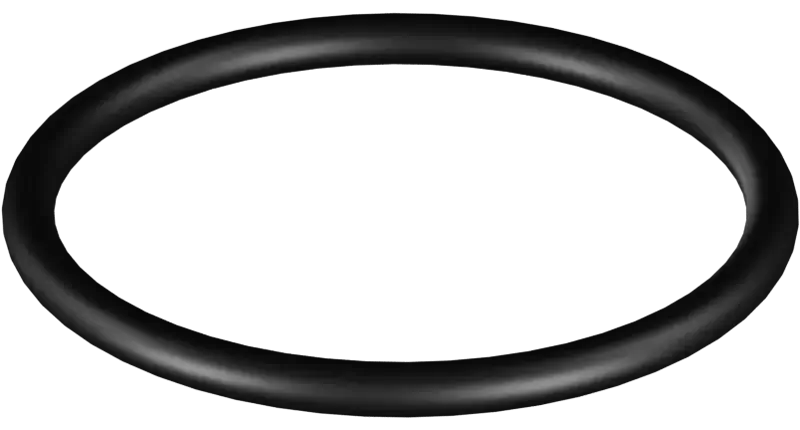
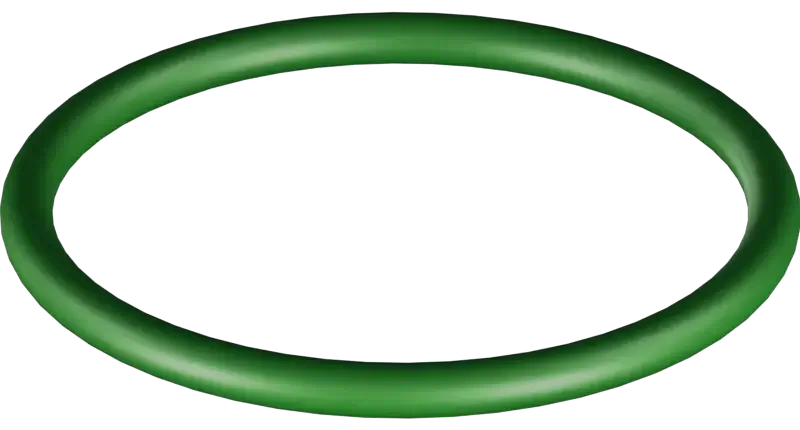
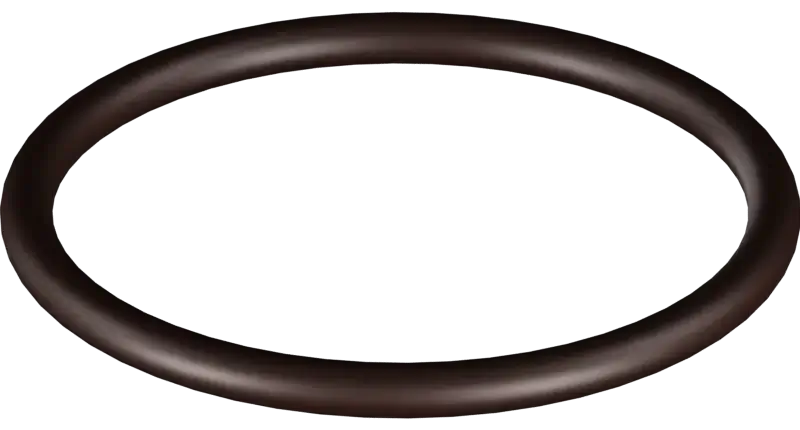
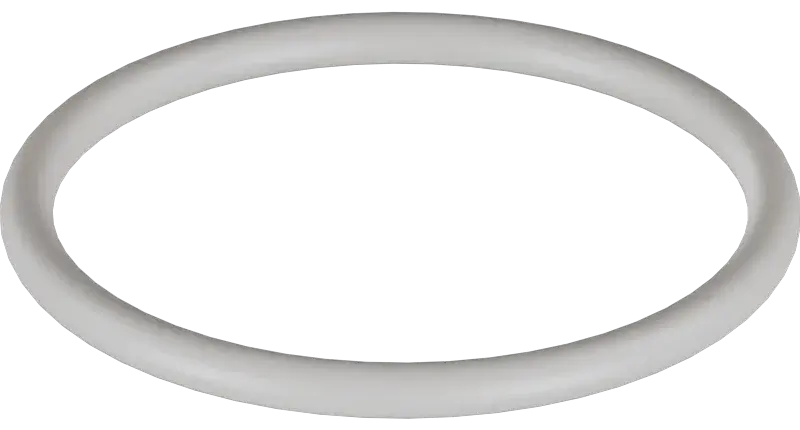
| O-Ring Gasket | Silicone, Nitrile, EPDM, Viton, PTFE (Teflon) |
| Outer Diameter (Standard) | 60 mm ±1 mm |
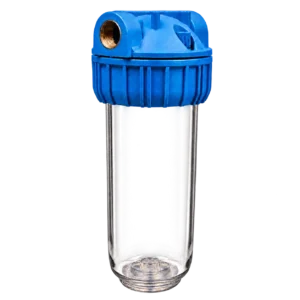
| Outer Diameter (Big Blue) | 110 mm ±1 mm |
| Inner Diameter | 28 mm ±1 mm |
| Length | 5 Inch, 10 Inch, 20 Inch, 30 Inch, 40 Inch (Custom Cutting Available) |
Physical Construction and Effective Filtration Volume
Unlike conventional depth filters, the melt-blown cartridge offers a multi-layer, graded-density pore structure. Because all lengths from 5 to 40 inches are made in one piece, the body has no joints and therefore no bypass path. The fibre density profile increases the amount of particles retained per unit volume, extending cartridge life. The length is chosen according to line flow and the target change interval.
| Filter Length | Area of Use | Construction |
|---|---|---|
| 5 inch | Small-scale / sampling lines | One-Piece |
| 10 inch | Standard industrial filter housing | One-Piece |
| 20 inch | Medium-scale flow management | One-Piece |
| 30 inch | High-capacity systems | One-Piece |
| 40 inch | Maximum flow and long life | One-Piece |
Filter Material Chemical Compatibility Guide
E: Excellent · G: Good · F: Fair · P: Poor · N/R: Not recommended
Water and Inorganic Chemicals
| Chemical Group | Example Chemical | Polypropylene |
|---|---|---|
| Drinking Water / Water | Process water, deionised water | E |
| Organic Acids | Acetic acid, citric acid | E |
| Dilute Inorganic Acids | Dilute HCl, H₂SO₄ | E |
| Strong Inorganic Acids | Concentrated H₂SO₄, HCl | P |
| Alkalis (Bases) | NaOH, KOH, ammonia | E |
| Oxidising Agents | H₂O₂, hypochlorite, ozone | P |
Organic Solvents and Oils
| Chemical Group | Example Chemical | Polypropylene |
|---|---|---|
| Alcohols and Ketones | Acetone, MEK, IPA, ethanol | G |
| Aliphatic Hydrocarbons | Hexane, heptane, white spirit | G |
| Aromatic Hydrocarbons | Toluene, xylene, benzene | F |
| Mineral and Industrial Oils | Machine oil, fuel oil | F |
| Vegetable and Animal Oils | Olive oil, tallow | F |
| Chlorinated Solvents | DCM, TCE, perchloroethylene | P |
Operating Conditions
The monoblock body formed by thermally bonding 100% pure polypropylene fibres keeps its structural integrity under high differential pressure, chemical aggressiveness and temperature changes. The cartridge’s continuous operating temperature is 60 °C. The maximum operating temperature is 65 °C, at which differential pressure is limited to 2 bar. The pressure values of 3.45 bar (normal flow) and 1.72 bar (reverse flow) apply at 25 °C; the permitted pressure falls as temperature rises. Different gasket materials (silicone, NBR, EPDM, Viton, PTFE) and a micron range of 1–150 µm allow the cartridge to be adapted to a wide range of processes.
- Material Suited to Chemical Environments
- Stable operating performance with polypropylene (PP) material
- Filter Structure Resistant to Pressure Fluctuations
- Resistance Optimised for Long-Term Operation
- Filtration Stability That Supports Process Safety
- Nominal Operating Temperature
- Optimised for continuous operation at 60 °C (140 °F).
- Maximum Operating Temperature
- 65 °C (149 °F) @ ≤ 2 bar differential pressure limit.
- Maximum Pressure (Normal Flow)
- Resists 3.45 bar (50 psi) at 25 °C (77 °F).
- Maximum Pressure (Reverse Flow)
- Resists 1.72 bar (25 psi) at 25 °C (77 °F).
- Chemical pH Compatibility
- Wide-spectrum tolerance in acid, base and saline solutions from pH 1 to 14.
Sealing and Connection Components
End Caps and Closures
In melt-blown cartridge filters, filtration quality starts with the depth media made of polypropylene fibres, but the end caps always have the final say. Thermally bonded to both ends of the cartridge, these components directly affect whether the element stays in place in the housing, whether flow moves in the right direction and how far the risk of bypass is minimised. Because the connection type, gasket material and adapter geometry differ from application to application, the right choice determines both system life and how practical cartridge changes are.
Engineering Advantage for Process Safety
- Secure Connection Design
- High Mechanical Strength
- Process Sealing Support
- Stable Operation Under Pressure
- Chemical and Thermal Compatibility
- Long Service Life


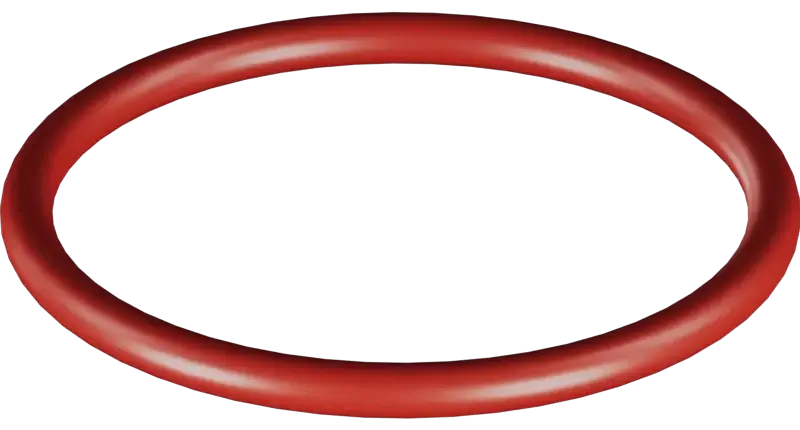
O-rings
High-Performance O-Ring Solutions for Process Safety
- Reliable Sealing Performance
- Wide Range of Chemical Compatibility Options
- High Temperature Resistance
- Low Leakage Risk
- Easy Maintenance and Replacement
Gaskets
Gasket Solutions That Safeguard Filtration Efficiency
- Effective Sealing Performance
- Reliable Operation Under Pressure
- Chemical and Thermal Compatibility
- Easy Maintenance and Replacement
- High Process Safety


Industry Applications
Filter cartridges suited to different process needs are used across a wide range of industrial applications to protect product quality, safeguard equipment and support production continuity.
01
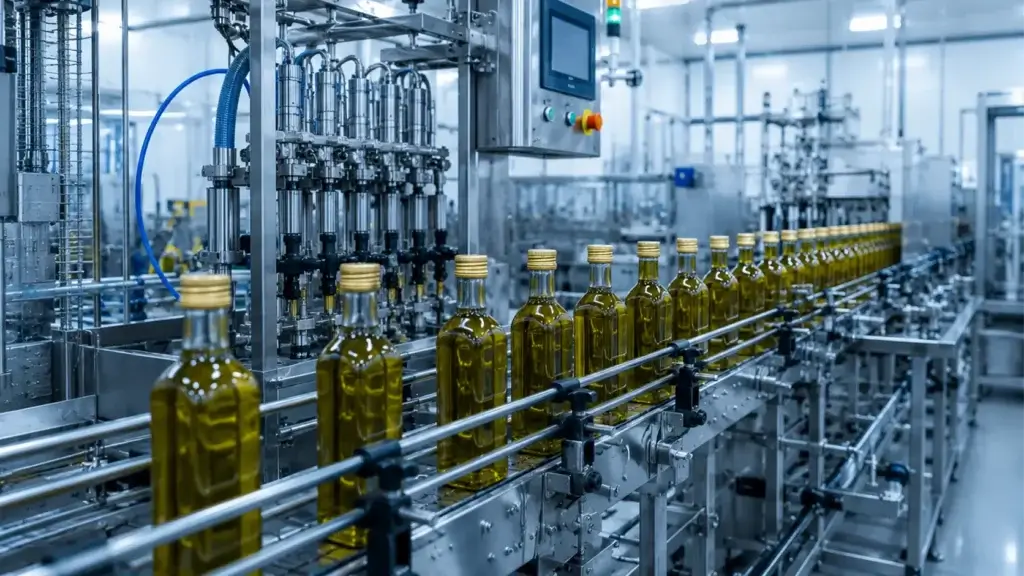
Vegetable Oil
Vegetable Oil
Clarity, purity and shelf life in vegetable oil and refining.
Explore solutions
02
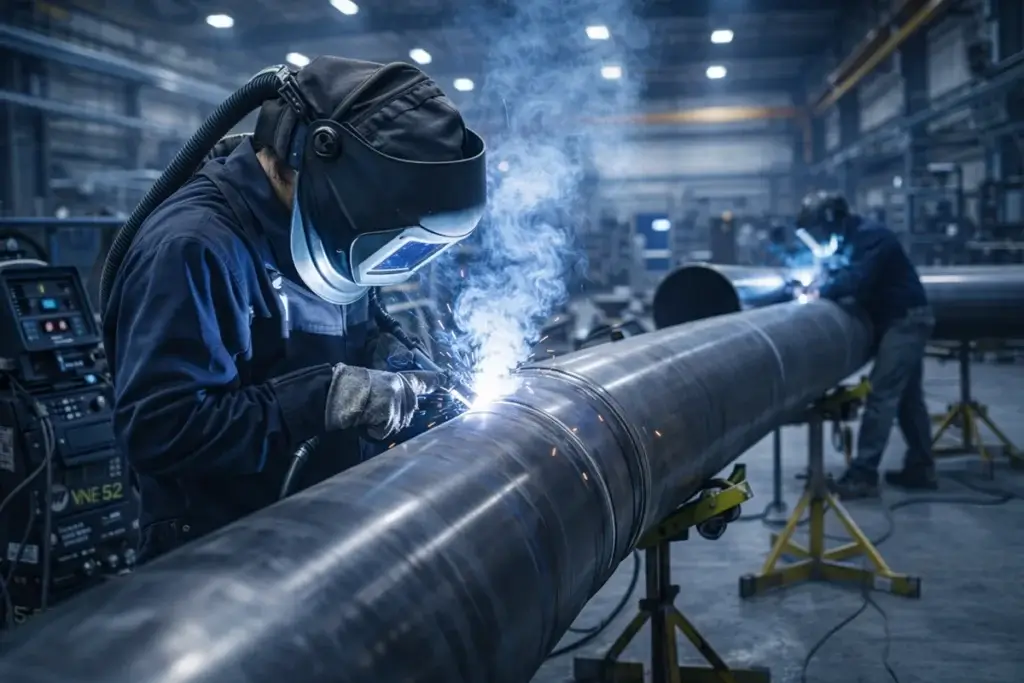
Pipe and Profile
Pipe and Profile
Cooling water filtration in pipe and profile extrusion.
Explore solutions
03
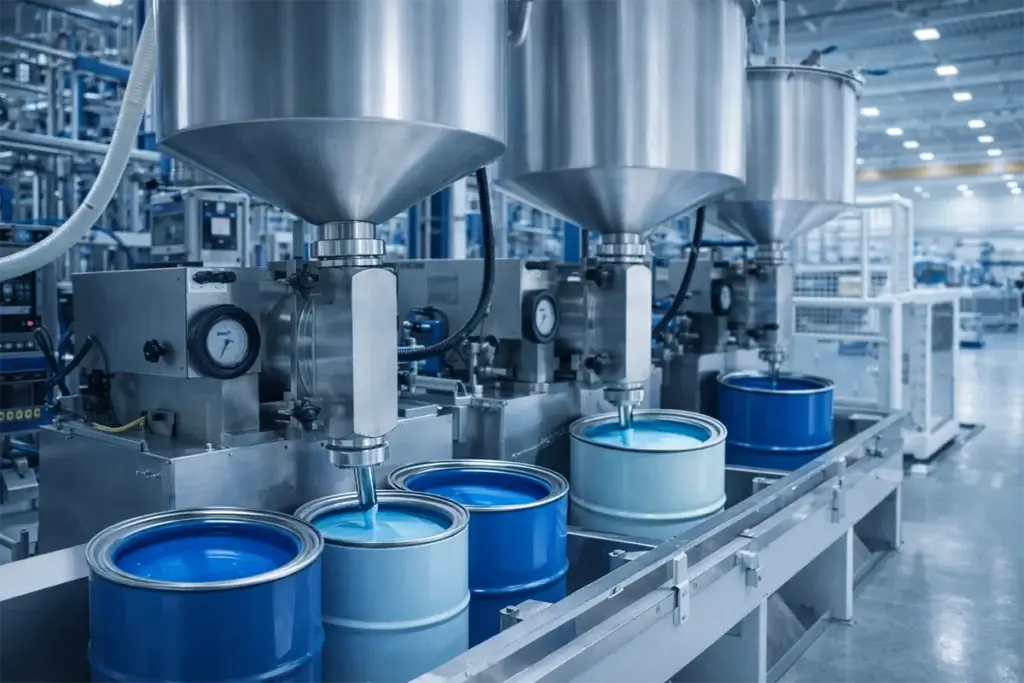
Paint Industry
Paint Industry
Surface quality and pigment filtration in the paint industry.
Explore solutions
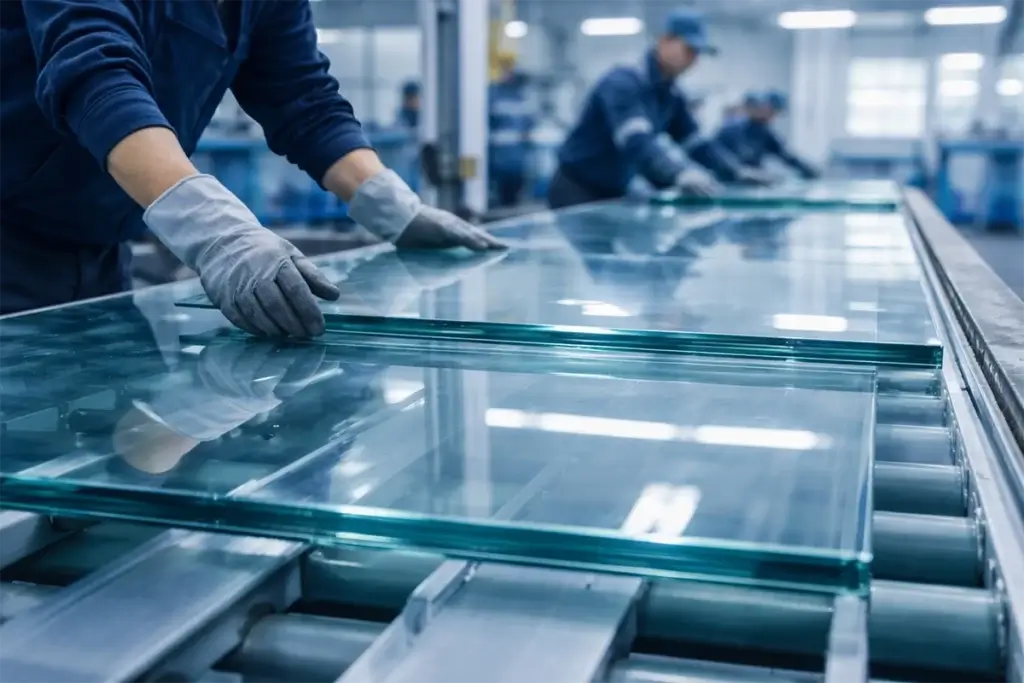
04
Glass Industry
Glass Industry
Furnace and process filtration in the glass industry.
Explore solutions

05
Dialysis Centers
Dialysis Centers
Water preparation and process filtration in dialysis centers.
Explore solutions
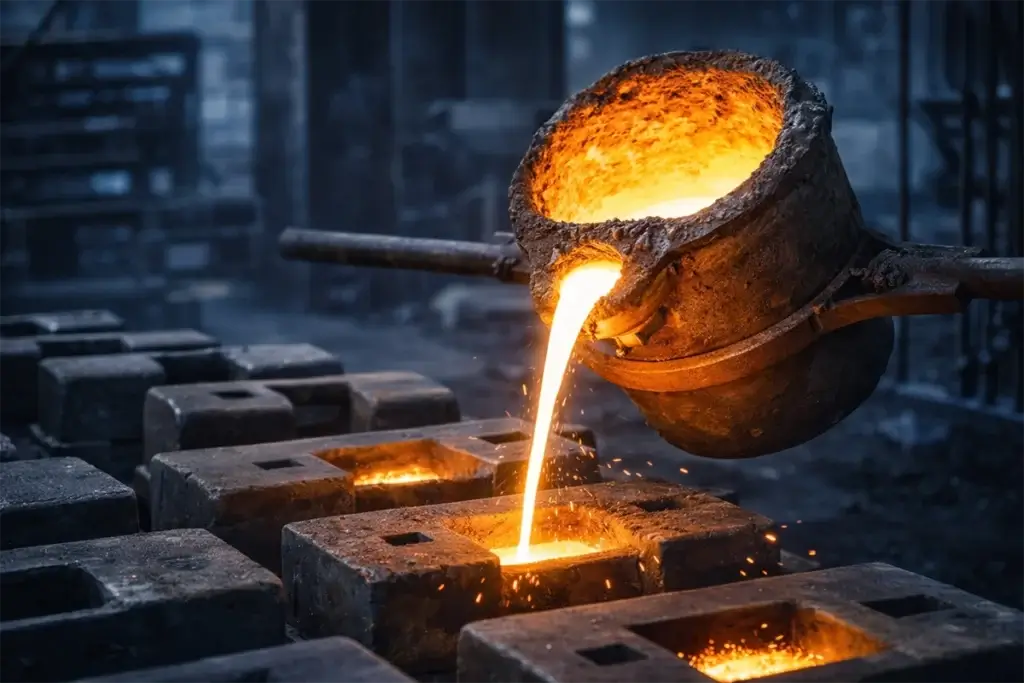
06
Foundry Industry
Foundry Industry
Equipment protection and dust filtration in foundries.
Explore solutions
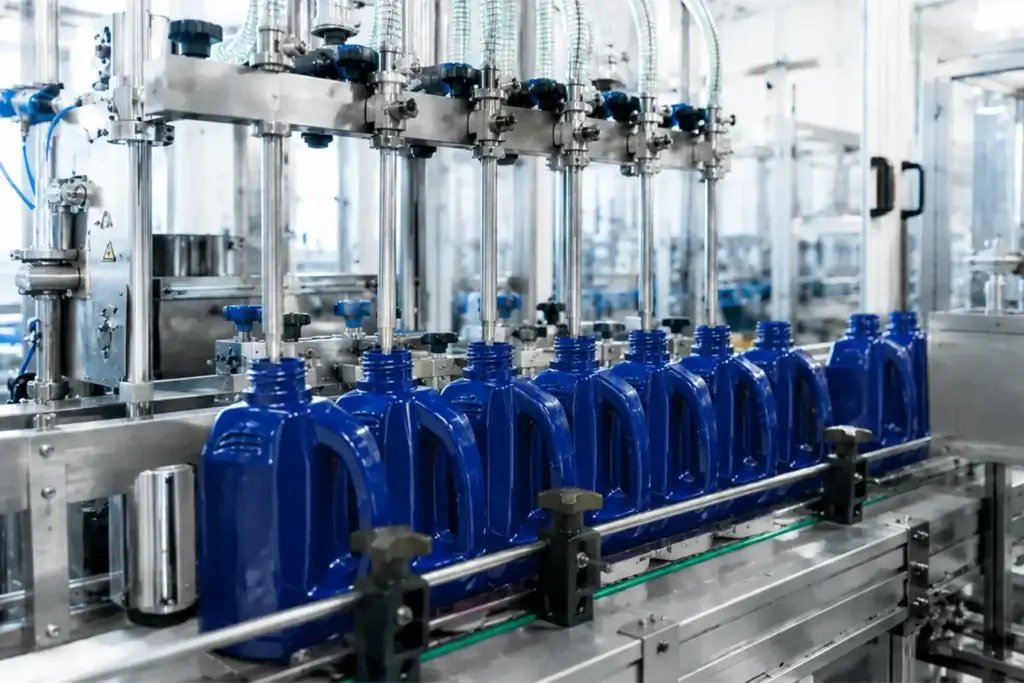
07
Industrial Oil
Industrial Oil
Filtration in industrial oil production and recovery.
Explore solutions

08
Energy and Biogas
Energy and Biogas
Maximum efficiency and turbine protection in energy and biogas.
Explore solutions
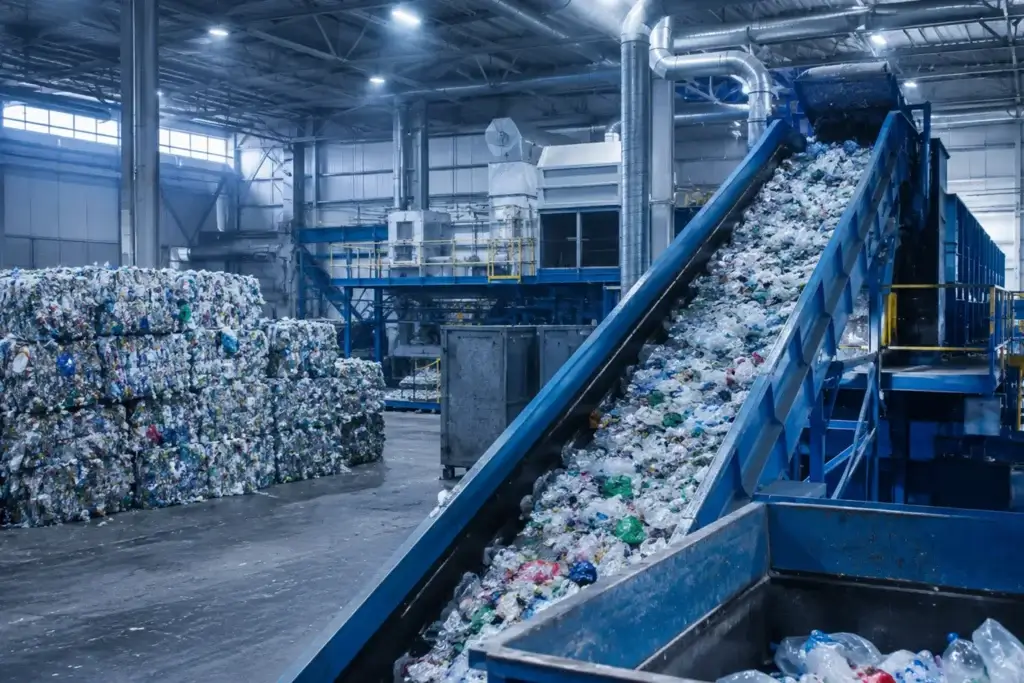
09
Recycling
Recycling
Filtration for efficiency and environmental compliance in recycling.
Explore solutions

10
Food and Beverage
Food and Beverage
Hygienic filtration in food and beverage.
Explore solutions

11
Pharmaceuticals and Biotechnology
GMP-compliant sterile filtration in pharmaceuticals and biotechnology.
Explore solutions
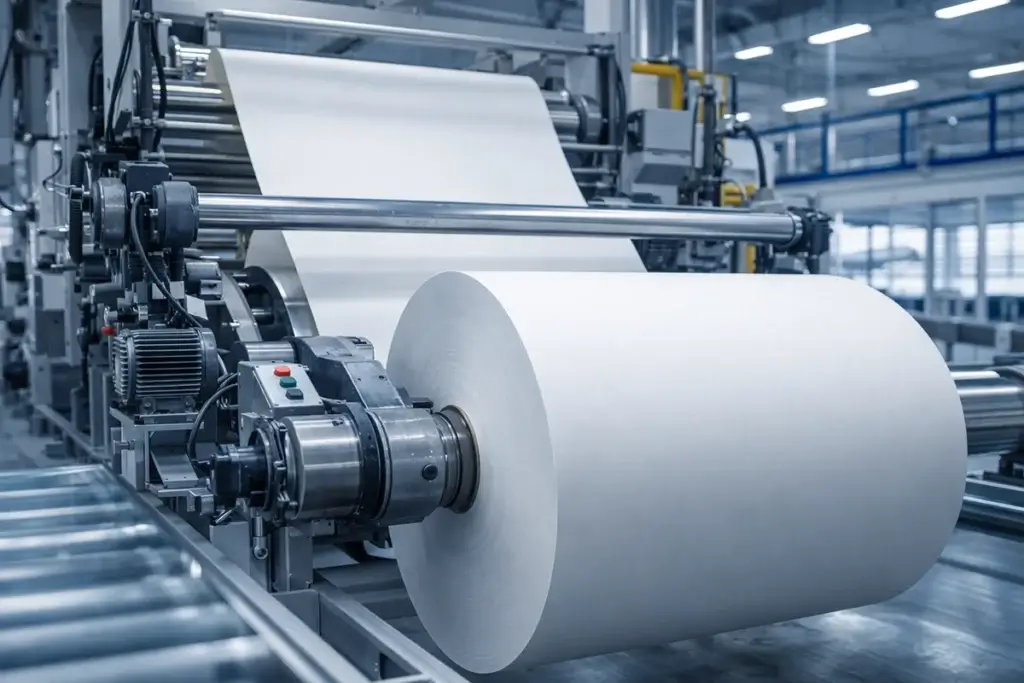
12
Paper and Packaging
Paper and Packaging
Process water filtration in paper and packaging.
Explore solutions

13
Chemical Industry
Chemical Industry
Corrosion-resistant, safe filtration in the chemical industry.
Explore solutions
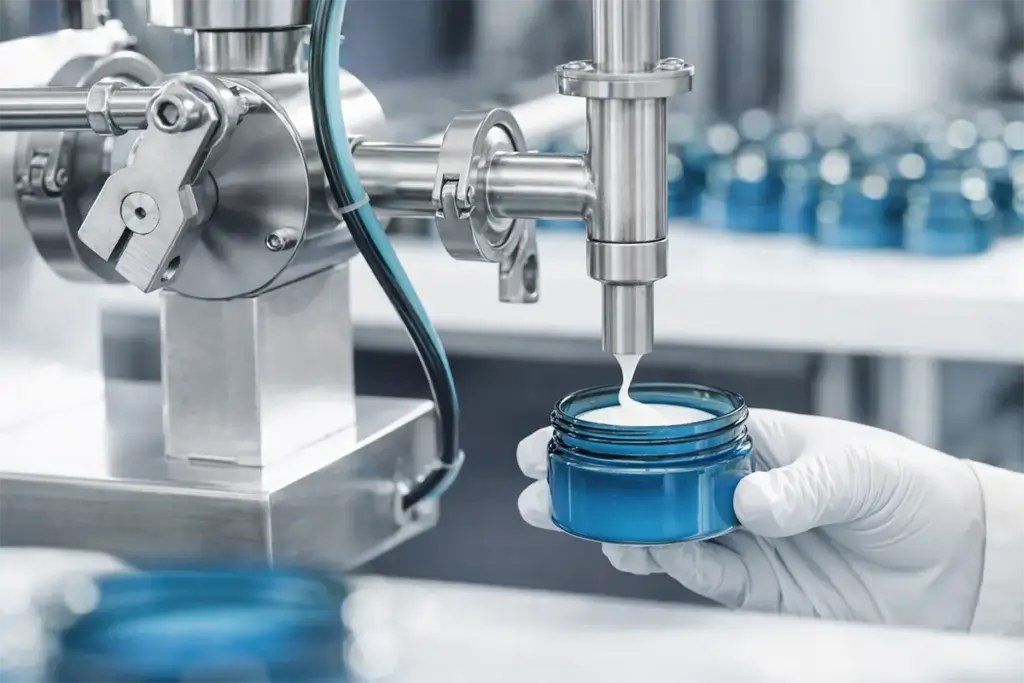
14
Cosmetics
Cosmetics
Microbiological safety and precision filtration in cosmetics.
Explore solutions
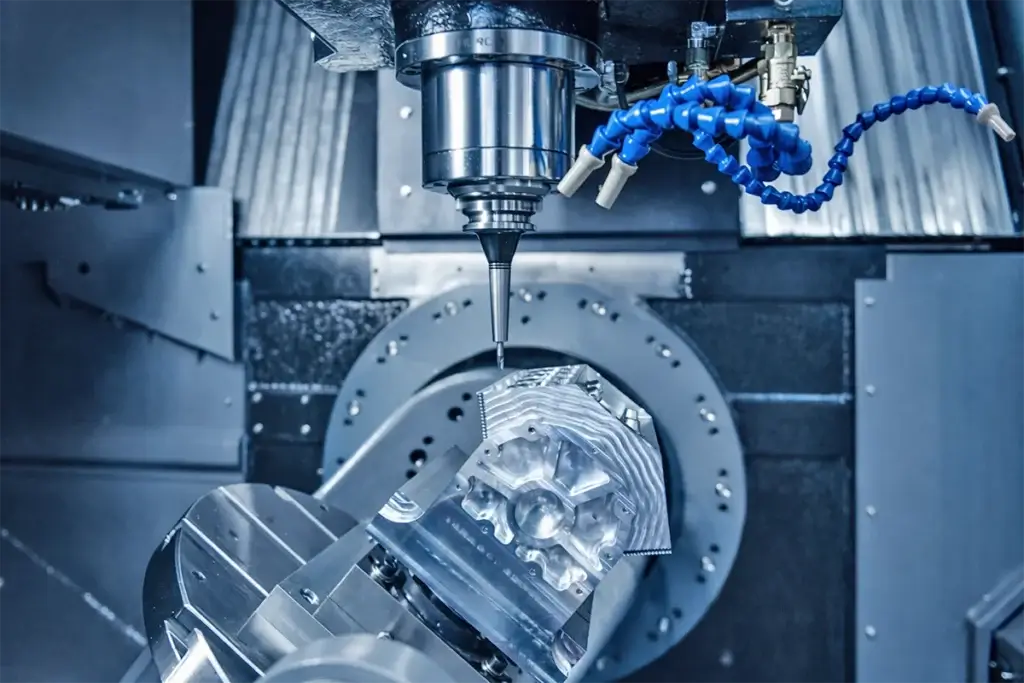
15
Machinery
Machinery
Precision and technical filtration in the machinery industry.
Explore solutions
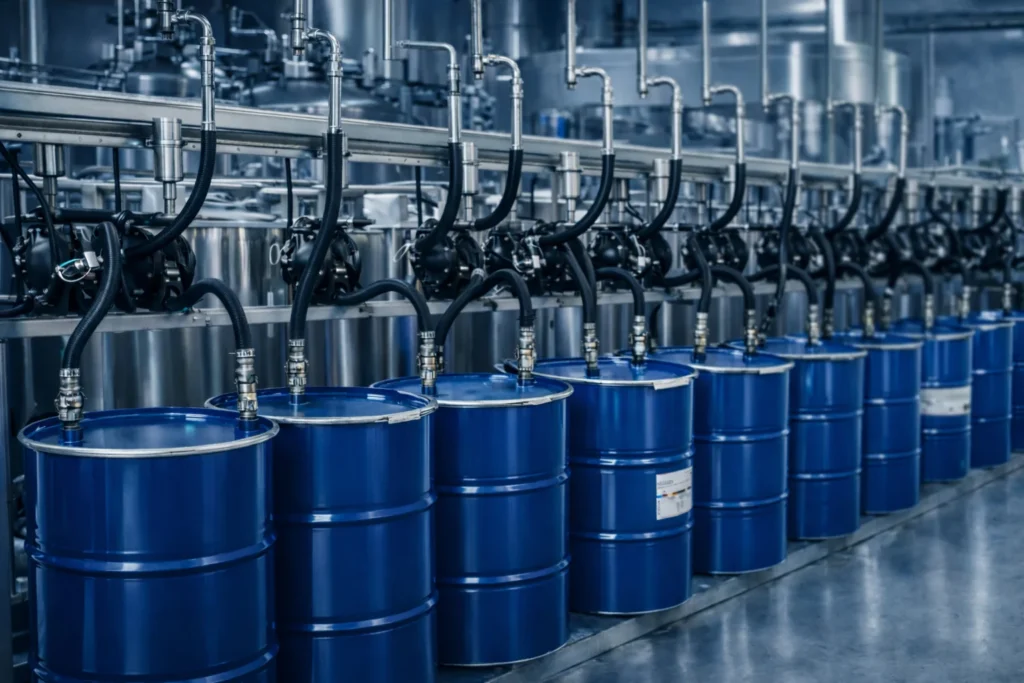
16
Printing and Ink
Printing and Ink
Flawless color and print quality in printing and ink.
Explore solutions

17
Metal and Surface Treatment
Flawless surfaces and bath stability in metal and surface treatment.
Explore solutions
18
Forest Products
Forest Products
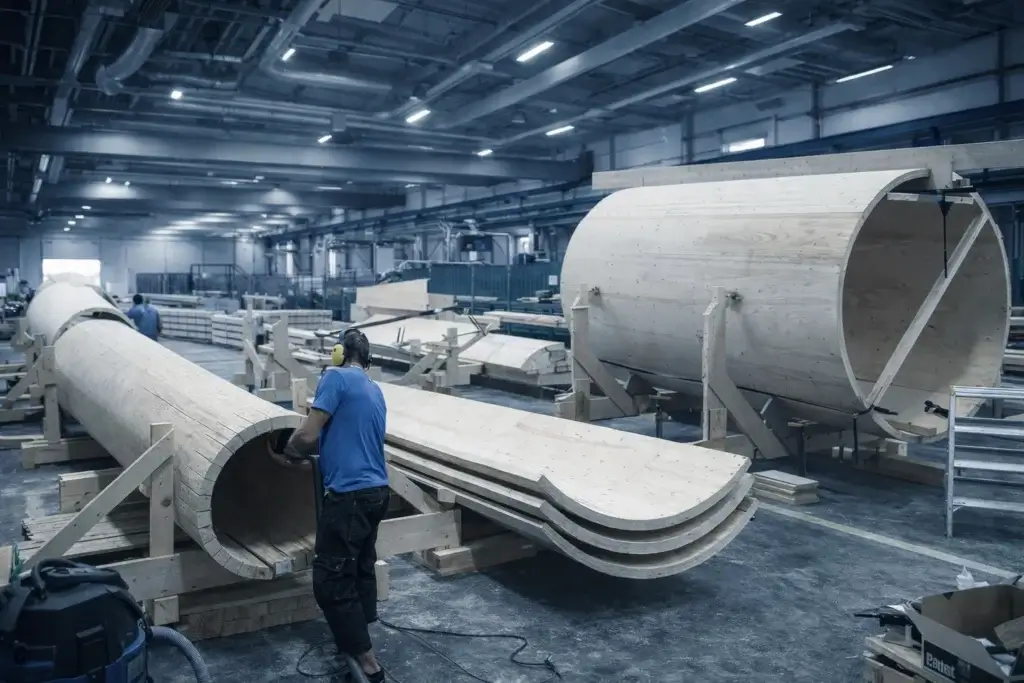
Resin and glue filtration in forest products and furniture.
Explore solutions

19
Automotive
Automotive
Precision process filtration for zero defects in automotive manufacturing.
Explore solutions
20
Oil and Petrochemicals
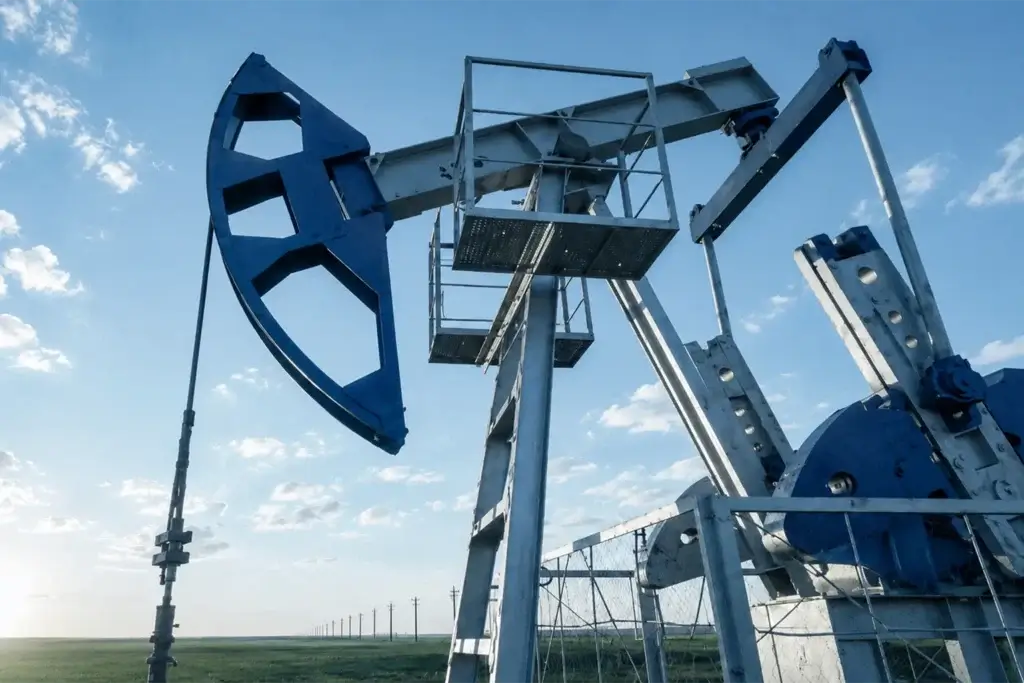
Equipment protection and process safety in oil and petrochemicals.
Explore solutions

21
Plastic Packaging
Plastic Packaging
Precision process filtration and raw material purity in plastic packaging.
Explore solutions
22
Plastic Injection Molding
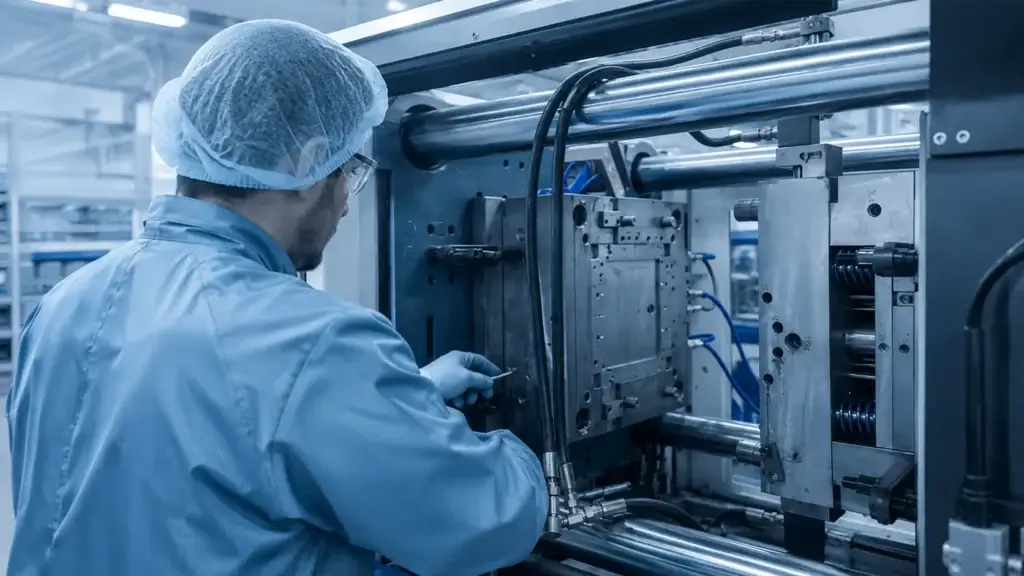
Cooling and hydraulic filtration in plastic injection molding.
Explore solutions
23
Water and Environment
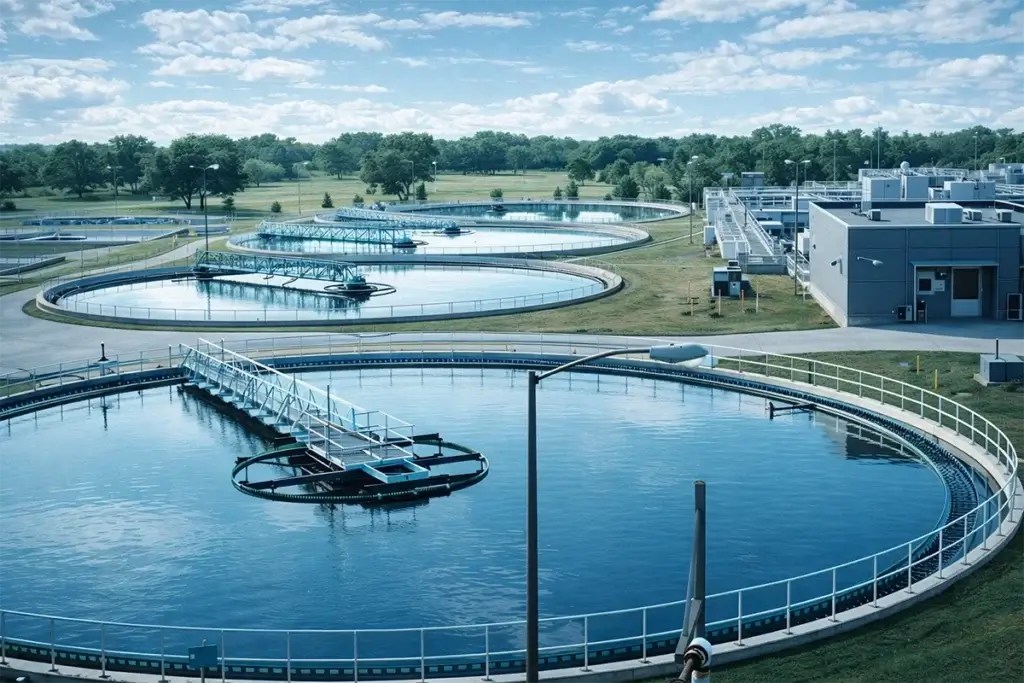
Recovery filtration in water and environmental technologies.
Explore solutions

24
Shipyards and Marine
Operational safety and efficiency in shipyards and marine.
Explore solutions
Engineer's Note
- Senior Process Engineer
- 15+ Years of Field Experience
- Field-Test Approved
Melt Blown (Sediment) Depth Filtration and Material Safety
Thanks to their graded depth structure, our melt-blown filters show effective pre-filtration performance especially with fluids carrying a high particle load. In our field experience, the most common mistake is delaying replacement after the filter has reached saturation (ΔP > 2.4 bar). For ideal efficiency, we recommend that system flow does not exceed 70% of the filter’s capacity.
When should it be chosen?
They should be chosen for processes with a high sediment load and a wide particle size distribution, and for systems that protect fine final filtration.
Application and Selection Criteria
- Pre-Filtration Requirement
- Pre-filtration is essential with a high particle load; it delays clogging of the melt-blown cartridge and extends the change interval.
- Pressure Gauge & Differential Pressure Monitoring
- Check the pressure gauges weekly and plan cartridge replacement when the differential pressure reaches 2.0–2.4 bar.
- Gasket and Elastomer Maintenance
- When changing gaskets, use only pure silicone grease to preserve the elastomer's life and chemical resistance.
Products that work with this product
Melt Blown Cartridge Filter
Your Questions Answered
Frequently Asked Questions
At Prosestim, we are committed to answering your questions and providing technical support for our filtration solutions.
What is the difference between a melt-blown filter and a pleated micro filter, and which should be chosen?
Melt-blown (a depth filter) is ideal for pre-filtration of fluids with a high particle load; because it holds dirt throughout its depth, it offers high capacity. A pleated micro filter, on the other hand, offers a longer service life thanks to its large surface area and is preferred at the final filtration stage. The two filters are often used in series: melt-blown provides pre-protection and the pleated filter the final cleaning.
When should the filter be replaced, and how can I tell?
Plan replacement when the differential pressure (ΔP) reaches the 2.0–2.4 bar range; the 2.4 bar limit must not be exceeded. Weekly gauge checks are recommended. Without pressure monitoring, you cannot tell whether the cartridge has passed its saturation point; this both lowers filtration quality and creates a risk of bypass.
In what pH range do PP melt-blown filters operate?
How is flow rate affected as the micron rating gets smaller?
As the micron rating gets smaller, the pressure loss at the same flow rises. For example, on a 10″ cartridge at 40 L/min of water the initial pressure loss is about 0.106 bar at 1 µm, 0.091 bar at 5 µm and 0.037 bar at 25 µm. The micron rating should therefore be planned together with system capacity and the target flow rate.
Can filters with different micron ratings be fitted in the same filter housing?
What is the practical effect of having or not having a support core?
What is the difference between nominal and maximum operating temperature?
Prosestim melt-blown cartridges are suitable for continuous operation up to 60 °C (nominal operating temperature). The maximum operating temperature is 65 °C, at which differential pressure is limited to 2 bar. The pressure values of 3.45 bar and 1.72 bar in the table apply at 25 °C; the permitted pressure falls as temperature rises, and high temperature combined with high pressure causes structural damage.
How does incorrect installation affect filtration efficiency?
What do more than 3,400 variations mean, and how is the right configuration for my needs determined?
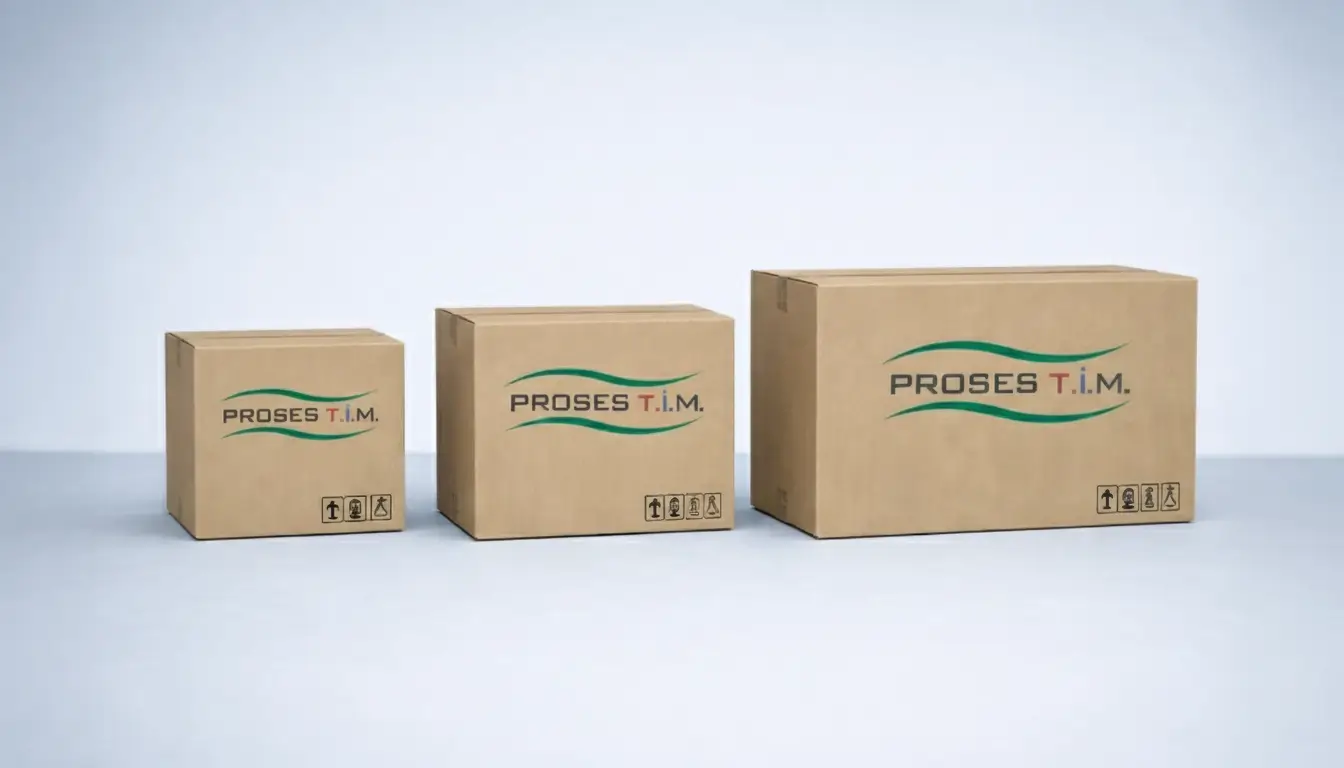
Box Dimensions
- 335 × 410 × 560 mm
- Capacity: 30 pcs per carton for 20" / 60 pcs per carton for 10".
- 335 × 410 × 810 mm
- Capacity: standard packing of 25 pcs per carton for 30" cartridges.
- 335 × 410 × 1055 mm
- Capacity: standard packing of 25 pcs per carton for 40" cartridges.
Melt Blown Cartridge Filter RFQ Configurator
Configure your variation dimensions and technical specifications to receive an instant quote directly on WhatsApp and via email.