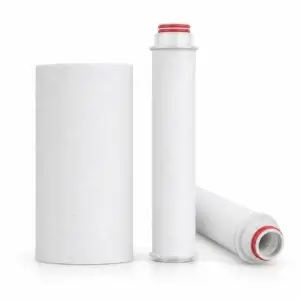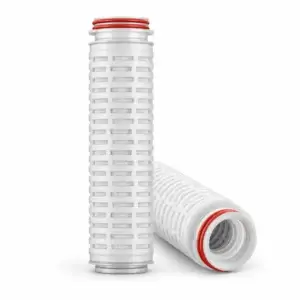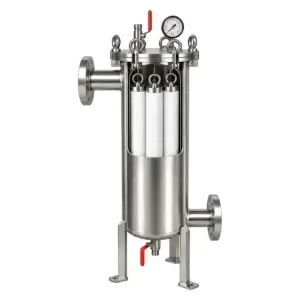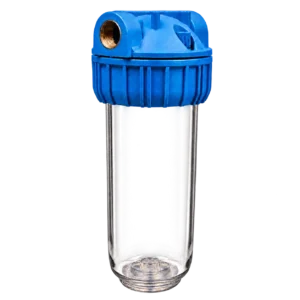
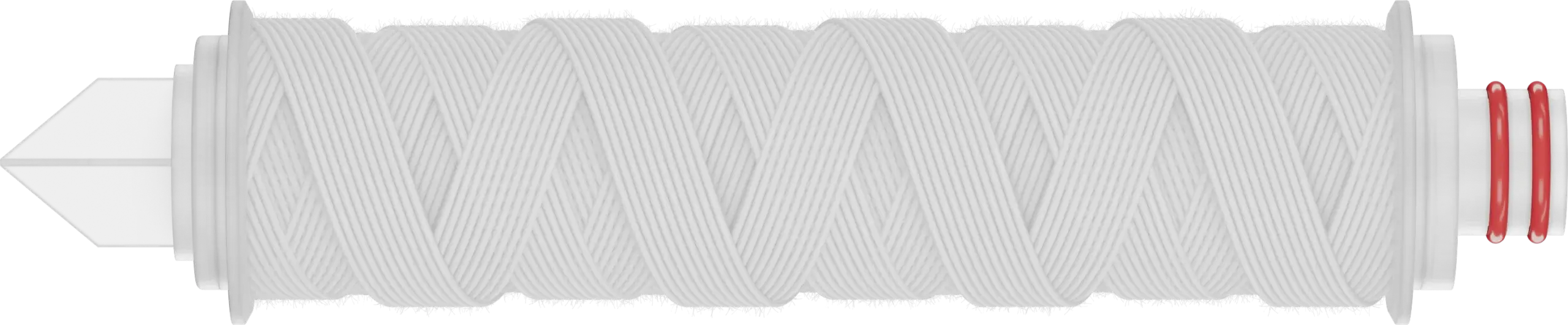
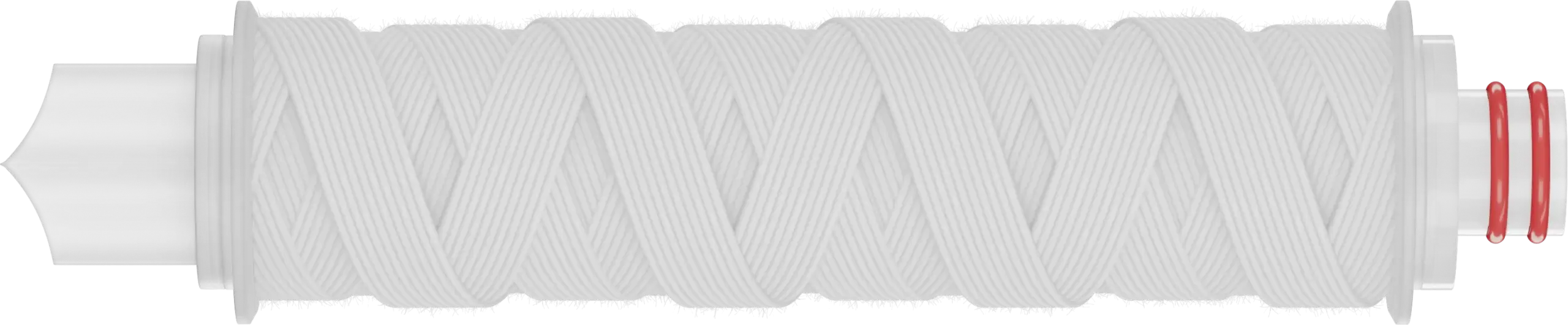
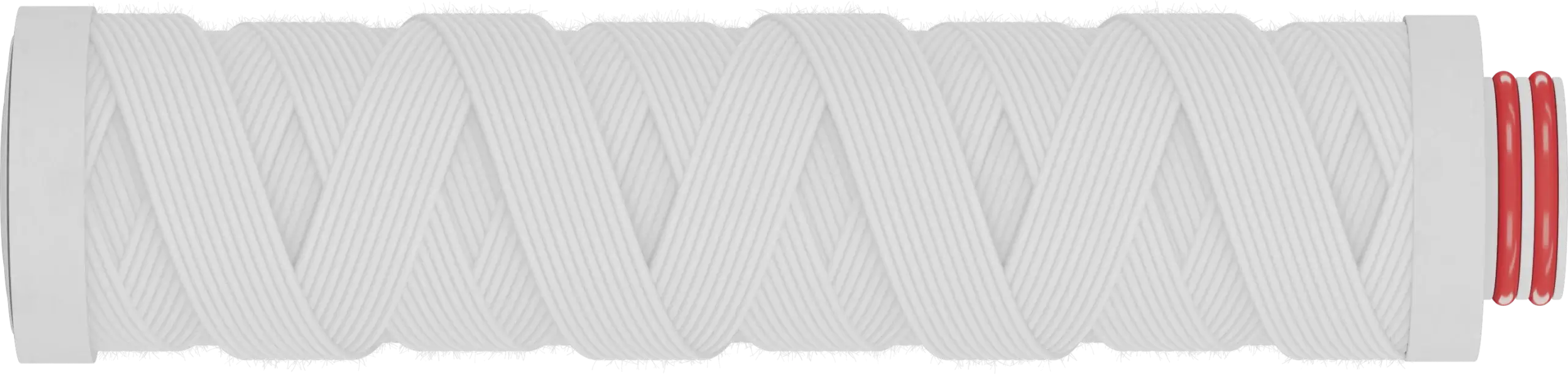
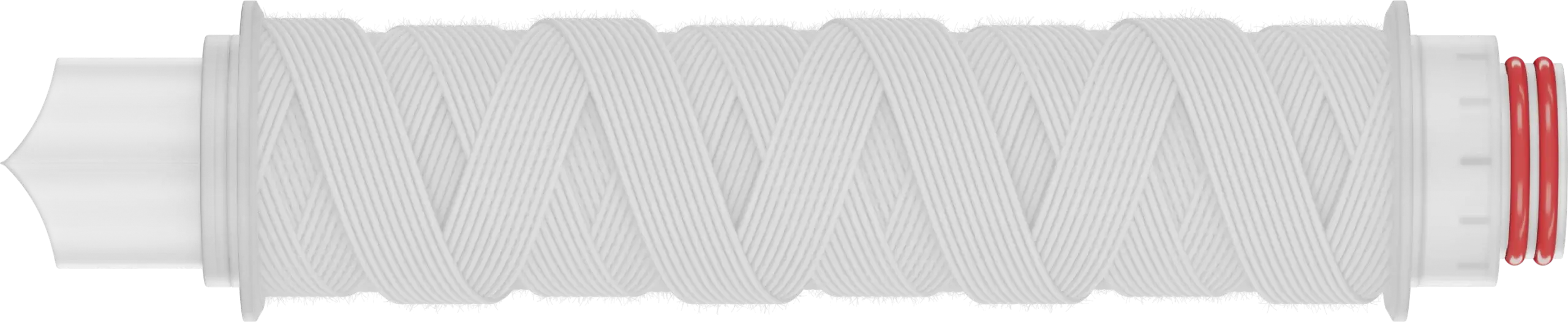

String-Wound Cartridge Filter: 8 Media, 0.8–150 µm

Industrial String-Wound Cartridge Filters in 8 Raw Materials, from Polypropylene to Glass Fibre

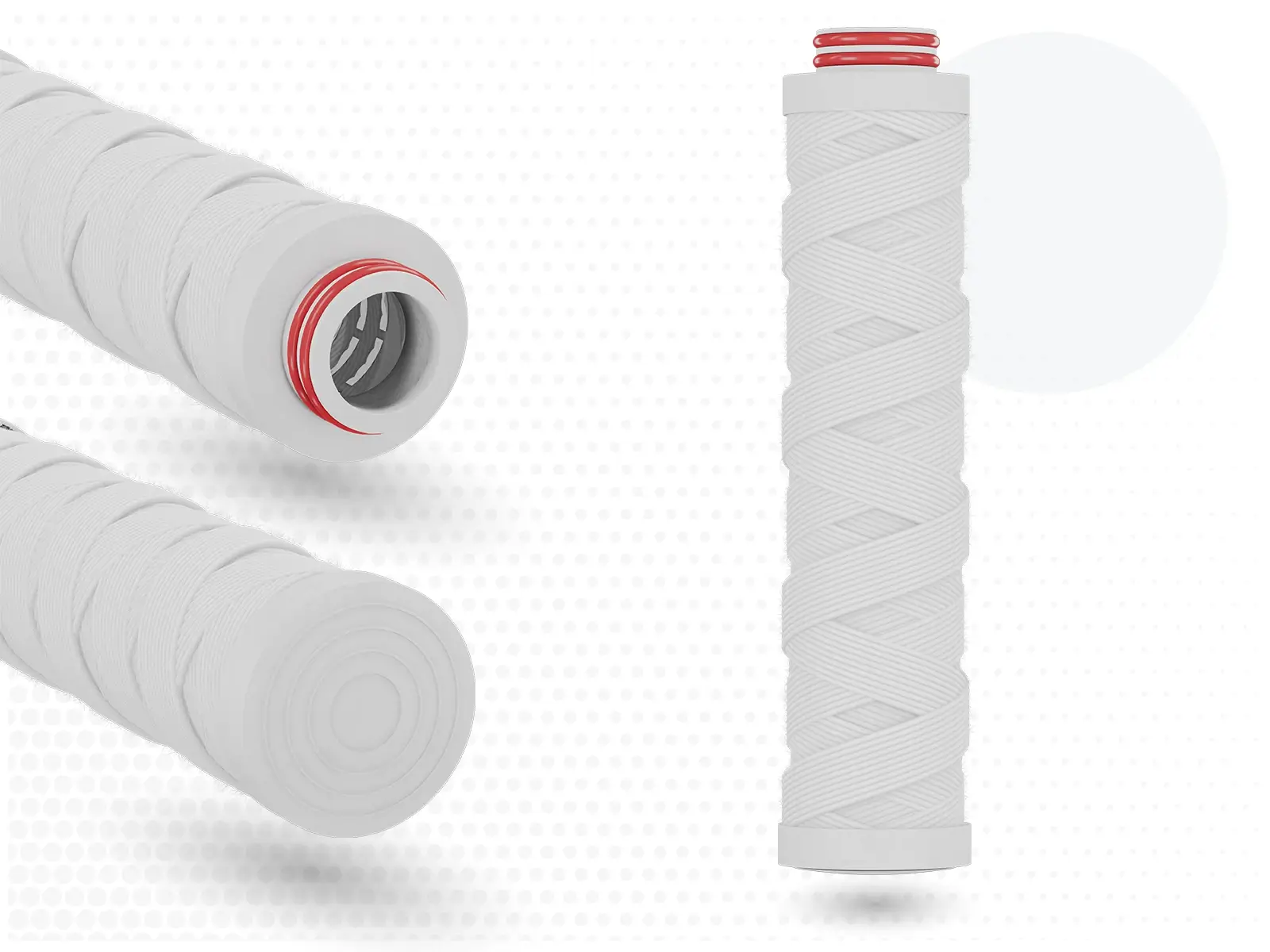
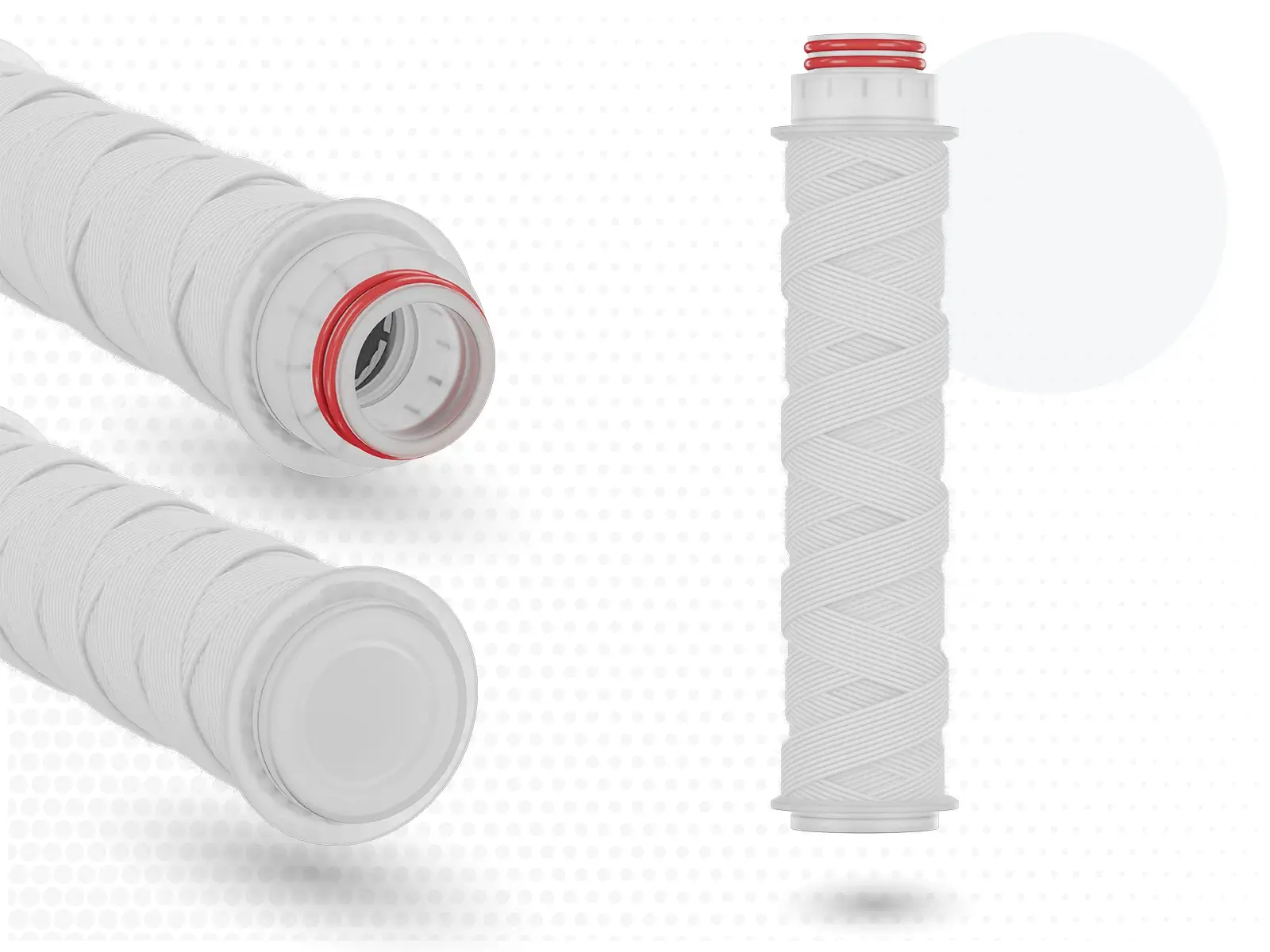
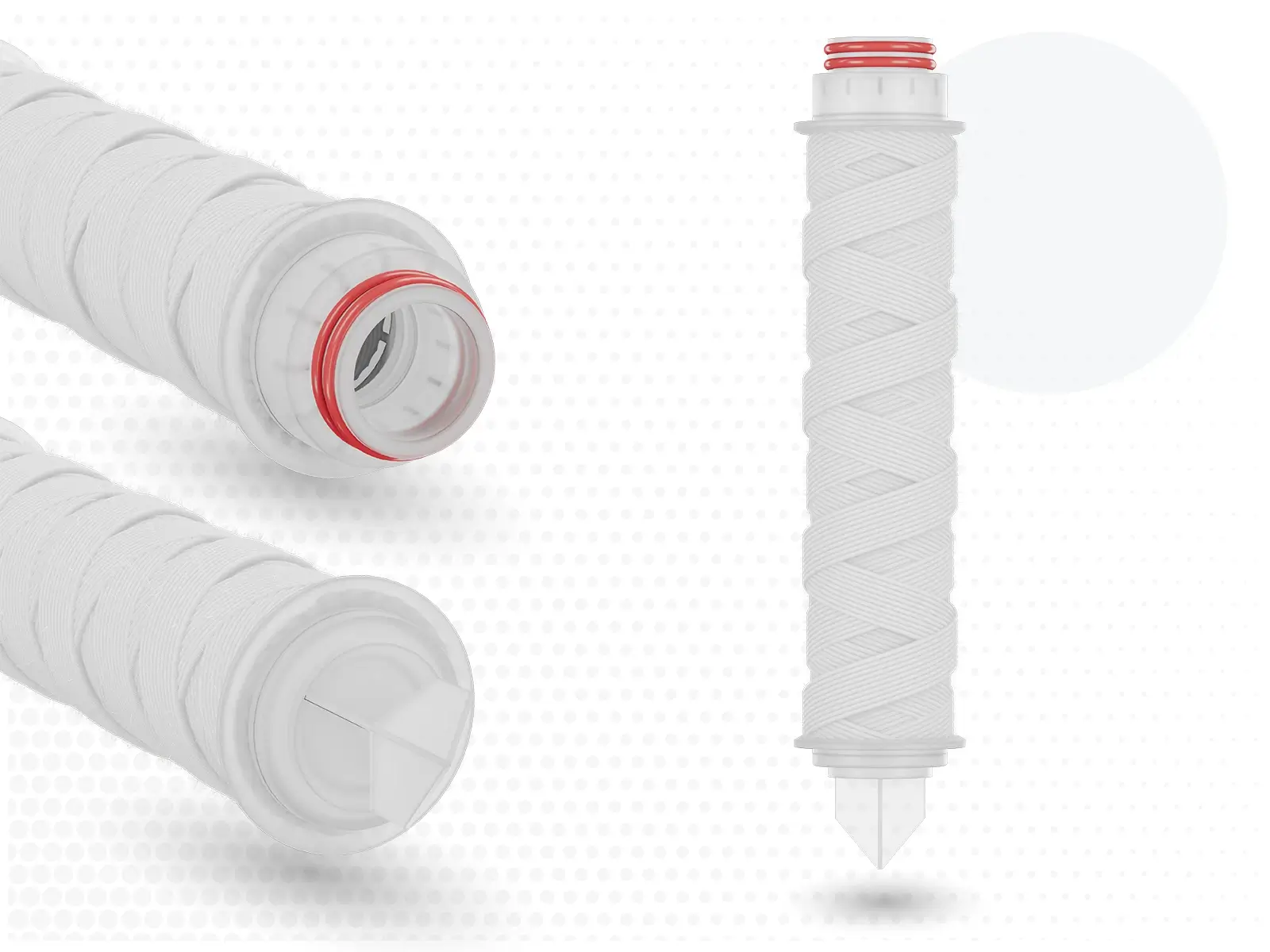
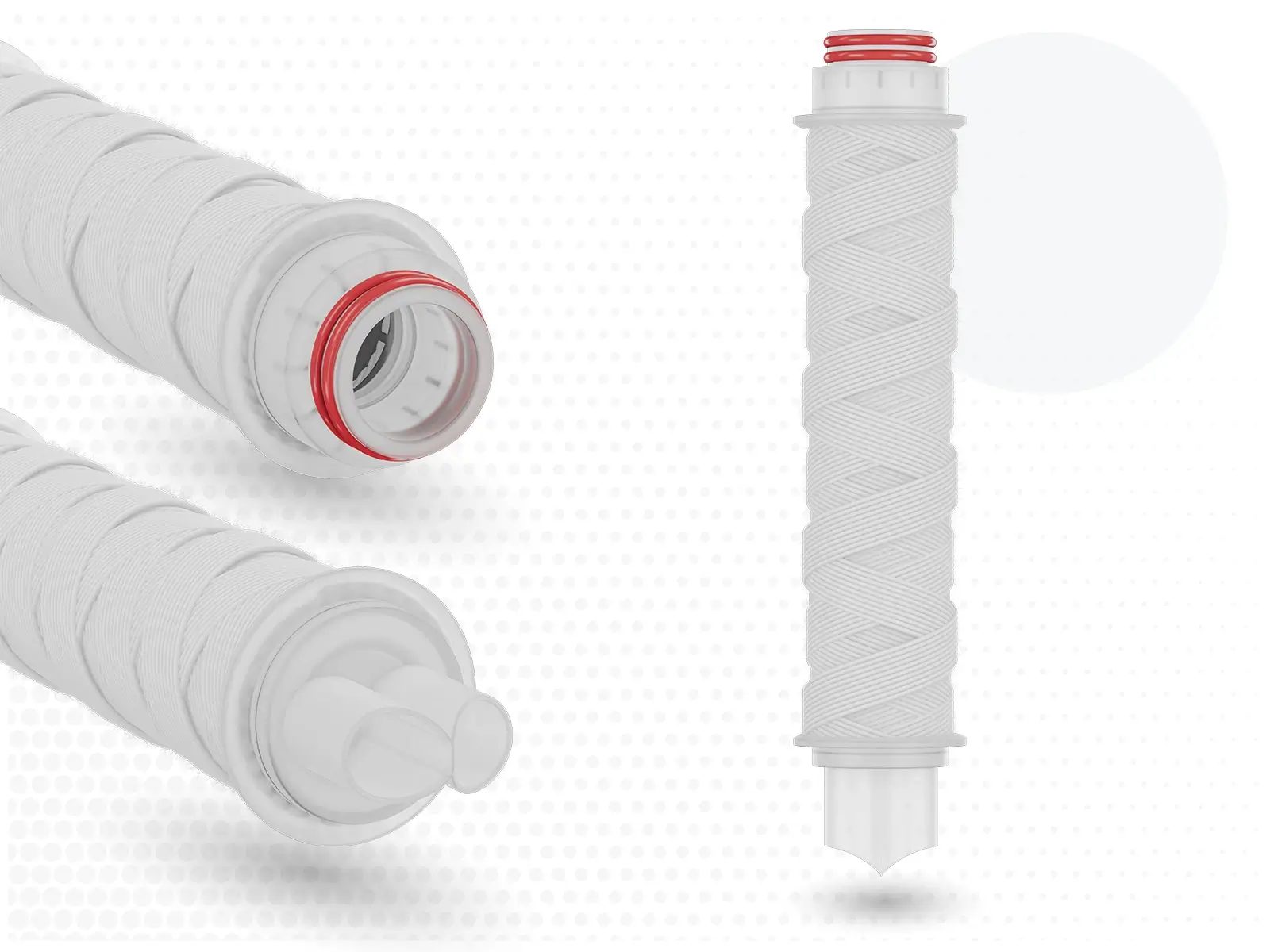
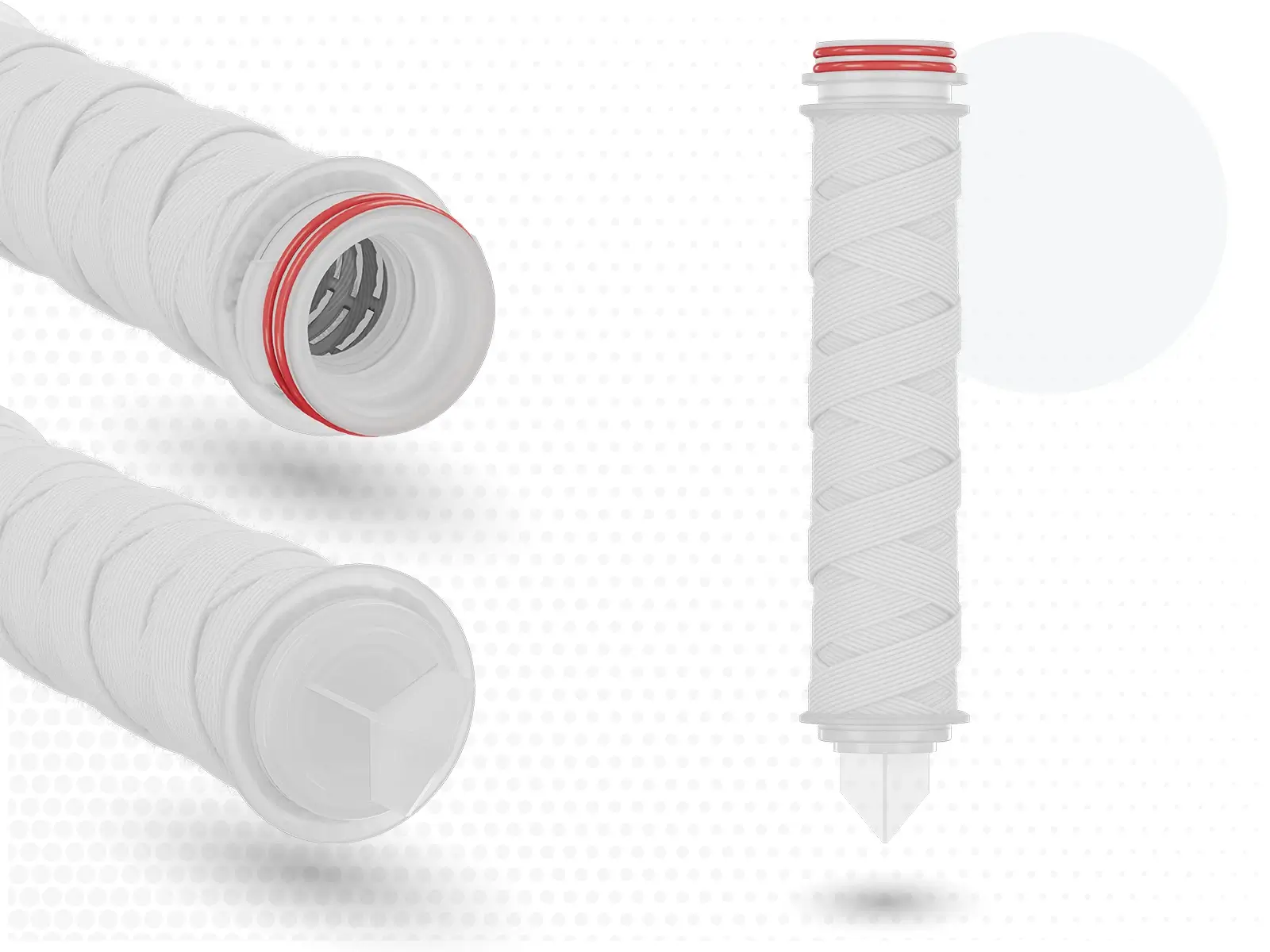
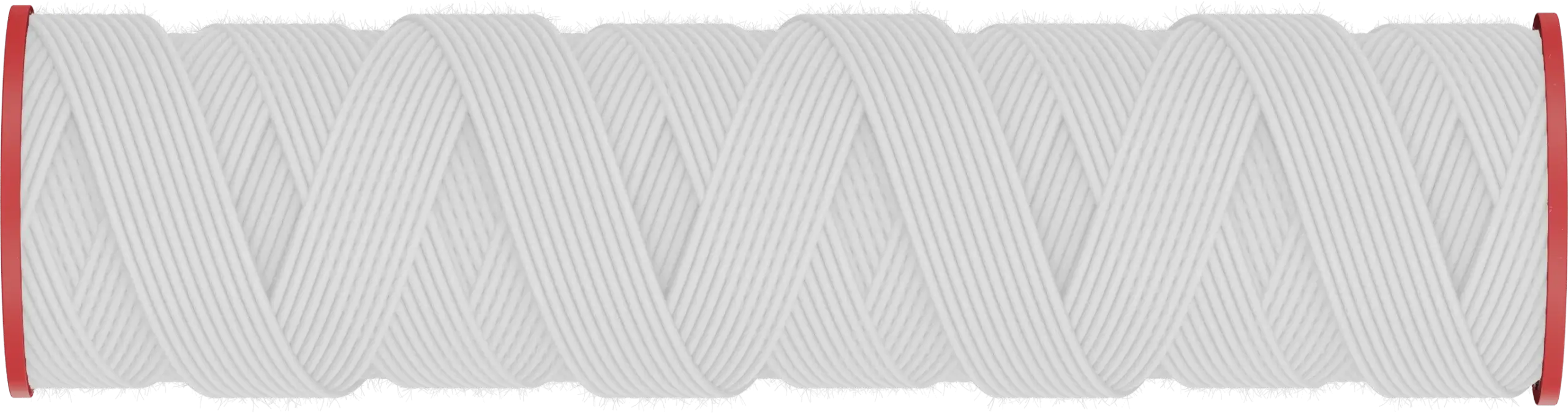
The string-wound cartridge filter is a depth filter made by cross-winding yarn onto a PP or stainless steel core. With 8 media, 0.8–150 µm, 5″–60″ lengths and DOE/SOE end options, there are hundreds of thousands of possible configurations.

Filter Media

8 Media Types

Wide Micron Range

0.8–150 µm

Wide pH compatibility

1-14

Certificate No: 06009/PR09U

ISO 9001:2015

String-Wound Cartridge Filter

Product Identity and Technical Summary Panel

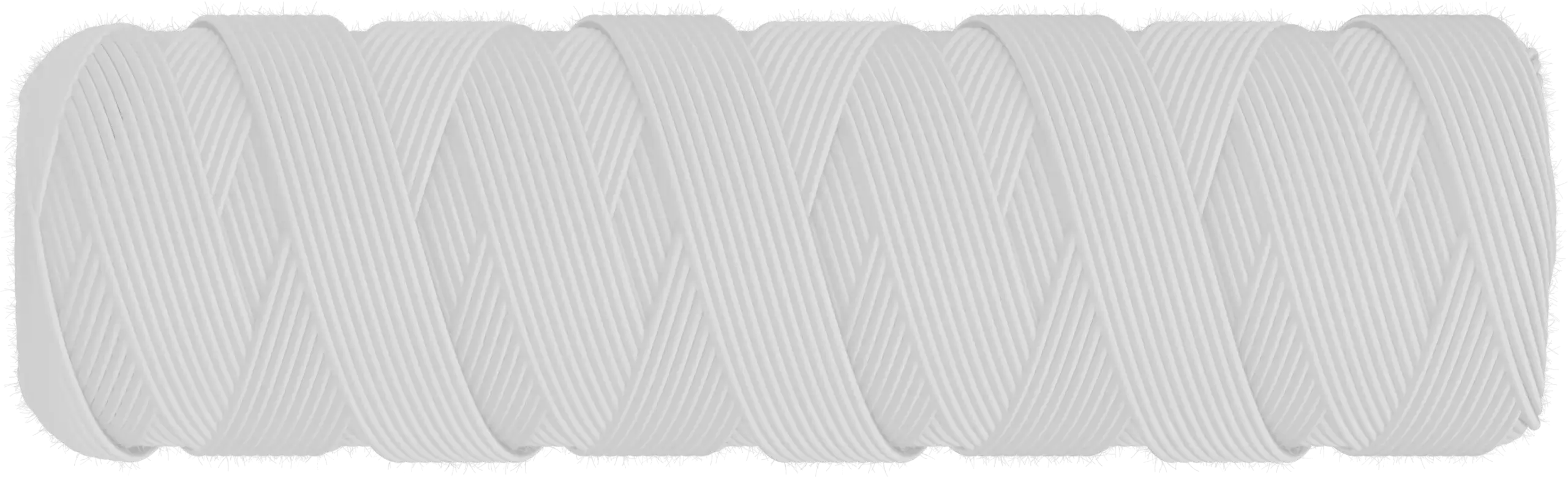
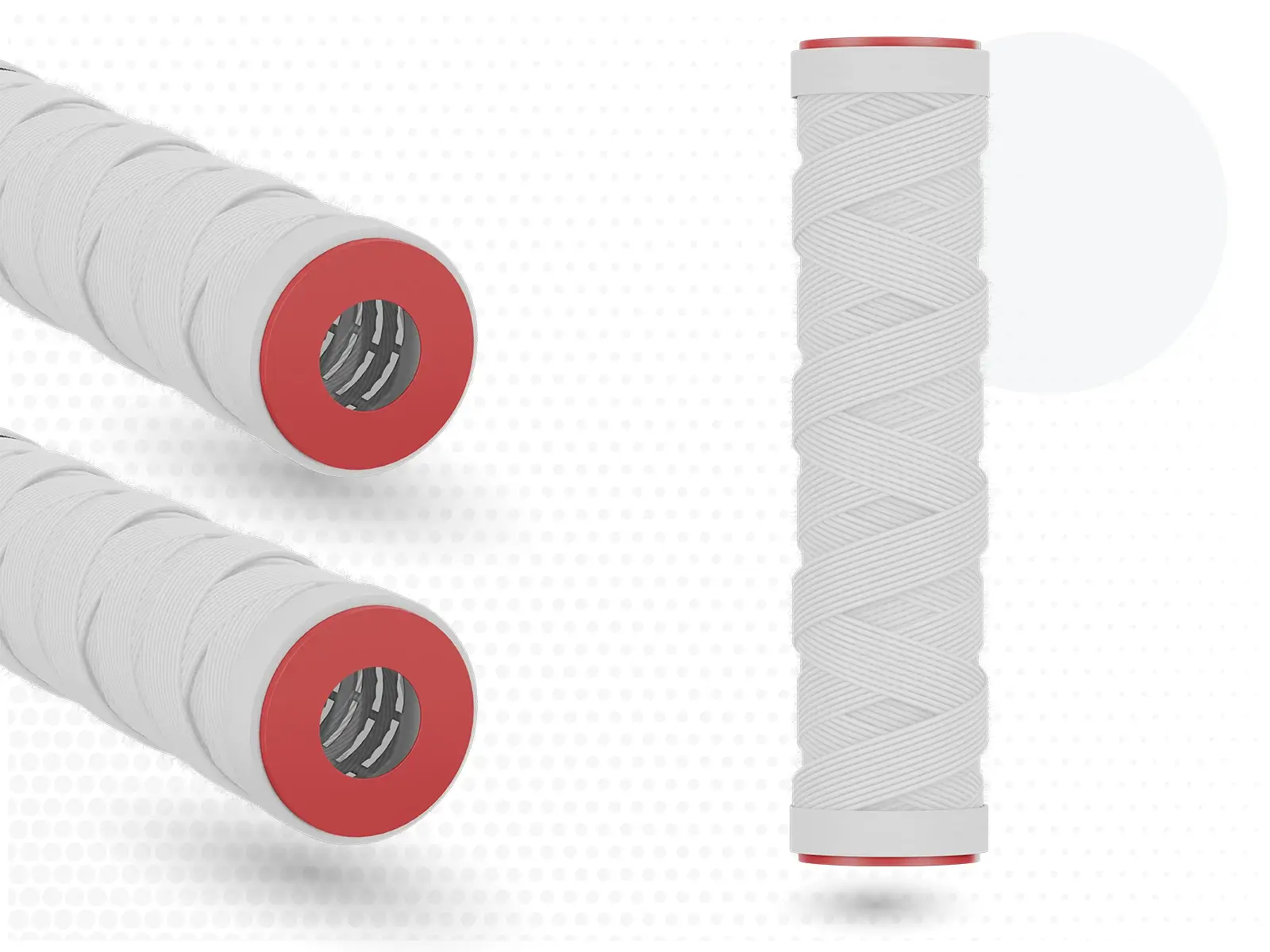
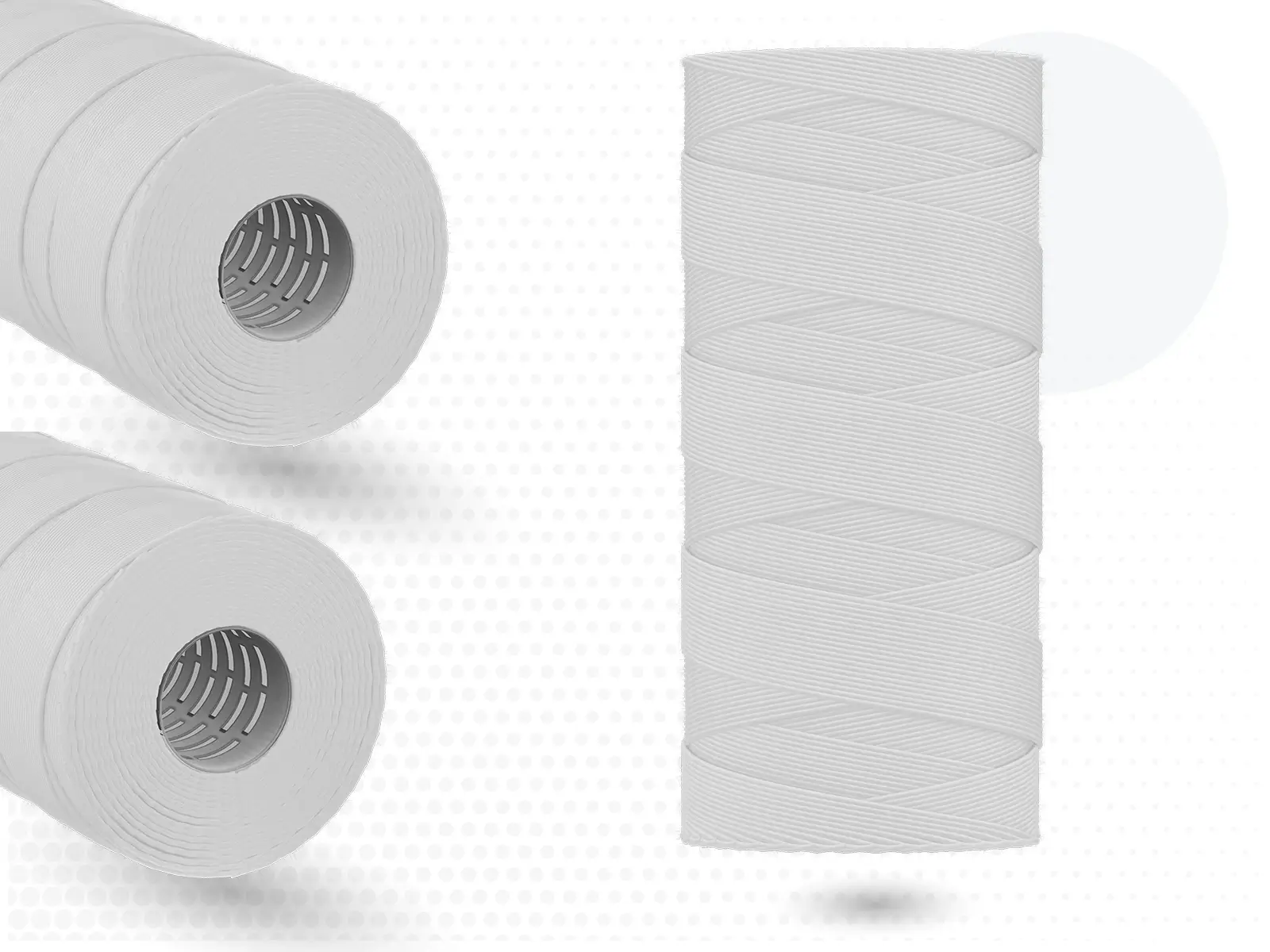
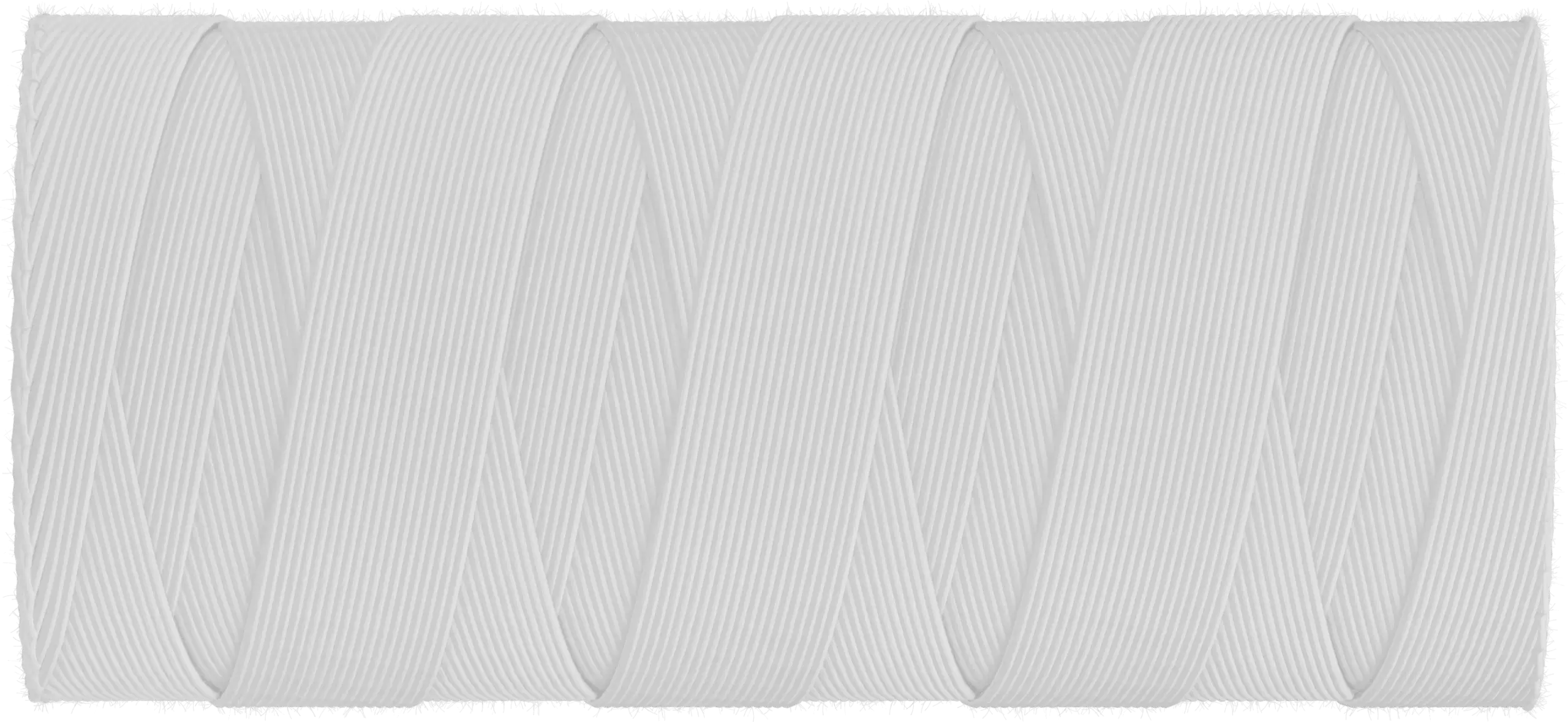
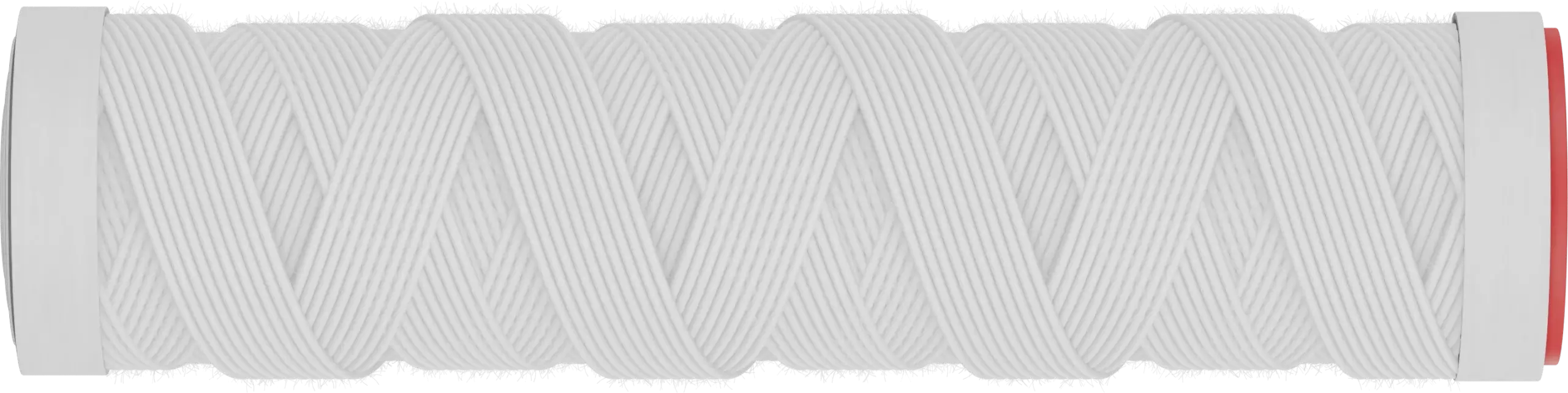
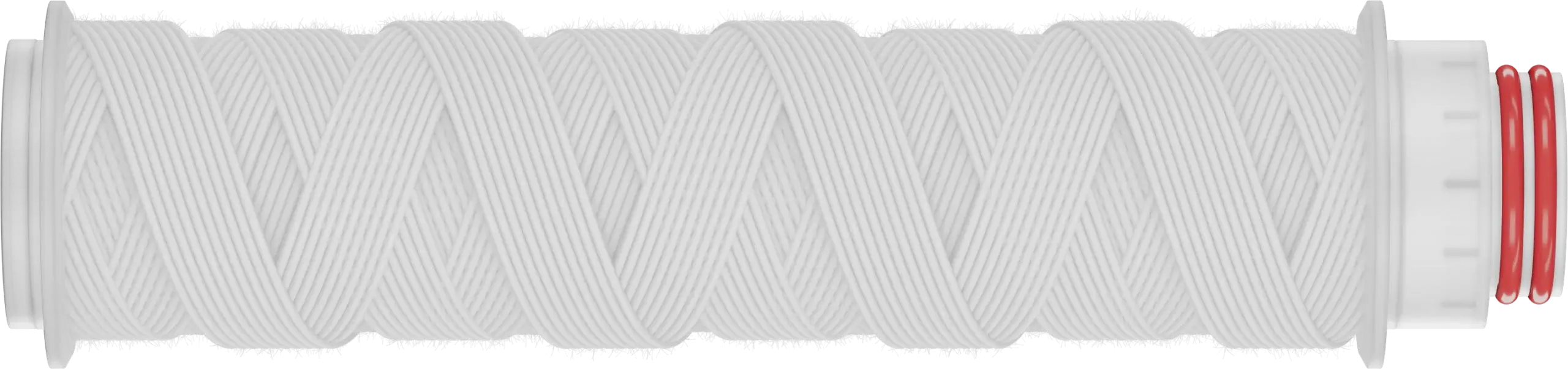
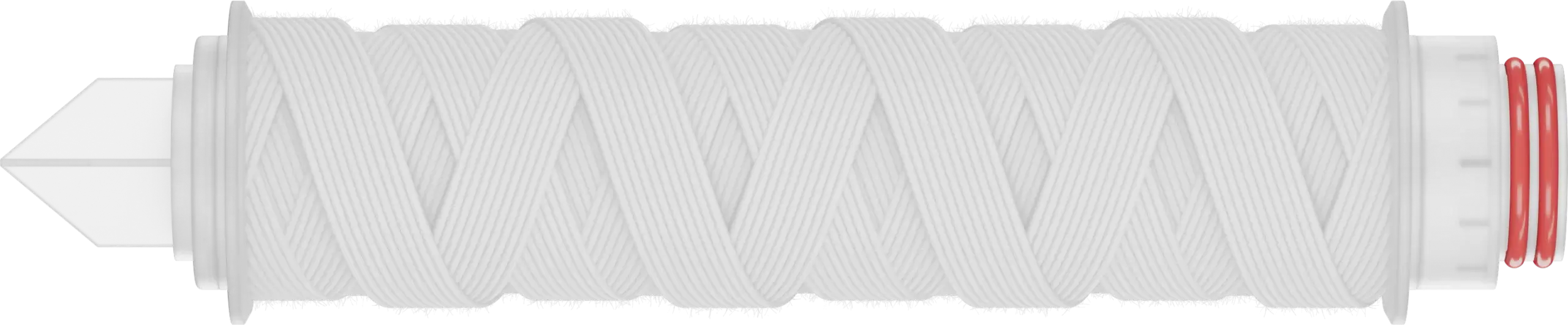
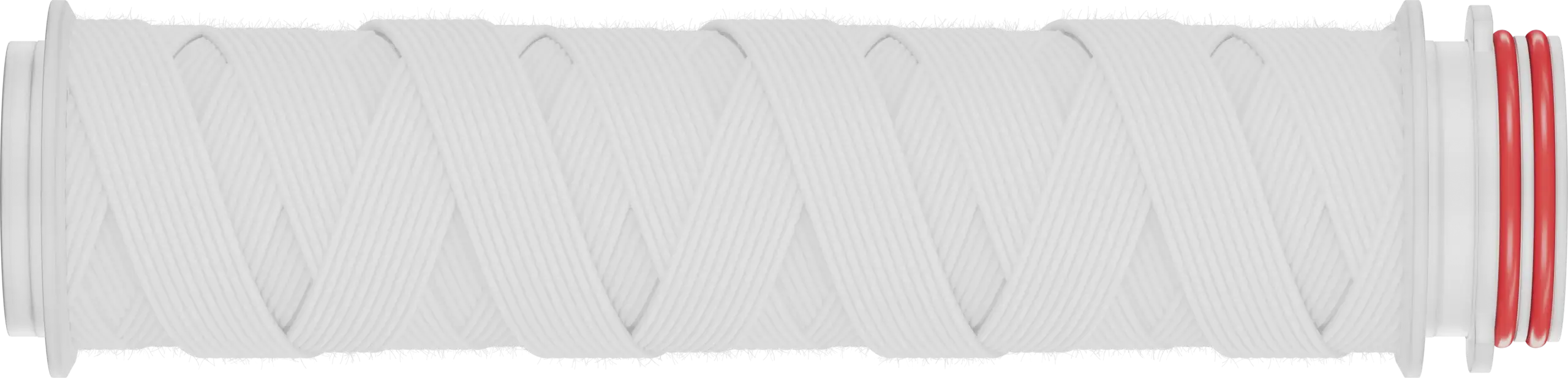
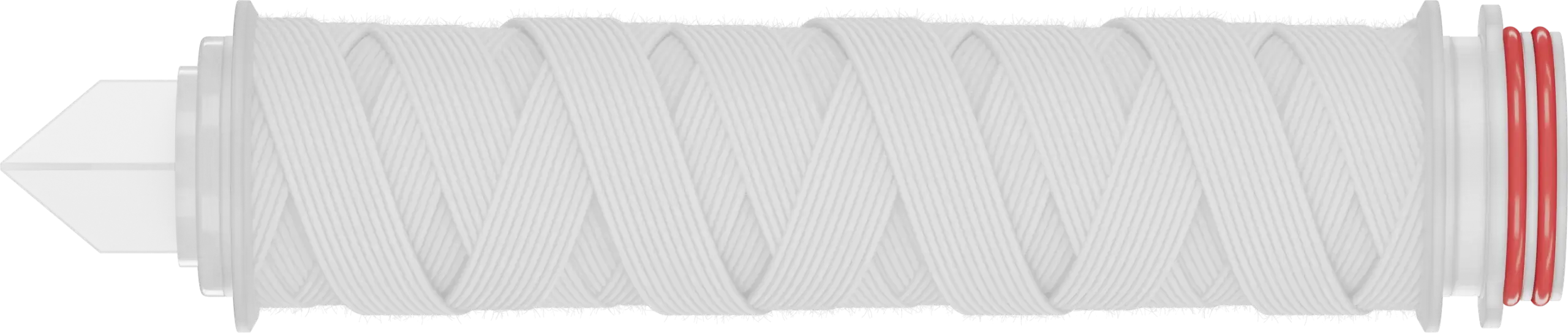
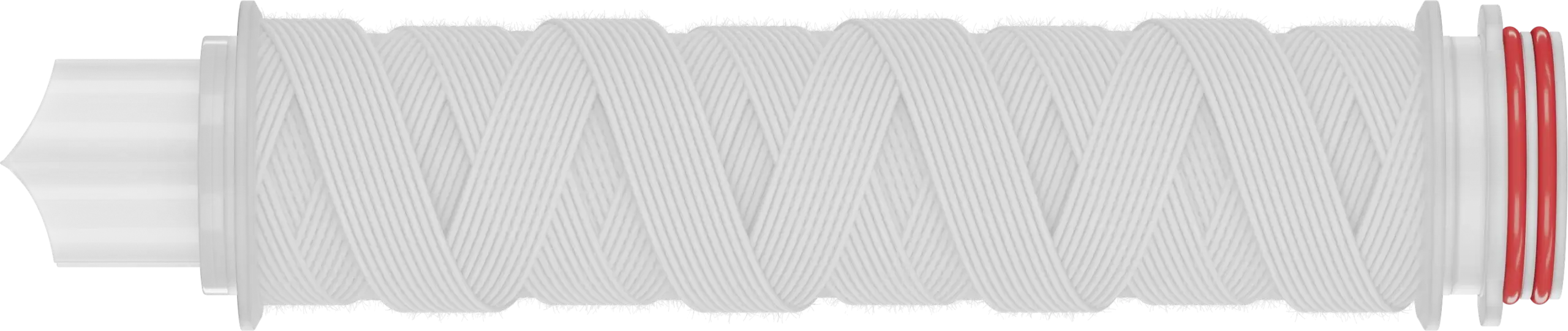
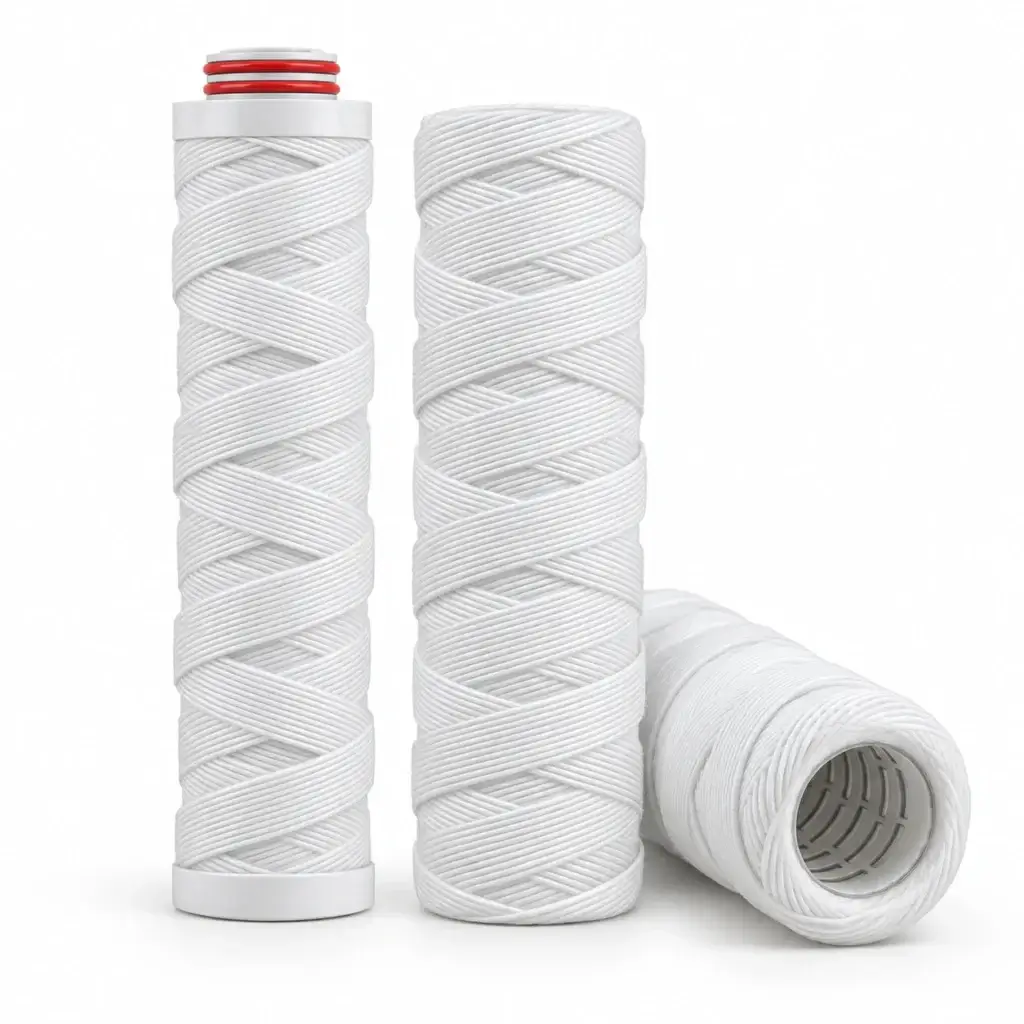
The string-wound cartridge filter is a depth filter with high dirt-holding capacity made from pure yarn wound in a criss-cross diamond pattern onto a PP or stainless steel centre core. As the fluid moves from the outer surface of the cartridge towards the core, particles are left not at the surface but within the winding layers. It therefore has a wide range of uses, from pre-filtration to fine filtration, for separating sand, rust, sediment and other solids on water, chemical solution, oil and solvent lines.

Micron ratings from 0.8 µm to 150 µm, combined with eight media options (polypropylene, glass fibre, natural and bleached cotton, nylon, polyester, acrylic, viscose), suit food, pharmaceutical, energy and chemical processes. Because the cartridges are made in lengths from 5″ to 60″, with DOE or SOE end types and 215, 222 or 226 O-ring options, they can be configured to suit your existing filter housing.

The right cartridge is not chosen by micron rating alone. The media must be matched to the chemical nature and temperature of the fluid, the core material to the pressure conditions, and the gasket to fluid compatibility and sealing. When this match is right, the cartridge maintains its target micron performance and differential pressure rises slowly.

Key Technical and Structural Features

Filter Media
  • Polypropylene (PP)
  • Polyester (PE)
  • Natural Cotton & Bleached Cotton
  • Glass Fibre (GF)
  • Nylon (PA)
  • Acrylic & Viscose
Filter Lengths
  • 5" (127 mm)
  • 10" (254 mm)
  • 20" (508 mm)
  • 30" (762 mm)
  • 40" (1016 mm)
  • 50" (1270 mm)
  • 60" (1524 mm)
  • Custom Process Lengths
Filtration Range
Fine graded-depth particle retention range of 0.8 µm – 150 µm.
Operating Compatibility
  • Food and Beverage Processes
  • Pharmaceutical and Chemical Industry
  • Power Generation Plants
  • Water and Industrial Liquid Lines
Construction Type
  • Polypropylene (PP) Centre Core
  • Stainless Steel (AISI 304 / 316) Core
  • Graded-Density Criss-Cross Diamond Winding
Connection Options
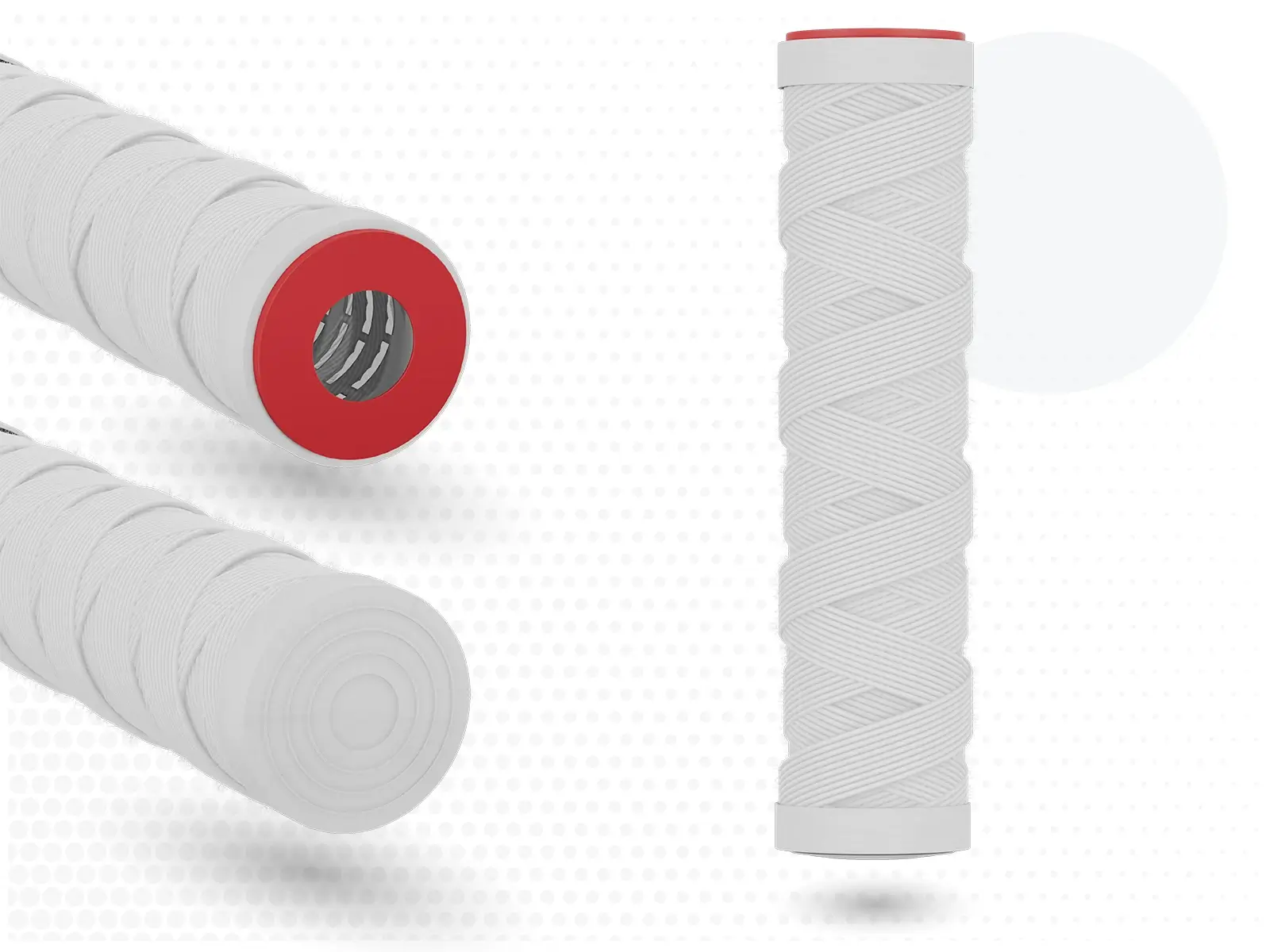
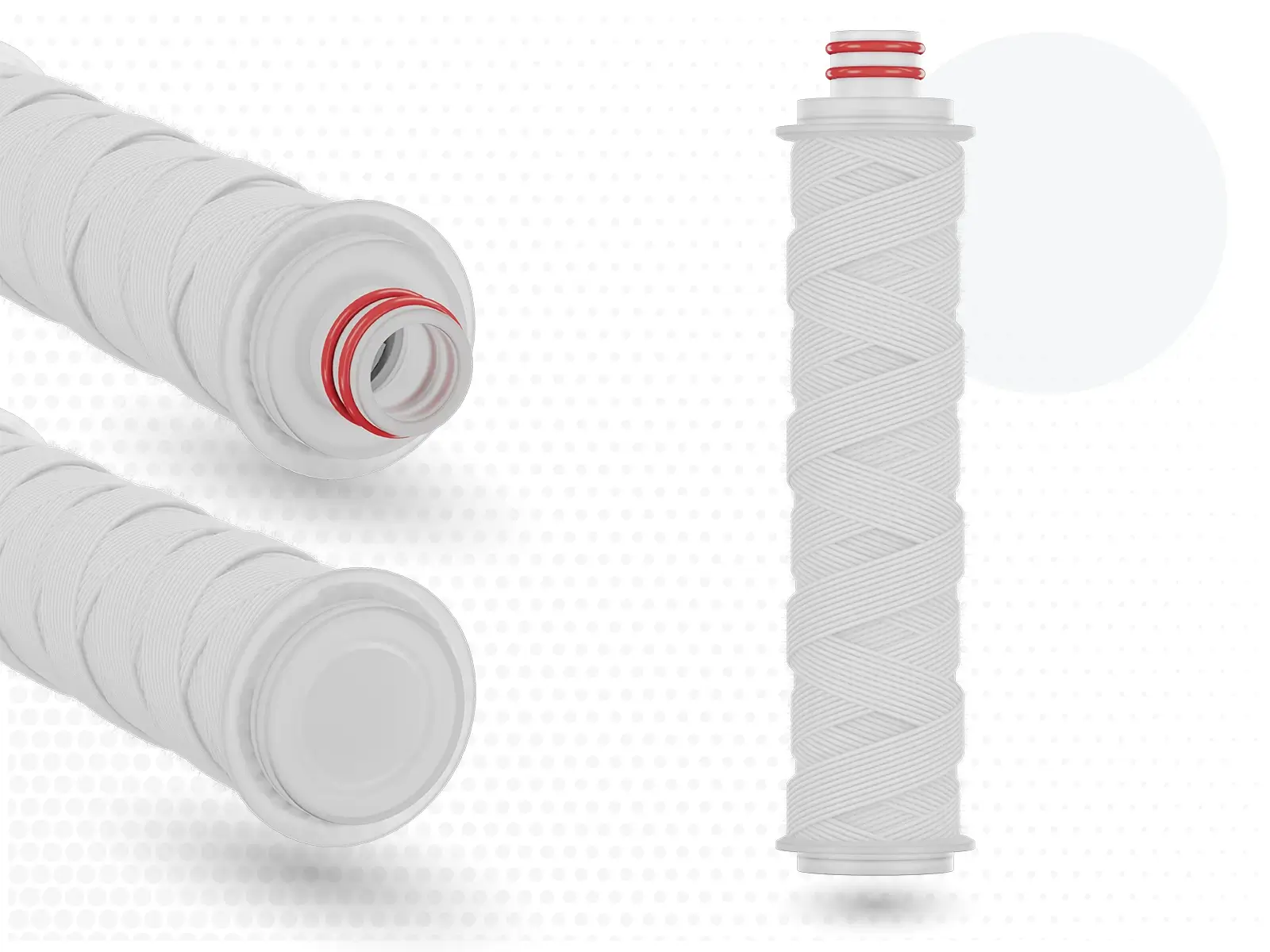
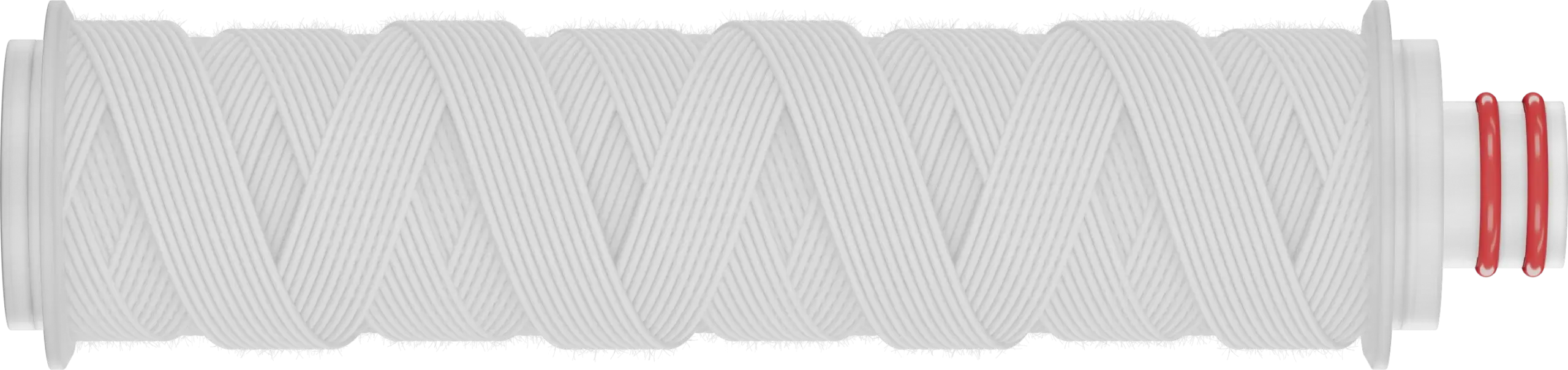
  • DOE (Double Open End)
  • SOE (Single Open End)
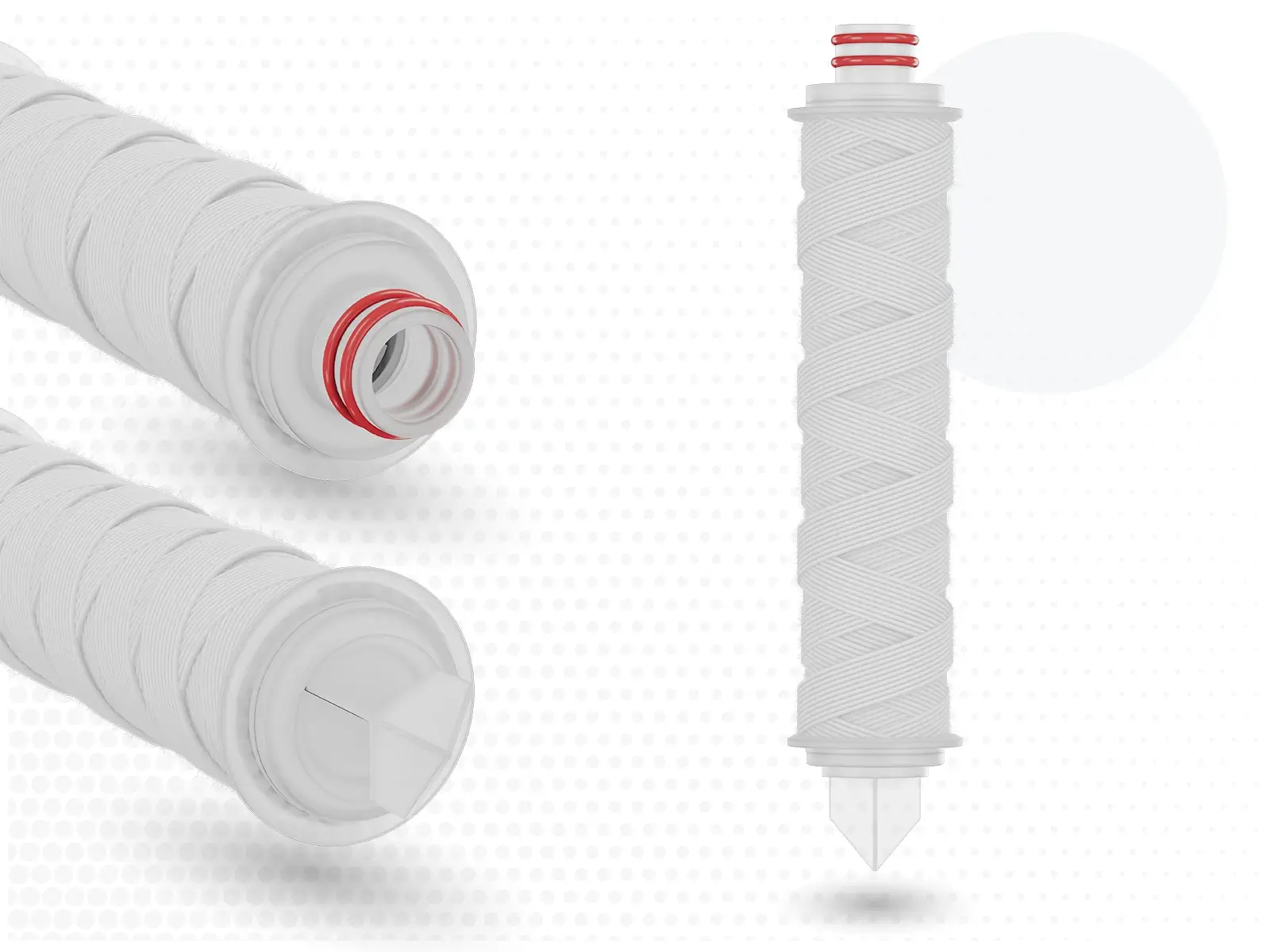
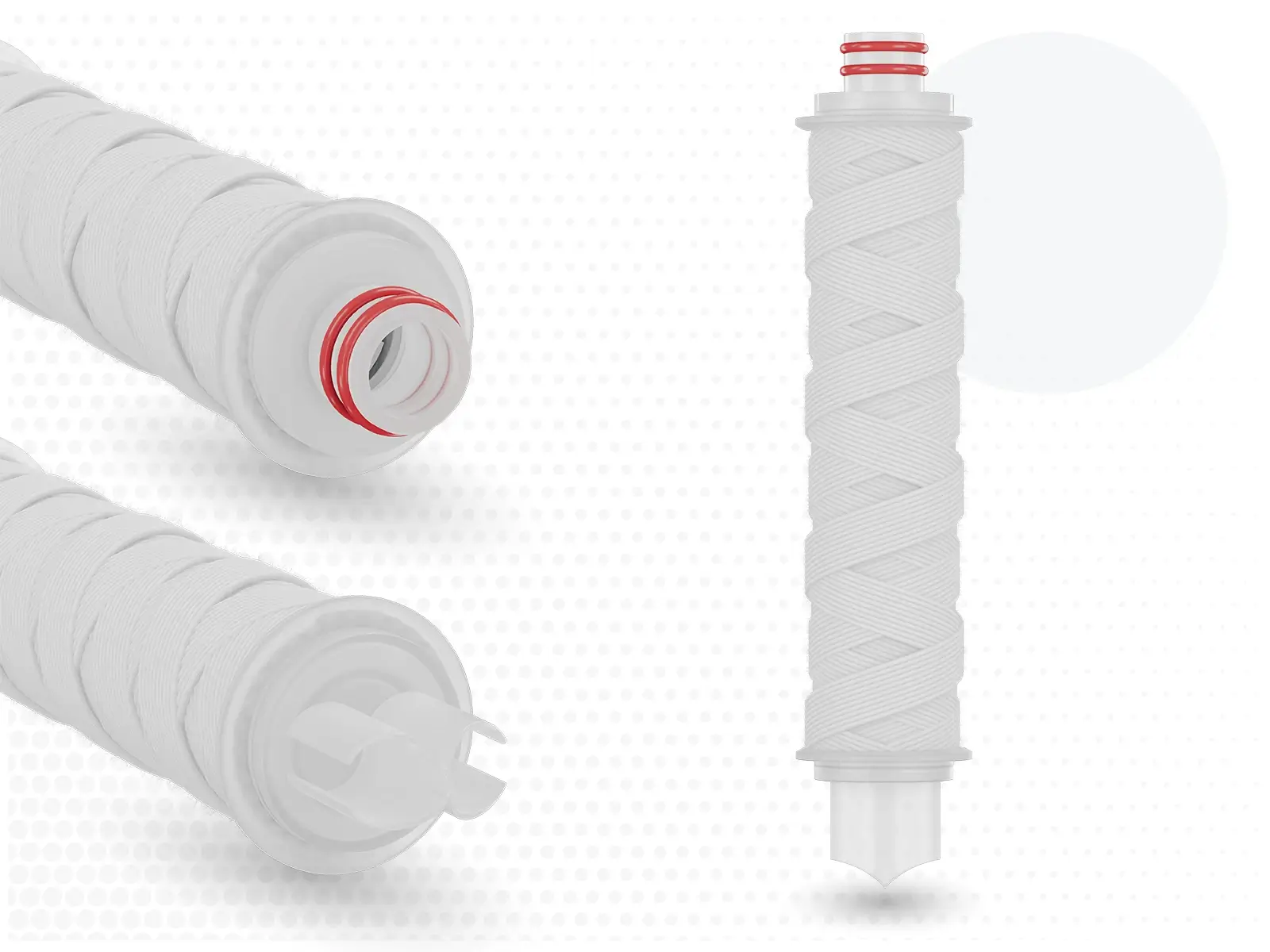
  • 215 / 222 / 226 O-Ring
  • Flat / Fin 1 / Fin 2 End Cap
Production Model
Standard series production, with configurations tailored to process samples and technical drawings.
Quality Control
Post-production verification of appearance, dimensional tolerances and micron accuracy.

Water Flow Rate Performance

Thanks to its graded pore structure and cross-winding geometry, the string-wound cartridge filter offers water flow performance optimised for different micron ratings. Thanks to its high dirt-holding capacity, differential pressure rises slowly and linearly even as the particle load increases; there is no sudden clogging. This design creates a clear operational advantage in industrial applications in terms of long filter change intervals, low operating costs and stable filtration in high-flow processes. The test data show the pressure-flow relationship that varies with micron grade.

Performance Advantages in Water Filtration

Liquid Flow Performance per 10"

Pressure Values: Chart Data Points Per 10″ cartridge · chart measurement points
# 1 µm 5 µm 10 µm
Values per 10-inch cartridge · PP string-wound media · clean water

Graded Pore Structure and Working Principle

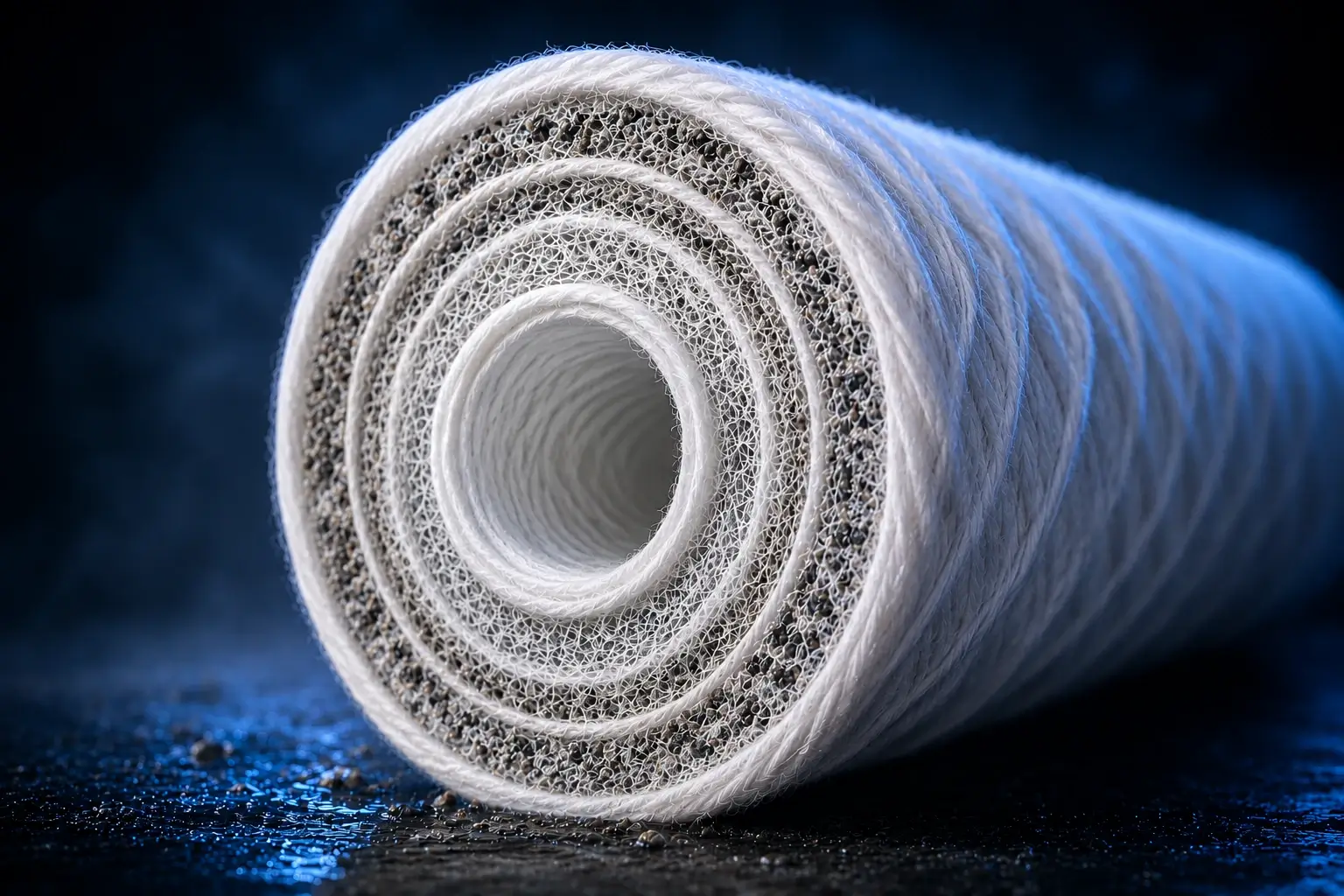
The main source of performance of Prosestim string-wound filters is “graded pore structure” technology. Yarn is wound layer by layer onto a PP or SS centre core with a controlled winding angle and variable winding density. As the fluid moves from the outer surface of the filter to the inner core, each layer traps particles of its own size. This structure prevents surface clogging and keeps the filter’s entire volume active.

Graded pore layers that tighten from outside to inside in a string-wound cartridge filter cross-section
STEP 01

Graded Pore Structure

The yarn is wound onto the centre core with a density that is tight on the inside and looser towards the outside. Thanks to this grading, the outer layers retain coarse particles and the inner layers finer ones. Retention therefore takes place not at the surface but across the full thickness of the filter; the contaminant load is spread through the entire depth instead of building up in one layer.

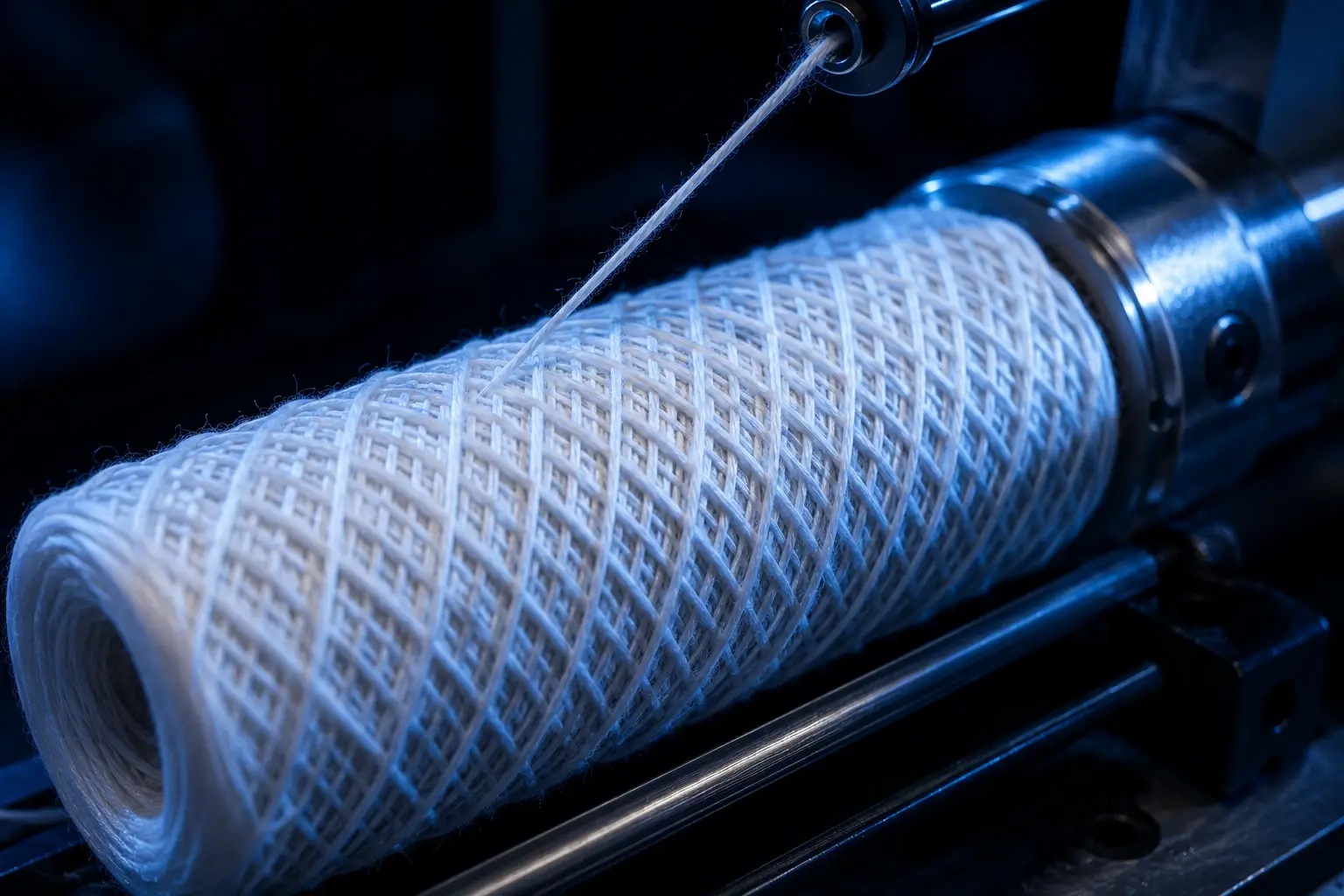
Cartridge filter being wound with yarn in a criss-cross pattern on a winding machine
STEP 02

Cross-Winding Geometry

The yarn is wound not in straight parallel lines but at a controlled cross angle. Each layer crosses the gaps in the layer below, preventing direct flow channels from forming and forcing the fluid to follow a tortuous path. The winding angle, layer spacing and yarn tension are the main production parameters that determine the cartridge’s nominal micron rating.

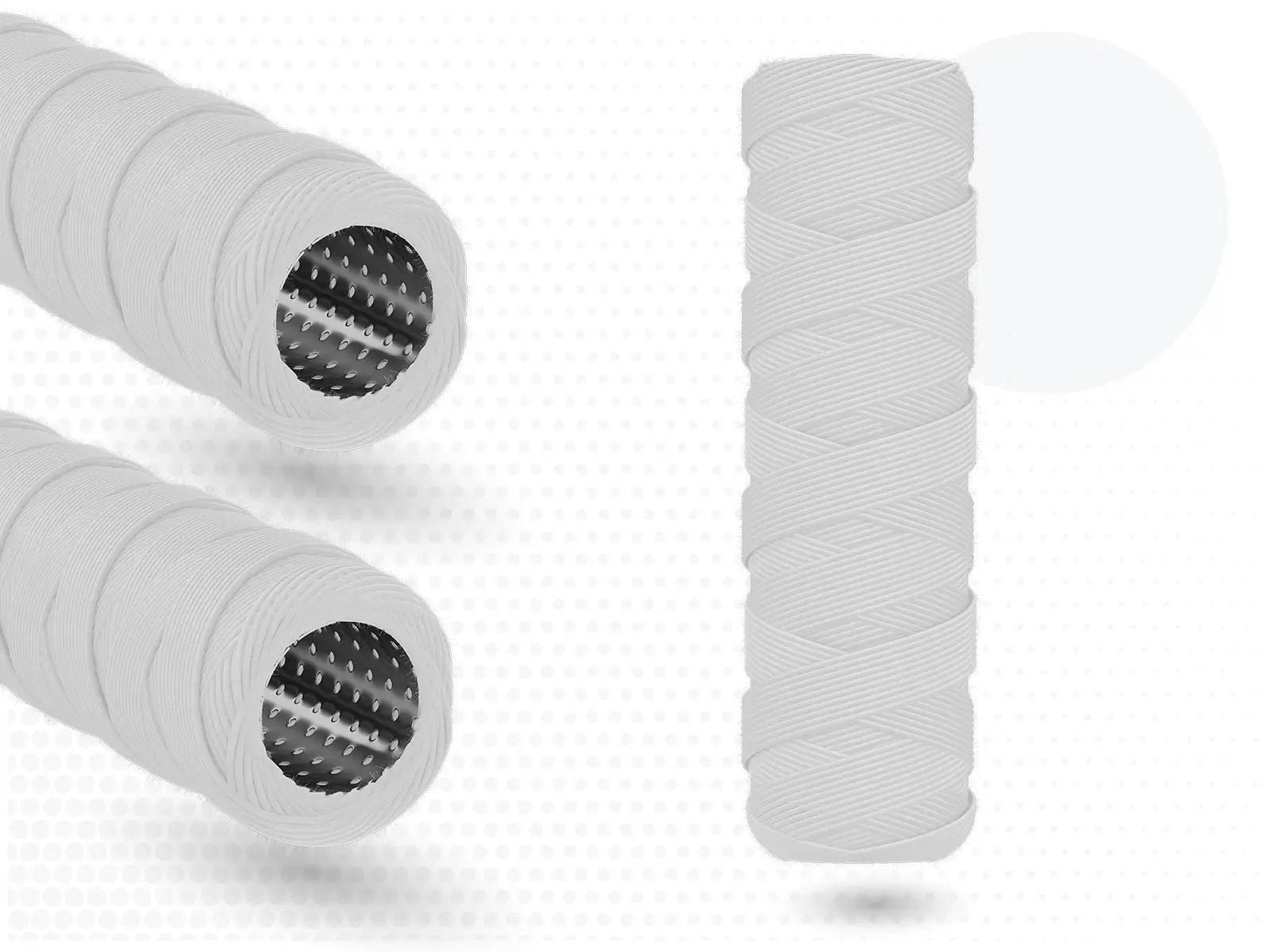
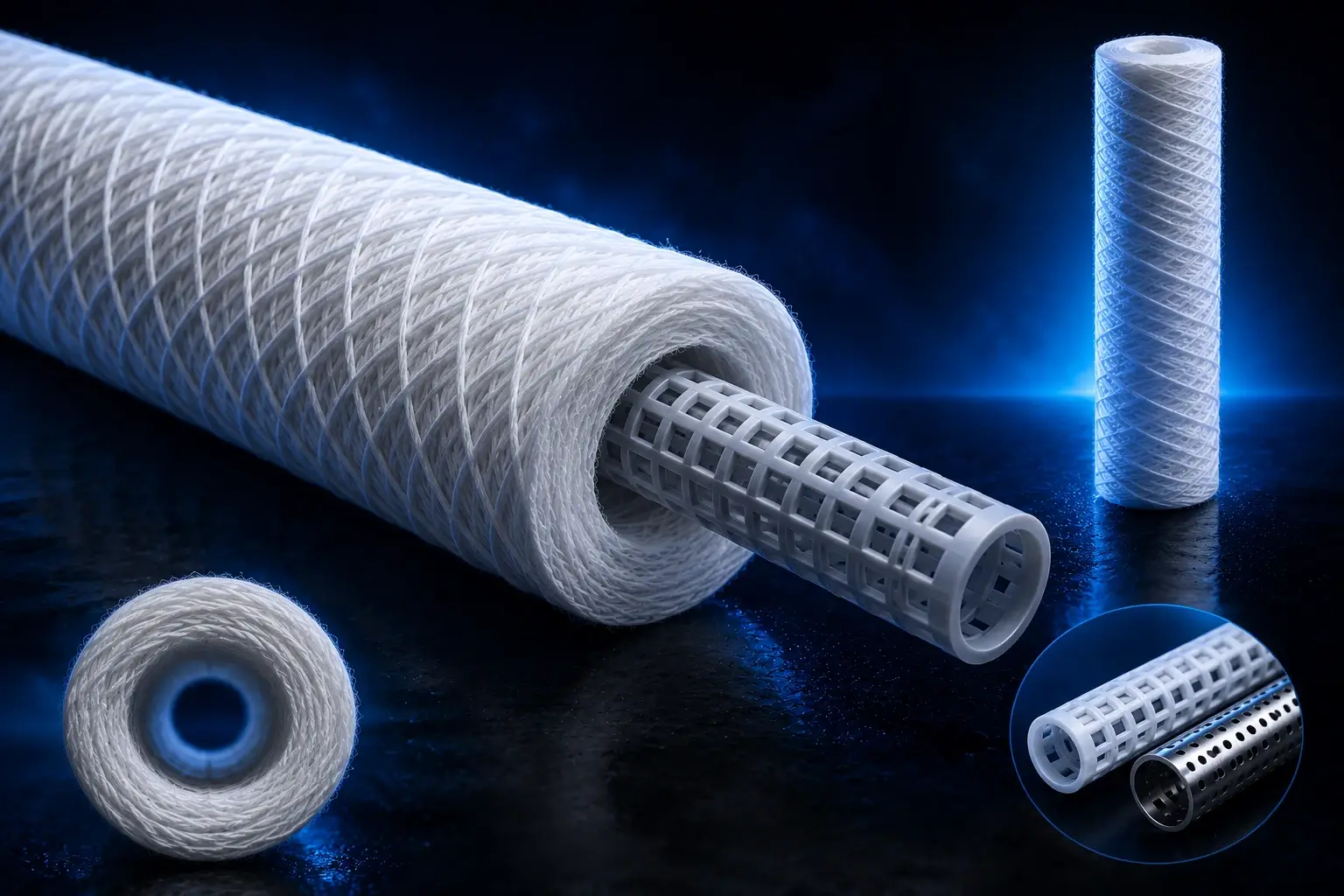
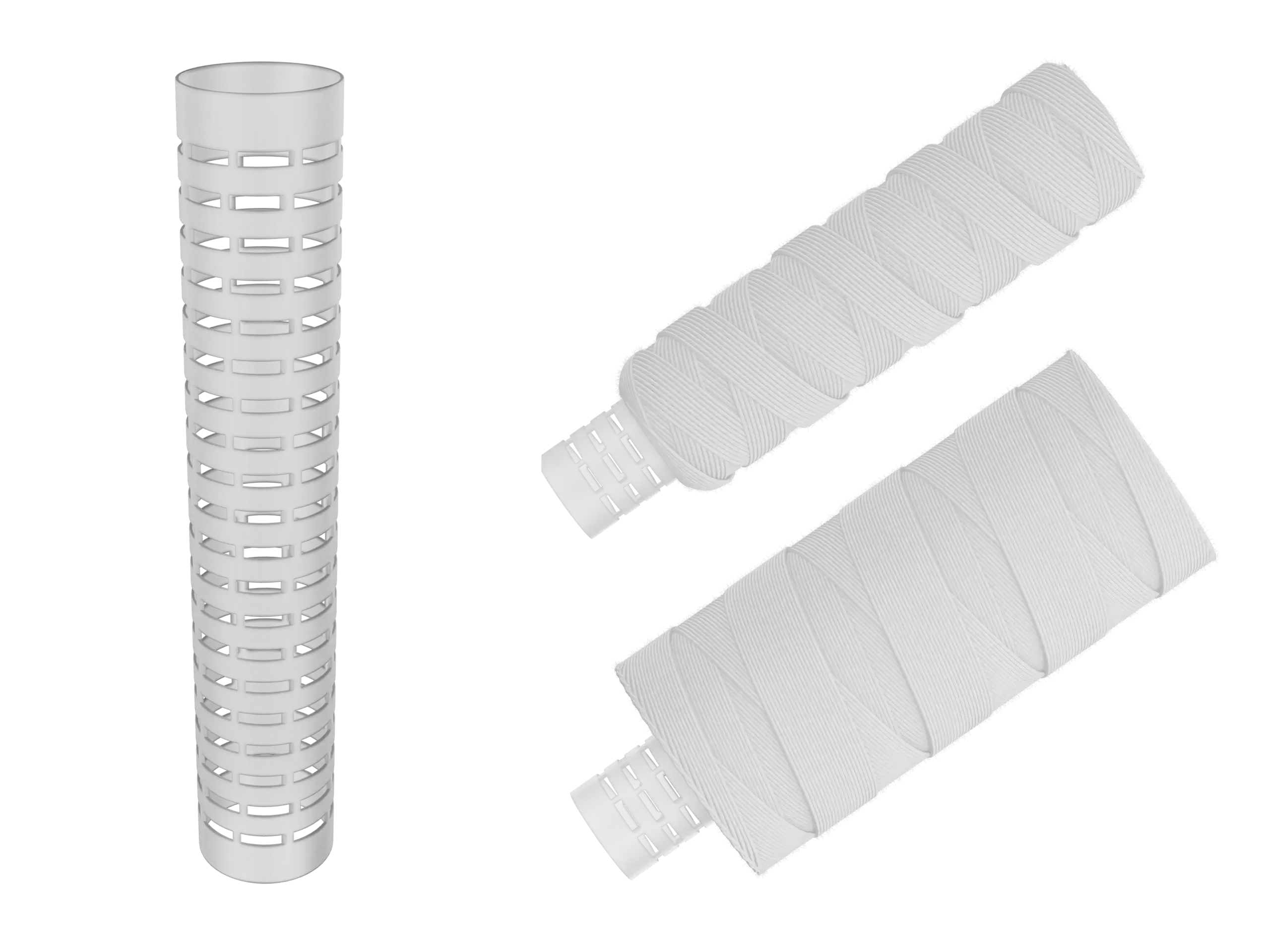
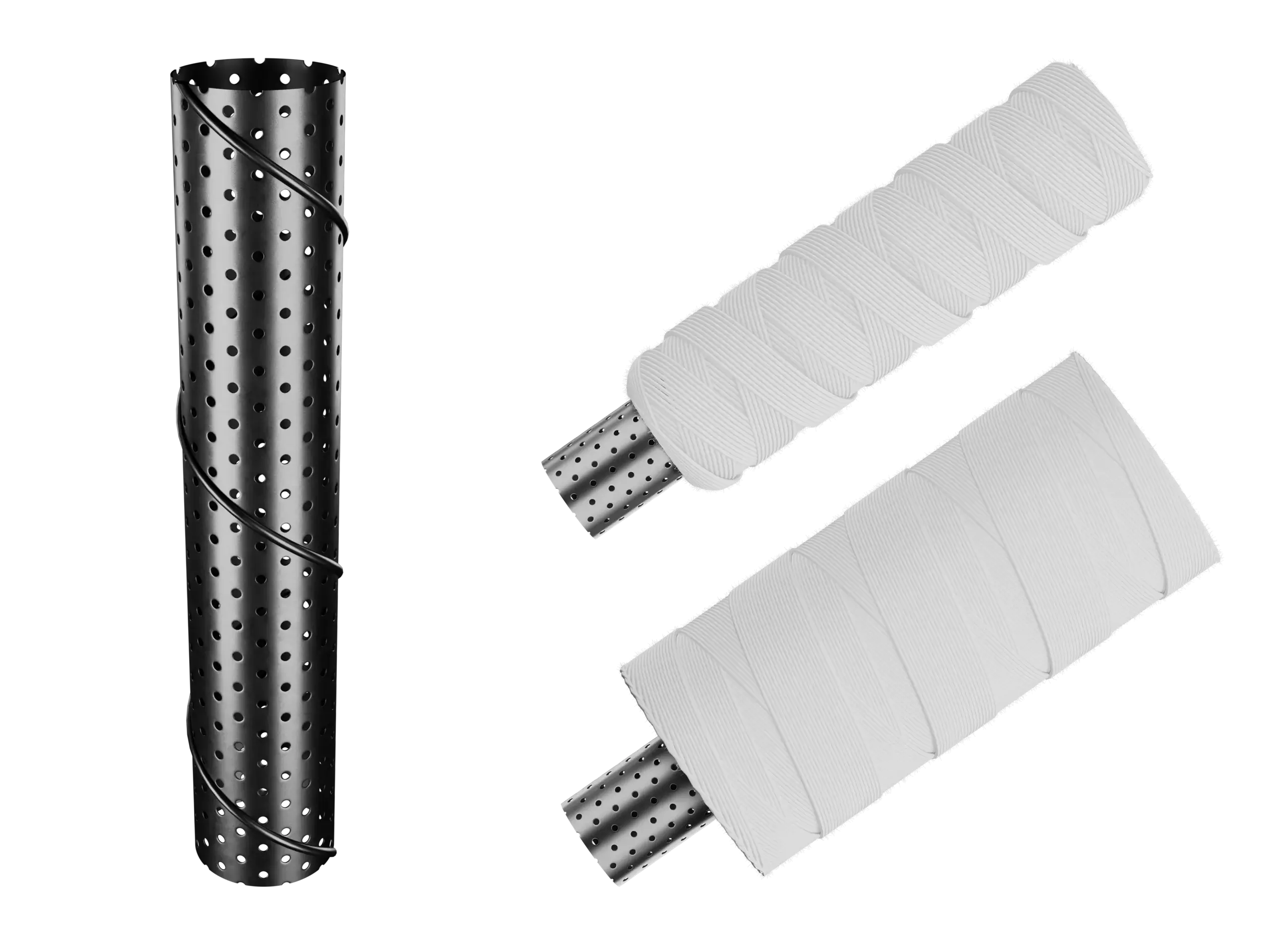
Perforated centre core, cross-section view and finished string-wound cartridge filter
STEP 03

Centre Core Strength

The centre core, known in industry literature as the “center core”, is the structural skeleton of the string-wound cartridge. The yarn is wound onto this rigid structure, made of PP or stainless steel. Under high differential pressure and sudden flow changes, the geometric integrity of the core stops the winding layers collapsing inwards.

8 Raw Materials and Structural Engineering Design

Prosestim string-wound cartridge filters are industrial depth filtration elements made from 8 different raw materials. Polypropylene, glass fibre, natural cotton, bleached cotton, nylon, polyester, acrylic and viscose media options allow process-specific configurations for different chemical environments, temperature ranges and particle loads.

Each medium, made from pure yarn free of adhesives and resins, is wound layer by layer onto a PP or SS centre core with a controlled winding angle and variable winding density. This production geometry directly determines the filter’s nominal micron rating and contaminant-holding capacity.

The graded pore structure, created by winding density that increases from outside to inside, effectively removes a wide range of particle sizes in a single pass. The outer layers retain large particles and the inner layers smaller ones. The filter works actively throughout its entire volume; there is no early surface clogging. High contaminant-holding capacity, a linear pressure rise and a long service life are achieved together.

Parameter Value
Filter Media Polypropylene, natural cotton, bleached cotton, glass fibre, nylon, polyester, acrylic, viscose
Micron Ratings 0.8 µm (natural cotton), 1 µm, 3 µm, 5 µm, 10 µm, 15 µm, 20 µm, 25 µm, 30 µm, 35 µm, 40 µm, 45 µm, 50 µm, 55 µm, 60 µm, 65 µm, 70 µm, 75 µm, 80 µm, 85 µm, 90 µm, 95 µm, 100 µm, 150 µm
Inner Support Layer PP core (polypropylene), SS core (stainless steel)
O-Ring Gasket Silicone, nitrile, EPDM, Viton, Teflon
End Cap Type DOE, SOE
Outer Diameter (Standard) 58 mm ±1
Outer Diameter (Big Blue) 107 mm ±1
Inner Diameter 28 mm ±1 (same for PP and SS cores)
Length 5″, 10″, 20″, 30″, 40″, 50″, 60″

Physical Construction and Effective Surface Area

String-wound filter cartridges with a 58 mm outer diameter offer a filtration surface area of 0.046 m² (0.498 ft²) in the 10-inch (254 mm) standard, according to the formula π × OD × length. Surface area grows linearly with length; in the 40-inch model this reaches 0.185 m² (1.993 ft²).

Thanks to the layered depth winding, the outer layers capture coarse particles and the inner layers finer ones. This graded pore structure increases contaminant-holding capacity per unit surface and extends filter life. The one-piece, continuous body from 5 to 60 inches reduces the risk of bypass and lowers pressure loss in high-flow processes.

Length Surface Area (m²) Surface Area (ft²)
5 inch 0,023 m² 0.249 ft²
10 inch 0,046 m² 0.498 ft²
20 inch 0,093 m² 0.997 ft²
30 inch 0,139 m² 1.495 ft²
40 inch 0,185 m² 1.993 ft²
50 inch 0,231 m² 2.491 ft²
60 inch 0,278 m² 2.989 ft²

Filter Material Chemical Compatibility Guide

String-wound cartridge filters are made from 8 different raw materials. The matrix below shows the resistance profile of each media for 13 chemical groups, including water-based chemicals, acids, bases, organic solvents and oils, in a single table. Choosing the right media is critical for production safety and filter life.

E: Excellent  ·  G: Good  ·  F: Fair  ·  P: Poor  ·  N/R: Not recommended

Resistance to Water-Based and Inorganic Process Chemicals

Chemical Group Example Chemical PP Bleached Cotton Nat. Cotton Glass Fibre Nylon Polyester Acrylic Viscose
Water and Potable Liquids Process water, RO pre-filtration, condensate E E E G G G G G
Dilute Inorganic Acids HCl, H2SO4 (<30%) E F F E P G E F
Strong Inorganic Acids H2SO4 (>70%), HCl (Fuming) P N/R N/R E N/R F G P
Weak / Organic Acids Acetic Acid, Citric Acid, Formic Acid E G G E F G G G
Alkalis (Strong Bases) NaOH, KOH, Ammonia E G G P E N/R F G
Oxidising Agents H2O2, Sodium Hypochlorite, Ozonated Water P F F E F G G F
Microorganism Resistance Bacteria, Fungi and Biofilm Formation E P P E E E E P

E: Excellent  ·  G: Good  ·  F: Fair  ·  P: Poor  ·  N/R: Not recommended

Resistance in Organic Solvent and Hydrocarbon Environments

Chemical Group Example Chemical PP Bleached Cotton Nat. Cotton Glass Fibre Nylon Polyester Acrylic Viscose
Alcohols Ethanol, Methanol, IPA E E E E E E E E
Ketones and Esters Acetone, MEK, Ethyl Acetate G E E E E G G E
Aliphatic Hydrocarbons Hexane, Heptane, Naphtha G E E E E E E E
Aromatic Hydrocarbons Toluene, Xylene, Benzene F E E E E G G E
Chlorinated Solvents Dichloromethane, Trichloroethylene P E E E G F G E
Mineral and Vegetable Oils Hydraulic Oil, Machine Oil, Vegetable Oil F E E E E G G E

Operating Conditions

The performance of filter cartridges depends not only on filtration precision but also directly on their ability to suit process conditions. Operating temperature, pressure level, the chemical nature of the fluid and operating time are the key parameters affecting filter life, system efficiency and filtration continuity. Temperature resistance and chemical compatibility, which vary by media type, enable reliable and sustainable performance in different industrial applications.

Nominal Temperature: PP
60 °C (140 °F)
Max. Temperature: PP Media
80 °C (176 °F)
Max. Temperature: Cotton / Viscose
120–160 °C
Max. Temperature: Nylon / Polyester
121 °C (250 °F)
Max. Temperature: Glass Fibre
399 °C (750 °F): with SS core
Max. ΔP: Normal Flow
2.5 bar @ 30 °C
Max. ΔP: Reverse Flow
2.1 bar @ 25 °C
Recommended Replacement ΔP
2.0–2.4 bar
pH Compatibility
1–14

Sealing and Connection Components

In string-wound filter cartridges, filtration performance is determined not only by winding density; the sealing interface that connects the cartridge to the housing is at least as decisive. The smallest gap between the cartridge end cap and the housing seating surface becomes a bypass line, and fluid passing through it reaches the clean side without ever touching the media. That is why a 1-micron cartridge with an unsuitable gasket can behave in the field like a much coarser cartridge.

End Caps and Closures

Prosestim string-wound cartridge filters are made with a wide range of adapter and end type options to fit different filter housings perfectly. With DOE and SOE end types, 215/222/226 adapter standards and flat/Fin 1/Fin 2 geometries, they are compatible with common filter housing brands.

Engineering Advantage for Process Safety

Polypropylene (PP) Core
Stainless Steel (SS) Core

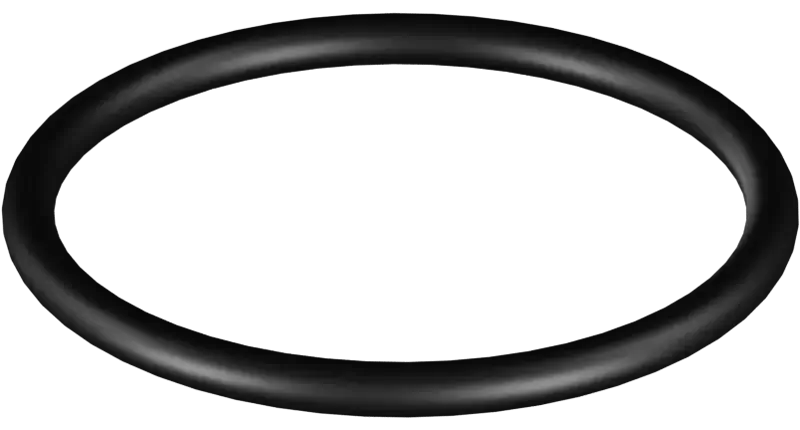
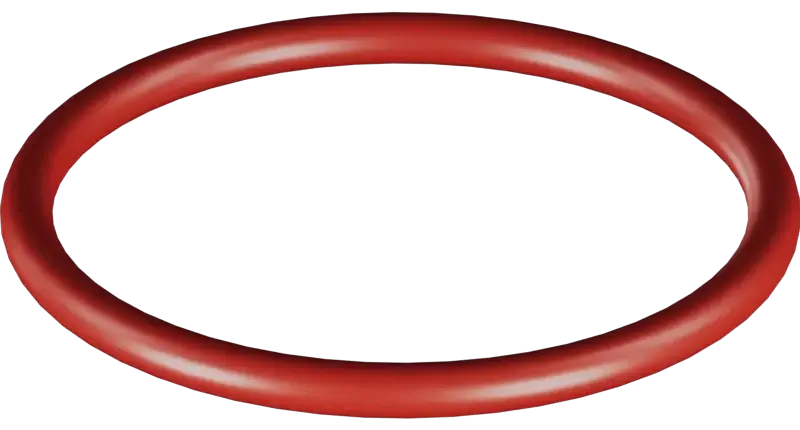
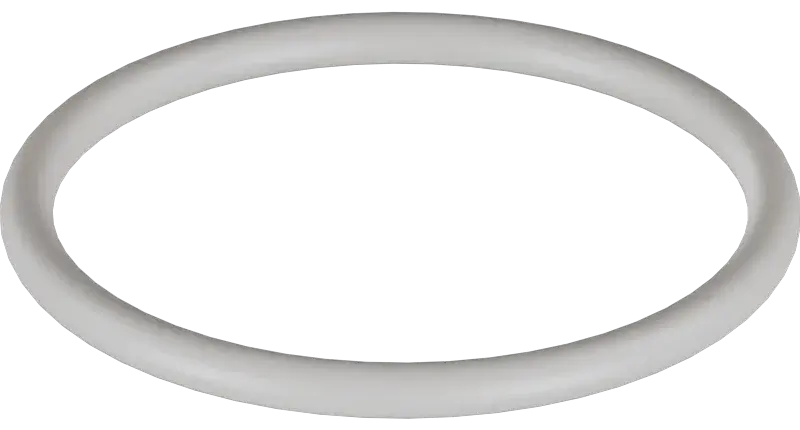
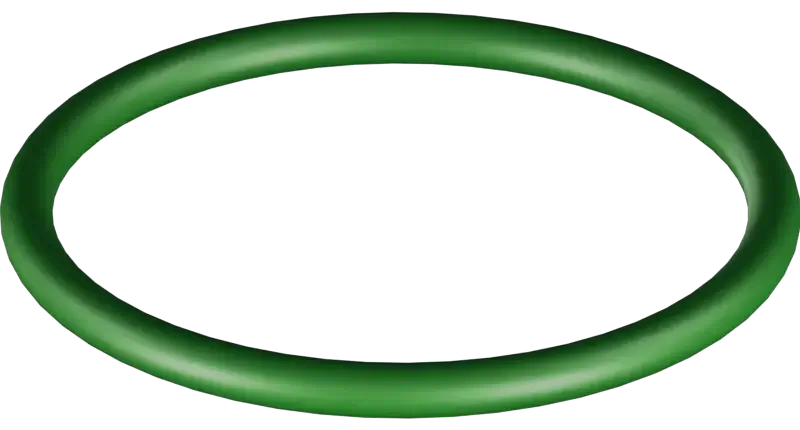
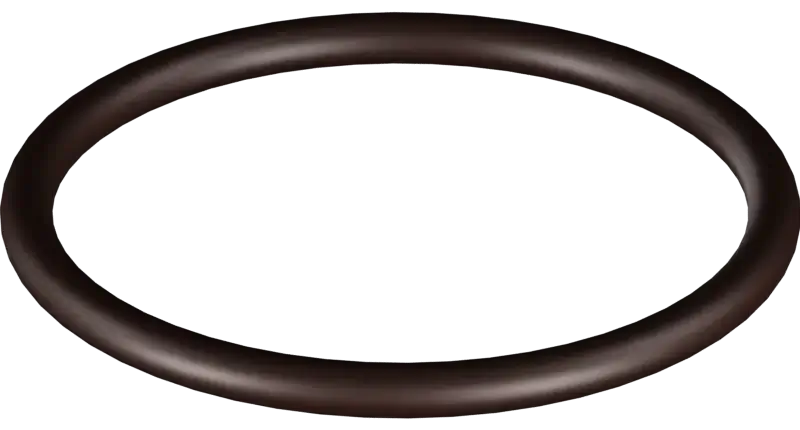
O-rings

In Prosestim production, all O-ring types are chosen according to the chemical and thermal conditions of your process and supplied with the cartridge.

High-Performance O-Ring Solutions for Process Safety

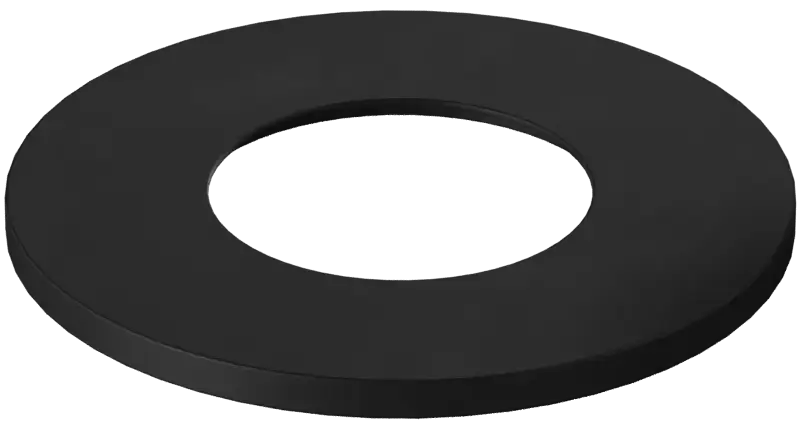
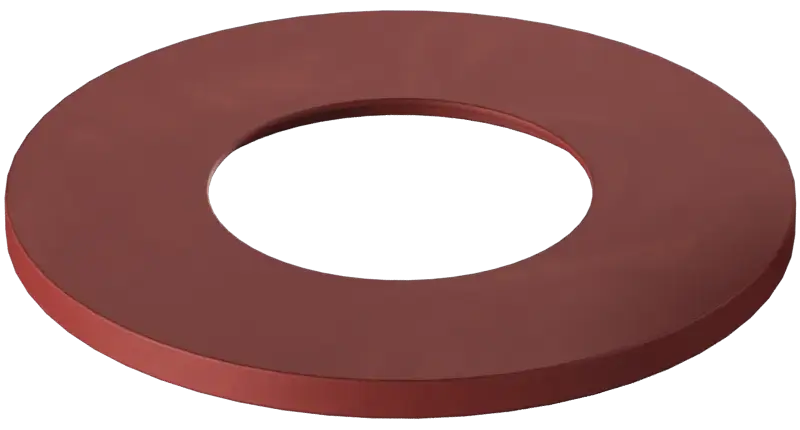
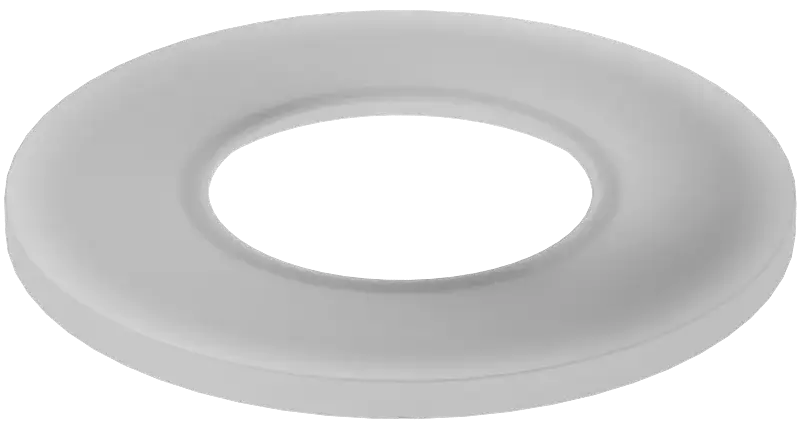
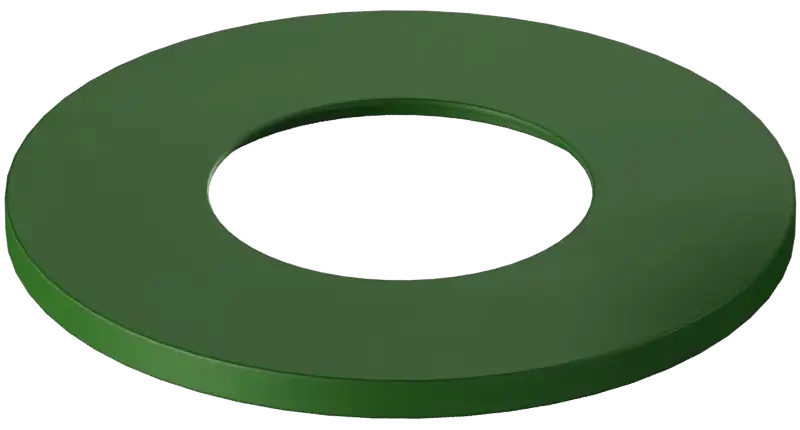
Gaskets

To guarantee the sealing performance of the cartridge filter, Prosestim offers gasket solutions suited to every media and application combination.

Gasket Solutions That Safeguard Filtration Efficiency

Industry Applications

Filter cartridges suited to different process needs are used across a wide range of industrial applications to protect product quality, safeguard equipment and support production continuity.

1–6 / 24
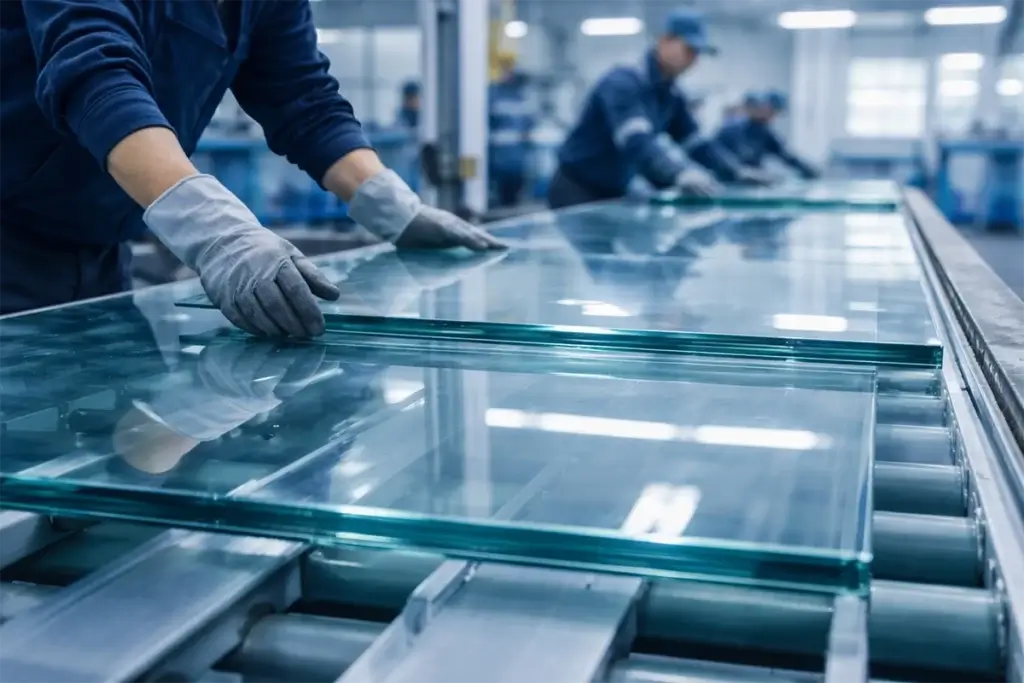
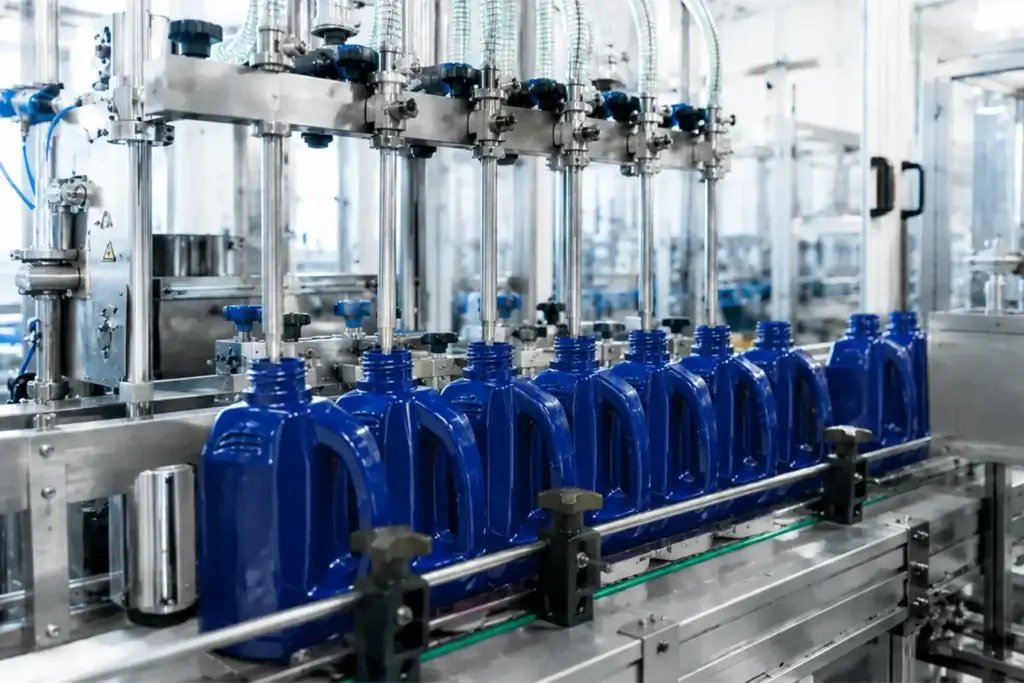
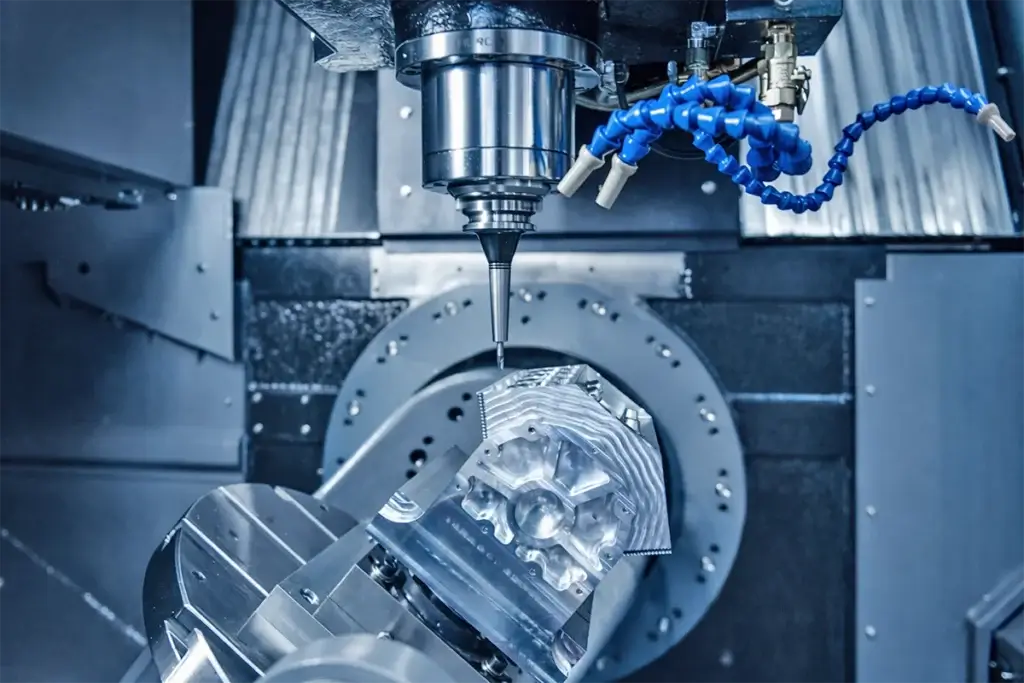
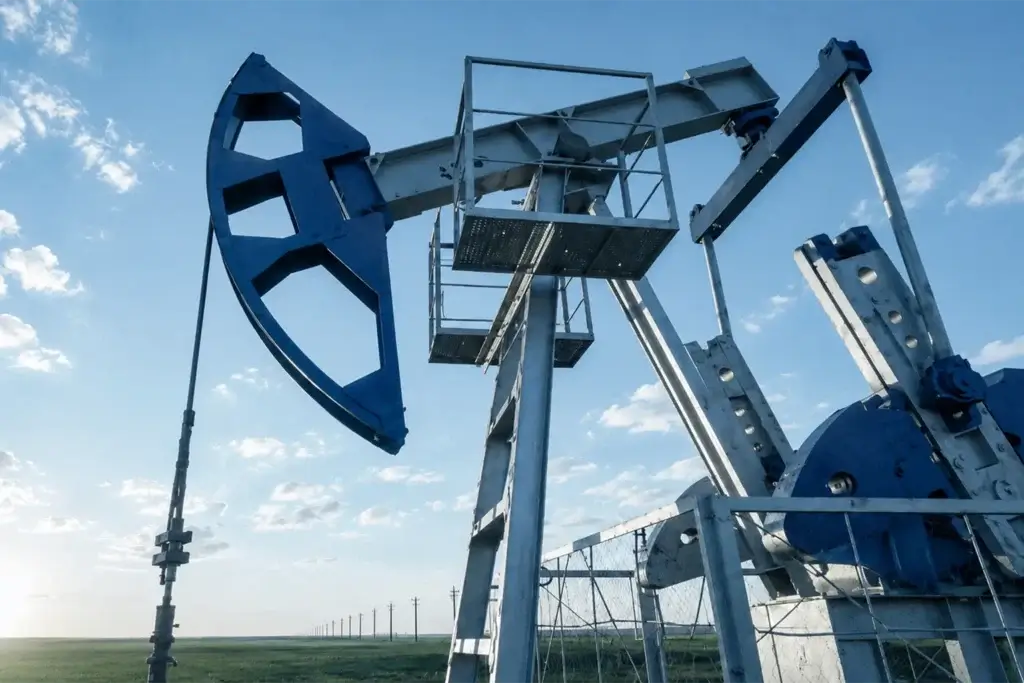
Automotive 01 Automotive Precision process filtration for zero defects in automotive manufacturing. Explore solutions Chemical Industry 02 Chemical Industry Corrosion-resistant, safe filtration in the chemical industry. Explore solutions Cosmetics 03 Cosmetics Microbiological safety and precision filtration in cosmetics. Explore solutions Dialysis Centers 04 Dialysis Centers Water preparation and process filtration in dialysis centers. Explore solutions Energy and Biogas 05 Energy and Biogas Maximum efficiency and turbine protection in energy and biogas. Explore solutions Food and Beverage 06 Food and Beverage Hygienic filtration in food and beverage. Explore solutions Forest Products 07 Forest Products Resin and glue filtration in forest products and furniture. Explore solutions Foundry Industry 08 Foundry Industry Equipment protection and dust filtration in foundries. Explore solutions Glass Industry 09 Glass Industry Furnace and process filtration in the glass industry. Explore solutions Industrial Oil 10 Industrial Oil Filtration in industrial oil production and recovery. Explore solutions Machinery 11 Machinery Precision and technical filtration in the machinery industry. Explore solutions Metal and Surface Treatment 12 Metal and Surface Treatment Flawless surfaces and bath stability in metal and surface treatment. Explore solutions Oil and Petrochemicals 13 Oil and Petrochemicals Equipment protection and process safety in oil and petrochemicals. Explore solutions Paint Industry 14 Paint Industry Surface quality and pigment filtration in the paint industry. Explore solutions Paper and Packaging 15 Paper and Packaging Process water filtration in paper and packaging. Explore solutions Pharmaceuticals and Biotechnology 16 Pharmaceuticals and Biotechnology GMP-compliant sterile filtration in pharmaceuticals and biotechnology. Explore solutions Pipe and Profile 17 Pipe and Profile Cooling water filtration in pipe and profile extrusion. Explore solutions Plastic Injection Molding 18 Plastic Injection Molding Cooling and hydraulic filtration in plastic injection molding. Explore solutions Plastic Packaging 19 Plastic Packaging Precision process filtration and raw material purity in plastic packaging. Explore solutions Printing and Ink 20 Printing and Ink Flawless color and print quality in printing and ink. Explore solutions Recycling 21 Recycling Filtration for efficiency and environmental compliance in recycling. Explore solutions Shipyards and Marine 22 Shipyards and Marine Operational safety and efficiency in shipyards and marine. Explore solutions Vegetable Oil 23 Vegetable Oil Clarity, purity and shelf life in vegetable oil and refining. Explore solutions Water and Environment 24 Water and Environment Recovery filtration in water and environmental technologies. Explore solutions










TECHNICAL ASSESSMENT BASED ON FIELD EXPERIENCE

Engineer's Note

This filter is designed to stand out with a long service life, especially with fluids carrying a high dirt load. The mistake we see most often in the field is running the media above its temperature limits. For processes above 80 °C with PP media, we recommend switching to bleached cotton or glass fibre media. Another common mistake is continuing to use the filter without checking the pressure difference. For ideal efficiency, we recommend that system flow does not exceed 75% of the unit’s capacity.

When should it be chosen?

With fluids carrying a high dirt load and a wide particle size distribution; in processes with varied chemistry; in high-flow applications requiring a low ΔP. When not to choose it: in sterile barrier applications requiring absolute filtration below 0.2 µm, the standard wound construction may not be adequate.

Application and Selection Criteria

Pre-Filtration Requirement
Pre-filtration is essential with a high particle load; it delays clogging of the string-wound cartridge and extends the change interval.
Pressure Gauge Calibration
Check the calibration of the inlet/outlet differential pressure gauges periodically, at least every 6 months.
Gasket and Lubricant Selection
Do not use mineral-based lubricants when changing gaskets; use only pure silicone grease for elastomer health.
Replacement Based on Differential Pressure (ΔP)
Decide on cartridge replacement by ΔP pressure drop, not operating hours. Record the initial value of the clean cartridge; replace the cartridge when the maximum permitted ΔP limit is reached.
Media Selection at High Temperatures
For processes above 80 °C, bleached cotton or glass fibre media should be chosen instead of polypropylene.

Products that work with the string-wound cartridge

Housings the cartridge fits, alternatives with the same end-cap types and the parts needed for connection.
This product
String-wound cartridge filter

String-Wound Cartridge Filter

Cartridge Filters
Melt blown cartridge filter

Melt Blown Cartridge Filter

Economical depth filter, also used as a pre-filter.

View →
Pleated micro cartridge filter with 222 O-ring

Pleated Micro Cartridge Filter

Lower micron ratings; used as a final filter.

View →
Request everything in one quote: let’s size the cartridge, housing and connection parts together.

Your Questions Answered

Frequently Asked Questions

At Prosestim, we are committed to answering your questions and providing technical support for our filtration solutions.
A string-wound cartridge filter is a depth filter made by winding yarn layer by layer onto a PP or stainless steel centre core at a controlled winding angle. The winding density is graded to be tight on the inside and looser towards the outside, so the outer layers retain coarse particles and the inner layers progressively finer ones. The cross-winding geometry prevents direct flow channels from forming and forces the fluid to follow a tortuous path. In Prosestim cartridges, the media is made from pure yarn free of adhesives and resins.

Prosestim string-wound cartridge filters are made in a wide micron range from 0.8 µm to 150 µm; 0.8 µm is offered only in natural cotton media. The choice is made according to the smallest particle size to be retained and the sensitivity of the equipment to be protected: 5 µm for reverse osmosis membrane protection, 10–25 µm for general pre-filtration and 50 µm and above for coarse sediment separation are common choices. On lines with a high particle load, using a coarse-micron pre-filter significantly extends the change interval of the fine-micron cartridge.
The yarn is chosen according to the chemical character and temperature of the fluid. Polypropylene yarn is well suited to water, process water and dilute acid and base solutions; it has moderate resistance to mineral oils and is weak with concentrated inorganic acids, oxidisers and chlorinated solvents. Natural and bleached cotton yarn offer high resistance in oils and chlorinated and aromatic solvents. Glass fibre yarn is made for strong acid and high-temperature environments. The nylon, polyester, acrylic and viscose options are preferred for polar solvents and special process conditions. The right media choice is critical for production safety as well as filter life.
Temperature resistance varies with the chosen yarn media. With polypropylene media, the nominal operating temperature is 60 °C and the maximum 80 °C. Nylon and polyester media can operate up to 121 °C, cotton and viscose media in the 120–160 °C range, and glass fibre media up to 399 °C with an SS core. The most common mistake in the field is running the media above its temperature limit; in processes above 80 °C, switch from polypropylene to bleached cotton or glass fibre media.
The replacement decision is based not on elapsed time but on the differential pressure (ΔP) between inlet and outlet. The recommended replacement range is 2.0–2.4 bar; the maximum permitted ΔP is limited to 2.5 bar at 30 °C in the normal flow direction and 2.1 bar at 25 °C in reverse flow. The correct practice is to record the initial ΔP of the clean cartridge and replace the cartridge when this value reaches the recommended limit. Exceeding the limit causes the winding layers to collapse and a risk of bypass. Gauge calibration should be checked every 6 months.
Standard cartridges have an outer diameter of 58 mm ±1, and a 107 mm ±1 outer diameter option is available for Big Blue-type housings. The inner diameter is the same for PP and stainless steel cores: 28 mm ±1. Length options are 5, 10, 20, 30, 40, 50 and 60 inches. DOE and SOE end types, 215, 222 and 226 adapter standards and flat, Fin 1 and Fin 2 geometries are offered. The O-ring and gasket material is chosen as silicone, nitrile, EPDM, Viton or Teflon according to the process’s chemical and thermal conditions. These combinations are compatible with most common filter housing brands.
No, string-wound cartridge filters are single-use and cannot be cleaned and reused. Because particles are mechanically locked deep in the yarn layers, backwashing or pressurised water does not remove the dirt; the process loosens the winding density and spoils the nominal micron rating. When the differential pressure reaches the recommended replacement point, replace the cartridge immediately. When changing gaskets, do not use mineral-based lubricants; use only silicone grease.
String-wound cartridges are preferred especially with fluids carrying a high dirt load and a wide particle size distribution, in processes with varied chemistry and in high-flow applications requiring a low ΔP. Thanks to the depth structure, the contaminant load is spread through the entire volume and pressure rises linearly rather than suddenly. On the other hand, in sterile barrier applications requiring absolute filtration below 0.2 µm, the standard wound construction is not adequate; in these processes, switch to absolute-rated pleated cartridges. For efficient operation, system flow should not exceed 75% of the unit’s capacity.

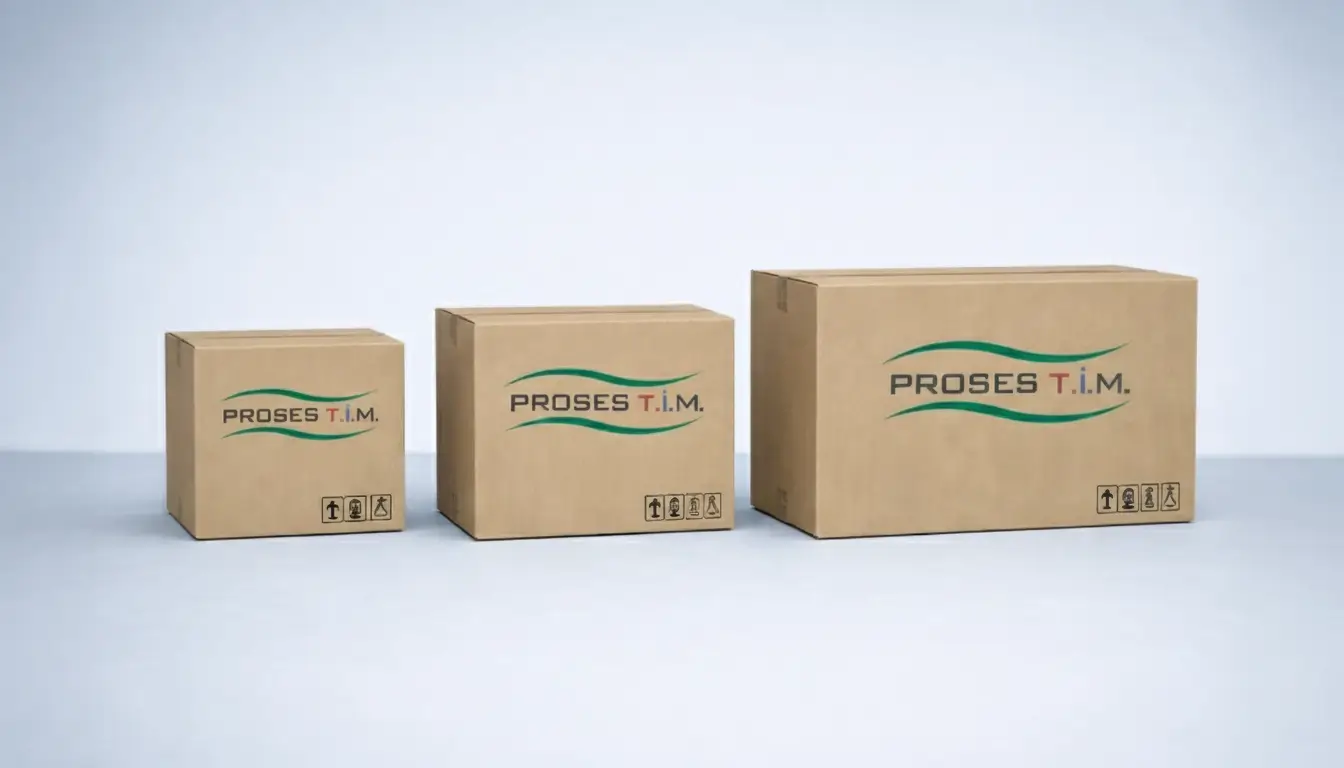
Box Dimensions

335 × 410 × 560 mm
Capacity: 30 pcs per carton for 20" / 60 pcs per carton for 10".
335 × 410 × 810 mm
Capacity: standard packing of 25 pcs per carton for 30" cartridges.
335 × 410 × 1055 mm
Capacity: standard packing of 25 pcs per carton for 40" cartridges.
Cardboard cartridge filter shipping boxes in three sizes with the Prosestim logo
Fast Quote & WhatsApp Consultation

String-Wound Cartridge Filter RFQ Configurator

Configure your variation dimensions and technical specifications to receive an instant quote directly on WhatsApp and via email.

1 Select Variation Type
2 Dimensional & Technical Specifications
5 Inch
5 Inch 60 Inch
1 Micron
1 Micron 150 Micron
Adapter 1:
215
222
226
3 Required Quantity
QUICK QUOTE FORM

String-Wound Cartridge Filter

Variation Type: Polypropylene String-Wound Cartridge Filter
End Connection Type: DOE
Filter Length: 5 Inch
Inner Core: PP Core
Micron Rating: 1 Micron
Filter Diameter / Format: Standard
Gasket Type: Standard
Adapter 1: 215
Adapter 2: Flat
O-Ring Type: Silicone O-Ring
Request Quantity: 10 Units
ISO 9001:2015 Certified Production
Reply from Our Technical Team
Delivery Across Türkiye and Export

Accounting

Billing Details

Copy our registered company name, tax and e-invoice details with one click using the button on each row.

Invoice name (registered company name)

PROSES TİCARET, İMALAT, MÜHENDİSLİK ENDÜSTRİYEL MADDE VE MALZEME İMALATI İNŞAAT VE SANAYİ LİMİTED ŞİRKETİ

Billing address

Musa Gündüz Cad. No:14 Taşköprü – Çiftlikköy – YALOVA, TÜRKİYE

E-invoice / e-archive email address

Tax office

Yalova Tax Office (Yalova V.D.)

Tax ID number

7330379514

MERSIS number

0733037951400013

Please send BA/BS forms, current account reconciliations and any other emails for our Finance and Administrative Affairs Department to [email protected].

Invoice name (registered company name): PROSES TİCARET, İMALAT, MÜHENDİSLİK ENDÜSTRİYEL MADDE VE MALZEME İMALATI İNŞAAT VE SANAYİ LİMİTED ŞİRKETİ Billing address: Musa Gündüz Cad. No:14 Taşköprü – Çiftlikköy – YALOVA, TÜRKİYE E-invoice / e-archive email address: [email protected] Tax office: Yalova Tax Office (Yalova V.D.) Tax ID number: 7330379514 MERSIS number: 0733037951400013