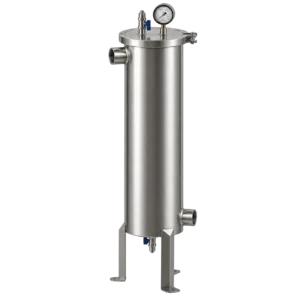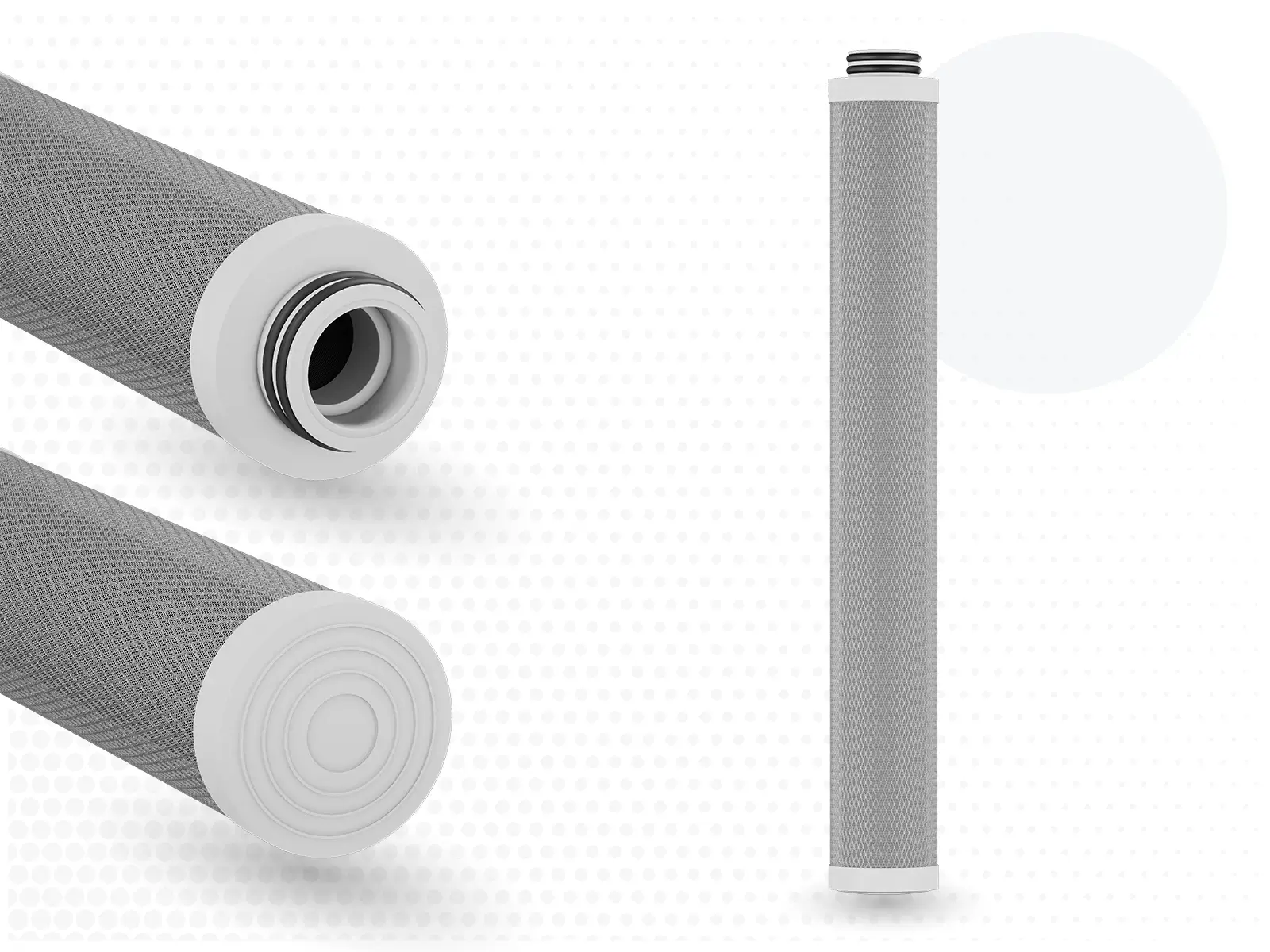
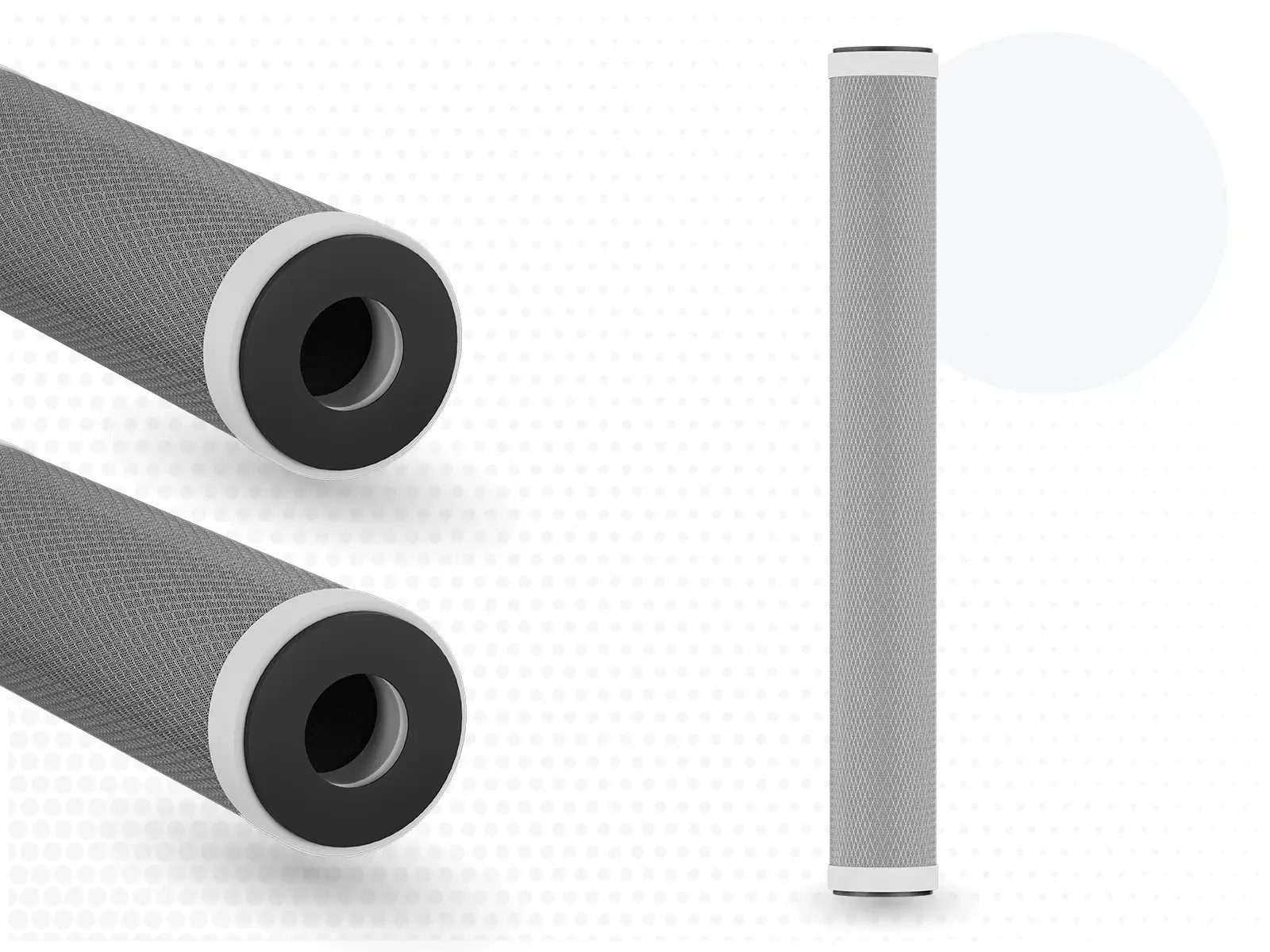
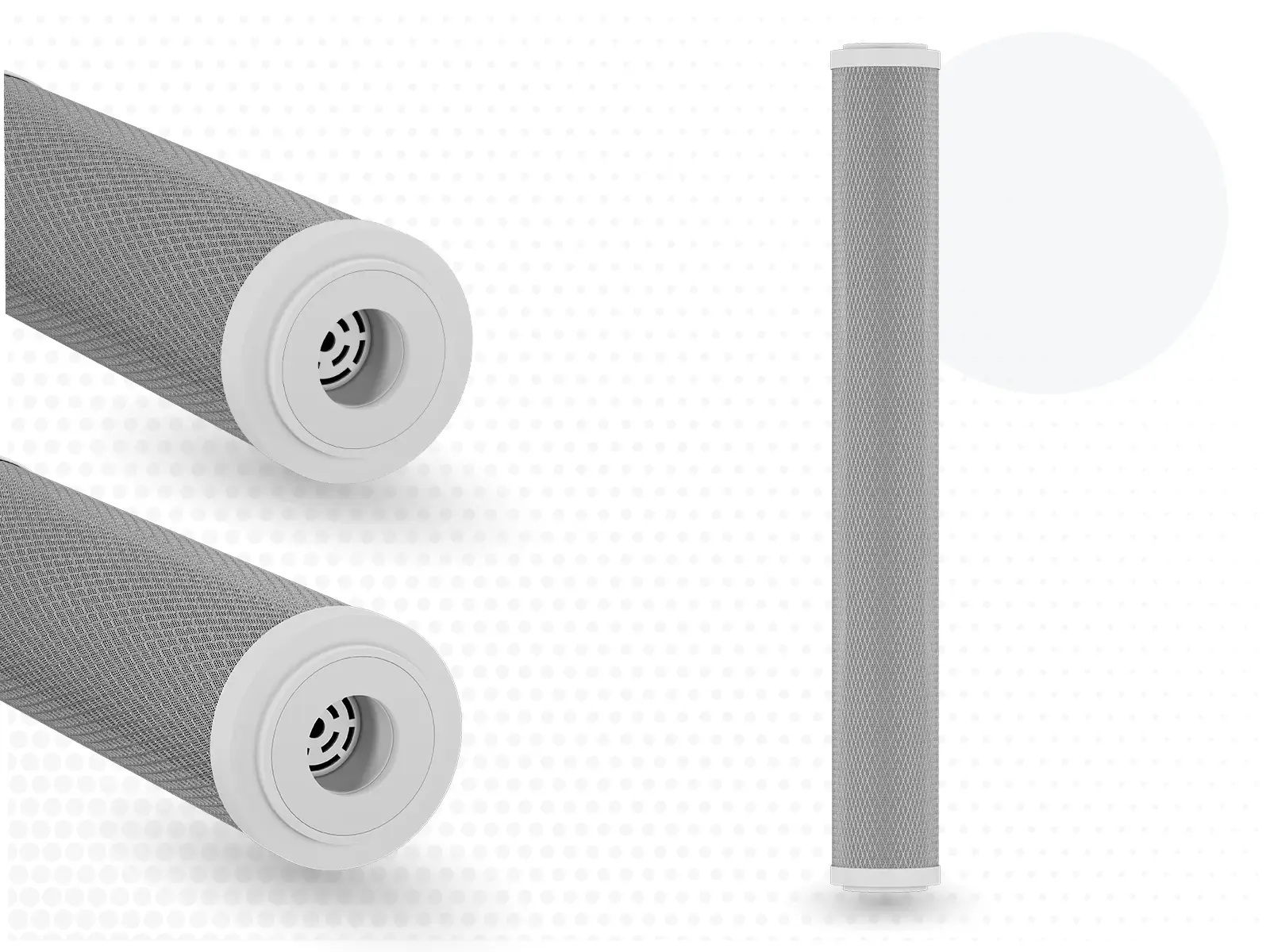
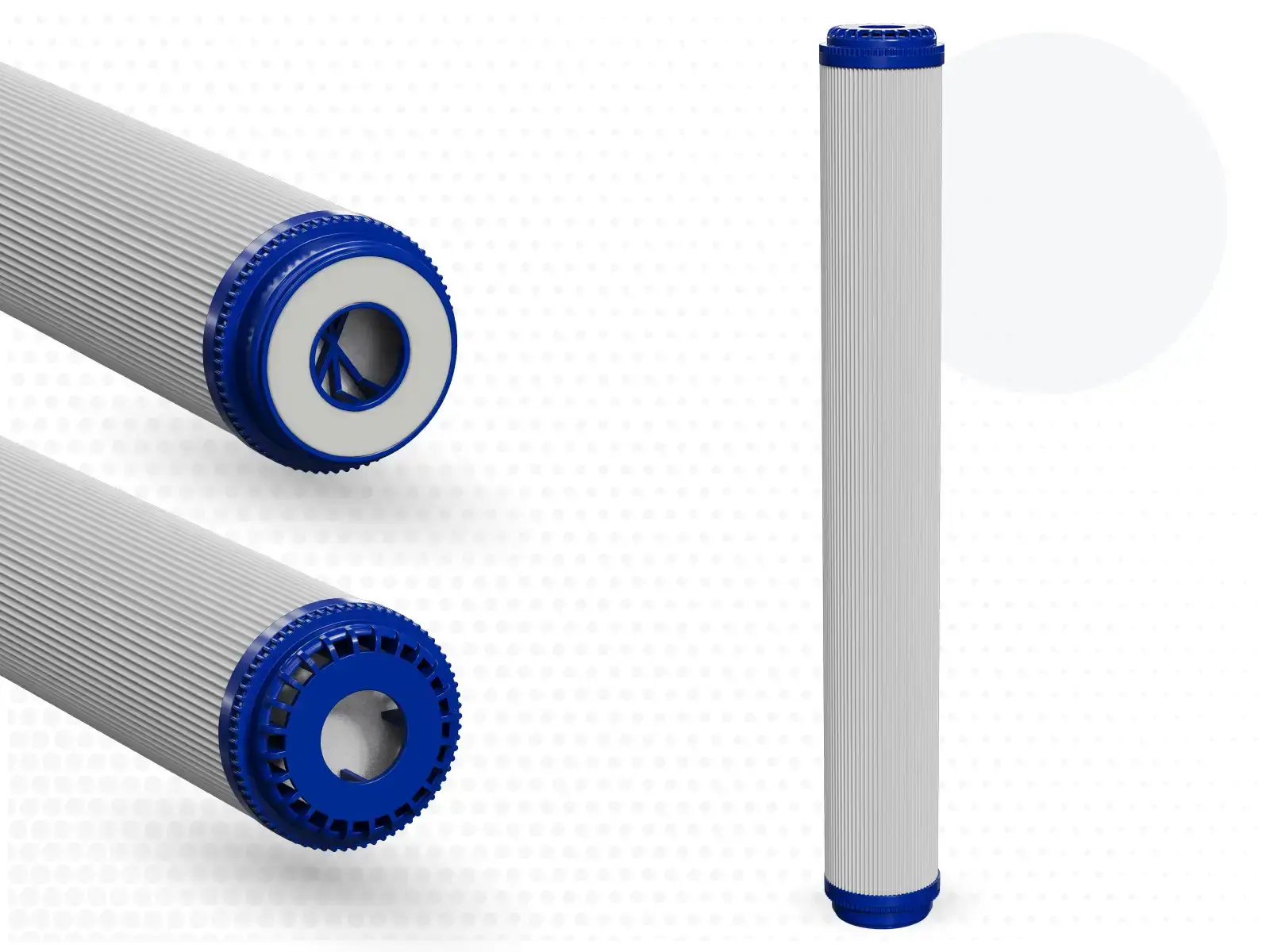
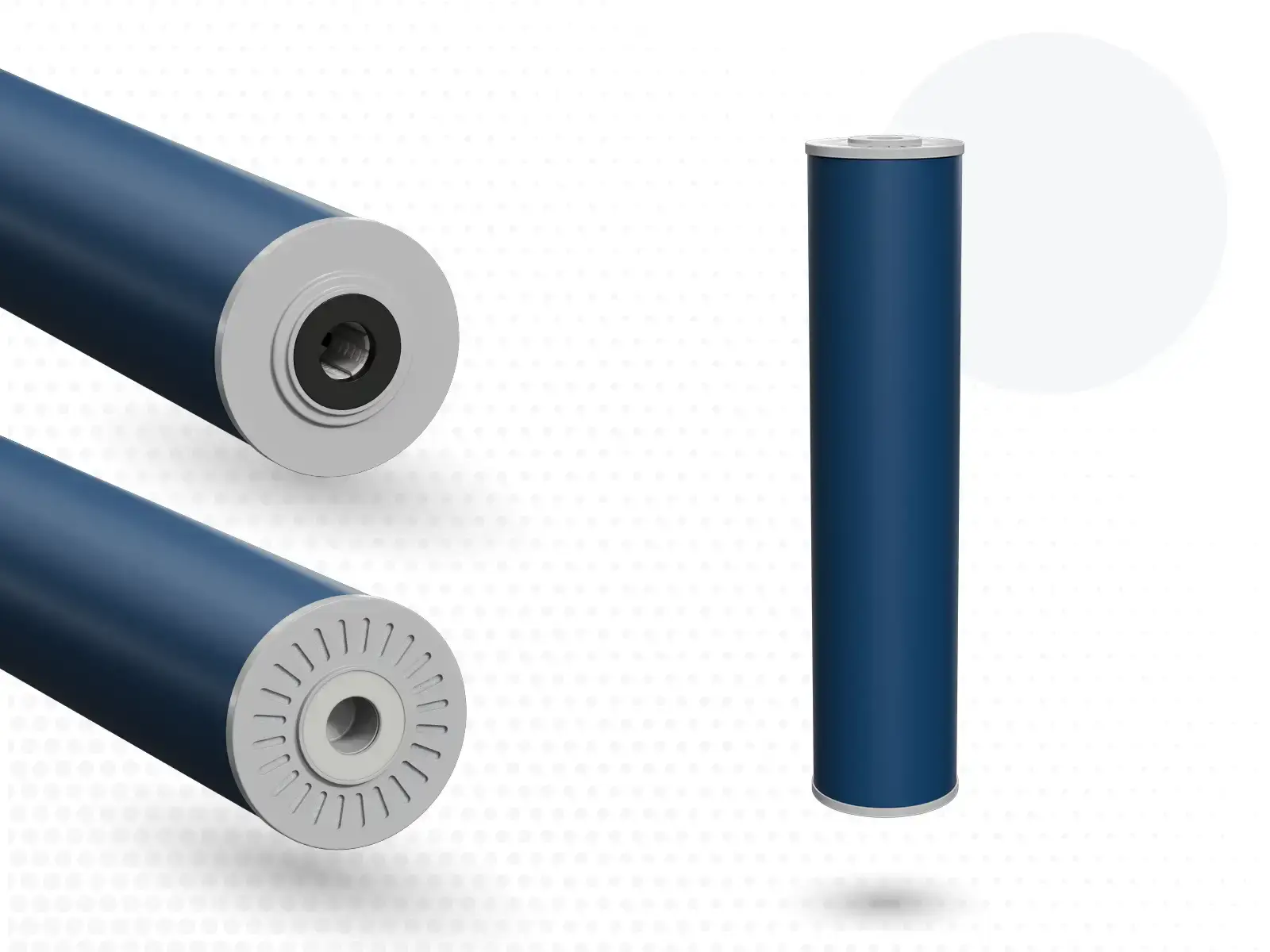
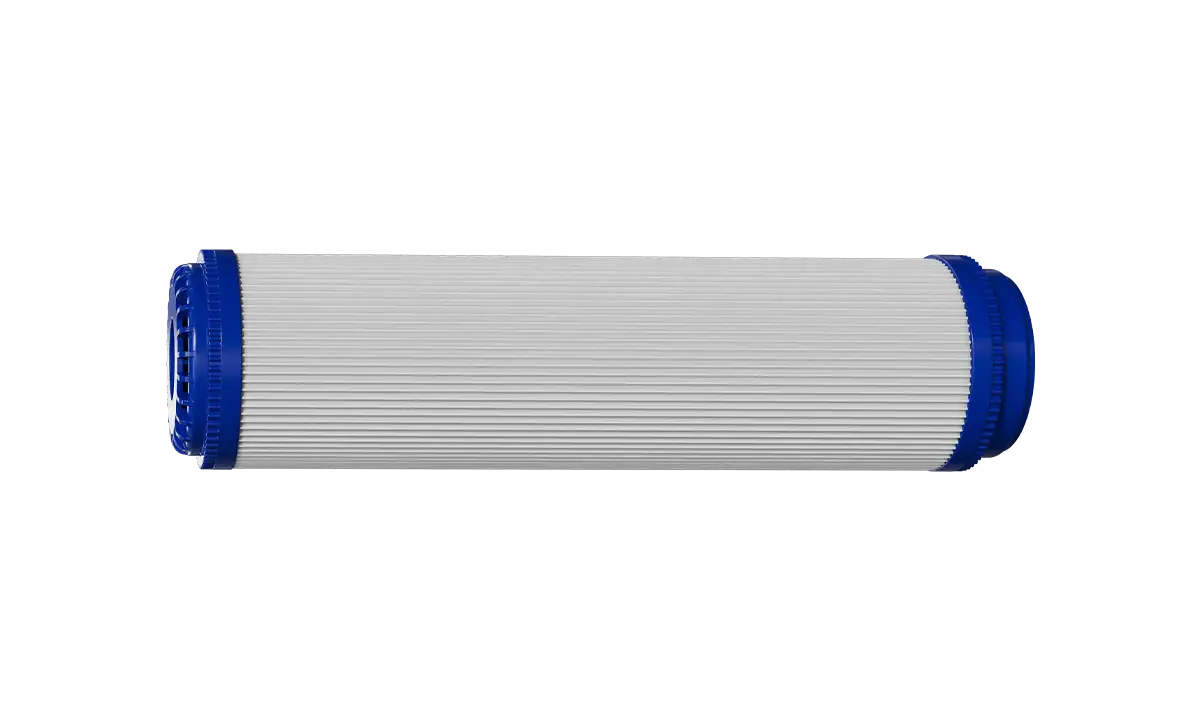
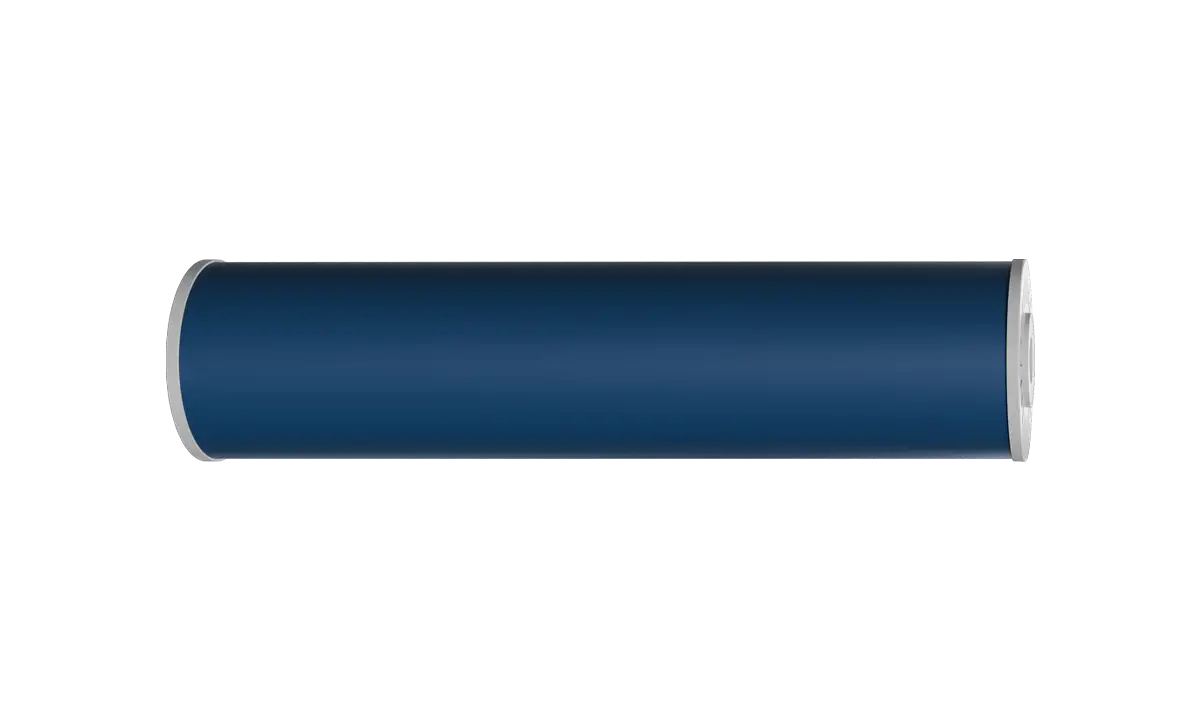
Activated Carbon Cartridge Filter (CTO and GAC)

CTO and GAC Carbon Cartridges for Removing Chlorine, Odour, Taste and VOCs

The activated carbon cartridge filter retains chlorine, odour, taste and VOCs in water by adsorption. Available in CTO (block, max. 38 °C) and GAC (granular, max. 82 °C) types, it is used in food, beverage, plating and chemical processes.

Number of Configurations

48

Carbon Type

CTO / GAC

Max. Operating Temperature (GAC)

82 °C

Chlorine Capacity (CTO 10″)

13,000 L

Activated Carbon Cartridge Filter

Technical Specifications and Selection Guide

The activated carbon cartridge filter product family is designed to manufacturer standards to meet requirements for removing chlorine, odour, taste, colour, VOCs and organic chemicals in industrial processes. It does not retain particles; its function is chemical adsorption. Every configuration is checked for an exact match to the technical specification and long adsorption life.

GAC and CTO Filter Types: Flow Rate and Adsorption Performance

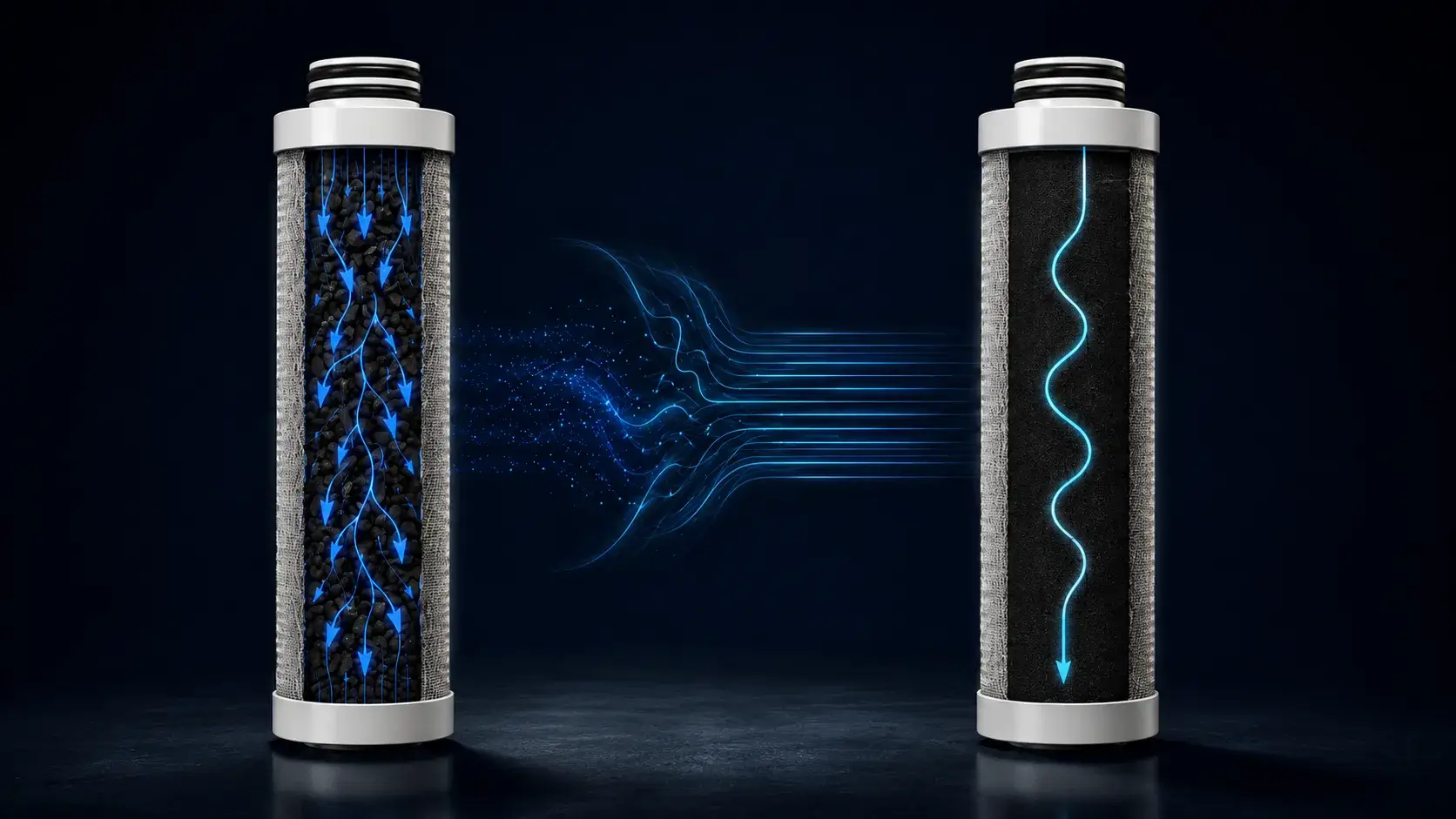
The most important decision in choosing an activated carbon cartridge: GAC or CTO? Both types remove chlorine, odour and taste, but their structural differences give one an advantage over the other in certain applications. Prosestim offers both options.

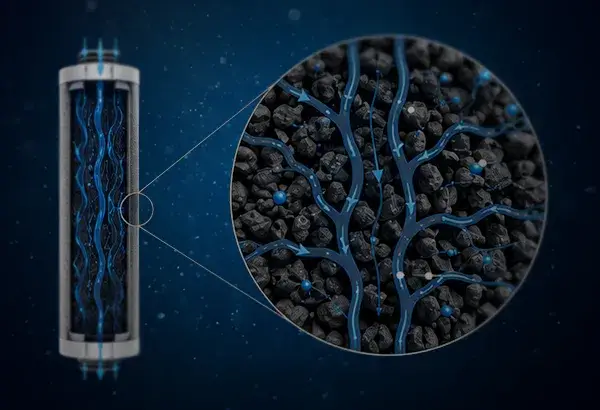
Illustration comparing the flow path side by side in GAC and CTO activated carbon cartridge filters

Water, Air, Chlorine and Odour Removal Performance

Our activated carbon cartridge filters offer performance backed by pressure drop data measured at different flow conditions in water and air flow systems. The CTO block and GAC granular structures show different pressure loss and contact time characteristics depending on flow rate; choosing the right type and length preserves both adsorption efficiency and energy efficiency. Chlorine, odour, taste and VOC removal is provided across a wide range of uses, from drinking and process water to HVAC applications.

The activated carbon cartridge filter offers water flow rate performance optimised in CTO and GAC types, providing stable filtration at high flow with low pressure loss. Thanks to the large surface area, balanced differential pressure values are maintained even at increasing flow rates.

The test data show the pressure–flow relationship that varies with filter type.

Performance Advantages in Water Filtration

Activated carbon filters also perform effectively in air and gas flows. The CTO block structure retains VOCs and odours with a longer contact time, while the GAC granular structure has the advantage in high-flow applications with lower pressure loss.

Performance Advantages in Air Filtration

The most important performance indicator for activated carbon filters is chlorine and odour removal efficiency relative to cumulative water volume. Thanks to their high contact surface, CTO block filters maintain high efficiency for longer than GAC.

Test: 2 mg/L (ppm) FAC, continuous flow · CTO 10″: 13,000 L · CTO 20″: 26,000 L · GAC 10″: 8,000 L · GAC 20″: 16,000 L

Performance Advantages in Chlorine Removal

Adsorption Architecture and Working Principle

Prosestim activated carbon filters are fundamentally different from standard depth filters: instead of retaining particles, they work by chemical adsorption. As the fluid passes through the carbon medium, contaminant molecules attach to the carbon surface. This three-stage mechanism keeps the filter’s entire volume active and prevents surface clogging.

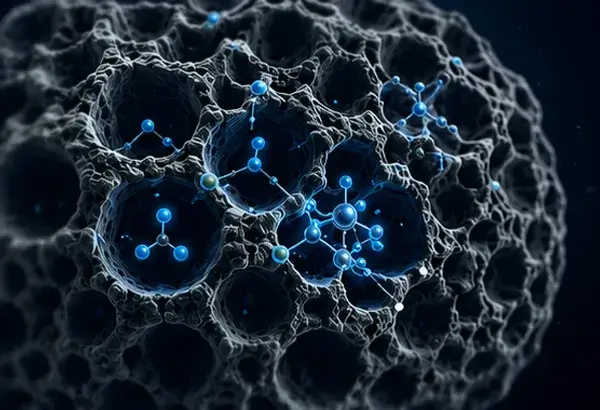
Macro illustration showing contaminant molecules retained in activated carbon pores
Step 1

Carbon Pore Structure

Activated carbon has a very large internal surface area created by the activation process. This surface is a branched network of macro-, meso- and micropores. Macropores let the fluid enter the carbon grain, mesopores carry molecules inside, and micropores retain small organic molecules and chlorine compounds. The pore distribution determines which contaminants are retained and how much: coconut shell-based carbon is dominated by micropores and stands out for chlorine and small molecules, while coal-based carbon, with its larger pores, stands out for large organic molecules.
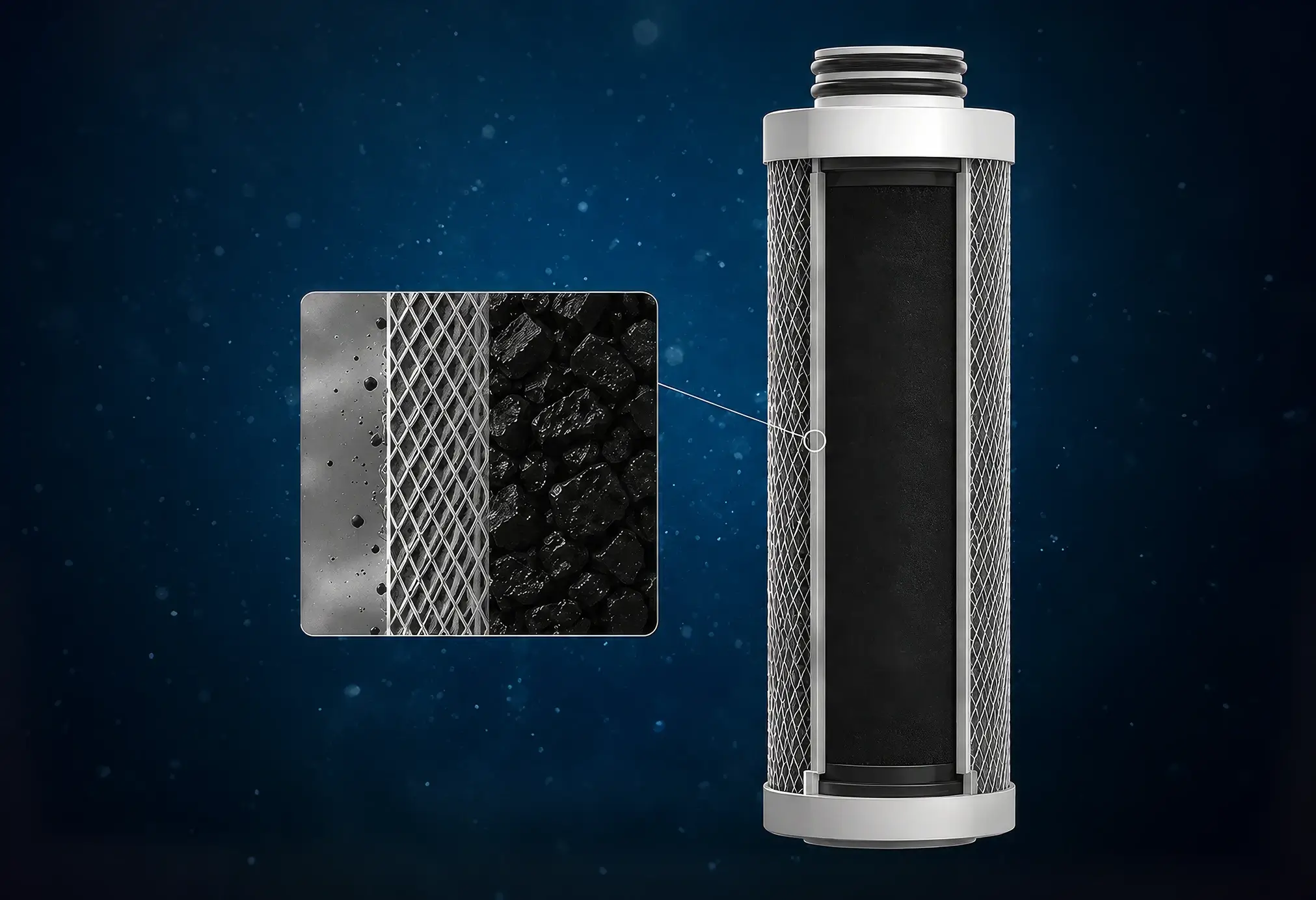
Illustration showing an activated carbon cartridge filter cross-section and chemical adsorption in magnified carbon granules
Step 2

Chemical Adsorption

Activated carbon retains contaminants by two main mechanisms. In physical adsorption, organic molecules attach to the pore surface through Van der Waals forces.

In chlorine removal, carbon acts as a reducing agent: free chlorine in the water (HOCl / OCl⁻) is reduced to harmless chloride (Cl⁻) on the carbon surface, while the carbon surface is oxidised. Because of this reaction, chlorine removal capacity is used up much more slowly than organic adsorption capacity; the replacement decision is based on measuring chlorine in the outlet water (chlorine breakthrough test).

Cross-section illustration showing the inner carbon block and outer layer of a carbon block activated carbon cartridge filter
Step 3

Carbon Type and Fines Prevention

GAC (Granular Activated Carbon): Carbon granules sit loose in the cartridge body. It gives high flow and low pressure loss. Ideal for taste, odour and chlorine removal in high-flow applications.

CTO (Carbon Block): Activated carbon powder is compressed into a block with a food-grade binder. Thanks to a longer contact time, it offers high adsorption capacity. In both types, a sleeve prevents carbon fines leaking out.

Physical Construction and Filtration Volume

The cartridge length directly determines the amount of carbon inside and the fluid’s contact time with the carbon. The one-piece, continuous body from 5 to 30 inches provides even flow through the carbon bed and reduces the risk of bypass. As the length increases, both values rise together, giving higher capacity especially for chlorine removal. The chlorine removal capacity of a 30-inch CTO cartridge is about three times that of a 10-inch cartridge.
Length Length Chlorine Capacity @ 2 mg/L Chlorine Capacity @ 0.2 mg/L
10" 254 mm 13,000 L @ 3.8 L/min 114,000 L @ 3.8 L/min
20" 508 mm 26,000 L @ 7.6 L/min 228,000 L @ 7.6 L/min
30" 762 mm 39,000 L @ 11 L/min 340,000 L @ 11 L/min

Technical Specifications and Performance Parameters

The technical parameters below are backed by laboratory and field data. Process engineers can use these data in system sizing to keep energy costs low and safety margins high.

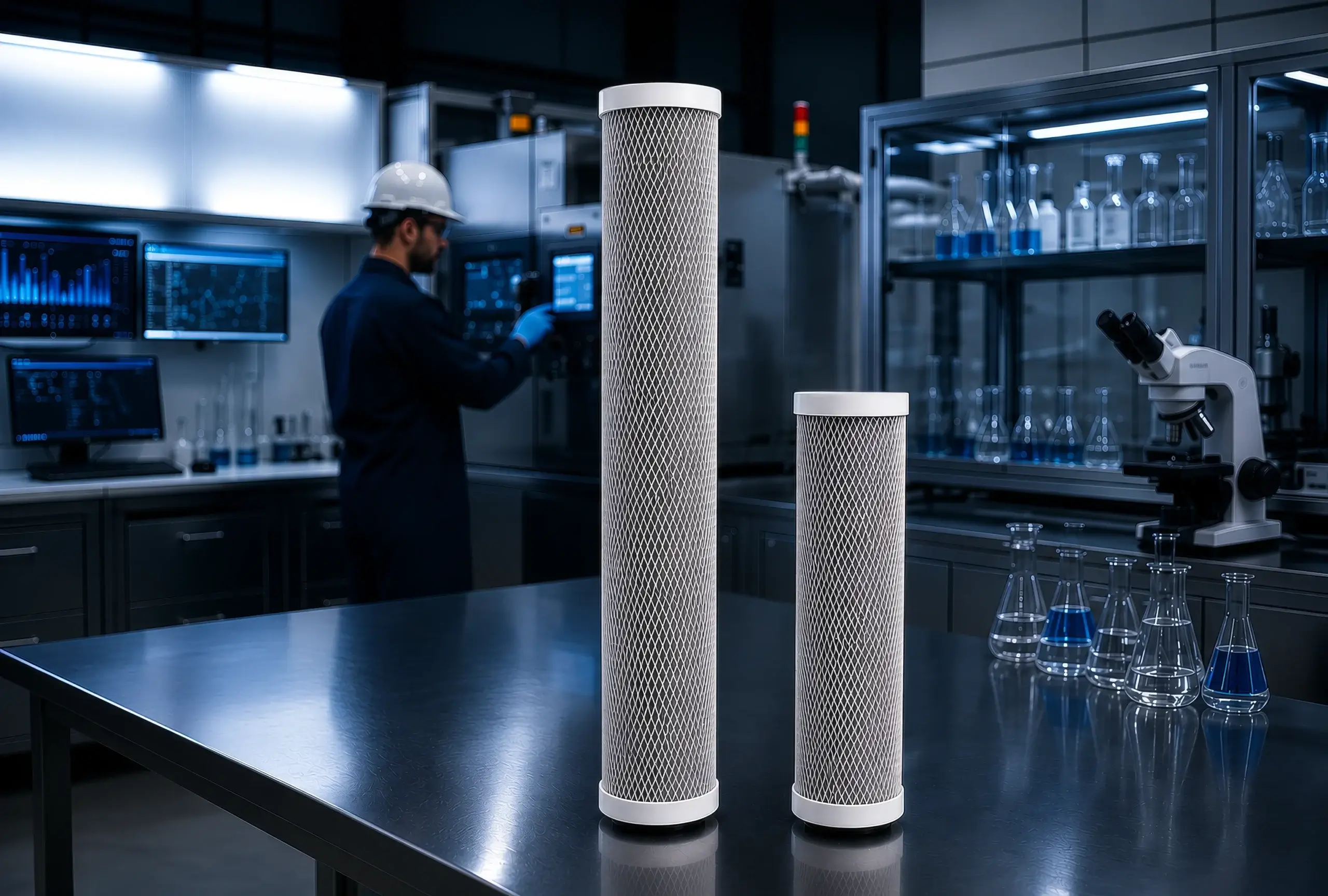
Carbon block activated carbon cartridge filters of different lengths on a laboratory bench, with a technician working in the background

Filter Media and Structural Engineering Design

Our filter cartridges are engineered to deliver high performance in water treatment, process liquids, drinking water systems, HVAC applications and industrial filtration processes. The GAC (granular activated carbon) and CTO (activated carbon block) options offer suitable solutions for chlorine removal, taste and odour improvement and adsorption of organic compounds. Thanks to the PE/HDPE outer netting, nonwoven protective sleeve, high-purity activated carbon media and PP end cap components, a long service life, low pressure loss and reliable filtration performance are achieved. Adaptable to a wide range of process conditions with different gasket and O-ring options, the cartridges are preferred in industrial water treatment systems, reverse osmosis pre-filtration and commercial filtration applications.

Outer PE/HDPE Netting
Maintains the mechanical integrity, compression resistance and balanced fluid distribution of the filter's inner material and preserves structural support.
Activated Carbon Media
  • GAC (granular activated carbon) construction
  • CTO (compressed carbon block) construction
  • Adsorption of chlorine, taste, odour and organic contaminants
PP End Cap and Closure Options
The cartridges are made with PP end caps. Besides standard gasket (DOE) models, a 222 O-ring end cap option is offered; the O-ring material is chosen according to the process.
Nonwoven Inner/Outer Sleeve
Stops carbon dust (fines) passing into the system, giving a clean, safe, particle-free output in the line after the filter and protecting product purity.
Property Technical Detail
Filter Media Coconut shell or coal (anthracite)-based granular activated carbon (GAC), compressed block activated carbon (CTO)
Outer Netting / Protective Sleeve Polyethylene (PE) or HDPE porous outer sleeve (70 µm nominal)
End Cap Polypropylene (PP)
Inner Core Polypropylene (PP)
Inner / Outer Sleeve Nonwoven polyester (carbon fines retention layer)
Gasket NBR (standard); EPDM, Viton, silicone, PTFE (depending on the process)
O-Ring NBR (standard); EPDM, Viton, silicone, PTFE (depending on the process)
Outer Diameter (Standard) 65 mm (2.56"), 70 mm (2.75")
Outer Diameter (Big Blue) 115 mm (4.5")
Inner Diameter 28 mm
Length Options 5", 10", 20", 30"

Filter Material Chemical Compatibility Guide

The chemical resistance of activated carbon is high in water-based and alkaline environments and good in dilute acids. It can also be used with polar and aliphatic solvents and mineral oils; performance varies with temperature, concentration and contact time. With oxidising acids (nitric, chromic), aromatic hydrocarbons, chlorinated solvents and fuel derivatives, an application test should be carried out before use. The polyethylene binder in CTO cartridges must also be included in the chemical compatibility assessment.

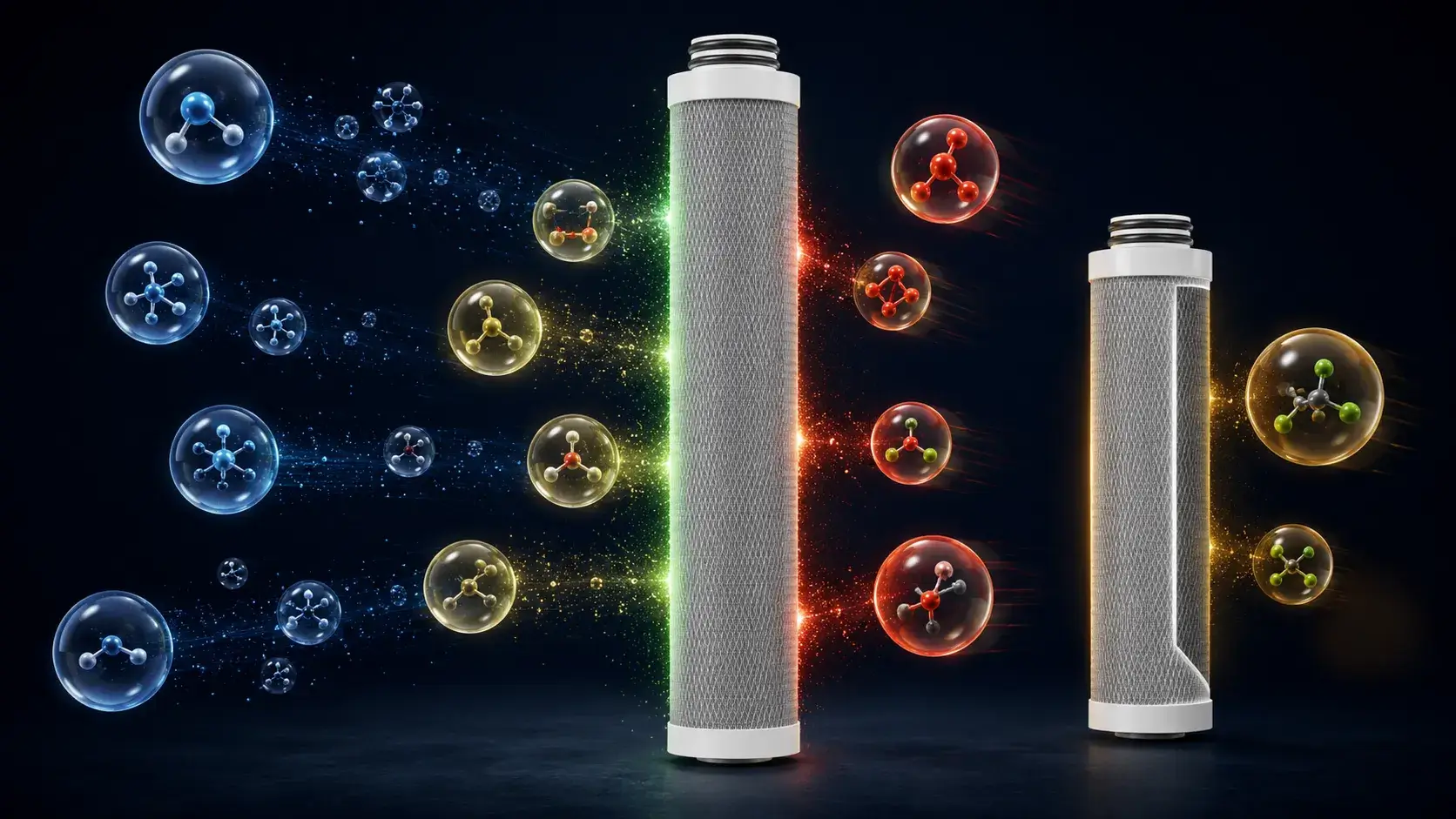
Chemical compatibility illustration showing different chemical molecules and cartridge filters in coloured light

E: Excellent  ·  G: Good  ·  F: Fair / Limited  ·  P: Poor  ·  N/R: Not recommended

Resistance to Water-Based and Inorganic Process Chemicals

Chemical Class Example Resistance
Drinking / Process Water Cold / Hot E
Strong Acids (Dilute) HCl, H₂SO₄ (<30%) E
Weak Acids Acetic, Phosphoric E
Oxidising Acids Nitric, Chromic F
Alkalis NaOH, KOH E
Salt Solutions NaCl, CaCl₂ E

E: Excellent  ·  G: Good  ·  F: Fair / Limited  ·  P: Poor  ·  N/R: Not recommended

Organic Solvent and Hydrocarbon Resistance

Chemical Class Example Resistance
Polar Organic Solvents Acetone, IPA, Ethanol G
Aliphatic Hydrocarbons Hexane, Heptane, White Spirit G
Aromatic Hydrocarbons Toluene, Xylene, Benzene F
Chlorinated Solvents DCM, TCE, Perchloroethylene F
Mineral and Industrial Oils Machine Oil, Hydraulic Oil G
Fuels and Petroleum Derivatives Petrol, Diesel, Fuel Oil F

Operating Conditions

The adsorption performance of activated carbon cartridge filters depends not only on carbon quality but also directly on their ability to suit operating conditions. Stable adsorption over a wide pH range, low initial pressure loss and a long service life are supported by choosing the right carbon type and flow rate. 

Prosestim activated carbon series are made to adapt to different process conditions, with different O-ring options and two carbon forms (GAC/CTO). This provides high efficiency in removing chlorine, odour, taste and organic compounds, while a suitable bed contact time minimises the risk of channelling; choosing the cartridge length according to system flow both keeps pressure drop balanced and extends the change interval.

Operating Temperature (CTO Block)
4–38 °C (40–100 °F)
Operating Temperature (GAC Granular)
4–82 °C (40–180 °F)
Max. Operating Pressure (CTO)
2.4 bar (35 psi) @ 38 °C
Max. Operating Pressure (GAC)
4.2 bar (60.9 psi) @ 25 °C
Max. Reverse Flow Pressure
2.1 bar (30.5 psi) @ 25 °C
Operating pH Range
2–11 (optimum for chlorine removal: pH 6–9)

Sealing and Connection Components

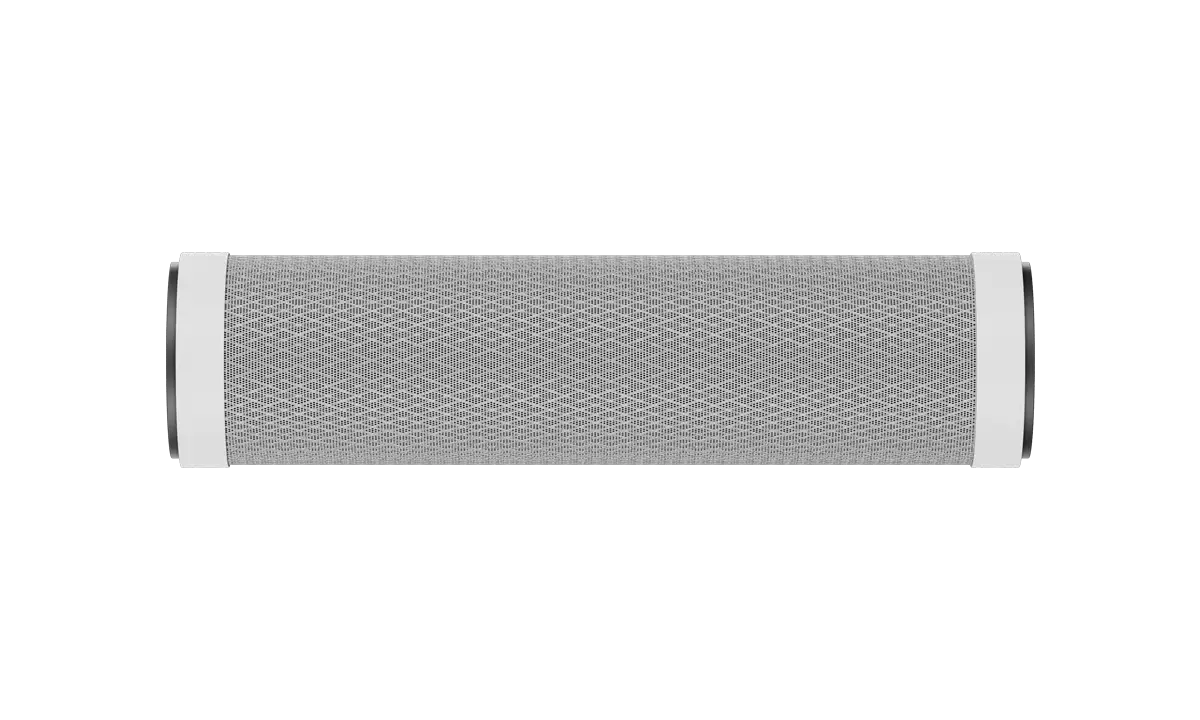
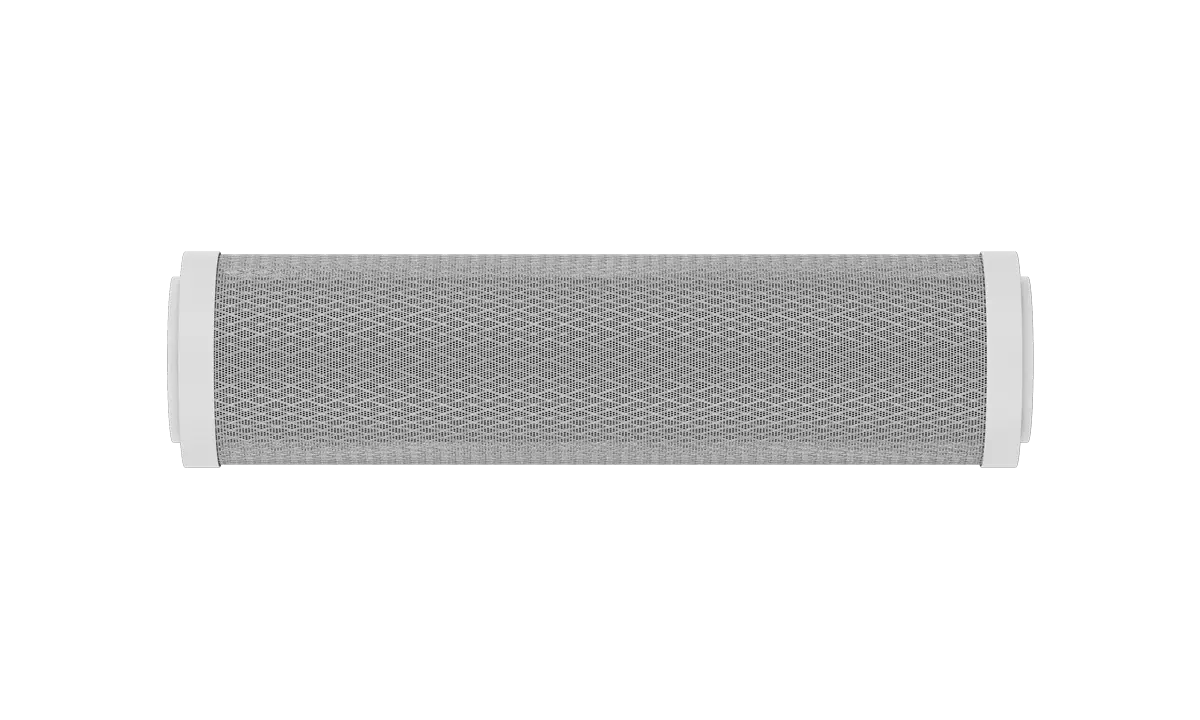
In industrial filtration systems, sealing is one of the cornerstones of activated carbon filtration performance and process reliability. Our activated carbon cartridge filters are offered with SOE and DOE end configurations to suit different filter housings and connection designs. In the SOE (single open end) type, a secure, stable seal is achieved using an NBR O-ring to the 222 connection standard.


In the DOE (double open end) type, gaskets at both open ends of the cartridge provide an effective seal between the filter housing and the cartridge. These connection designs help prevent the fluid bypassing the carbon bed in granular activated carbon (GAC) and block activated carbon applications; by supporting controlled flow through the filter media, they help preserve adsorption and filtration efficiency.

Engineer's Note

TECHNICAL ASSESSMENT BASED ON FIELD EXPERIENCE

Activated Carbon Adsorption Capacity and Material Reliability

Activated carbon cartridges offer high adsorption efficiency in removing chlorine, odour, taste and VOCs. In our field experience, the most common mistake is using activated carbon instead of a particle filter. Activated carbon does not retain coarse particles; that is why the standard sequence in system design is a PP sediment filter first, followed by the activated carbon cartridge.

For ideal efficiency, it is critical that the flow rate does not exceed the recommended value; as flow rate increases, contact time shortens and chlorine breakthrough occurs early. Adsorption continues until the carbon surface is saturated; cartridge life is therefore directly proportional to inlet water contamination.

When should it be chosen?

Activated carbon cartridges should be chosen for systems requiring chlorine removal ahead of RO membranes, drinking water treatment, food and beverage production, pharmaceutical API water preparation and control of organic vapours (VOCs) on industrial air lines.

Application and Selection Criteria

Protecting the Carbon with a PP Filter
With a high chlorine/VOC load, a PP sediment pre-filter is essential; it significantly extends activated carbon life and prevents early chlorine breakthrough.
Inlet–Outlet Chlorine Measurement
Use an inlet–outlet colorimetric test kit to detect chlorine breakthrough; replace the cartridge when chlorine is detected at the outlet.
Protecting Elastomers with Silicone Grease
When changing cartridges, use only silicone grease to preserve the elastomer's life and avoid mineral lubricants.
Choosing Between GAC and Carbon Block
Granular activated carbon (GAC) cartridges should be chosen for high-flow lines, and carbon block cartridges for applications requiring a lower flow rate and finer filtration.
Protection Against Bacteria During Long Shutdowns
Cartridges left unused for a long time can develop a risk of bacterial growth; replacing the cartridge and disinfecting before putting the system back into service is recommended.

Industry Applications

With high adsorption capacity and wide chemical compatibility, our activated carbon cartridges offer solutions that meet the toughest industrial standards to protect product purity on critical production lines, increase operational efficiency and safeguard your system components.

1–6 / 24
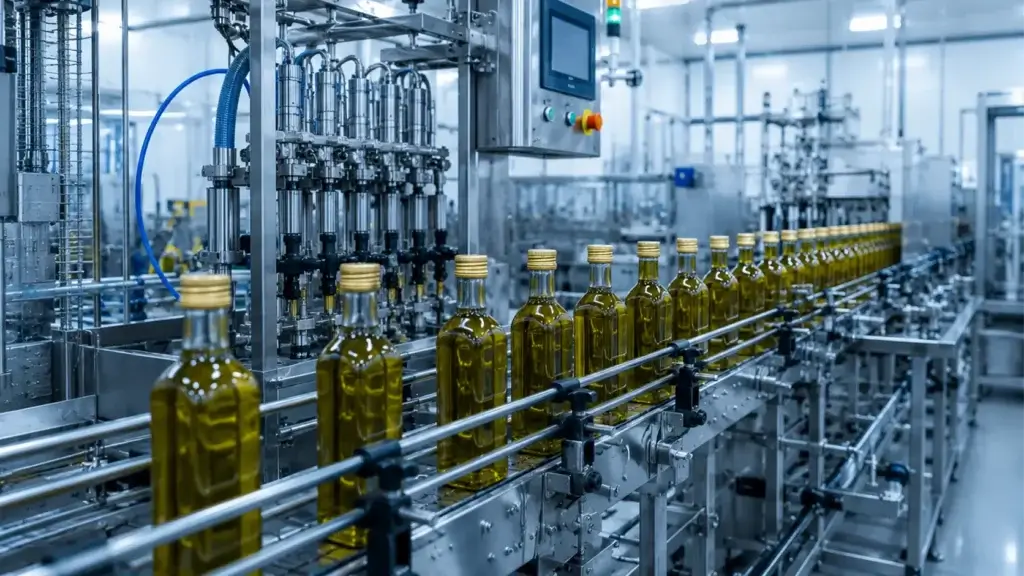
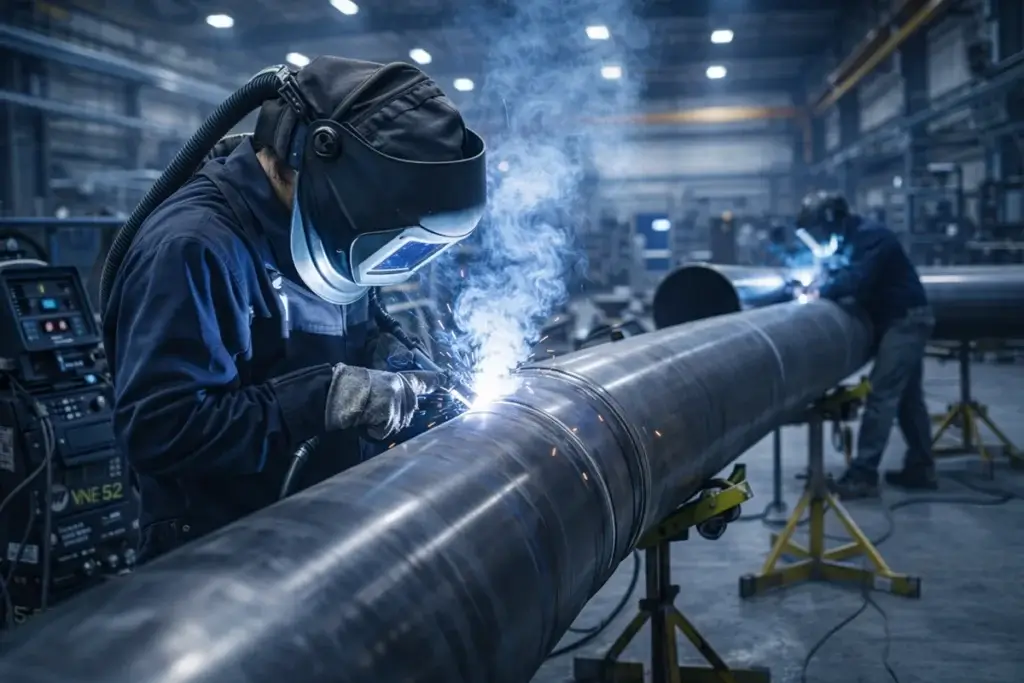
Vegetable Oil 01 Vegetable Oil Clarity, purity and shelf life in vegetable oil and refining. Explore solutions Pipe and Profile 02 Pipe and Profile Cooling water filtration in pipe and profile extrusion. Explore solutions Paint Industry 03 Paint Industry Surface quality and pigment filtration in the paint industry. Explore solutions Glass Industry 04 Glass Industry Furnace and process filtration in the glass industry. Explore solutions Dialysis Centers 05 Dialysis Centers Water preparation and process filtration in dialysis centers. Explore solutions Foundry Industry 06 Foundry Industry Equipment protection and dust filtration in foundries. Explore solutions Industrial Oil 07 Industrial Oil Filtration in industrial oil production and recovery. Explore solutions Energy and Biogas 08 Energy and Biogas Maximum efficiency and turbine protection in energy and biogas. Explore solutions Recycling 09 Recycling Filtration for efficiency and environmental compliance in recycling. Explore solutions Food and Beverage 10 Food and Beverage Hygienic filtration in food and beverage. Explore solutions Pharmaceuticals and Biotechnology 11 Pharmaceuticals and Biotechnology GMP-compliant sterile filtration in pharmaceuticals and biotechnology. Explore solutions Paper and Packaging 12 Paper and Packaging Process water filtration in paper and packaging. Explore solutions Chemical Industry 13 Chemical Industry Corrosion-resistant, safe filtration in the chemical industry. Explore solutions Cosmetics 14 Cosmetics Microbiological safety and precision filtration in cosmetics. Explore solutions Machinery 15 Machinery Precision and technical filtration in the machinery industry. Explore solutions Printing and Ink 16 Printing and Ink Flawless color and print quality in printing and ink. Explore solutions Metal and Surface Treatment 17 Metal and Surface Treatment Flawless surfaces and bath stability in metal and surface treatment. Explore solutions Forest Products 18 Forest Products Resin and glue filtration in forest products and furniture. Explore solutions Automotive 19 Automotive Precision process filtration for zero defects in automotive manufacturing. Explore solutions Oil and Petrochemicals 20 Oil and Petrochemicals Equipment protection and process safety in oil and petrochemicals. Explore solutions Plastic Packaging 21 Plastic Packaging Precision process filtration and raw material purity in plastic packaging. Explore solutions Plastic Injection Molding 22 Plastic Injection Molding Cooling and hydraulic filtration in plastic injection molding. Explore solutions Water and Environment 23 Water and Environment Recovery filtration in water and environmental technologies. Explore solutions Shipyards and Marine 24 Shipyards and Marine Operational safety and efficiency in shipyards and marine. Explore solutions




Products that work with this product

Housings the cartridge fits, alternatives with the same end-cap types and the parts needed for connection.
This product
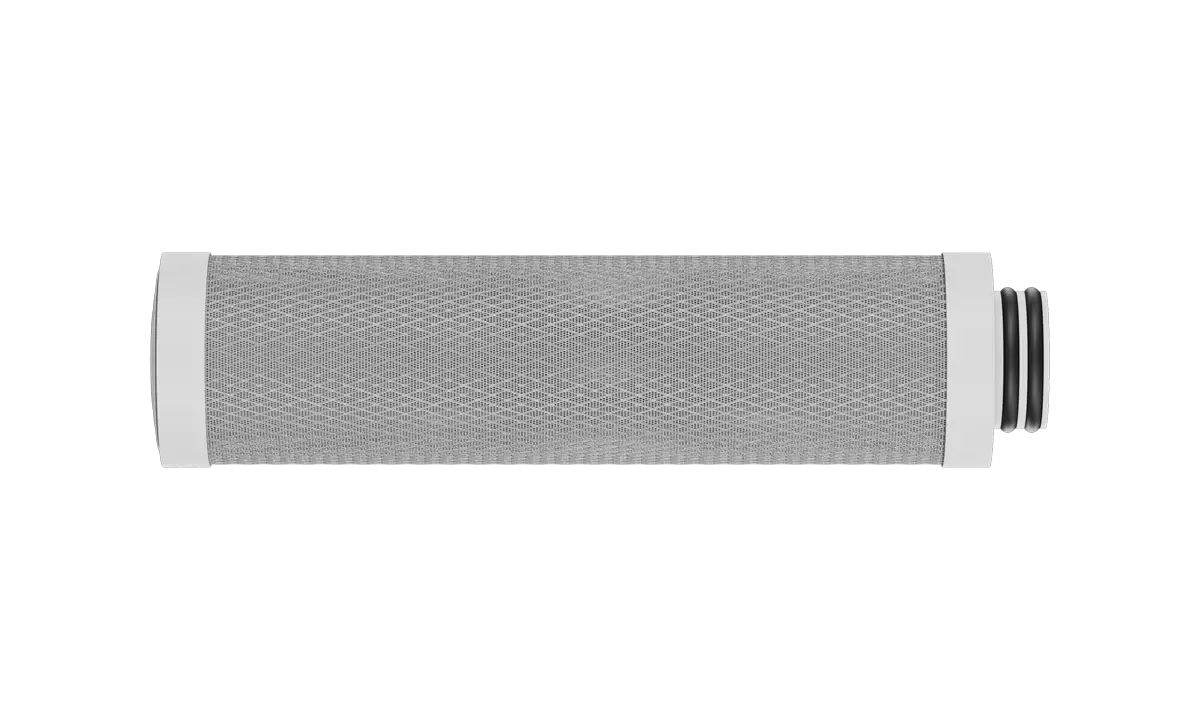
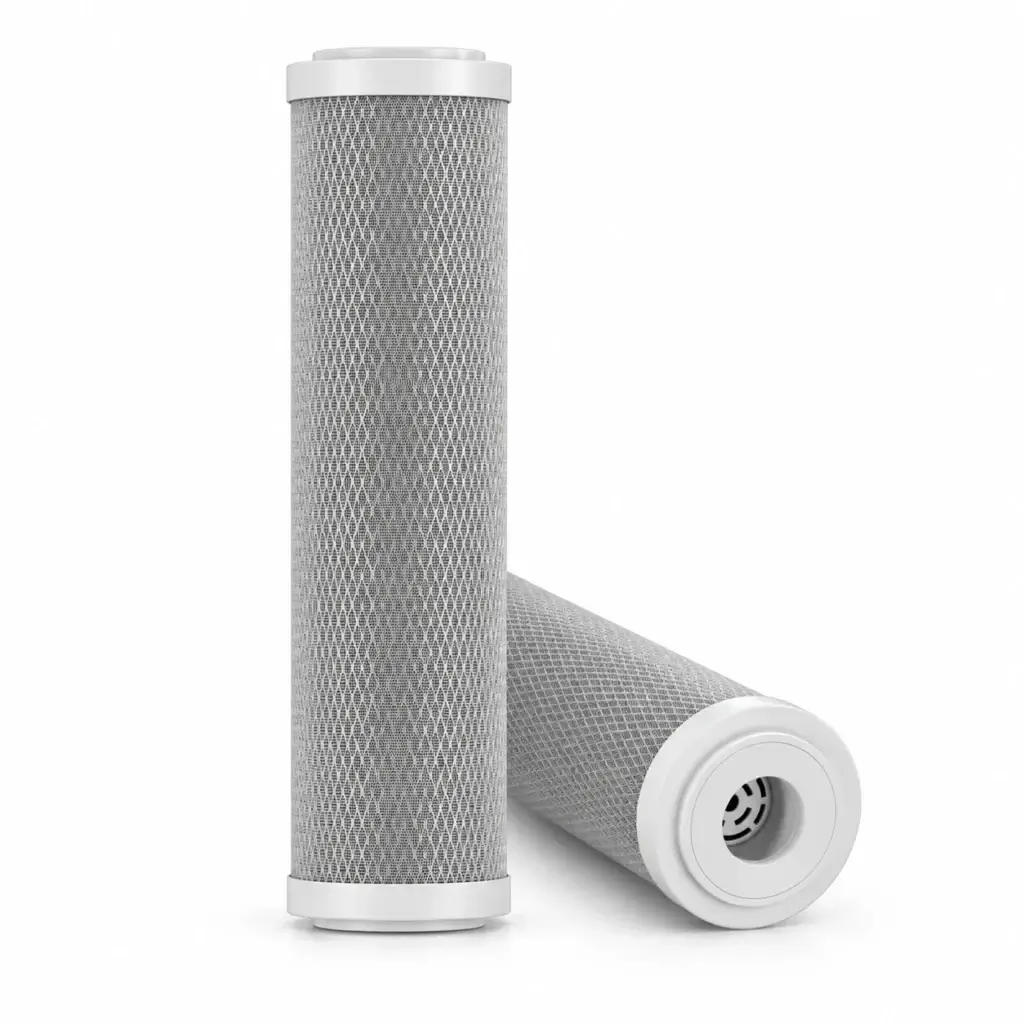
Carbon block activated carbon cartridge filter, with open end detail

Activated Carbon Cartridge Filter

Cartridge Filters
Melt blown cartridge filter

Melt Blown Cartridge Filter

Economical depth filter, also used as a pre-filter.

View →
String-wound cartridge filter

String-Wound Cartridge Filter

Graded-porosity depth filter, 0.8–150 µm.

View →
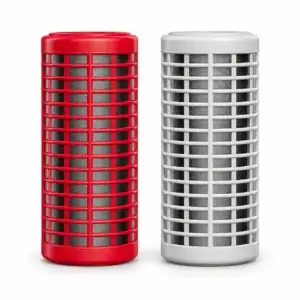
Red and white polypropylene washable cartridge filters with cage-structured body

Washable Cartridge Filter (PP / SS 304)

500+ wash cycles; PP or SS 304 mesh cartridge.

View →
Suitable for Use Together
Request everything in one quote: let’s size the product, housing and connection parts together.

Your Questions Answered

Frequently Asked Questions

At Prosestim, we are committed to answering your questions and providing technical support for our filtration solutions.
An activated carbon cartridge removes chlorine, odour, taste, colour, VOCs and organic chemicals by adsorption. Its working principle is chemical adsorption; it does not retain particles or suspended solids. To remove coarse particles, a PP sediment filter must always be added to the system before the activated carbon; otherwise the carbon surface fills quickly and cartridge life is seriously shortened.

GAC (granular activated carbon) cartridges have a higher flow rate and temperature tolerance (4–82 °C); they are preferred in industrial processes and on high-flow lines. The maximum operating pressure is 4.2 bar.

CTO (block) cartridges operate at a lower flow rate (4–38 °C), but because there is no risk of bypass, filter integrity is higher; they suit drinking water and sensitive process applications. The maximum pressure is 2.4 bar.

SOE (single open end): one end of the cartridge is open and the other closed; sealing is provided by an NBR O-ring to the 222 connection standard. DOE (double open end): both ends are open and sealing is achieved with gaskets on both faces. Choosing the wrong type creates a risk of bypass and can seriously reduce filter efficiency; confirm the standard of your existing filter housing before ordering.

After installing a new cartridge, flush the system with plenty of water for at least 5 minutes before putting it into service. In systems put into service without flushing, carbon fines (fine carbon dust) can pass downstream and contaminate the process water. Also always confirm that the O-ring gasket is fully seated in DOE/SOE connections; incomplete contact leads to a risk of bypass and zero removal efficiency.

Use an inlet–outlet colorimetric test kit to detect chlorine breakthrough; when chlorine is detected in the outlet water, it is time to replace the cartridge. The return of odour and taste is also a sign of chlorine breakthrough. Cartridge life is directly related to inlet water contamination, flow rate and the total volume of water treated; periodic testing is preferred over a fixed schedule.

After long periods of standing idle (more than a few weeks), there can be a risk of bacterial growth in an activated carbon cartridge. Before putting the system back into service, replacing the cartridge and disinfecting the related pipelines is recommended. Stagnant water should not be allowed to collect inside the cartridge.

Coconut shell-based activated carbon is harder, has a lower ash content and a narrower pore distribution; it is the standard choice for drinking water, food and pharmaceutical applications. Coal (anthracite)-based carbon, with its wider pore structure, is used to remove large-molecule organic contaminants and in industrial processes. We recommend talking to our technical team to determine the right media type for your process’s contaminant profile.

Yes, it should be added. Reverse osmosis (RO) polyamide thin-film composite (TFC) membranes are very sensitive to free chlorine; even chlorine at 0.1 ppm breaks the membrane’s polymer bonds and irreversibly impairs its salt rejection. A CTO block or GAC activated carbon cartridge placed ahead of the RO membrane adsorbs free chlorine with high efficiency, fully protecting the RO membranes against chemical degradation.

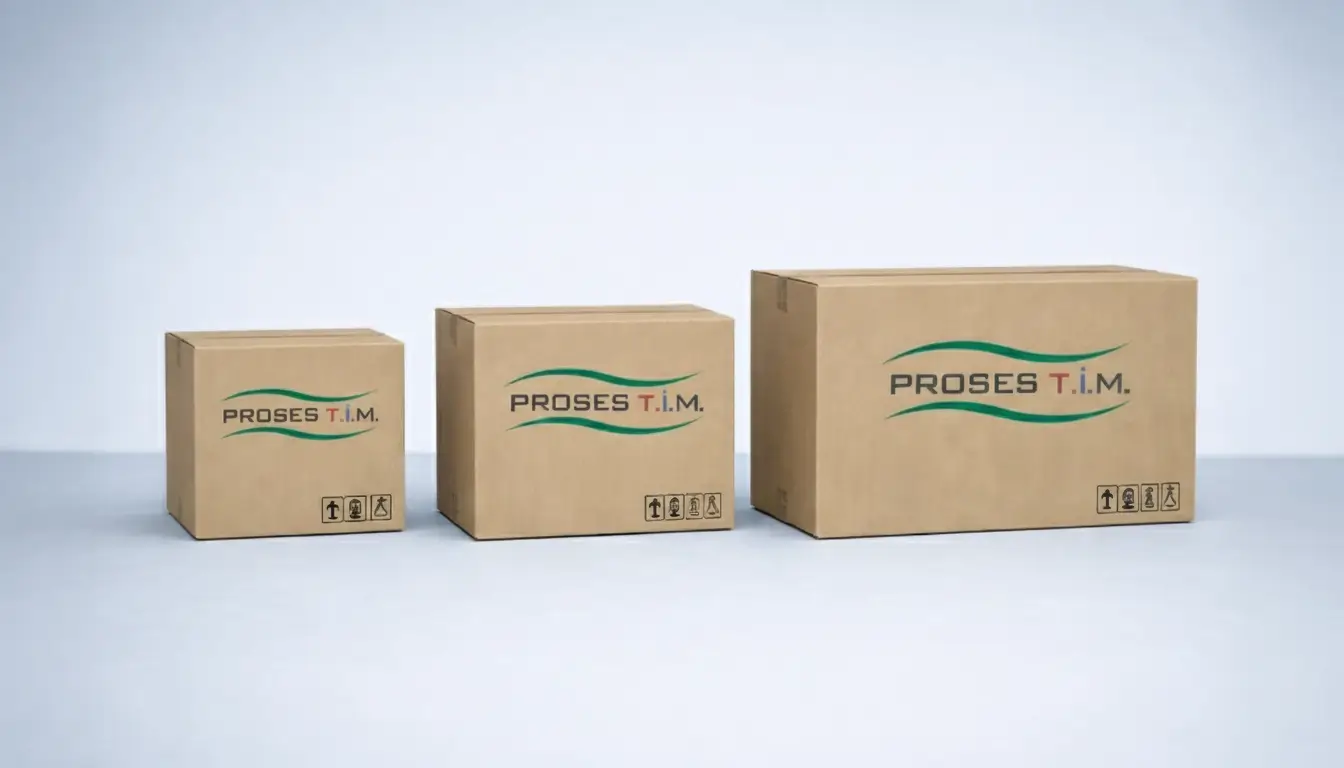
Box Dimensions

335 × 410 × 560 mm
Capacity: 30 pcs per carton for 20" / 60 pcs per carton for 10".
335 × 410 × 810 mm
Capacity: standard packing of 25 pcs per carton for 30" cartridges.
Cardboard cartridge filter shipping boxes in three sizes with the Prosestim logo
Fast Quote & WhatsApp Consultation

Activated Carbon Cartridge Filter RFQ Configurator

Configure your variation dimensions and technical specifications to receive an instant quote directly on WhatsApp and via email.

1 Select Variation Type
2 Dimensional & Technical Specifications
Filter Length:
5 Inch
10 Inch
20 Inch
30 Inch
3 Required Quantity
QUICK QUOTE FORM

Activated Carbon Cartridge Filter

Variation Type: CTO Block Activated Carbon Cartridge Filter
Filter Length: 5 Inch
Diameter: Big
Request Quantity: 10 Units
ISO 9001:2015 Certified Production
Reply from Our Technical Team
Delivery Across Türkiye and Export

Accounting

Billing Details

Copy our registered company name, tax and e-invoice details with one click using the button on each row.

Invoice name (registered company name)

PROSES TİCARET, İMALAT, MÜHENDİSLİK ENDÜSTRİYEL MADDE VE MALZEME İMALATI İNŞAAT VE SANAYİ LİMİTED ŞİRKETİ

Billing address

Musa Gündüz Cad. No:14 Taşköprü – Çiftlikköy – YALOVA, TÜRKİYE

E-invoice / e-archive email address

Tax office

Yalova Tax Office (Yalova V.D.)

Tax ID number

7330379514

MERSIS number

0733037951400013

Please send BA/BS forms, current account reconciliations and any other emails for our Finance and Administrative Affairs Department to [email protected].

Invoice name (registered company name): PROSES TİCARET, İMALAT, MÜHENDİSLİK ENDÜSTRİYEL MADDE VE MALZEME İMALATI İNŞAAT VE SANAYİ LİMİTED ŞİRKETİ Billing address: Musa Gündüz Cad. No:14 Taşköprü – Çiftlikköy – YALOVA, TÜRKİYE E-invoice / e-archive email address: [email protected] Tax office: Yalova Tax Office (Yalova V.D.) Tax ID number: 7330379514 MERSIS number: 0733037951400013